


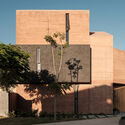
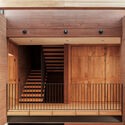
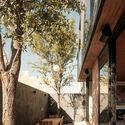
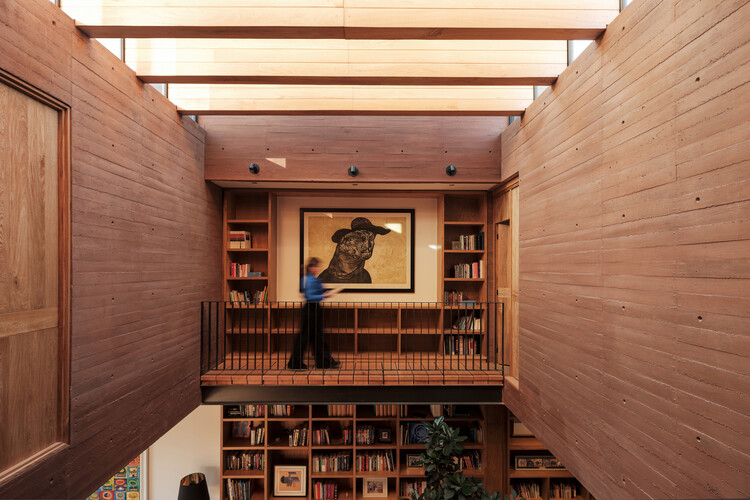
Writer's House / em-estudio

https://www.archdaily.com/1036289/writers-house-em-estudioValentina Díaz
Building for the Heat: How Terraco’s Systems Can Reduce Energy Use in Hot Regions
| Sponsored Content

Terraco, a global leader in Exterior Insulation Finishing Systems, has demonstrated through independent studies that when planning building renovations, it is essential to adopt a deep retrofit strategy that includes energy-efficient measures, such as thermal insulation of external walls and roofs.
The studies show that cooling energy use in buildings can be reduced by up to 47% annually in Middle Eastern and South Asian climates, directly as a result of installing the combined Terraco EIFS and Roof Insulation Finishing Systems, compared to leaving external walls and roofs uninsulated.
https://www.archdaily.com/1036280/building-for-the-heat-how-terracos-systems-can-reduce-energy-use-in-hot-regionsRene Submissions
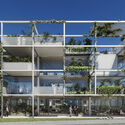
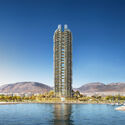
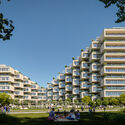
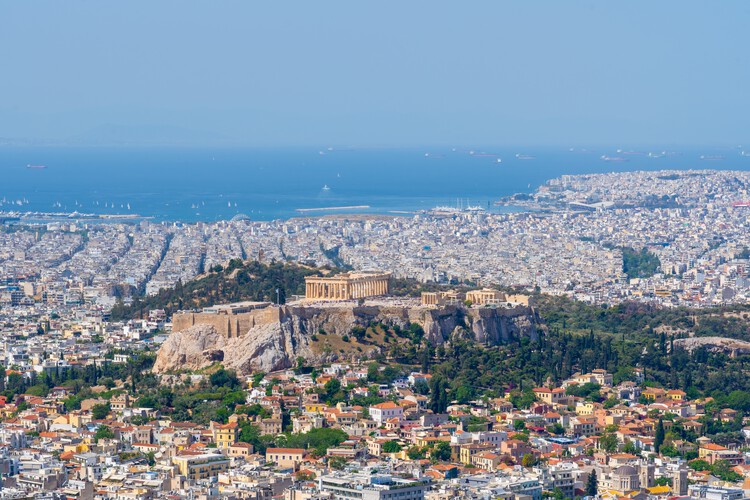
Urban Regeneration in Greece: The Ellinikon Master Plan and Beyond

Greece's built environment is shaped by the coexistence of multiple architectural layers, where historic structures, modern interventions, and evolving urban systems intersect. Classical landmarks and their surrounding urban fabrics continue to inform the spatial character of cities, while postwar developments, infrastructural upgrades, and contemporary projects add new dimensions to the country's architectural landscape. This continuity between past and present provides the foundation for current design approaches, which increasingly focus on balancing heritage, environmental considerations, and contemporary urban needs.

https://www.archdaily.com/1036590/urban-regeneration-in-greece-the-ellinikon-master-plan-and-beyondReyyan Dogan
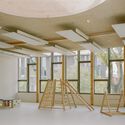
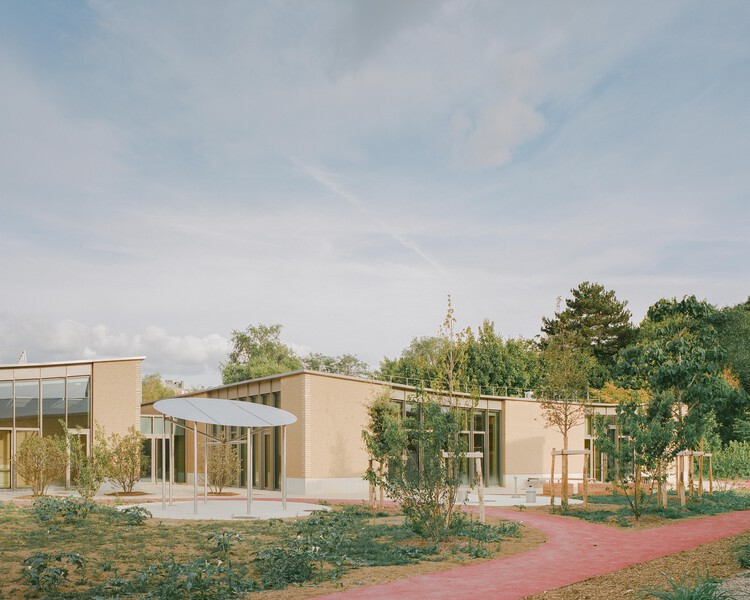
Parc des Loges - Childhood and Sports Center / HEMAA Architectes
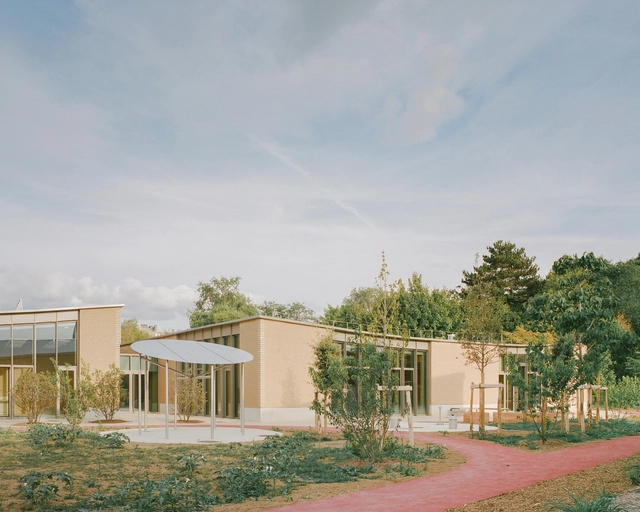
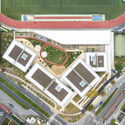
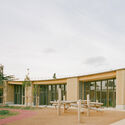
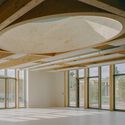
-
Architects: HEMAA Architectes
- Area: 2444 m²
- Year: 2025
-
Professionals: BETerre, ANA Ingénierie, Wald, TERRE ET PIERRE, DONATO, +11
https://www.archdaily.com/1036478/parc-des-loges-childhood-and-sports-center-hemaaPilar Caballero
UNS Designs a 10-Minute Walkable City Master Plan for Multigenerational Living in Seoul, South Korea

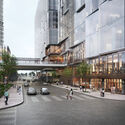
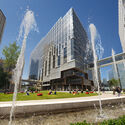
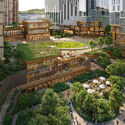
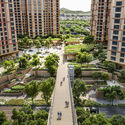
UNS has revealed images of SeoulOne, a master plan designed for Hyundai Development Company (HDC) in Seoul, South Korea, intended as a new model for multigenerational living. The project, already under construction on a brownfield site in the northeast of the city, reimagines an existing industrial site and railway area as a 405,000 m² car-free neighborhood for a multigenerational community. A never-sleeping, green master plan for Seoul, SeoulOne is envisioned as a mixed-use mini-city where all essential services for people of all ages are available within a 10-minute walk. The design includes 24/7 residential towers, retail spaces, offices, a hotel, sports facilities, daycare centers, senior living facilities, and a medical center, offering permanent services within walking distance. More than 30% of the site is dedicated to vegetation, including pocket parks, roof gardens, water gardens, and a forest walk, creating a year-round green village.

https://www.archdaily.com/1036582/uns-designs-a-10-minute-walkable-city-master-plan-for-multigenerational-living-in-seoul-south-koreaAntonia Piñeiro
The Year in Review: ArchDaily’s December Editorial Focus

From the pavilions of Osaka and Venice, to the roundtables of Belém, another year comes to a close. December invites us to pause and look back at the moments that defined architecture and cities in 2025. Reflection is not only an act of memory, but of foresight — a way to understand where we've been in order to imagine where we might go next. From shifting cultural narratives to material and technological breakthroughs, this past year underscored the importance of experimentation and adaptation across the built environment.
This month, ArchDaily explores the Year in Review, gathering the year's most compelling stories, ideas, and voices. The coverage revisits the projects, interviews, and essays that shaped the conversation, while recognizing the architects and thinkers who left a lasting impact on the discipline. It also looks ahead, identifying the most anticipated projects and issues of 2026, and the emerging directions they suggest.
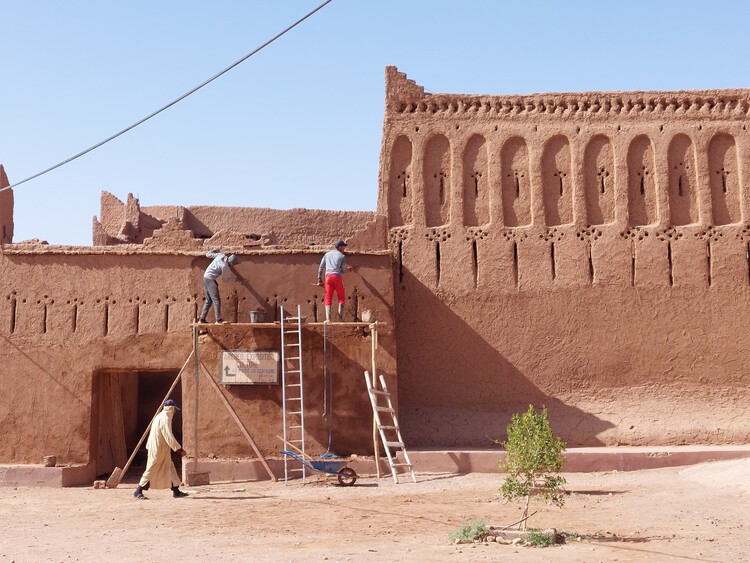
https://www.archdaily.com/1036469/the-year-in-review-archdailys-december-editorial-focusRomullo Baratto
From Tirana to Monterrey: 8 Unbuilt Housing Projects Reimagining Collective Living

Collective housing remains one of the most active areas for unbuilt architectural exploration, revealing how architects are rethinking domestic life, density, and shared living across different cultural and environmental contexts. In this curated Unbuilt edition, submitted by the ArchDaily community, the selected proposals investigate new forms of dwelling that span mobile units, vertical developments, adaptive reuse, and landscape-driven residential clusters. Rather than treating housing as a purely functional container, these projects position it as a social and spatial framework that shapes everyday life, community ties, and long-term urban resilience.
Across varied geographies, from Tirana and Athens to Monterrey, Chaloos, Roatán, Bhola, and the DRC, these proposals explore multiple approaches to collective living: transforming industrial shells into residential structures, extending existing masterplans through landscape integration, reimagining verticality in dense urban centers, and developing modular prototypes that can adapt to changing climates or patterns of mobility. Some projects prioritize ecological strategies and local materials, while others test new models for accessibility, community well-being, or incremental urban growth. Together, they reflect a broad spectrum of architectural responses to contemporary housing pressures.

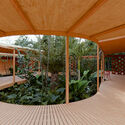
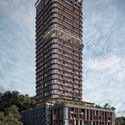
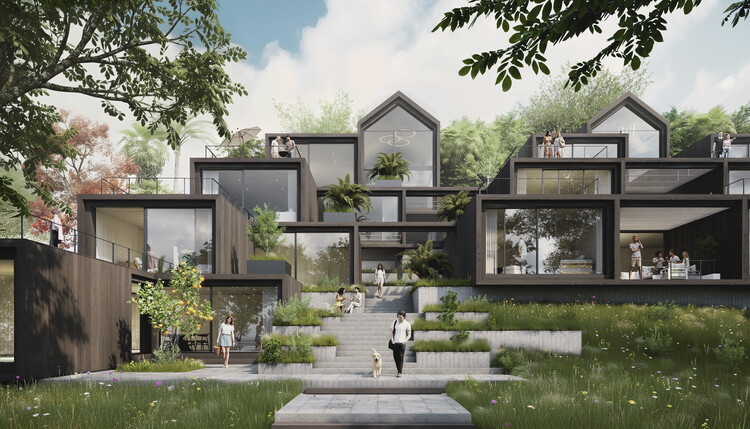
https://www.archdaily.com/1036571/from-tirana-to-monterrey-8-unbuilt-housing-projects-reimagining-collective-livingNour Fakharany
Doca Linear Park / Natureza Urbana

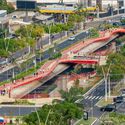
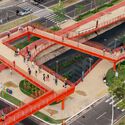
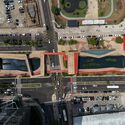
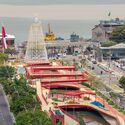
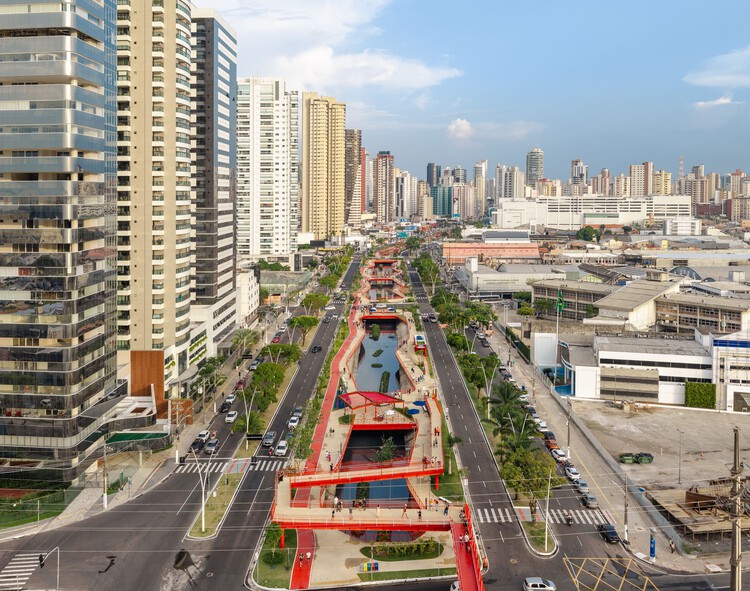
https://www.archdaily.com/1036332/doca-linear-park-natureza-urbanaSusanna Moreira
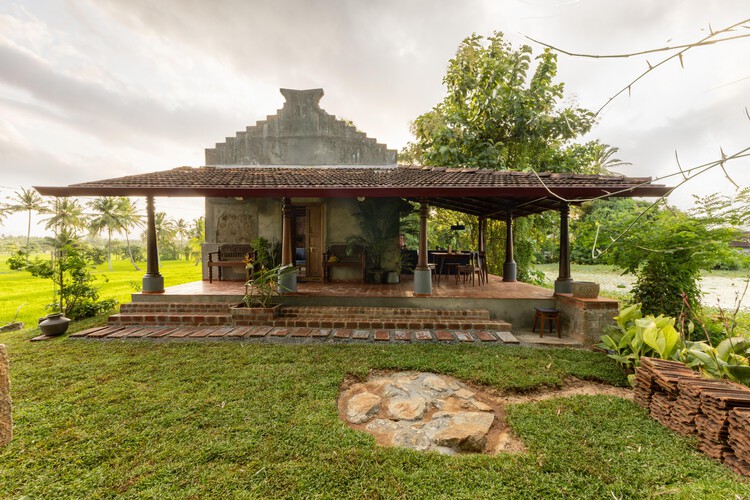
Kalam by Paddy House / Episode architects

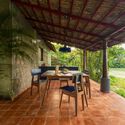
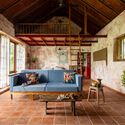
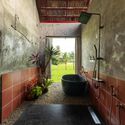
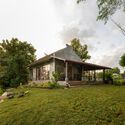
-
Architects: Episode architects
- Area: 1000 ft²
- Year: 2025
-
Manufacturers: Ruhe
https://www.archdaily.com/1036474/kalam-by-paddy-house-episode-architectsMiwa Negoro
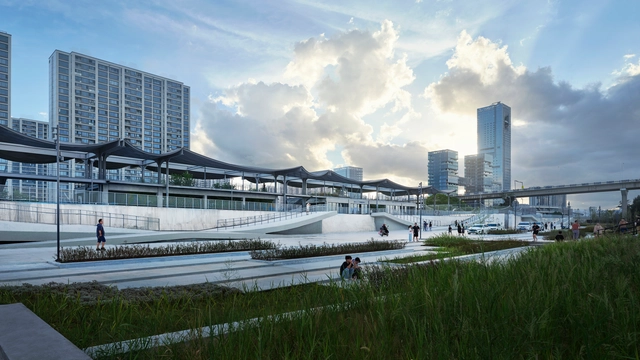
A Reborn Scenic Field Above Waves / TJAD Original Design Studio
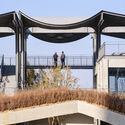
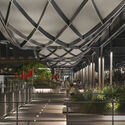
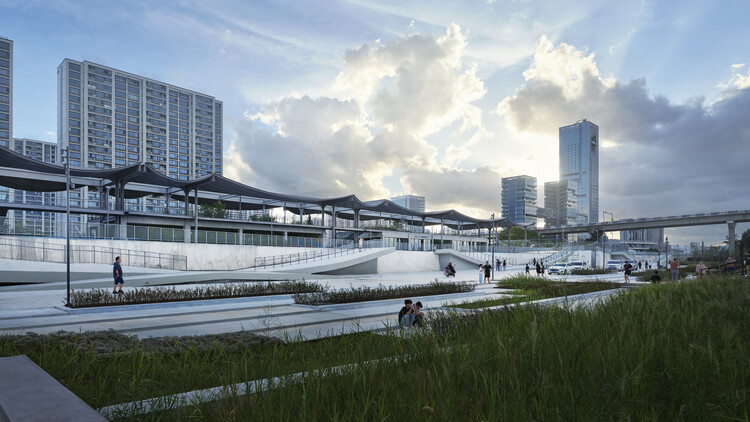
-
Architects: TJAD Original Design Studio
- Area: 7485 m²
- Year: 2024
https://www.archdaily.com/1036147/a-reborn-scenic-field-above-waves-tjad-original-design-studioPilar Caballero
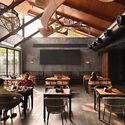
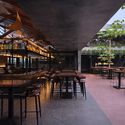
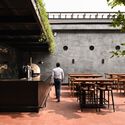
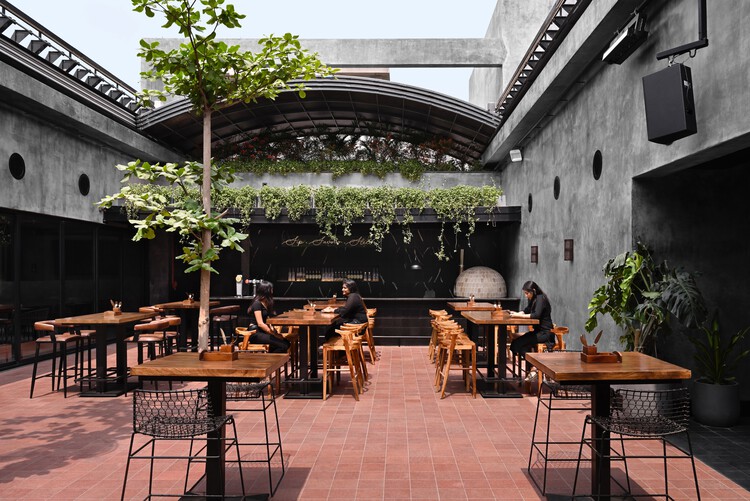
Tabula Rasa 2.0 Restaurant / 23 Degrees Design Shift

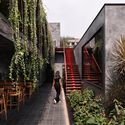
-
Architects: 23 Degrees Design Shift
- Area: 14770 ft²
- Year: 2025
https://www.archdaily.com/1036452/tabula-rasa-restaurant-23-degrees-design-shiftMiwa Negoro
Villa Vista / Znameni Ctyr Architekti
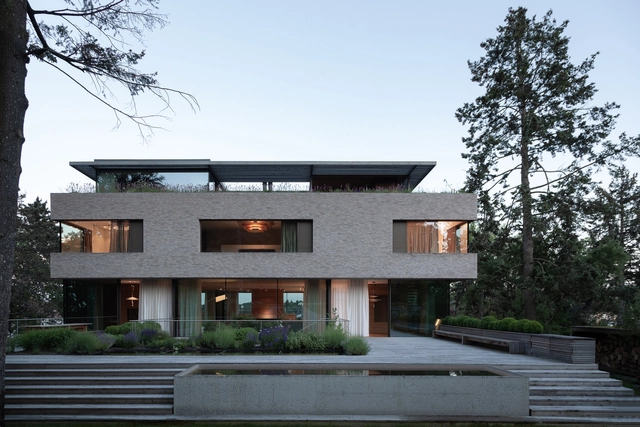




https://www.archdaily.com/934540/villa-vista-znameni-ctyr-architektiPaula Pintos



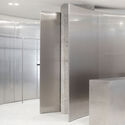
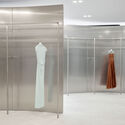
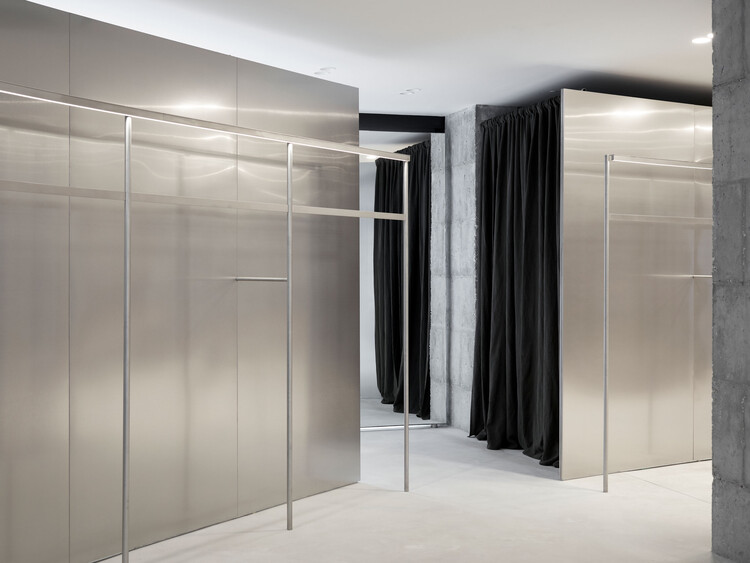
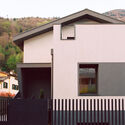
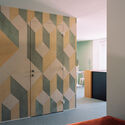
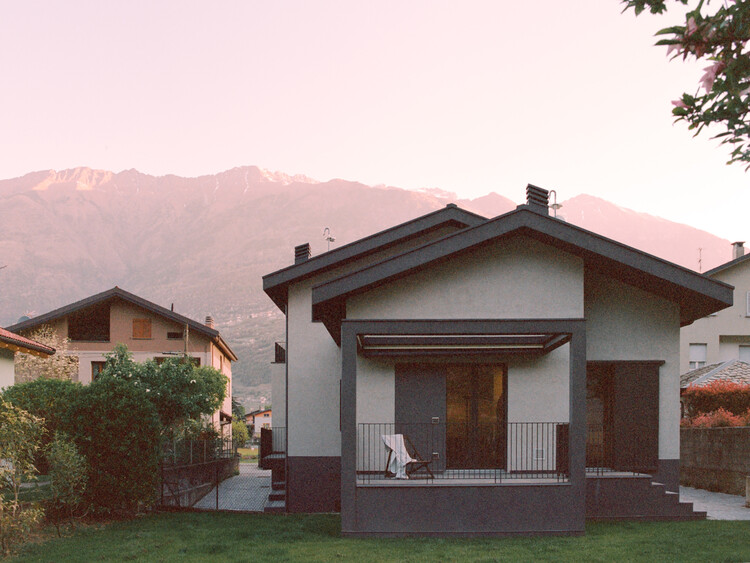
The Gray Race House / Rinaldo Del Nero

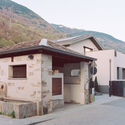

-
Architects: Rinaldo Del Nero
- Year: 2025
-
Manufacturers: Bega, Tecnografica, Azzurra, Azzurra ceramica, Cielo, +12
https://www.archdaily.com/1036489/the-gray-race-house-rinaldo-del-neroValeria Silva
What Fits in the Void? Terrain Vague and Cities That Resist Planning

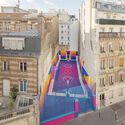
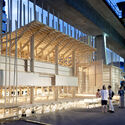
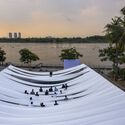
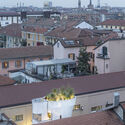
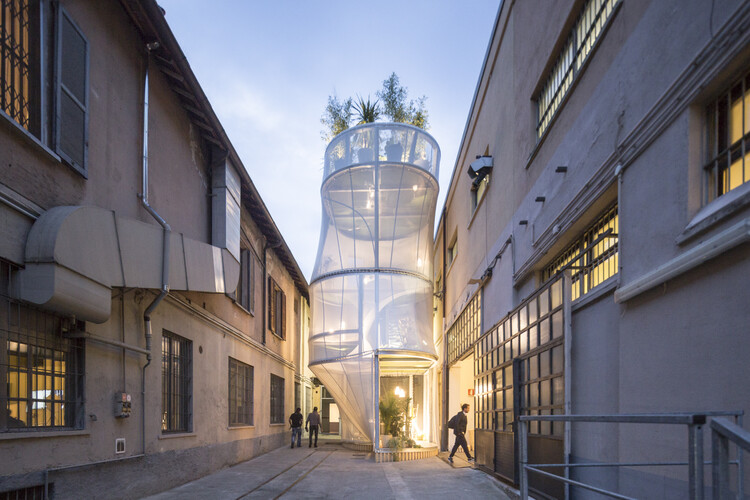
Every city carries, woven into its fabric, fissures that resist capture: ruins, vacant lots, leftover infrastructures, and gaps that persist at the margins of the official narrative. These are places that slip through the logics of planning, emerging as unexpected counter-scenes within a territory that seeks to present itself as coherent.
In the rush to organize and predict, we rarely pause to notice what emerges from such unforeseen conditions. Yet it is precisely in them that new forms of urban life begin to take shape. Free from pragmatic control or predetermined codes of conduct, these spaces reveal another layer of the city — one that, in its continual state of latency, opens room for new modes of appropriation.
https://www.archdaily.com/1036323/what-fits-in-the-void-terrain-vague-and-cities-that-resist-planningCamilla Ghisleni
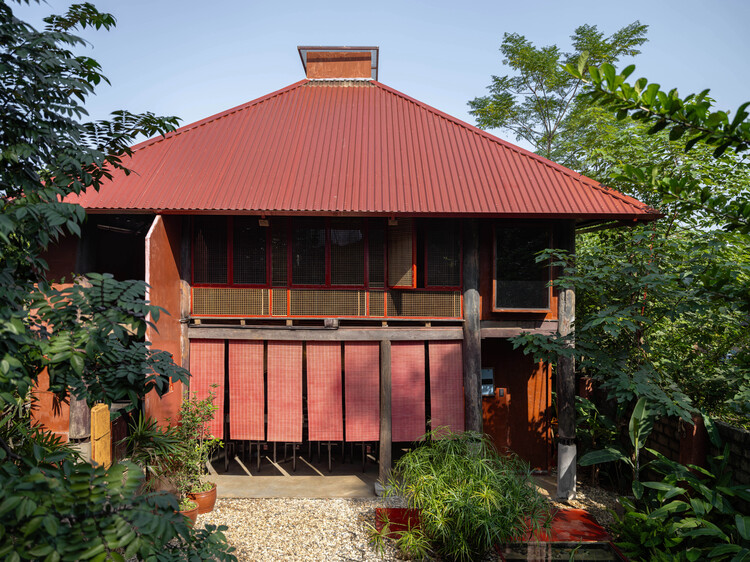
MÔ He’ritage Villa / MÔ he studio

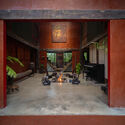
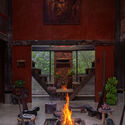
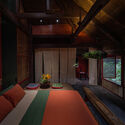
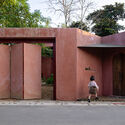
-
Architects: MÔ he studio
- Area: 307 m²
- Year: 2025
https://www.archdaily.com/1036464/mo-heritage-villa-mo-he-studioMiwa Negoro
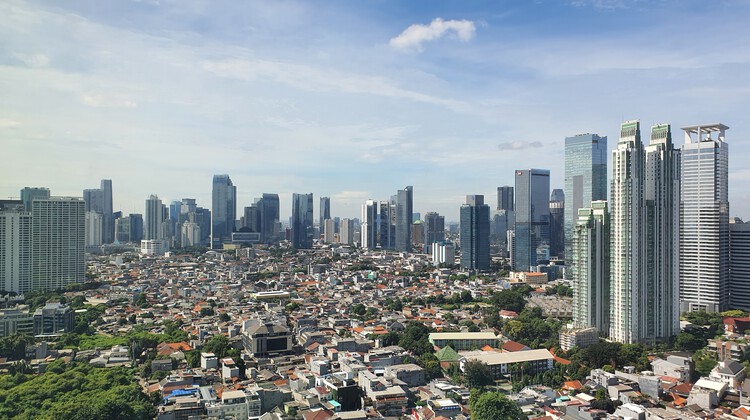
Jakarta Becomes the World’s Most Populous City, According to New UN Data
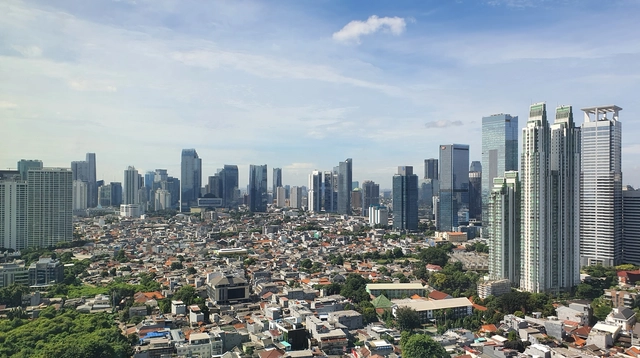
Jakarta has become the world's most populous city, according to the World Urbanization Prospects 2025 released by the United Nations Department of Economic and Social Affairs (UN DESA). Using an updated and harmonized method for defining urban areas, the report estimates Jakarta's population at nearly 42 million, placing it ahead of Dhaka, which is about 40 million, and Tokyo, 33 million. The revised ranking illustrates how updated measurement criteria and continued demographic growth are reshaping understandings of urban scale in Asia and globally.



https://www.archdaily.com/1036544/jakarta-becomes-the-worlds-most-populous-city-according-to-new-un-dataReyyan Dogan


