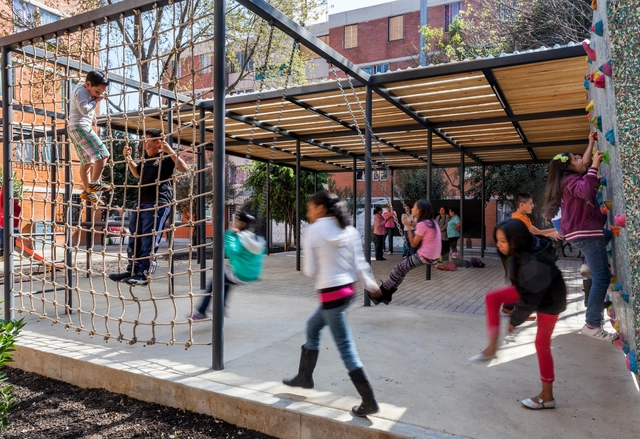
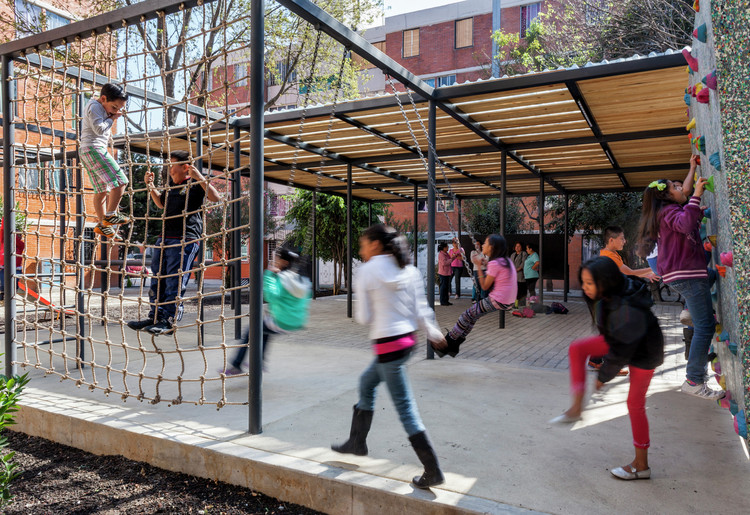
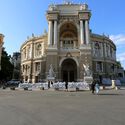
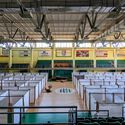
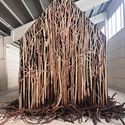
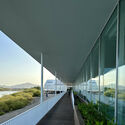
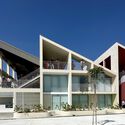
The International Placemaking Week, presented by Project for Public Spaces (PPS) is an inspiring and engaging event designed as a global gathering of placemakers from different sectors to discuss thoughts and share strategies in order to push forward the concept of placemaking in the host city and on an international level. Previous editions took place in Vancouver in 2016, Amsterdam in 2017, and Chattanooga, Tennessee in 2019.
PPS, the nonprofit organization behind Placemaking Week, helps people create and sustain public spaces that build strong communities. In 1999, they elaborated “How to turn a place around”, a book that defined the placemaking movement, creating a guideline of 11 principles to follow in order to create vibrant community spaces.
If anyone can be said to know about the wishes and dreams of brides-to-be, surely it's those behind the creation of that mythical matrimonial object, the wedding dress. For more than 30 years, one of Sweden’s most famous fashion designers, Lars Wallin, has created dresses for women about to live, what is for many, the ultimate romantic experience. And with his design for a recently finished bridal suite at Gothenburg's SAS Radisson, Wallin has demonstrated not only his haute couture finesse in realising dreams of glamour and romance, but also an ability to seamlessly transfer his creative talents from the boutique to the bedroom.
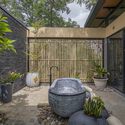
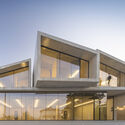
Part two of "Stories of Lisbon's Light" takes place in Cascais, a vibrant seaside resort an hour away from Lisbon, hidden on the westernmost tip of the European continent. Right on the Riviera Portuguesa, architect Bruno Novo gave his modern, minimalist touch to a holiday villa where natural light plays the leading part. Focusing on natural elements and minimal touches that open up the spaces inside and outside, the house is made with a family holiday in mind.
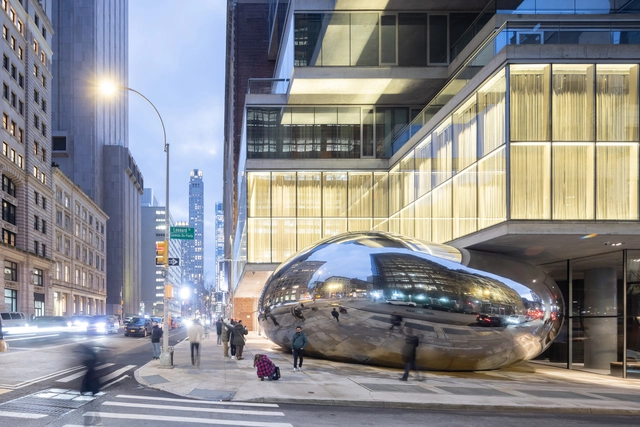
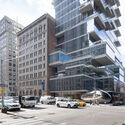
On January 31st, construction scaffolding and barriers were disassembled from the site at 56 Leonard Street, revealing Anish Kapoor’s first permanent artwork in New York City. The 48-foot-long, 19-foot-tall, 40-ton sculpture is nestled partially beneath the Herzog & de Meuron-designed residential building in the Tribeca neighborhood in Lower Manhattan. The mirrored sculpture is reminiscent of Kapoor;’s work called Cloud Gate, also known as “The Bean,” in Chicago, US.
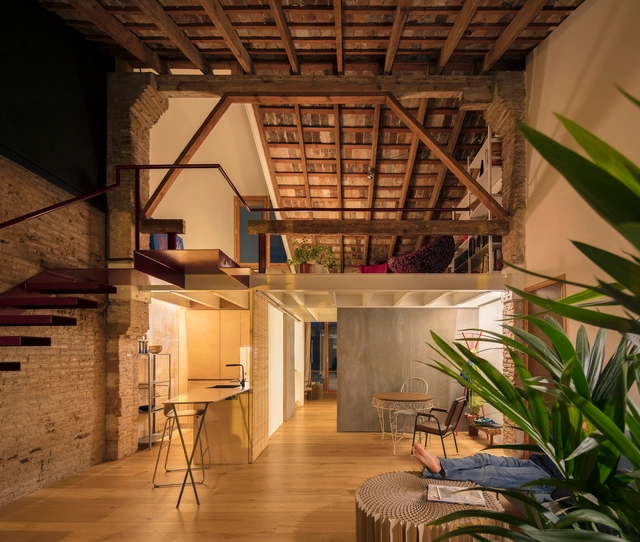
Lofts can refer to the highest story of a building, such as attics, for example, which have been converted into apartments or studios. Later on, the term loft started to be used to describe open-concept spaces, where the entire architectural program was incorporated into one large room, resulting in a market trend.
People are increasingly looking for more flexible and open spaces, so we have put together a selection of 25 lofts that provide different approaches to these environments: either by creating a mezzanine to take advantage of the high ceiling or simply by arranging furniture.
Subject to the forces of capital, migrating populations, and political circumstances, our planet’s cities are constantly evolving. This continuous evolution is evident in the built fabric of settlements, as architects and planners build upon layers of the built environment, with some having the strenuous task of having to integrate the historic urban areas of cities successfully with contemporary architectural interventions and systems.
The cities of this category are frequently in an internal conflict — oftentimes having to grapple with the sometimes contradictory aims of both sustaining local populations and welcoming outside investment and national development projects.
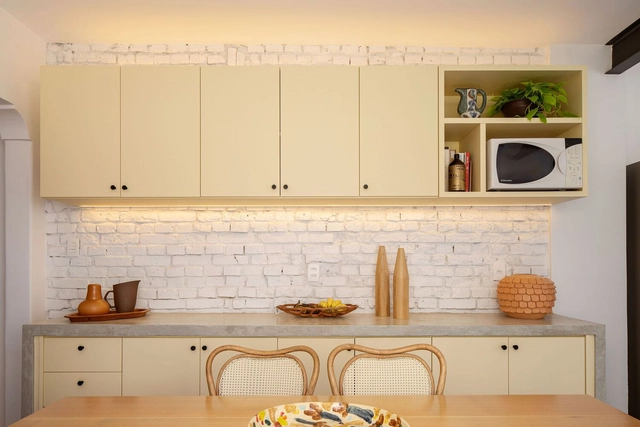
Over time, the kitchen has ceased to be considered only as a workspace and became a meeting and leisure area. For many, it is the heart of the home. Therefore, it is necessary to design an ambiance that can help when preparing dishes and also bring comfort during a gathering with friends and family.
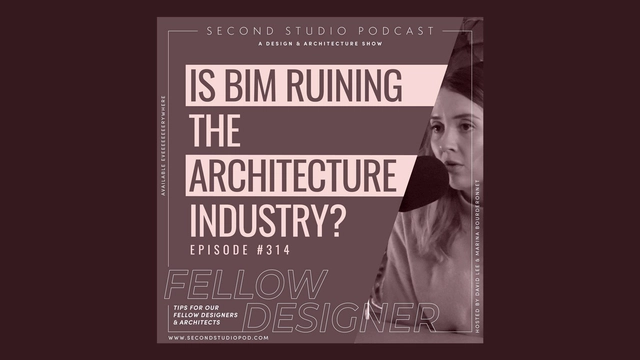
The Second Studio (formerly The Midnight Charette) is an explicit podcast about design, architecture, and the everyday. Hosted by Architects David Lee and Marina Bourderonnet, it features different creative professionals in unscripted conversations that allow for thoughtful takes and personal discussions.
A variety of subjects are covered with honesty and humor: some episodes are interviews, while others are tips for fellow designers, reviews of buildings and other projects, or casual explorations of everyday life and design. The Second Studio is also available on iTunes, Spotify, and YouTube.
https://www.archdaily.com/995576/the-second-studio-podcast-is-bim-ruining-the-architecture-industryThe Second Studio Podcast
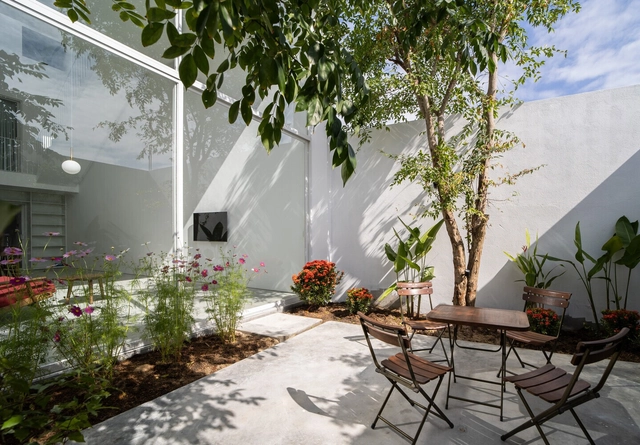
In urban centers, houses rarely have a large backyard to create a leisure or living area, that's why we have gathered some examples that have managed to occupy these areas, improving the connection between interior and exterior and enhancing their users' comfort.
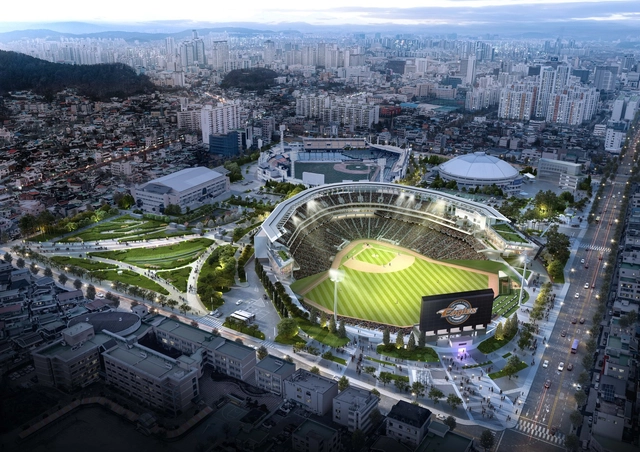
Baseball Dream Park / HAEAHN Architecture, Inc.. Image Courtesy of HAEAHN Architecture
Sport plays an important role in the life of every city, yet the buildings housing these activities pose a particular set of challenges to the architects. Scale and dimensions need to be adapted to allow for unrestricted movement, heights are adjusted to the force of an athlete’s throw, and lighting, surface, and finishes require careful consideration. The matter becomes even more complex if these activities become the center of large-scale events. The flow of people becomes an integral part of the design, as different types of users require separate circulation paths.
This week’s curated selection of Best Unbuilt Architecture highlights the design of sports centers submitted by the ArchDaily community. From a tennis stadium in Italy, to a yoga pavilion on the cliffs of Portugal, this selection features projects centered around movement, practicing, following, and enjoying sports, be it tennis, baseball, yoga or football. The article presents projects from various counties, such as South Korea, Canada, Portugal, and Argentina.
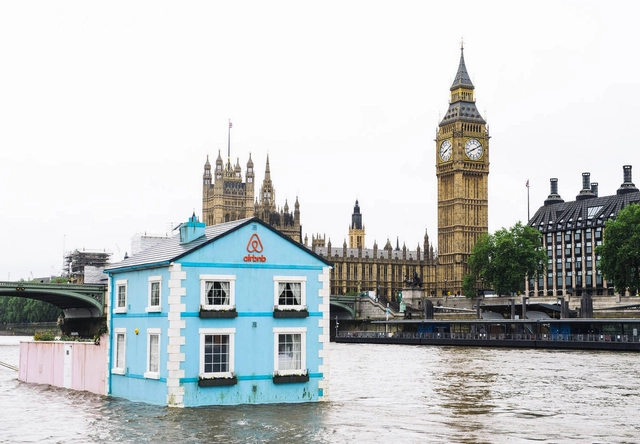
Airbnb has long been a reliable way to find a homestay. Since its inception in 2008, the site has hosted more than 7 million homes around the world where travelers can stay in a room, or rent an entire house out for themselves. Recently, many cities have been cracking down on short-term stays, citing safety issues, false listings, and rising property prices which push people out of their homes when housing becomes used just for Airbnb rentals. What are cities doing about these issues? What is Airbnb doing to help remediate them? And will Airbnb be viable for much longer?
To initiate change of any kind, one must first be aware of the problem at hand. In the construction industry –which is responsible for 39% of global greenhouse gas emissions and countless other environmental impacts– mastering and understanding the numbers related to its processes is extremely important. But assessing the impact of a product or a material is much more complex than one might think. It includes the exhaustive collection of data about its inputs (for example, the raw materials, energy, and water used) and outputs (such as emissions and waste) associated with each stage of the life cycle. This allows for the quantification of the embodied carbon and other environmental impacts, the identification of where performance can be improved, and provides real numbers for a comprehensive and unified comparison between materials and products.
The Whole Building Life Cycle Assessment (wbLCA) method studies the totality of products present in a building, providing valuable information for decision-making related to the design, construction, operation, maintenance, and eventual demolition or reuse of a building. In other words, it refers to the totality of the LCA (Life Cycle Assessment) for all of the building's components. Recently, the National Research Council of Canada, in collaboration with the Athena Sustainable Materials Institute, released the national guidelines for wbLCA, which reflect what is practiced in North America. The aim is to harmonize the practice and to aid interpretation and compliance with relevant standards, with the guidelines being updated periodically as it evolves, enabling the calculation of reliable baselines or benchmarks, supporting LCA-based compliance schemes and assisting in the development and use of wbLCA software.
The Saudi Arabian government has revealed the design for the Mukaab, a cube-shaped supertall skyscraper that will become the center of the New Murabba district in downtownRiyadh. The Mukaab aims to become the largest built structure in the world, measuring 400 meters in height, width, and length. The building will be situated in the North West of Riyadh, in a 19 square kilometers area that will become one of the largest downtown developments in the world. The Mukaab skyscraper and the Murabba district were announced by His Royal Highness Crown Prince Mohammad bin Salman bin Abdulaziz, Prime Minister and Chairman of the New Murabba Development Company (NMDC).
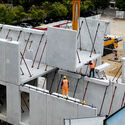
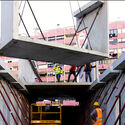
The precast and prefabricated elements made of concrete (such as slabs, pillars, beams and walls) are part of the constructive process known as modular construction. A construction methodology carried out in stages, based on the standardization of the parts that make up the building, with its modules produced on an assembly line, transported and assembled to shape the architecture.
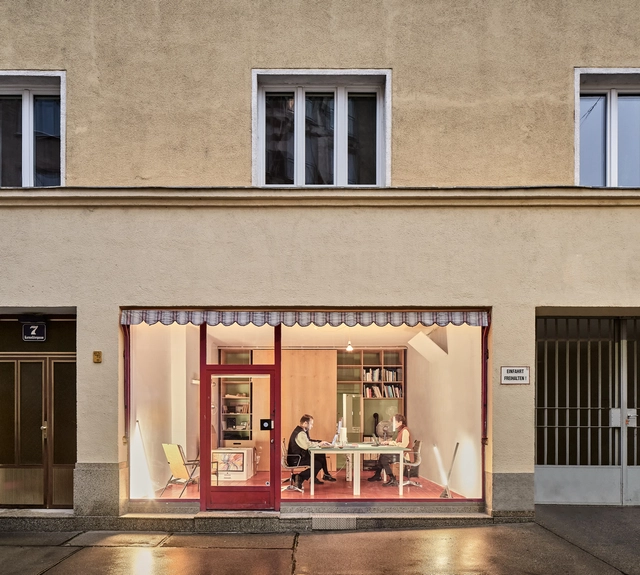
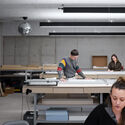
Architectural photographer Marc Goodwin adds one more photo series to his Atlas of Architectural Atmospheres, this time capturing 12 architecture offices in the Austrian capital of Vienna. The series includes the intimate workspaces of AllesWirdGut, Feld72 Architekten, querkraft architekten amongst others.
Goodwin has been working on this project for several years, and the collection holds photographs of work environments of architecture offices in Madrid, Frankfurt, Berlin, Istanbul, Seoul, and many more.
In the late 1960s, Ben Bradlee, the storied executive editor of The Washington Post from 1965 until 1991, confronted making the paper more appealing to younger readers. He ditched Lifestyle as the name of a new, updated section, which he found irksome; instead, he chose Style. As he explained in his memoir: “I liked the word ‘Style’ … I like people with style, with flair, with signature qualities.” After 50 years as Style, and nine years after Bradlee’s death, the section has been renamed Lifestyles. The editorial change notwithstanding, Bradlee used “style” as most non-architects think of it and much in keeping with how Duo Dickinson seems to frame it in a recent Common Edge piece: “Wrestling With Architectural Style in a Post-Style World.” Yet in matters architectural, at least historically, it’s long been another thing altogether.
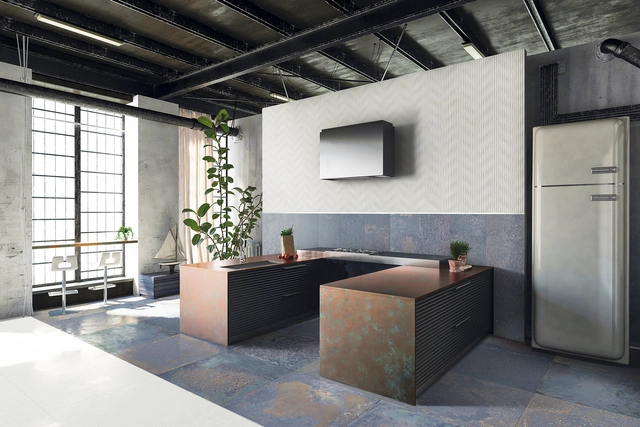
In recent decades, the industrial style has strongly attracted the attention of architects, designers and homeowners. However, few know its true origin. Following the rise of industrialization in the United States during the 1950s, many old industrial spaces, such as warehouses or factories, were abandoned in areas like New York's Soho. As a consequence, prices fell and became affordable housing alternatives for city dwellers. These new repurposed spaces were characterized by an aesthetic that mixed raw and exposed materials with modern elements and technologies, generating a strong aesthetic identity that was as rustic as it was sophisticated.
Today, industrialized-looking interiors are highly appreciated for the character of their materials, providing different shades, textures, brightness and opacity. There are, however, new materials that blend this weathered aesthetic with innovations that facilitate their installation and maintenance. Let's review the case of Aparici's Corten Tile Collection and its possible applications in different spaces of the home.
After another successful selection process, with over 150,000 votes cast during the last 3 weeks, the collective intelligence of our community has helped us to highlight and recognize the best recent architecture projects. The 75 finalists, which is already a winners list, are a testament to the innovative and diverse ways in which architecture responds to the challenges of our built environment.
The scale of this award is a reflection of how important architecture is today, as the deepening complexity of our world places increasing pressure and demands upon our built environment. To deal with issues such as the climate crisis, energy scarcity, population density, social inequality, housing shortages, fast-moving urbanization, diminished local identity, and a lack of diversity, architecture needs to open itself. We are happy to see how the question posed by this award has gained global attraction. Voices from outside of the architectural profession stated: “This is what we consider good architecture”, due to its impact and symbolism, as seen on Globo or El País. Architectural recognition goes beyond its usual professional borders, and is able to motivate, rejoice and excite an ever growing number of people who understand the importance of our built environment and its impact on quality of life.
The winners are a concrete example of what society recognizes as good architecture, but also of what it demands from it. We take the responsibility to continue building on the spirit of the award, strengthening the expert’s choice and the contribution that our community makes based on their preferences and selections throughout the year, together with the voice of a wider community.
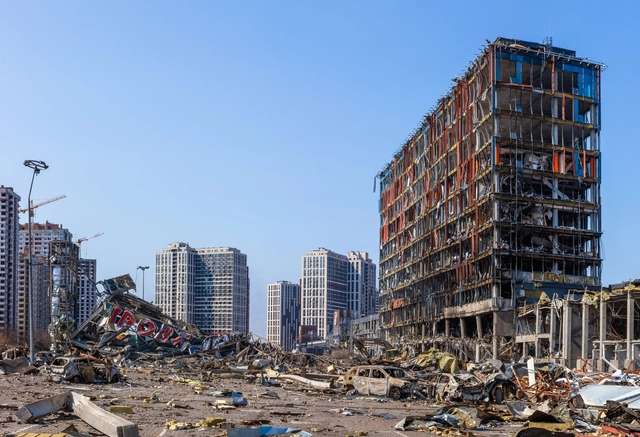
On 24 February 2022, Russia invaded Ukraine, a major escalation of the conflict dating since 2014. Now, a year later, the war is still ongoing. Both soldiers and civilians have fallen victim, while millions of others have become refugees, fleeing to safer areas across Europe or within Ukraine. What was instilled was a severe humanitarian and refugee crisis. The hostilities have also threatened Ukraine’s cultural and architectural heritage, as museums, monuments, and historical landmarks have become targets.
The implications are also reaching Europe and globally, as energy resources and food supplies become scarcer, damaging some economies. Still, Western countries remained unified in their support of Ukraine, as reported by international news outlets. Despite the economic difficulties, international support was mobilized through various initiatives in hopes of helping displaced people, protecting cultural heritage, and mapping a plan for reconstruction.
The United Nations estimates that the world population will reach 10.4 billion by 2100. Already by 2050, 2 out of 3 people will call cities home, coming in search of the opportunities, services and amenities on offer. That puts even more pressure on urban areas given all these people will need access to water, food, public space, good infrastructure and, above all, housing. In fact, estimates suggest more than two billion homes will need to be built by the end of the 21st century to accommodate this population explosion. As cities grow, so does urban sprawl, which brings its own set of environmental and social challenges. In the face of climate change, sustainable urban development must ensure that future housing solutions –new and renovated– are built to support healthy communities, prioritizing both human and environmental well-being. In turn, cities will need to be built denser and faster, but not without meeting a long list of stringent criteria. Only this way can we avoid the negative, often overlooked, effects of uncontrolled hyper densification that give urban development a bad name.
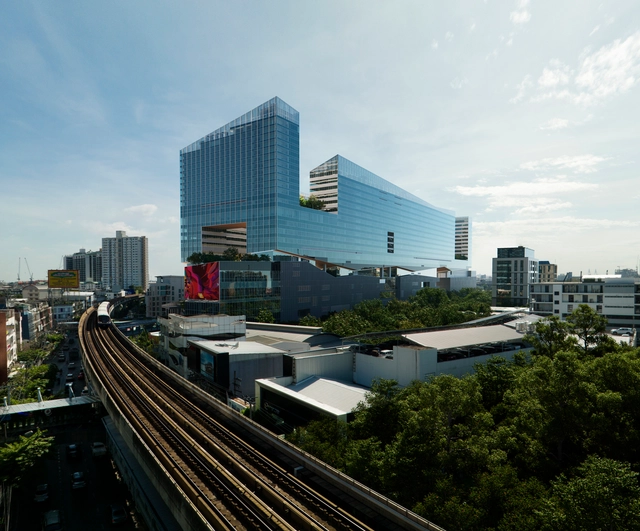
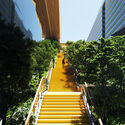
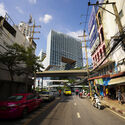
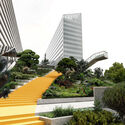
Snøhetta, in collaboration with MQDC, has released the design for Cloud 11, a large-scale mixed-use complex in the South Sukhumvit district in Bangkok, Thailand. The new development addresses the pressing need for urban green spaces in the densely built neighborhood. The project, measuring a total of 250.000 square meters, also aims to help transform the Sukhumvit into a hub for innovation and tech companies in the city while providing the area with a large, green public space and spaces for artists, makers, and tech entrepreneurs. Construction has already started, and the project is expected to be completed by the end of 2024.
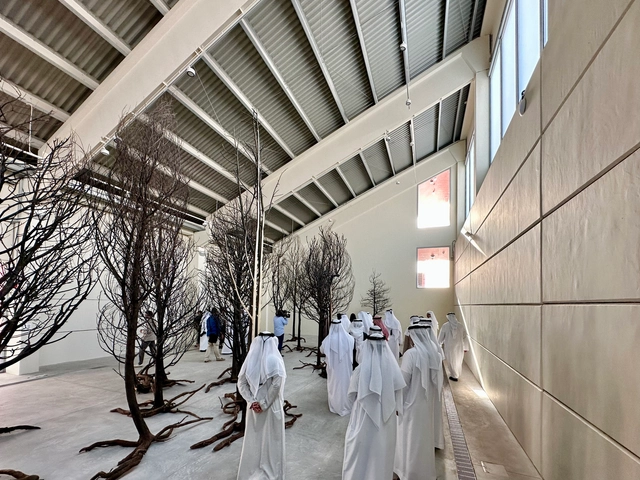
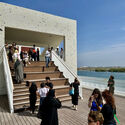
The Kalba Ice Factory, located in the city of Sharjah, on the coast of the UAE, has been renovated by the Sharjah Art Foundation and designed by Peru studio 51-1 Arquitectos, creating a space that seamlessly blends industrial aesthetics with natural surroundings. The transformation of this abandoned fish feed mill and ice storage facility into an art space is a testament to the power of adaptive reuse and preservation. In time for the Sharjah Biennial 15, the Kalba Ice Factory was opened to the public on 8 February 2023 as a venue for the Biennial.