Across architecture and the building industry, women contribute to a wide range of fields, from design practice and construction to research and leadership. Their work reflects different approaches to some of the profession's most pressing questions, including environmental performance, adaptive reuse, and the creation of healthier and more responsive spaces. However, disparities remain visible in areas that influence professional recognition. For example, women continue to be significantly underrepresented in architecture in the United Kingdom. According to the Architects Registration Board, only about 31% of registered architects are women.
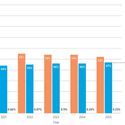
The National Council of Architectural Registration Boards (NCARB) has released the 2026 edition of its annual NCARB by the Numbers report, presenting data from 2025 on architectural licensure and demographics in the United States. The latest figures show a gradual increase in diversity among those pursuing licensure, while the demographic composition of the licensed architect population remains considerably less diverse than the current candidate pool. The report also examines attrition along the path to licensure, revealing differences in who ultimately reaches professional registration.
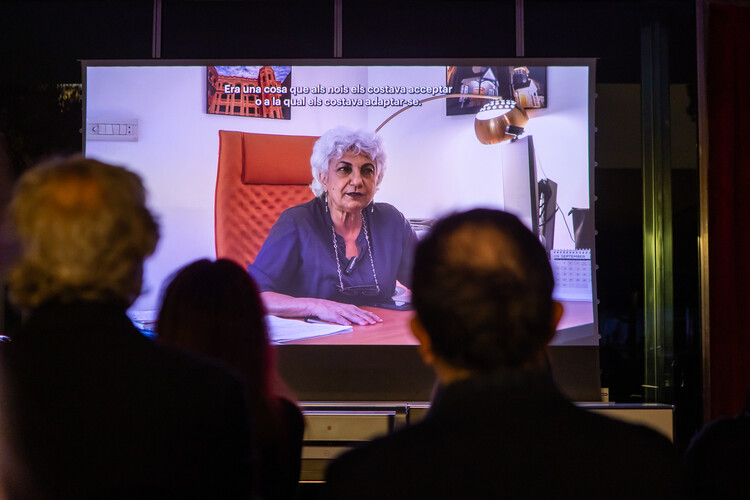
"Gender equity remains an ongoing problem in architecture. Women architects are roughly one-third of the profession or less worldwide." This is the opening statement of the documentary Transnational Narratives: A Documentary Celebrating South Asian Women in Architecture, a result of the 4th Lilly ReichGrant for Equality in Architecture. The grant, an initiative by the Fundació Mies van der Rohe, promotes equal access to opportunities in architectural practice and supports the study and dissemination of contributions to architecture that have been unfairly rendered invisible. Within this context, the documentary, created by Dr. Igea Troiani, Dr. Mamuna Iqbal, artist and researcher Paula Roush, and filmmaker Rime Tsujino, brings visibility to the experiences of six architects of South Asian origin: Sumita Singha, Chitra Vishwanath, Sara Khan, Fauzia Qureshi, Sajida Vandal, and Neelum Naz, whose professional careers span India, Pakistan, and the United Kingdom.
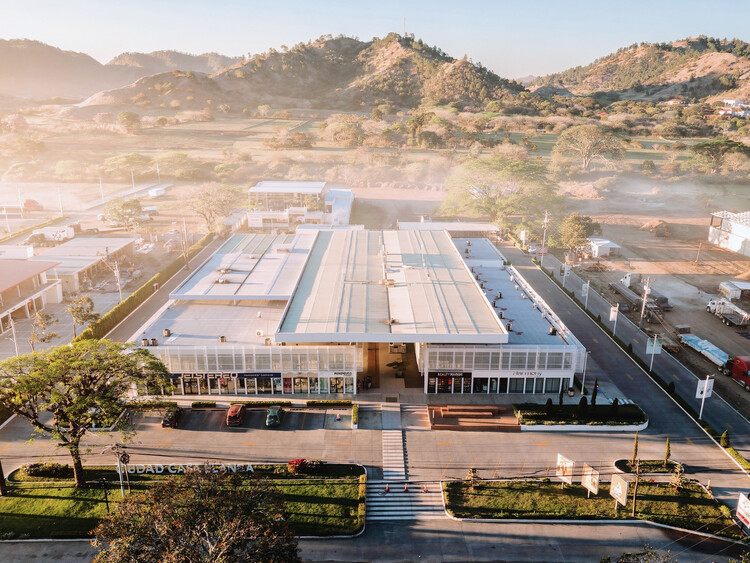
Honduras is the second-largest country in Central America, both in territory and population. Today, its urban fabric remains heavily influenced by modernist principles from the 1970s that prioritised high-speed arterial corridors and automobile-dependent "point-to-point" mobility. In addition, the country faced many challenges regarding public safety during the 2010s, which contributed to creating an urban space characterised by blind facades, high perimeter walls, and gated enclosures designed to isolate the interior from the public realm.
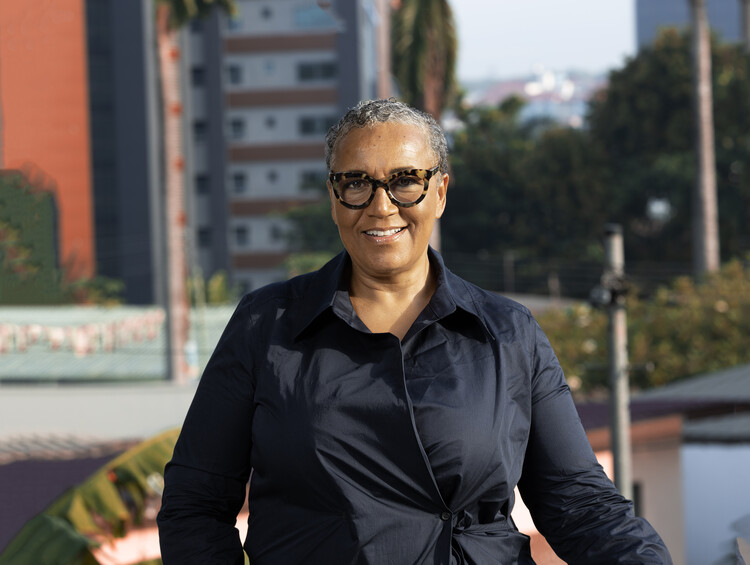
We had the opportunity to talk to Alejandra Ferrera, a Honduran architect raised in Danlí, a city in eastern Honduras. With over 15 years of practice across Brazil, the Netherlands, and Australia, she argues that while the security-driven design was a functional necessity of its time, it has resulted in a fragmented urban experience where the street serves only as a transit void rather than a place for social encounter. She suggests that even though this isolation was a justified safety measure, it created detachment between the inhabitants and the city. She also argues that overall, the public safety situation contributed to the creation of a wounded national identity that often looks outward for quality, dismissing the potential of its own context.
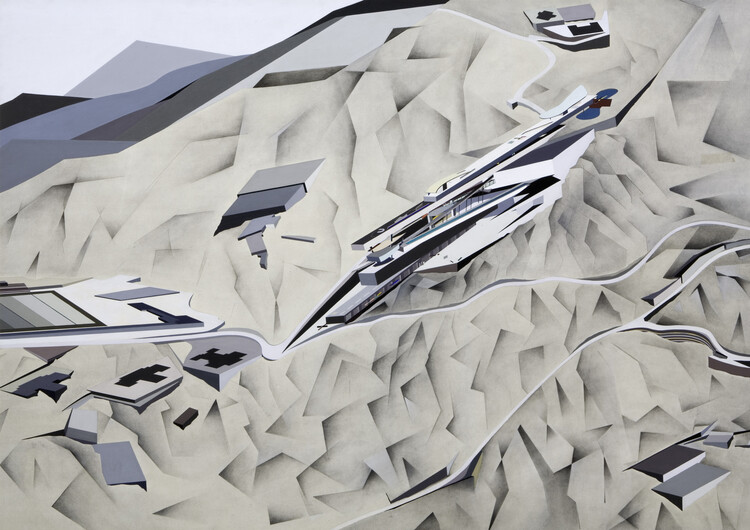
Between June 23 and August 30, 1988, The Museum of Modern Art (MoMA) in New York held an exhibition titled Deconstructivist Architecture, as part of a program "conceived to examine current developments in architecture." Curated by Philip Johnson and Mark Wigley, it focused on the contemporary work of seven international architects: Coop Himmelblau, Peter Eisenman, Frank Gehry, Rem Koolhaas, Daniel Libeskind, Bernard Tschumi, and a young Zaha M. Hadid. At 37 years old, her work was presented to the world as an example of "the emergence of a new sensibility in architecture." The material on display was not a model or a blueprint, but a painting, The Peak, submitted for an architectural competition in Hong Kong in 1983. From this starting point, her contribution to architecture deepened along the same lines recognized at the time of her inclusion in the exhibition: the development of a distinctive, mathematical, and, in her own words, "fluid" architectural language, and her emergence as a leading female figure in a field historically dominated by men.
Lesley Lokko OBE has been recognized with the African Cultural Icon Award, honoring "leaders in the creative arts who promote African culture and heritage on a global stage." The accolade is one of nine awards presented annually to publicly nominated and industry-recommended figures by a panel of judges from across Africa. Nominees are evaluated based on "impact, innovation, sustainability, and contribution to Africa's growth." Lokko is the Founder and Chair of the African Futures Institute (AFI), headquartered in Accra, Ghana, and Director of the Nomadic African Studio, an annual month-long itinerant teaching program working across the African continent. She has been acknowledged for her transformative contributions to architecture, education, and cultural discourse within and beyond Africa, consistently challenging conventional narratives around African identity, space, and creativity.
Each year, International Women's Day brings renewed attention to questions of gender within many professional fields, architecture among them. Public conversations often center on celebrating prominent figures or highlighting notable projects, moments that briefly illuminate the contributions of women within the discipline. Yet the visibility produced by these occasions sits within a longer and more complex trajectory. Over the past several decades, the architectural profession has undergone gradual shifts that have expanded opportunities and broadened participation, even as longstanding structures continue to shape how careers develop and how architectural work becomes visible.
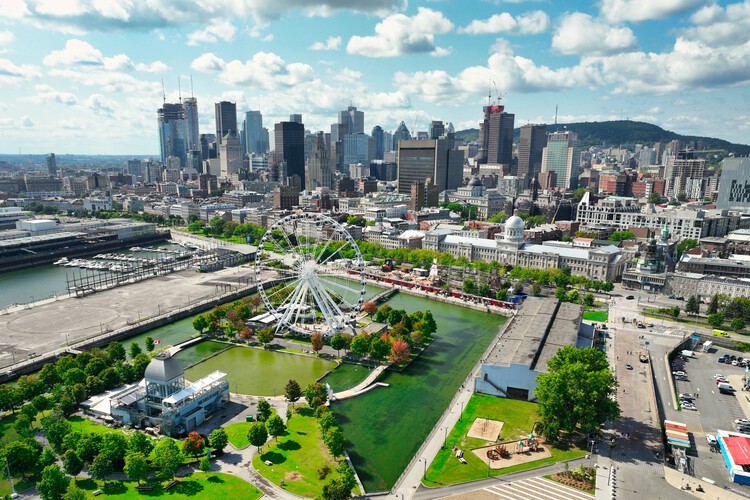
The architectural history of North American cities in the 20th century is often characterized by the pursuit of urban renewal. In the United States, Boston, Portland, and San Francisco are just some examples of when municipal governments prioritized high-speed vehicular infrastructure over the existing urban fabric. In Canada, Montreal would have followed this trajectory if not for the intervention of several figures throughout its history, most notably Blanche Lemco van Ginkel (1923–2022). A Harvard-trained planner and architect who, along with her husband Sandy Van Ginkel, advocated for the preservation of urban heritage while applying the principles of modernist infrastructure.
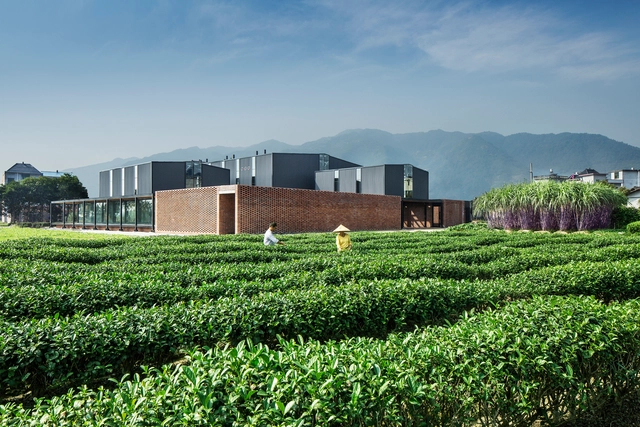
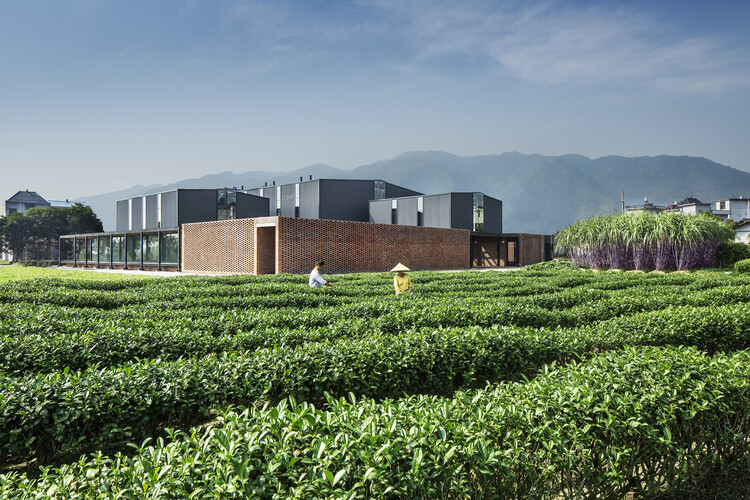
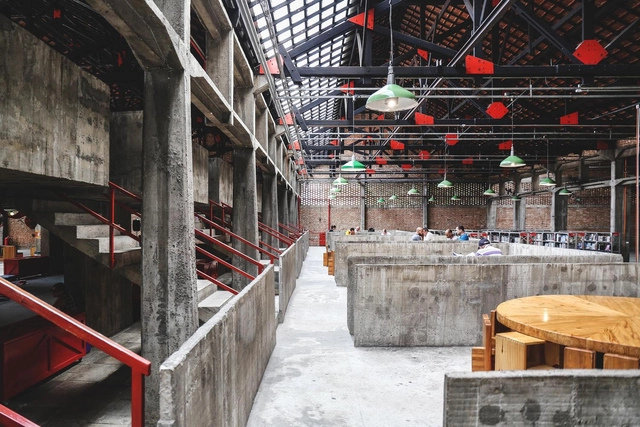
The Créateurs Design Awards (CDA) announced Xu Tiantian, Founder and Principal Architect of DnA_Design and Architecture, as the recipient of the 2026 edition of Le Prix Charlotte Perriand. The award celebrates architects whose work embodies innovation, social responsibility, and a deep engagement with community and place. The architect was recognized for her transformative work bridging urban and rural communities through innovative design interventions. Her approach to architecture was acknowledged as a tool for cultural preservation and rural revitalization, making her an exemplary recipient of this honor, previously awarded to prominent architects such as Frida Escobedo, Jeanne Gang, Kazuyo Sejima, and Ryue Nishizawa.
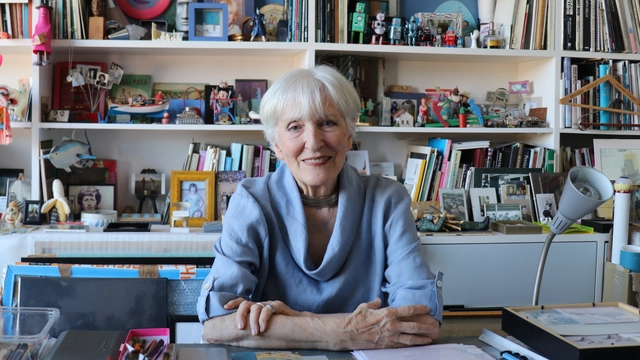
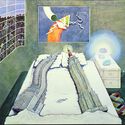
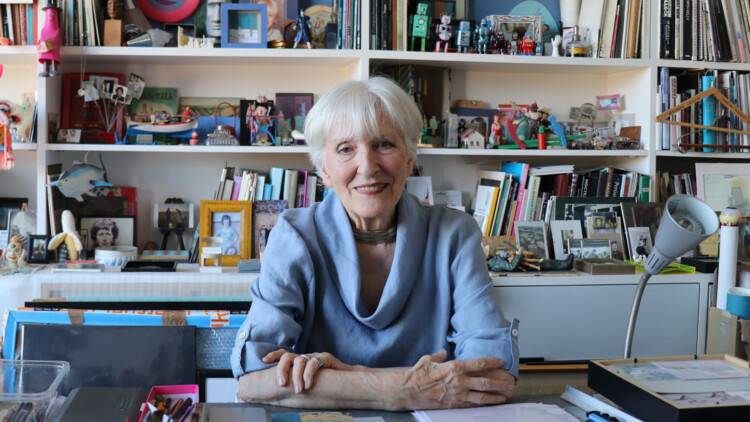
Dutch artist Madelon Vriesendorp has been named the recipient of the 2025 Soane Medal, becoming the first UK-based female artist to receive the award since its launch in 2017. A co-founder of Office for Metropolitan Architecture (OMA), Vriesendorp is widely recognized for her surrealist and humorous visual language that has shaped how modern and postmodernarchitecture is represented and understood. Her work, which blends playfulness with critical thought, has provided architecture with vivid, memorable imagery that continues to influence generations of architects.
As cities and landscapes evolve, architecture is increasingly asked to support well-being,performance, and collective experience. From stadiums that honor deep cultural memory to intimate wellness spaces that foster restoration and connection, sports and wellness typologies are expanding beyond mere functionality. They create environments where movement and health intersect with design quality, sustainability, and social meaning. Today, these spaces range from elite training grounds and recreational clubs to contemplative retreats and inclusive public amenities, shaping how communities gather, heal, and celebrate shared identity.
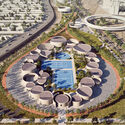
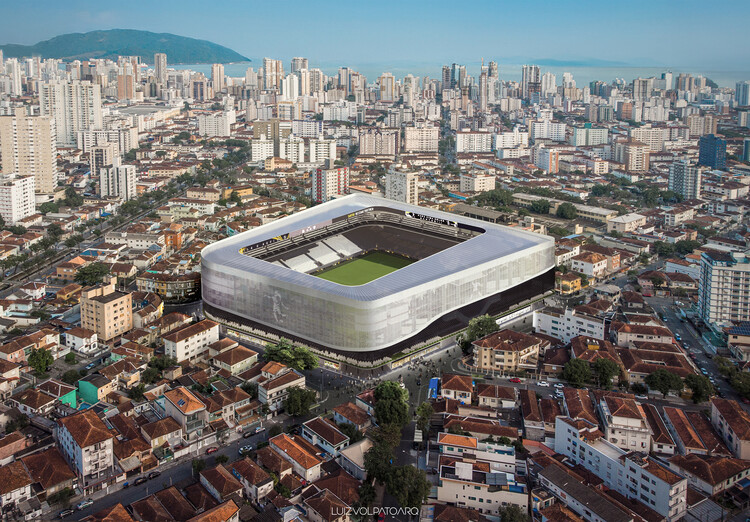
This selection of unbuilt proposals submitted by the ArchDaily community illustrates that diversity. In São Paulo, Luiz Volpato Arquitetura reinvents the historic Santos Futebol Clube stadium with a geometry that preserves fans' memory while introducing new commercial and social uses. In Hanoi, Van Aelst I Nguyen and Partners bring filtered light and fresh air to a dense urban sports complex. In Dubai, RSP proposes Haven, a residential development anchored in holistic wellness and nature-driven experiences, while India's Tropic Responses imagines Aira Club as a climate-conscious leisure hub. High in the Himalayas, Gadasu + Partners carve a meditative spa into mountain stone, and in Isfahan, Arsh4d Studio rethinks segregated women's parks to create inclusive, future-oriented civic space.
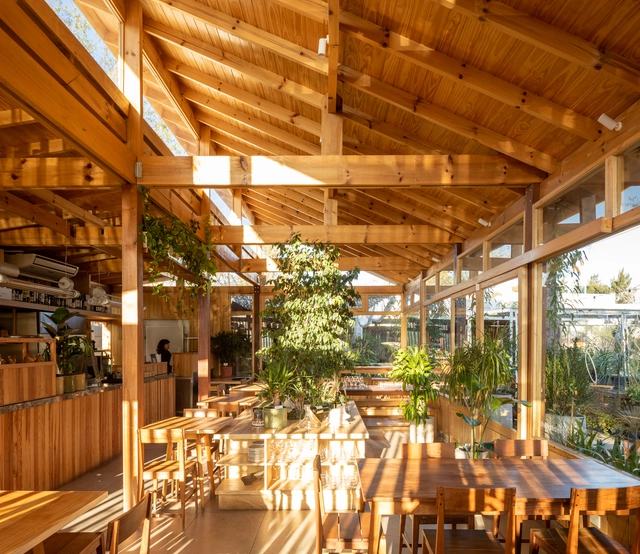
La Valiente Focaccería + Maíz / OHIO Estudio. Image Cortesía de OHIO Estudio
Creating spaces for social interaction involves design processes aimed at countering the individualization of people by fostering bonds and connections between them. While advancements in information and communication technologies provide new tools that optimize the development of certain activities and functions, their societal impact often tends to increase individual practices, such as remote work, virtual fitness activities through apps, or the digital consumption of goods, services, and events, among others. From architecture and interior design to urban planning, many emerging practices face the challenge of consolidating spaces for social interaction through design strategies, uses, and natural connections that prevent the replacement of physical space with virtual alternatives.
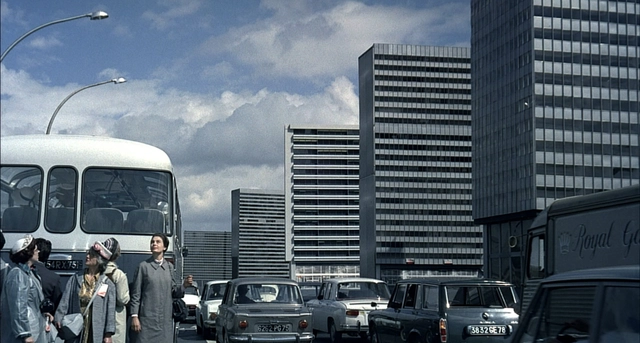
Playtime movie (Jaques Tati 1967) . Image via screenshot
Architecture criticism and journalism are often expected to announce "the good, the bad, and the ugly" in architecture and the built environment. Its purposes go however further than that. As Michael Sorkin put it, "seeing beyond the glittering novelty of form, it is criticism's role to assess and promote the positive effects architecture can bring to society and the wider world". In other words, by telling us what they are seeing, critics are also showing us where to look in order to identify and address the issues plaguing our built environment.
The field of architecture journalism has been led by female writers even in times when the pursuit of a career in architecture was discouraged and inaccessible for women. Ada Louise Huxtable established the profession of architecture journalism by holding the first full-time position of architecture critic at a general-interest American newspaper. In 1970, she also received the first-ever Pulitzer Prize for criticism. Esther McCoy started her career as a draughtswoman at an architecture office, yet, because of her gender, she was discouraged from training as a professional architect despite her ambitions to study the field. Through her writings, she managed to bring attention to the overlooked architectural scene of the American West Coast and advocate for the values of regional Modernism.
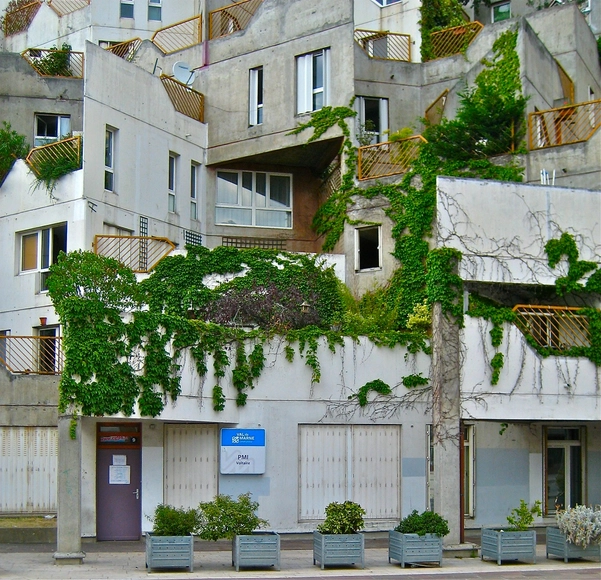
A few months ago, French architect Renée Gailhoustet was awarded the 2022 Royal Academy Architecture Prize. As housing challenges continue to embattle Paris and other French cities today, Gailhoustet was a timely choice, her body of work in the Paris suburbs – stretching back to the 1960s – still functioning today as compelling case studies to a social housing approach that concurrently embraces community and has a uniqueness of form.
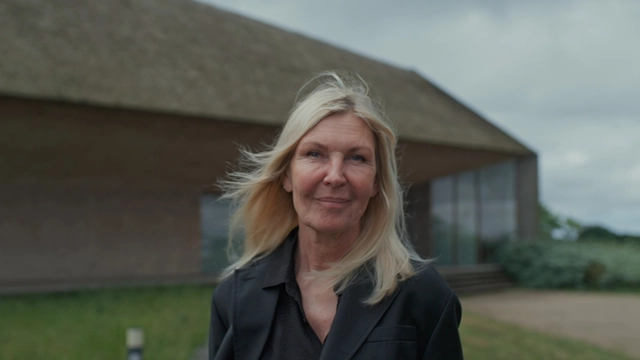
Buildings are deeply interconnected with their surroundings—the climate, culture, landscape, and the lives of their occupants. For Dorte Mandrup, a renowned Danish architect, context is more than a mere consideration; it is the driving force behind her designs. Her work demonstrates a profound curiosity about the people who will inhabit her buildings and the unique stories embedded within each site. Her buildings aren't just structures; they're thoughtful responses to their surroundings, without aiming to disappear within them.
Dorte Mandrup is featured, alongside Tosin Oshinowo, in the second installment of the documentary Women in Architecture, released November 12, 2024. Produced by Sky-Frame in collaboration with ArchDaily and directed by Boris Noir, the film builds upon the first episode, which highlighted Toshiko Mori, Gabriela Carrillo, and Johanna Meyer-Grohbrügge, offering a continued exploration of diverse perspectives within architecture.
Although there is more of a balance between women and men in architecture today, the landscape was quite different a few decades ago. Pioneering women architects have been resistant in a profession dominated by men, and have faced skepticism in challenging contexts, such as construction sites itself. Zaha Hadid commented on the difficulty of inclusion in what she called the "boys club", listing the difficulties in coming to agreements or creating partnerships. Lina Bo Bardi, in turn, used her strong personality to overcome the sexism of her time. Even though these difficulties, women have always found a way to stand out and bring priceless contributions to the profession.
On countless occasions architecture has remembered famous architects and their material discoveries through time, but what about recognizing women's contributions to the discipline? Discussing their pioneering material explorations is key to understanding their role in projects. With an analysis of the work of the well-known architects Lina Bo Bardi, Norma Merrick Sklarek and Zaha Hadid –which introduced innovative techniques and material trends– the following discussion brings to light how women's ideas have influenced the development of architecture. Identifying their approaches on how to managing structures and materials helps to understand the personality of their work and how to implement similar strategies in the future.