1. ArchDaily
  2. Latin America

Latin America: The Latest Architecture and News

Latin American Favelas: Improvement Projects and Community Involvement

Subscriber Access | 

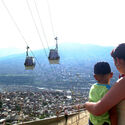
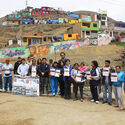
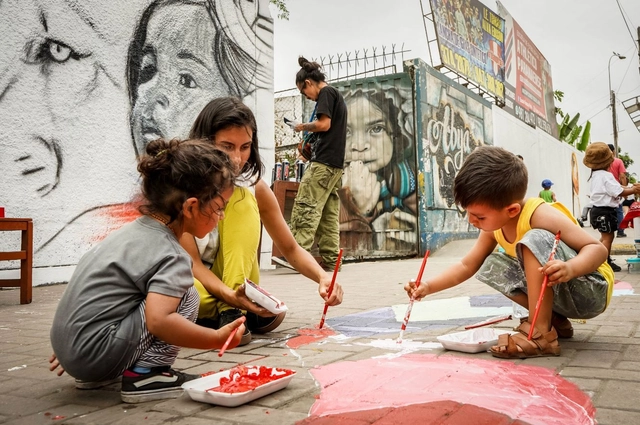
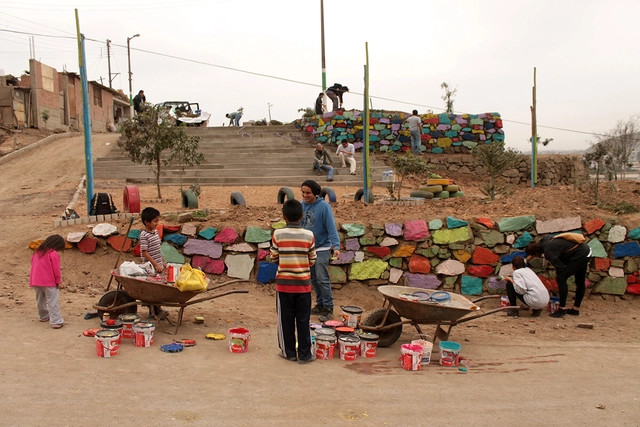
A few weeks ago, the Royal Institute of British Architects (RIBA) named the recipient of the RIBA Norman Foster 2023 travel grant. Martha Pomasonco from Peru was awarded for her outstanding project titled "Barrios Mejorados."

The research project that impressed the jury aims to explore the impact of highly successful informal settlement improvement initiatives implemented in various Latin American countries. Its primary objective is to uncover valuable design insights related to social and environmental sustainability. The research is founded on the recognition that Latin America is the most urbanized region globally, with approximately 80% of its population residing in cities. Nevertheless, nearly 15% of this urban population resides in informal settlements marked by inadequate infrastructure and a diminished quality of life. Various improvement programs have been implemented, and the active involvement of citizens has been a crucial factor in enhancing their effectiveness.
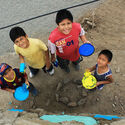
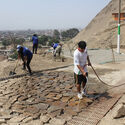
Latin American Favelas: Improvement Projects and Community Involvement - Image 1 of 4Latin American Favelas: Improvement Projects and Community Involvement - Image 2 of 4Latin American Favelas: Improvement Projects and Community Involvement - Image 3 of 4Latin American Favelas: Improvement Projects and Community Involvement - Image 4 of 4Latin American Favelas: Improvement Projects and Community Involvement - More Images+ 5

The Color in Structures and Enclosures: Applications in Contemporary Latin American Housing

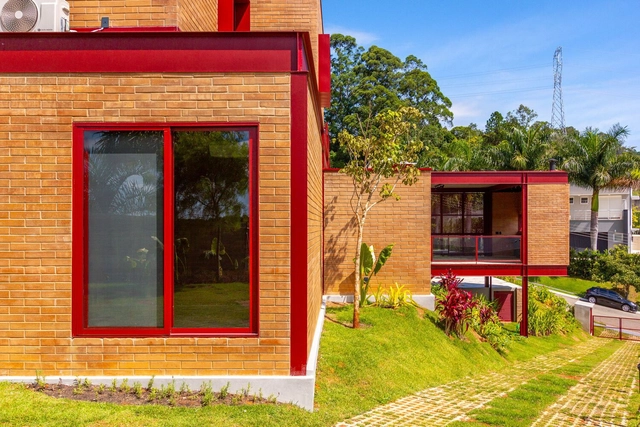
Although the use of color can be employed to hide or disguise a specific characteristic, it can also be used to highlight them. Within the Latin American territory, we can observe that shades of red, green, and blue have predominated in residential architecture, aiming to integrate a language appropriate to the context in which it is implemented.

The Impact of Pigmented Concrete in Latin American Residential Architecture

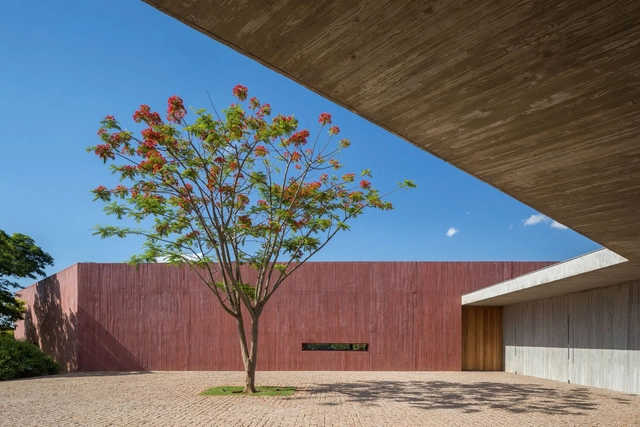
The use of pigmented concrete in Latin American architecture is growing - and influencing contemporary architectural expression. This can be seen in recent built works ranging from the INES Innovation Center designed by Pezo von Ellrichshausen in Chile to the Teotitlán del Valle Community Cultural Center by PRODUCTORA in Mexico.

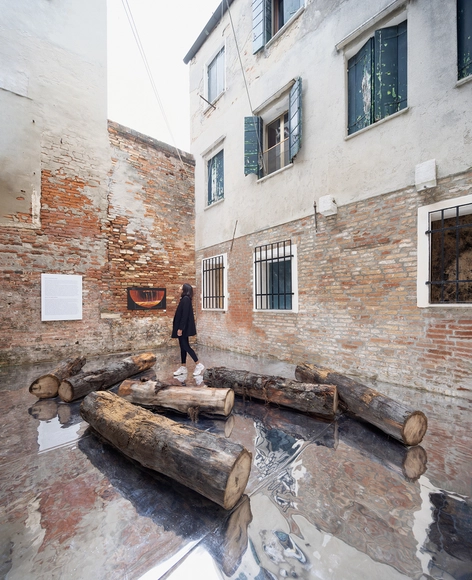
Stories from Beneath the Water: The Panama Pavilion at the Venice Architecture Biennale 2023

Panama presented its pavilion on "Stories Beneath the Water" at the 18th International Architecture Exhibition – La Biennale di Venezia. Curated by Aimée Lam Tunon, the exhibition explored themes of division and integration, with a focus on three different areas within the former Panama Canal Zone. It is an analysis that addresses issues of division and integration: Divisive architectural structures and systems; erased identities of submerged communities; and Barro Colorado Island, critically examining and questioning the overlaps between notions of protection and control.

Investing in People, Prioritizing Education: Architecture for Learning in Latin America

Subscriber Access | 

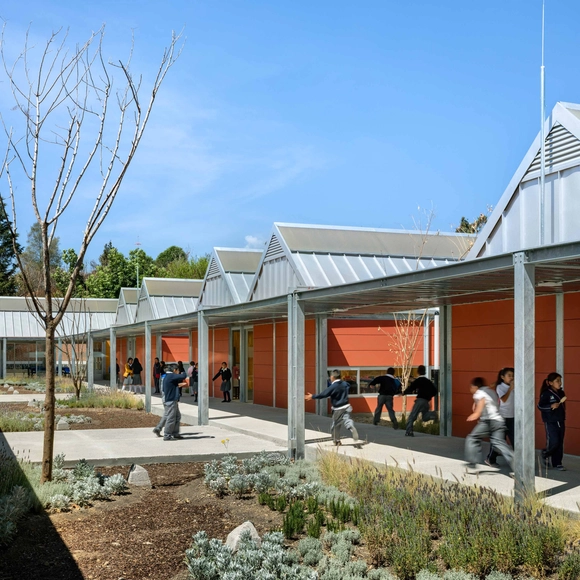
On January 24th, the fifth edition of the 'International Education Day' was celebrated under the slogan "Invest in people, prioritize education". Proclaimed by the United Nations General Assembly, it promotes a strong political mobilization seeking to chart the way and accelerate progress towards the 4th Sustainable Development Goal: Quality Education.

Investing in People, Prioritizing Education: Architecture for Learning in Latin America - Image 1 of 4Investing in People, Prioritizing Education: Architecture for Learning in Latin America - Image 2 of 4Investing in People, Prioritizing Education: Architecture for Learning in Latin America - Image 3 of 4Investing in People, Prioritizing Education: Architecture for Learning in Latin America - Image 4 of 4Investing in People, Prioritizing Education: Architecture for Learning in Latin America - More Images+ 16

Overcoming Barriers: Social Justice in Latin American Architecture

Subscriber Access | 

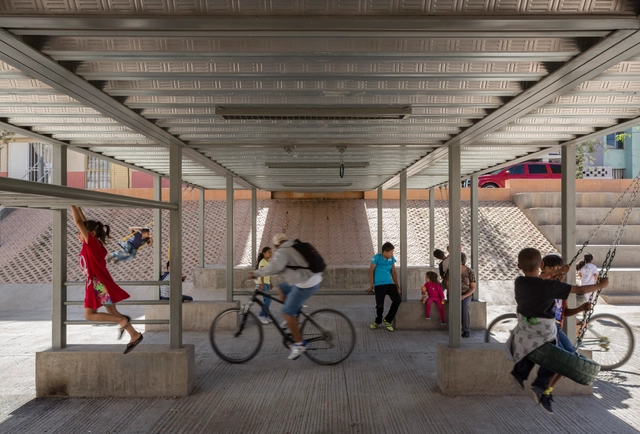
February 20th marks a new edition of the World Day of Social Justice. The theme, "Overcoming barriers and unlocking opportunities", is a perfect occasion to reflect on the importance of equity in all areas of society - and especially from architecture and urbanism. And yes: they both have a fundamental role in building accessible cities and are important tools for addressing the challenges of economic inequality and social exclusion.

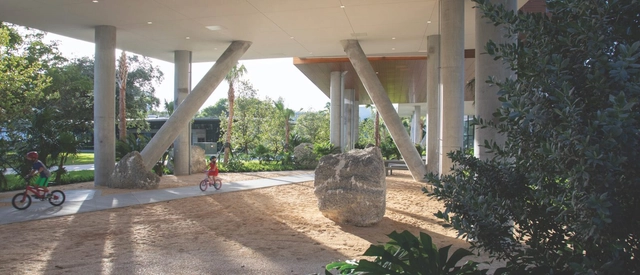
Between Architecture and Landscape: Contemporary Collective Housing in Latin America

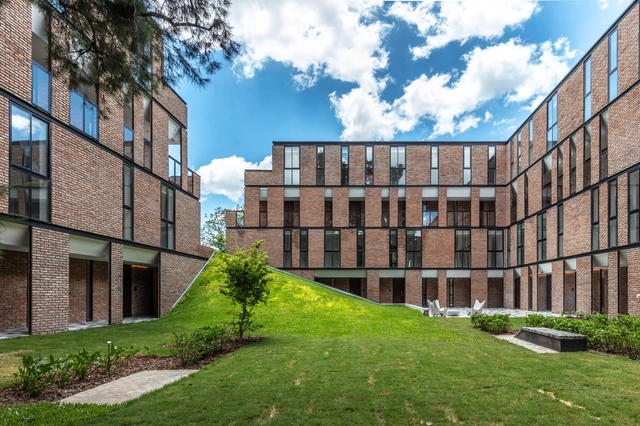
What role does landscaping play in contemporary housing? In what ways can architecture and landscaping be integrated into a whole? Considering the incorporation of landscaping from the beginning of the architectural project has become a defining aspect and even a challenge for many architects, aiming to improve the quality of life of their inhabitants and contribute to the protection and care of the environment.

On numerous occasions and within the Latin American setting, nature appears as a protagonist or founding principle of the proposed architectural design, involving reasons related to promoting the relationship with the surrounding environment, incorporating native species of the site, and enhancing the connection between the interior and exterior, among others. Although there are different ways of planning, organizing, and arranging the layout of environments in contemporary housing, the dialogue between architecture and landscape can collaborate with the uses, activities, and circulations determined based on the needs to be met or the users to be accommodated.
Exploring Contemporary Guatemalan Architecture

Subscriber Access | 

Guatemala is a country located in Central America that is organized into 22 departments, its capital and most populated city is Guatemala City. Mexico forms the geographic borders that contain this territory to the north and west, Belize and Honduras to the east, and El Salvador to the south. In addition, it faces the Pacific Ocean and the Gulf of Honduras. It is located in Mesoamerica, home to the Mayan culture, which extended to what we know today as Mexican territory. It is for this reason and for some other reasons related to migration issues that these two countries share similar traits in terms of climate and culture, which is highly enriching when we explore the development of the territory.

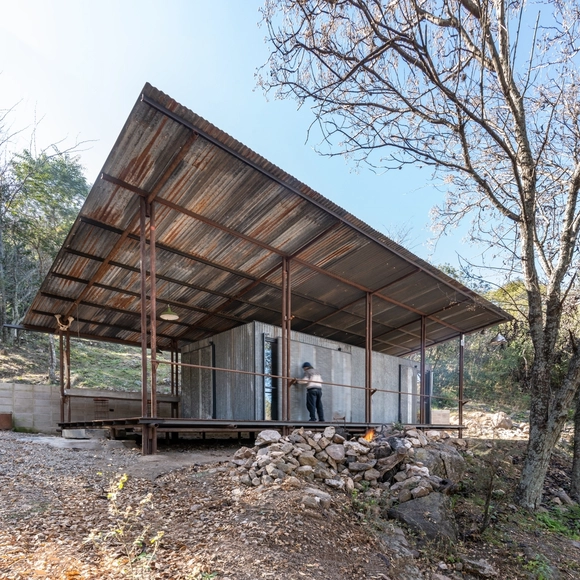
Circular Economy in Latin American Housing: 12 Examples of Reuse of Materials

Although the circular economy involves other principles such as the regeneration of natural systems, the reuse or recycling of materials plays an important role in contributing to the reduction of waste generation by giving a second useful life to elements that could be considered waste. Wood, metal sheets, bricks, and stones, among others, can be reused, bringing sustainability and efficiency criteria to the projects, helping to consolidate this concept that still has a long way to go.

Within the Latin American territory, many architecture professionals have proposed to apply in their design and construction processes the implementation of strategies that collaborate with the use of resources, either by reusing, recycling, or restoring different materials and elements in search of satisfying the needs and concerns of those who inhabit the spaces.

Arquitectonica and Its Latin American Contribution to Modernism

This article was originally published on Common Edge.

Arquitectonica has refuted Koolhaas’ accusation that “Modern architecture had never achieved the promised alchemy of quantity and quality,” and Alistair Gordon’s enormous compendium of the firm’s work certainly disproves it.

But what of Rossi’s backhanded praise: “In America … quantity is quality!”? Although absolutely deserving of praise, the quantity of the work is not the basis for Arquitectonica’s achievement—even when associated with the virtuosity of design. The importance of Arquitectonica derives from certain specific contributions to modern architecture in the United States.

Pioneering Women Architects: From Latin America to Spain

What are the stories of the first Ibero-American women architects? This is the main question we seek to answer in celebration of ArchDaily's theme: Women in Architecture.

Seeking to put their motivations, inspirations, and trajectories on the table, we carried out a research project to make visible and highlight some names that have not had their deserved recognition. Meet Doris Clark Núñez, Guadalupe Ibarra, Matilde Ucelay Maórtua, Filandia Pizzul, Dora Riedel, Luz Amorocho, María Luisa Dehesa, Arinda da Cruz Sobral, and Julia Guarino, below.

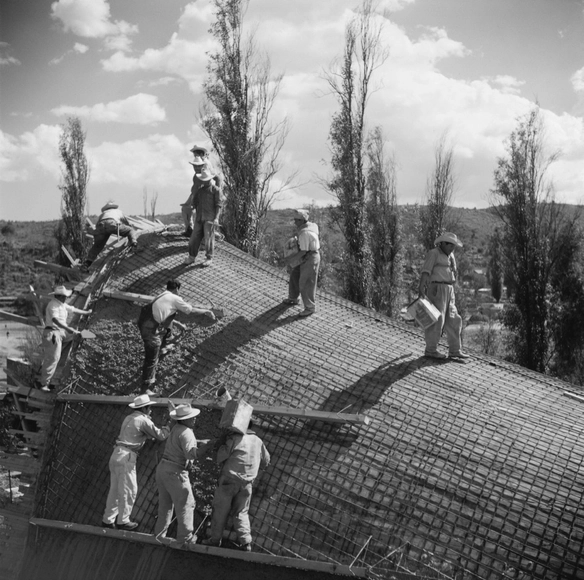
Materials or Labor, What Should Cost More?

Architecture is often an ambitious profession, with many architects hoping to positively contribute to the social life of the communities, create emotional responses, and add moments of delight and solace to our daily experiences. However, market forces have a way of applying constant pressure on this field, often being the deciding factor in many design choices. Costs and economic value are generally a good indicator of how, when, and to what extent certain materials are being used: the standard rule is the cheaper, the better. But materials are only part of the equation. Site labor, management, and design costs are also considered, depicting a complex picture of the balance between the cost of materials and the cost of labor and its effect on the architectural product.

Materials or Labor, What Should Cost More? - Image 1 of 4Materials or Labor, What Should Cost More? - Image 2 of 4Materials or Labor, What Should Cost More? - Image 3 of 4Materials or Labor, What Should Cost More? - Image 4 of 4Materials or Labor, What Should Cost More? - More Images+ 9

From Chile to Mexico: 30 Houses on the Coast of the Pacific Ocean

Subscriber Access | 

Is there only one way to inhabit the coast? The Pacific coast, the largest ocean on earth, is a vast territory with a great diversity of temperature, winds, and topography, among others. Consequently, it has a great variety of ecosystems, ranging from the freezing point near the poles, vast deserts and forests, to the hot tropical rainforest. Such majestic diversity is no stranger to architecture, responding to the different contexts in which it is placed. As a result, there is a great variety of architectural works, all of which share in framing the views of the sea.

The following list shows 30 residential projects along the Latin American Pacific coastline, revealing the diverse architectural approaches that exist along the coast.

From Chile to Mexico: 30 Houses on the Coast of the Pacific Ocean - Image 1 of 4From Chile to Mexico: 30 Houses on the Coast of the Pacific Ocean - Image 2 of 4From Chile to Mexico: 30 Houses on the Coast of the Pacific Ocean - Image 3 of 4From Chile to Mexico: 30 Houses on the Coast of the Pacific Ocean - Image 4 of 4From Chile to Mexico: 30 Houses on the Coast of the Pacific Ocean - More Images+ 27

Mixed-Use Architecture in Latin America: 10 Examples Incorporating Diversity

Subscriber Access | 
Mixed-Use Architecture in Latin America: 10 Examples Incorporating Diversity - Featured Image
Sesc 24 de Maio / Paulo Mendes da Rocha + MMBB Arquitetos, Centro Productivo La Proveedora / Natura Futura Arquitectura, Centro CCO / El Equipo Mazzanti, y Sede CAF Región Sur / LAPS Arquitectos. Image

As engines of the economy and production, cities are home to the largest masses of people and it is estimated that by 2050, they will be home to 70% of the world's population. In this context, architects are incorporating the articulation of mixed uses in their buildings on a daily basis, seeking to encourage diversification and avoid mono-functionalisation.

Culture and Architecture in America: Housing Projects in Pan-American Union Countries

Subscriber Access | 

The end of the 19th century in the Americas is marked by a wave of historical disputes and political transformations that have as a backdrop the search for a national identity. The period records a series of conflicts and disputes for the independence of what we now know as sovereign countries and republics. In this context, the Pan-American or Spanish-American movements emerged, which, despite having different political influences, aimed at the unification of all the territories of the American continent.

Culture and Architecture in America: Housing Projects in Pan-American Union Countries - 1 的图像 4Culture and Architecture in America: Housing Projects in Pan-American Union Countries - 2 的图像 4Culture and Architecture in America: Housing Projects in Pan-American Union Countries - 3 的图像 4Culture and Architecture in America: Housing Projects in Pan-American Union Countries - 4 的图像 4Culture and Architecture in America: Housing Projects in Pan-American Union Countries - More Images+ 10

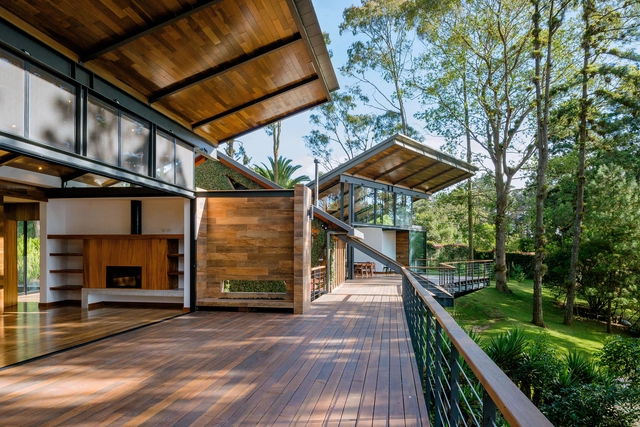
Houses in the Forest: Examples That Dialogue with the Environment in Latin America

Subscriber Access | 

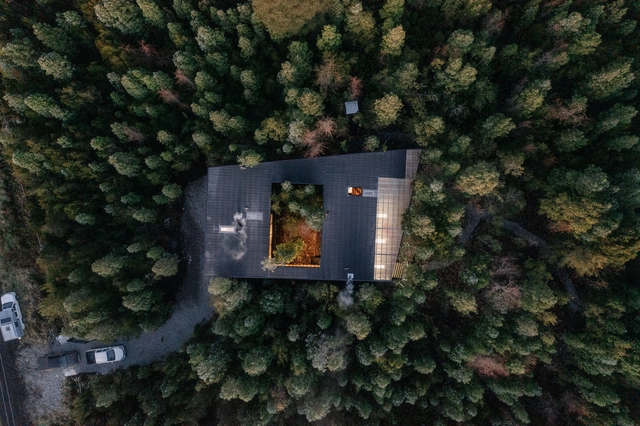
What role do forests play in our daily lives? In what ways can they be converted into living spaces? What strategies can be implemented to reduce the environmental impact of our buildings? On the International Day of Forests, which is celebrated every 21st of March, this year we propose to raise awareness of the links between forests and our daily lives. Even though deforestation continues to advance, forests represent a source of great economic, social and ecological benefits.

“The Citizen Urbanism Claims an Alternative Urban Model From Latin America”: Ocupa Tu Calle’s Lucia Nogales

Lucía Nogales is the general coordinator of Ocupa tu Calle (Occupy your Street) —an UN-Habitat, Avina Foundation-supported initiative promoted by Lima Como Vamos— which focuses on 'citizen urbanism' for inclusive and resilient cities in Latin America.

Safdie Architects Reiterates the Ideals of Habitat 67 in Three New Projects

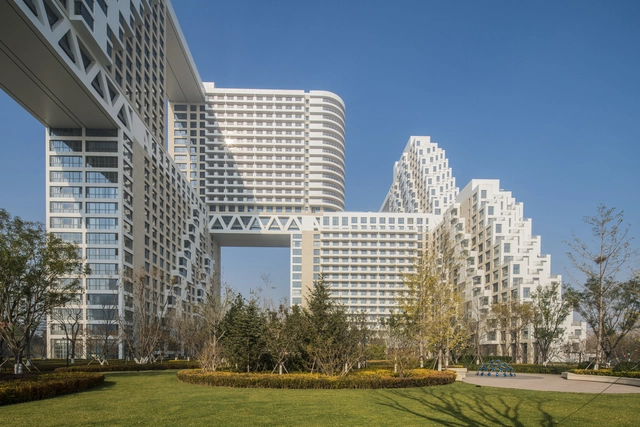
By now an architectural classic, Safdie’s Habitat ’67 represents a highly influential vision for a community-oriented, nature-infused urban housing model, and at the same time, a critical example of the possibilities of prefabrication. Fifty years after the design of Habitat ’67, Safdie is still exploring this vision of urban living, further developing the concept with projects such as Altair Residences, Qorner Tower and Habitat Qinhuangdao. Rooted in the architect’s motto - “for everyone a garden”, the new projects capitalise on outdoor terraces, natural light and ventilation, as well as communal spaces.