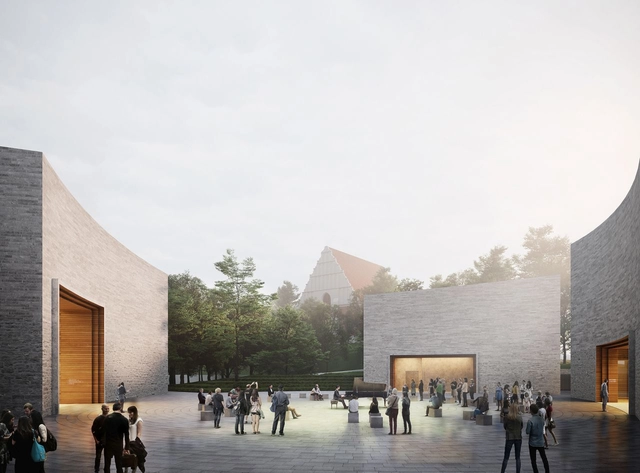
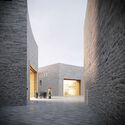
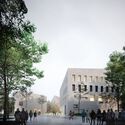
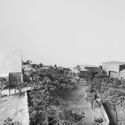
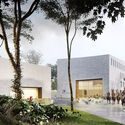
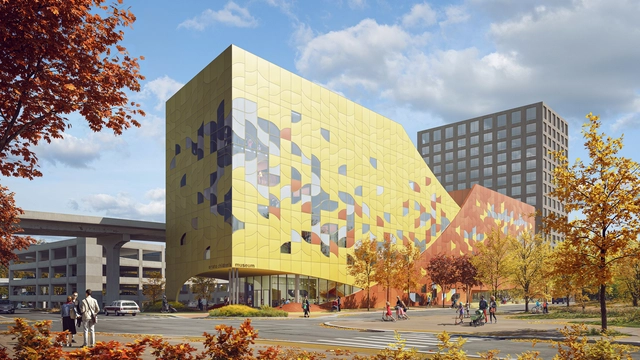
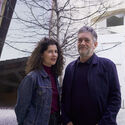
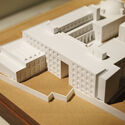
WXCA Architectural Design Studio has unveiled its design for a new museum aiming to honor the 1918-1919 patriotic uprising and victory of the people of Greater Poland. Situated near the historic St. Adalbert's Hill, home to an 800-year-old church, the museum is set to become a significant cultural and historical site. In addition to its preservation of history, the museum aims to offer the people of Poznań a contemporary public space to highlight this collective heritage. WXCA architects won the 2019 competition for the museum design and urban concept. The project began construction in early 2024 and is expected to open to the public in 2026.
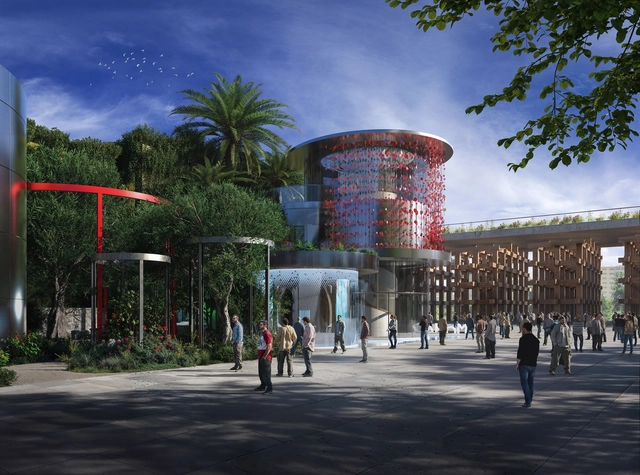
The MonacoPavilion at Expo 2025 Osaka explores the fusion of Mediterranean and Japanese landscapes, creating a unique cultural dialogue through architecture and landscape design. The pavilion's design, centered around a harmonious blend of Mediterranean and Japanese garden elements, embodies Monaco's global initiatives and its commitment to environmental stewardship. Reflecting the Expo's theme, "Take Care of Wonder," the pavilion invites visitors to experience a captivating and serene environment that celebrates both nature and culture.
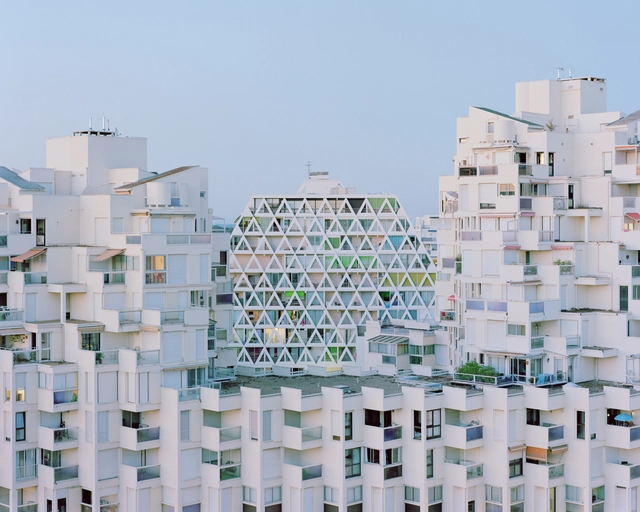
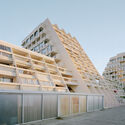
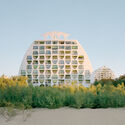
In the south of France, a 40-minute drive east of Montpellier, lies the otherworldly resort town of La Grande Motte. Named after a nearby sand dune, the city is characterized by futuristic, pyramid-shaped apartment blocks in various relief forms, adorned with diverse vegetation including pines, planes, olives, poplars, and cypresses. Artists Charly Broyez and Laurent Kronental describe this unique character as "a fairy-tale vision of a land emerging from the uncharted territories of our psyche, loaded with memories, images, sounds, colors, history." Through their meticulous images, they reveal the city's distinctive architecture.
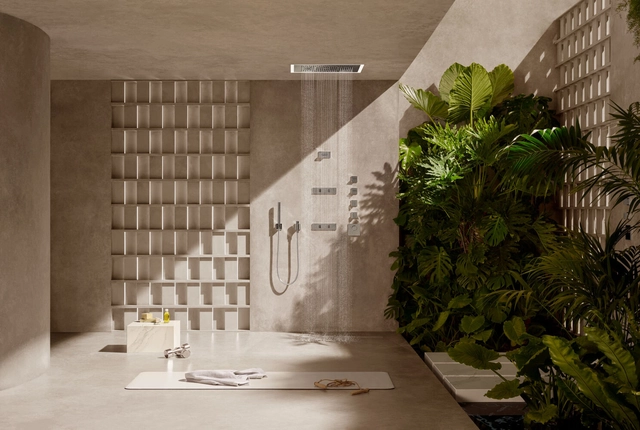
Showering is one of the most physically sensational rituals we commit to on a daily basis—often, when time allows, even multiple times between morning and night. It represents the transformative power of water on the body, offering a cascade of bliss and well-being. It is elemental as much as it is routine and purification. The new Serenity Sky designs from Dornbracht have been developed with a focus on elevating the rainshower experience, maximizing every aspect of it, while also incorporating nuance and options for each user. The new product takes one of the simplest concepts integral to our lives and enhances it with a personalized touch.
https://www.archdaily.com/1022770/follow-your-bliss-the-serenity-of-rainshower-experienceMark C. O'Flaherty
Every innovation brings with it frictions, disruptions, and, above all, learnings. In the construction industry—a sector historically resistant to change—new construction systems are often met with some skepticism, requiring careful analysis of the challenges that arise. The wood frame system, widely adopted in countries such as the United States, Japan, and Germany, has yet to gain significant popularity in Brazil due to factors that keep the sector labor-intensive and strongly tied to conventional masonry and concrete methods.
However, with the decreasing availability of labor and new demands for efficiency and sustainability, the construction sector has gradually begun to explore innovative alternatives. In this context, the Parkside Carvoeira building in Florianópolis stands out as a landmark of innovation, being the tallest wood frame building in Brazil. Developed in partnership with Desterro Arquitetos, Parkside, and the local construction company Tecverde, this pioneering project adopts the system as a sustainable and efficient solution to meet the needs of contemporary construction in the country.
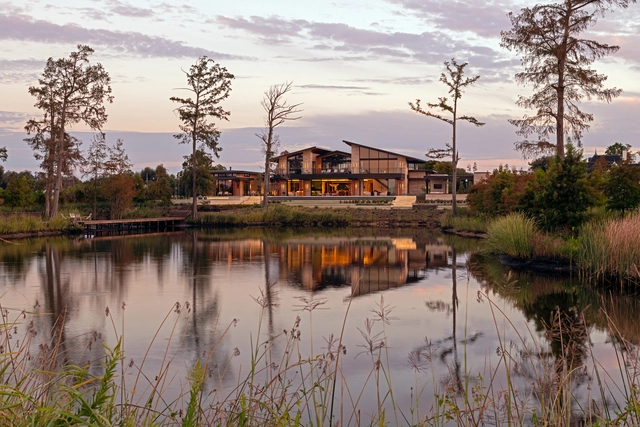
Located on an estuary of Prien Lake, straddling the Louisiana/Texas border, Pelican House exudes an elevated cabin aesthetic. Clad in Western red cedar and embellished with Texas Lueder limestone columns, broad overhangs, and exposed wood beams, it's a stunning bayou home anchored by glass walls that connect it to the surrounding landscape – and keep it safe when Mother Nature rages.
"It's a very picturesque location, but as you would imagine, it's also a very stormy one," says architect Winn Wittman, who designed the home for indoor-outdoor living in the Gulf Coast climate. Embraced and hammered by nature, Pelican House has withstood four hurricanes, both during and after construction. "The only evidence of the hurricanes is that the wood, which was initially smooth, now has a sandblasted appearance," Wittman says.
Snøhetta has revealed its design for a new building dedicated to a well-loved institution, the OmahaChildren's Museum. Located just a few blocks from the Kiewit Luminarium and overlooking the river, this new facility is designed following best practices in early child development, providing exhibits and programming aimed at fostering joy, curiosity, and connection for young children and their caregivers.
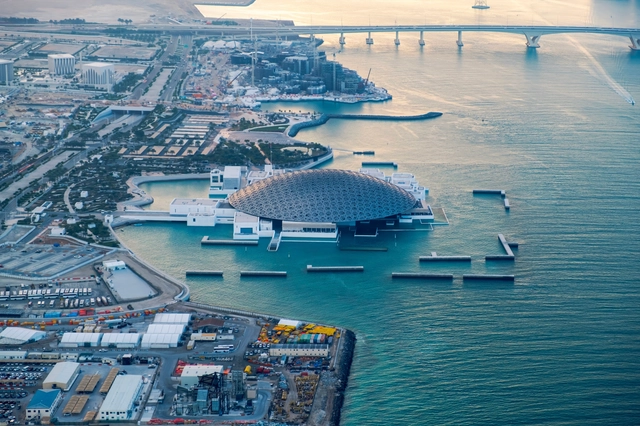
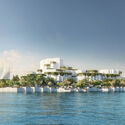
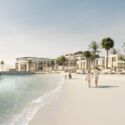
Chapman Taylor's Saadiyat Beach District Residences project has moved to the construction phase, marking a new development within Saadiyat Island's expanding cultural and residential landscape. This waterfront project, part of the broader Saadiyat Island masterplan for Nael & Bin Harmel, situated near Abu Dhabi's urban center, will introduce a range of residential options, including apartments, townhouses, and villas.
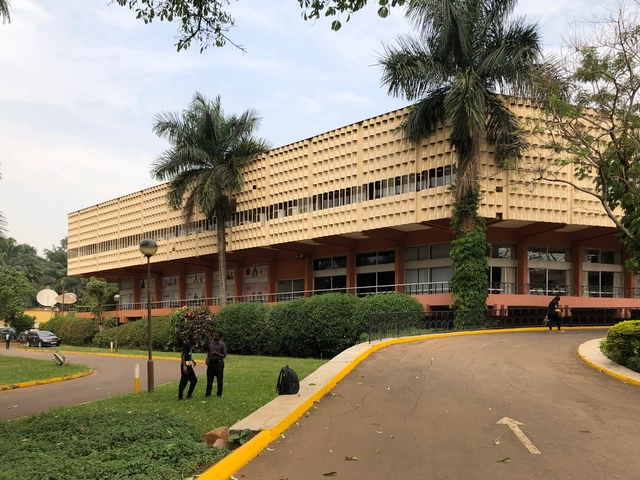
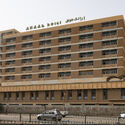
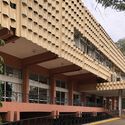
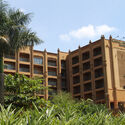
The middle of the Twentieth Century saw the independence of most countries on the African continent. Those euphoric times brought forward-looking sentiments and a wish to break with the past. As an architectural movement, Modernism was ideal for the day, and newly independent countries had extensive building programs to assert themselves as fully functioning nations.
Hotels are one type of building that illustrates the complex architectural and political history of the times. Some were built specifically to host international delegations, others to boost tourism, while some were built as strong leaders' wishes. Although a marginal building type, several hotels across Africa stand as physical records of important parts of their respective country's history. Following an exploration of the histories of West Africa's Modernist Hotels, this second article turns to East Africa to uncover the ways in which this understated typology relates to larger histories of independence and national identity.
Every year, design competitions unwittingly push the creative envelope, setting new benchmarks for architects and designers worldwide. These contests don't just celebrate innovation—they fuel it, inspiring the next wave of boundary-breaking projects. Thanks to such platforms, we get to witness the extraordinary fusion of beauty, ingenuity, and craftsmanship that ripples through the creative industry.
The German Design Council has certainly joined the fray, recently revealing the winners of the prestigious ICONIC AWARDS 2024: Innovative Architecture—and the results were nothing short of spectacular. This coveted competition honors the full spectrum of architectural and creative disciplines, from visionary spatial concepts and groundbreaking building projects to cutting-edge product design, remarkable brand communication, and inventive uses of materials.
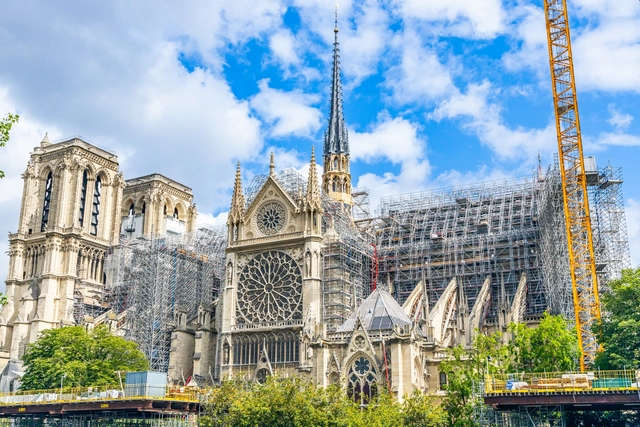
Over 5 years after a devastating fire threatened to destroy Paris' most famous cathedral, Notre Dame is scheduled to reopen to the public on December 8, 2024. The heritage building has been undergoing an extensive and, at times, controversial restoration process aiming to rebuild its timber roof and reconstruct the collapsed spire, a 19th-century addition to the gothic cathedral designed by French architect Eugène Viollet-le-Duc's design. In preparation for the grand reopening, France's culture minister, Rachida Dati, has proposed introducing a €5 entrance fee to contribute to a fund aimed at protecting the country's historical churches and monuments.
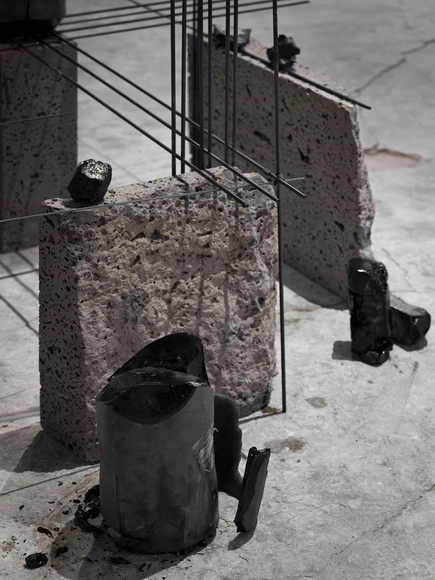
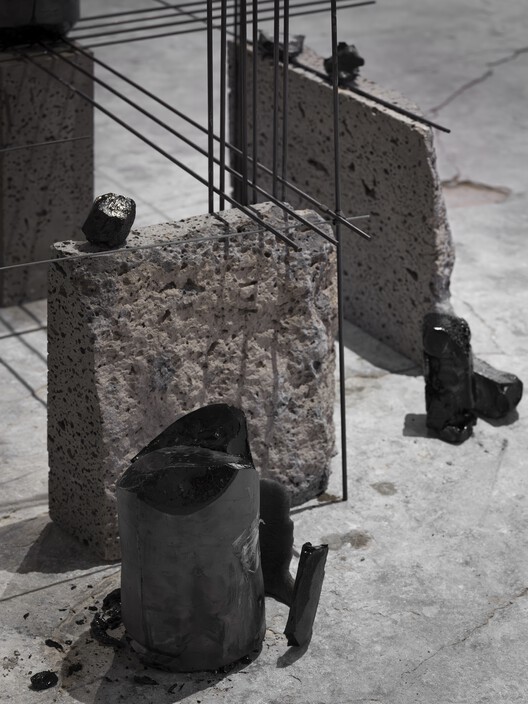
Iceland presents the Lavaforming at its National Pavilion for the 19th International Architecture Exhibition – La Biennale di Venezia. Led by architect Arnhildur Pálmadóttir, founder of s.ap architects, the pavilion is commissioned by Halla Helgadóttir, Iceland Design and Architecture. Lavaforming envisions a provocative and speculative future in which the elemental force of lava is no longer seen solely as a natural hazard but instead embraced as a generative, architectural medium. By harnessing and directing controlled lava flows, the project explores the potential of molten rock to shape urban environments, transforming destruction into construction. Through a series of physical experiments and research-driven installations, Lavaforming demonstrates how this often-feared geological phenomenon could become a renewable and expressive material in the creation of future cities.
With the heightening of ecological and social crises all around the world, architects have had to re-evaluate their role, impact, and design approach. As the "new needs" of people arise, new architectural processes must be explored to answer them. However, this still comes with much resistance from the standing practices and push for financial gain that often makes it difficult to implement more comprehensive solutions. These notions led the CCA (Canadian Center for Architecture) to launch their new 3-part film and exhibit series called " Groundwork", curated by the associate director, Francesco Garutti. Through this project, the CCA selected and followed three renowned contemporary architects/practices as they developed their concepts and field research, which allowed them to engage respectfully with their site and residing communities. It's an up close and personal look into what motivates the selected architects to examine alternative ways of designing and the challenges they go through as the three parallel stories unfold.
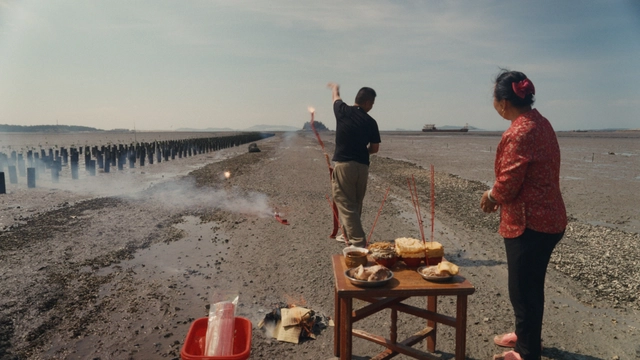
The first exhibit opening and movie screening was held in May 2024, followed by an in-conversation event with the program curator and architect, where the question of "What is architecture today" was discussed. The exhibit and its many showcased elements, channels visitors along to the first site exploration with DnA's Xu Tiantian as she ventures "Into the Island" of Meizhou, China, in the summer of 2022.
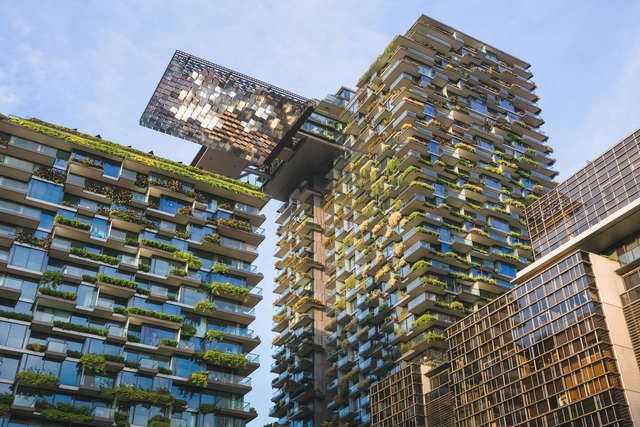
Our contemporary society has been witnessing a surge in skyscraper construction in urban centers worldwide for various reasons—including engineering advancements, increased urban density, space constraints, and, arguably, a competitive drive for building the tallest structures. The allure of all-glass facades and the pursuit of curtain walls with larger panes of continuous glass have often come at the cost of functionality.
In these towers, operable windows are sacrificed for aesthetics and expansive views, with a central core layout that maximizes 360-degree views while creating architectural "solar heat-gain monsters." Without natural or cross ventilation, these glass skyscrapers trap significant heat from solar radiation within habitable spaces, relying almost exclusively on mechanical HVAC systems to cool these spaces. This raises the question: is passive ventilation strategy becoming obsolete in high-rise design, or can operable systems be integrated effectively into our high-tech towers?
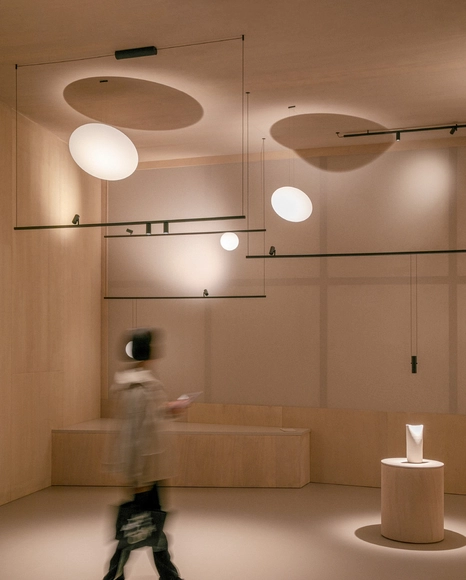
When designing and lighting a space, is the goal to fulfill a specific requirement or to be creative? Both perspectives hold merit; however, a unifying principle should always prevail: people must remain at the center of everything we do. Today, it is well understood that our environment significantly influences our well-being, affecting mood and performance, even in challenging contexts such as outer space. While this standpoint has encompassed anthropometric and biological aspects, new approaches are expanding design beyond the tangible. Lighting is now used to shape atmospheres that resonate deeply with our emotions.
https://www.archdaily.com/1022444/shaping-atmospheres-with-lighting-a-human-centered-approach-to-emotional-designEnrique Tovar
Community Development Center in Tapachula / Laboratorio de Acupuntura Urbana. Image
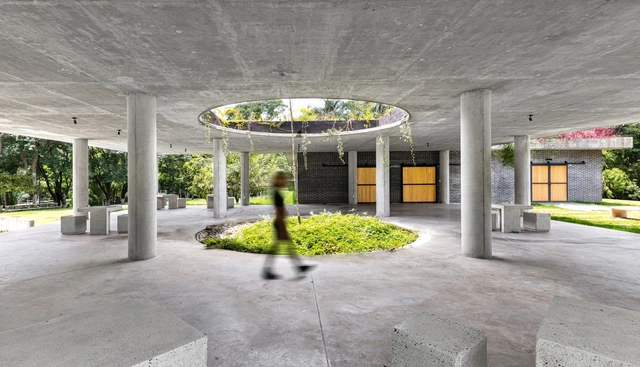
How do community centers emerge? Why do they often represent a need for the appropriation and development of society? In the pursuit of improving the quality of life in the most vulnerable communities, community centers present themselves as an alternative capable of providing healthcare, educational, cultural, and recreational services, along with spaces that contribute to the present and future development of communities. In Mexico, numerous community centers are created and supported by government institutions, civil foundations, or private companies, as well as co-management initiatives that aim to integrate children, youth, adults, and older adults into spaces for gathering, socializing, and recreation, where they can engage in activities from learning to developing individual and collective skills.
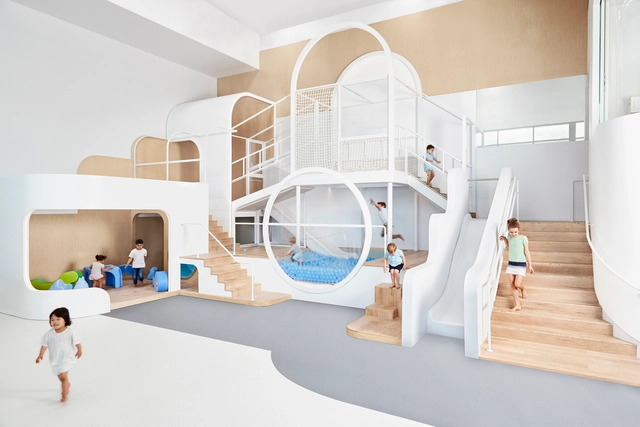
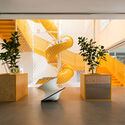
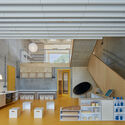
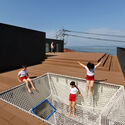
Designing for children is certainly not child's play. While adults lead the design process, the end-users are often children, as seen in kindergartens, schools, and parks. Architects have the responsibility to create built environments that provide children with opportunities to play, explore, and learn, even in today's digital age.
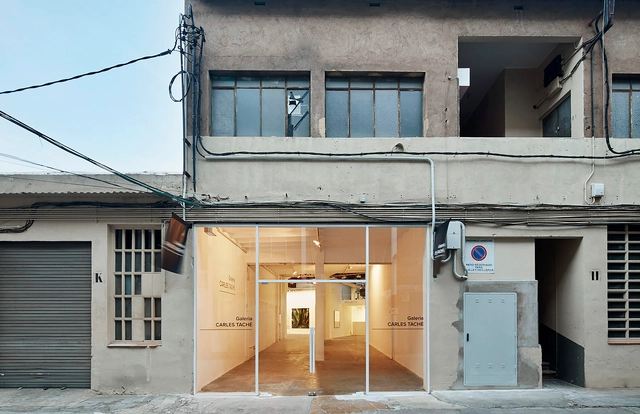
The relationship between art and humanity dates back to the origins of civilization. Museums have become spaces where vast collections of art and artifacts narrate the history of time, humankind, cities, and countless stories about cultures and societies. Over the years, the museum's role has evolved, taking on different forms and scales, including the modern-day art gallery. The importance of art and culture in contemporary cities and neighborhoods is undeniable. However, galleries serve multiple roles in integrating art and culture into daily life. Why are these spaces valuable to communities? How do they support emerging artists? How can galleries revitalize neighborhoods?
Can you imagine a learning experience where traditional architectural knowledge merges seamlessly with gaming, AI, simulation, and augmented reality (AR)? This is exactly what SCI-Arc's MA2 curriculum offers. This innovative blend not only equips students with essential skills in traditional design, theory, and practice, but also provides them with the tools to delve into cutting-edge technologies that are reshaping the design industry.
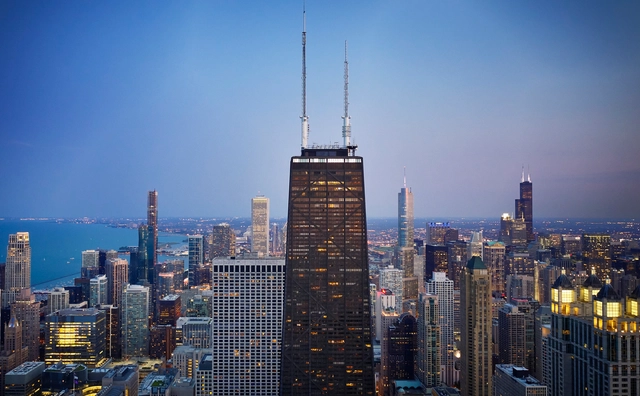
Skidmore, Owings & Merrill (SOM) have announced plans to redevelop the 95th and 96th floors of the iconic 875 N. Michigan Avenue, formally named the John Hancock Center. The building, originally designed by SOM in 1967 and completed in 1970, is recognized as the world's first mixed-use skyscraper, having become a recognizable feature of Chicago's skyline. The redesign endeavor aims to reimagine the two floors, measuring 30,000 square feet, into an observation deck and an attractive destination in the city.
Amoreiras Complex (1980-1986), Tomas Taveira. Collection of Casa da Arquitectura
What has architecture done for democracy in Portugal—and what has the democratic era done for Portuguese architecture? These are the questions guiding the exhibition O que faz falta. 50 anos de arquitetura portuguesa em democracia [What is Needed: 50 Years of Portuguese Architecture in Democracy], organized by Casa da Arquitectura, which celebrates the fifty years since the 1974 Carnation Revolution.
Curated by Jorge Figueira with co-curator Ana Neiva, the exhibition highlights the intimate relationship between architecture and the democratic regime in Portugal, exploring how Portuguese architects contributed to democratic consolidation by transforming the country's public and private spaces over five decades.
Standing out among the array of cultural programs, the opera and theater typology is often understood as encompassing the luxurious and elitist spirit of a bourgeois society focused on entertainment. Across the Soviet Union, this represented the opposite of the principles to be promoted. However, despite the opposition of the political class, the program remained widely popular. As the historical structures, symbols of the previous regime could no longer be promoted, the search began for a new image of the Opera House, one aligned with Socialist ideals and the concept of "art belonging to the masses."
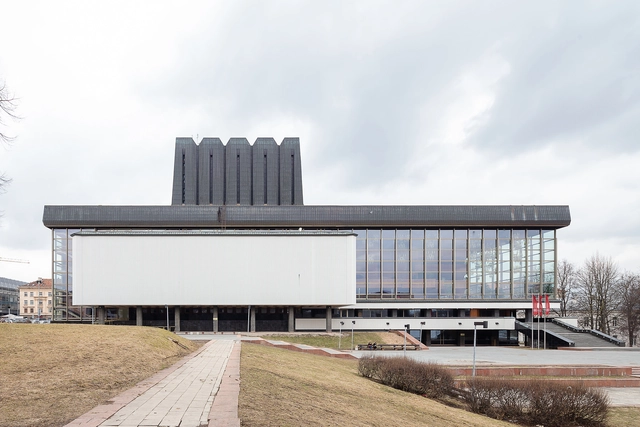
This is the case of Soviet Lithuania, which, in the 1940s, began the process of developing a new Opera and Ballet Theater in Vilnius to replace the theatre in Pohulianka. The process resulted in an unusual commission, as young architect Elena Nijolė Bučiūtė won the 1960s competition for architectural design, turning the initial socialist realist proposals into a welcoming and expressive design, blending elements of early and late modernism. This also represents a surprising accomplishment for a young architect who was a woman and not a member of the Communist Party. Open House Vilnius featured the project in its program for several editions.
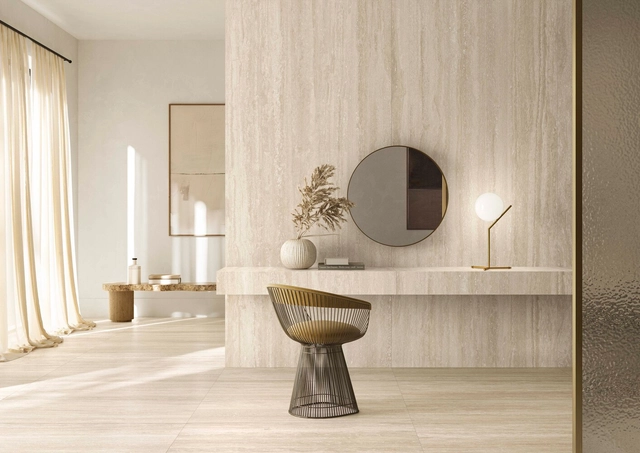
Pietra Tiburtina - Campidoglio. Image Courtesy of Casalgrande Padana
Travertine —known as lapis tiburtinus by the ancient Romans— has endured for centuries as one of the most iconic materials in Italian design heritage. This limestone has left a lasting mark on architectural history, from the monuments of the Roman Empire to contemporary works like the Church of 2000 and the Ara Pacis Museum. Over time, its aesthetic has evolved alongside art and design, adapting to technical advancements while preserving its essence and relevance in modern architecture.
https://www.archdaily.com/1022299/carving-pietra-tiburtina-a-contemporary-approach-to-classic-travertineEnrique Tovar
The Tamayouz Excellence Award has announced George Arbid, Lebanese architect and educator, and the founding director of Beirut's Arab Center for Architecture, as the recipient of the prestigious Mohamed Makiya Prize for Architecture 2024. Also known as the Middle Eastern Architectural Personality of the Year Award, this accolade honors Arbid's efforts in documenting, researching, and advocating for the modern architectural heritage of the Arab region. The Mohamed Makiya Prize, established in 2014 to honor the eminent Iraqi architect Dr. Mohamed Saleh Makiya, celebrates those who have profoundly influenced architecture and the built environment across the region.