This guide covers a workflow that moves from project parameters to generated floor plans, 3D perspective views, exterior design exploration, and site context visualization, using AI tools in place of preliminary CAD and rendering work.
This guide covers a workflow that moves from project parameters to generated floor plans, 3D perspective views, exterior design exploration, and site context visualization, using AI tools in place of preliminary CAD and rendering work.
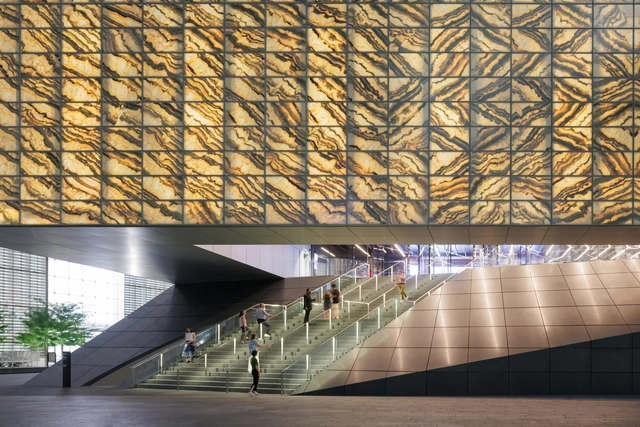
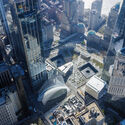
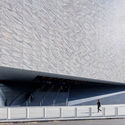
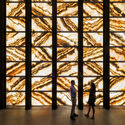
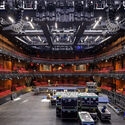
The recent completion of the Perelman Performing Arts Center (PAC), a collaboration between REX, Davis Brody Bond, and the Rockwell Group, is a milestone in the cultural transformation of Lower Manhattan. The PAC site is part of the World Trade Center complex, owned by the Port Authority of NY and NJ, an autonomous agency responsible for managing bridges, ports, tunnels, and airports. Since the 2001 attacks, the site has undergone significant changes, including the construction of the four WTC complex towers and the Oculus. More than nine years passed between the launch of the PAC competition and the project's completion, and I participated in the last five years as an architect on the Davis Brody Bond team.
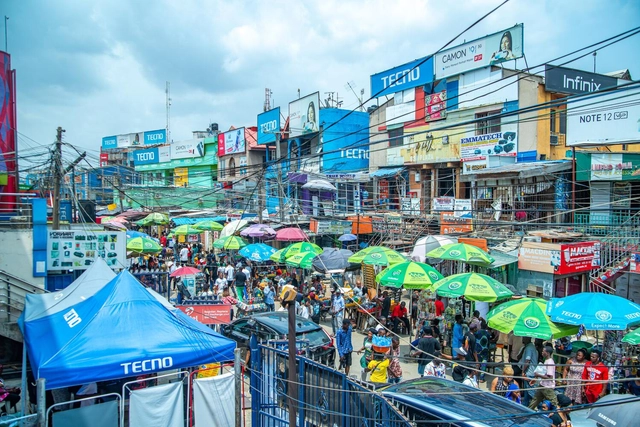
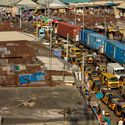
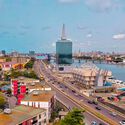
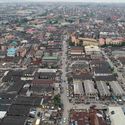
From its historical origins as a fishing village and the site of a pepper farm to today's bustling metropolis, Lagos, Nigeria, has evolved into a complex agglomeration of people, settlements, and vested interests.
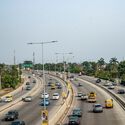
As the economic powerhouse of Nigeria and West Africa, Lagos is projected to become the most populous city in Africa over the next 50 years, growing from its current 15 million to a population of 100 million. If recent migration waves are any indication—comprising those seeking economic opportunity or fleeing climate crises and conflicts in other parts of Nigeria—these projections may well be underestimates.

The practice of building with straw has existed since the dawn of civilization. Given the devastating impacts of contemporary construction methods, could straw be a viable, biogenic alternative to today's building materials?
Evidence suggests that straw and reed have been used in construction for over 10,000 years. Since then, the Industrial Revolution has completely transformed building practices, introducing the mass production of steel, glass, and, not least, concrete.
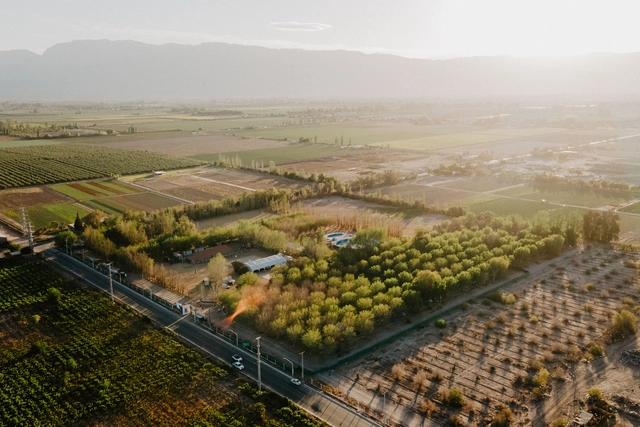
Through talks, anecdotes, gatherings, and visits, the 28th edition of the Latin American Encounter of Students of Architecture (ELEA), held in San Juan, Argentina, set out to address diverse themes surrounding resilience, new technologies, the circular economy, and sustainability, aiming to foster a shared community of ideas, knowledge, and experiences through collaborative, participatory work.

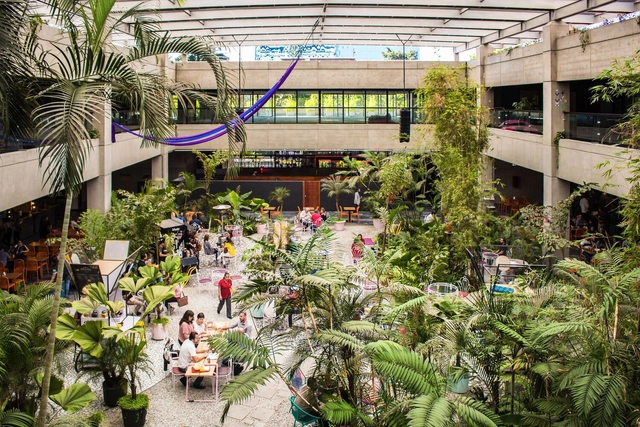
The 2023 Guatemala Architecture Biennial brings to the forefront the need to build a city without walls, integrating public spaces that foster a sense of belonging, unity, and identity. In this interview, the Biennial's general coordinator, Esteban Borjes Castillo, discusses the significance of this year's edition.
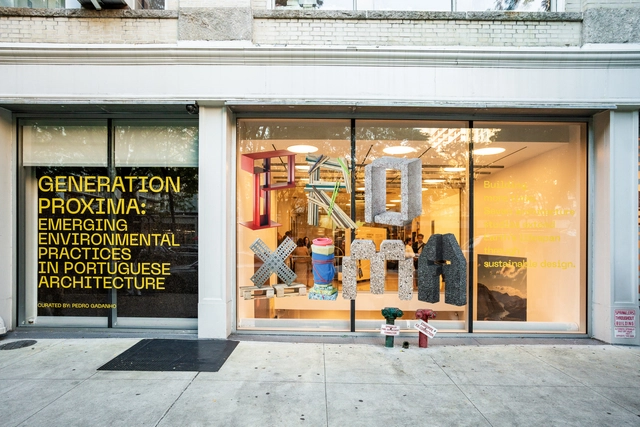
No País dos Arquitectos is a podcast created by Sara Nunes, who also runs the architectural film production company Building Pictures. The podcast aims to profile the professionals, projects, and stories behind landmark contemporary Portuguese architecture. With just over 10 million inhabitants, Portugal is a highly compelling country within this professional field, and its architectural output far exceeds what its population and territorial scale would suggest.
In this episode of the sixth season, Sara talks with architect and curator Pedro Gadanho about the exhibition Generation Proxima: Emerging Environmental Practices in Portuguese Architecture. Listen to the conversation and read part of the interview below.
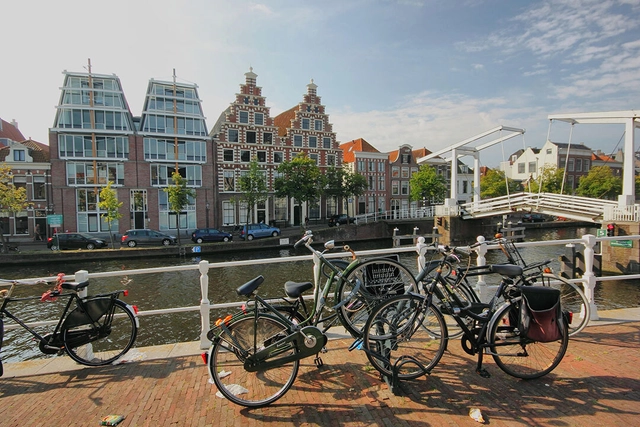
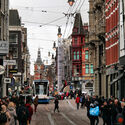
The Netherlands, colloquially referred to as Holland, is synonymous with its bicycles, an iconic element of the country's urban landscape. The integration of cyclists and motor vehicles often surprises visitors.
The Dutch connection to bicycles is clear in the statistics: in 2021, 84% of the Dutch population used bicycles daily. In Amsterdam, this figure reaches around 63%, demonstrating a strong preference for the vehicle. In contrast, only 7% of Brazilians choose the bicycle as their primary mode of transportation.
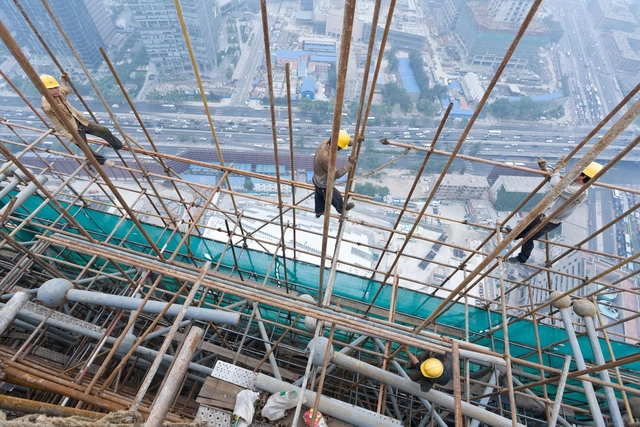
Bricklayers, foremen, steel fixers, carpenters, plumbers, painters, electricians, and welders. A wide range of professionals is required to erect a building and bring the designs of architects and engineers to life. Essential to ensuring the quality of every project, these roles are honored today, October 26th, on Construction Worker Day. To mark the occasion, we highlight the wisdom of these professionals and how they share their expertise with the public—both professionals and laypeople—through video tutorials that offer a deeper understanding of the construction site, the materials and equipment used, the various techniques available, and how to approach building.
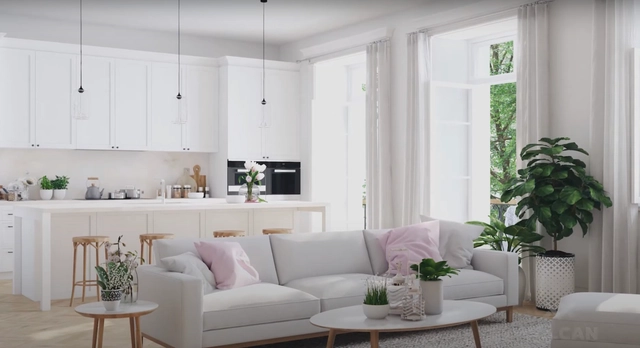
Designing and constructing homes is a complex process involving a variety of factors. Within this process, considering the various design elements is essential—including underlayments, ceilings, partitions, claddings, structures, and facades—alongside selecting the right materials for each. This choice must align with user preferences as well as indoor and outdoor conditions, prioritizing durability, energy efficiency, and aesthetics.
To simplify the design process, Volcan develops Volcanboard fiber cement building solutions for different construction elements. Available in a variety of thicknesses to adapt to various applications, these fiber cement boards stand out for their fire and moisture resistance, as well as their long-term durability and versatility. Below, we explore various applications of Volcanboard in residential design.
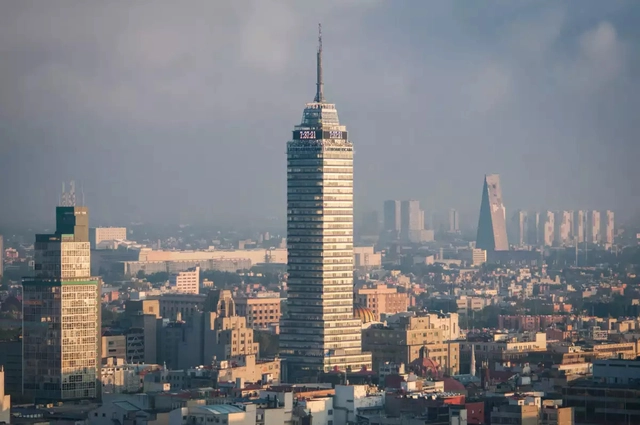
Amid the bustle and majesty of Mexico City, the iconic buildings that adorn its skyline boast not only imposing architecture, but also stories and secrets that spark curiosity. During this month dedicated to architecture, we bring you some of the curiosities and myths surrounding CDMX's buildings, which serve as the pillars of multiple narratives.

Through the incorporation of various elements, interior design creates comprehensive spaces that blend functionality and aesthetics. Among these components, suspended ceilings are a solution that integrates finishes suspended from the main structure. While adapting to a wide range of styles through a diversity of materials, colors, and textures, suspended ceilings also address acoustic needs, contribute to thermal insulation, and integrate lighting systems.
Among its solutions for interior applications, Hunter Douglas combines aesthetics, comfort, and sustainability to develop the WoodLines suspended ceiling line. Integrating innovation with natural materials, the manufacturing process continuously bonds a natural wood veneer to a roll-formed metal profile. As a result, linear ceilings composed of continuous slats are obtained, combining the functionality of a metal ceiling with the warmth and aesthetic appeal of natural wood.

With its sights set on the future, in 2024, the Universidad Católica del Uruguay is adding the Architecture, Design, and Environment program to its academic offerings. Felipe Reyno, PhD in Architecture and director of this new degree program, reflects on the need to train architects with a contemporary, contextual, diverse, critical, and collaborative perspective.
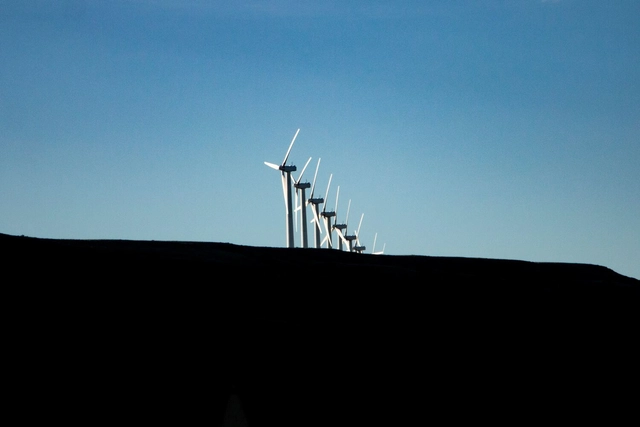
When it comes to climate change, the headlines can sometimes seem contradictory. One day, we read about catastrophic wildfires wreaking havoc across the globe; the next, we see an optimistic article about the rapid rise of solar and wind energy. Taken together, these narratives can make it difficult to grasp the big picture of climate action. Are countries actually implementing effective solutions if greenhouse gas (GHG) emissions continue to rise? In which areas has the world made enough progress to overcome the climate crisis, and where are the gaps? What specific measures are needed to get us on the right track?

Like the flight of a bird, a summer rain, ocean tides, lightning during a storm, or a prolonged drought, natural phenomena occur every day without our noticing. Yet, some draw more attention, such as volcanic eruptions, earthquakes, the emergence of a new virus, or major floods. Even so, if they occur in an uninhabited region and do not cause significant material damage, they remain merely natural phenomena. If, however, they strike populated areas, causing deaths, injuries, production disruptions, major financial losses, and displacement, only then are they considered natural disasters.

Originally written as a final paper for the elective course Traditional Dwellings (Moradias Tradicionais) at Escola da Cidade in 2017, this essay addresses the little-known presence of large-scale pre-Columbian structures in the heart of the Amazon Rainforest.
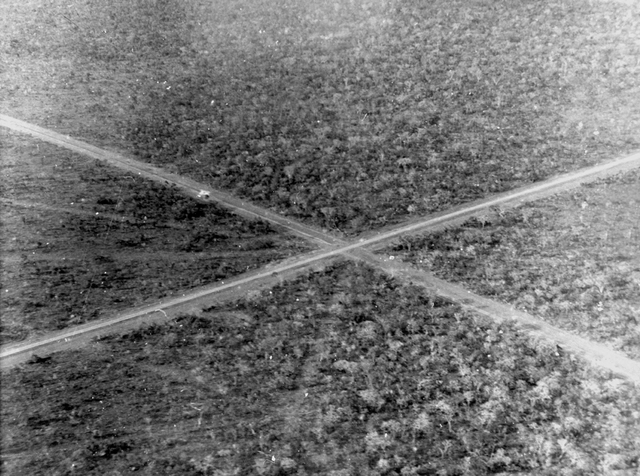
Over the last 40 years, hundreds of massive geometric formations carved into the ground—known as geoglyphs—have been discovered in the state of Acre. These structures show that the Amazon was inhabited thousands of years ago and that its vegetation was managed, debunking the notion of the region as an untouched, pristine wilderness.


A faucet is a mechanical valve used to regulate (release or block) the flow of a fluid (usually water) from plumbing. While turning on a faucet seems almost mundane today, we rarely think about the vast knowledge and technology required to provide water at any given moment with a simple movement of the hand. Yet, between intake, treatment, and distribution to a kitchen or bathroom, water travels a complex path.
_11.44.10.jpg?1595963269&format=webp&width=640&height=580)
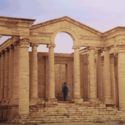
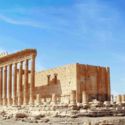
Despite UNESCO's recognition of specific world heritage sites, some are in constant danger of disappearing due to natural phenomena like earthquakes and human factors such as urbanization. By definition, these landmarks are significant to human history, embodying characteristics that reflect the core values of various civilizations. However, many have never been experienced firsthand by a large portion of the global population.

The way you experience the city, the urban infrastructure provided in the areas you frequent, and even the job opportunities that come your way are all, to some extent, shaped by the color of your skin. These themes unfold across multiple layers to discuss racial segregation in the urban environment in the seminar "The City and Racial Subjection," organized in 2018 by the Laboratory of Race and Urban Space Studies (Labraça) at FAUUSP.
As it celebrates its 60th anniversary, Brasília has an opportunity to draw inspiration from the anti-racist and anti-colonial movements worldwide that have challenged the monumentality of official history, confronting the memorialization of colonialism within its own urban landscape. Rather than celebratory events that reiterate official narratives, marking the city as a *bandeirante* milestone of national modernity, we should pause—a pause moreover imposed by the pandemic—to reflect on how certain memories are eternalized while others are erased, and thus trace new memorial cartographies onto the urban fabric of the capital.
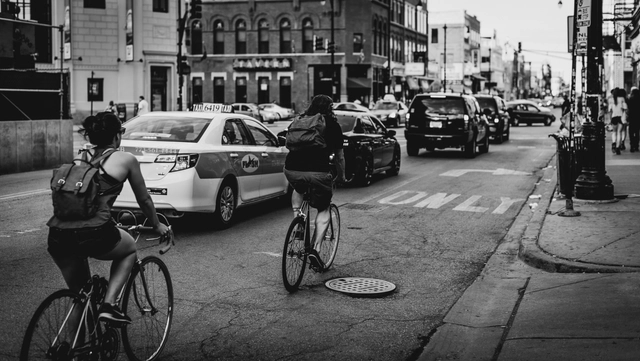
Twenty-first-century urbanism will be marked by an increase in both the number and scale of global megacities—urban agglomerations with over 10 million inhabitants, according to the UN—alongside a geographical shift. By 2100, African metropolises such as Lagos (Nigeria) and Kinshasa (Democratic Republic of the Congo) are projected to exceed 80 million residents. The rise of these new, larger metropolises, especially in Africa and Asia, compounded by the urgent need to address the ongoing climate crisis, demands immediate changes in the discourse surrounding urban mobility.

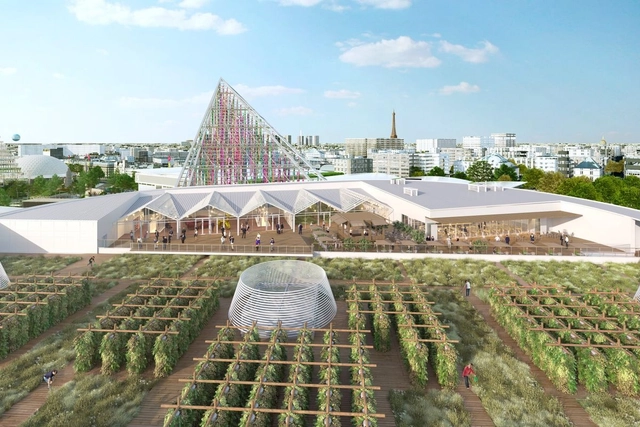
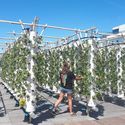
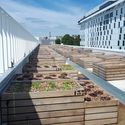
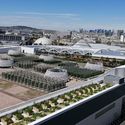
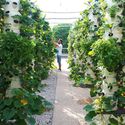
While modern metropolises have verticalized our way of life, creative solutions are continually emerging to reclaim and redefine urban space. Rooftops are already widely used for events and leisure, and now, growing plants and crops on them is becoming increasingly common. In Paris, a massive 14,000 m² urban farm has just opened on a building's rooftop. Although cultivation does not yet cover the entire area, once fully completed, it will be considered the largest in Europe and, perhaps, the world.

São Paulo, Sociedade Anônima is a film with a complex and profound approach to São Paulo, crafted with a sensitive and distinct 1960s perspective by those who lived through a moment of urban and socioeconomic renewal in the metropolis. Capturing this unique social transformation, the film became a cinematic landmark of the era, tracing an intense relationship between character and urban space. It contains multiple layers of interpretation that dissect the meaning of the modern, the urban, the scenographic, and the architectural, using these concepts as tools to express a historical period lived and experienced by its population, capturing the transformations of both the city and its society.

Many factors influence people's well-being, but few have power as great as the quality of sleep. Adults spend, on average, a third of their day (and their life) sleeping. In the case of young children, this proportion is even higher. According to a study published by the WHO in 2019, babies (4 to 11 months) should sleep between 12 and 16 hours/day; and children up to 4 years old should sleep between 10 and 13 hours/day.
Quality sleep acts directly on the child's brain development, especially during his first and second childhood (from birth to 12 years old). During the rest period, the body releases the hormones necessary for growth and learning, and this is directly related to physical, motor, emotional, and cognitive development. It is also known that the environment where one sleeps interferes with the quality of that sleep, and some important aspects must be considered when designing sleeping spaces for children and babies.

Architecture is one of the most beautiful professions—there is an undeniable romance in building the spaces where human beings dwell. It is also one of the oldest: if considered as an activity that organizes space, some form of architectural thinking can be identified dating back at least hundreds of thousands of years. Its beauty, however, is partially eclipsed by widespread frustration within the professional field in Brazil. A general lack of awareness regarding its importance to society, difficulty securing contracts, fierce competition, scarce opportunities in public projects, low-paying jobs, and a willingness to work without fees all contribute to the precarious state of architecture and urban planning.





_11.44.10.jpg?1595963269)