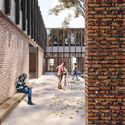
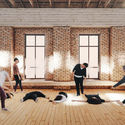
Cortesía de Bienal Internacional de Arquitectura de Santa Cruz
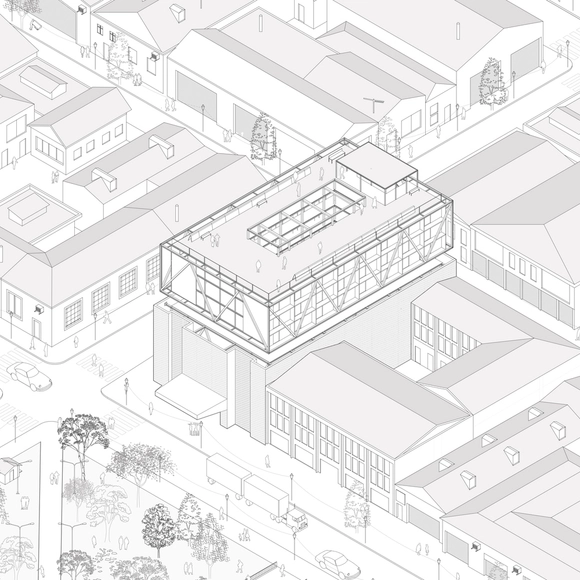
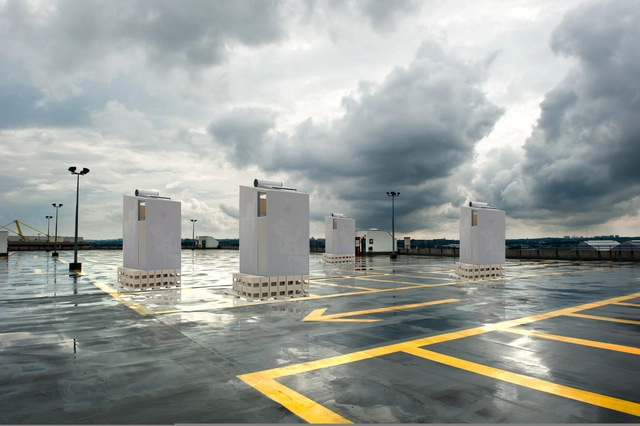
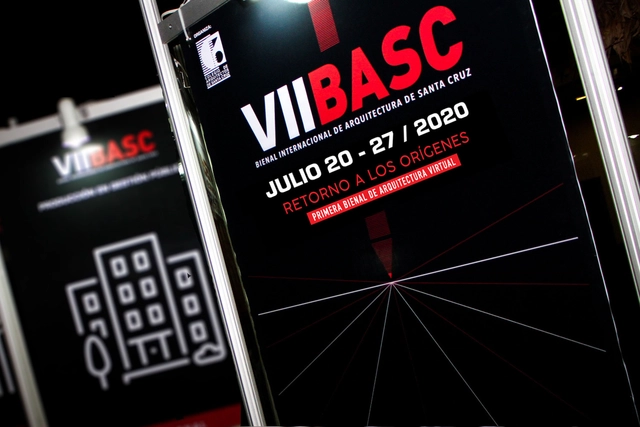
The Santa Cruz International Biennial of Architecture (BASC) is adapting and transforming. As a result, it will become the first virtual architecture biennial in the Americas, taking place from July 20 to 27 alongside the International Construction, Architecture, and Design Fair (FICAD).
https://www.archdaily.com/1124245/the-santa-cruz-international-architecture-biennial-2020-will-be-virtualArchDaily Team
Architect Cristián Boza Díaz, known for designing the Parque Fluvial de la Familia, the Centro de la Justicia, and the Universidad San Sebastián in Santiago, Chile, passed away today at the age of 76 following a liver disease that afflicted him in his final years.
Every year, we host a call for graduation projects open to our audience in all Portuguese-speaking countries. Through this, we aim to select the most interesting projects to present inspiring visions and debates for the fields of architecture and urbanism.
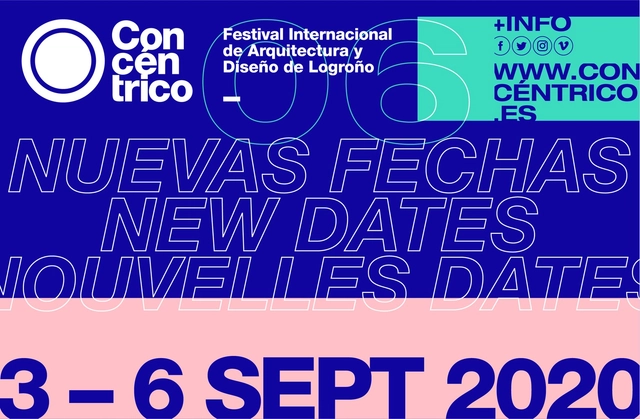
Due to the global coronavirus pandemic, the sixth edition of the Concéntrico International Architecture and Design Festival has been postponed, with new dates set for September 3 to 6, 2020. The postponement is accompanied by an innovative online coverage initiative called the "Concéntrico Marathon," which will take place during the originally scheduled dates, from April 29 to May 3, 2020.
This year in Mexico, the National Workers' Housing Fund Institute (Infonavit) launched the Seventh Student Competition 2020, proposing the study of issues at different scales to develop housing, environmental, and locational strategies and solutions for the country's most troubled housing developments. The competition seeks new ideas as well as an academic dialogue, offering participants the opportunity to interact with users and their surrounding habitat to understand, analyze, and propose practical transformations through empirical research and interdisciplinary professional guidance.
https://www.archdaily.com/1124205/infonavit-announces-the-winners-of-the-seventh-student-competition-2020ArchDaily Team
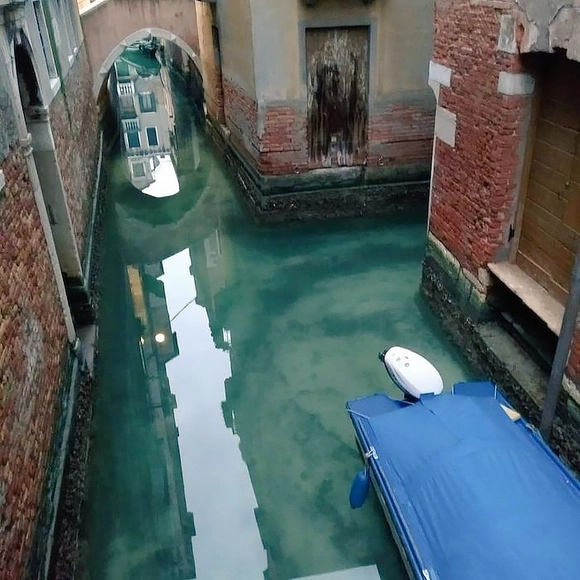
The spread of the coronavirus is affecting the entire world, and difficult times lie ahead. However, as people's movement decreases, many cities are experiencing a significant reduction in their environmental issues.
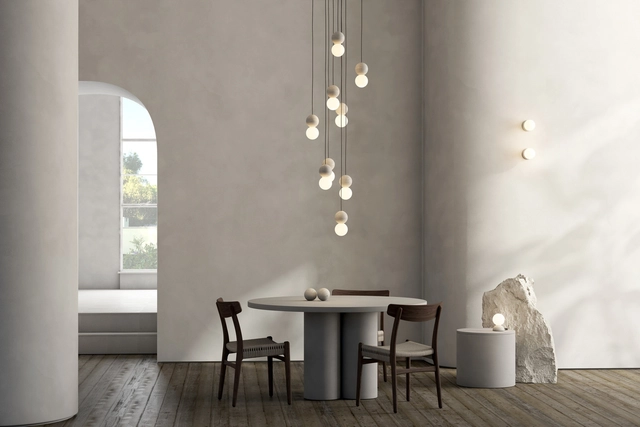
Founded in 2013 in Mexico City, David Pompa is a studio comprising designers, engineers, and makers based in Mexico and Austria. David Pompa grew up in both countries and studied product design in London. Over time, the studio has shown a strong interest in traditional materials and techniques, maintaining a commitment to Mexican culture since its inception, which is reflected in its creation of aesthetic and accessible design objects.
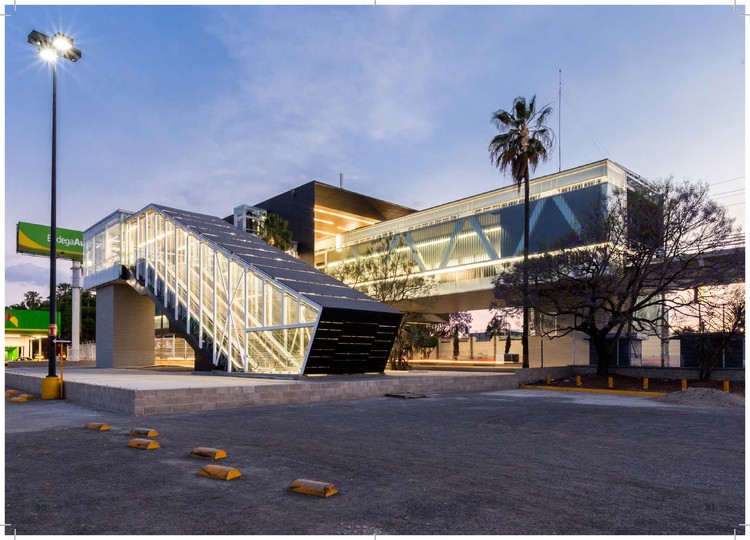
Mi Tren's Line 3 is one of the most significant public transit projects for the Guadalajara Metropolitan Area (AMG), aligning with the Government of Jalisco's commitment to achieving integrated mobility that connects riders quickly, accessibly, and safely. Line 3 will enable travel to the historic centers of Guadalajara, Zapopan, and Tlaquepaque in a single trip. This new light rail system is projected to handle 233,000 trips per day. In addition to serving residential areas, Line 3 is designed to connect key educational, administrative, commercial, and tourist infrastructure.
On Wednesday, December 16, Panel Rey brought together architects from across Mexico for its fifth annual New Year's toast in Monterrey, Nuevo León. This year, a special recognition was presented to architect Bernardo Hinojosa, who has an impeccable career of more than 46 years in the profession, with more than 1,750,000 square meters of planned projects spanning commercial, office, educational, sports, urban, industrial, and residential architecture.
Yesterday, the Mayor's Office of Bogotá shared on social media the first images of the Santa Clara Hospital renovation, which is part of the San Juan de Dios hospital complex in the Antonio Nariño district. They also announced the signing of the start-of-work agreement for its construction and renovation.
With the launch of ODA2020, this year we celebrate the twelfth anniversary of the Building of the Year Award (ODA), the highest recognition in the Spanish-speaking architectural world, where the winners are chosen by popular vote. Starting today, Tuesday, March 10, and for the next three weeks, our readers will be responsible for determining which projects inspired us in 2019, faithfully representing the identity of our local contexts while shaping the way architecture is practiced around the world.
Over the next three weeks, the entire ArchDaily en Español network (Plataforma Arquitectura, ArchDaily México, ArchDaily Colombia, and ArchDaily Perú) will serve as the platform for celebrating the best built architecture in Spain and Spanish-speaking Latin American countries.
From a pool of nearly one thousand projects published in 2019, you can easily find your favorites by browsing each category and using the search tool to filter projects by country and architecture firm.
We are pleased to present the finalist projects for the 2020 Building of the Year Award (ODA20). After two weeks of nominations, the favorite projects have been chosen from among hundreds of built works in Portuguese-speaking countries. Our jury of experts, made up of our own readers, has once again done an outstanding job in selecting these 15 projects. The finalists span a remarkable diversity of programs, ranging from cultural and educational projects and public spaces to high-end residences and temporary installations.
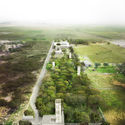
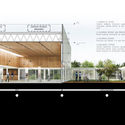
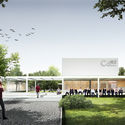
The winners of the Ideas Competition for the San Francisco Regional Cultural Recreational Space 2 have been announced. This public, province-wide call invited participants to design a building dedicated to community gathering, recreation, socialization, exchange, education, outreach, and civic participation.
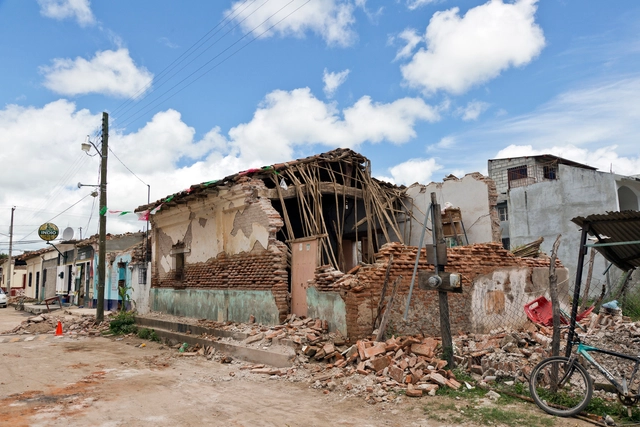
In light of recent developments surrounding COVID-19, the Mexico City government, in conjunction with the Mexico City Reconstruction Commission, announced that the reconstruction plan addressing the September 19, 2017 earthquakes will not be suspended. Instead, health and social distancing measures will be implemented to allow support and construction processes to continue.
Centered on the theme “Integrated Housing, Sustainable Communities,” the 2020 CAP Steel Design Competition for Students has recognized projects that promote the understanding of steel as a material, research into its vast potential, its technologies, and its multiple uses and applications in construction, developed within an appropriate architectural and structural framework.
Out of 26 preliminary projects submitted by 15 different universities, first place went to a team of students from Universidad Andrés Bello (Santiago), while second place went to students from Universidad Católica de Chile, and third place to students from Universidad Austral.
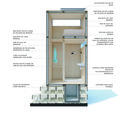
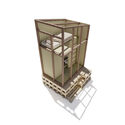
As part of an initiative led by the Mexican architecture firm REVOLUTION Arquitectura and the Mexican Red Cross, the Temporary Housing Pavilion for Healthcare Workers was developed to protect and shelter healthcare sector workers in Mexico.
https://www.archdaily.com/1123918/temporary-housing-pavilion-for-healthcare-workers-in-mexico-during-covid-19-by-revolution-arquitecturaArchDaily Team
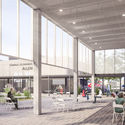
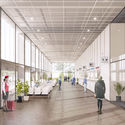
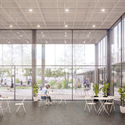
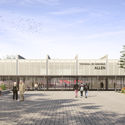
The winners of the Allen Bus Terminal Preliminary Project Competition (TOA) have been announced. This regional call was promoted by the Municipality of the City of Allen (General Roca, Río Negro, Argentina), organized by Section 2 and Section 4 of the Colegio de Arquitectos de la Provincia de Río Negro (CARN), and sponsored by the Argentine Federation of Architects' Associations (FADEA). The competition invited architects to submit proposals for a new passenger transport terminal, boosting architectural creativity and intervening at an urban scale.
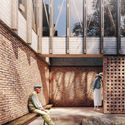
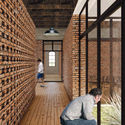
The winners of the Ideas Competition for the Casa de la Cultura, Former Governorate of the Department of Santa Cruz have been announced. Promoted and organized by the Municipality of Santa Cruz, the initiative invited Chilean students and architects to develop architectural proposals to convert the old Santa Cruz governorate building into the future Casa de la Cultura, highlighting the value of the property, which is considered of high heritage significance as the city's last remaining early 20th-century architectural vestige.
.jpg?1579619906&format=webp&width=640&height=580)

.jpg?1608579875&format=webp&width=640&height=580)