In 2019, the Governing Council of the URJC (Universidad Rey Juan Carlos) approved an infrastructure plan to remodel several of the university's campus buildings, including the classroom and departmental building on the Madrid-Vicálvaro Campus. This led to an agreement with the COAM (Official Association of Architects of Madrid) to organize an ideas competition to select the final design for the building, which was launched in February 2022.
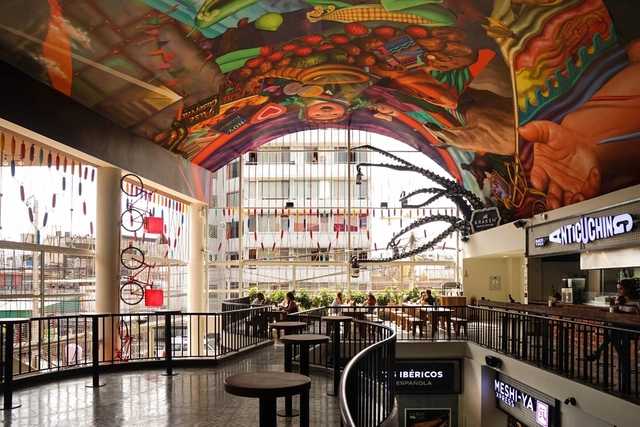
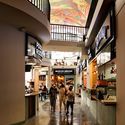
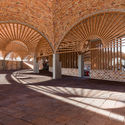
In the district of Miraflores, the tourist heart of Lima (the capital of Peru), the San Ramón Gastronomic Market opened in December 2021. It is located on the boulevard of the same name, in the picturesque district's well-known former Calle de las Pizzas. Open to the public, the project by the firm Arquitectura Verde aims to promote the enjoyment and awareness of the wide variety and richness of Peruvian gastronomy.
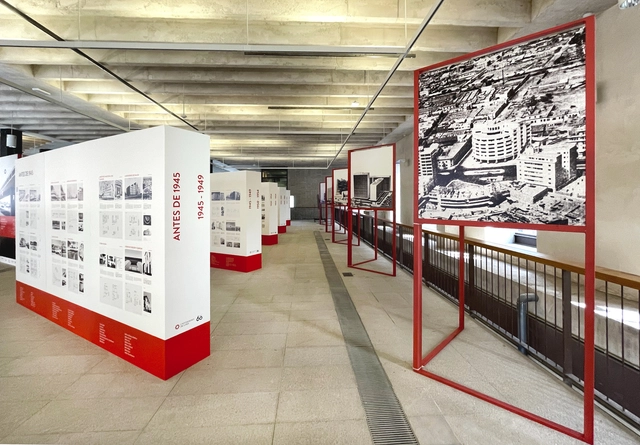
Catálogo de Arquitectura del Movimiento Moderno del Perú (CAMMP). Image Cortesía de Alejandra Acevedo
To promote Peruvian modern architecture internationally, the exhibition of the “Modern Movement Architecture Catalog of Peru (CAMMP)” opened on March 31 at the headquarters of the Official Association of Architects of Madrid (COAM) in Spain. The research, conducted by architects Alejandra Acevedo and Michelle Llona, was supported by the Architecture Program at the University of Lima and the Scientific Research Institute (IDIC), and will be open to the public until April 30 of this year.
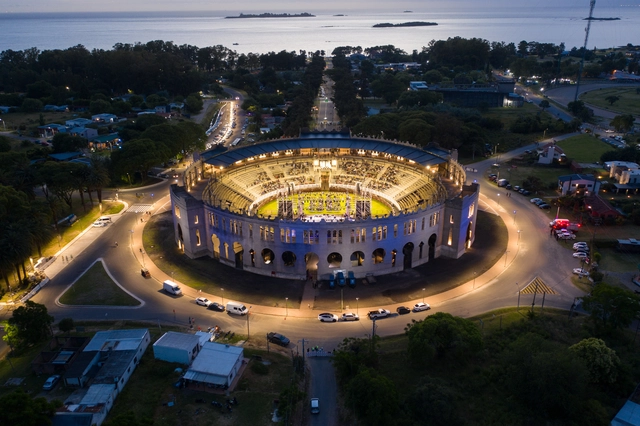
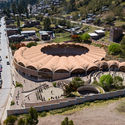
Recently opened in December 2021, the Plaza de Toros Real de San Carlos has been restored and repurposed to become a multi-purpose performance venue with a capacity for around 2,500 spectators in the stands and over 2,000 in the arena. Located in Colonia del Sacramento, Uruguay, this work, originally built by architect Josip Marković and engineer Dupuy, adopted a Neo-Mudéjar style, echoing the Spanish bullrings of that era.
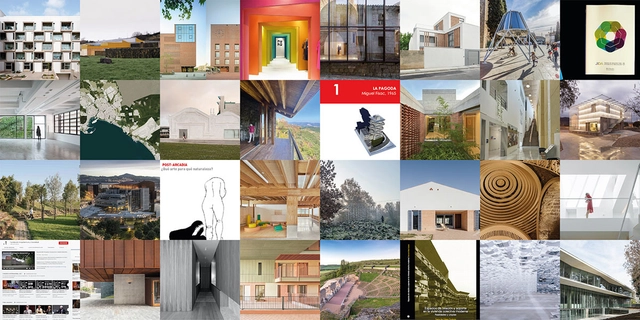
Cortesía de Consejo Superior de los Colegios de Arquitectos de España
To promote the key, transformative role of architecture in improving quality of life and contributing to a better world, the Higher Council of Colleges of Architects of Spain (CSCAE) is revamping the awards it has presented since 1981 with the launch of the first edition of the ARQUITECTURA Awards.
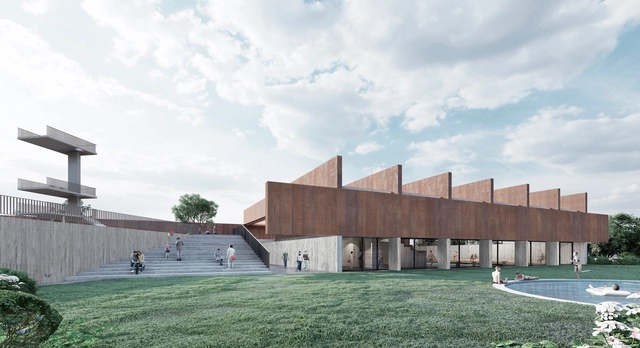
The New Municipal Swimming Pool of La Calera project in the Valparaíso Region is about to begin construction, as announced by the firm Gubbins Polidura Arquitectos on social media.
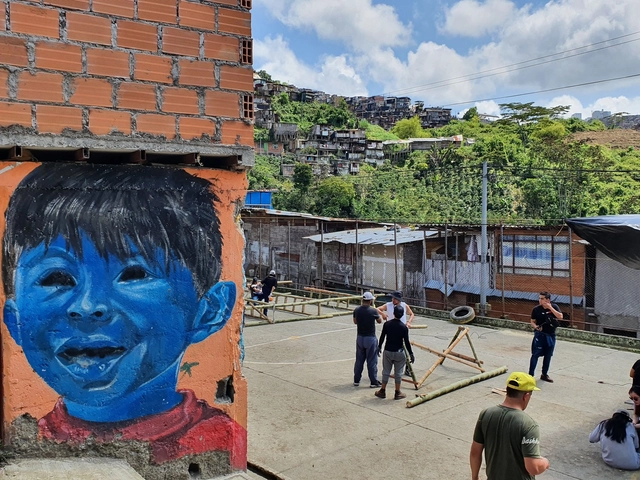
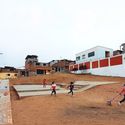
Twenty years after its first edition in Colombia, the Latin American Social Workshop returns to the South American country. In this edition, students from across Latin America, alongside architects from Colombia, Ecuador, and Chile, are intervening in three areas in the coffee-growing city of Manizales: a rural settlement in the middle of the mountain range, a self-managed park, and the slopes of an informal pedestrian neighborhood.
Here, we invite you to explore the progress made by the architectural teams participating in the 18th Latin American Social Workshop (TSL XVIII) in Manizales.
Render hecho por Josué Miranda - Aérea parque cultural de la danza. Image Cortesía de Isabel Loredo Pecho
In November 2021, the ADUS Award in the "Professional Urban Design (Project)" category was presented to the team from Signare Estudio, composed of architects Isabel Loredo Pecho and Juan José Quiun Montes, for their project "Plaza Cultural de la Danza" in Lircay, Peru.
The award aims to highlight architectural projects that lead to a more sustainable world, based on the premise that architecture drives sustainable trends and improves the quality of life in our cities and the habitat as a whole.
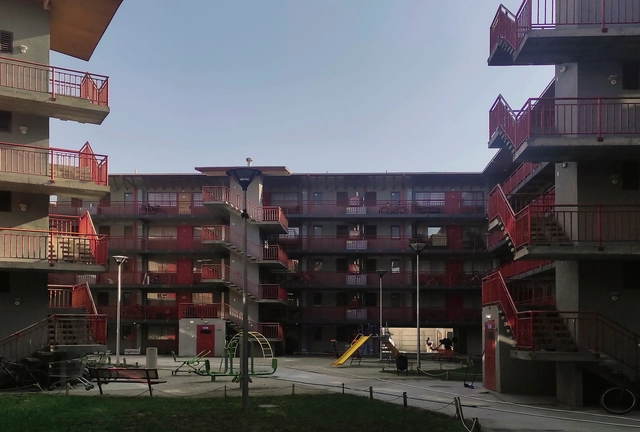
The new Maestranza Ukamau Neighborhood, an example addressing access to public housing in Santiago, Chile. Image
"Every person has the right to decent and adequate housing that allows for the free development of personal, family, and community life," states the provision that advanced to the draft of Chile's new Constitution. The draft is being prepared by the Constitutional Convention—a 155-member political body tasked with drafting and approving the proposal for a new agreement for the Republic, which was enabled by the October 2020 plebiscite and driven by the social protests that took place in the country in October 2019.
View of the Factory from the Wetland. Project by Mathias Klotz and Sebastián Mundi for the CCU Limache Brewery Museum. Image via CCU
The team led by Mathias Klotz and Sebastián Mundi of the architecture firms Klotz and SML has been unanimously selected in the open call for the heritage reconversion of the former CCU Brewery in Limache, the Chilean company announced today in a press release.
This project seeks to preserve the brewing heritage represented by the iconic building founded in 1883, through a museum open to the public.
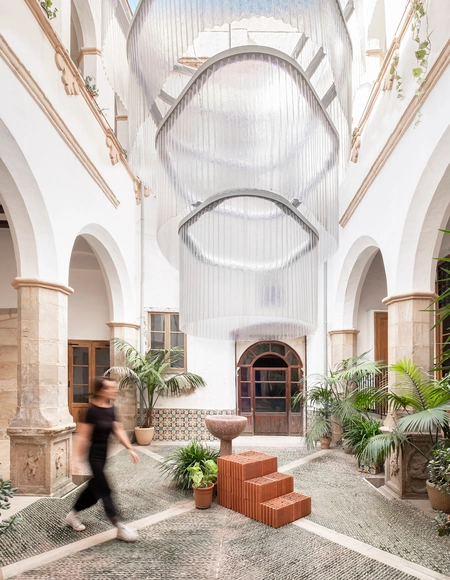
This monumental lamp, standing over 6 meters tall and covering an area of 55 square meters, hangs from the main courtyard of the Purissima Concepció monastery, radically transforming this 17th-century building through light and color.
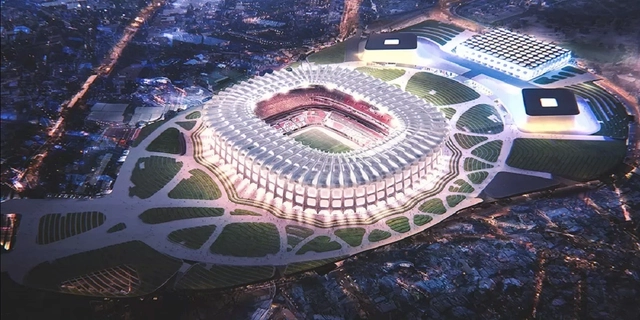
As part of the preparations for the 2026 FIFA World Cup—co-hosted by Mexico, the United States, and Canada—the remodeling proposal for Mexico City's Estadio Azteca has been unveiled. The historic venue has hosted countless milestone events over the decades and remains one of the capital's premier event spaces.
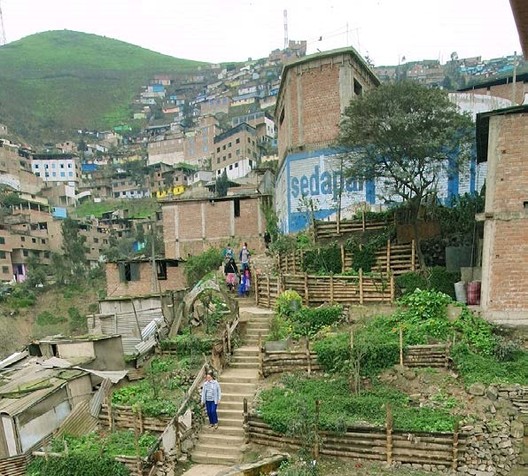
La Escalera de Las Lomas – por Ama Amancaes. Image Cortesía de Colegio de Arquitectos de Perú Regional Lima
To mitigate the consequences of informal urban growth in the Lima and Callao regions, on April 19, the Colegio de Arquitectos de Perú Regional Lima (CAP RL) launched the program “Valora Nuestro Barrio” (Value Our Neighborhood). Through 21 selected projects, the initiative aims to improve residents' quality of life by recognizing and showcasing successful urban improvement practices in the proposed neighborhoods.
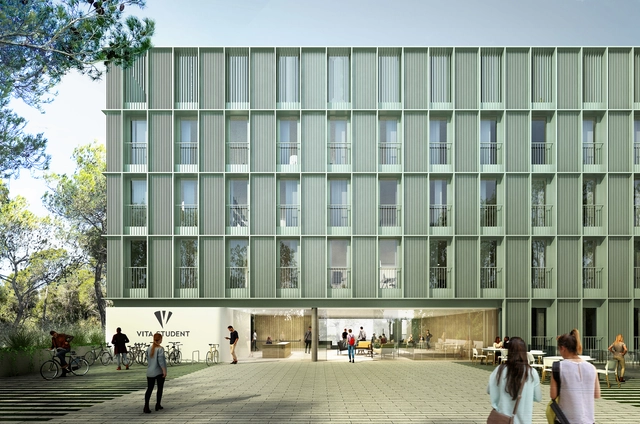
The Catalan firm Batlleiroig, founded in 1981 by Enric Batlle and Joan Roig, has designed the first residence for the British group Vita Student in Barcelona. With this project, Batlleiroig joins an innovative proposal that aligns with the firm's other works, where the primary focus is urban renaturalization, landscape regeneration, and the creation of healthy spaces. The firm promotes an innovative design seeking a new way of living for students and faculty, featuring increased contact with nature, a strong focus on sports areas, and large common spaces for the entire community.
Videos
Museo Regional de Aysén. Image Cortesía de Ministerio de las Culturas, las Artes y el Patrimonio
On Thursday, April 7, the Regional Museum of Aysén (MRA) won the LCD Berlin Award 2021/22 for “best new museum” globally in the Latin American category. The accolade was presented by the international organization “Leading Culture Destinations,” which is headquartered in the German capital, in cooperation with VisitBerlin.
The award, which recognizes the museum located in the city of Coyhaique as one of the world's emerging and established cultural destinations, is a recognition of the work carried out by the Ministry of Cultures, Arts, and Heritage through Chile's National Cultural Heritage Service.
A week ago, we announced the 15 finalist projects of the 2022 Building of the Year award —the prize for the best architecture in Spanish. Our jury of experts—you, our readers—made an initial selection of 15 from nearly 1,000 architectural works built in Latin America and Spain to proceed with the final vote for 3 projects that represent the best of the architecture that inspires, defines, and shapes us.
Today is the day to announce the winners of ODA2022!
We are pleased to present three projects located in Colombia, Cuba, and Chile that demonstrate the relevance of thinking of architecture as a solution to specific and local needs in order to improve the quality of life, at any scale or program.
The 2022 Building of the Year Award is presented to you by Dornbracht, renowned for its leading designs in architecture, which can be found internationally in bathrooms and kitchens. See the selected projects below.
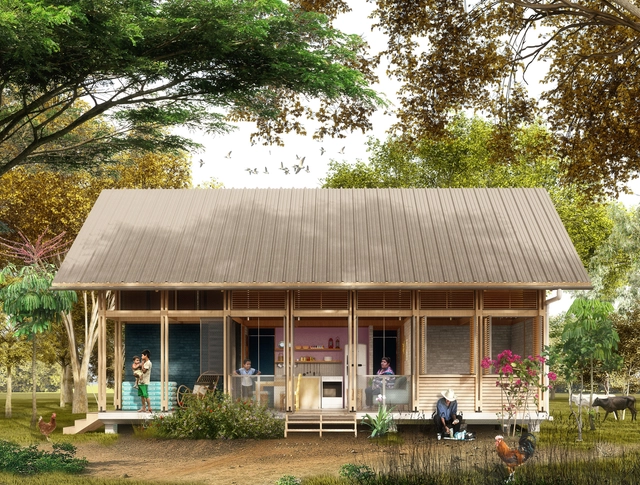
The Mayor's Office of Santiago de Cali, the Special Housing Fund (FEV), and the Colombian Society of Architects – Valle del Cauca (SCA Valle) launched a public competition for the preliminary urban, architectural, and landscape design of a sustainable rural social housing prototype. This project is designed to resettle families with productive vocations.
For the project, located in the city of Cali, within the Valle del Cauca region of Colombia, the jury awarded first place to the architecture firm DARP – De Arquitectura y Paisaje + Ana Elvira Vélez.
For the third time since its founding in 2002, Colombia will host the Latin American Social Workshop for Architecture Students under the name 'Tejiendo Paisajes: TSL Manizales 2022'—the first edition of the event since the onset of the pandemic.





.jpg?1643728555&format=webp&width=640&height=580)




.jpg?1642708223&format=webp&width=640&height=580)