From October 10 to December 12, the second edition of the MUGAK International Architecture Biennale of the Basque Country is taking place. This event not only explores the link between art and architecture, but also aims to engage the public and foster reflection and connections with other disciplines, serving as a forum for dialogue and debate to achieve better, more balanced, and fairer cities.
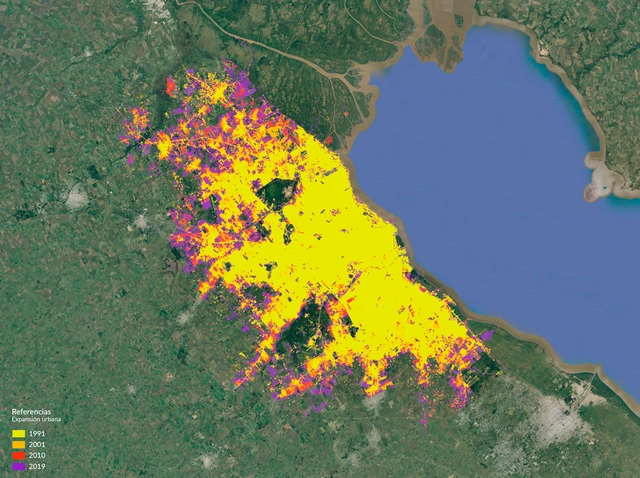
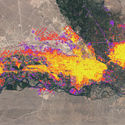
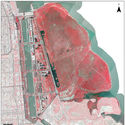
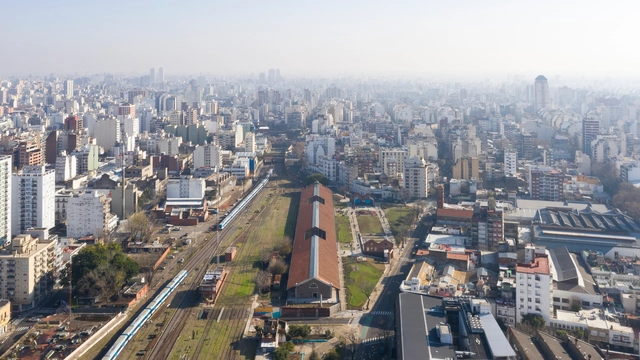
Buenos Aires Metropolitan Area / Land Consumption Per Capita (1991-2019). Image via Ministry of the Interior, Public Works and Housing, Government of the City of Buenos Aires, under CC BY 4.0 License
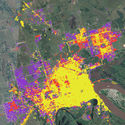
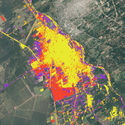
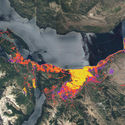
The Federal Urban Observatory (OFU) of the Ministry of the Interior, Public Works, and Housing of Argentina surveyed and mapped urban data for 16 cities across the country, which are home to 50% of Argentina's total population. Based on data collected over 28 years—between 1991 and 2019—this series of maps and graphs illustrates how each city's urban footprint expanded over time. Overall trends show a sharp increase in urbanized land area (77%) compared to moderate population growth (35%), resulting in a general 23% decline in population density. In other words, city growth has predominantly followed a pattern where land expansion far outpaces population growth.
Hello WoodArgentina, the creative, professional, and social program that aims to teach thinking with one's hands, has announced the 10 projects designed by architects, designers, artists, professionals, and academics that will be part of its fourth edition. The event will take place in March 2020 in the Municipality of Ceibas, Entre Ríos Province.
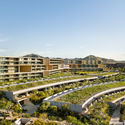
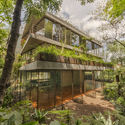
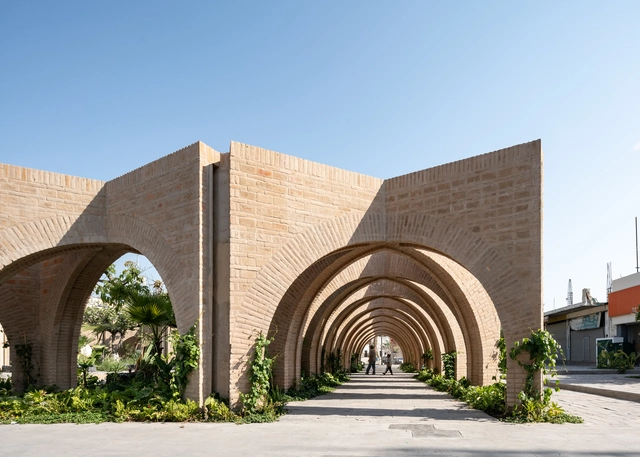
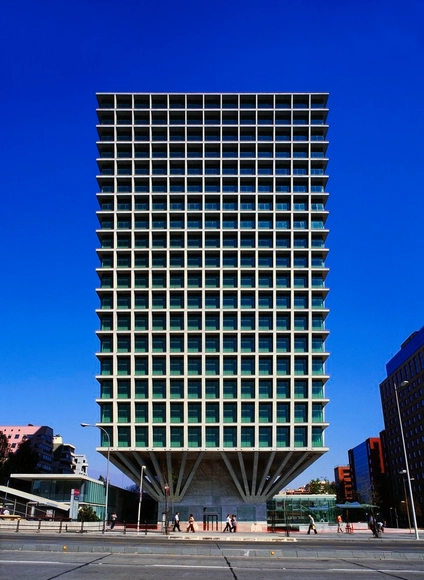
On November 7, the winners of the National and International Editions of the 2019 CEMEX Building Award were announced during a ceremony at the Hyatt Regency Polanco hotel in Mexico City. Here is the list of winners.
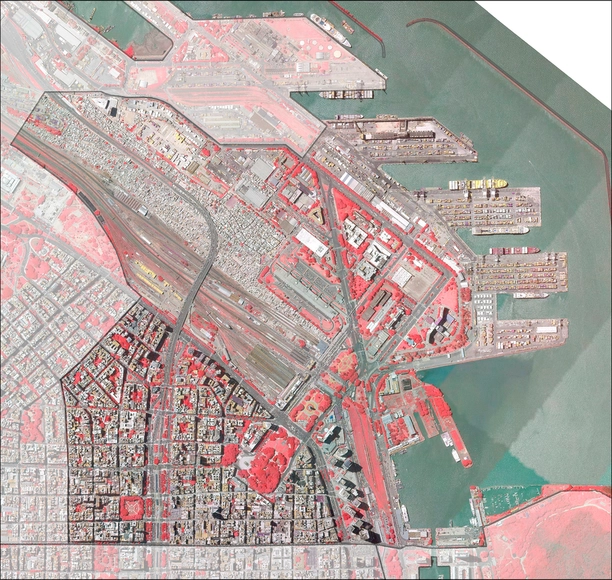
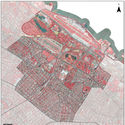
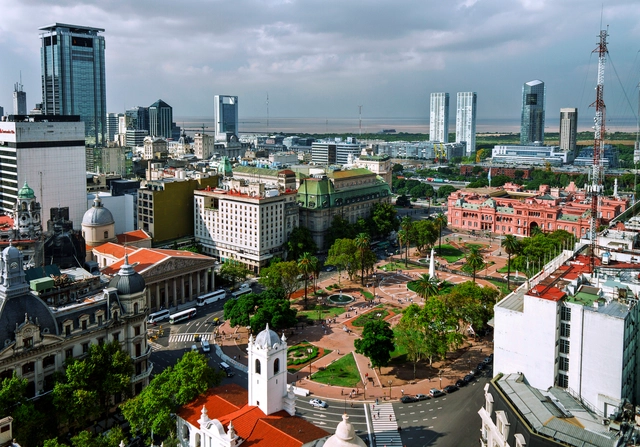
Vegetation cover Retiro. Image via Government of the Autonomous City of Buenos Aires are licensed under Creative Commons Attribution 2.5 Argentina License
Based on the photogrammetric analysis of the City of Buenos Aires, the General Directorate of Data, Statistics, and Urban Projection produced a "Vegetation Cover Report." This document offers a detailed survey of the city's entire vegetation surface, classified by neighborhood, using zenithal aerial imagery. An infrared sensor was used to capture images that highlight any type of vegetation in red—whether on absorbent or non-absorbent ground—with 100% accuracy.
As part of Beijing Design Week, the Mexican Architecture Forum will feature presentations by the architects from PALMA, PRODUCTORA, Estudio MMX, and TO on September 6 and 7 at the Central Academy of Fine Arts in Beijing, China.
The Ministry of Culture, through the National Institute of Fine Arts (INBA), invites submissions for the 17th International Architecture Exhibition at the Venice Biennale 2020. Applications are open to select the works that will represent Mexico at the exhibition, which will take place at the historic "Arsenale" naval and military complex in Venice, Italy, from May 23 to November 29, 2020.
The XXI Chilean Biennial of Architecture and Urbanism announced São Paulo as the guest city for the event, which seeks to focus on “the common and the ordinary.” Chilean architect Paula Monroy, in collaboration with Marcella Arruda and Helena Cavalheiro, will present a series of urban, artistic, and architectural projects focusing on the paulista middle class with the proposal “Dialogues and Limits.”
https://www.archdaily.com/1119747/sao-paulo-will-be-the-guest-city-of-the-xxi-chilean-architecture-biennialArchDaily Team
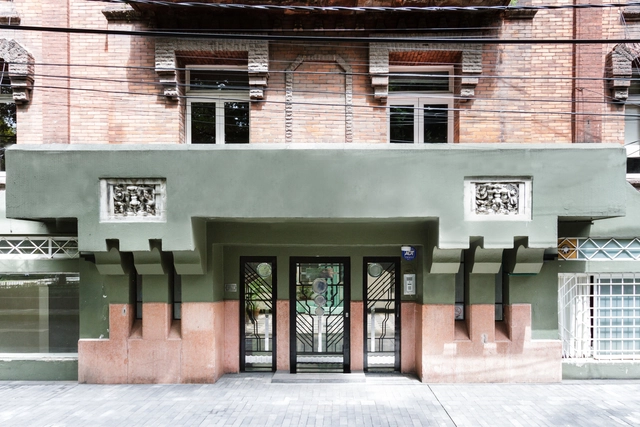
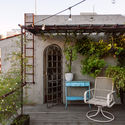
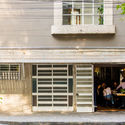
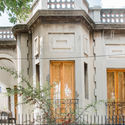
Colonia Roma is considered one of Mexico City's architectural jewels, shaped by early 20th-century trends that stood as a symbol of Porfirian aspirations. The neighborhood, one of the city's most prominent and home to a large community of creatives, is a living entity that constantly evolves. It attracts both domestic and international tourists who enjoy walking along its tree-lined streets, taking in the vibrant architectural styles and diverse culinary scene.
The winners of the National Sustainable Social Housing Competition were recently announced. Organized by the College of Architects of the Province of Córdoba and promoted by the Municipality of Villa María, the competition aimed to foster debate around the role of architecture in social issues, discussing how the discipline can generate housing alternatives that offer positive solutions to Argentina's housing crisis while incorporating economic, social, and environmental sustainability principles.
The Night of the Museums is an annual cultural event held in the City of Buenos Aires. Since 2011, various public and private cultural spaces, foundations, and museums have opened their doors with special nighttime programming, allowing the public to visit them free of charge and enjoy their collections, exhibitions, and activities. The 2019 edition will take place on Saturday, November 2, from 8:00 PM to 3:00 AM, with a total of 280 cultural spaces, libraries, galleries, and museums participating.
The winners of the National Award for Sustainable Architecture and Urban Design (ADUS) have been announced, an initiative aimed at recognizing and promoting the integration of sustainable guidelines, strategies, and actions in architectural and urban design projects across Argentina.
When talking about Argentine architecture, does a native style exist? The question is complex, as Argentina's DNA contains a mixture of contributions from various origins, ranging from Indigenous peoples to immigrants from diverse global regions. The country is as rich as it is diverse.
Luis Rojo de Castro and Begoña Fernández-Shaw Zuleta received the 2019 First COAM Award and Luis M. Mansilla Award for the renovation of Aulario B Founder's Hall, located on the Runnymede College Campus in Alcobendas, Madrid.
For 25 years, the MAC Valdivia Museum of Contemporary Art has hosted exhibitions by more than 2,000 artists. Now, construction is set to begin on its latest restoration and expansion project, designed by Cristián Undurraga, under an agreement signed by the Los Ríos Regional Government, the Directorate of Architecture of the Ministry of Public Works, and the Universidad Austral de Chile.
During the Ordinary General Assembly of Members on Thursday, April 25, the Association of Architecture Offices of Chile (AOA) held the award ceremony for the AOA Medals, alongside the formal presentation of the current AOA board of directors and the 40th edition of Revista AOA.
The *Tres Turons* (Three Hills) Park is one of the most important green lungs in the city of Barcelona. Located between the districts of Horta-Guinardó and Gracia and comprising the Turó de la Creueta del Coll, the Turó del Carmel, and the Turó de la Rovira, the park features a complex topography that offers exceptional aerial views of the city. Although the Barcelona City Council has planned to revitalize the area since 1953 by creating a large green zone to serve as a green lung, leisure hub, and rest area, opposition from local residents has delayed its development. Consequently, the site is currently in a state of degradation that threatens its environmental value. To address this, the City Council recently launched a competition under the guidelines of the 2010 master plan. The initiative aims to preserve the park's biodiversity, ensure ecological resource management, redesign pathways and activity zones to encourage public use, improve connections with surrounding neighborhoods, and reorganize the Can Baró quarries area.
Many were surprised that this edition of BBConstrumat in Barcelona lacked carpeting across its 34,000-square-meter exhibition space, or that the schedule of events was only available via the event's app. As climate change—or rather, the climate emergency—becomes irreversible and adaptation demands more drastic measures, the construction sector is also feeling the pressure to reinvent itself.
The University Museum of Contemporary Art (MUAC) of the National Autonomous University of Mexico presents the work of renowned international artist and activist Ai Weiwei (Beijing, 1957). In the exhibition Ai Weiwei. Resetting Memories, Ai Weiwei explores the traumas of experiences in both China and Mexico, in a narrative that calls for the construction of social memory.
https://www.archdaily.com/1119818/ai-weiwei-presents-resetting-memories-exhibition-in-mexicoArchDaily Team
https://www.archdaily.com/1119808/tatiana-bilbao-alberto-kalach-mauricio-rocha-and-gabriela-carrillo-win-the-competition-to-design-the-alvaro-carrillo-cultural-centerArchDaily Team
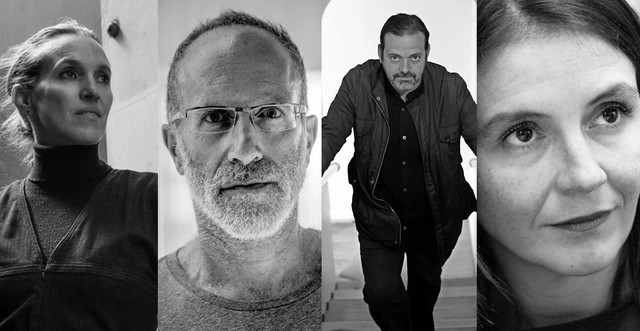
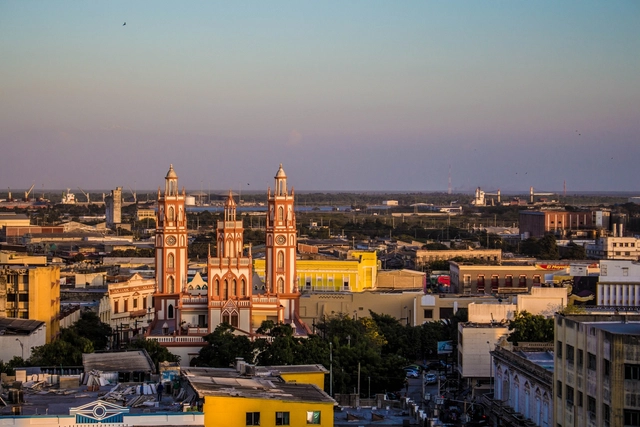
On September 12 and 13, the 36th Colombian Congress of Architecture and Urbanism will take place in the city of Barranquilla. ArchDaily will be on-site to keep you updated on the most pressing discussions in architecture and urbanism across the country.
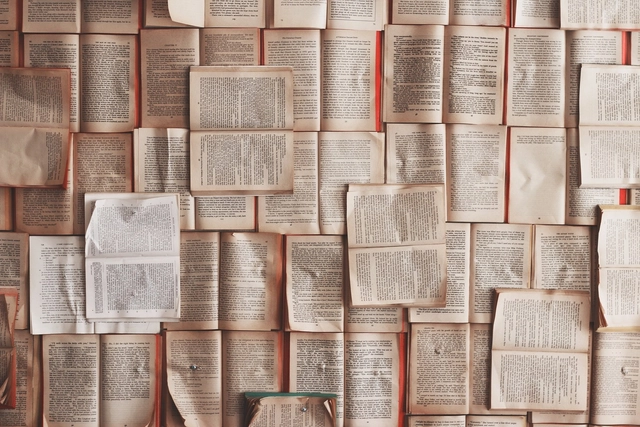
The book is simply another design tool—indispensable to many, but of limited use to others. When I speak of books, I am not referring to the common association with literature (novels, poetry, fiction, …), which are also useful within the abstract and diffuse design process. Enric Miralles, for instance, used to turn to verses by Lorca or the creative world of Queneau to anchor those early design intuitions. Yet I am not referring to this kind of reading, which is equally recommended, but rather to what is specific to our profession—to our unique and sharp gaze. Architects look for inspiration in books, but it is only when they reflect their thoughts on paper that they reveal their true, intangible nature.
Architects are fortunate to have access to a wide variety of print subgenres. These range from deep written reflections on the discipline to illustrative volumes of architectural images, construction details, plans, and drawings. We are shaped by what we see; that is undeniable. Consequently, this entire wealth of knowledge stays with us throughout the design process, surfacing unpredictably as we address the challenges that arise. Simply turning to a book can open doors along this design path, just as it can close others. We navigate by intuition, but we are always guided by parameters established from the very beginning. Looking for external references in books and magazines is a difficult exercise at first, as the siren song of countless sources can lead us astray. Knowing how to choose these references and initial guidelines will outline a clear, feasible path where the design becomes more manageable, accessible, and adaptable to future changes.
Cortesía de ESARQUITECTURA + Roman Bauer Arquitectos
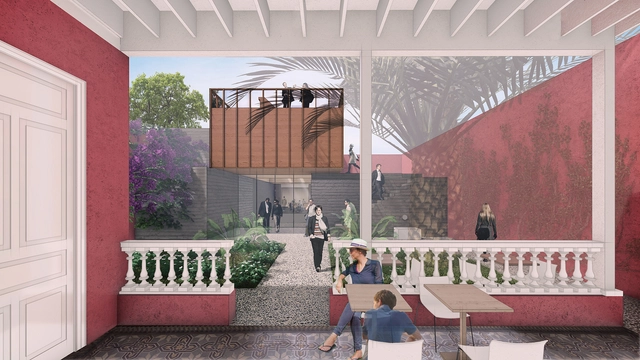
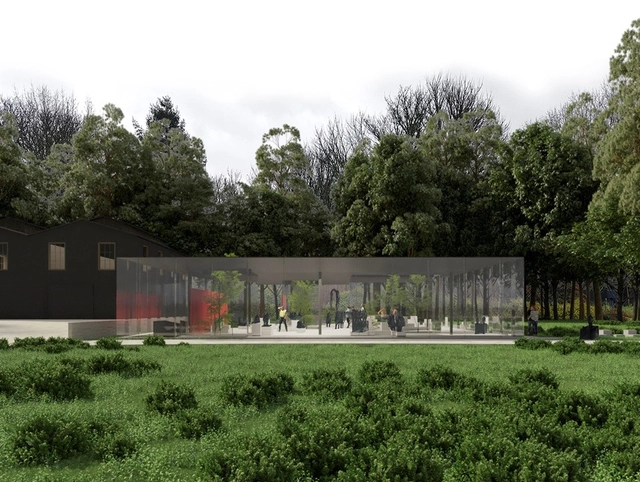
"The French Institute for Andean Studies (IFEA) has chosen a winner for the expansion and renovation of its headquarters in Lima. The proposal by ESARQUITECTURA + Román Bauer Arquitectos emerged victorious in the competition... with a project that highlights the inner courtyard of the historic house." The IFEA has selected a winner for the expansion and renovation of its Lima headquarters. The proposal by ESARQUITECTURA + Román Bauer Arquitectos has emerged victorious in the competition.




.jpg?1573169711 "Cortesía de Premio Obras CEMEX")











.jpg?1555099240&format=webp&width=640&height=580)
.jpg?1555099204 "© Ai Weiwei Studio")

.jpg?1555099240)