Since its founding in 1984 by architect Richard Saul Wurman, TED has been a powerful force in the fields of technology, entertainment, design, and beyond. Architects are among the millions of people around the world who frequently tune into TED's “ideas worth spreading” including talks by architects such as Bjarke Ingels and Jeanne Gang. With over 2500 talks to choose from, we have followed on from our previous lists to provide you with 20 talks to help you work better as an architect.
https://www.archdaily.com/924696/20-ted-talks-to-help-architects-work-betterNiall Patrick Walsh
Wikipedia User: Diliff Licensed under CC BY 3.0 . ImageHong Kong
In the 25th addition of Mercer's ranking for the cost of living for cities, Hong Kong again took the first place spot, continuing the trend of Asian cities as being the most expensive places to live for foreign workers.
The factors determining the cost of living in this edition are food, housing, living and personal care expenses, alcohol and tobacco, clothing, housing maintenance, public services, transportation, recreation, and entertainment.
Check out the ranking of the top 10 most expensive cities in the world for cost of living and the top 5 most expensive by region: North America, South America, Asia, Pacific, Eastern Europe, Western Europe, the Middle East, and Africa.
The independent juries will evaluate entries in the 6th International LafargeHolcim Awards for Sustainable Construction in five regions of the world. Each jury consists of nine experts in sustainable design and construction. The Awards seek real projects as well as bold ideas that combine sustainable construction solutions with architectural excellence. The competition offers a total of USD 2 million in prize money and is open for entries until February 25, 2020.
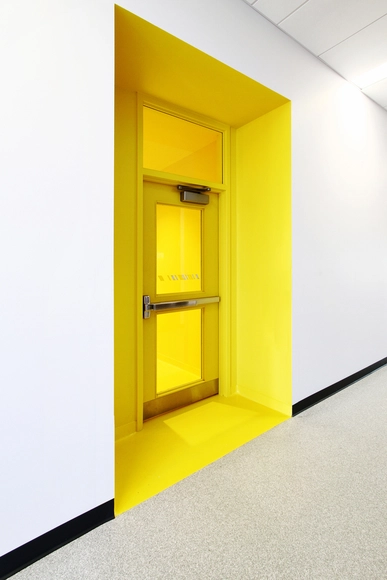
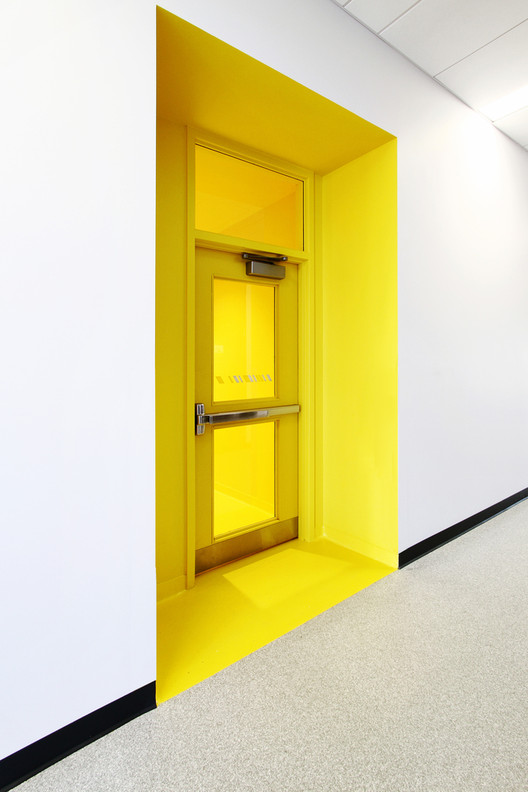
Fire doors are doors that meet fire resistance standards and can prevent fire (or smoke) from spreading through the floors or living spaces of a building, allowing people to evacuate safely from a fire.
Once restricted to luxury or super-tech buildings, home automation is proving to be an increasingly fundamental and affordable addition to architectural projects, whether to new buildings or renovations. While understanding how they operate can be extremely complex, the primary purpose of technology is to make life simpler, safer, and easier. By definition, home automation seeks to be globally intelligent, functioning as a system that facilitates processes without unnecessarily complicating the user's life. The idea is to connect devices, which in turn connect and talk through a centralized control unit, accessible by computers, tablets, and mobile phones. These include lights, appliances, electrical outlets, and heating and cooling systems, but also alarms, doors, windows, smoke detectors, surveillance cameras, and many other sensors and devices.
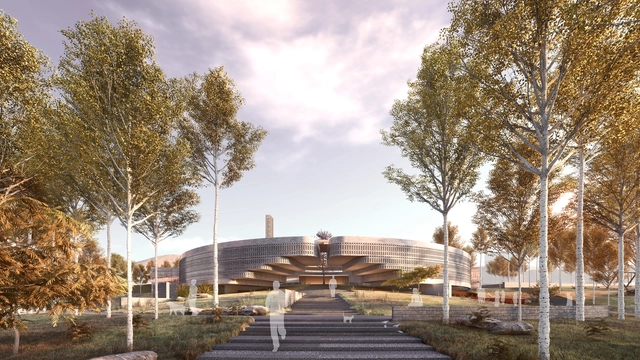
In all religions, prayer halls and religious buildings aim to separate the visitor from the chaos of daily life and provide serenity and peace, even for the brief moment in time when visitors are performing their prayers. In the Turkish city of Şanlıurfa, BeOffice Architects designed a circular, unbound mosque with a focus on nature, tranquility, and accessibility.
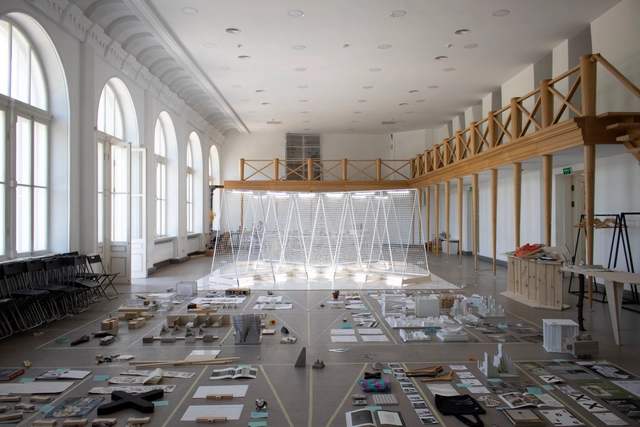
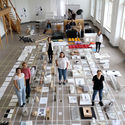
The Kharkiv School of Architecture is celebrating a prosperous year of academic and international achievements. In addition to hosting the nominated projects of the 2019 EU Mies Awards, the school has completed its first year of BA in Architecture. To celebrate these milestones, the school has organized a double exhibition showcasing the works of first-year students, as well as displaying the projects of Europe's most innovative architects.
By bringing together these two exhibitions, the school built a link between two generations of architects: The Mies Award, where the best works of the current European architects and designers are displayed, and the school's “Open/Work” exhibition, a glimpse into the innovations of future Ukrainian architecture.
In the midst of today's digital revolution, architectural representation is no longer solely based on high resolution photography. Architects are now collaborating with audiovisual professionals to transform their projects into cinematic experiences.
Earlier this year, German design firm 22quadrat founded 9sekunden, a new film studio specialized in short landscape and architecture documentaries. For Tadao Ando's Conference Pavilion, the studio take their viewers on a meditative journey, portraying the concrete structure's calm and restrained atmosphere in a short film.
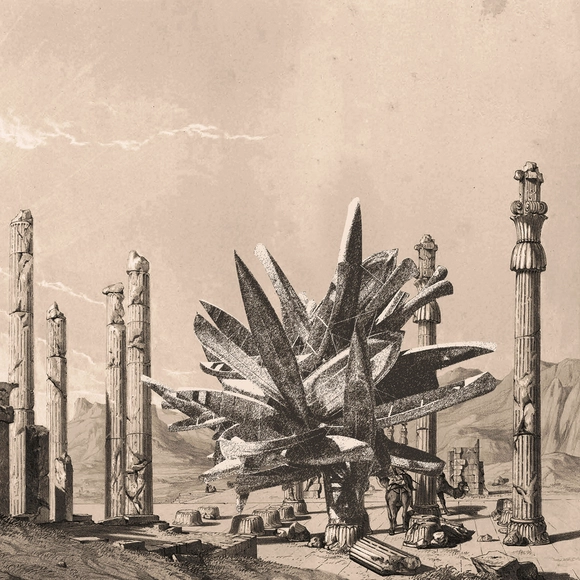
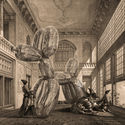
Architect and visual artist Mohammad Hassan Forouzanfar has been conceptually combining contemporary landmarks with traditional Iranian houses and palaces, in a photo-series titled "Retrofuturism". In his latest collection, the Persian architect chose to displace iconic structures and place them in 19th century paintings of the country by artist Eugène Flandin.
Bleutech Park Las Vegas. Image Courtesy of Bleutech Park Properties
Cities across the globe are undergoing makeovers - swapping out old, antiquated technology for new, sleek alternatives. The development and implementation of computer vision and real-time analytics are ushering in the newest wave of smart cities. The combination of cloud-based dashboards and machine learning are providing actionable data to be collected and understood regarding everything from vehicle concentration to pedestrian activity. As cities continue to push forward and develop socially and technologically, there is no doubt we will continue to see cities incorporate tools like Artificial Intelligence (AI) to facilitate such changes. Despite the fact that eye-popping technologies like drones and robots are at the forefront of this technological revolution, there are also a number of unexpected ways cities are becoming smarter.
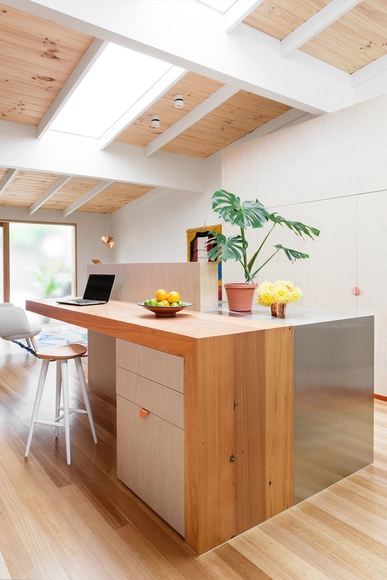
One of the most practical and functional spaces of any residential project is the kitchen. Its artificial surfaces – be it countertops, kitchen benches, or coverings – contain most of the space's equipment. Thus, it’s essential to build kitchens with the most resistant and hygienic materials. Aside from these requirements, it's also important to pay attention to aesthetics and profitability, while adapting the space to the dynamics of each family.
Fellow architects, can we talk? This is gonna hurt, but it needs saying. Were I a poet, I’d write, The end is nigh, and we are why. I’m no bard, though, so I’ll put it this way: Most of us suspect anthropogenic climate change will lead to civilization’s end. Some architects deny the science (“The climate is always changing!”), while others ignore the obvious (denial is a good coping mechanism), but buried within the folds of all angst-addled designer brains lies the fear that today’s toddlers could be the last of us.
I’ll pause here to let the weight of that thought depress you.
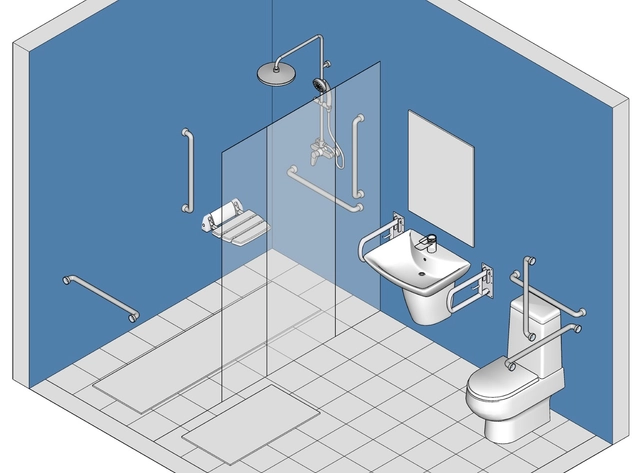
There exist frequent reports of toilet accidents, as they are often located in tight and slippery places. Although no one is immune to a slip after bathing, it is the elderly who suffer most from falls, and can often suffer serious injuries, sequelae, and functional limitations. Due to the natural reduction of reflexes and muscle mass, the higher the age group, the more prone to falls we become.
To provide more comfortable living conditions as users grow older, the environment must adapt to the new physical capabilities of its occupants. Making toilets safer is critical to reducing the risk of accidents and decreasing response time in the event of a fall. Here are some things to keep in mind when designing toilets for older people:
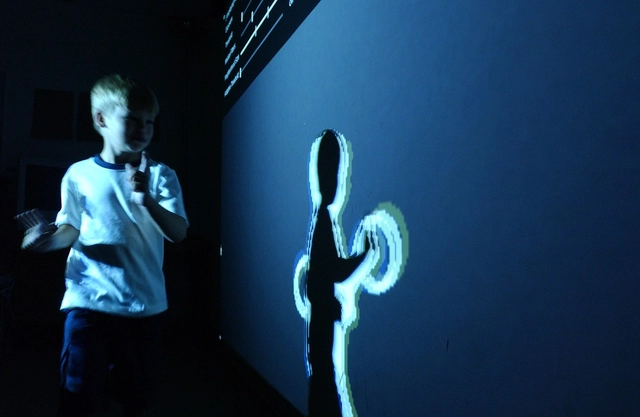
What happens when the sensor-imbued city acquires the ability to see – almost as if it had eyes? Ahead of the 2019 Shenzhen Biennale of Urbanism\Architecture (UABB), titled "Urban Interactions," ArchDaily is working with the curators of the "Eyes of the City" section at the Biennial to stimulate a discussion on how new technologies – and Artificial Intelligence in particular – might impact architecture and urban life. Hereyou can read the “Eyes of the City” curatorial statement by Carlo Ratti, the Politecnico di Torino and SCUT.
The human body, at least in terms of anthropomorphic ideals, was in the centre of western architectural debates from Greco-Roman times up to the Renaissance. Although the very concept of the body didn't come as explicit in traditional architecture writing in the east, the notion that the body (or, the envelope of the soul) connects the mind and the physical world was constantly revisited and reinterpreted.
https://www.archdaily.com/924279/thoughts-on-cities-and-the-human-body-eyes-and-ears-of-the-city-zhang-brian-li-for-the-shenzhen-biennale-uabb-2019ZHANG, (Brian) Li
There are three words that have long-awaited to be put together: The Siza Pavilion. Their story begins with top furniture brand CAMERICH and the Aedes Architecture Forum’s search for a visionary in architecture and product design. The 1992 Pritzker Prize Laureate, Álvaro Siza, was later selected and commissioned a pavilion for China’s International Furniture Fair (CIFF 2019).
Hello Wood, as you may already know, is an annual festival, which gathers hundreds of people in a Hungarian village for a week. Divided into groups, the architects and students carefully selected by the team of organizers, build installations made of wood with their bare hands. The outcome is amazing — dozens of beautiful structures rise up there each year adding more and more originality to the site.
The words cannot express the vibe you get at the Hello Wood Project Village — all the "beautiful people", as they call each other, are one big family. There is no competition, the teams help each other to make sure all projects are completed before the deadline, when they all march to the neighboring village and celebrate the week spent together.
But what is the idea behind this festival? What is the secret key to building a strong community of professionals and students in such a short period of time? Watch our interview with Hello Wood team to learn how they answer these questions.
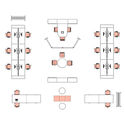
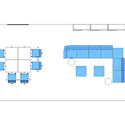
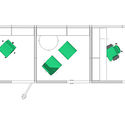
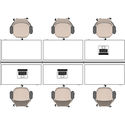
Many people's way of working has changed, but most offices remain the same.
However, innovating doesn't necessarily mean breaking down every wall and creating a play space; the design of an office must take into account the needs and details of each type of work separately. For every function, there are better and worse ways to organize spaces, and some configurations work better for certain activities but not for others. The most important consideration is that the workplace allows interactions while providing spaces for concentration and focus.
The way we approach work has changed, and that is undeniable. Our profession no longer defines us as much as past generations, and new forms of work have been incorporated into everyday life. While technology has revolutionized our ability to perform a variety of daily tasks, many professions have disappeared, some will probably not last much longer and, while others were created.
As the trend of migration from rural to urban areas continues, it is estimated that by 2050, one billion people with disabilities will live in cities. Many of these urban centers, with cores dating back hundreds or even thousands of years, are currently ill-equipped to respond to this demand. There is, therefore, an immediate challenge for architects, urban planners, and city officials to address the inaccessibility of historic cities, from uneven cobblestones to narrow, stepped alleys, creating an urban realm that offers universal mobility without detracting from their historic charm.
https://www.archdaily.com/923725/how-ancient-cities-become-accessible-citiesNiall Patrick Walsh
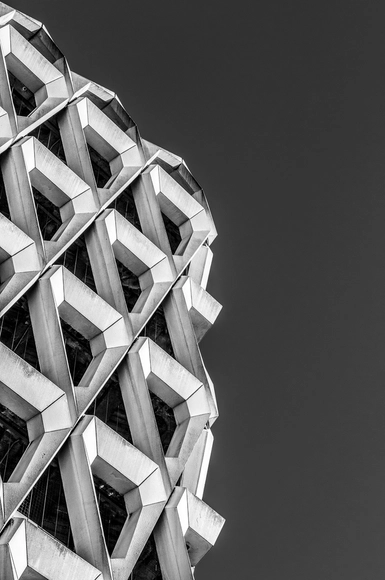
Rarely does one see brutalist architecture in the city of London. Primarily, these buildings were perceived as rebellious and grotesque, only to become the "go-to" style for commercial and governmental buildings after the Second World War. Nowadays, with the real estate market demands and dominance of contemporary architecture, these monumental grey structures are gradually fading away.
Santiago-based architect and photographer Grégoire Dorthe developed the passion of photography during his military service, when he realized that through his images, he is able to freeze moments and preserve what will be lost with time. In his photographic series titled "Brutal London", the Swiss photographer captures the raw forms and graphic qualities of the city's brutalist architecture, before these buildings meet their end.
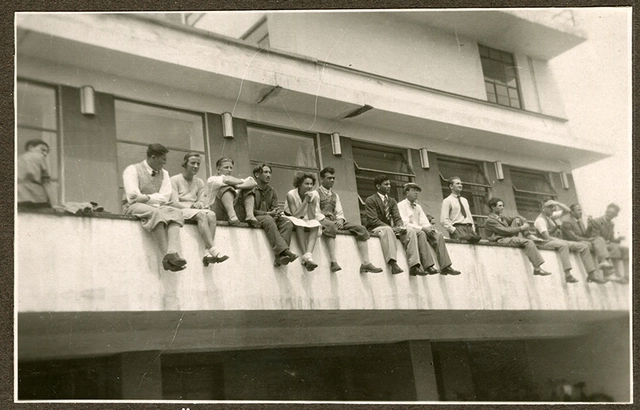
Students on the balustrade of the canteen terrace, around 1931 (photographer unknown). Image Courtesy of Stiftung Bauhaus Dessau
Women are imperative members of the design community, creating innovative and inspiring work in the fields of architecture, design, and urban planning. However, even with the rise of the women's movement, their contributions are still being questioned, compared, or taken for granted.
Metropolis Magazine looked back at the history of feminism in architecture, shedding the light on the times when the advocates witnessed unprecedented progress, and times when they lost their advantage.
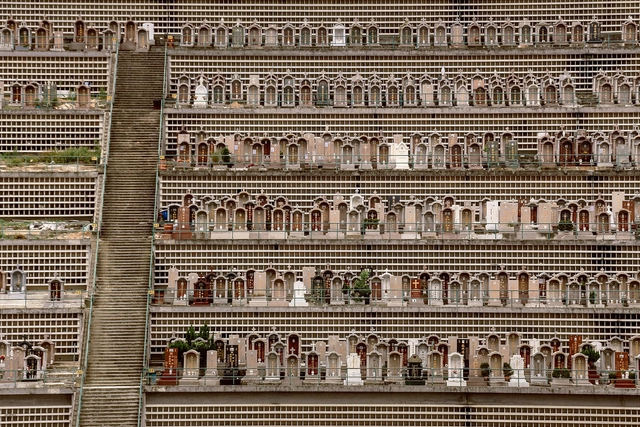
Hong Kong is considered to have one of the most exceptional skylines and urban schemes in the world: contemporary skyscrapers stand amidst the mountains and harbour, ancient houses nestled between futuristic structures, neon lights, landscapes... But among Hong Kong's numerous remarkable architectures, its spatial typology of death is like no other.
Over the course of five years, RIBA-nominated architectural photographerFinbarr Fallon captured the hyper-dense graveyards of Hong Kong, showcasing the sublime geometry of its mountainside burials in a series titled "Dead Space".
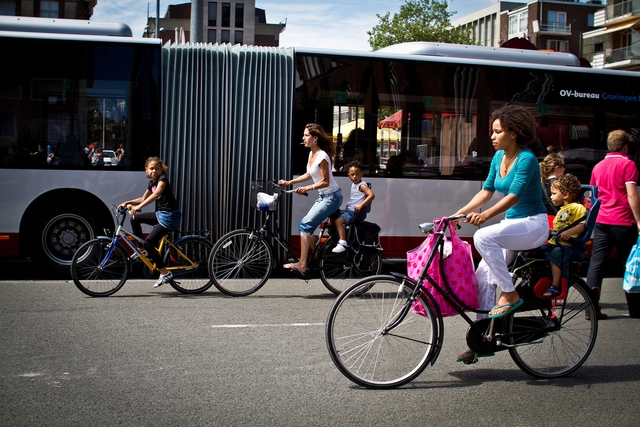
Being able to move around cities is a basic requirement for the development of most human activities. Yet daily trips between home and work, study, leisure, and other daily commitments are not always done under the most comfortable conditions, whether it be because of crowded public transportation or unexpected traffic jams. Urban mobility is a hotly debated topic, from informal conversation circles to technical and scientific seminars. It's hard to find someone who doesn't have an opinion on the subject or some miraculous solution to the problems in their city or region. In fact, we have already posted several articles addressing this issue on this site, from utopian proposals to questions related to the daily lives of most of the population.


























.jpg?1567193500)


.jpg?1567178154&format=webp&width=640&height=580)