

Produce personalized presentation boards that distill complex concepts into simple visual representations with a few helpful tools and effects.
Articles
How to Create Architectural Presentation Boards
| Sponsored Content
https://www.archdaily.comhttps://www.archdaily.com/catalog/us/products/37234/how-to-create-architectural-presentation-boards-lumion
The Hutong Renovation in Beijing: Reimagining Tiny Spaces in a Historic Neighbourhood
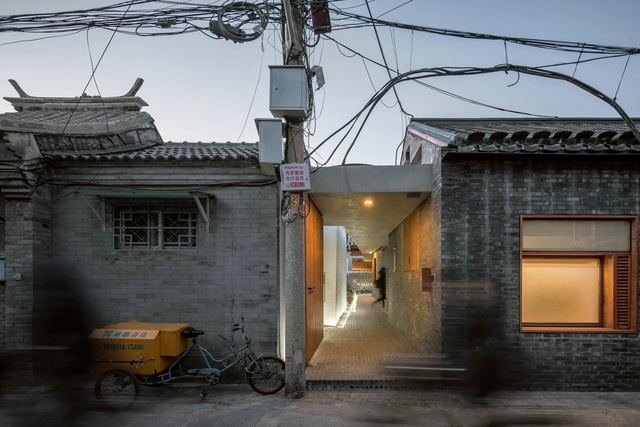
For centuries, Hutongs have been recognized as one of the most treasured types of vernacular housing in China. Witnessing the cultural and historical transformation in Beijing ever since the Yuan Dynasty (1271 – 1368), the name Hutong is derived from a Mongolian word that means ‘water well’. In fact, this term was given to small streets that originated during the Yuan Dynasty when the emperor attempted to organize the urban fabric in a grid-like pattern in order to manage properly property ownership and to form an efficient transit system.
https://www.archdaily.com/948157/the-renovation-of-hutong-in-beijing-reimagines-tiny-space-in-historic-neighbourhoodScarlett Miao
Rethinking Embassy Design: Building Diplomacy Around the World
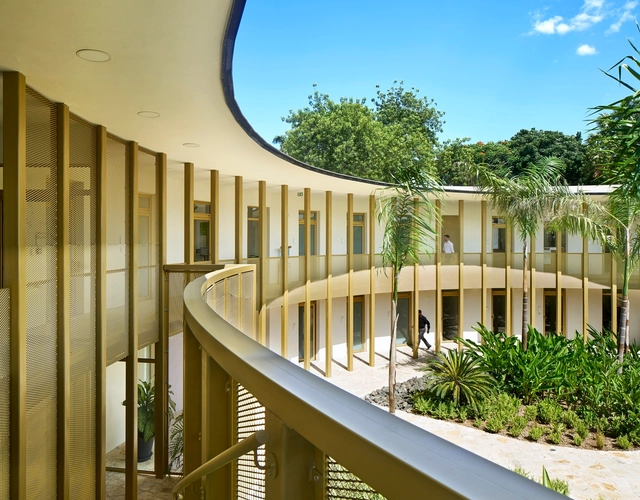
The architecture of diplomacy balances security and openness. As symbols of protection and representation, embassies are built for utility in both urban and rural contexts alike. At their core, they are also made to communicate the values and ideals of nations as welcoming structures and sustainable civic spaces. Today, modern embassy projects are made to meet rigorous security standards while embracing local culture and conditions.

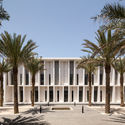

https://www.archdaily.com/949506/rethinking-embassy-design-building-diplomacy-around-the-worldEric Baldwin
SCI-Arc Grad Thesis Weekend 2020 Presents a Thrilling Virtual Smorgasbord
| Sponsored Content
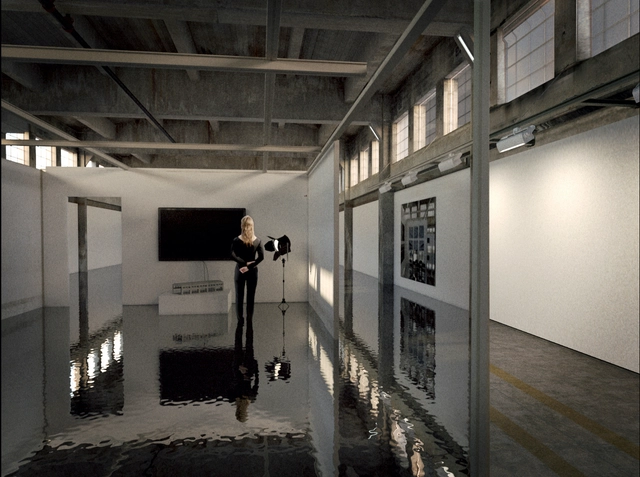
SCI-Arc convened to present its globally renowned Graduate Thesis Weekend, as the culmination of the 2020 graduate programs curricula. Complete with wall-to-wall livestreamed final reviews, SPIN Room commentary sessions throughout, as well as rich and engaging discourse and feedback from a wide range of experts in the field of architecture, this year’s graduating M.Arch 1 and 2 students took the virtual stage via Twitch and YouTube Live to present their final thesis projects.
https://www.archdaily.com/948832/sci-arc-grad-thesis-weekend-2020-presents-a-thrilling-virtual-smorgasbordRene Submissions
The Evolution in Understanding of Human Scales in Architecture
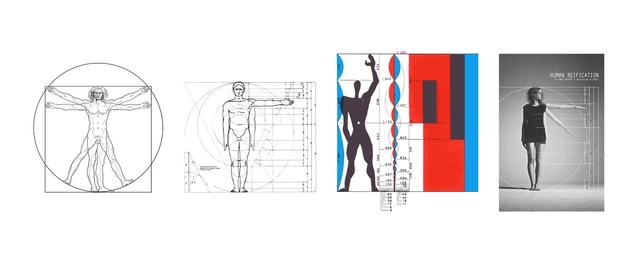
“The whole hand will be the tenth part of the man; From the bottom of the chin to the top of the head is an eighth of its height; From the nipples to the top of the head it will be the fourth part of the height.” If you're still here without going to get a measuring tape, these phrases were written by Marcus Vitruvius Pollio, a Roman architect who lived in the 1st century BC, who delineated them in his influential treatise “De Architectura Libri Decem” – Ten Books on Architecture. The data presented by Vitruvius was compiled and depicted visually around fifteen hundred years later by Leonardo Da Vinci in his famous work “Vitruvian Man,” which is reproduced in all different contexts today, from book covers to kitchen aprons.
https://www.archdaily.com/949316/the-evolution-in-understanding-of-human-scales-in-architectureEduardo Souza
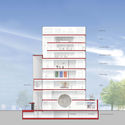
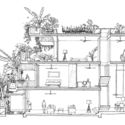
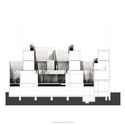
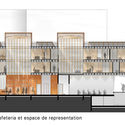
Representation of the Human Scale in 20 Architectural Sections
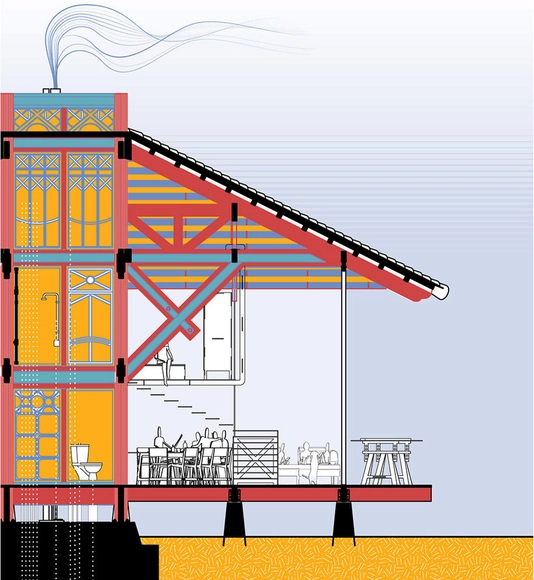
Rendered floor plans and sections are a kind of translation of technical construction drawings into a language more accessible to people who are not familiar with architectural design. In other words, they are responsible for introducing the human scale to the project, not only through the human figure but also by displaying furniture, textures, and other aspects of architecture that are more realistic and humanizing, making the representation more understandable.

https://www.archdaily.com/949430/representation-of-the-human-scale-in-20-architectural-sectionsSusanna Moreira
Hashim Sarkis: “I Do Not Think We Have Ever Witnessed a Moment Where We Have Relied as Much on Architecture”

In the second part of his interview with Archdaily, Hashim Sarkis reflects on the future of architecture as he tackles the timeless question of the 2021 Venice Biennale. The curator of the Biennale, which proposes the question of “How Will We Live Together?”, discusses the role of the profession in the midst of all these new paradigms, stating that “Architects do change the world […] by creating […] wish images for what the world could be”.
In this feature, the curator of the anticipated biennale and dean of MIT School of Architecture and Planning presents his views on the evolution of Architecture, and the new directions the academic world should take, to reflect “the complexity of the urban problems of today”. Sarkis also brings up Beirut, discussing reconstruction approaches, civil society, and the exasperating notion of resilience.
https://www.archdaily.com/949523/hashim-sarkis-i-do-not-think-we-have-ever-witnessed-a-moment-where-we-have-relied-as-much-on-architectureChristele Harrouk
Brick Ceilings Create New Architectural Possibilities
| Sponsored Content
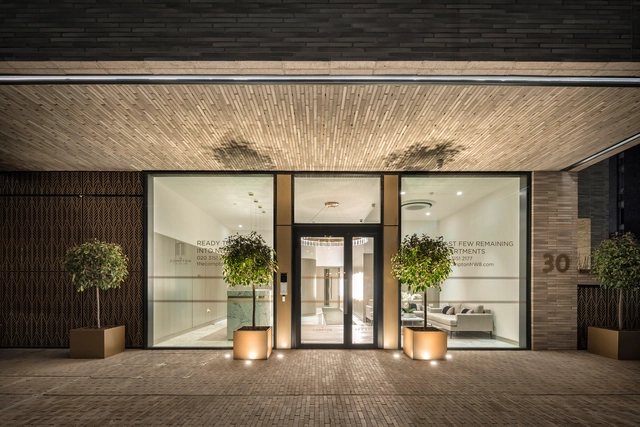
Cuisine, culture, sightseeing, and engaging with the locals are all reasons people like to travel. The common factor that draws us to explore new places, however, is simply the chance to experience cities and landscapes unlike our own familiar surroundings. For example, when Chinese tourists can again visit Copenhagen, they may admire the waterside capital’s winding bike paths, lush green parks, and the Scandinavian brick traditions on display in Nyhavn. Likewise, a Danish tourist would surely be blown away by the breathtaking scale of Beijing, with it’s 9 million+ bicycles and the display of ancient Chinese culture juxtaposed with modern society.
https://www.archdaily.com/948445/brick-ceilings-create-new-architectural-possibilitiesMegan Schires
History of Architecture: Ancient India & Southeast Asia

As far as written records report, “prehistory” dates back between 35,000 BCE and 3000 BCE in the Middle East (2000 BCE in Western Europe). Ancient builders had a profound understanding of human responses to environmental conditions and physical needs. Initially, families and tribes lived together in skin-covered huts and bone structures. Thousands of years later, human settlements evolved into fortified mud-brick walls surrounding rectangular volumes with pierced openings for ventilation and sunlight.
During the upcoming months, we will be publishing short articles on the history of architecture and how it evolved to set the fundamentals of architecture we know today. This week, we are exploring the architectural characteristics of ancient India and Southeast Asia.
https://www.archdaily.com/943846/history-of-architecture-ancient-india-and-southeast-asiaDima Stouhi
The Pandemic Offers an Opportunity to Re-Wild Our Communities
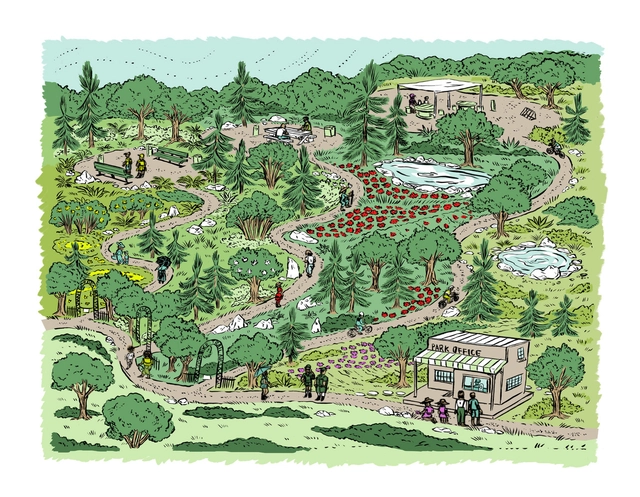
As the pandemic has worn on, the American public has adopted parks and neighborhood streets as safe spaces. This will not be a short-lived phenomenon –bikes have been repaired, running shoes purchased, and puppies adopted. People are growing accustomed to spending time in the outdoors to exercise, spend time with family, enjoy nature –and take that growing puppy for walks.

https://www.archdaily.com/949105/the-pandemic-offers-an-opportunity-to-re-wild-our-communitiesKinder Baumgardner
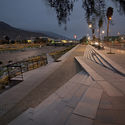
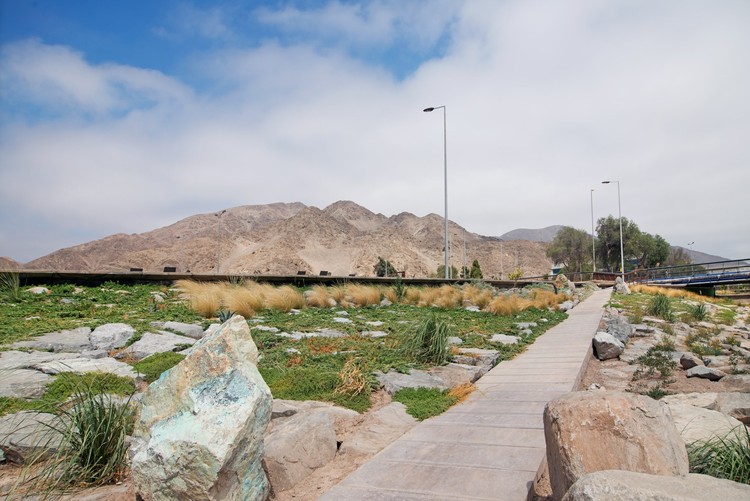
Not All Parks Should be Green: 10 Tips to Design Landscape Infrastructure
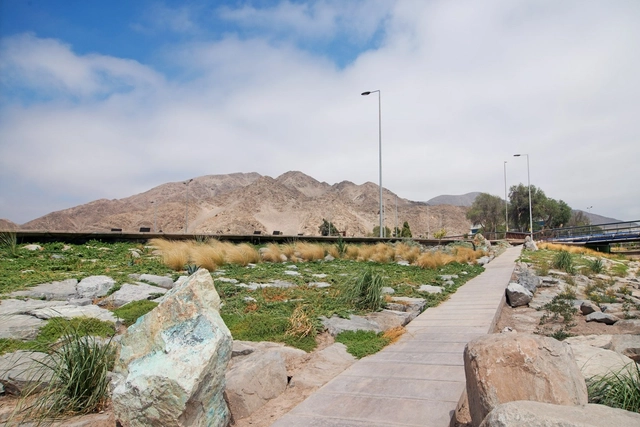
Does it make sense to design green parks in desert cities such as Casablanca, Dubai, or Lima? Ostensibly it does because they contribute freshness and greenness to the urban environment. In exchange, however, they disrupt native local ecosystems, incur high maintenance bills, and begin a constant struggle to ensure water availability.


https://www.archdaily.com/926764/not-all-parks-should-be-green-10-tips-to-design-landscape-infrastructureNicolás Valencia
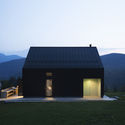
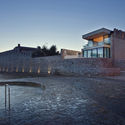
Building History: Croatia's Secluded Homes Rethinking Tradition

Croatia has long been a crossroads of culture. Located along the Adriatic Sea, it borders five countries and has some of the richest biodiversity in Europe. The built environment reflects influences from Central Europe and the Mediterranean, as well as both the Roman and Byzantine Empires. Today, a series of new housing projects are reinterpreting the country's past as architects and designers look to reimagine what the future holds.

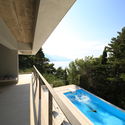

https://www.archdaily.com/949393/building-history-croatias-secluded-homes-rethinking-traditionEric Baldwin
Mushroom Buildings? The Possibilities of Using Mycelium in Architecture

Fungi are everywhere. In the air, in the water, in our bodies, in the trees, in the ceilings of our bathrooms, underground. They can be mushrooms (edible, medicinal, hallucinogenic, or very poisonous), or take other simpler forms, such as molds. They can trigger illnesses, but they can also produce antibiotic remedies, such as penicillin, or help ferment amazing cheeses and breads. Could they also be the future of packaging and building materials?
https://www.archdaily.com/949007/mushroom-buildings-the-possibilities-of-using-mycelium-in-architectureEduardo Souza
Expressing Interior Design Trends Through Furniture
| Sponsored Content
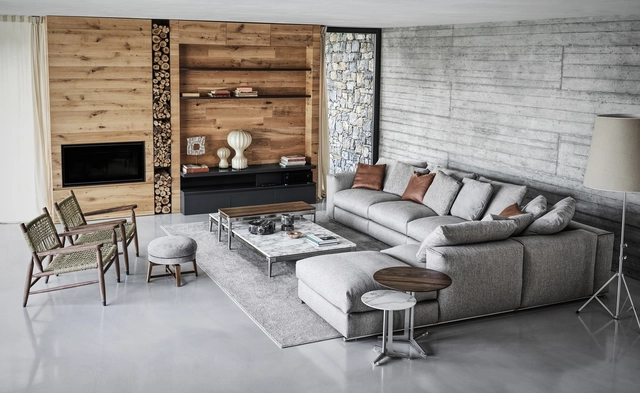
Architecture sets the scene and provides the framework, but interior design and furniture can have a strong influence on the vibe and mood of a space. As trends in interior design evolve over time, it’s often expressed in the furniture chosen to fill the room. Interior furniture speaks volumes about our priorities and personalities, as well as the atmosphere we want to convey.
https://www.archdaily.com/948803/expressing-interior-design-trends-through-furnitureMegan Schires
Architectural Film by Laurian Ghinitoiu and Arata Mori Explores OMA's Recently Inaugurated MEETT
.jpg?1602174447&format=webp&width=640&height=580)
In their newly released architectural film, photographer Laurian Ghinitoiu and filmmaker Arata Mori take viewers on a visually compelling tour of OMA’s MEETT Exhibition and Convention Centre, Toulouse’s new mega-scale parc des expositions. Exploring the design’s multiple facets, from the monumental to the mundane, the film constructs a detailed vision of the project sitting at the intersection of architecture, infrastructure, masterplan and public space.
.jpg?1602174471 "MEETT Exhibition and Convention Centre by OMA. Image © Marco Cappelletti")
.jpg?1602174397 "MEETT Exhibition and Convention Centre by OMA. Image © Philippe Ruault")
.jpg?1602174433 "MEETT Exhibition and Convention Centre by OMA. Image © Marco Cappelletti")
.jpg?1602174457 "MEETT Exhibition and Convention Centre by OMA. Image © Marco Cappelletti")
.jpg?1602174447)
https://www.archdaily.com/949199/architectural-film-by-laurian-ghinitoiu-and-arata-mori-explores-omas-recently-inaugurated-meettAndreea Cutieru
Architecture and Experimentation: 7 Small Scale Projects with Unusual Building Materials
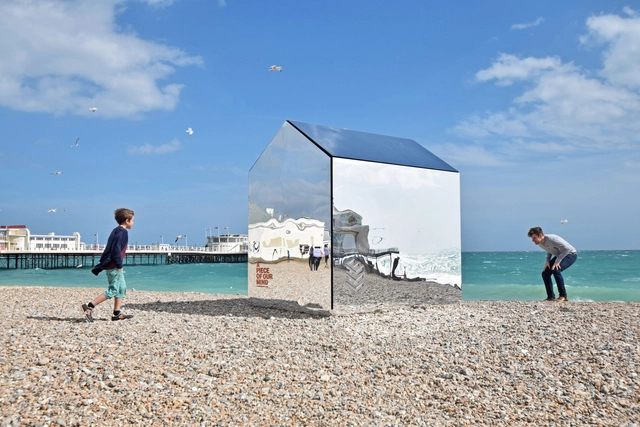
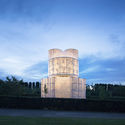
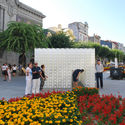
Using unconventional materials in architecture requires a lot of creativity and experimentation in order to create new possibilities that are both efficient and innovative. Small-scale projects, in particular, offer great opportunities to explore these unusual materials because, among other factors, they provide fewer loads on the structures and, sometimes, also have a temporary nature. Nevertheless, using unconventional materials in small-scale architecture can help encourage its use in other projects, including larger constructions.
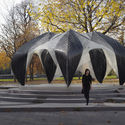


https://www.archdaily.com/949144/architecture-and-experimentation-7-small-scale-projects-with-unusual-building-materialsSusanna Moreira
Orthogonal Grids and Their Variations in 17 Cities Viewed from Above
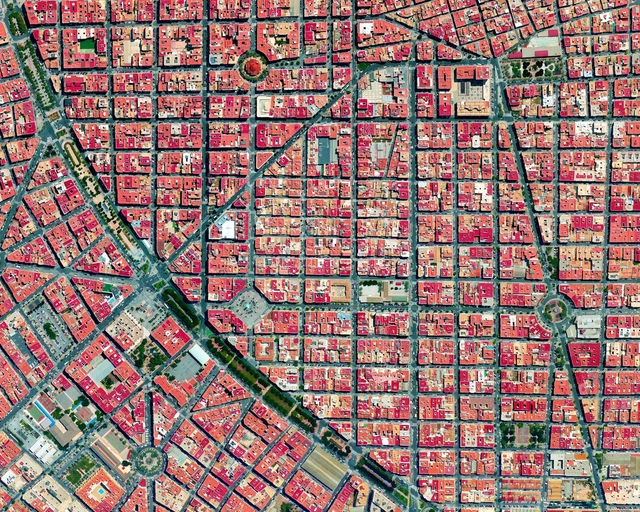
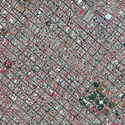
There is evidence that the orthogonal grid plan, which is one of the most common types of urban planning today, dates back to antiquity. Streets intersect at right angles to each other, resulting in a grid composed of streets, avenues, blocks, squares, parks, among other urban spaces.



https://www.archdaily.com/949094/orthogonal-grids-and-their-variations-in-17-cities-viewed-from-aboveSusanna Moreira
Archigram and the Dystopia of Small-Scale Living Spaces
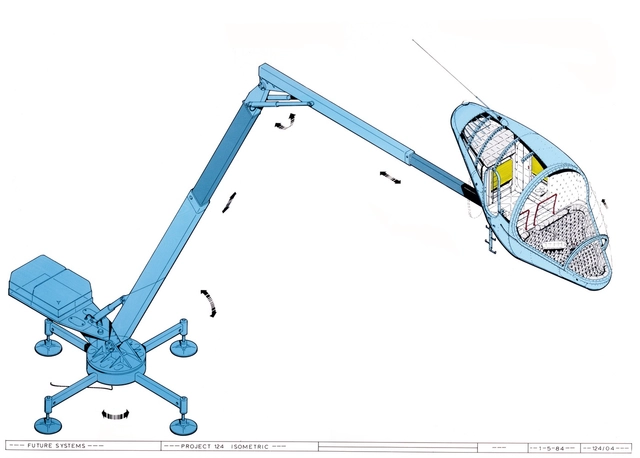


Until recently, the origins of the tiny-house movement were of little interest to the scientific community; however, if we take a look at the history of architecture and its connection to the evolution of human lifestyles, we can detect pieces and patterns that paint a clearer picture of the foundations of this movement that has exploded in the last decade as people leave behind the excesses of old and opt for a much more minimalist and flexible way of life.
https://www.archdaily.com/948954/archigram-and-the-dystopia-of-small-scale-living-spacesMónica Arellano
Urban Design in a Time of Anti-Space
This article was originally published on Common Edge.
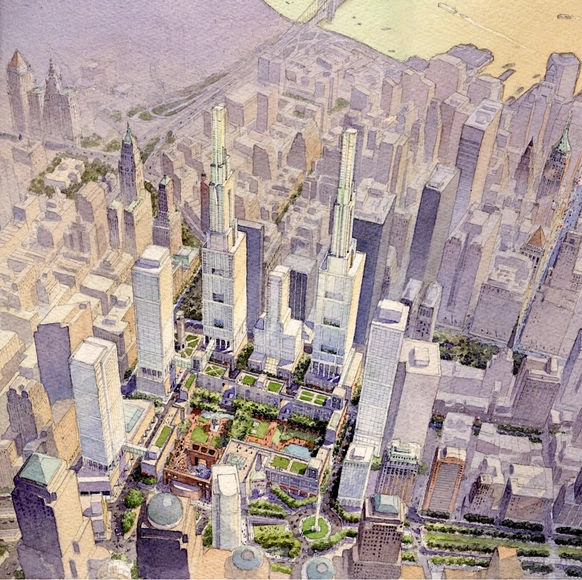
In the mid-1990s, when I was an editor at Progressive Architecture, jurors for the magazine’s awards program gave an Urban Design Award to Peterson Littenberg Architects for a plan the small New York firm had devised for then-stagnant Lower Manhattan.
At the time, the southern tip of Manhattan ranked as the third-largest downtown business district in the United States. The tightly packed 1 square mile contained a bevy of venerable buildings, among them the New York Stock Exchange, the former headquarters of J.P. Morgan, and the fortress-like, neo-Renaissance Federal Reserve Bank of New York. Though the vast majority of Americans regarded the district as a powerful financial hub, people close to the scene saw it as a place with grim prospects. More than a quarter of its commercial space stood vacant. Companies were leaving Lower Manhattan for Midtown and more distant locales. Many of the office buildings were regarded as obsolete.

https://www.archdaily.com/949220/urban-design-in-a-time-of-anti-spacePhilip Langdon
EGGER Launches First Collection Designed for North America
| Sponsored Content
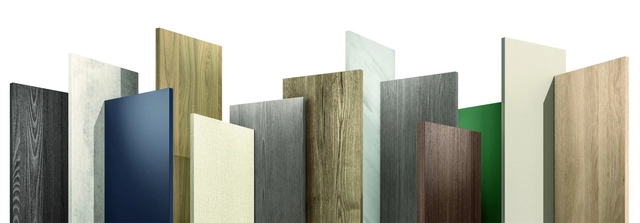
The first EGGER Decorative Collection designed specifically for the North American market launched the first of October, offering a full range of matching decorative surface options. Architects, designers, fabricators and distributors exploring this inaugural collection will discover the power of more: more possibilities, more inspiration, more services and more accessibility, thanks to the new collection app.
https://www.archdaily.com/948805/egger-launches-first-collection-designed-for-north-americaRene Submissions
Pikler Pedagogy in Architecture: Wooden Furniture and Spatial Freedom
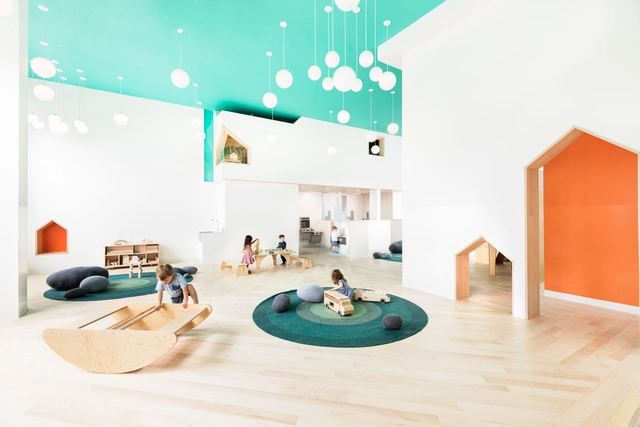
Emmi Pikler was a Hungarian pediatrician who introduced, in the years after World War II, a new philosophy on early childhood care and learning for children up to the age of 3. It was after the birth of her first child that she began to question: what happens when a child is allowed to develop freely? The observed results culminated in the introduction of a new methodology.
The Pikler approach facilitates the free development of children by caring for their physical health and providing affection but largely respecting their individuality and autonomy. Following this logic, intervention by adults becomes mostly unnecessary. Rather, for the child to experience space while moving freely, certain care must be taken in the preparation of the environments themselves.
https://www.archdaily.com/948843/pikler-pedagogy-in-architecture-wooden-furniture-and-spatial-freedomAudrey Migliani
Alfredo Jaar: Sadness as an Uninhabitable Space
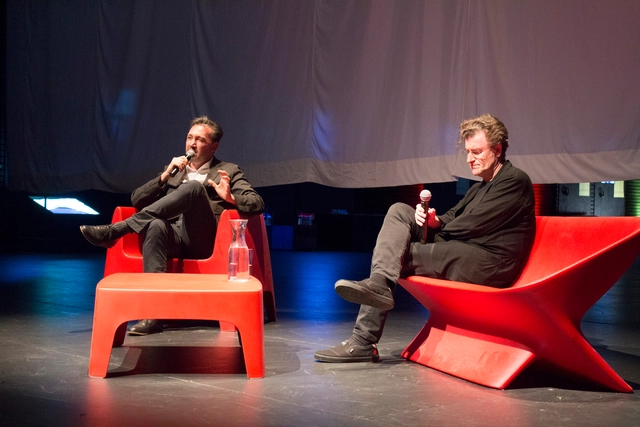
This article is based on a lecture given by Chilean artist and architect Alfredo Jaar at the 20th Architecture and Urbanism Biennale in Valparaiso, Chile, on October 26, 2017.
It's June of 1980. Alfredo Jaar, a recent dropout of the University of Chile's architecture program, walks through the center of Santiago carrying two large signs. He grabs a spot in the shade next to a kiosk and intercepts passers-by to ask them his questions. In the midst of a military dictatorship, Jaar wants the people to vote, but not for the constitutional plebiscite or in the democratic elections. He doesn't even have paper or pencil for them to vote with. There's no line to mark on. His campaign centers on a mint--white and round--like a casino raffle ball.
Jaar's questions are loaded ones. "Are you happy?" (¿Es usted feliz?) he asks. "How many people in Chile do you think are happy?" "How many people in the world?"
https://www.archdaily.com/948783/alfredo-jaar-sadness-as-an-uninhabitable-spaceNicolás Valencia
Miniature Construction: Modeling From Structure to Finish
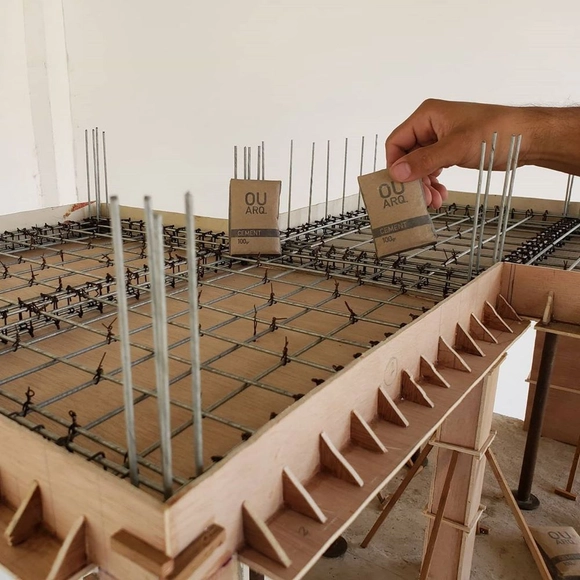
Everyone loves models, but not everyone loves making them. For some, models bring up memories of fingers full of dry glue, cuts from sharp pieces, wasted materials, and large doses of frustration. For others, with the unique ability to physicalize drawings easily and beautifully, making small-scale models can even be fun. But, of course, on the internet, there will always be someone who can take any activity to unbelievable levels of achievement. In model building, the OUROBOROS ARQ YouTube channel takes this role. With almost 2 million subscribers, and videos with over 50 million views, the channel documents the construction processes of highly complex miniature buildings.
https://www.archdaily.com/948773/miniature-construction-modeling-from-structure-to-finishEduardo Souza
World Architecture Day: Designing for the Future of the Human Habitat
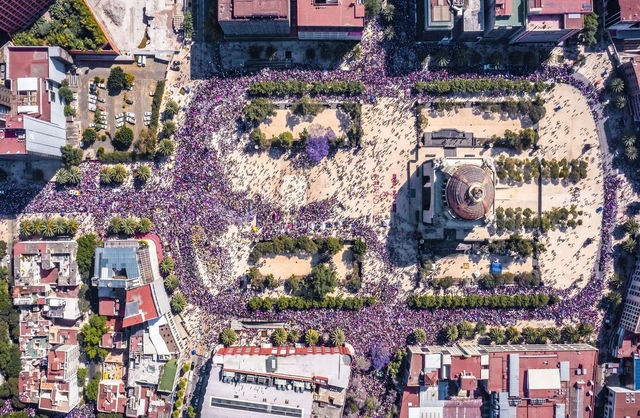
World Architecture Day, celebrated on the first Monday of every October, was set up by the Union International des Architects (UIA) back in 2005 to “remind the world of its collective responsibility for the future of the human habitat”, coinciding with UN-Habitat's World Habitat Day.
https://www.archdaily.com/277569/happy-world-architecture-dayArchDaily Team
The Beauty of Exposed Wooden Trusses
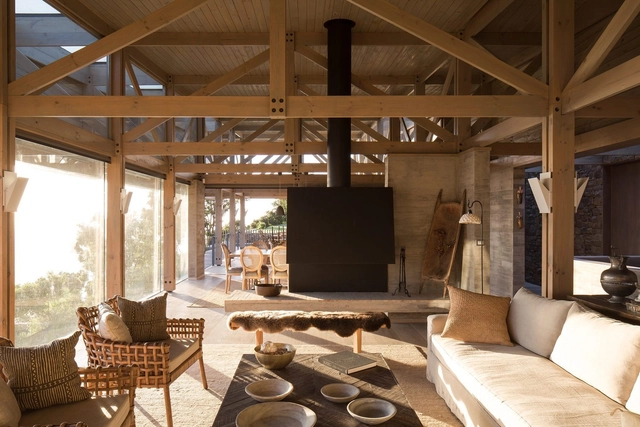
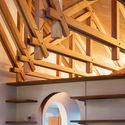

Timber trusses are wooden structural frameworks used to support roofs or other heavy structures. Fabricated from a series of triangles linked by a ridge beam and purlins, wooden trusses are structurally advantageous due to their high strength-to-weight ratios and corresponding ability to support long spans. However, these structural components can also be used for aesthetic ends, and when left exposed, can complexify, beautify, and open an interior space.
https://www.archdaily.com/948955/the-beauty-of-exposed-wooden-trussesLilly Cao