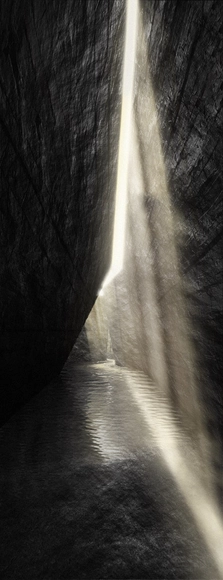
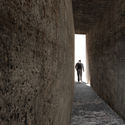
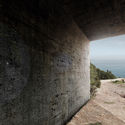
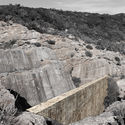
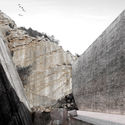
ArkxSite has announced the winners of its international architecture ideas competition.The competition has invited all architecture students and young architects to develop innovative ideas for the design of a Site Mausoleum located in the Jaspe Quarry, ‘Serra da Arrábida’, Portugal. The site is of great natural power as the remains of an old quarry are carved into its landscape, along with massive cliffs that drop dramatically into the Atlantic Ocean.
The competition committee wanted participants to develop an intervention that emphasizes, respects, and celebrates the site, all while providing visitors with a unique experience of movement between enclosed and open spaces.
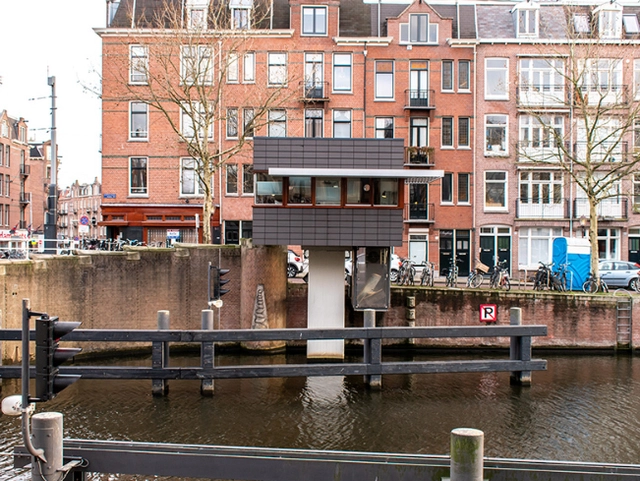
The city of Amsterdam is popular for its compelling architecture, interlaced water canals, bridges, and docks. However, alongside these water canals lay old guard cabins that have been left to defunct. A restoration project by Dutch architecture firm space&matter promises to bring together the historic city's tourists and water canals through a unique architecture project.
Tile roofs are usually multi-pitched and covered in tiles, which make them different from flat and circular shaped roofs. The “pitch” of the roof is directly related to the wind and tile type, it must be able to drain rainwater and shelter the interior of the house.
For technology companies, image is everything. Whether it be the latest iPhone, the newest Slack interface, or the latest Uber app update, these multimillion-dollar giants strive daily to keep the user engaged, and to keep their image young, current, and cutting edge. Invariably, this need to be noticed transcends the digital screen, and manifests in the architecture of the offices where this innovation takes place.
Across the world, from Dublin to Tel Aviv to Tokyo, the workspaces of the world's largest tech companies are redefining how offices are designed, aided by leading architects such as Foster + Partners, Snøhetta, and Gehry Partners. While our recent article on solutions for flexible home offices reflects on strategic functionality and individual expression, the 30 workspaces below dedicate themselves to collaboration and inspiration through a play on scales, color, shapes, and unexpected fixtures.
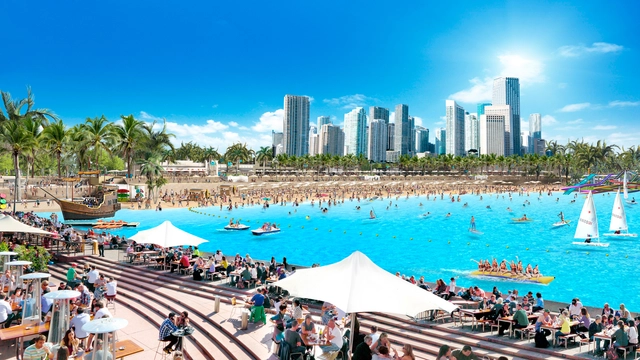
200 years ago, parks were incorporated into cities. Today, 'beach life' can also reach the hearts of cities.
A revolutionary alternative of high social impact that promises to change urban living is gaining ground. Known as Public Access Lagoons (PAL), an innovative concept developed and patented by the multinational water innovation company, Crystal Lagoons, it will bring beach life projects to the heart of large cities, with white sand beaches and monumental crystalline lagoons, in which people can swim and practice water sports in. With the capacity to receive more than one million visits a year, these large bodies of water can incorporate cultural and entertainment centers and amenities, easily accessed via ticketed entry or, alternatively, can be enjoyed free of charge from the contemplation areas.
This summer the federal government released an astonishing statistic: 87% of American homes are now equipped with air conditioning. Since the world is getting undeniably warmer, I suppose this isn’t all that surprising, but keep in mind that robust number of mechanically cooled homes include residences in some fairly temperate climates. So my question is a simple one: When did air conditioning in the U.S. became a requirement, rather than an add-on?
Accessibility is often approached as a field related to disability, whether physical or mental. When it comes to architectural design, it always comes up as a peripheral consideration of the project and not as something fundamental. However, there are other barriers.
In this edition of Editor's Talk, editors from ArchDaily Brazil share their thoughts on what they understand as accessibility and whether it's possible to create a neutral architecture.
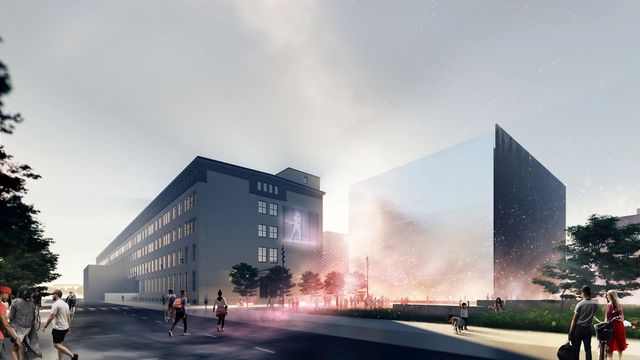
Finnish practice JKMM’s newest project, The Dance House Helsinki, is set to become Finland’s first venue dedicated primarily to dance and the performing arts. Offering rehearsal and performance spaces for artists, Dance House forms an extension to Cable Factory, the largest existing cultural center in Finland.
https://www.archdaily.com/924855/jkmms-dance-house-helsinki-is-designed-to-advance-the-performing-artsLilly Cao
The Midnight Charette is an explicit podcast about design, architecture, and the everyday. Hosted by architectural designers David Lee and Marina Bourderonnet, it features a variety of creative professionals in unscripted conversations that allow for thoughtful takes and personal discussions. A wide array of subjects are covered with honesty and humor: some episodes provide useful tips for designers, while others are project reviews, interviews, or explorations of everyday life and design. The Midnight Charette is also available on iTunes, Spotify, and YouTube.
This week Dana Cuff, Founding Director of cityLAB, Professor of architecture and urbanism at UCLA, and winner of Architectural Record’s 2019 Women in Architecture Activist Award joins hosts David Lee and Marina Bourderonnet to discuss the founding cityLAB, doubling the density of Los Angeles, changing planning policies, urban thinking and social missions in architecture, convincing constituents of projects, career paths, smart cities, living in Sweden, and more. Call the hotline to leave feedback and questions by voicemail at 213-222-6950.
https://www.archdaily.com/924856/dana-cuff-on-citylab-ucla-smart-cities-and-urban-thinkingThe Second Studio Podcast
Videos
OMA’s Seattle Public Library serves as the backdrop to a scene from the new film Where’d You Go, Bernadette?. Image Courtesy of Annapurna Pictures
Maria Semple’s 2012 novel, Where’d You Go, Bernadette?, is an addictive, high-octane, hilarious summer read about a retired architect in Seattle entering the next phase of her career. Perhaps unsurprisingly, it has resonated with women architects. One texted me hours after picking up the book recently: “I’ve read about ⅓ of Bernadette in one sitting. I’ve squealed out loud with laughter. I’ve bitten my lip. I am currently reading about Bernadette on the job site getting disrespected by a subcontractor. Someone IS seeing me/us. It’s buried in this book.”
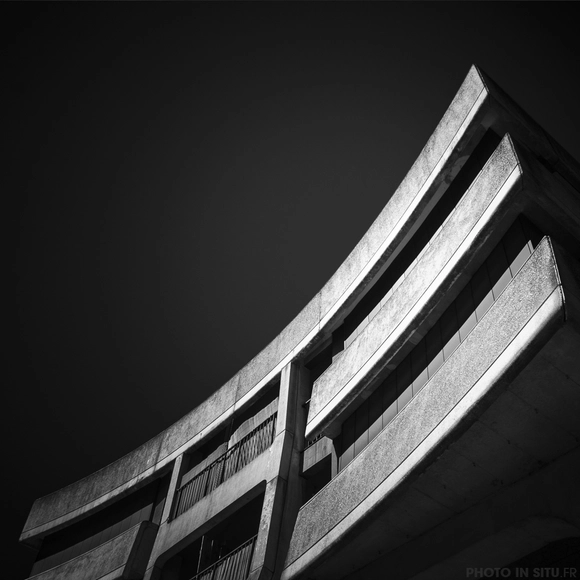
The “New Créteil” was an urbanization program carried out in the seventies. It was intended to provide the city of Créteil, which is located around 6 km southeast of Paris, new apartment buildings and public facilities such as a town hall, prefecture, hospital, and courthouse. In a series called “See the New Créteil,” photographer Robin Leroy documents a city considered transcendent of the traditional clichés of modern architecture.
https://www.archdaily.com/924842/robin-leroys-timeless-photographs-of-new-creteilLilly Cao
On September 8, 2019, Austrian’s largest public art installation to date opened to the public. Titled FOR FOREST – The Unending Attraction of Nature, the artwork transforms the Wörthersee Football Stadium in Klagenfurt into a native central European forest. Conceived by Swiss curator Klaus Littmann and inspired by a dystopian drawing by Austrian artist and architect Max Peintner, the installation advocates for pressing contemporary issues such as climate change and deforestation. Through the structural containment of this massive forest, it suggests that nature may someday only be found in specially designated spaces, as animals are today in zoos. Landscape architecture was supervised by Enea Landscape Architecture.
https://www.archdaily.com/924835/austrian-stadium-is-transformed-into-giant-forestLilly Cao
Four episodes of the third season of “By Design”, GRAPHISOFT’s multi-award-winning digital content series have led viewers on a path of discovery. By Design: Metamorphosis, takes an unflinching look at the fear many firms have when it comes to technological change, and what it takes to overcome it to unlock their true potential, elevate their role and better ensure their future.
Everyone wants to travel the world, whether it's to meet new people, taste new food, or visit new places. Travel is consequently an extremely lucrative industry, but tourist destinations are getting more crowded than ever and associated pollution emissions are only worsening the climate emergency.
Why do we travel? In this edition of Editor's Talk, four editors from ArchDaily based in Lebanon, the United States, and Chile share their thoughts on the meaning of travel, and why tourists enjoying a beach in a location like Brazil should also care about the cities they visit.
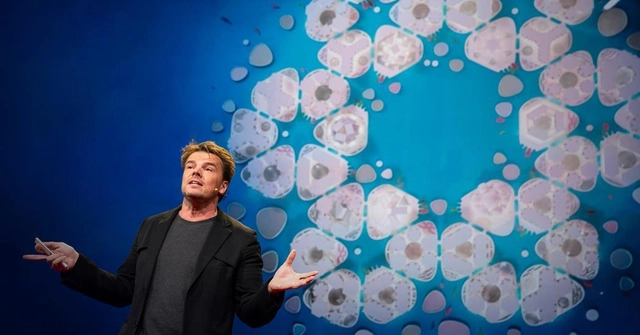
Since its founding in 1984 by architect Richard Saul Wurman, TED has been a powerful force in the fields of technology, entertainment, design, and beyond. Architects are among the millions of people around the world who frequently tune into TED's “ideas worth spreading” including talks by architects such as Bjarke Ingels and Jeanne Gang. With over 2500 talks to choose from, we have followed on from our previous lists to provide you with 20 talks to help you work better as an architect.
https://www.archdaily.com/924696/20-ted-talks-to-help-architects-work-betterNiall Patrick Walsh
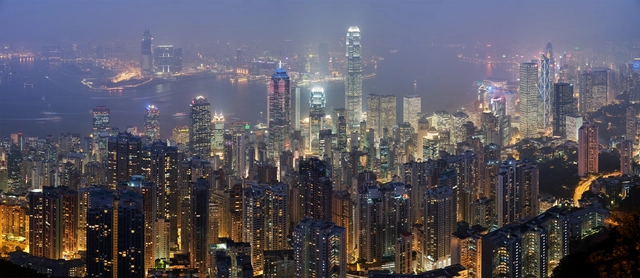
Wikipedia User: Diliff Licensed under CC BY 3.0 . ImageHong Kong
In the 25th addition of Mercer's ranking for the cost of living for cities, Hong Kong again took the first place spot, continuing the trend of Asian cities as being the most expensive places to live for foreign workers.
The factors determining the cost of living in this edition are food, housing, living and personal care expenses, alcohol and tobacco, clothing, housing maintenance, public services, transportation, recreation, and entertainment.
Check out the ranking of the top 10 most expensive cities in the world for cost of living and the top 5 most expensive by region: North America, South America, Asia, Pacific, Eastern Europe, Western Europe, the Middle East, and Africa.
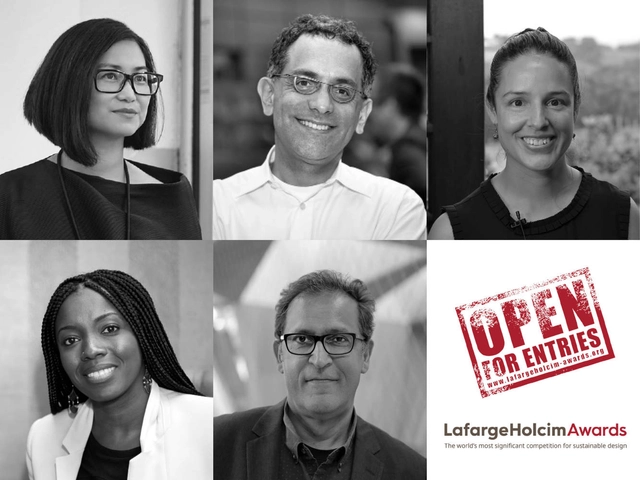
The independent juries will evaluate entries in the 6th International LafargeHolcim Awards for Sustainable Construction in five regions of the world. Each jury consists of nine experts in sustainable design and construction. The Awards seek real projects as well as bold ideas that combine sustainable construction solutions with architectural excellence. The competition offers a total of USD 2 million in prize money and is open for entries until February 25, 2020.
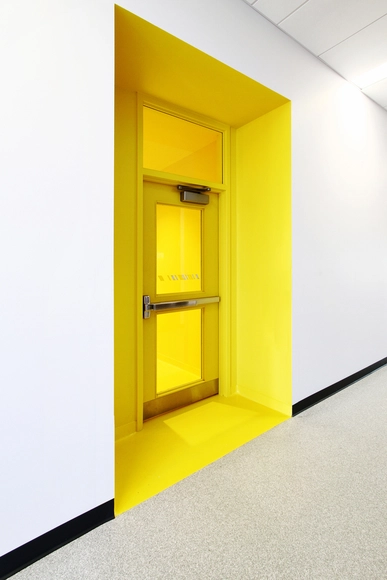
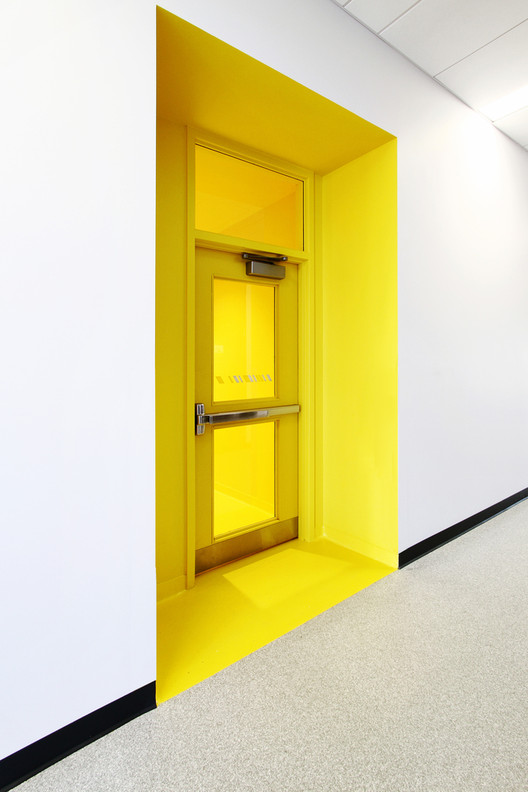
Fire doors are doors that meet fire resistance standards and can prevent fire (or smoke) from spreading through the floors or living spaces of a building, allowing people to evacuate safely from a fire.




.jpg?1568675092&format=webp&width=640&height=580)


.jpg?1568675092)







.jpg?1568407487&format=webp&width=640&height=580)
.jpg?1568407514 "© UNIMO Studios")
.jpg?1568407733 "© UNIMO Studios")
.jpg?1568407787 "© UNIMO Studios")
.jpg?1568407611 "© UNIMO Studios")
.jpg?1568407487)