1. ArchDaily
  2. Architecture Classics

Architecture Classics

AD Classics: Cenotaph for Newton / Etienne-Louis Boullée

AD Classics: Cenotaph for Newton / Etienne-Louis Boullée -         Memorial Center
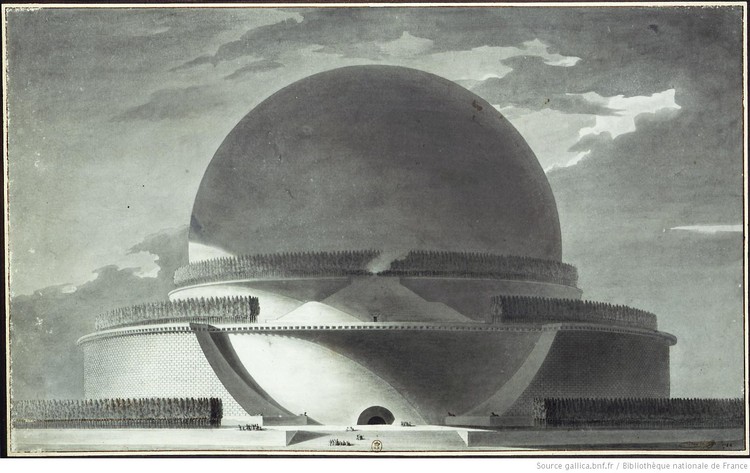
Exterior view

AD Classics: Cenotaph for Newton / Etienne-Louis Boullée -         Memorial CenterAD Classics: Cenotaph for Newton / Etienne-Louis Boullée -         Memorial CenterAD Classics: Cenotaph for Newton / Etienne-Louis Boullée -         Memorial CenterAD Classics: Cenotaph for Newton / Etienne-Louis Boullée -         Memorial CenterAD Classics: Cenotaph for Newton / Etienne-Louis Boullée - More Images+ 1

This article was originally published on September 10, 2014. To read the stories behind other celebrated architecture projects, visit our AD Classics section.

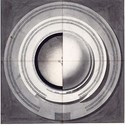
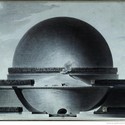
Minuscule clusters of visitors ascend a monumental stairway at the base of a spherical monument rising higher than the Great Pyramid of Giza. An arc of waning sunlight catches a small portion of the sphere, leaving the excavated entry portal and much of the mass in deep shadow. Bringing together the emotional affects of romanticism, the severe rationality of neoclassicism and grandeur of antiquity, Etienne-Louis Boullée’s sublime vision for a cenotaph honoring Sir Isaac Newton is both emblematic of the particular historical precipice and an artistic feat that foreshadowed the modern conception of architectural design. Rendered through a series of ink and wash drawings, the memorial was one of numerous provocative designs he created at the end of the eighteenth century and included in his treatise, Architecture, essai sur l’art. The cenotaph is a poetic homage to scientist Sir Isaac Newton who 150 years after his death had become a revered symbol of Enlightenment ideals.

Beyond representing his individual creative genius, Boullée’s approach to design signaled the schism of architecture as a pure art from the science of building. He rejected the Vitruvian notion of architecture as the art of building, writing “In order to execute, it is first necessary to conceive… It is this product of the mind, this process of creation, that constitutes architecture…” (1).  The purpose of design is to envision, to inspire, to make manifest a conceptual idea though spatial forms. Boullee’s search was for an immutable and totalizing architecture. 
AD Classics: SC Johnson Wax Research Tower / Frank Lloyd Wright

This article was originally published on September 8,2014. To read the stories behind other celebrated architecture projects, visit our AD Classics section.

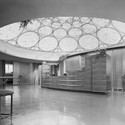
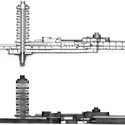
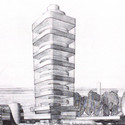
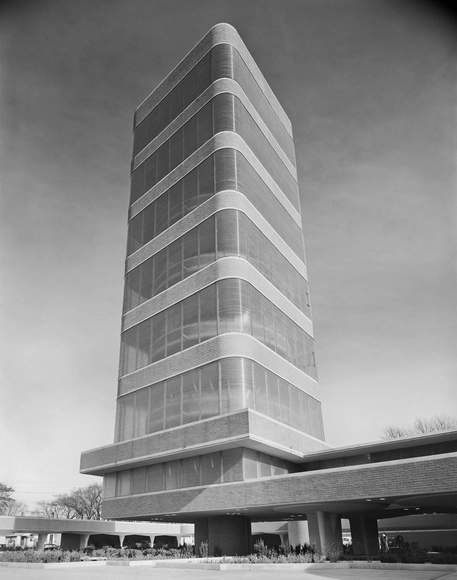
The next time you catch the scent of a Glade air freshener or evade pesky mosquitoes thanks to Off!, think of Frank Lloyd Wright. His 1950 building for the SC Johnson Research Tower at their headquarters in Racine, Wisconsin, was home to the invention of many of their landmark products.

AD Classics: SC Johnson Wax Research Tower / Frank Lloyd Wright - Offices, Facade, CityscapeAD Classics: SC Johnson Wax Research Tower / Frank Lloyd Wright - Offices, Door, Arch, Column, Chair, TableAD Classics: SC Johnson Wax Research Tower / Frank Lloyd Wright - OfficesAD Classics: SC Johnson Wax Research Tower / Frank Lloyd Wright - OfficesAD Classics: SC Johnson Wax Research Tower / Frank Lloyd Wright - More Images+ 29

AD Classics: São Paulo Museum of Art (MASP) / Lina Bo Bardi

This article was originally published on August 14, 2014. To read the stories behind other celebrated architecture projects, visit our AD Classics section.

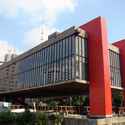
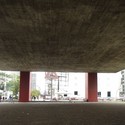
When Lina Bo Bardi received the commission to build a new museum of art on São Paulo’s Terraço do Trianon, she was given the job under one condition: under no circumstances could the building block the site’s panoramic vistas of the lower-lying parts of the city. This rule, instituted by the local legislature, sought to protect what had become an important urban gathering space along Avenida Paulista, the city’s main financial and cultural artery. Undeterred, Bo Bardi came up with a solution that was simple and powerful. She designed a building with a massive split through its midsection, burying half of it below the terrace and lifting the other half into the sky. As a result, the plaza remained open and unobstructed, and in 1968, the iconic São Paulo Museum of Art (MASP) was born.

AD Classics: São Paulo Museum of Art (MASP) / Lina Bo Bardi - Gallery, Stairs, Door, HandrailAD Classics: São Paulo Museum of Art (MASP) / Lina Bo Bardi - Gallery, Facade, LightingAD Classics: São Paulo Museum of Art (MASP) / Lina Bo Bardi - Gallery, FacadeAD Classics: São Paulo Museum of Art (MASP) / Lina Bo Bardi - Gallery, Facade, Column, ArchAD Classics: São Paulo Museum of Art (MASP) / Lina Bo Bardi - More Images+ 5

AD Classics: Austrian Cultural Forum / Raimund Abraham

This article was originally published on May 25, 2015. To read the stories behind other celebrated architecture projects, visit our AD Classics section.

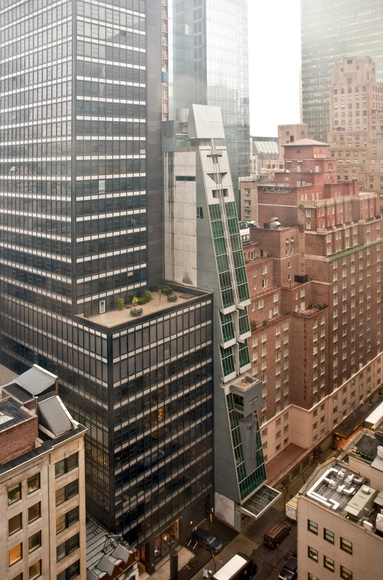
Before the impossibly “super-thin” tower became ubiquitous on the Midtown Manhattan skyline, Raimund Abraham’s Austrian Cultural Forum challenged the limits of what could be built on the slenderest of urban lots. Working with a footprint no bigger than a townhouse (indeed, one occupied the site before the present tower), Abraham erected a daring twenty-four story high-rise only twenty-five feet across. Instantly recognizable by its profile, a symmetrical, blade-like curtain wall cascading violently toward the sidewalk, ACFNY was heralded by Kenneth Frampton as “the most significant modern piece of architecture to be realized in Manhattan since the Seagram Building and the Guggenheim Museum of 1959.” [1]

AD Classics: Austrian Cultural Forum / Raimund Abraham - Heritage, Facade, CityscapeAD Classics: Austrian Cultural Forum / Raimund Abraham - Heritage, Facade, CityscapeAD Classics: Austrian Cultural Forum / Raimund Abraham - Heritage, Chair, TableAD Classics: Austrian Cultural Forum / Raimund Abraham - HeritageAD Classics: Austrian Cultural Forum / Raimund Abraham - More Images+ 2

AD Classics: Radio City Music Hall / Edward Durell Stone & Donald Deskey

This article was originally published on July 29, 2016. To read the stories behind other celebrated architecture projects, visit our AD Classics section.

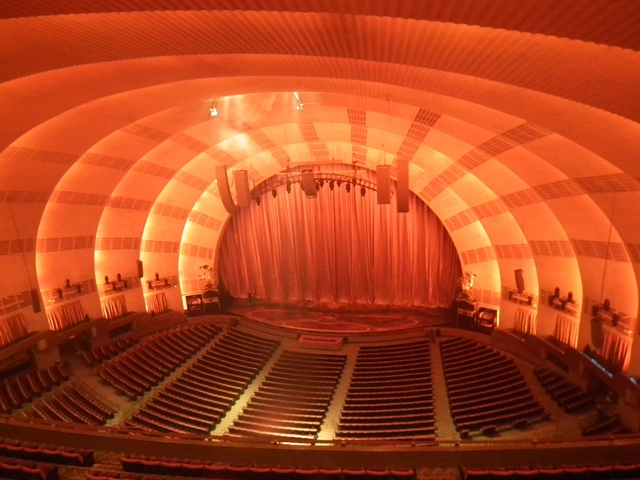
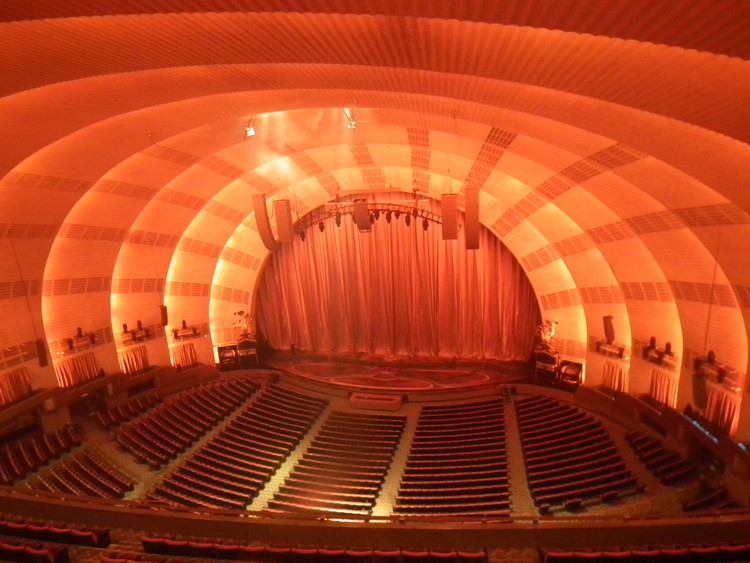
Upon opening its doors for the first time on a rainy winter’s night in 1932, the Radio City Music Hall in Manhattan was proclaimed so extraordinarily beautiful as to need no performers at all. The first built component of the massive Rockefeller Center, the Music Hall has been the world’s largest indoor theater for over eighty years. With its elegant Art Deco interiors and complex stage machinery, the theater defied tradition to set a new standard for modern entertainment venues that remains to this day.

AD Classics: Radio City Music Hall / Edward Durell Stone & Donald Deskey - Concert House, Facade, Lighting, CityscapeAD Classics: Radio City Music Hall / Edward Durell Stone & Donald Deskey - Concert House, Facade, Lighting, Bench, CityscapeAD Classics: Radio City Music Hall / Edward Durell Stone & Donald Deskey - Concert House, Stairs, HandrailAD Classics: Radio City Music Hall / Edward Durell Stone & Donald Deskey - Concert House, Lighting, ChairAD Classics: Radio City Music Hall / Edward Durell Stone & Donald Deskey - More Images+ 5

AD Classics: New German Parliament, Reichstag / Foster + Partners

This article was originally published on November 2, 2015. To read the stories behind other celebrated architecture projects, visit our AD Classics section.

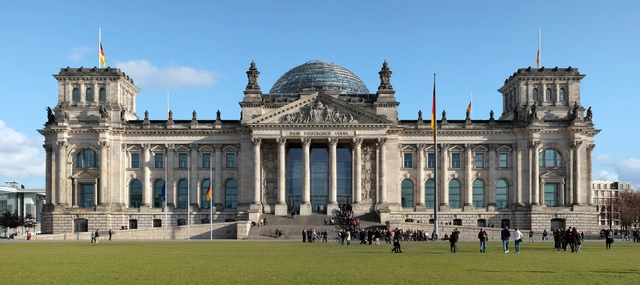
As Norman Foster describes in his firm’s monograph, Foster 40, “Our transformation of the Reichstag is rooted in four related issues: the Bundestag’s significance as a democratic forum, an understanding of history, a commitment to public accessibility and a vigorous environmental agenda.”[1] Foster’s description sounds straightforward enough, but the process of creating the New German Parliament at the Reichstag was only the latest entry in the long, complex, and contentious history of the building.

AD Classics: Fagus Factory / Walter Gropius + Adolf Meyer

This article was originally published on March 28, 2015. To read the stories behind other celebrated architecture projects, visit our AD Classics section.

The Fagus Factory is one of the earliest built works of modern architecture, and the first project of Walter Gropius. The commission provided Gropius with the opportunity to put his revolutionary ideas into practice, and the stunning rectilinear volume with its primarily glazed façade would guide the course of Modernism through the coming decades.

AD Classics: Fagus Factory / Walter Gropius + Adolf Meyer - Warehouse, Facade, DoorAD Classics: Fagus Factory / Walter Gropius + Adolf Meyer - Warehouse, Facade, Stairs, HandrailAD Classics: Fagus Factory / Walter Gropius + Adolf Meyer - Warehouse, Facade, Fence, Handrail, BeamAD Classics: Fagus Factory / Walter Gropius + Adolf Meyer - Warehouse, FacadeAD Classics: Fagus Factory / Walter Gropius + Adolf Meyer - More Images+ 13

AD Classics: Expo'98 Portuguese National Pavilion / Álvaro Siza Vieira

This article was originally published on January 2, 2015. To read the stories behind other celebrated architecture projects, visit our AD Classics section.

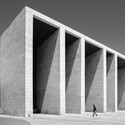
At the Expo ’98 Portuguese National Pavilion, structure and architectural form work in graceful harmony. Situated at the mouth of the Tagus River in Lisbon, Portugal, the heart of the design is an enormous and impossibly thin concrete canopy, draped effortlessly between two mighty porticoes and framing a commanding view of the water. The simple, gestural move is both weightless and mighty, a bold architectural solution to the common problem of the covered public plaza. Under the graceful touch of Álvaro Siza Vieira, physics and physical form theatrically engage one another, and simplicity and clarity elevate the pavilion to the height of modern sophistication.

AD Classics: Expo'98 Portuguese National Pavilion / Álvaro Siza Vieira - Exterior Photography, Cultural Architecture, FacadeAD Classics: Expo'98 Portuguese National Pavilion / Álvaro Siza Vieira - Cultural ArchitectureAD Classics: Expo'98 Portuguese National Pavilion / Álvaro Siza Vieira - Cultural ArchitectureAD Classics: Expo'98 Portuguese National Pavilion / Álvaro Siza Vieira - Cultural ArchitectureAD Classics: Expo'98 Portuguese National Pavilion / Álvaro Siza Vieira - More Images+ 7

AD Classics: TWA Flight Center / Eero Saarinen

This article was originally published on June 16, 2016. To read the stories behind other celebrated architecture projects, visit our AD Classics section.

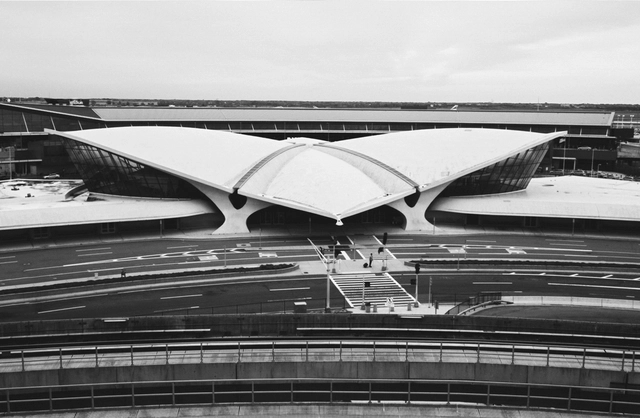
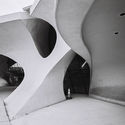
Built in the early days of airline travel, the TWA Terminal is a concrete symbol of the rapid technological transformations which were fueled by the outset of the Second World War. Eero Saarinen sought to capture the sensation of flight in all aspects of the building, from a fluid and open interior, to the wing-like concrete shell of the roof. At TWA’s behest, Saarinen designed more than a functional terminal; he designed a monument to the airline and to aviation itself.

This AD Classic features a series of exclusive images by Cameron Blaylock, photographed in May 2016. Blaylock used a Contax camera and Zeiss lenses with Rollei black and white film to reflect camera technology of the 1960s.

AD Classics: TWA Flight Center / Eero Saarinen - Facade, ArchAD Classics: TWA Flight Center / Eero Saarinen - ChairAD Classics: TWA Flight Center / Eero Saarinen - 3 的图像 5AD Classics: TWA Flight Center / Eero Saarinen - Arch, FacadeAD Classics: TWA Flight Center / Eero Saarinen - More Images+ 21

AD Classics: Bergisel Ski Jump / Zaha Hadid Architects

This article was originally published on May 9, 2016. To read the stories behind other celebrated architecture projects, visit our AD Classics section.

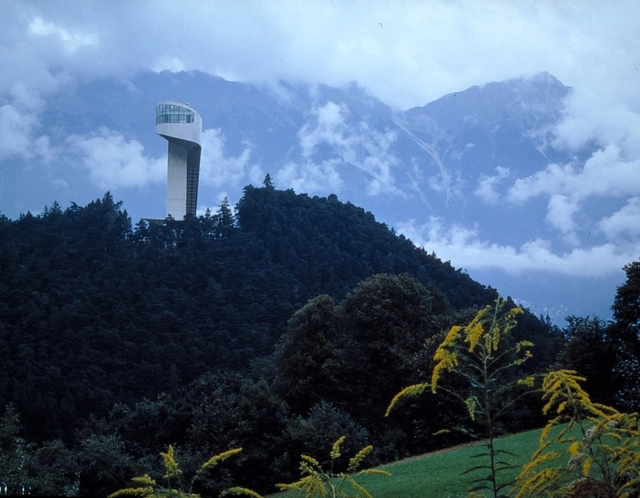
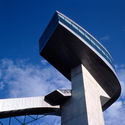
Situated on the peak of Bergisel Mountain above the picturesque alpine city of Innsbruck, Austria, the Bergisel Ski Jump represents the contemporary incarnation of a historic landmark. Designed by Zaha Hadid between 1999 and 2002, the Ski Jump is a study in formal expression: its sweeping lines and minimalist aesthetic create a sense of graceful, high-speed motion, reflecting the dynamic sensation of a ski jump in a monumental structure that stands above the historic center of Innsbruck and the mountain slopes around.

AD Classics: Bergisel Ski Jump / Zaha Hadid Architects - Ski Center, FacadeAD Classics: Bergisel Ski Jump / Zaha Hadid Architects - Ski CenterAD Classics: Bergisel Ski Jump / Zaha Hadid Architects - Ski CenterAD Classics: Bergisel Ski Jump / Zaha Hadid Architects - Ski Center, FacadeAD Classics: Bergisel Ski Jump / Zaha Hadid Architects - More Images+ 22

AD Classics: Empire State Building / Shreve, Lamb and Harmon

This article was originally published on December 5, 2016. To read the stories behind other celebrated architecture projects, visit our AD Classics section.

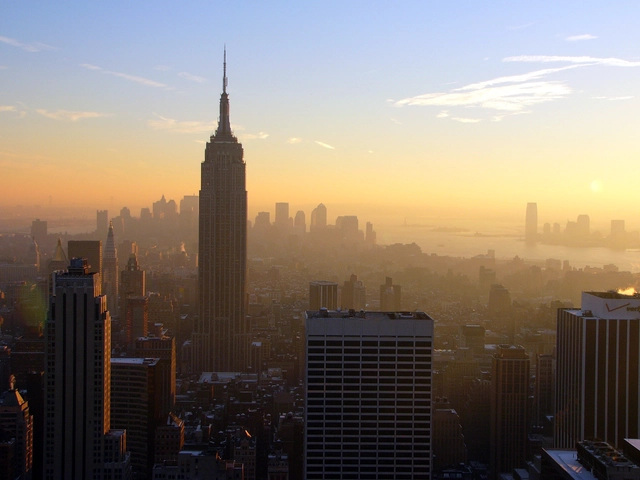
Even in Manhattan—a sea of skyscrapers—the Empire State Building towers over its neighbours. Since its completion in 1931 it has been one of the most iconic architectural landmarks in the United States, standing as the tallest structure in the world until the Twin Towers of the World Trade Center were constructed in Downtown Manhattan four decades later. Its construction in the early years of the Great Depression, employing thousands of workers and requiring vast material resources, was driven by more than commercial interest: the Empire State Building was to be a monument to the audacity of the United States of America, “a land which reached for the sky with its feet on the ground.”[1]

AD Classics: Empire State Building / Shreve, Lamb and Harmon - Commercial Architecture, FacadeAD Classics: Empire State Building / Shreve, Lamb and Harmon - Commercial Architecture, FacadeAD Classics: Empire State Building / Shreve, Lamb and Harmon - Commercial ArchitectureAD Classics: Empire State Building / Shreve, Lamb and Harmon - Commercial Architecture, CityscapeAD Classics: Empire State Building / Shreve, Lamb and Harmon - More Images+ 1

AD Classics: Vitra Design Museum / Gehry Partners

This article was originally published on April 27, 2017. To read the stories behind other celebrated architecture projects, visit our AD Classics section.

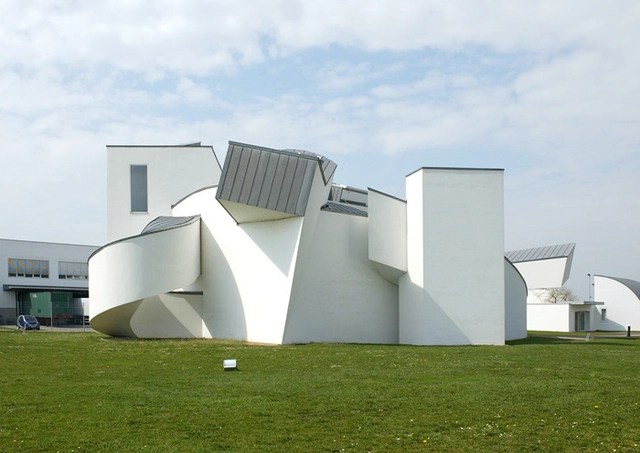
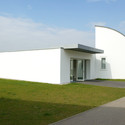
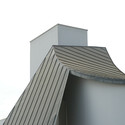
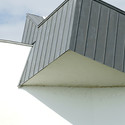
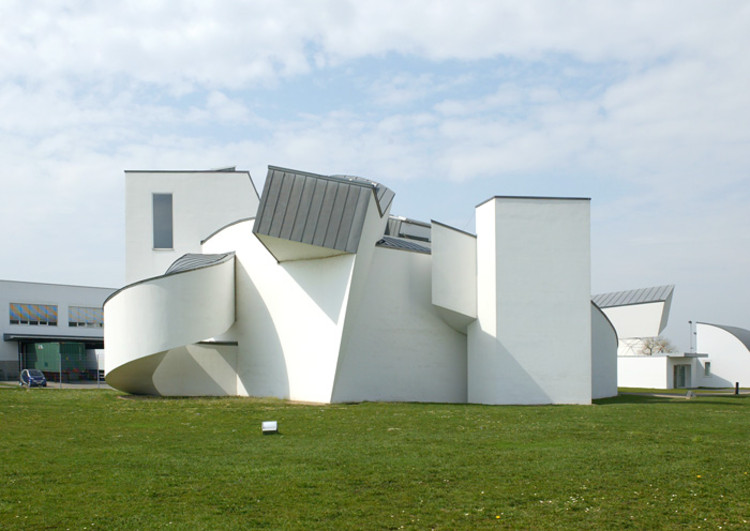
Even at the Vitra Campus in Weil-am-Rhein—a collection of furniture factories, offices, showrooms, and galleries, many of which are the products of iconic architects—the Vitra Design Museum stands out as exceptional. With its sculptural form composed of interconnected curving volumes, the museum is the unmistakable work of Frank Gehry – an architect who has built a legacy for himself upon such structures. What may not be immediately apparent is the crossroads that this serene white building represents: it was in this project at the southwestern corner of Germany (close to the Swiss border) that Gehry first realized a structure in the vein of his now signature style.

AD Classics: Vitra Design Museum / Gehry Partners - Gallery, FacadeAD Classics: Vitra Design Museum / Gehry Partners - Gallery, Facade, DoorAD Classics: Vitra Design Museum / Gehry Partners - Gallery, FacadeAD Classics: Vitra Design Museum / Gehry Partners - Gallery, FacadeAD Classics: Vitra Design Museum / Gehry Partners - More Images+ 5

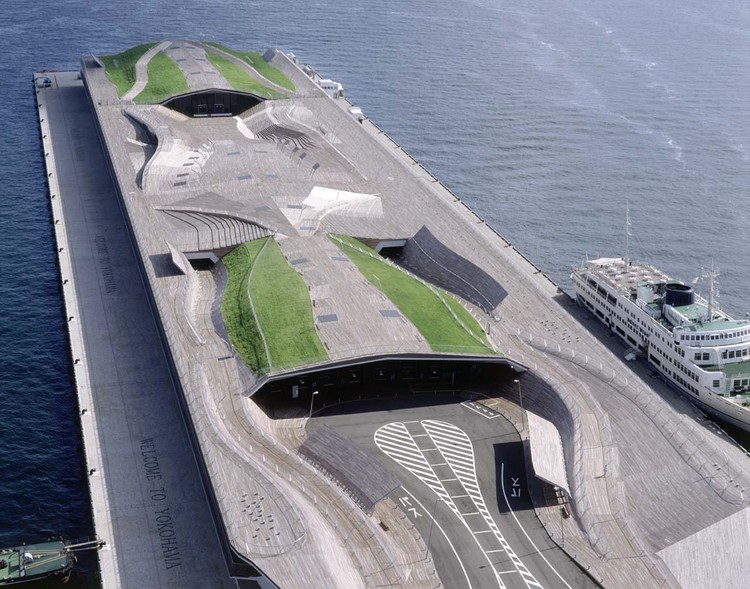
AD Classics: Yokohama International Passenger Terminal / Foreign Office Architects (FOA)

This article was originally published on ArchDaily in 2014.

The triumphant critical reception of the Yokohama International Passenger Terminal was the product of inventive architectural methodology and socially conscious thinking. Designed by Foreign Office Architects (FOA) in 1995, the futuristic terminal represented an emergent typology of transportation infrastructure. Its radical, hyper-technological design explored new frontiers of architectural form and simultaneously provoked a powerful discourse on the social responsibility of large-scale projects to enrich shared urban spaces.

AD Classics: Yokohama International Passenger Terminal / Foreign Office Architects (FOA) - PierAD Classics: Yokohama International Passenger Terminal / Foreign Office Architects (FOA) - PierAD Classics: Yokohama International Passenger Terminal / Foreign Office Architects (FOA) - PierAD Classics: Yokohama International Passenger Terminal / Foreign Office Architects (FOA) - Pier, Coast, CityscapeAD Classics: Yokohama International Passenger Terminal / Foreign Office Architects (FOA) - More Images+ 17

AD Classics: Venice Hospital / Le Corbusier

This article was originally published on August 15, 2016. To read the stories behind other celebrated architecture projects, visit our AD Classics section.

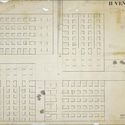
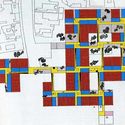
Le Corbusier made an indelible mark on Modernist architecture when he declared “une maison est une machine-à-habiter” (“a house is a machine for living”). His belief that architecture should be as efficient as machinery resulted in such proposals such as the Plan Voisin, a proposal to transform the Second Empire boulevards of Paris into a series of cruciform skyscrapers rising from a grid of freeways and open parks.[1] Not all of Le Corbusier’s concepts, however, were geared toward such radical urban transformation. His 1965 proposal for a hospital in Venice, Italy, was notable in its attempt at seeking aesthetic harmony with its unique surroundings: an attempt not to eradicate history, but to translate it.

AD Classics: Venice Hospital / Le Corbusier - Hospital , FacadeAD Classics: Venice Hospital / Le Corbusier - Hospital AD Classics: Venice Hospital / Le Corbusier - Hospital AD Classics: Venice Hospital / Le Corbusier - Hospital AD Classics: Venice Hospital / Le Corbusier - More Images+ 2

AD Classics: New Museum / SANAA

This article was originally published on July 22, 2016. To read the stories behind other celebrated architecture projects, visit our AD Classics section.

The New Museum is the product of a daring vision to establish a radical, politicized center for contemporary art in New York City. With the aim of distinguishing itself from the city’s existing art institutions through a focus on emerging artists, the museum’s name embodies its pioneering spirit. Over the two decades following its foundation in 1977, it gained a strong reputation for its bold artistic program, and eventually outgrew its inconspicuous home in a SoHo loft. Keen to establish a visual presence and to reach a wider audience, in 2003 the Japanese architectural firm SANAA was commissioned to design a dedicated home for the museum. The resulting structure, a stack of rectilinear boxes which tower over the Bowery, would be the first and, thus far, the only purpose-built contemporary art museum in New York City.[1]

AD Classics: New Museum / SANAA - GalleryAD Classics: New Museum / SANAA - GalleryAD Classics: New Museum / SANAA - Interior Photography, Gallery, Stairs, HandrailAD Classics: New Museum / SANAA - Exterior Photography, Gallery, Facade, CityscapeAD Classics: New Museum / SANAA - More Images+ 25

AD Classics: Angkor Wat

This article was originally published on November 9, 2015. To read the stories behind other celebrated architecture projects, visit our AD Classics section.

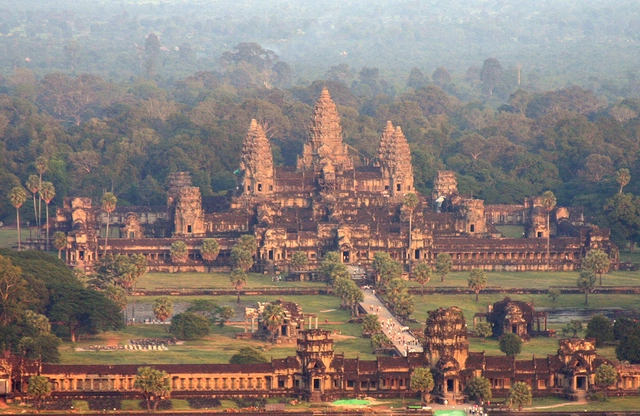
Angkor Wat is just one of dozens of extant Khmer temples in the Angkor area of present-day Cambodia, but it represents the apex of a building tradition that spanned five centuries, and the height of Khmer power and influence in the region. It is the largest temple complex at Angkor, and intricate bas-relief sculptures line the sandstone structures exemplify the apex of Khmer artistry. Although it has been in continuous use since its construction in the twelfth century, aspects of its history remain unknown. As archaeologist and anthropologist Charles Higham explains, “Curiously, there are no direct references to it in the epigraphic record, so we do not know its original name and controversy remains over its function and aspects of its symbolic status.”[1] Originally dedicated to the Hindu god Vishnu, the complex was later converted to Buddhist use (the word “wat” typically refers to Buddhist monasteries[2]), and continues to be a site of religious pilgrimage today.

AD Classics: Vitra Fire Station / Zaha Hadid

This article was originally published on April 21, 2016. To read the stories behind other celebrated architecture projects, visit our AD Classics section.

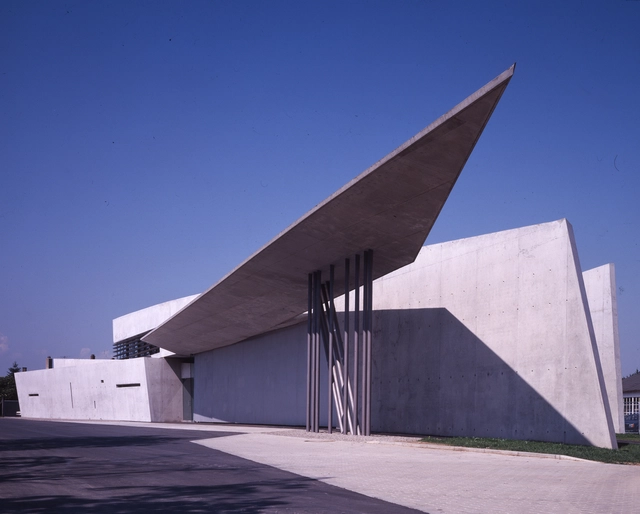
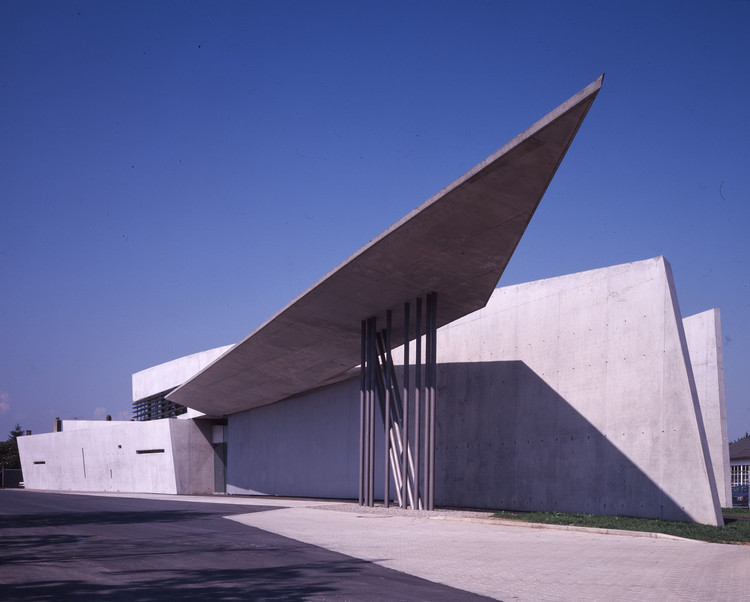
Although Zaha Hadid began her remarkable architectural career in the late 1970s, it would not be until the 1990s that her work would lift out her drawings and paintings to be realized in physical form. The Vitra Fire Station, designed for the factory complex of the same name in Weil-am-Rhein, Germany, was the among the first of Hadid’s design projects to be built. The building’s obliquely intersecting concrete planes, which serve to shape and define the street running through the complex, represent the earliest attempt to translate Hadid’s fantastical, powerful conceptual drawings into a functional architectural space.

AD Classics: Vitra Fire Station / Zaha Hadid - Fire StationAD Classics: Vitra Fire Station / Zaha Hadid - Fire StationAD Classics: Vitra Fire Station / Zaha Hadid - Fire StationAD Classics: Vitra Fire Station / Zaha Hadid - Fire StationAD Classics: Vitra Fire Station / Zaha Hadid - More Images+ 19

AD Classics: Dutch Parliament Extension / OMA

This article was originally published on April 22, 2016. To read the stories behind other celebrated architecture projects, visit our AD Classics section.

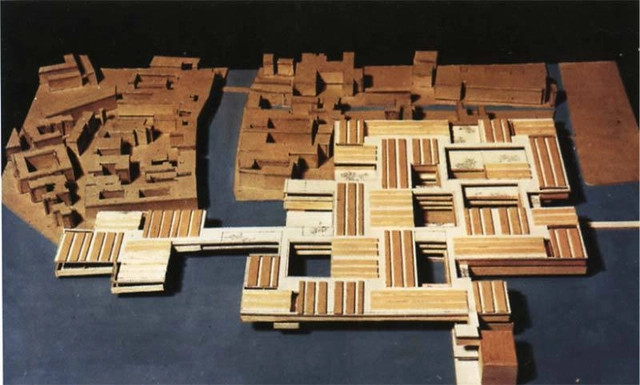
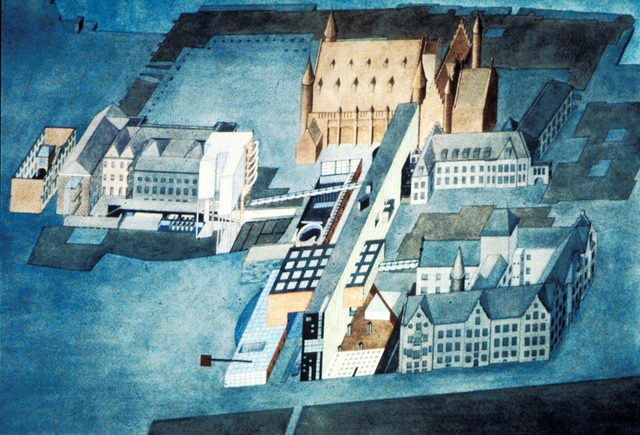
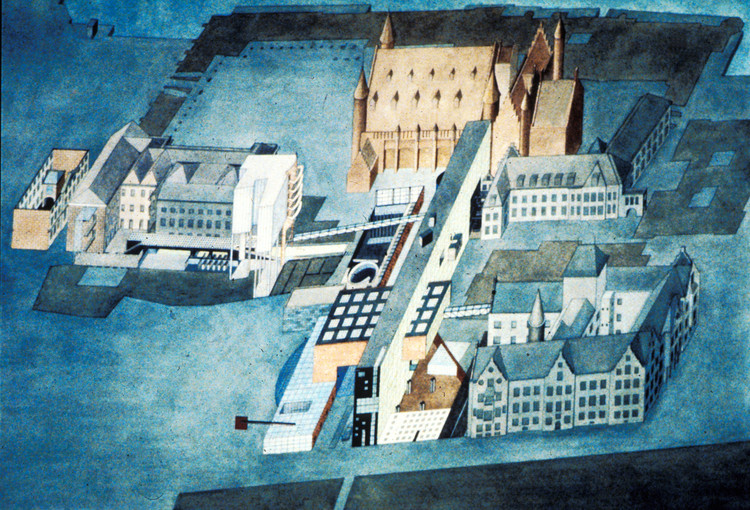
Designed shortly before Zaha Hadid left the Office of Metropolitan Architecture (OMA)—led by Rem Koolhaas—to found her practice, Zaha Hadid Architects, the proposed extension for the Dutch Parliament firmly rejects the notion that imitation is the sincerest form of flattery. Rather than mimic the style of the existing historic buildings, OMA elected to pay tribute to the complex’s accretive construction by inserting a collection of visibly postmodern, geometric elements. These new buildings, unapologetic products of the late 1970s, would have served as unmistakable indicators of the passage of time, creating a graphic reminder of the Parliament’s long history.

AD Classics: Dutch Parliament Extension / OMA - Landmarks & MonumentsAD Classics: Dutch Parliament Extension / OMA - Landmarks & MonumentsAD Classics: Dutch Parliament Extension / OMA - Landmarks & MonumentsAD Classics: Dutch Parliament Extension / OMA - Landmarks & Monuments, FacadeAD Classics: Dutch Parliament Extension / OMA - More Images+ 4