
Yokohama: The Latest Architecture and News
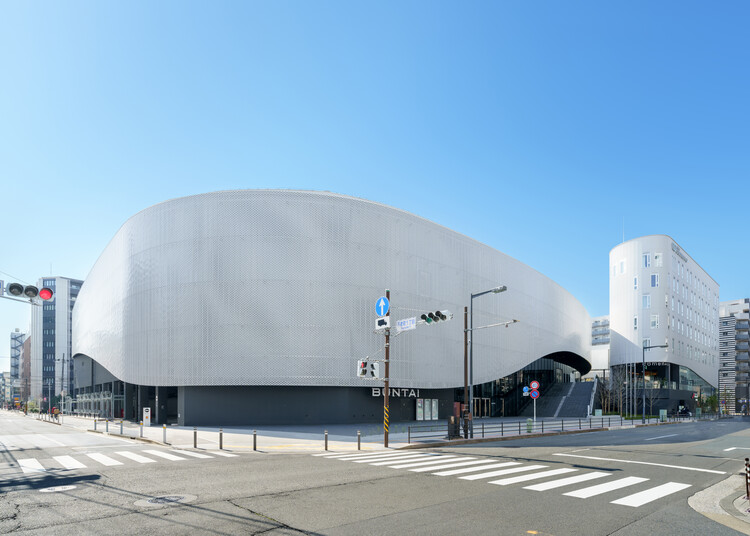
Yokohama BUNTAI Multipurpose Hub / AZUSA SEKKEI CO., Ltd. + ArchiBox Co., Ltd. + TAISEI DESIGN Planners Architects & Engineers


https://www.archdaily.com/1186823/yokohama-buntai-multipurpose-hub-taisei-design-planners-architects-and-engineersPratik Mour
"Artisans of the Reiwa Era" Documentary Showcases Traditional Japanese Wood Construction and Craftsmanship
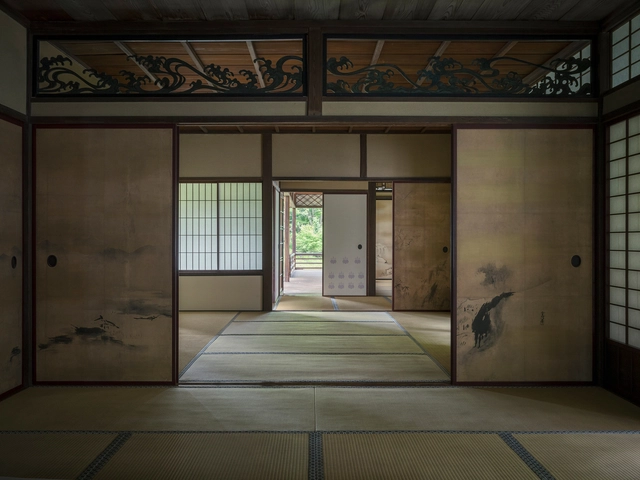
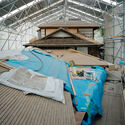
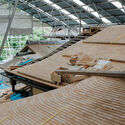
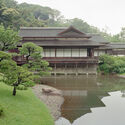
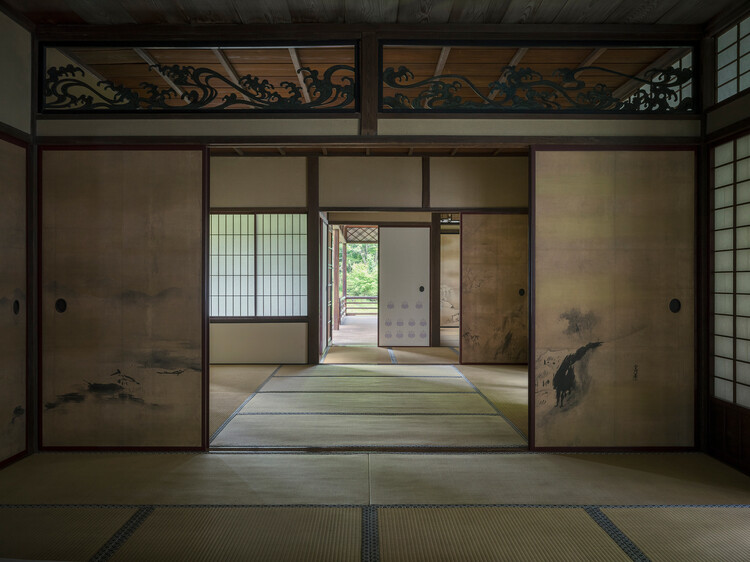
Rinshunkaku is a notable example of early Edo-period residential architecture. Originally built in the Wakayama Prefecture by the Kishu Tokugawa family, the villa was relocated to Sankeien, a traditional Japanese garden in the city of Yokohama, during the Taisho era (1912-1926). The garden was created in the early 20th century by businessman and art patron Sankei Hara and features a number of historic buildings relocated from Kyoto, Kamakura, and other areas of Japan. Rinshunkaku, one of the garden's gems, is a prime example of traditional Japanese architecture and wood construction. Its historical value motivated a large-scale restoration project in 2019, documented in the film Artisans of the Reiwa Era (Reiwa no Shokunin-tachi), filmed and edited by Katsumasa Tanaka and Hiroshi Fujiki. The documentary offers a close, detailed view of Japanese craftsmanship and wood expertise, highlighting rare traditional techniques and paying tribute to the artisans who preserve them.

https://www.archdaily.com/1032340/artisans-of-the-reiwa-era-documentary-showcases-traditional-japanese-wood-construction-and-craftsmanshipAntonia Piñeiro
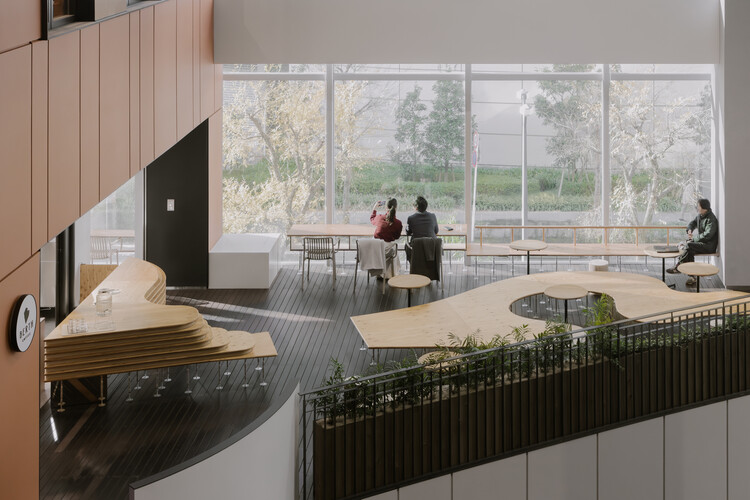
BERTH COFFEE Minatomirai / HAGISO




https://www.archdaily.com/1038655/berth-coffee-minatomiraiMiwa Negoro
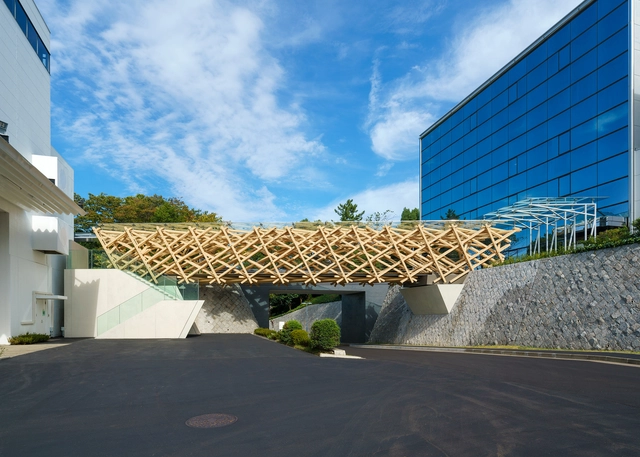
TAC.T BRIDGE / TAISEI DESIGN Planners Architects & Engineers
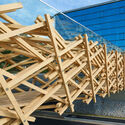
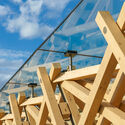
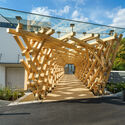
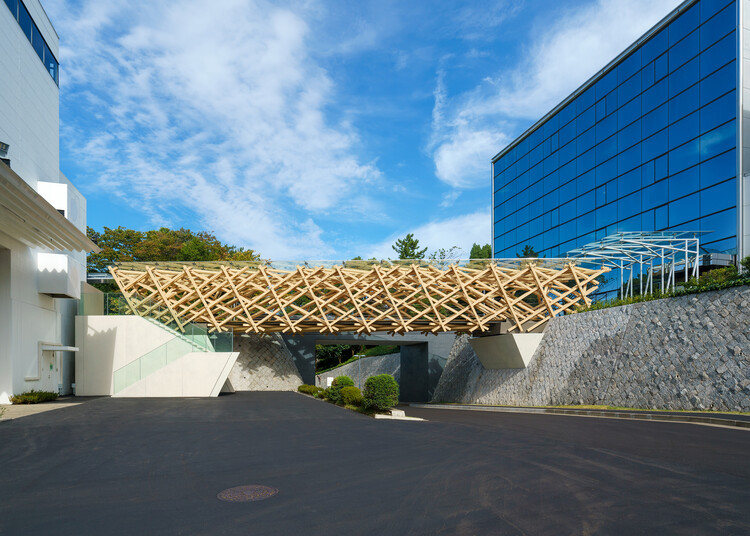
-
Architects: TAISEI DESIGN Planners Architects & Engineers
- Area: 102 m²
- Year: 2023
-
Manufacturers: Taisei Corporation
-
Professionals: Taisei Corporation
https://www.archdaily.com/1033409/tac-bridge-taisei-design-planners-architects-and-engineersPilar Caballero
Roovice Office / ROOVICE
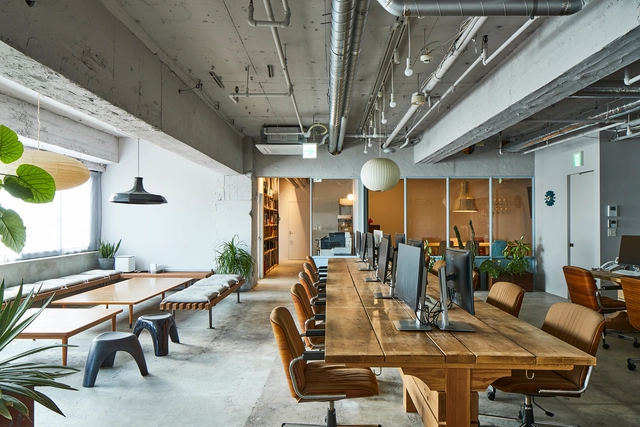


https://www.archdaily.com/984730/roovice-office-rooviceHana Abdel
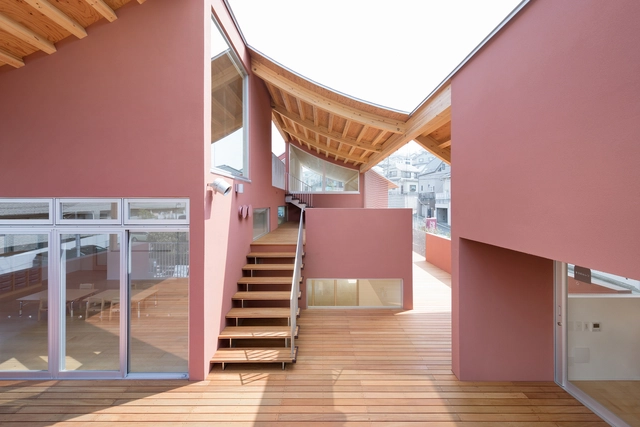
Komaoka Genkids Nursery School / Tomoyuki Kurokawa Architects

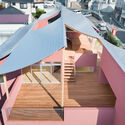

-
Architects: Tomoyuki Kurokawa Architects
- Area: 380 m²
- Year: 2018
-
Manufacturers: Aika, INAGAKI, Sangetsu, YKK AP Asia, woodyworld
-
Professionals: Ejiri Structural Engineers, FORM GIVING
https://www.archdaily.com/1020640/komaoka-genkids-nursery-school-tomoyuki-kurokawa-architectsPilar Caballero
House With Eight Light Courtyards / ha (hosaka hironobu architect associate)
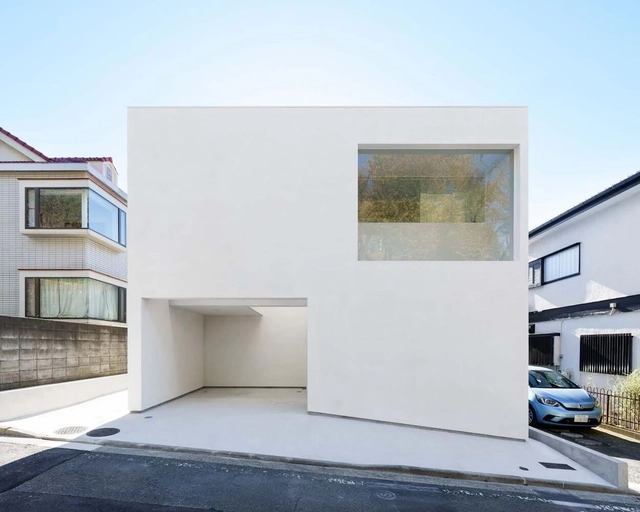


-
Architects: ha (hosaka hironobu architect associate)
- Area: 114 m²
- Year: 2023
-
Manufacturers: Dyna One, FUKKO, IOC
-
Professionals: yAt Structural Design Office, Building System Co., Ltd.
https://www.archdaily.com/1018711/house-with-eight-light-courtyards-haHana Abdel
Watch 2024 Pritzker Prize Winner Riken Yamamoto Explain his Creative Process and Architectural Journey
Last week, Japanese architect and social advocate, Riken Yamamoto, was selected as the 2024 Pritzker Architecture Prize Laureate, the 53rd honoree of the Pritzker Architecture Prize, and the ninth architect from Japan to receive this recognition. With a body of built works that spans five decades, ranging from private residences to large-scale housing complexes, educational institutions, and civic spaces, scattered around Japan, China, South Korea, and Switzerland, Yamamoto's architecture is focused on building community and blurring the boundaries between the public and private spheres. In a series of videos produced by the Pritzker Prize, the architect goes back to the fundamentals and discusses the threshold system, transparency, community, and the landscape.
https://www.archdaily.com/1014408/listen-to-2024-pritzker-prize-winner-riken-yamamoto-explain-his-creative-process-and-architectural-journeyChristele Harrouk
Japanese Architect Riken Yamamoto Receives the 2024 Pritzker Architecture Prize
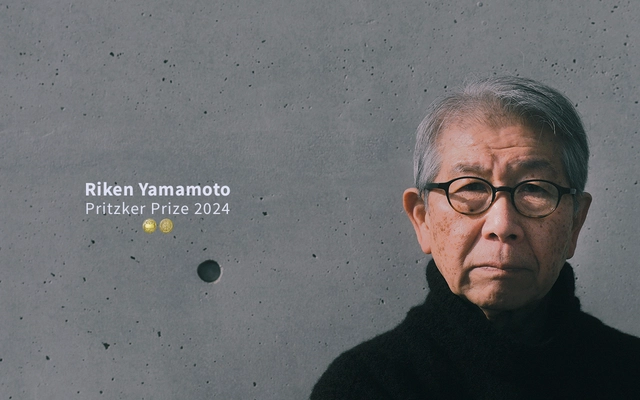
Japanese architect and social advocate, Riken Yamamoto, has been selected as the 2024 Pritzker Architecture Prize Laureate. Known for establishing a "kinship between public and private realms" and creating "architecture as background and foreground to everyday life," Yamamoto is the 53rd honoree of the Pritzker Architecture Prize and the ninth architect from Japan to receive this recognition, following Arata Isozaki, Shigeru Ban, Kazuyo Sejima, Ryue Nishizawa, Kenzō Tange, Fumihiko Maki, Toyo Ito and Tadao Ando. Succeeding David Chipperfield in 2023, Francis Kéré in 2022, and Anne Lacaton and Jean-Philippe Vassal in 2021, Yamamoto will receive the Pritzker Prize during the 46th Pritzker Prize ceremony in Chicago this spring, and the 2024 Laureate Lecture will be held at S.R. Crown Hall, Illinois Institute of Technology, in partnership with the Chicago Architecture Center, on May 16th.


https://www.archdaily.com/1014028/japanese-architect-riken-yamamoto-receives-the-2024-pritzker-architecture-prizeChristele Harrouk
House H / Shinsuke Fujii Architects
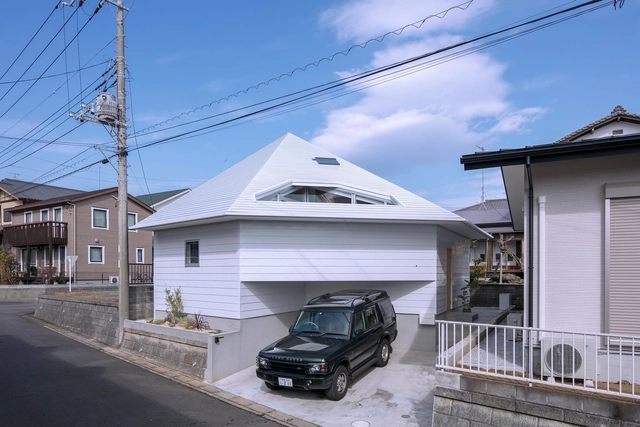


-
Architects: Shinsuke Fujii Architects
- Area: 88 m²
- Year: 2023
-
Manufacturers: Toto, Koizumi
-
Professionals: Ken Nagasaka Engineering Network, Yasuike Engineering Firm
https://www.archdaily.com/1013914/house-h-shinsuke-fujii-architectsHana Abdel
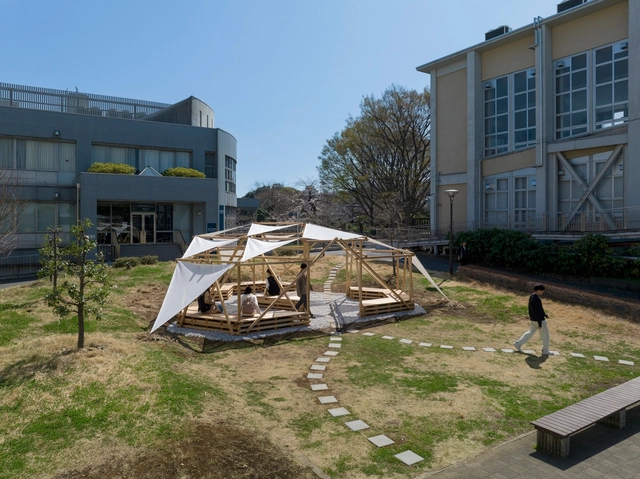
Hiyoshi Pavilion / Jorge Almazán + Keio University Studiolab



-
Architects: Jorge Almazán, Keio University Studiolab
- Area: 43 m²
- Year: 2023
-
Manufacturers: Mizumoto Machine, NISSA, TRUSCO, Teijin Co.,Ltd.
-
Professionals: Haseman Co., Ltd.
https://www.archdaily.com/1012160/hiyoshi-pavilion-jorge-almazan-plus-keio-university-studiolabHana Abdel
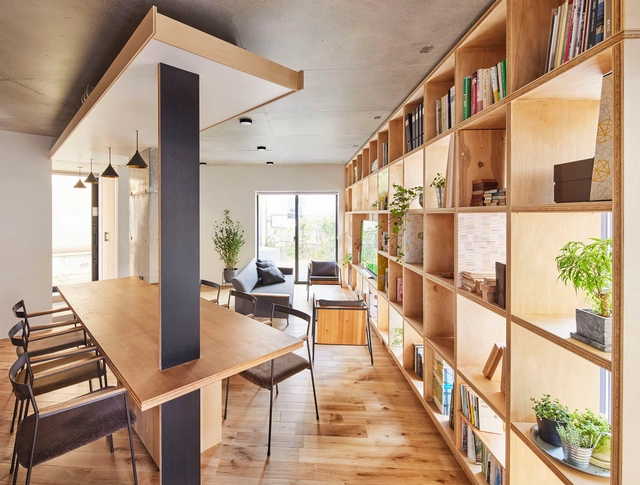
House with a Nostalgic Grid / Yasutaka Nakanishi


-
Architects: Yasutaka Nakanishi
- Area: 128 m²
- Year: 2021
-
Manufacturers: FLANGE plywood
https://www.archdaily.com/1011798/house-with-a-nostalgic-grid-yasutaka-nakanishiHana Abdel
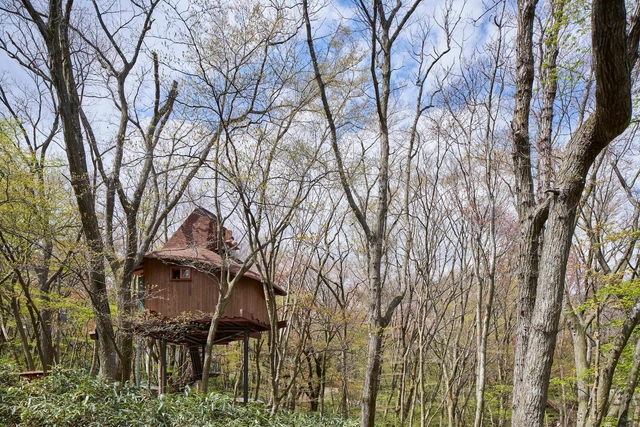
Tree Hut on Volcano / Hiroshi Nakamura & NAP




-
Architects: Hiroshi Nakamura & NAP
- Area: 19 m²
- Year: 2020
-
Professionals: Double Box
https://www.archdaily.com/1006909/tree-hut-on-volcano-hiroshi-nakamura-and-napHana Abdel
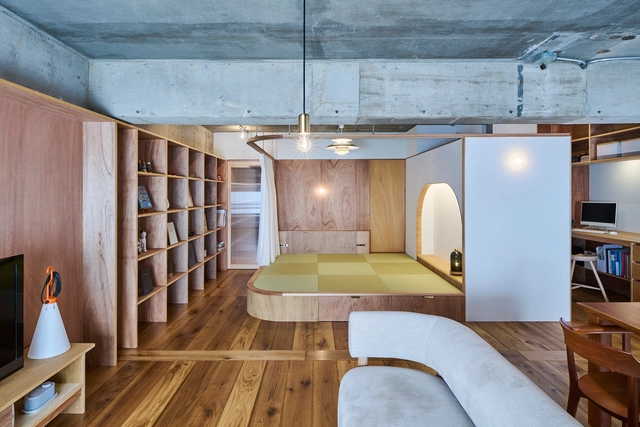
room206 Apartment / Daiki Awaya


-
Architects: Daiki Awaya
- Area: 75 m²
- Year: 2022
-
Manufacturers: FLOS, Louis Poulsen, Ikea, NEW LIGHT POTTERY
-
Professionals: ROOVICE
https://www.archdaily.com/995138/room206-apartment-daiki-awayaHana Abdel
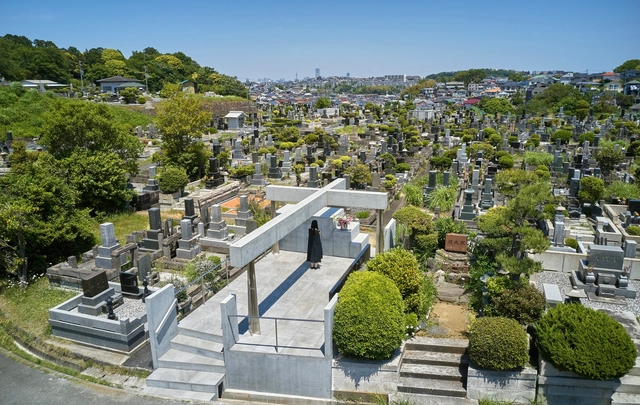
The Grave of Kamakura Yukinoshita Church / Takeshi Hosaka Architects


-
Architects: Takeshi Hosaka Architects
- Area: 28 m²
- Year: 2020
https://www.archdaily.com/992582/the-grave-of-kamakura-yukinoshita-church-takeshi-hosaka-architectsHana Abdel
Yokohama International School / TAISEI DESIGN Planners Architects & Engineers + Kengo Kuma & Associates
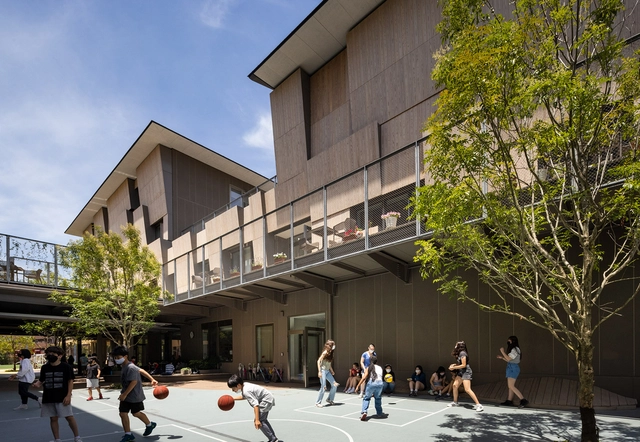


- Area: 14865 m²
- Year: 2021
-
Manufacturers: ABE KOGYO, Showa Yotal, Toto
-
Professionals: Taisei Corporation
https://www.archdaily.com/992579/yokohama-international-school-taisei-design-planners-architects-and-engineers-plus-kengo-kuma-and-associatesHana Abdel
House in Kataseyama / Tamotsu Teshima Architect & Associates
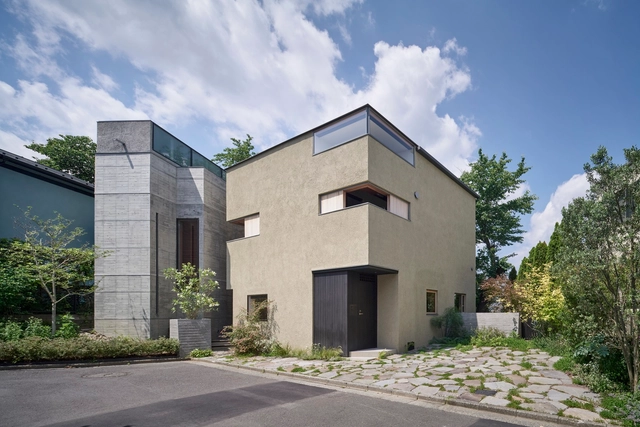




-
Architects: Tamotsu Teshima Architect & Associates
- Area: 170 m²
- Year: 2022
-
Manufacturers: Louis Poulsen
-
Professionals: KMC, Hashiuchi Landscape Design
https://www.archdaily.com/992520/house-in-kataseyama-tamotsu-teshima-architect-and-associatesHana Abdel
Mayuzuki Kimono Shop / Tsutsumi & Associates
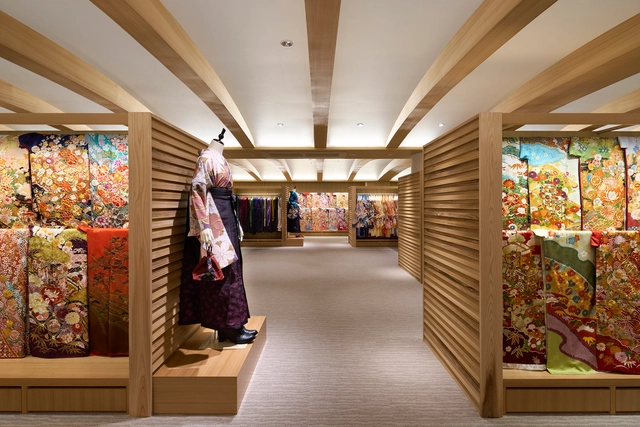


-
Architects: Tsutsumi & Associates
- Area: 275 m²
- Year: 2022
-
Manufacturers: Hoxan, Koizumi, Nihon Tamaishi, SAKAI Rib, Sangetsu, +4
-
Professionals: Tsutsumi & Associates, Ooibashi, Lightmoment co.,ltd
https://www.archdaily.com/987978/mayuzuki-store-tsutsumi-and-associatesHana Abdel