Produce personalized presentation boards that distill complex concepts into simple visual representations with a few helpful tools and effects.


Produce personalized presentation boards that distill complex concepts into simple visual representations with a few helpful tools and effects.
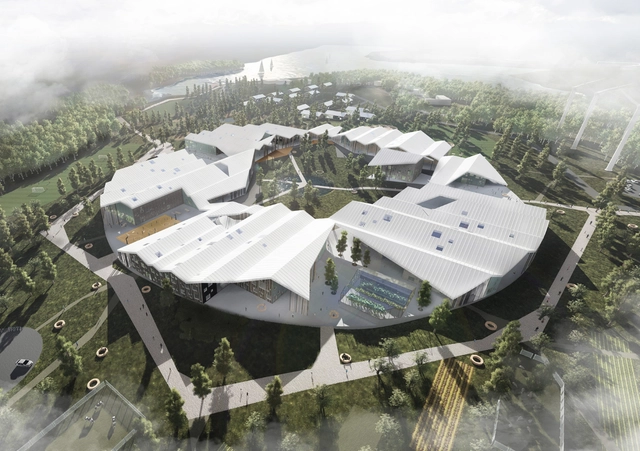
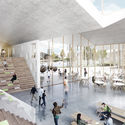
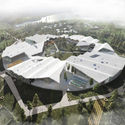
With high hopes of contributing to the reformation of Russia’s secondary schooling system, construction has begun on Smart School, a planned 31,000 meters square educational complex in Irkutsk, Siberia, which combines multi-use educational facilities, outdoor learning spaces, and housing developments for adoptive families. Designed by Danish firm CEBRA, the project was the winning proposal for the school’s international competition back in 2015, beating 48 other firms, including MVRDV and Sou Fujimoto Architects.
“Based on the program and principles of Smart School, an architectural concept has been developed which integrates buildings, a plot of land and the surrounding urban community into a complete, diverse and activating learning environment, a ‘school park’, explain the architects. “There is school life not only in specialized premises but also in open areas inside and around buildings."



Within the framework of the recent election of Malta to the Presidency of the Council of the European Union—a position that will be held through June 2017—architectural photographer Danica O. Kus has created a photo series detailing Renzo Piano Building Workshop’s Valletta City Gate in Malta.
Completed in 2014, the project is composed of four parts: the Valletta City Gate and site, an open-air theater “machine,” a Parliament building, and landscaped space. Experience the project in beautiful detail though the photo series, after the break.

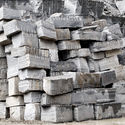
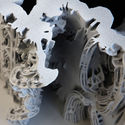
Following the success of their highly intricate Arabesque Wall, Benjamin Dillenburger and Michael Hansmeyer have once again achieved new levels of ornamental eye candy – this time, with a full-scale 3D printed grotto created from seven tons of sandstone. Commissioned by the Centre Pompidou in Paris, the grotto is an example of how the spatial expression of computational technologies can make for remarkable architectural experiences.
“Digital Grotesque II is a testament to and celebration of a new kind of architecture that leaves behind traditional paradigms of rationalization and standardization and instead emphasizes the viewer’s perception, evoking marvel, curiosity and bewilderment,” state Dillenburger and Hansmeyer.
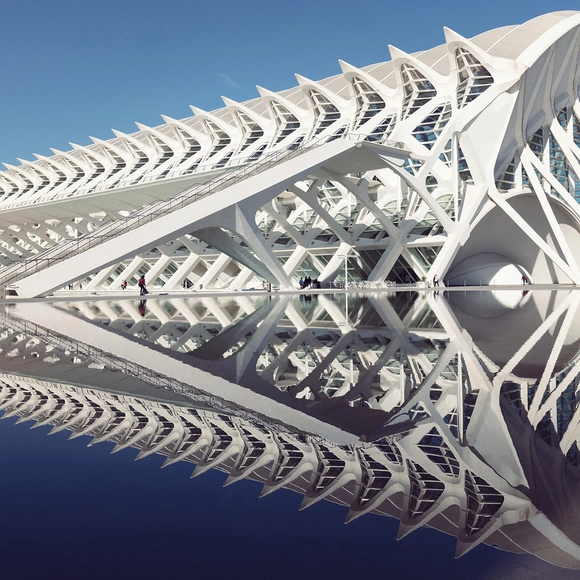
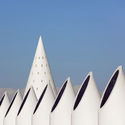
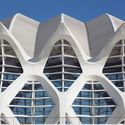
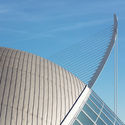
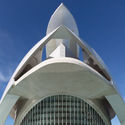
As a young boy, Santiago Calatrava's fascination with light in his native Valencia fueled his determination to draw, design, and eventually build. His Ciudad de Artes y Ciencias (City of Arts and Sciences) is a perfect example of the influence of the Valencian sun on the architect's work. The seven cultural buildings define a formal vocabulary all their own, with a dynamism between blanched curves and rhythmic visual patterns. So bright it almost glows on clear days, the materiality of the structures emphasizes the ability of light to outline the spatial relationships between Calatrava's shapes, and shift them as the sun moves through the sky.
In his most recent photo series, Sebastian Weiss has captured the tendency of the shapes of the City of Arts and Sciences to "complement each other and even merge to a harmonic unity," as the photographer himself puts it. The photos were originally featured on his Instagram, @le_blanc, and develop a new way of looking at the oft-photographed tourist spot. His images imagine the complex as a pulsating "light-space installation" of equally systematic and creature-like forms in constant conversation with one another. The series gives the sense of looking at different sections of a particularly beautiful beast—its ribs, underbelly, horns, etc.—captured within the complex's shallow pools.
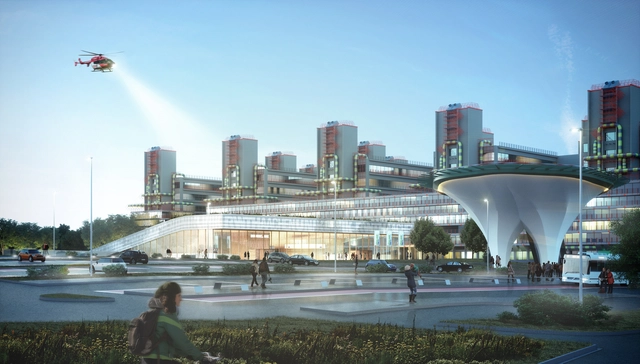
HENN and C.F. Møller Architects, of Berlin and Aarhus respectively, have jointly won an international competition to extend the iconic University Hospital RWTH Aachen in Germany. The winning entry, chosen amongst twelve others, responds to RWTH Aachen's existing listed 1970’s hospital with a partially-underground extension embedded in the landscape, seeking to minimize visual impact whilst creating lush green parkland for patients, staff, and the public.
.jpg.jpg?1490953296&format=webp&width=640&height=580)
Since 1953, the 160-mile (260 kilometer) strip of land along the Korean Peninsula's 38th parallel has served as a Demilitarized Zone between North and South Korea. The DMZ is more than a border; it's a heavily guarded, nearly four-mile-wide (6 kilometer) buffer zone between the two countries. Each military stays behind its own country's edge of the zone, perpetually awaiting potential conflict, and access to the interior of the zone itself is unyieldingly limited. Apart from the landmines and patrolling troops, the interior of the DMZ also holds thriving natural ecosystems that have been the subject of studies on what happens when wildlife is allowed to flourish in the absence of human contact.
In a competition that asked participants to design an underground bathhouse near the Kaesong Industrial Park, a (currently suspended) cooperative economic project that employs workers from both North and South Korea, research initiative Arch Out Loud imagined a DMZ that accommodates non-military structures that are typically seen as out of place in areas of such sensitivity and tension. The winning proposal by Studio M.R.D.O and Studio LAM utilizes the performative element of a bathhouse, where visitors are both audience members and actors, to the address the tensions—both geopolitical, from its surrounding environment, and personal, from the related emotions visitors carry with them—between both groups.
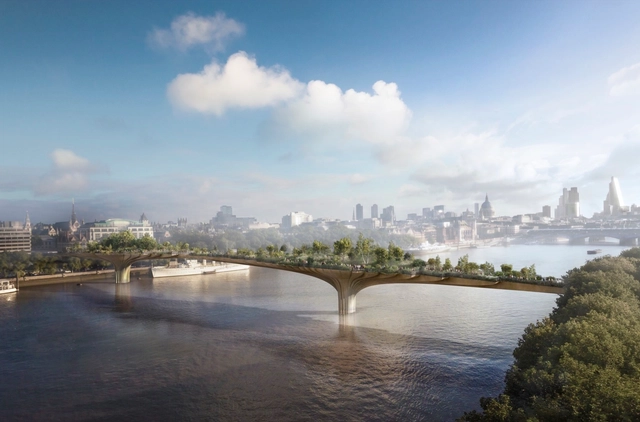
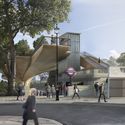
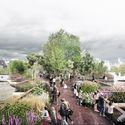
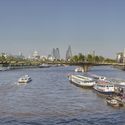
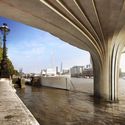
London’s troubled Garden Bridge proposal may have finally been dealt its final blow, after a new report by senior Labour MP Margaret Hodge concluded that the project should be cancelled now rather than risk pumping more public money into the controversial scheme. Conceived of by Thomas Heatherwick Studio in 2013 and approved by the Westminster Council in December of the following year, the over £46 million of public funding that has already gone toward the project would not be able to be recovered.
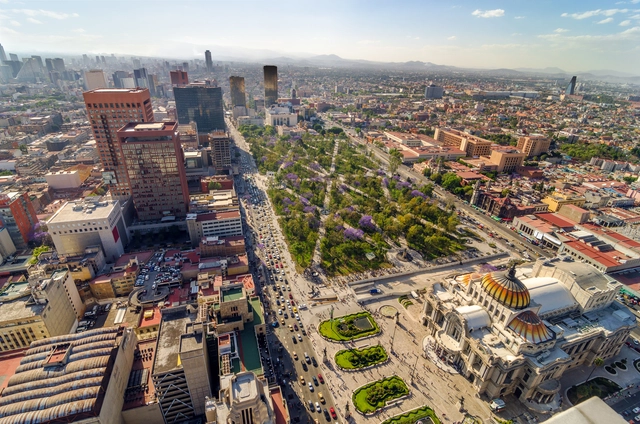
After being chosen as the winning city to be designated as the World Design Capital for 2018, Mexico City has revealed the theme of the year-long program of events and installations: Socially Responsible Design.
The announcement was made this week by Design Week Mexico, the country’s leading platform for design and architecture, at the 56th edition of the Salone del Mobile Milan, in collaboration with Abitare magazine.
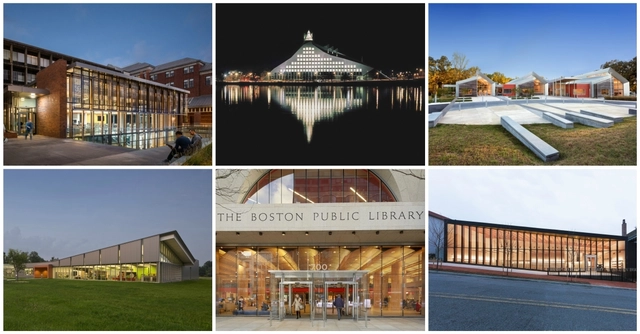
The American Institute of Architects (AIA) and the American Library Association (ALA) have selected eight projects as recipients of the 2017 AIA/ALA Library Building Awards. Founded to “encourage and recognize excellence in the architectural design of libraries,” the award draws attention to the changing role of libraries in society, and how exemplary community spaces can change to reflect the needs of their surrounding residents.
The eight winners of the 2017 AIA/ALA Library Building Awards are:
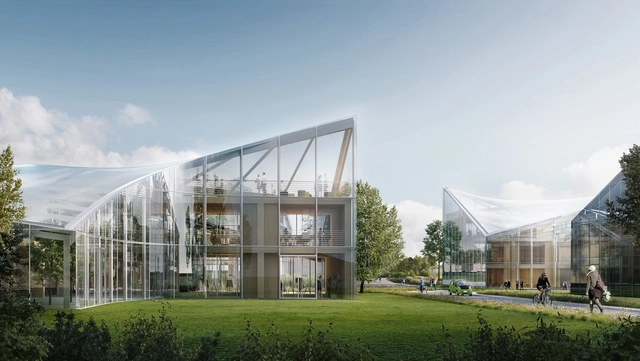
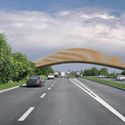
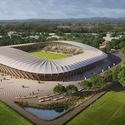
British green energy company Ecotricity has revealed plans for a new Zaha Hadid Architects-designed green technology hub in Stroud, England. The project, known as the “Gateway to Stroud,” will consist of several greenhouse-like buildings and a wooden footbridge that will connect the campus to the future all-wood stadium for the Forest Green Rovers football club, also designed by ZHA and revealed late last year.
Planned as a center for local sports and sports science, the ECO park will provide state-of-the-art office space for environmentally-focused companies as well as public access to a wide range of health and leisure activities.
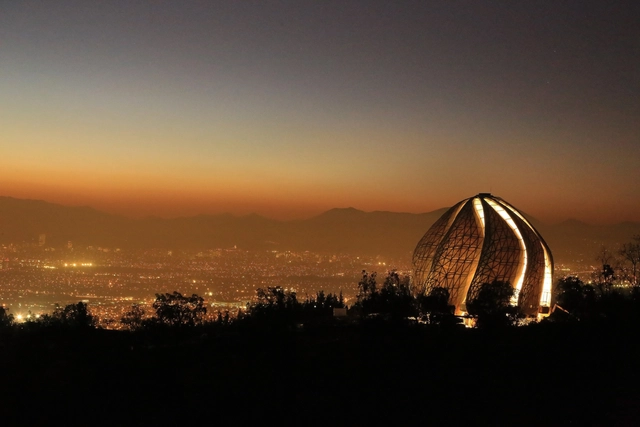
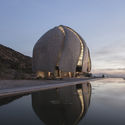
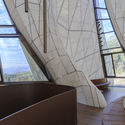
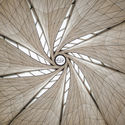
Toronto-based Hariri Pontarini Architects’ Bahá’í Temple of South America has won the 2017 Innovation in Architecture Award presented by the Royal Architectural Institute of Canada (RAIC).
Located in the foothills of the Andes Mountains outside Santiago, Chile, the domed building was designed and built using computer modeling, measuring, and fabrication software, as well as custom glass, all of which culminated in nine monumental veils that frame an open worship space for up to 600 visitors. Completed in 2016, the project took 14 years to realize.
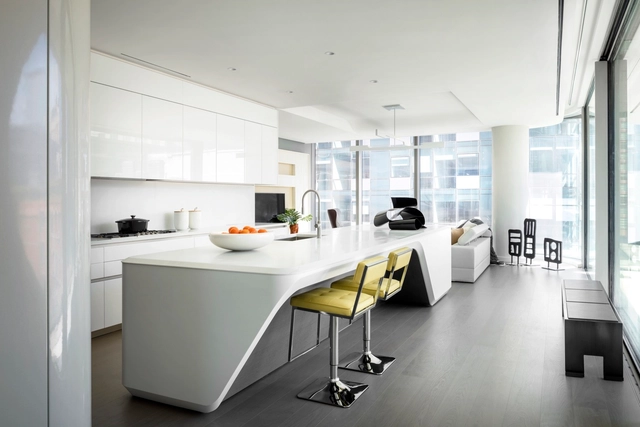
As Zaha Hadid’s 520 West 28th approaches completion, photos of the apartment interiors have been revealed for the first time. Shared by developer Related Companies, the images show two of the building’s first completed residences: the massive 4,500-square-foot Unit 20 and the more modest 1,700-square-foot Unit 12. The two units feature the interior built-ins and finishes designed by Hadid alongside interior design schemes envisioned by Jennifer Post and West Chin, respectively.
Lotte_Group.jpg?1491409215&format=webp&width=640&height=580)
KPF’s Lotte World Tower in Seoul, South Korea is officially complete, according to criteria established by the the Council on Tall Buildings and Urban Habitat (CTBUH). At 555 meters tall, the building becomes the tallest building in Korea (250 meters taller than the previous tallest building, Northeast Asia Trade Tower) and the world’s new 5th tallest building.
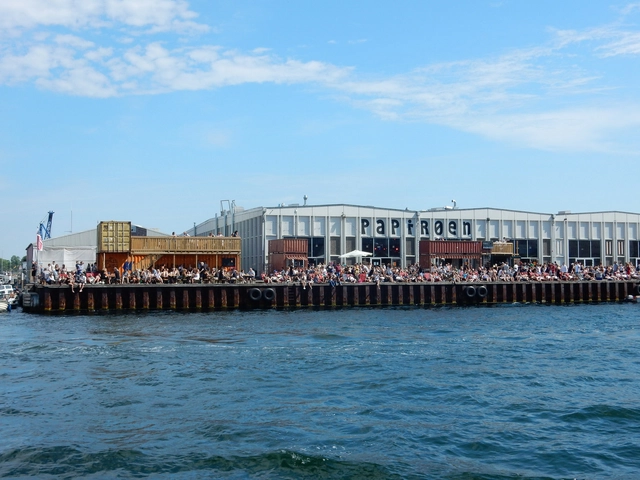
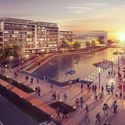
The city of Copenhagen have announced the shortlist of 5 firms that will compete for the design of a new aquatics center to be located on a prominent site in the Copenhagen Harbor. Planned for completion in 2021, the project will feature a 5,000-square-meter facility offering both indoor and outdoor swimming areas with views across the water to the Henning Larsen-designed Copenhagen Opera House.
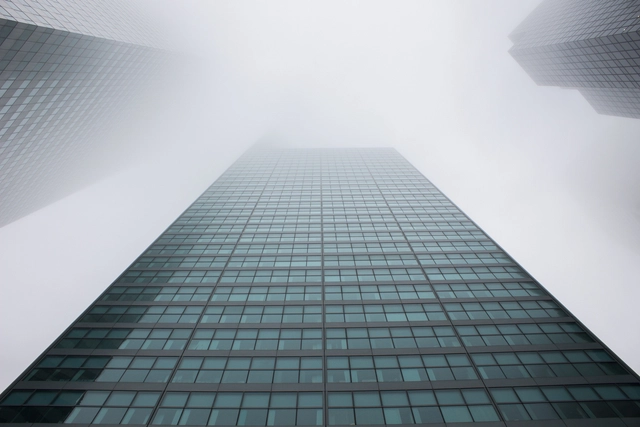
Have you been experiencing motion sickness, depression, sleepiness, and even fear, as you gaze out of your window from the 44th floor? If so, you may be prone to “Sick Building Syndrome” – the informal term for side effects caused by swaying skyscrapers, according to experts at the Universities of Bath and Exeter, who are launching a £7 million ($8.6 million) study into their causes and prevention through testing simulations.
“More and more people are living and working in high-rises and office blocks, but the true impact of vibrations on them is currently very poorly understood,” explained Alex Pavic, Professor of Vibration Engineering at the University of Exeter. “It will for the first time link structural motion, environmental conditions, and human body motion, psychology, and physiology in a fully controllable virtual environment.”
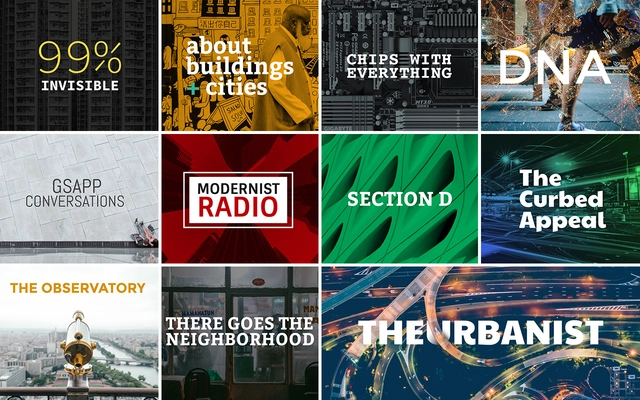
It can sometimes feel as if the world is divided into two camps: those who do not listen to podcasts (probably because they don’t know what a podcast is) and those who listen to podcasts, love podcasts, and keep badgering their friends for recommendations so they can start listening to even more.
Unlike other media, it’s notoriously difficult to discover and share podcasts – even more so if you’re looking for a podcast on a niche subject like architecture, design or urbanism. To help you in your hour of need, Metropolis’ Vanessa Quirk (author of Guide to Podcasting) and ArchDaily’s James Taylor-Foster (whose silvery tones you may have heard on various architecture and design audio stories) have come together to compile this list of eleven podcasts you should subscribe to.
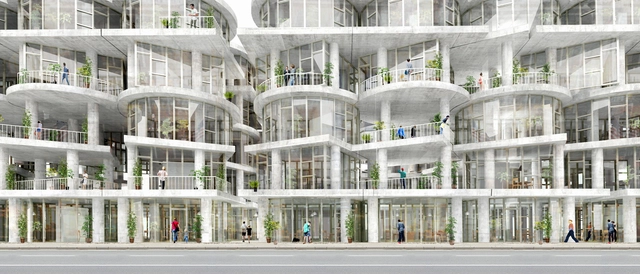
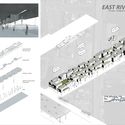
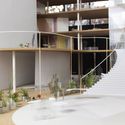
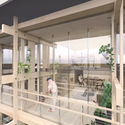
Bee Breeders have selected the winners of the New York Affordable Housing Challenge, inspired by barriers faced by the global population in our contemporary culture of housing scarcity and economic deprivation. The submissions provide various multifaceted architectural responses to scattered sites of various scales around New York City, “redefining the culture, economy, and experience of urban domesticity by means of space, material, morphology, or structure.”
Below are the winners of the New York Affordable Housing Challenge:
.jpg?1491327845&format=webp&width=640&height=580)
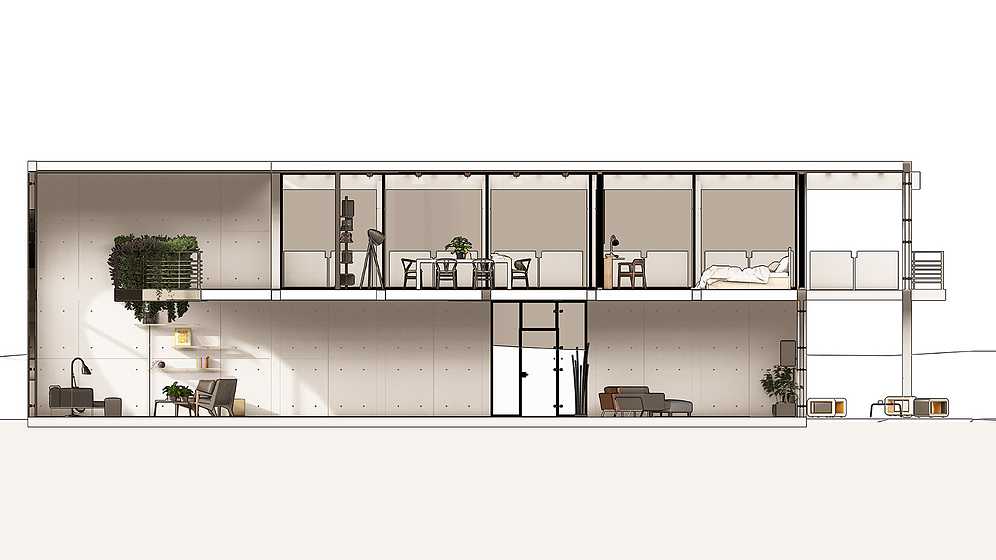
Cities around the world are facing a shortage of attractive housing options that use resources in a responsible, environmentally-positive manner. Looking to solve this challenge, New York-based firm SO-IL has teamed up with car manufacturer MINI to create MINI LIVING – Breathe, a “ forward-thinking interpretation of resource-conscious, shared city living within a compact footprint.
Now on display at the Milan Salone del Mobile 2017, the prototype structure is constructed of a translucent fabric membrane stretched across a modular metal frame that rises vertically from a previously unused 50-square-meter urban plot. Six rooms and a roof garden provide the space for flexible programmatic arrangements, adhering to the MINI LIVING principles of “Creative use of space” and “Minimal footprint.”
A clearer picture of this mornings fire in downtown #dubai. Lots of sirens, fire is still ongoing. Any info on this? #dubaifire pic.twitter.com/aYZ6O7Mo1A
— Anthea Ayache (@AntheaAyache) April 2, 2017
A fire has broken out at a construction site near the Dubai Mall and Burj Khalifa in the United Arab Emirates. At around 6:30 am (02:30 GMT), flames broke out in the lower levels of the Address Residences Fountain Views towers, a complex of three towers, each 60 floors in height, being built by Dubai developer Emaar Properties.
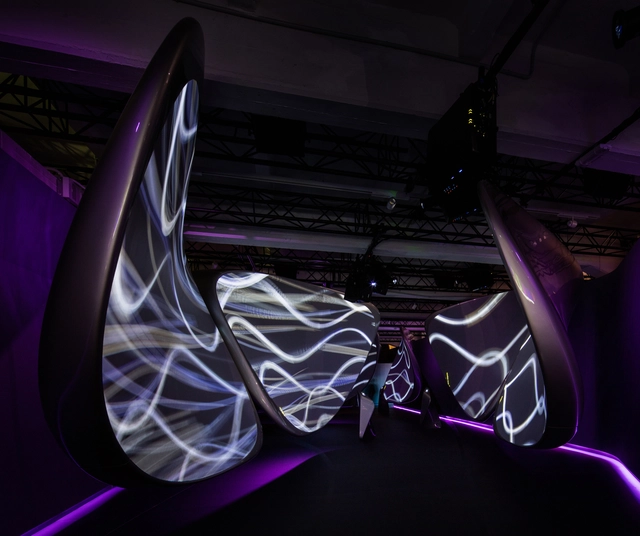
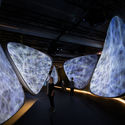
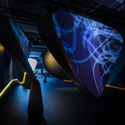
Zaha Hadid Architects has collaborated with Samsung and digital art and design collective Universal Everything to create an immersive technology installation at the 2017 Milan Design Week, taking place this week in the Italian city. Named ‘Unconfined,’ the pavilion will showcase Samsung’s new Galaxy S8 smartphone by leading visitors through an immersive environment inspired by the device.


.jpg?1491249084&format=webp&width=640&height=580)
BIG’s Serpentine Pavilion is headed to North America, with plans for stops in New York and Toronto on its way to a new permanent home in downtown Vancouver. Purchased by Canadian developer Westbank, who also sponsored the project in 2016, the pavilion will come to a rest on a site adjacent to the company’s headquarters in Shaw Tower, spitting distance from the waterfront plaza where the 2010 Olympic cauldron is located.

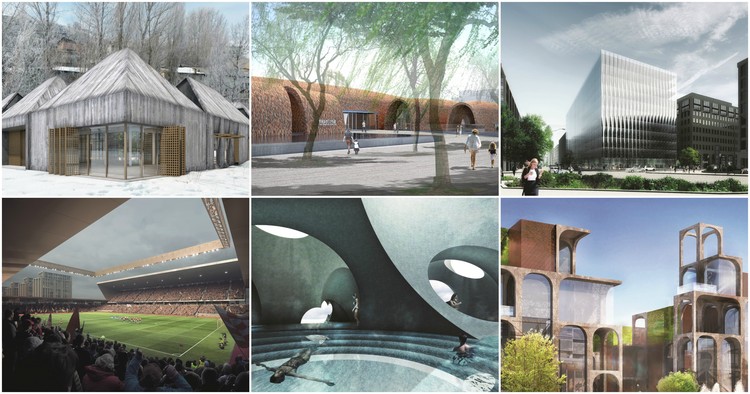
The winners of the 2017 Architectural Review MIPIM Future Project Awards have been announced. Prizes span across 11 categories and were awarded to projects from eight countries, from projects under construction to competition entries and conceptual designs.
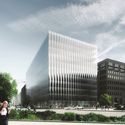
"Successful projects this year include a thermal bath and resort in the Baltic, a new ecclesiastical library for the Church of England, a rural women’s community center in Turkey and a ‘dematerializing’ office building in the US Capitol city, all demonstrating the dynamism and creativity at the heart of the architectural professional internationally," explained the awards organizers in a press release.
The winners of the 2017 Architectural Review MIPIM Future Project Awards are:
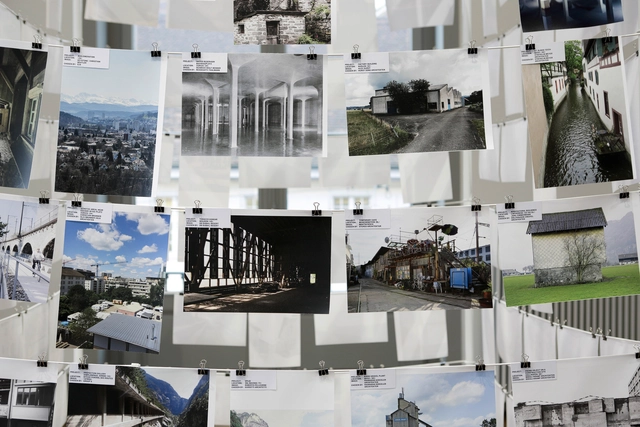
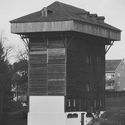
In one of his 1922 travel essays for the Toronto Star Ernest Hemingway wrote, in a typically thewy tone, of “a small, steep country, much more up and down than sideways and all stuck over with large brown hotels built [in] the cuckoo style of architecture.” This was his Switzerland: a country cornered in the heartland of Europe and yet distant from so much of its history. A nation which, for better or worse and particularly over the course of the 20th Century, has cultivated and become subject to a singularly one-dimensional reputation when it comes to architectural culture and the built environment.
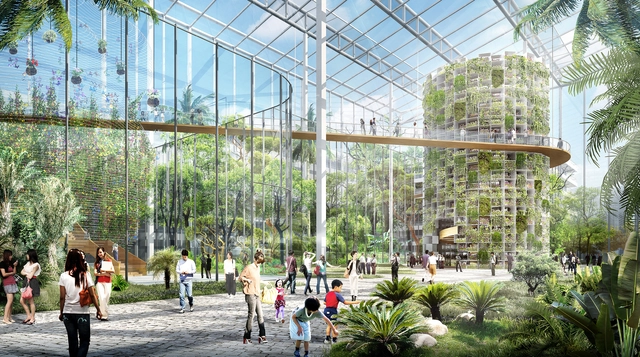
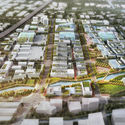
With nearly 24 million inhabitants to feed and a decline in the availability and quality of agricultural land, the Chinese megacity of Shanghai is set to realize the Sunqiao Urban Agricultural District, a 100-hectare masterplan designed by US-based firm Sasaki Associates. Situated between Shanghai’s main international airport and the city center, Sunqiao will introduce large-scale vertical farming to the city of soaring skyscrapers. While primarily responding to the growing agricultural demand in the region, Sasaki’s vision goes further, using urban farming as a dynamic living laboratory for innovation, interaction, and education.



















.jpg?1491327852 "© Laurian Ghinitoiu")
.jpg?1491327860 "© Laurian Ghinitoiu")
.jpg?1491327869 "© Laurian Ghinitoiu")
.jpg?1491327876 "© Laurian Ghinitoiu")
.jpg?1491327845)
.jpg?1491249078 "The pavilion's new location adjacent to Shaw Tower in Vancouver. Image Courtesy of Westbank")
.jpg?1491249065 "The pavilion in its original location at Kensington Gardens. Image Courtesy of Westbank")
.jpg?1491249058 "The pavilion in its original location at Kensington Gardens. Image Courtesy of Westbank")
.jpg?1491249071 "The pavilion in its original location at Kensington Gardens. Image Courtesy of Westbank")
.jpg?1491249084)