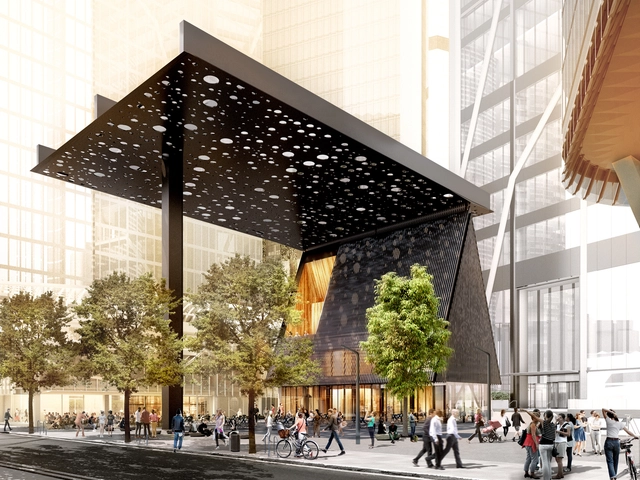
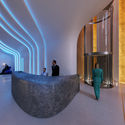
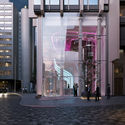
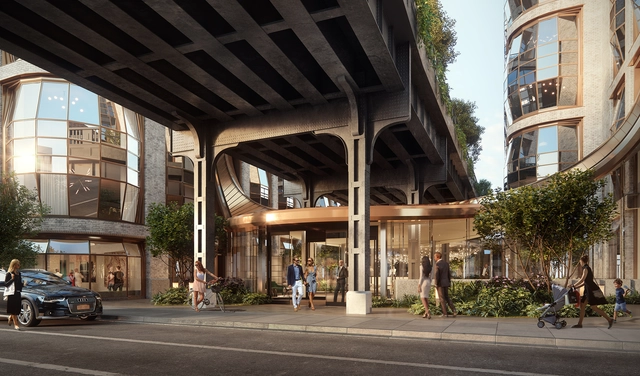
Heatherwick Studio offered a first look at the freestanding glass lobby pavilion at Lantern House, the firm’s first residential building in the United States. The project consists of 2 volumes, an east structure standing at 10-stories and a west structure standing at 22-stories, connected under the High Line.
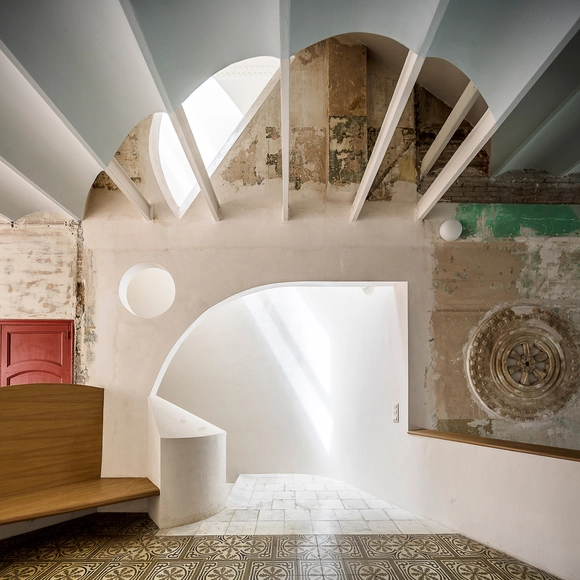
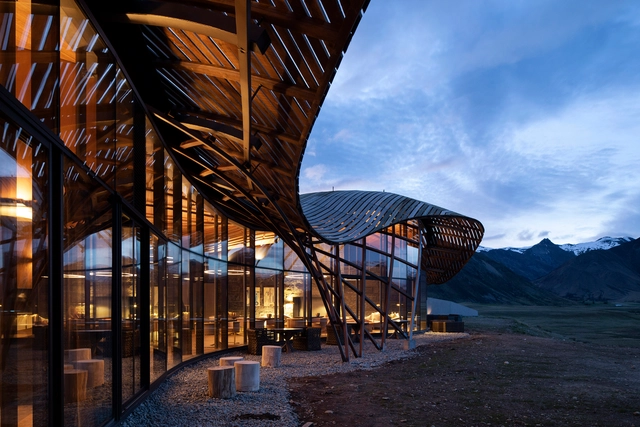
The Architectural Review has announced that Sala Beckett by Flores & Prats is the winner of the 2019 AR New into Old awards. The project was selected by a panel of judges for its inventive re-use, and it was awarded alongside two Highly Commended and three Commended buildings for sustainable alternatives to building anew. The AR New into Old awards celebrate the creative ways buildings are adapted and remodeled to welcome new contemporary uses.
Courtesy of United Nations Development Programme (UNDP)
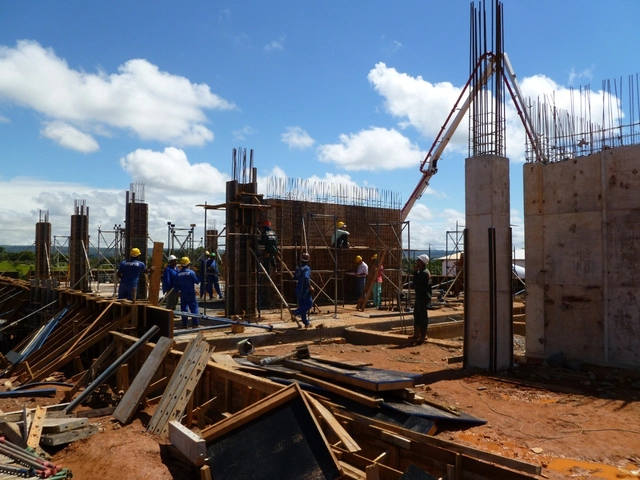
Growing concern over the use of natural resources in architecture has drawn increasing attention from professionals and researchers, pointing toward a future where architects must not only design but also facilitate the decommissioning and recycling of buildings. Against this backdrop, raising awareness about water waste on construction sites has become a major priority—an issue addressed in a recently launched guide by the São Paulo State Construction Industry Association (SindusCon-SP), Caixa Econômica Federal, and the United Nations Development Programme (UNDP).
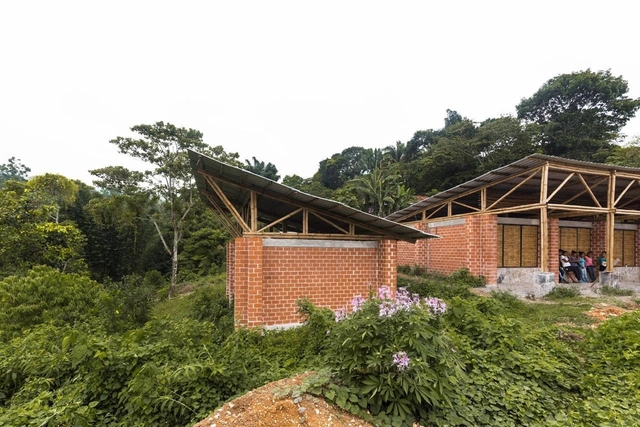
The Mexican architecture firm Comunal Taller de Arquitectura has been announced as the winner of the 2019 AR Emerging Architecture awards, alongside two highly commended practices—Estudio MMX and Estúdio Gustavo Utrabo—and the joint winners of the Peter Davey Prize, TAKA Architects and Clancy Moore Architects.
Cortesía de AGRA Anzellini Garcia-Reyes Arquitectos
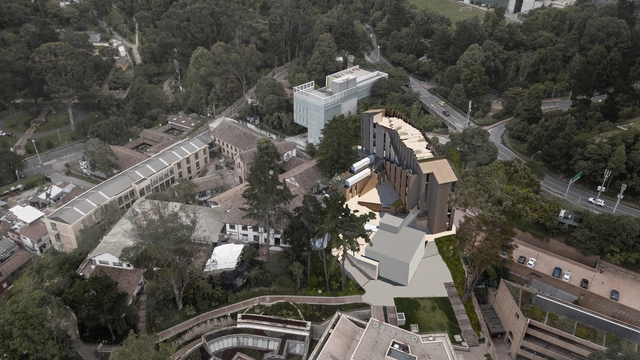
The Universidad de los Andes has announced the results of the private competition for the Ensamble Building - new Block P, with Stefano Anzellini – AGRA Anzellini García-Reyes Arquitectos emerging as the winner. Discover the five finalist proposals below.
Architecture studio theMAAK has unveiled a new installation as part of the 2019 experimental Design & Make program Follies in the Veld (FITV) in Cape Town, South Africa. The team worked with makers and the community to collectively design and build a large scale ‘Folly’. Each year, a specific site and a unique material is used as the departure point for the hands-on creative program.
Artist Patrícia Golombek celebrates some of the most iconic pillars of modern Brazilian architecture in her series of acrylic on canvas paintings titled Brazilian Columns of the 20th Century, on display at the Espace Meyer-Zafra gallery as part of Art Miami.
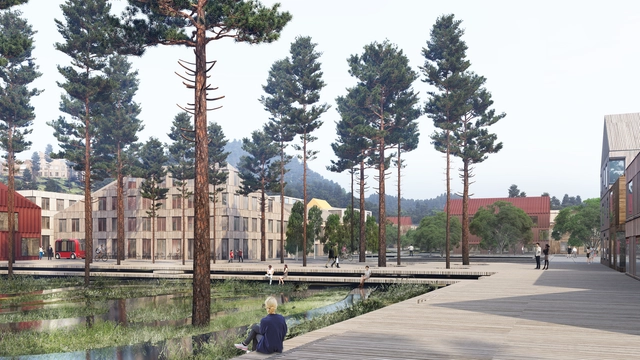
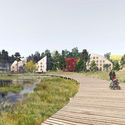
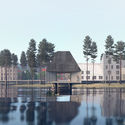
Along with the municipality of Larvik, Mad Arkitekter has proposed new development plans for Martineåsen, a future new district west of Larvik City Center. The project celebrates the natural context of the site while creating a small-town community with all required amenities, within walking distance.
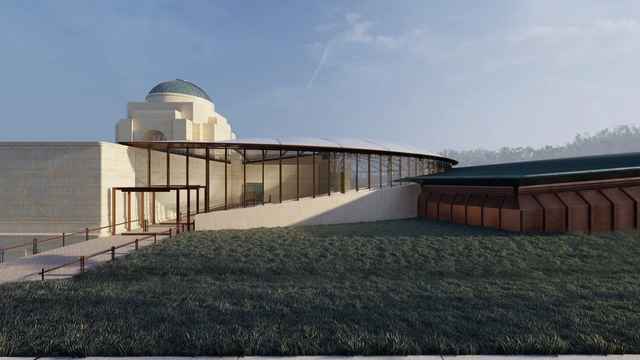
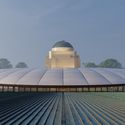
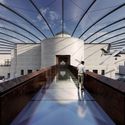
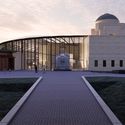
The AWM or the Australian War Memorial will undergo a series of development and refurbishments works, in order to renovate its galleries and its buildings. COX architecture will design the new Anzac Hall with its connection to the main structure, while Scott Carver will be in charge of the southern entrance.
The safety app Malalai, created by architect and urban planner Priscila Gama to make cities and various modes of transportation safer for women, was the main honoree of the GOL Novos Tempos award. The award celebrates initiatives aimed at democratizing mobility.
As the world’s biggest architectural awards program, WAF 2019 brings together more than 2,000 architects and designers to Amsterdam for three days of conference programs, awards, and exhibition events from December 4-6.
As the event's Premier Media Partner, we are happy to announce today's programme of WAF and invite our readers to listen in through the live stream featured below. Read on to learn more about today's lectures and keynote addresses at the Main Stage of the Festival.
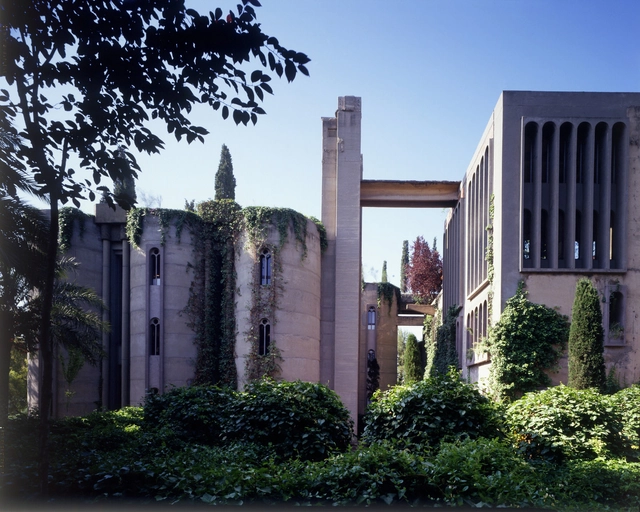
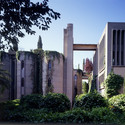
Ricardo Bofill (born 5 December 1939), a graduate of the Barcelona University School of Architecture and the School of Geneva, and the founder of interdisciplinary firm Taller de Arquitectura, is renowned for his extensive body of work and ever-changing design aesthetic. His career has spanned over 50 years, encompassing more than 1000 buildings in cities ranging from Lisbon and Boston to Tokyo and St. Petersburg. His architectural approach has evolved over the decades and has permeated dozens of countries worldwide.
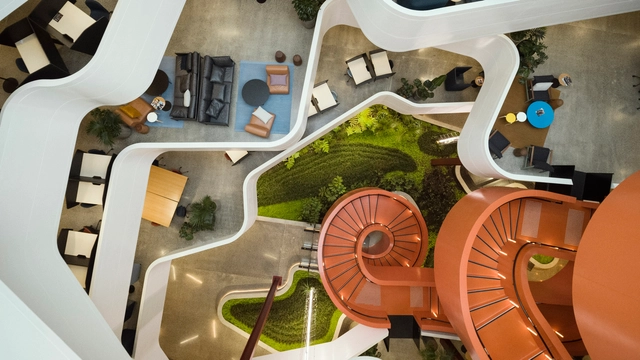
As the first day of the World Architecture Festival 2019 is coming to an end, we are happy to announce the winners of the sections already reviewed by the jury. Read on for the winning projects of the INSIDE, FUTURE PROJECTS and COMPLETED categories, among which are works by Heathewick Studio, Büro Happold, Nextoffice and many others.
https://www.archdaily.com/929658/waf-2019-day-1-winners-announcedAD Editorial Team
The City of Sydney has chosen Adjaye Associates and contemporary Aboriginal artist Daniel Boyd to design a new public square, plaza building, and public artwork. The project attempts to uncover the lost history of the site, reconcile cultures and define identities.
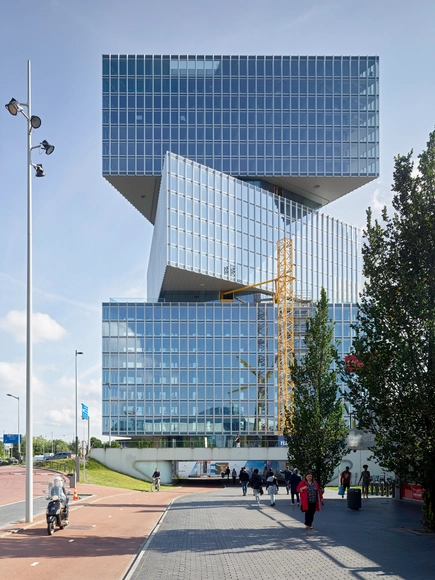
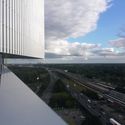
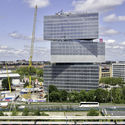
OMA have completed their construction works on their latest addition to the Dutch Skyline. The building composed of stacked three shifted triangular volumes will host the Nhow Amsterdam RAI Hotel, expected to become the largest hotel of the Benelux union once inaugurated.
MVRDV and Jaarbeurs have designed a new master plan and green roof for Utrecht’s exhibition, event, and conference center in the Netherlands. MVRDV founding partner Winy Maas described the project's goal as creating “a garden in the city.” The new Jaarbeurs is designed to be a sustainable building that opens in all directions, and an accessible green roof will descend to ground level via cascading terraces.
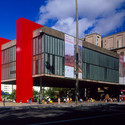
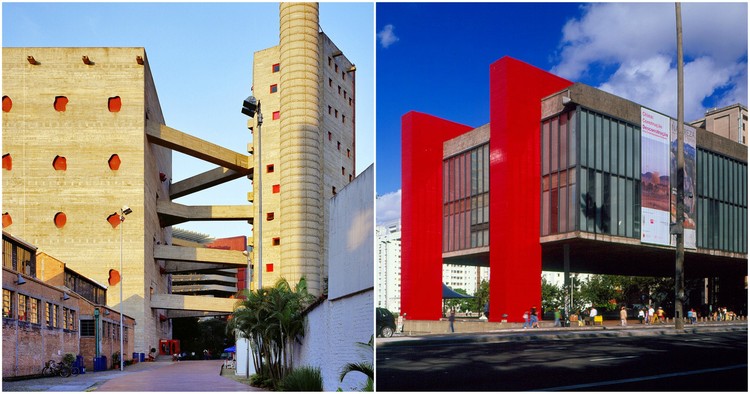
Lina Bo Bardi (December 4, 1914 – March 20, 1992) was one of the most important and expressive architects of 20th century Brazilian architecture. Born in Italy as Lina Achillina Bo, she studied architecture at the University of Rome, moving to Milan after graduation. In Milan, Bo Bardi collaborated with Gio Ponti, and later become editor of the magazine Quiaderni di Domus.
With her office destroyed in World War II Bo Bardi, along with Bruno Zevi, founded the publication A Cultura della Vita. As a member of the Italian Communist Party, she met the critic and art historian Pietro Maria Bardi, with whom she would move permanently to Brazil.
Hello WoodArgentina, the creative, professional, and social program that aims to teach thinking with one's hands, has announced the 10 projects designed by architects, designers, artists, professionals, and academics that will be part of its fourth edition. The event will take place in March 2020 in the Municipality of Ceibas, Entre Ríos Province.
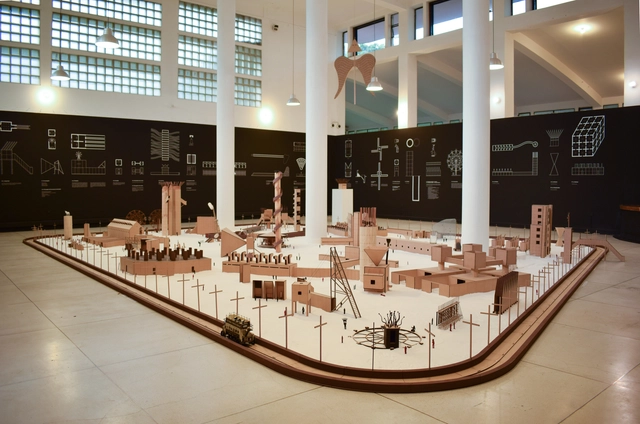
The exhibition Victims: A Work by John Hejdukmaterializes the unbuilt work of the New York architect, presented here for the first time by the Leopoldo Rother Architecture Museum at the National University of Colombia. Alongside the scale model of the project, the 67 figures are accompanied by narratives, illustrations, and a short film titled Structures of a Wound.
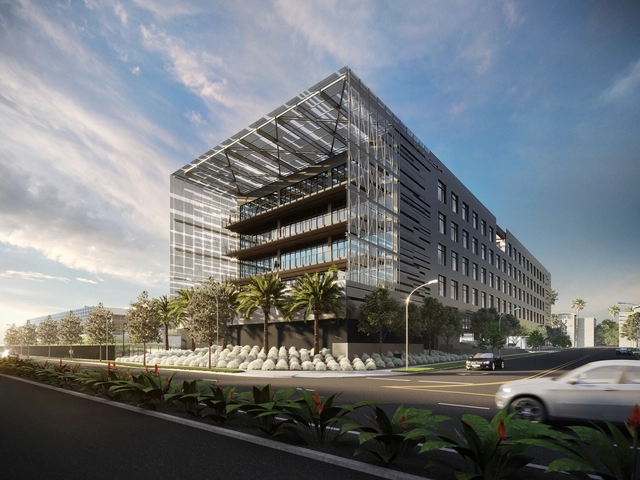
SPF:architects has topped out construction on WE3 at Water’s Edge, a six-story creative office building in Playa Vista. The 183,000 square foot structure along Silicon Beach encompasses four floors of open creative workspace, with upper floors of the structure wrapped in a “floating” perforated aluminum skin.
Projeto "Um lugar para todas". Autoria de Laura D Valdivieso e Marta Benito. Image Cortesia de Instituto Tomie Ohtake
The Tomie Ohtake Institute has announced the 15 projects selected for the 2nd Tomie Ohtake Institute Leroy Merlin Design Award. This edition's theme, CIRCULAR, prompted proposals and discussions on the word as a form, and as a synonym for displacement, movement, communication, exchange, renewal, and sustainability, among other interpretations.
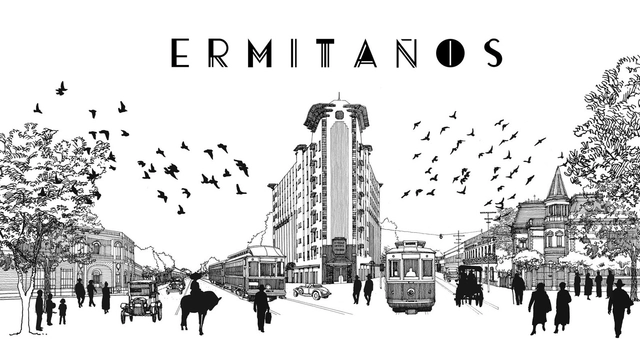
Designed by architect Juan Segura and built in 1930, the Ermita Building in Mexico City is considered one of the most influential works of Mexican architecture from the first half of the 20th century. From its inception, it was one of the first buildings to incorporate mixed-use spaces, featuring ground-floor retail, a cinema, and apartments of various sizes.
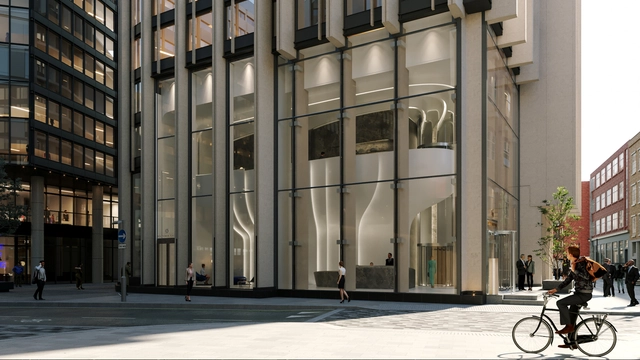
Zaha Hadid Architects partnered up with Southbank Tower, for the company's first interior refurbishment project, in order to renovate the building’s lobby. The office structure, designed by Richard Seifert in 1972, had already gone through massive renovation works, led by KPF in 2015.








.jpg?1575319539&format=webp&width=640&height=580)
.jpg?1575319570 "© Sophie Zimmermann")
.jpg?1575318965 "© Ella Petousis")


.jpg?1575319539)