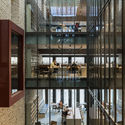
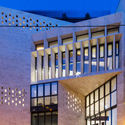
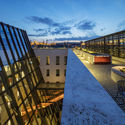
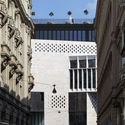
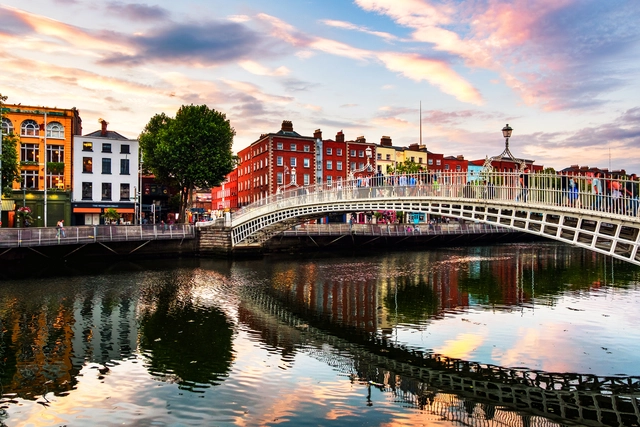
Dublin is one of the world’s most beloved cities. The Irish capital welcomes over 5.6 million tourists every year from around the world, seeking out the city’s red brick rows, cobblestone streets, and lush green parklands.
Dublin has good reason for being on any architect’s travel list. Modest Georgian tenements, sensitively altered by local architects, stand alongside major civil and public works by some of the world’s most renowned international firms, while warm art nouveau and art deco cafes sit alongside the sleek, modern headquarters of the world’s largest tech firms.
https://www.archdaily.com/904358/an-architectural-guide-to-dublin-30-things-to-see-and-do-in-irelands-capitalNiall Patrick Walsh
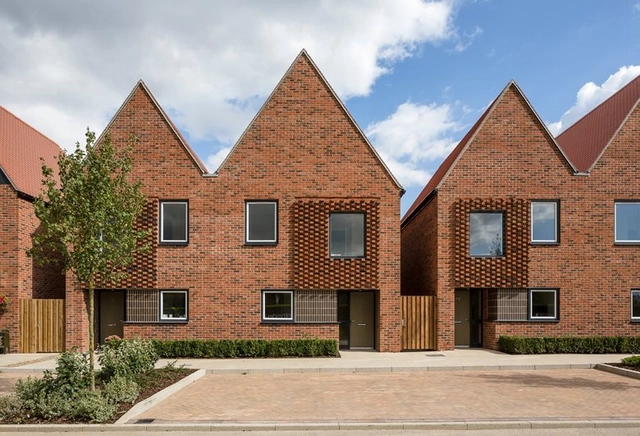
The RIBA's ‘Ten Characteristics of Places Where People Want to Live’ combines a series of case studies that illustrate components of contemporary community housing design. This study was completed to identify and analyze specific, successful elements of past projects that can be easily incorporated into future projects not only in England but also internationally.
The study hopes to demonstrate to its readers the relationship between design quality and the rate of supply in the delivery of much needed well-built affordable housing. Each building example illustrates how appealing and successful design can be easily replicated.
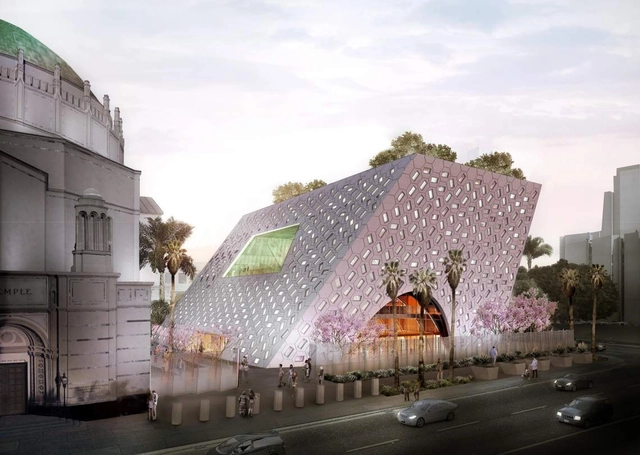
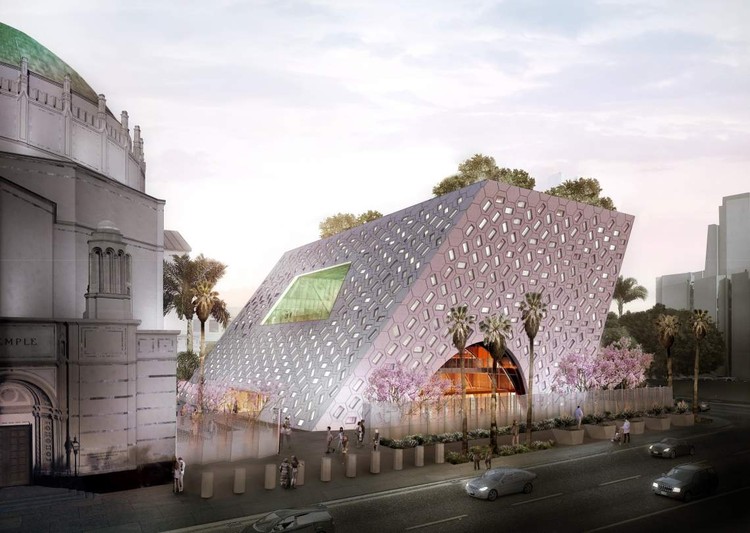
OMA will be breaking ground on their new design for Wilshire Boulevard Temple's expansion next month. The groundbreaking for the new Audrey Irmas Pavilion is scheduled for November 11. The $75-million project was designed by OMA partners Shohei Shigematsu and Rem Koolhaas. The three-story expansion will include space for the temple congregation, surrounding neighborhood and supportive services.
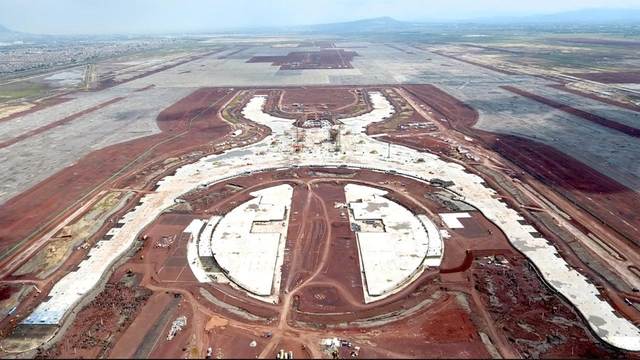
Following his election a few months ago, the current president-elect of Mexico, Andrés Manuel López Obrador, announced that a referendum would be held to determine whether or not the government should proceed with the Foster + Partners and FR-EE's proposed 13 billion dollar project for the International Airport of the Mexico City.
Making good on his campaign promise, a public vote on the project's fate was held from 25-28 October, asking citizens to answer the following question: Given the saturation of the International Airport of Mexico City, which option do you think will be best for the country? The two options given to voters were:
"Recondition the current airport in Mexico City, Toluca and build two runways at the Santa Lucia Air Base"
"Continue with the construction of the new airport in Texcoco and cease operations of the current International Airport of Mexico City."
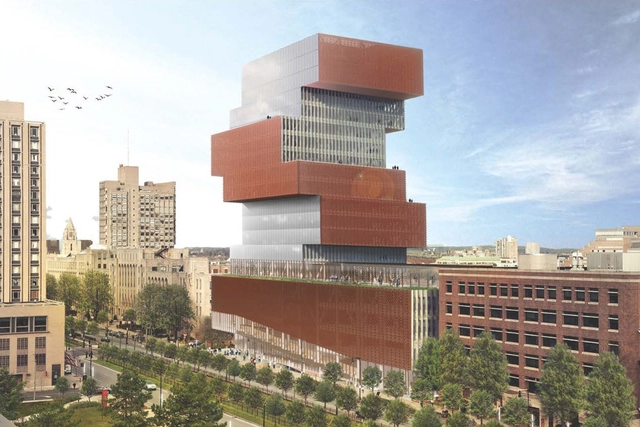
Data Sciences Center. Image Courtesy of KPMB Architects
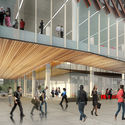
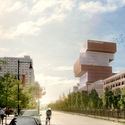
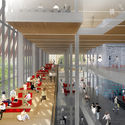
KPMB Architects have released a design to construct a 17-floor tower for Boston University's new Data Sciences Center. Located on the university’s main Charles River campus, the project will become the tallest building at the university. The vertical design was made to bring together the mathematics, computer science and statistics departments under one roof. Overlooking the Boston skyline and the Charles River, the stacked design will become a new landmark for Boston University.
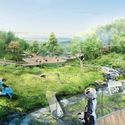
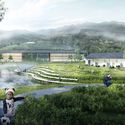
Sasaki has unveiled images of their proposed Chengdu Panda Reserve in China, intended to aid wildlife preservation efforts of the Chinese cultural icon. The masterplan for the reserve represents the launch of “China’s increasing communication, collaboration, and awareness of its pioneering strategies to protect the species and its native habitat.”
With only 1,800 left in the wild, the giant panda is one of the most vulnerable species on earth, and are native to only one region in the world: an area of western China near Chengdu. As one of the fastest-growing cities in the world, Chengdu’s rapid urbanization will yield to a 69-square-kilometer reserve, providing a framework for the protection of endangered species worldwide.
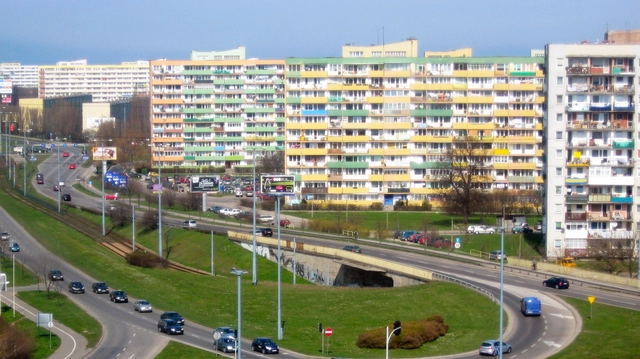
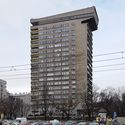
To strip a city of its architecture is to erase its history altogether. Despite a widespread public distaste for Brutalism, the brutalist era in architecture often went hand in hand with political movements promising an egalitarian vision in post-Stalinist Poland. What may now be considered austere and overbearing was originally intended to be anything but; the buildings today carry both an appreciation for their legacy and the burden of unwanted memories.
In a recent article in the New York Times, writer Akash Kapur documents his visit to Poland, bringing readers into his experiences and observations of this complex response to Polish architecture. From sharing its history to short anecdotes from interviews, the piece postulates whether these relics can become alive again.
The Fondation Le Corbusier has celebrated its 50th anniversary with the unveiling of a restored apartment originally designed by the famous architect. The studio apartment on Nungesser-et-Coli in Paris was designed by Le Corbusier in 1931 for his own habitation and was completed in 1934.
The apartment underwent two years of restoration following its listing as a classified world heritage site in 2016 and is now open to the public.
https://www.archdaily.com/904426/le-corbusiers-restored-parisian-apartment-opened-to-the-publicNiall Patrick Walsh
For young creatives, curious explorers, or simply multitaskers, The Midnight Charette's weekly podcasts provide a provocative and entertaining take on design and architectural discourse. Hosted by David Lee and Marina Bourderonnet, the segments aim to explore ideas beyond everyday conversation and engage with a multitude of individuals in the design field.
In their recent discussion featuring Marc Neveu, the Executive Editor of the Journal of Architectural Education(JAE)and head of the Architecture Program at Arizona State University (ASU), the duo covers a broad range of topics related to professional practice and architectural pedagogies.
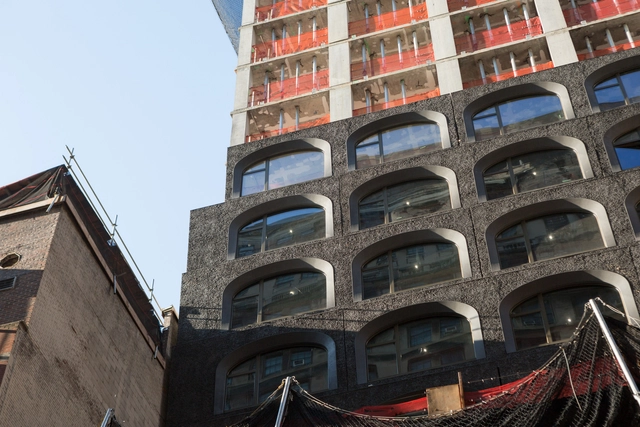
Adjaye Associates‘ 130 William Street residential tower in Lower Manhattan has begun installation of the building facade. As New York YIMBY reports, last week the hand-cast concrete arches started getting installed. Made to recall New York City’s historic fabric from the 19th and early 20th centuries, the facade was designed around an eclectic material and color palette. Once finished, the tower will include 244 new luxury condominiums in the Financial District.
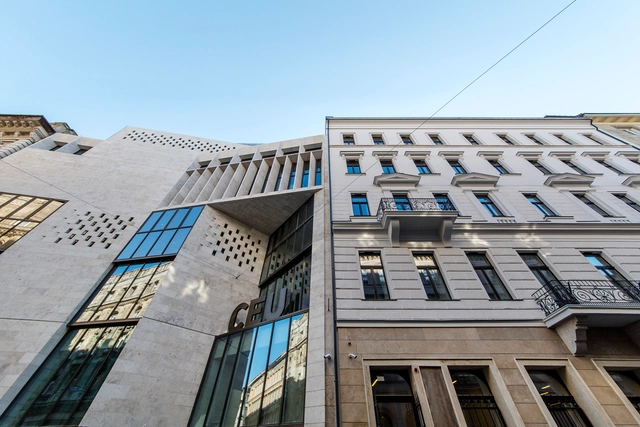
As reported by CNN, university officials have spoken publically about plans to leave Budapest, with the university’s board recently approving the opening of a satellite campus in Vienna in 2019. The decision would cast doubt over the second construction phase of the O’Donnell + Tuomey vision.
https://www.archdaily.com/904739/fate-of-odonnell-plus-tuomeys-riba-international-prize-contender-uncertain-after-political-crackdownNiall Patrick Walsh
It’s easy to feel jaded about modernism. What started as a radically rational and analytical approach to design - one not beholden to the architectural traditions of place or history - has become a smokescreen behind which designers and developers alike can hide. The language of logic (genuine or not) is a shield against criticism and satisfies questions about the bottom line. The border between minimalism and a value-engineered bare minimum has been blurred to the point of invisibility.
https://www.archdaily.com/904726/this-week-in-architecture-what-does-modernism-mean-todayKatherine Allen
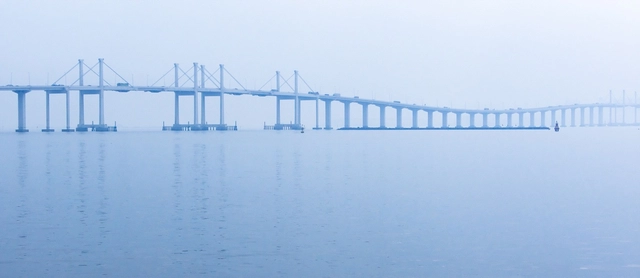
The world’s longest sea bridge has officially opened to traffic, connecting Hong Kong and Macau to the Chinese mainland. The 34-mile (55-kilometer) “Hong Kong-Zhuhai-Macau Bridge” features a range of unusual features, with The Guardian reporting “cameras to detect yawning, drivers forced to wear heart monitors and access restricted to the political elite and charity donors.”
Opened by Chinese president Xi Jinping, the $20billion bridge was constructed of 400,000 tonnes of steel, the equivalent of 60 Eiffel Towers. The bridge has been designed to withstand earthquakes and typhoons of up to 340 kilometers per hour.
https://www.archdaily.com/904728/the-worlds-longest-sea-bridge-opens-in-chinaNiall Patrick Walsh
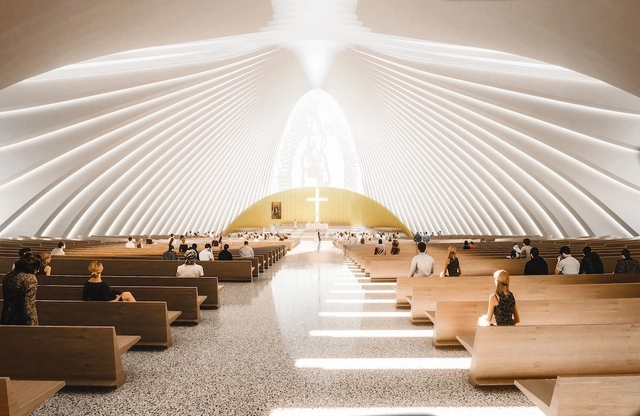
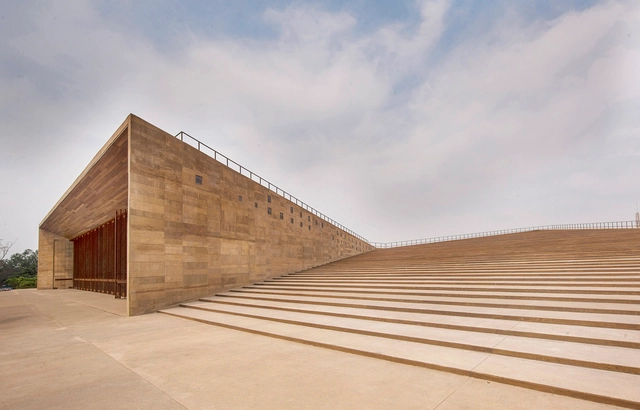
In response to calls for a larger space, the Santiago Apostle Cathedral is the proposed home for the Queretaro Diocese. The proposed building lies on a 20,000 square meter plot of land on the city's south central side. The project aims to turn the building into not only a new religious and community space, but also an architectural icon for the city.
The project's design is based on a guiding axis that points towards the rising sun. The nave's geometry begins in the circle and then spreads throughout the structure from the principal entrance all the way towards the altar. The cathedral's roof is made up of a grand staircase that also houses a reflection pool.
To activate the historical and cultural significance of music in the city of Yekaterinburg, a design competition to create a new concert hall was announced earlier in April. From the 47 proposals that were submitted, the top three architectural concepts were recently selected by the jury committee, awarding first place to Zaha Hadid Architects, and the two runner-up positions to Alvisi Kirimoto + Partners and Robert Gutowski Architects respectively.
Despite selecting ZHA's proposal as the project laureate, all three projects are still in contention as the feasibility studies are ongoing. For the snowy climate of this Russian city, the buildability of the design continues to be under debate.
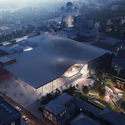
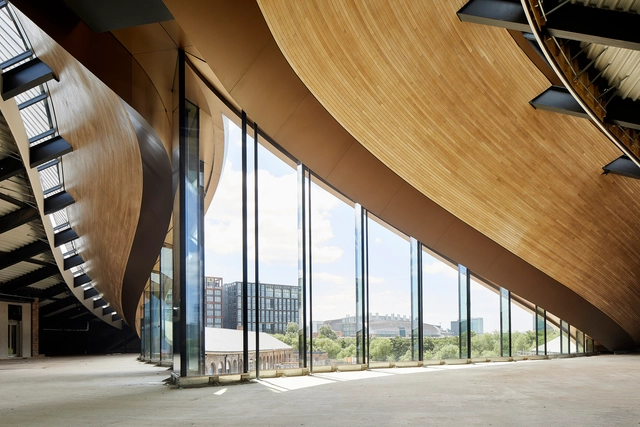
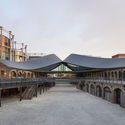
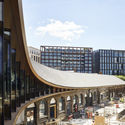
Heatherwick Studio’s Coal Drops Yard in London’s King's Cross was unveiled today ahead of the new shopping districts public opening on Friday, October 26. The studio reinvented two heritage rail buildings from the 1850s as a new shopping district while opening up the site to the public for the first time. The design extends the inner gabled roofs of Victorian coal drops to link the two viaducts together around shopping and public space.
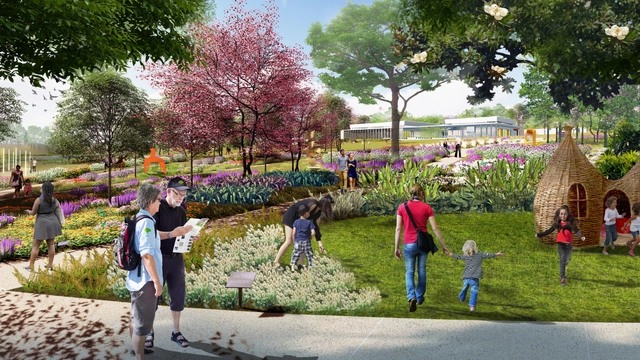
With the aim to create the self-proclaimed "Central Park of Lakeland," global design firm Sasaki is converting Bonnet Springs Park in Central Florida from a former CSX railyards property to an ecological hub. Initially, a vacant brownfield, the site is currently undergoing environmental remediation to tackle the years of industrial damage, with plans to be open to the public by 2020.
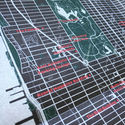
In a permanent state of architectural transience, New York City continues to be adorned with new skyscrapers with every passing day. Historically fueled by financial prosperity coupled with the demand for commercial space, the only way to continue to build was up. Blue Crow Media’s latest map, “Art Deco New York Map” showcases over sixty buildings from the era, celebrating the eclectic nature of Art Deco architecture that is so deeply inherent to the identity of the city.
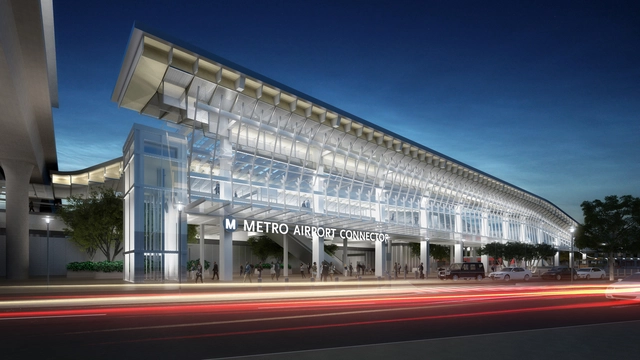
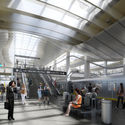
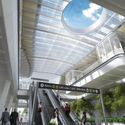
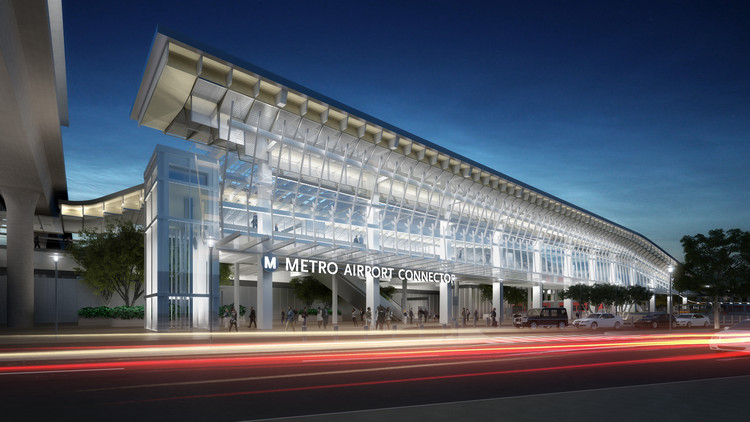
Airport Metro Connector. Image Courtesy of GRIMSHAW
Grimshaw Architects and Gruen Associates have released updated renderings of the Metro station connecting Los Angeles International Airport to light rail. Expected to open in 2023, the $500-million transit hub will span across a 9.5 acre site adjacent to the Crenshaw/LAX Line’s maintenance yard. The design was made to create a fully inter-modal facility that will become a new point of arrival into the city.
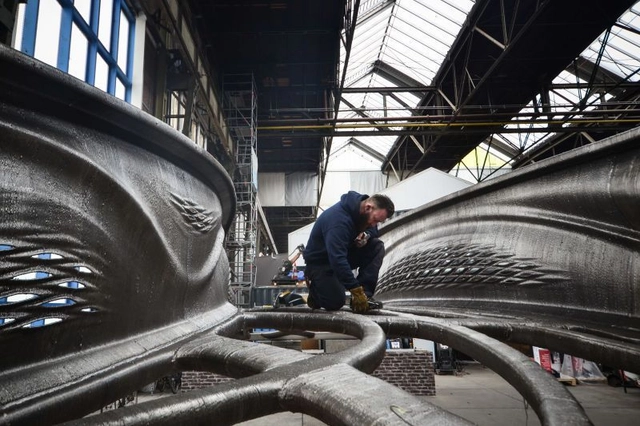
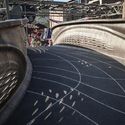
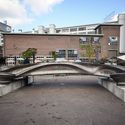
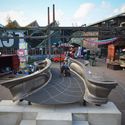
Dutch robotics company MX3D have unveiled the world's first 3D printed stainless steel bridge at Dutch Design Week. Set to be installed across one of the oldest and most famous canals in the center of Amsterdam, the bridge was created with designer Joris Laarman. Now both the span and deck are complete. Equipping industrial robots with purpose-built tools, the project showcases the potential applications of multi-axis 3D printing technology.
The Oscar Niemeyer Award for Latin American Architecture is a renowned initiative by the Latin American Architecture Biennial Network (REDBAAL). This award recognizes the best architectural production, unquestionable empowerment, and presence of Latin American architecture in the international context.
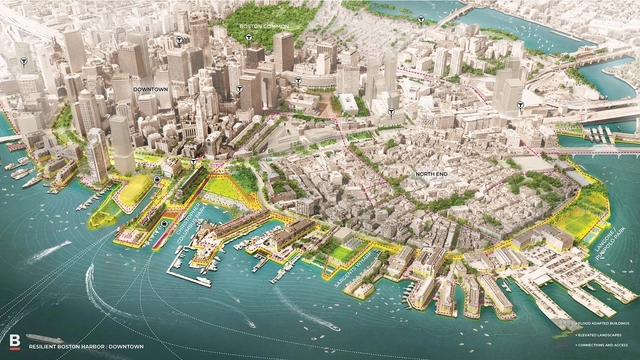
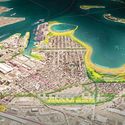
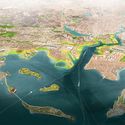
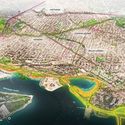
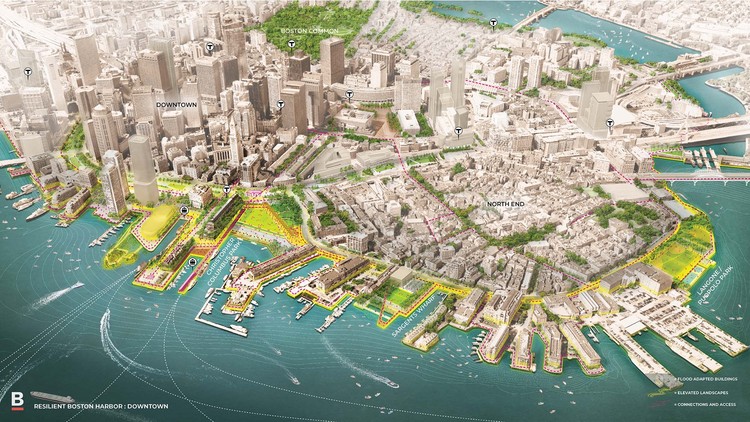
The Mayor of Boston and SCAPE Landscape Architecture have collaborated on a vision to protect the city’s 47 miles of shoreline against climate change. The scheme lays out strategies which will “increase access and open space along the waterfront while better protecting the city during a major flooding event.”
The vision forms part of the Imagine Boston 2030 initiative while using the city’s Climate Ready Boston 2070 flood maps, targeting infrastructure along Boston’s most vulnerable flood pathways.
https://www.archdaily.com/904610/boston-publishes-radical-scape-plans-to-combat-climate-changeNiall Patrick Walsh
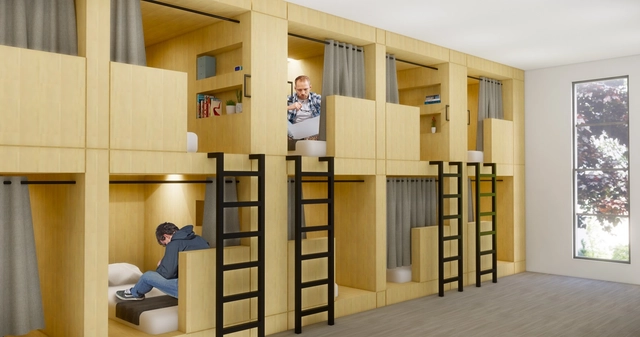
Los Angeles-based KTGY Architecture + Planning’s Research and Development studio has unveiled an idea to reuse millions of square feet of empty retail stores as housing for the homeless. The “Re-Habit” concept calls for the installation of bathrooms, dining, sleeping, gardening, and job training facilities, transforming obsolete big-box stores into agents of social change.
The concept comes at a time when vast big box stores such as Macy’s, JC Penney, and Sears are closing in record numbers, leaving large vacant footprints throughout the urban landscape.














.jpg?1540209301&format=webp&width=640&height=580)
.jpg?1540209293 "© FLC/ADAGP/Mercusot")
.jpg?1540209287 "© FLC/ADAGP/Mercusot")

FLC_Beaux_Arts_Paris_4juin2018_FLC.jpg?1540209273 "© FLC/ADAGP")
.jpg?1540209301)