Arup Documentary: Traces of Peter Rice
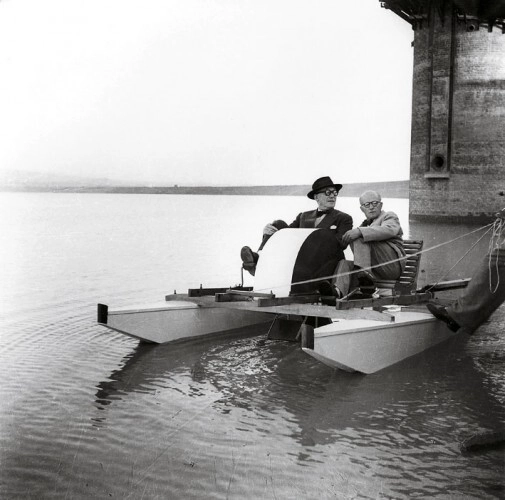
Peter Rice has been described as both one of the best engineers and architects of the twentieth century. Unhappy with the role that engineers play in designing buildings, Rice dedicated his life to championing brave innovation and poetry through structure in a way that helped bridge the gap between engineering and architecture. His desire to work in tandem with architects, towards a shared vision, made him one of the most in-demand engineers of the twentieth century.
Read more about this amazing man and check out the video after the break…
The architect at work: 425 Park Ave
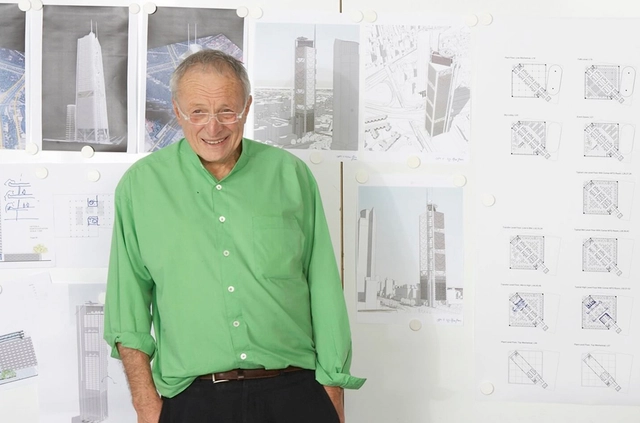
A few months ago we informed you about a competition to re develop the massive “wedding-cake” style building at 425 Park Ave in NY, near Mies’ Seagram Building and SOM’s Lever House. The objective of the developer, L&L Holding, was to turn this project into the next iconic building of the city, and for that they invited a group of eleven renowned practices, including ten Pritzker laureates.
The shortlist was announced in October, and included OMA, Rogers Stirk Harbour + Partners, Zaha Hadid Architects and Foster + Partners, which was later announced as the winner of the competition a few weeks ago.
Over the last days, the presentations of the architects to the clients appeared on YouTube, and now we have the opportunity to see these interesting group of architects doing a fundamental part of their work. In the videos we see each architect using their own presentation style, either a PPT, video or just physical boards, connecting it to the practice’s research and discourse, projecting their passion about certain features of their projects and engaging with the client around their main objective: to turn this into an iconic project.
Four videos that take us further into how we understand projects, showing insights that we often don’t have access to, turning the competition into a particular moment of architecture this year.
Zaha Hadid Architects, OMA and Rogers Stirk Harbour + Partners presentations after the break:
Video: Richard Rogers in conversation with RIBA President Angela Brady
RIBA President Angela Brady discusses design in 2012 with British architect Richard Rogers. Together, they discuss the important issues surrounding housing and cities, both agreeing that “intensification is critical”. Homes built within a compact city are said to be five times more efficient than those built outside the city. This realization is an important fact that should guide government officials, builders and architects to work together towards more intelligent and beneficial growth patterns.
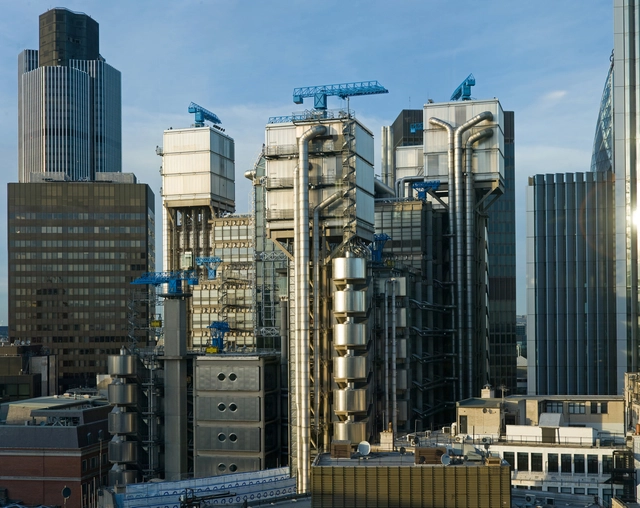
Lloyd’s building joins Grade I Elite

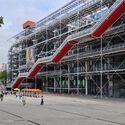
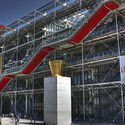
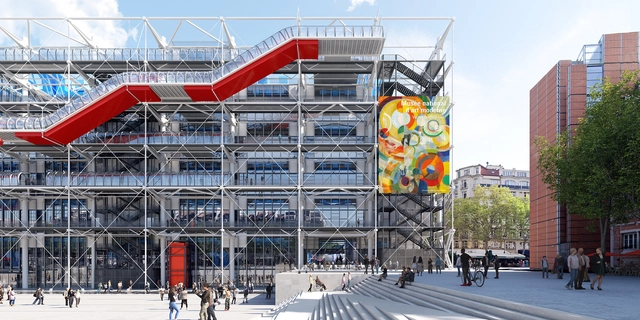
The futuristic Lloyd’s of London building has become one of the few postmodern buildings to be granted Grade I listed status, elevating the building to the top 2.5% of all listed buildings. Following Richard Rogers and Renzo Piano’s success with the great Pompidou Center in Paris (1977), Rogers designed the Lloyd’s building to replace the insurance company’s original headquarters in London’s medieval financial district. The building was completed in 1986 after eight years of construction, requiring 33,510 cubic meters of concrete, 30,000 square meters of stainless steel cladding and 12,000 square meters of glass to construct.
Continue reading for more information and images.
Architecture City Guide: Paris
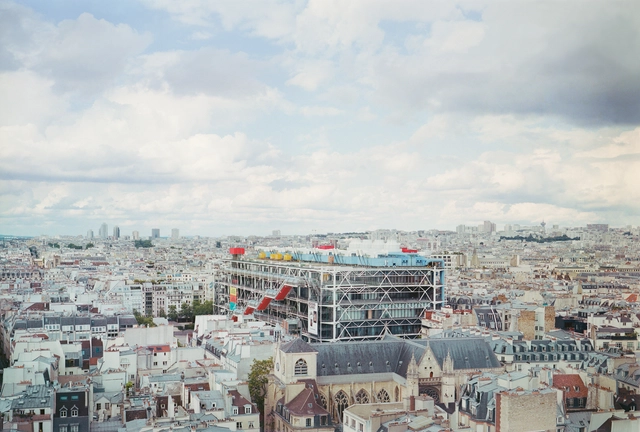
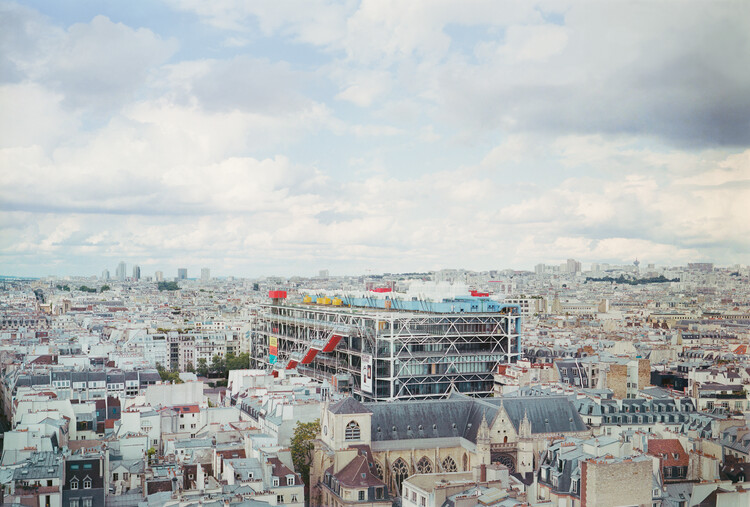
This week, with the help of our readers, our Architecture City Guide is headed to Paris. For centuries Paris has been the laboratory where innovative architects and artists have come to test their ideas. This has created a city that has bit of everything. Where the architecture of some cities seems to undergo phases of punctuated equilibrium, Paris’s architectural fossil record gives an impression of gradualism; all the missing links are there. This makes it easy to trace the origins of the most contemporary ideas throughout history. Nothing seems to come out of nowhere. If you look around you kind find the design’s inspiration running through the city’s Roman, Medieval, Renaissance, Baroque, Classical, Rocco, Neo-Classical, Empire, Art Nouveau, Art Deco, Modern, Post-Modern, and Contemporary Architecture. Seen in another context, many of Paris’s buildings might seem out of place, but the bones of this city support the newest iterations on the oldest and most profound questions. The 24 contemporary designs that comprise our list probably should not be viewed outside of this context, even though that is the stated goal of some of the designs.
As the most visited city in the world and arguably the capital of culture, it is impossible to capture the essence of Paris in 24 modern/contemporary designs. Our readers supplied us with great suggestions, and we really appreciate the help and use of their photographs. The list is far from complete and we realize that many iconic buildings are not yet on the list. We will be adding to it in the near feature, so please add more in the comments section below.
The Architecture City Guide: Paris list and corresponding map after the break.