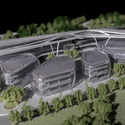
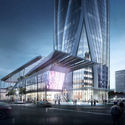
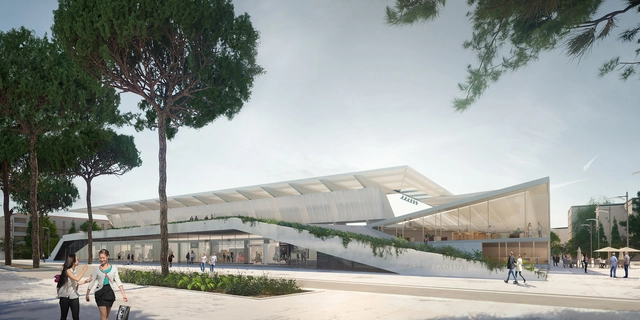
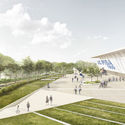
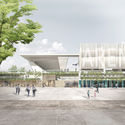
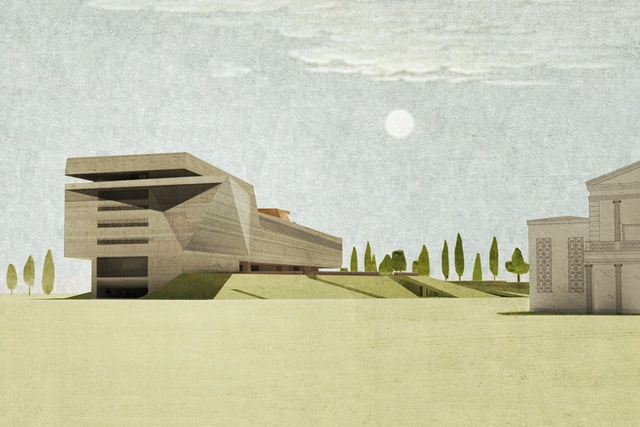
To honor the country’s rich historic archeology, and frame Nicosia’s topography, Kontozoglou proposed a multidimensional museum, which aims to weave the city’s topography, the exhibitions, and the public spaces all together in a sequence of ‘narrative landscapes’, promoting dialogue between the visitors, Cyprus’ landscape, and the country’s heritage.
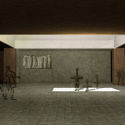
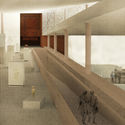
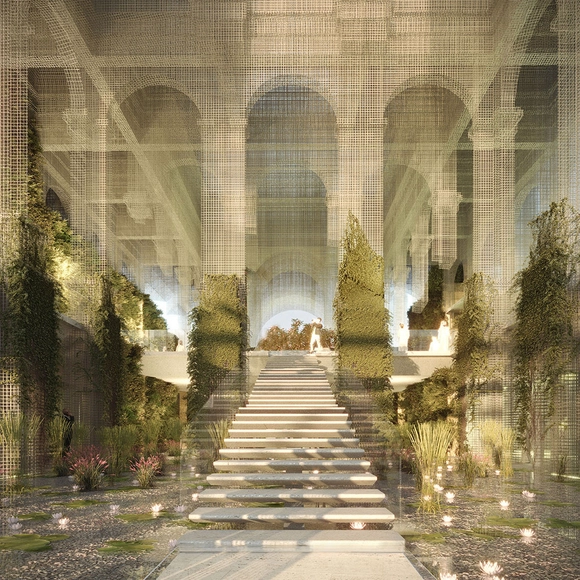
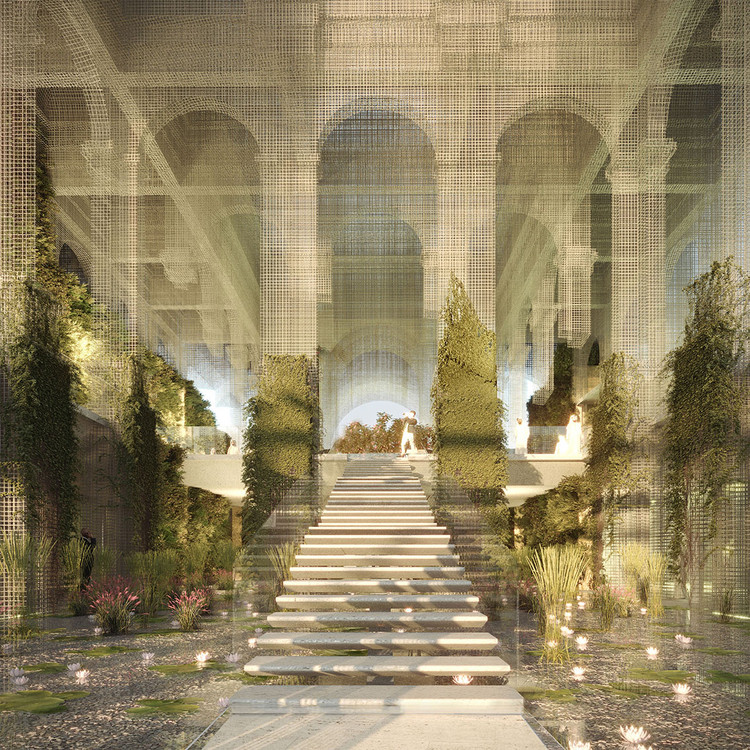
Responding to the theme of Expo 2020 Dubai, “Beauty Unites People,” a team led by Dodi Moss imagined a multi-layered architectural experience evoking Italy’s history and identity. The design pulls apart the pieces that make up architectural space, separating the building into its structural volume and its tactile, material components. The proposal won third place in Invitalia’s competition to design the Italian Pavilion at the Expo, behind carlorattiassociati and Gianluca Peluffa & Partners.
To anyone enrolled in an architecture school, final year projects tend to be the perfect time to go all in. Whether you go for 3D visualizations or build remarkable models, your final presentation is the chance to display every conceptual and technical skill acquired throughout the years.
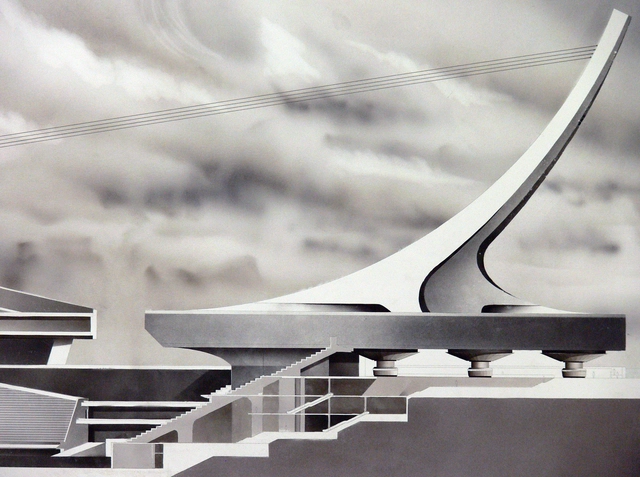
For his B.A. Final project, architect Mohammad Pirdavari of Ati-Naghsh Hamraz Consultants, presented his modernist stadium proposal in a series of freehand Airbrushdrawings. His intricate graphics helped accentuate the stadiums’ raw material and detailed relationship between the main exposed structure, and the smaller covered one.
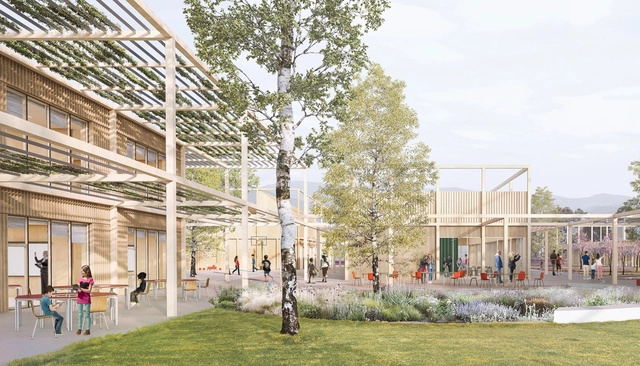
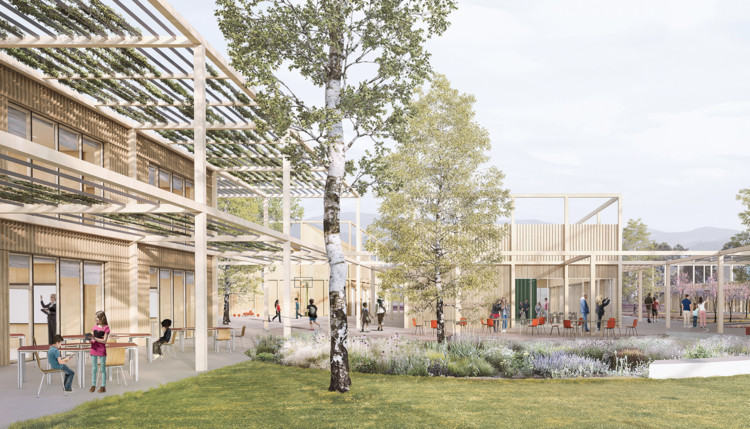
Ten years after a destructive earthquake rocked Italy's central Abruzzo region, many students still attend class in temporary modules similar to containers. Named winners of an international competition, SET Architects’ design for the new “Sassa School Complex” proposes reconstructing a place for students and the community to learn, gather, and grow. Inspired by the modularity and essential nature of climbing frame play structures, the architects describe the design as a metaphor for “freedom and social aggregation as a fundamental value for dynamic and innovative teaching.”
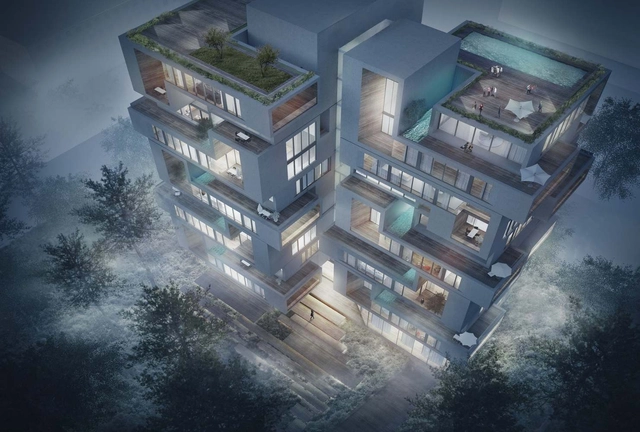
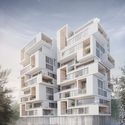
In the age of skyscrapers, the immediate solution to housing is to build up and duplicate single units in the plan. In contrast, the Zafereniah Tower designed by Challenge Studio, project laureate of the recent 2018 Architizer A+ Award, proposed a conceptual endeavor as a prototype for mid-rise, multi-unit housing.
The Tehran-based firm won both the Jury and Popular Choice Awards for their response to the prompt for a design that "champion[s] its potential for a positive impact on everyday life."
This article was originally published on August 15, 2016. To read the stories behind other celebrated architecture projects, visit our AD Classics section.
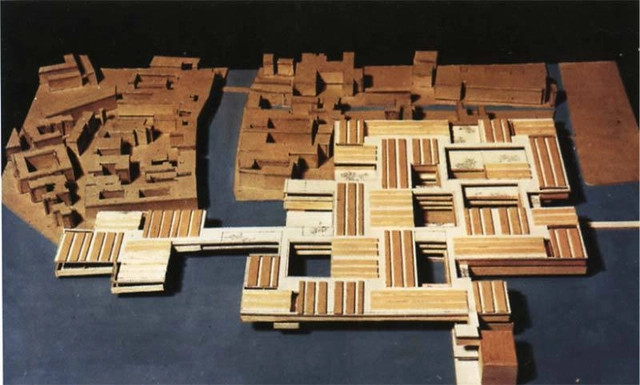
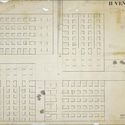
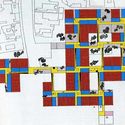
Le Corbusier made an indelible mark on Modernist architecture when he declared “une maison est une machine-à-habiter” (“a house is a machine for living”). His belief that architecture should be as efficient as machinery resulted in such proposals such as the Plan Voisin, a proposal to transform the Second Empire boulevards of Paris into a series of cruciform skyscrapers rising from a grid of freeways and open parks.[1] Not all of Le Corbusier’s concepts, however, were geared toward such radical urban transformation. His 1965 proposal for a hospital in Venice, Italy, was notable in its attempt at seeking aesthetic harmony with its unique surroundings: an attempt not to eradicate history, but to translate it.
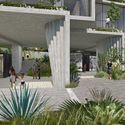
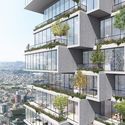
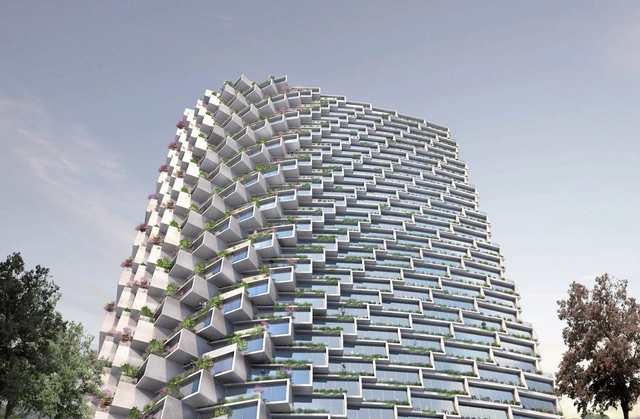
Soon to become the tallest building in Quito, IQON is Bjarke Ingels Group's first project to be built in South America. Currently undergoing construction, the largely residential building is a curved tower with gradually protruding balconies. Encased between the dense city and the park, the self-dubbed "urban tree farm" aims not only to encompass the surrounding views of the volcanoes and nature beyond but also to integrate the landscape within the building itself.
‘Hololightkeeper,’ a conceptual model that is distinct in its use of holographic technologies, pays homage to an architectural structure that has quickly been transformed into a historic relic. The lighthouse, once a navigational aid to guide sailors towards land and warn traveling ships of dangerous conditions, has been replaced in its function by modern technologies. In this respect, Studio NAB’s ‘Hololightkeeper’ attempts to resurrect a building typology by dematerializing the lighthouse structure-type, while maintaining its historic symbolism.
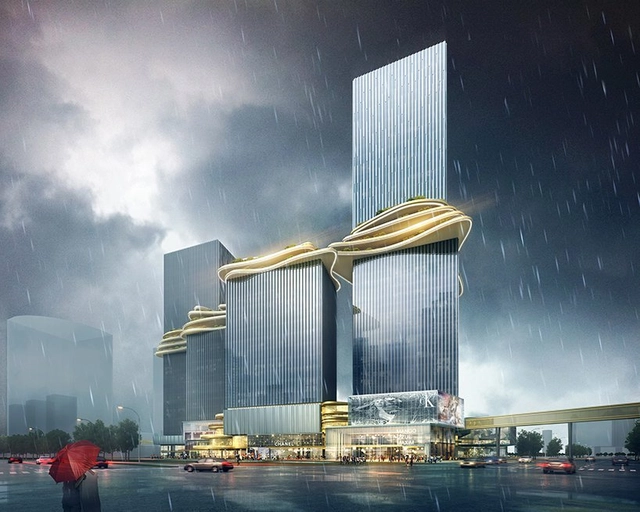
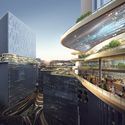
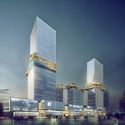
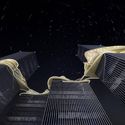
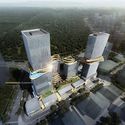
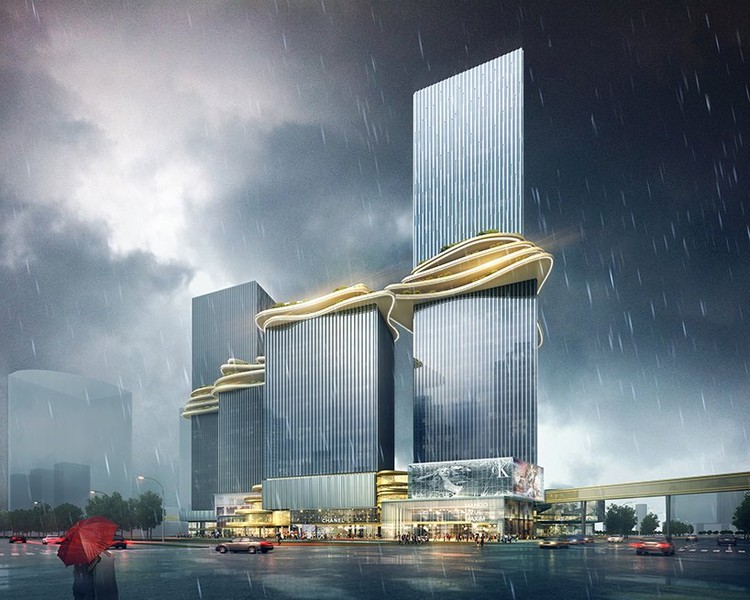
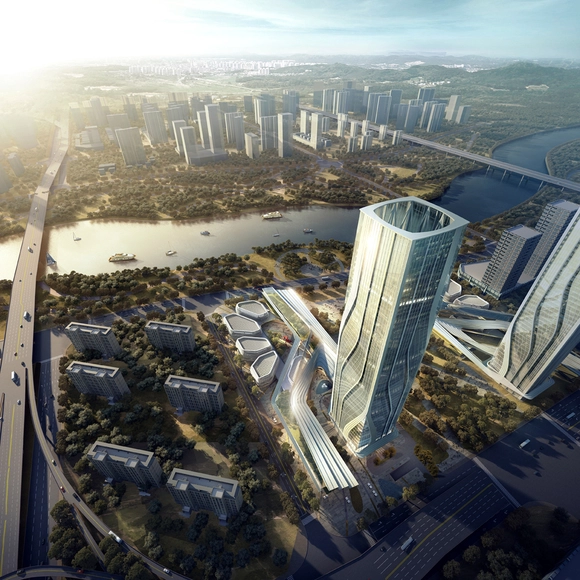
Punctuated by four towers of varying size, Aedas’ new design for a mixed-use scheme in Zhuhai, China, uses a looping, layered path to connect the individual structures with a ‘three-dimensional, vertical landscape’. Hoping to become the centerpiece of the city, the Hengqin CRCC Plaza uses strategic positioning and form to both maximize economic output and create a strong community core, where generous open space serves the surrounding workspaces.
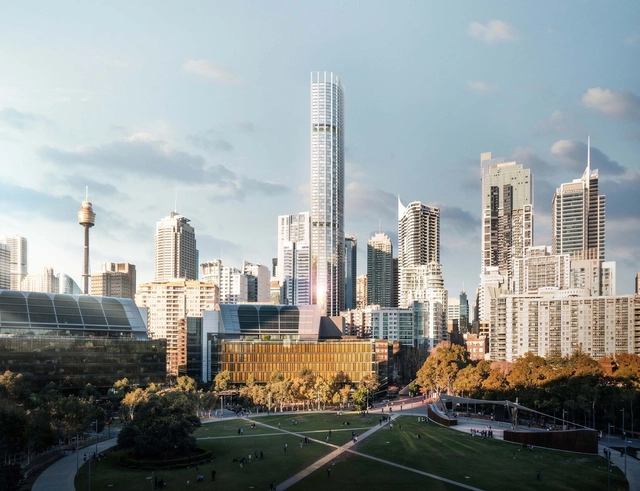
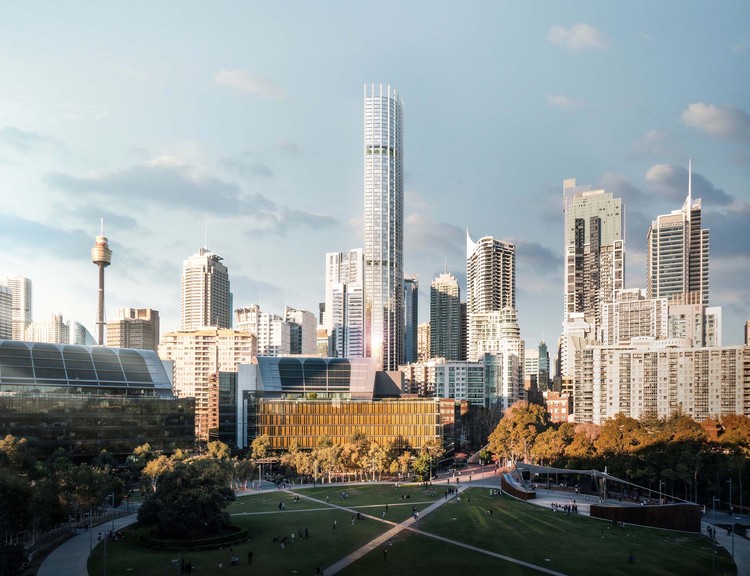
A beautifully delicate design by ingenhoven architects, in cooperation with architectus, has bested series of internationally acclaimed architects to design Sydney’s tallest residential tower at 505-523 George Street. The 79-storey skyscraper will reach 270m, and include several uses, ranging from high-quality living and retail to hotel and leisure. The designers hope the tower will be “a profoundly visible landmark standing for an economical, environmental and socially sustainable, future-oriented development”.
Hungarian architects Paradigma Ariadné push the concepts of progression and growth to a literal spatial extreme in their proposal for a new sport complex for the MTK Football Academy. Drawing inspiration from the diagram of traditional European peasant houses, the design stretches into a kind of visual infinity, stacking all the rooms in the building along a single horizontal axis.
Chinese cities have been on a stride for decades, and are expected to become the world’s leading economy within the next few years. With all the ongoing architectural developments, nature remained key in most architects’ design developments, honoring the Chinese landscape and integrating it within their projects. The Zhangjiang New District is one of China’s new ongoing developments, housing numerous structures and architectural installations. Architecture firm UM has been selected to design the “City Gate,” a new iconic landmark in the New District, which will act as a transition between the extensive urbanism of Gan Zhou and its surrounding nature.
One of the main purposes of the project was to create an environment that caters to both the residential and commercial needs of the region, making the best of the project’s prominent location. The project, which was inspired by Ximeng Wang’s “Thousand Miles of Mountains and Rivers,” a timeless piece of Chinese art, reconnects the occupants with nature and allows them to experience its offerings with all their senses.
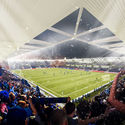
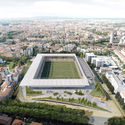
Iotti + Pavarani Architetti have designed a 'New Pisa Stadium' for A.C. Pisa on an existing stadium just 200 meters away from Piazza dei Miracoli (home to the Leaning Tower of Pisa). After winning the first prize in a restricted competition in 2017, the project is currently under feasibility study, awaiting construction development.
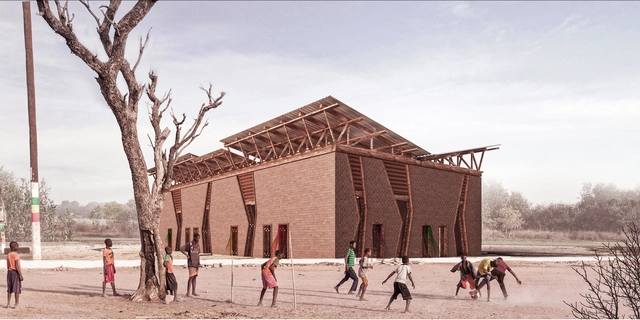
AMKNA, the Dubai-based studio, has been shortlisted for the 2018 World Architecture Festival, in recognition of their design proposal of a cultural center in Sedhiou, Senegal. The proposed “Sedhiou Cultural Center” will provide citizens with a rich cultural, social, and educational experience, all while sustaining the surrounding environment and keeping African heritage alive.
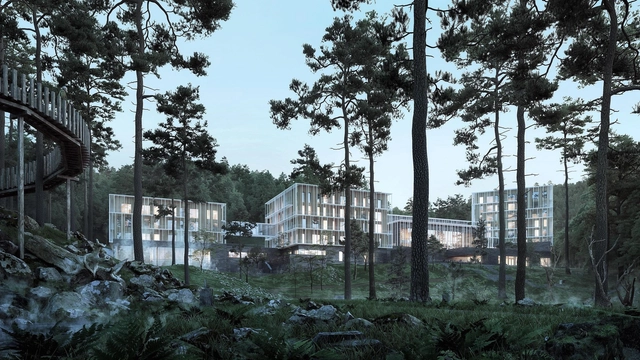
New renders have been released of Henning Larsen’s “luxurious hideaway in the Georgian mountains” after construction started on the 25000m², 135 room hotel earlier this year. The new Agobili Hotel is located at the Abastumani spa resort in Georgia, which itself has been a health retreat for both the Tsar family and general public alike. The new building hopes “to create a story about the magnificent place it inhabits.”
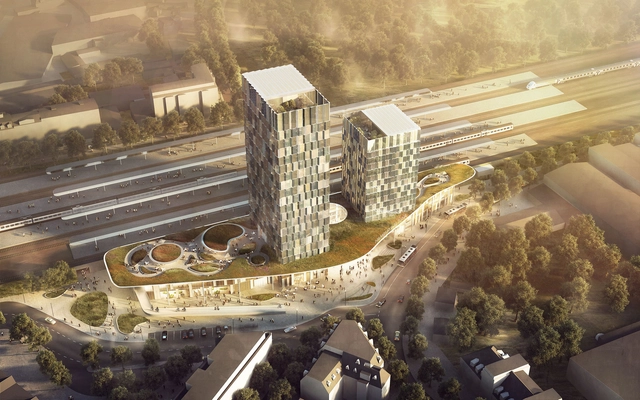
Acting both as a “visionary landmark and an urban catalyst,” C.F. Møller Architects’ proposal for a new train station development in Altona, Hamburg, emphasizes the significance of green space within the city’s urban fabric. The project will have several uses, ranging from cafes, restaurants, and shops to offices and fitness centers. Its unique undulating roof landscape “embodies a collective and progressive vision of reinforcing Hamburg’s green credentials.”
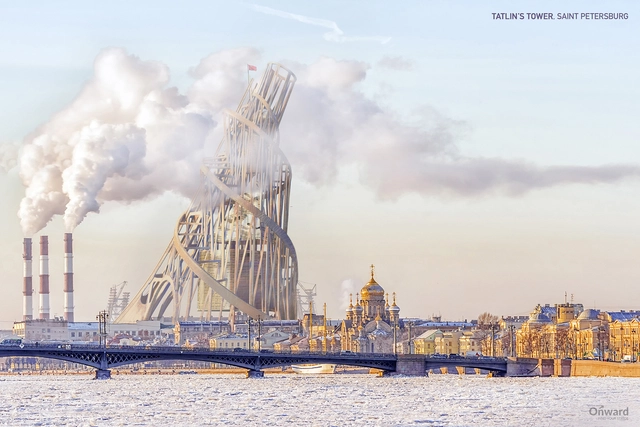
It only takes a pen, paper, and an innovative mind to create remarkable structures. Bringing these architectures to life, however, is where challenges arise. While some architects have shown their creativity and ambition by designing and constructing some of the craziest structures the world has ever seen, other architects were only left with an ambitious drawing. Whether due to financial limitations or designs that are way ahead of their time, some projects never saw the light of day.
Although you won’t be visiting these structures anytime soon—or ever, as far as we know—take a virtual tour of what could have been 7 of the world’s most iconic, innovative structures, courtesy of renders produced by Onward, the blog from Onstride Financial.









![[TRANS-] topia 2019 :: journal call for submissions - Featured Image](https://snoopy.archdaily.com/images/archdaily/media/images/5c65/646c/284d/d176/a900/0407/slideshow/open-uri20190214-19344-17ny7ws.jpg?1550148698&format=webp&width=640&height=580)





.jpg?1539451458 "Courtesy of Bjarke Ingels Group")