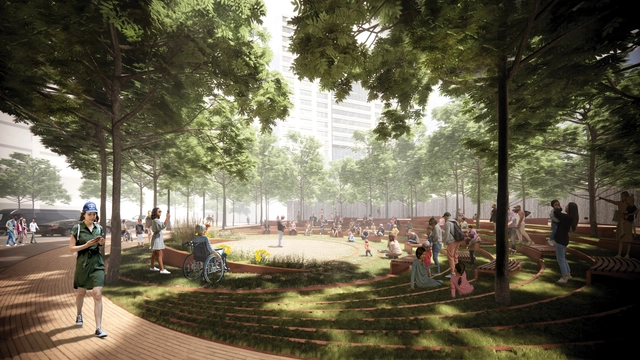
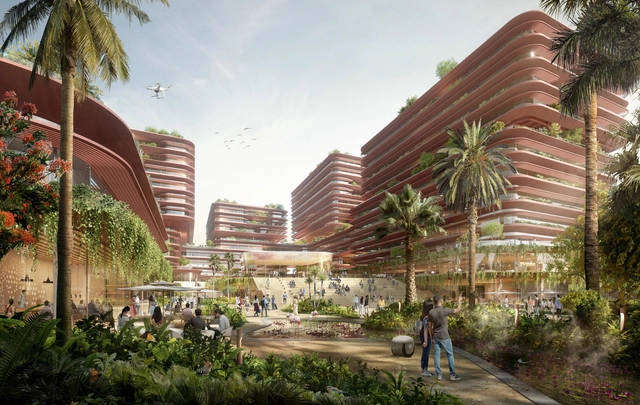
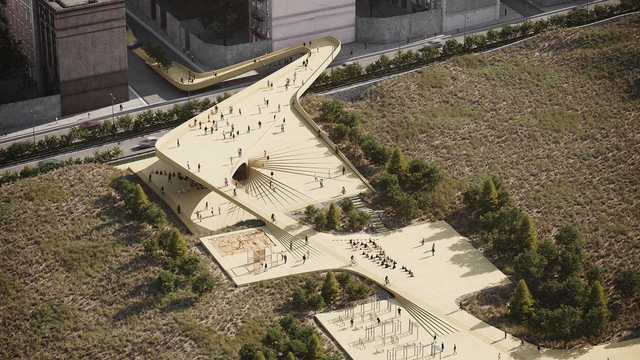
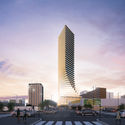
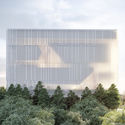
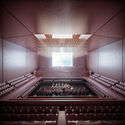
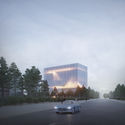
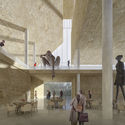
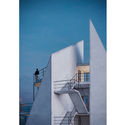
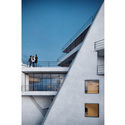
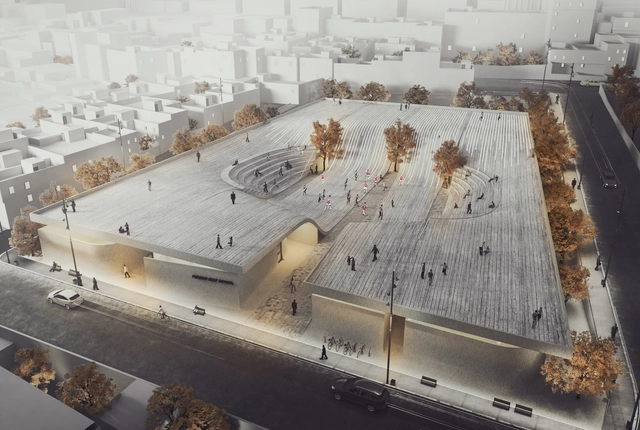
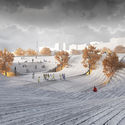
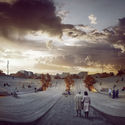
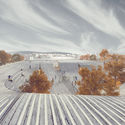
Tying the Knot - Atlanta Legacy Makers by OBJ. Image Courtesy of OBJ
One of the central responsibilities of urban planners and designers is to create places within the city for gatherings, demonstrations, leisure, and relaxation. The following list of unbuilt public spaces presents projects that expand these spaces beyond the shores or riverfronts, return misused spaces back to the local communities and seek to optimize otherwise overlooked areas. These types of interventions are essential in improving the quality of life of the citizens and in making cities more enjoyable to live in.
This week's curated selection of Best Unbuilt Architecture highlights projects submitted by the ArchDaily community. Located near a UNESCO heritage site in Italy, on top of an illegal dumping site in Dallas, Texas, or in a medieval city in northern Spain, this round-up of unbuilt projects showcases how architects and urban planners recognize the potential of urban places.
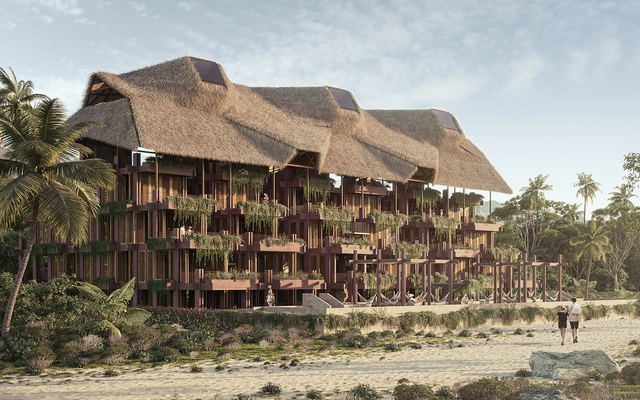
Rojkind Arquitectos presents a new project located on a 2,772 m2 plot of land 90 metres from the beach in Barra Colotepec, Puerto Escondido, Oaxaca. It is a family business dedicated to eco-tourism that is described as "with solid eco-sustainable principles, integrating Oaxacan craftsmanship with modern building technologies." Titled "Flia" (an informal way used in Argentina to abbreviate "family") the project stands as a permeable element divided into 6 habitable cores, allowing ventilation, lighting and views to pass through its interior courtyards.
This week's curated selection of Best Unbuilt Architecture highlights designs submitted by established architecture practices, featuring conceptual works, competition entries and projects in different stages of development. From the transformation of a former mall into a healthcare facility in the United States, a masterplan for the redevelopment of a zoo in Canada to a brewery regeneration in China, the following explores a variety of designs by global architecture offices.
Featuring firms like Perkins +Will, Henning Larsen Architects, URBANUS or Mandaworks, this week's selection of unbuilt projects highlights worldwide interventions that illustrate a variety of ideas, from adaptive-reuse strategies, interventions in heritage sites and new models for public buildings.
This week’s curated selection of Best Unbuilt Architecture highlights competition-winning projects submitted by the ArchDaily Community. From large scale urban developments to interventions in the landscape, from housing projects to educational spaces and commercial buildings, this article showcases a variety of design approaches, programs and scales. The proposals featured are the results of local and international competitions, either creative concepts or projects currently in progress.
The competition-winning entries include a range of different projects, designed by both new practices and established firms. are a few of this week's highlights. A "city within a city" urban development in Ukraine, an EV station design in Canada that reinterprets the traditional typology of highway rest areas, a sustainable housing block in Finland and a clubhouse in the landscape of New Zealand are some of this week's highlights.
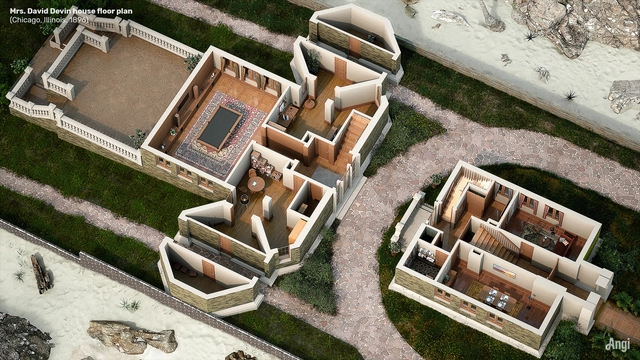
More than 60 years after his death, Frank Lloyd Wright's story remains relevant and arduously studied because of the great legacy he left to architecture. Considered the first truly American architect and the first superstar of his craft, Frank Lloyd Wright lives on through his buildings, his influence and his collective imagination. Surprisingly, more than half of Wright's 1171 architectural works were never erected.
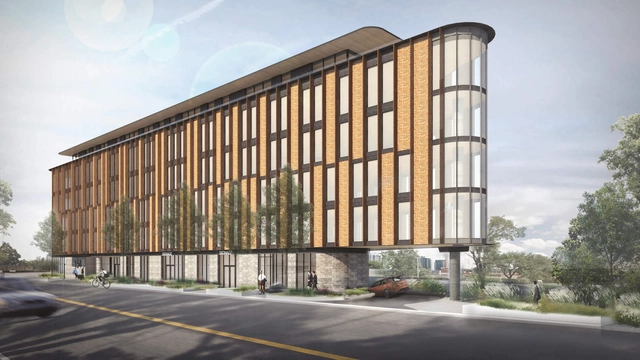
Canada suffers no shortage of flatiron buildings, with historic examples dotting the provinces from Toronto to Vancouver to Lacombe, Alberta, and beyond. Canada also enjoys its status as a hotbed of mass timber construction with Quebec serving as an epicenter of sorts for the movement. However, these two things—flatiron building design and the use of engineered wood products—have never yet been combined.
This week's curated selection of Best Unbuilt Architecture highlights designs submitted by established architecture practices, featuring conceptual works, competition entries and projects in different stages of development. From a pollinator park designed for an EU initiative to a greenhouse residential project in Germany, to a museum in the Arctics or an innovative proposal for harvesting renewable energy in the Netherlands, the following showcases a variety of design approaches, programs and scales.
Featuring firms like Vincent Callebaut Architectures, 10 Design, Antonio Citterio Patricia Viel, or Sweco, this week's selection of unbuilt projects highlights worldwide interventions that illustrate a variety of ideas, from new models for collective housing and community-living, to design for ecology and sustainability, to community-oriented cultural architecture.
This week's curated selection of Best Unbuilt Architecture highlights different competition-winning designs submitted by the ArchDaily Community. From large scale commercial developments to cultural interventions in historical urban fabrics, from adaptive reuse projects with an environmental focus to educational facilities, this article showcases a variety of design approaches, programs and scales. The proposals featured are the results of local and international competitions, either creative concepts or projects currently in progress.
The award-winning entries include a range of different projects designed by both young architects and established firms. An adaptive reuse project of a fire station in Singapore, the redevelopment of an industrial site in South Korea, a mixed-use project in China or a museum in Italy are a few of this week's highlights.
The Graceful Dancer - New Yongxin Old City’s Entertainment District. Image Courtesy of Estúdio Leonardo Zanatta
This week's curated selection of Best Unbuilt Architecture highlights public spaces and buildings submitted by the ArchDaily Community. From bridges to squares, from parks to markets and train stations, this article explores the various kinds of public infrastructure that support the urban fabric, showcasing distinct approaches worldwide.
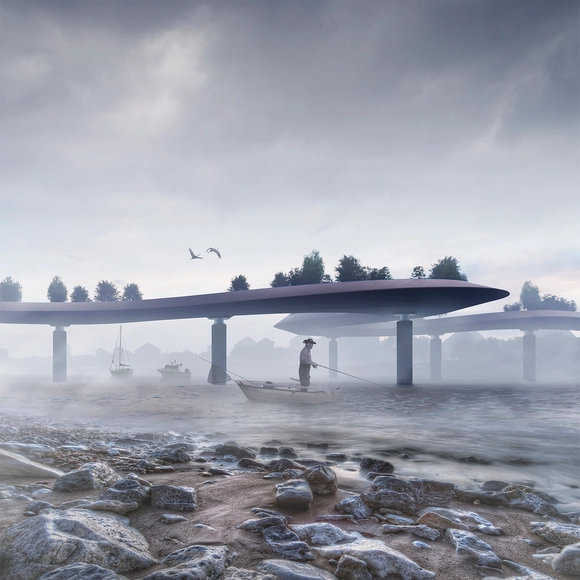
Featuring a bridge that doubles as a garden in China, the redevelopment of public spaces to meet contemporary needs in Montenegro and the Czech Republic, or a pier park in New York, the round-up spans various scales, from single architectural objects to urban strategies, to masterplans. The following projects reveal the ideas that shape public spaces and amenities in different contexts, illustrating diverse approaches towards what constitutes the backbone of the urban fabric.
This week's curated selection of Best Unbuilt Architecture highlights different competition-winning designs submitted by the ArchDaily Community. From large scale urban developments to small interventions in the landscape, from commercial projects to public spaces and urban planning strategies with an environmental focus, this article showcases a variety of design approaches, programs and scales. The proposals featured are the results of local and international competitions, either creative concepts or projects currently in progress.
The award-winning entries include a range of different projects, designed by both young architects and established firms. An adaptive reuse project for office towers in New York, the redevelopment of an industrial site in China, an abstract installation for a Russian festival, or a masterplan focused on climate resilience and ecosystems protection are a few of this week's highlights.
Scale dramatically shapes how we experience architecture and the built environment. Whether looking at buildings by volume, square area or height, the larger a project gets, the greater our perception changes. Monumental projects tell incredible stories of spatial experience, programming and design. Towering above us and around us, these large-scale works become landmarks in rural and urban contexts.
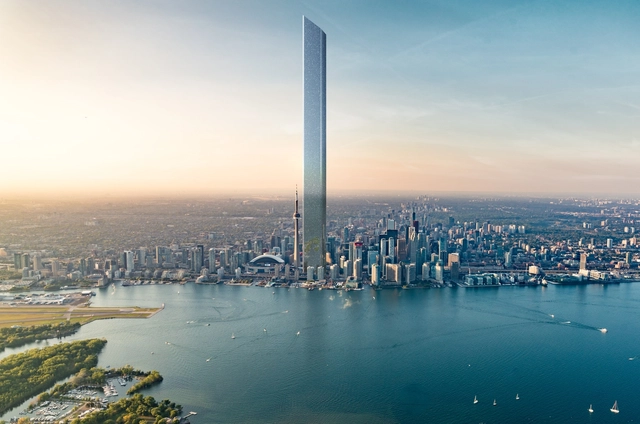
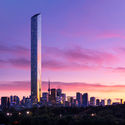
This week’s curated selection of the Best Unbuilt Architecture focuses on large-scale architecture located around the world. Drawn from an array of firms and local contexts, they represent proposals submitted by our readers. They showcase a wide array of approaches to designing at larger and larger scales, from an expansive arena in Vienna and a lush memorial in Singapore to the world's tallest tower designed to draw attention to poverty in Toronto.
Creating a building that is adaptable, interactive, and accessible for everybody, Cosmos Architecture, an international architecture practice based in Milan, Madrid, and Shanghai, imagined the new congress center of Banja Luka, in Bosnia and Herzegovina. The project, an iconic lighthouse represents innovative architecture paradigms and urban identity, generating narratives within the city scheme.
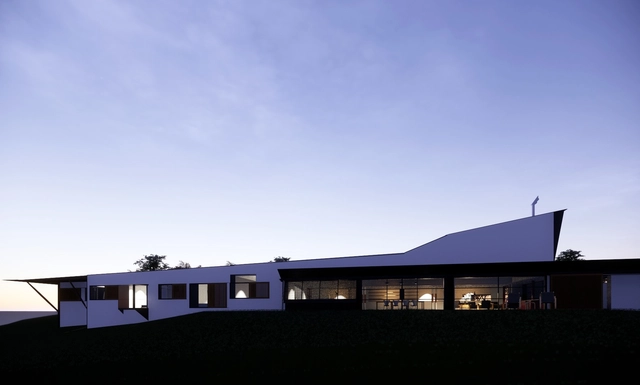
Did you know that a number of Glenn Murcutt AO’s designed projects have never—or not yet—been realised? Even so, thanks to Virtual Reality (VR) technology, you can now experience some of them in digitally rendered form—as close to finalised as they’ll get, at least for now. By this process, with Glenn’s full support and assistance, Sydney-based Sissons Architects are bringing two of his projects to life in extraordinary detail: the Donaldson House in Somers, Victoria, and a private house in Mount White, New South Wales.
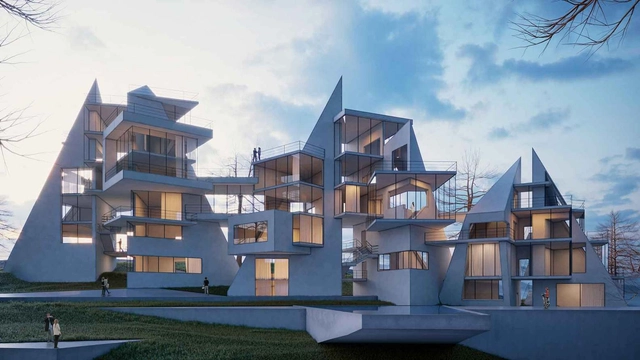
Planned to be built in one of the most exquisite spots of Alanya, Turkey, the Vertical Villa Project is a complex geometric composition of glass, concrete, and landscape, with a great scenery of the green mountain range and distant coastline.
The architecture team developed the project based on an analysis of the social interaction and atmosphere found in the city of Alanya. The team combined different individual units, and applied the sloped roof system found in the city's typical residential architecture.
The Kurdish city of Kamyaran - which sits on the transit borders of Kurdistan and Iran - is a developing city that experienced a devastating earthquake a few years ago. The city is located in a district deprived of modern facilities, and the majority of the residents' income is acquired from the transit of products across the common border with Iraq and Turkey. Project developers in the area are faced with several challenges, one of which is the amount of projects needed to ameliorate the city's status.
Instead of designing two different projects on two separate sites, CAAT Studio proposed the Kamyaran City-School, a new concept which merges an elementary school and public space into one large facility that aims to improve the social and cultural life of its residents.
A two-stage international design competition recently concluded for the new headquarters of The Kuwait Foundation for the Advancement of Sciences (KFAS), the country’s leading organization for advancing science, technology, and innovation. KÂAT Architects and Yalin Architectural Design were shortlisted as finalists in the second stage of the competition for their collaborative entry, a concept which anchors the future within the past. Drawing inspiration from the local traditions, climate, and urban fabric, the group places their design firmly in the context of its location in Kuwait City.
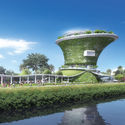
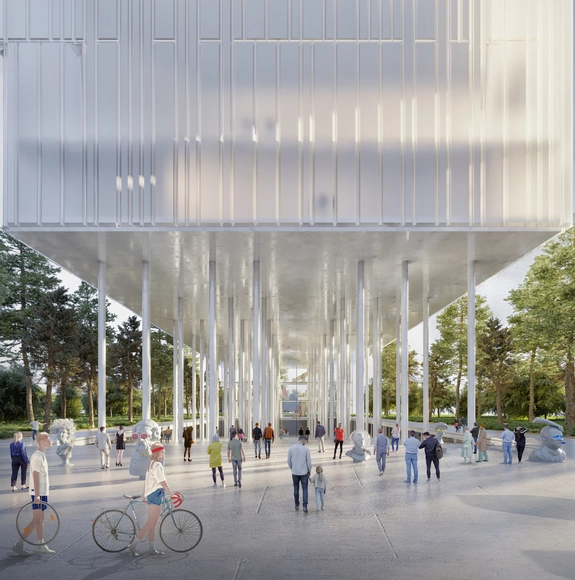
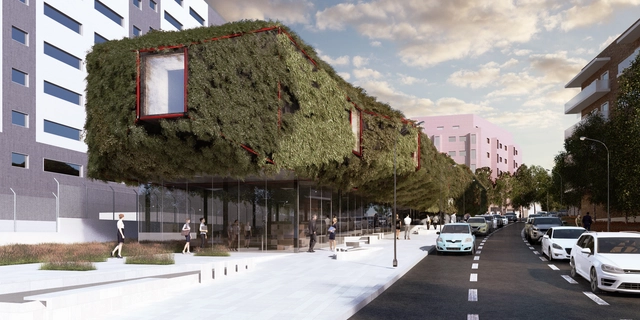
A Green Spaceship appears to have landed in Villaverde, Madrid, in design firm 3GATTI’s proposal for the new municipal library. The design for the landmark building employs the public’s curiosity to draw visitors in and create an iconic presence in the city. The library is split between two floors, both architecturally and conceptually. The ground level is transparent and open, meant to house the noisy, public aspects of the program; the upper floor is the architectural showpiece, floating above the ground and containing the more private, quiet study spaces.
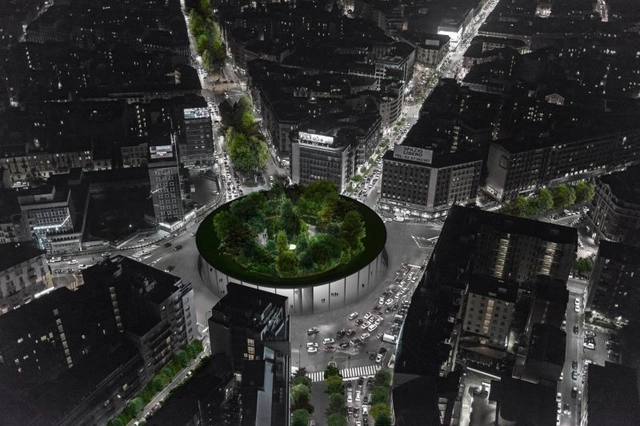
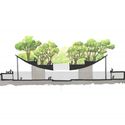
In the city of Milan, architecture firm LAD identified a busy roundabout with the potential to host a new public square typology. Sovraparco, literally “over park,” is a design by the Italian firm and Hypnos Studio to better utilize an existing area in the city, Piazzale Loreto, by infusing it with greenery and public space. The project intentionally does not impose on the surrounding buildings to revamp the area, but instead inserts itself into the central space and aims to rethink what belongs to the public sector.