Kuwaiti Architecture

  1. ArchDaily
  2. Countries
  3. Kuwait

Latest projects in Kuwait

Latest news in Kuwait

12 Pavilions at EXPO 2025 Osaka Highlight Immersive Spatial Experiences

 | Sponsored Content

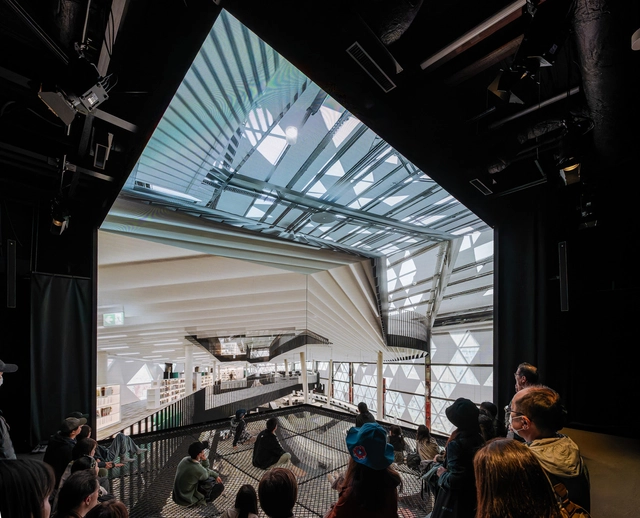
Since its inauguration this spring, Expo 2025 Osaka has captured global attention from multiple perspectives, demonstrating how architecture can function as a laboratory for exploring solutions to pressing challenges. After 55 years, Osaka is once again hosting the World Expo, with each installation organized around the sub-themes Saving Lives, Empowering Lives, and Connecting Lives. These pavilions take forms that express the identity and values of their region through distinctive architectural languages, forming the central axis of their design. Building on this foundation, some installations serve as laboratories for the future society, utilizing technology to enhance experiences both inside and outside the spaces, transforming the visit through light, sound, visuals, and movement as part of the technological innovation showcased at the event.
Expo 2025 Osaka: 8 Must-See National Pavilions

Subscriber Access | 

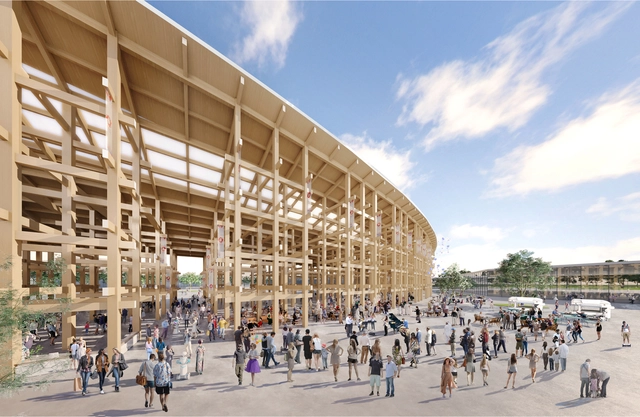
Opening on April 13th, 2025, Expo 2025 Osaka gathers countries and organizations from around the world under the theme "Designing Future Society for Our Lives." Located on the manmade island of Yumeshima, the event is expected to attract millions of visitors with a focus on innovation, sustainability, and cross-cultural exchange. The overall masterplan is led by Japanese architect Sou Fujimoto, who envisions a circular structure known as the Grand Roof, or the "Grand Ring." Measuring 1.5 kilometers in diameter, the floating canopy will connect the national and thematic pavilions below, functioning as a symbol of unity and collaboration while offering shaded walkways and event spaces.

Creating Architecture in an Uncivil Time: In Conversation with Ali Karimi of Civil Architecture

Subscriber Access | 

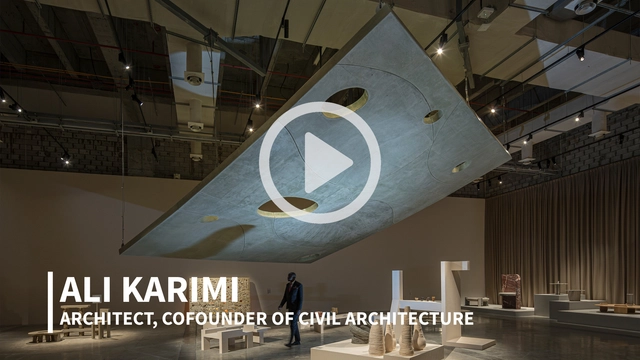
The Arabian Peninsula represents one of the world's leading exporters and users of fossil fuels, an economic reality that influences the area's visions for the future and, implicitly, architecture and urban planning's role in these scenarios. A number of emerging offices are however countering these narratives, turning to contextual research to reframe the area's production of architecture. Among these, cultural practice Civil Architecture has become recognized for its provocative works that explore alternative narratives for the identity of the Middle East. While in Bahrain, ArchDaily's Christele Harrouk had the chance to sit down with Ali Karimi, who, together with Hamed Bukhamseen, co-founded Civil Architecture. In the video interview, they discuss the practice of architecture in the Gulf region and the narrative and research-focused approach of the office.

Dystopian Disneyland: The Story Behind Turkey’s Castle Ghost Town

Subscriber Access | 

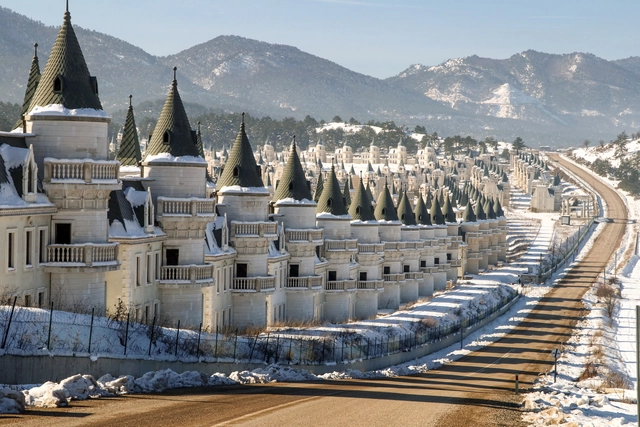
Most of us have probably imagined living in a castle at some point, whether during childhood, enchanted by fairy tales, or as adults studying European monarchies. Considering this fascination, what would you think if you had the chance to buy your castle? In mid-2014, you could make that dream a reality in Turkey for just $370,000. Each luxurious 325-square-meter castle came complete with blue turrets and spiral staircases. The only catch? Your castle would be one of 731 identical ones. But who cares about exclusivity when you have the chance to live in a Disney fairy tale?

LAVA Unveils Winged Design for Kuwait’s Pavilion at World Expo Osaka 2025

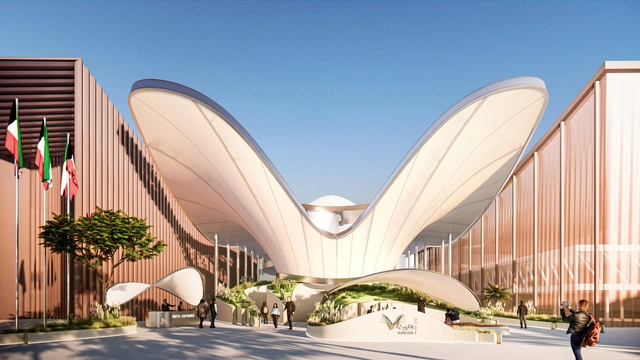
The State of Kuwait has revealed the design of the upcoming Kuwait Pavilion to take shape at World Expo 2025 in Osaka. Designed by architectural firm LAVA (Laboratory for Visionary Architecture), the temporary structure is envisioned as a “Visionary Lighthouse” representing Kuwait’s embrace of Arab cultures, arts, and social works. The pavilion, developed with main partner and contractor NUSSLI, also offers a response to the exhibition’s overarching theme, "Designing Future Society for our Lives", striving to strengthen the relationship between Kuwait and Japan and foster conversations about visions of a sustainable future.

Spiritual Journeys: Religious Architecture in the Global South

Subscriber Access | 

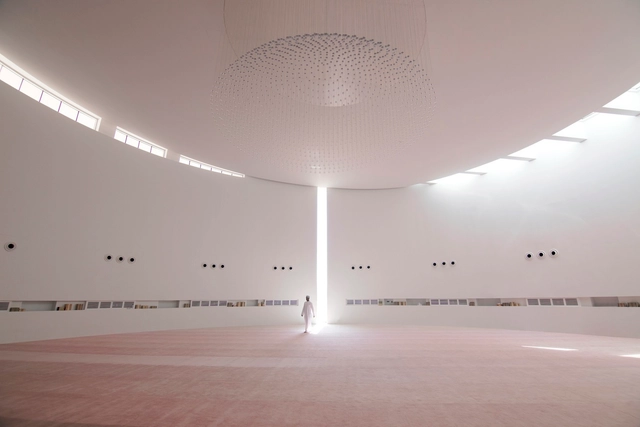
Religious architecture has always had a unique power to transcend the physical realm, transporting visitors to a spiritual journey. In many belief systems, it serves as a space between the earthly and the universal divine. This designed experience can often be facilitated through different choices, where light, form, materiality, and circulation play essential roles. Furthermore, architecture and design hold the power to have a profound impact on one’s lived spiritual experience.

Designing for Water Scarcity: How Architects are Adapting to Arid Environments

An arid environment refers to specific regions characterized by a severe lack of available water and extremely dry weather conditions. More specifically, arid regions by definition, receive less than 25 centimeters of rain per year. In the immense vastness of arid environments, where extreme climates present significant challenges, the role of water in architecture takes on a new dimension.

Kuwait Pavilion at La Biennale di Venezia Explores Consequences of Modernist Urban Planning on Historic Built Environment

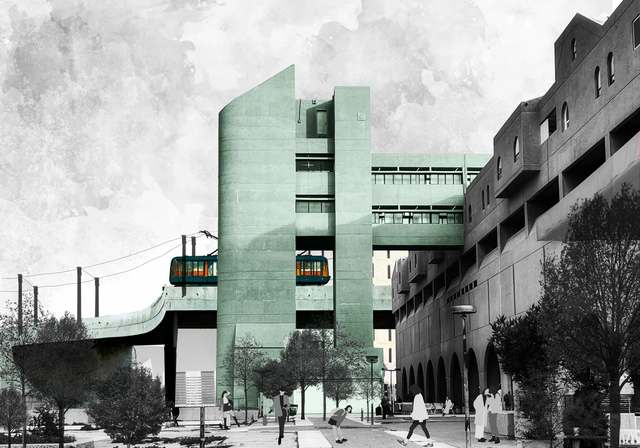
The Kuwait Pavilion, titled 'Rethinking Rethinking Kuwait,' at the 18th International Architecture Exhibition — La Biennale di Venezia, delves into innovative architectural and urban design methods arising from space and time. The project is an ongoing exploration addressing the consequences of modernist urban planning, which erased much of Kuwait's historic built environment.

XZero City is Kuwait’s Proposal for a Self-Sufficient Smart City

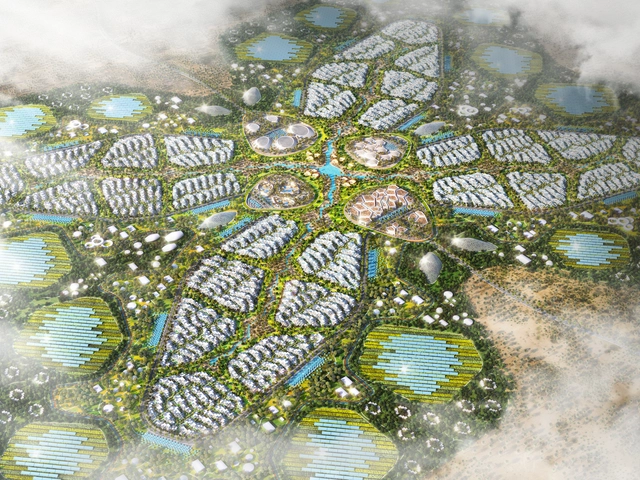
Kuwait is planning a 1,600-hectare development that will provide residential units, jobs, and amenities for 100,000 residents. Developed by URB, the ambitious project aims to promote a sustainable lifestyle with high standards of living, yet a low impact on the environment. The masterplan for the smart city is designed to optimize density and amenities distribution to create a walkable city, while also optimizing the green space ratio. This will help mitigate the effects of rising temperatures and the urban heat island effect. The green transportation systems and dedicated cycling tracks will make this a car-free city, apart from a ring road that allows for limited vehicular access. The city also promotes a circular economy that aims to provide food and energy security for the residents.

Foster + Partners Completes National Bank of Kuwait Headquarters in Kuwait City

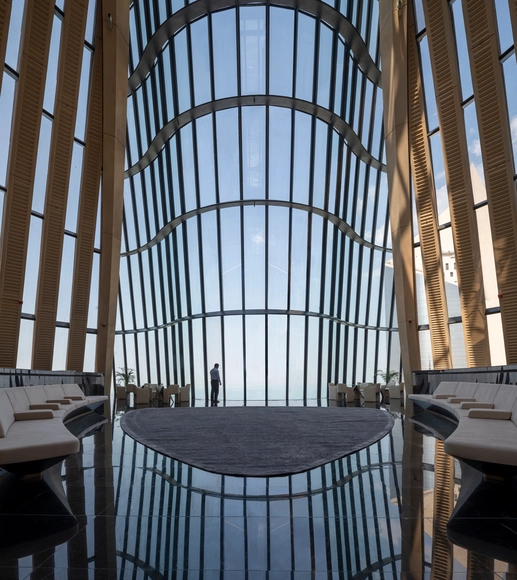
Foster + Partners has completed the new headquarters for the National Bank of Kuwait, a 300-meter skyscraper with a distinctive presence among the buildings of Sharq, Kuwait city's growing financial district. The new tower promotes employee synergy and enhanced wellbeing by bringing all of the bank’s corporate employees together under one roof. The design combines environmentally-conscious features and structural innovation, providing an energy-efficient passive architecture that shields the offices from the extremes of Kuwait's climate.