On April 23-24, 2025, at the ACCIONA Campus, the second edition of the NEXT IN Summit, hosted by ACCIONA Living & Culture, brought together global leaders in museology, architecture and art. Inaugurated in the presence of Madrid's mayor, José Luis Martínez Almeida, the event highlighted best practices in cultural space design, management, and innovation. Esteemed figures such as architect David Chipperfield, Glenn D. Lowry, director of MoMA, digital artist Rafael Lozano-Hemmer, and Mariët Westermann, director and CEO of the Solomon R. Guggenheim Museum, led discussions on the future of cultural institutions.
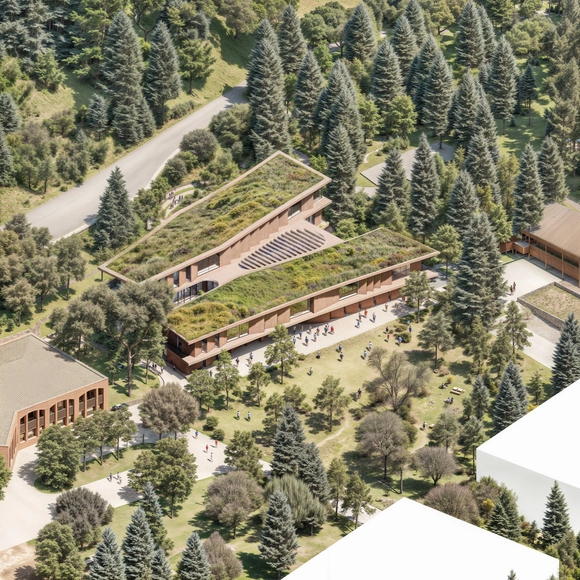
New Academic Building at ACT by PILA. Image Courtesy of PILA
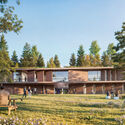
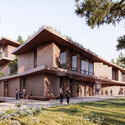
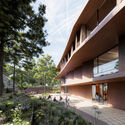
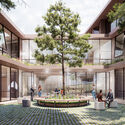
PILA, an architecture studio based in Athens and New York, has released its design for a new educational building at Anatolia College, located in Thessaloniki, Greece. The project, which serves the institution's tertiary-level programs, was the result of an invited architectural competition. The project is part of the institution's long-term campus master plan and is intended to accommodate evolving academic needs while incorporating sustainable design strategies. The building is scheduled for completion by fall 2027 and is part of Anatolia College's broader efforts to expand its academic infrastructure and engage with the evolving landscape of higher education in Greece.
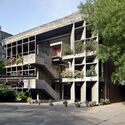
The twentieth century marked a definitive shift in the realm of architecture, as the Modernist movement broke from traditional building styles and encouraged experimentation and innovation. With the help of new materials and technologies, these times represent a crucial moment in the history of architecture as both cities and building styles evolved at an unprecedented rate. The structures that stand testament to this day are, however, nearing the age of a hundred years old. Their stark design features are not always embraced by the public, while the functionalist principles often hinder the adaptability of their interior spaces. Given that they also often occupy central positions within the city, there is increasing pressure to demolish these structures and redevelop the area in its entirety.
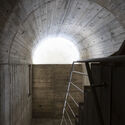
Material intelligence refers to how materials perform, adapt, and interact with ecological and cultural systems. It considers how stone, steel, or timber respond to intertangled forces, how those materials are sourced and assembled, and how they persist after demolition. Designers are centering material intelligence in constructing our cities in a generation of environmental uncertainty and strained supply chains.
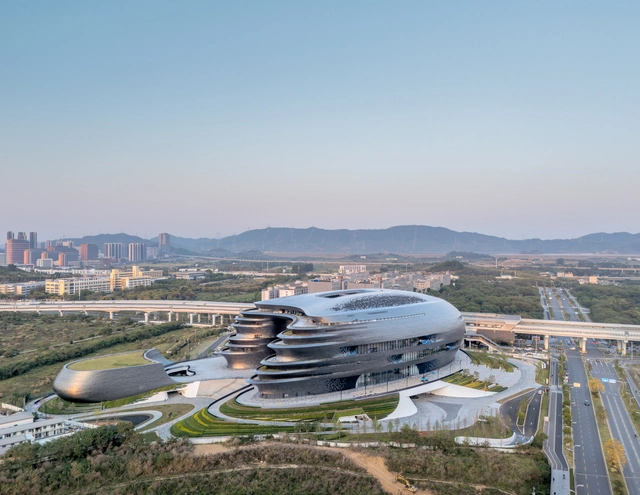
Zaha Hadid Architects has just revealed that the Shenzhen Science & Technology Museum, located in the Guangming District, has officially opened. Designed as a platform to highlight scientific research and technological innovation, the institution will explore the role of science in shaping the future. Adjacent to Guangming Station on Shenzhen's metro network, the design responds to its location as a solid, spherical volume facing the city, defining the southeast corner of the new Science Park. The museum aims to provide a space for public engagement with current developments in science and technology.
At the dawn of Modernism, in the fervent search for innovative, efficient, and cost-effective building systems, the idea of modular construction offered the promise of exactly that: an industrialized system comprised of ready-to-assemble elements, easily configured, cost-effective, and quality-controlled. While the idea did not gain as much traction as was initially expected, it has remained an attractive premise for architects and designers. Now, new developments in the field have led to a renewed interest in the matter, as modular housing emerges as an effective measure in various fields, from affordable housing to emergency shelters, or even as platforms for interdisciplinary collaboration, participation, and co-design. The following article explores this promise of accessibility, creativity, and affordability that has become an integral part of the debate around modular architecture.
Concrete towers dominate the skylines of Asian and African cities - looming edifices embodying development. With access to the tools and materials of industrial modernity, the Global South steps onto the world stage showcasing its bounty. Yet, at the depths of rising ambitions, the construction material speaks to colonial legacies and extractive economics that result in power imbalances in the geopolitical sphere. A climate crisis on the horizon only intensifies the complicated relationship between building materials, sustainability demands, and sovereignty of many countries.
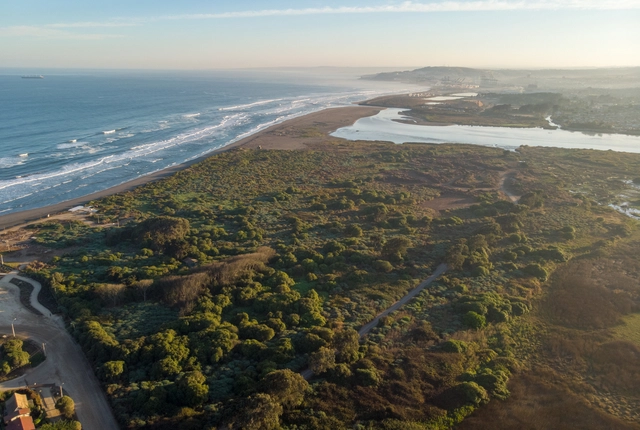
Santuario de la Naturaleza Humedal Río Maipo.. Image Courtesy of Fundación Cosmos
On Earth Day 2025, observed annually on April 22, we are once again reminded of the urgent environmental and sustainability challenges that face our planet—challenges that continue to evolve alongside global economic, political, and cultural shifts. The building and construction industry remains one of the most critical sectors in the effort to manage and reduce global carbon emissions. This year, these issues are being addressed through increasingly diverse lenses, calling for more holistic and integrated approaches. It's vital that we view sustainability not as a one-size-fits-all solution, but as a multi-scalar effort—one that spans from large-scale urban development and strategic planning, to the advancement of sustainable materials, and even to temporary, thought-provoking interventions like exhibitions and installations. In doing so, we reaffirm our commitment to reducing our collective carbon footprint, while shaping a built environment that promotes human well-being and planetary health.
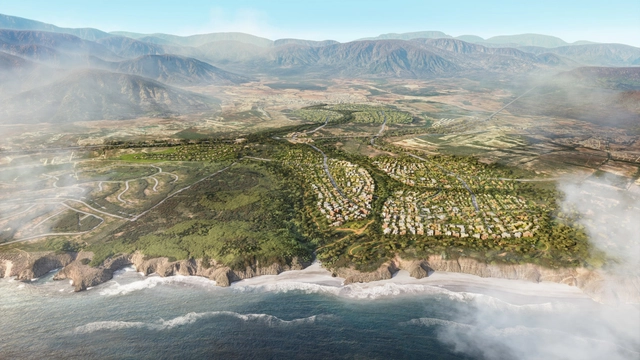
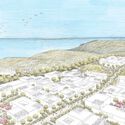
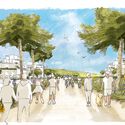
Foster + Partners is developing a comprehensive masterplan for Maratué, a 1,045-hectare site located along the Puchuncaví coast in Chile. Developed for Inmobiliaria Maratué, the project seeks to reconnect the existing town of Puchuncaví with its coastal edge, while conserving and enhancing the region's diverse natural landscapes. The masterplan aims to create a sustainable framework for long-term development, balancing residential growth with environmental protection.
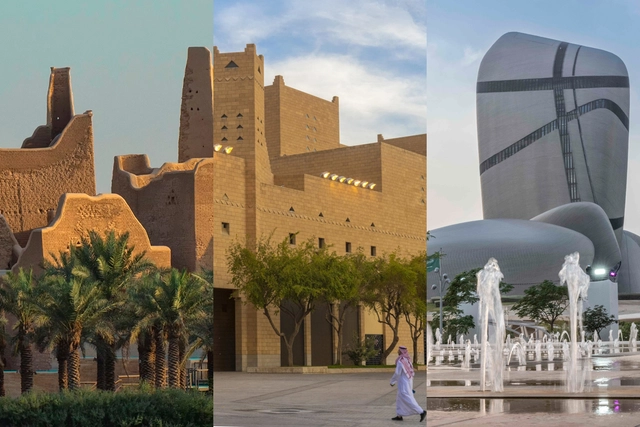
For centuries, the heart of the Arabian Peninsula was a land of vast deserts and settlements shaped by their environment. This relationship with the landscape, materiality, and knowledge of the place has not only endured but now translates into a landscape gaining recognition on the global creative scene. From projects that emerge with a profound sensitivity to context to global exhibitionsand awards that drive its evolution, the region is consolidating its architectural language—rooted in its history while oriented toward new explorations. Far from halting, this momentum continues to chart the path for its development, establishing the region as a platform in contemporary architectural discourse.
https://www.archdaily.com/1028115/insights-from-saudi-arabias-architecture-and-design-commission-and-the-designathon-initiativeEnrique Tovar
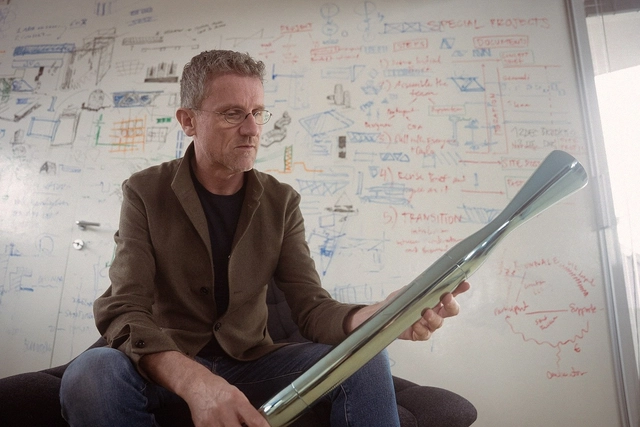
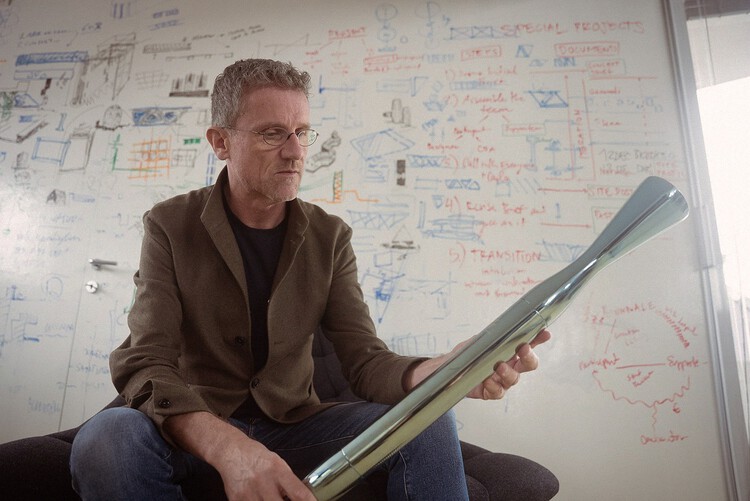
Carlo Ratti, the designer of the Olympic and Paralympic Winter Games Milano Cortina 2026 torch. Image Courtesy of Milano Cortina 2026
The official torches, named Essential, for the Milano Cortina 2026: Winter Olympics and Paralympics, were unveiled in parallel events at the Triennale di Milano and Expo 2025 in Osaka. Designed by Carlo Ratti Associati in collaboration with Eni and its subsidiary Versalis, Essential takes a minimalist approach that foregrounds the flame as the central element. The project blends Italian design with engineering precision, resulting in a torch that serves as both a symbolic and technical object. Its open structure, uncommon in torch design, allows viewers to see how the flame is produced, revealing the typically hidden mechanisms at work.
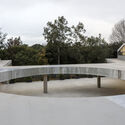
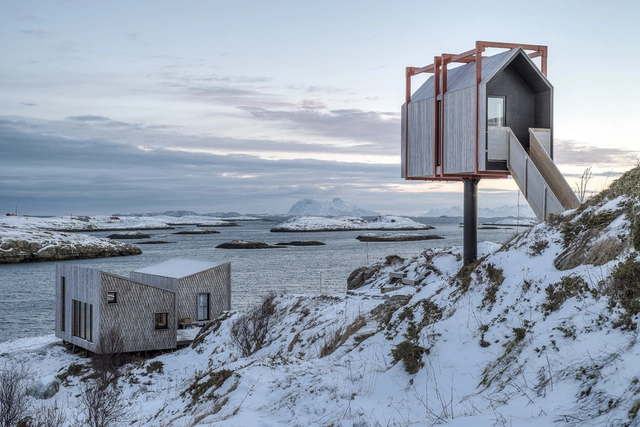
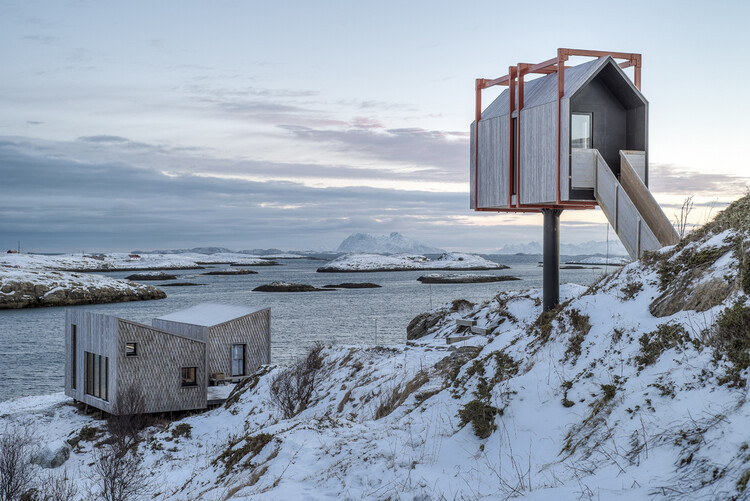
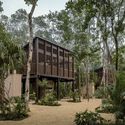
The decision to lift a building off the ground is a technical maneuver that requires substantial planning, expertise, and careful consideration. It is a deliberate architectural response to the site's forces and fragilities. Floodplains, wetlands, and thawing tundra share a common thread: Architects reconcile risk and vulnerability through elevated structures. In this sense, it is a spatial response and a structural necessity.
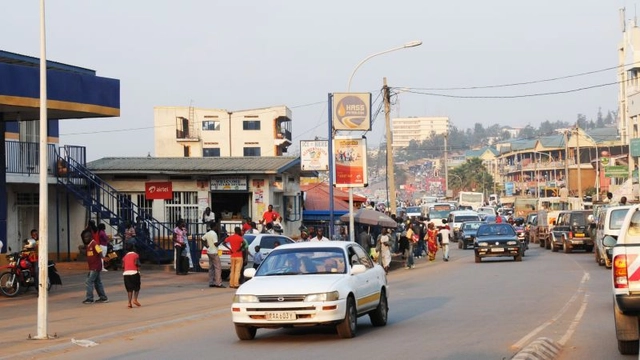
The next generation of Sub-Saharan Africa’s green and inclusive cities is just around the corner, but only if designers embrace the opportunity. Can small-scale entrepreneurship drive new sustainable housing, or will the overburdened sector fail to meet the challenge of climate change?
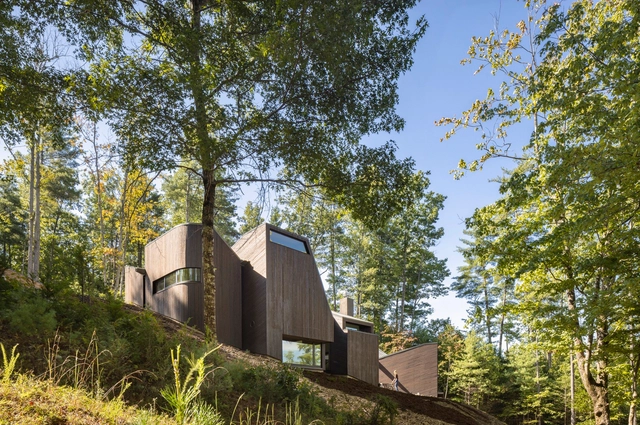
Forests are among the most complex yet vital ecosystems on Earth. They regulate climate, support biodiversity, and sustain human communities. With the growing realities of climate change and environmental degradation, architects, planners, and engineers now face a new imperative: designing within forests in ways that sustain the ecosystems on which they depend.
"Feeling at home" is more than just an expression—it is the sense of warmth and comfort that transforms a space into a true refuge. To achieve this, elements like color, texture, lighting, and materials play a crucial role in shaping an environment that fosters relaxation and well-being. Backed by research in environmental psychology and neuroscience, the connection between physical spaces and human behavior highlights how architecture can directly influence the atmosphere, turning chaos into tranquility.
Architecture evolves, particularly in how it reflects the relationships between people, their behavior, and the environment. Even subtle variations in these dynamics can influence how we think and live in our communities. According to the World Bank, 56% of the population currently lives in urban environments, and it is estimated that by 2050 this number will reach 70%. This projection echoes the speed and magnitude of urban growth, posing challenges for architects and design firms, from the viability of buildings to the sustainability of the built environment, encompassing residential architecture and other typologies that influence daily life.
https://www.archdaily.com/1027788/case-studies-in-community-centered-living-innovative-residential-designEnrique Tovar
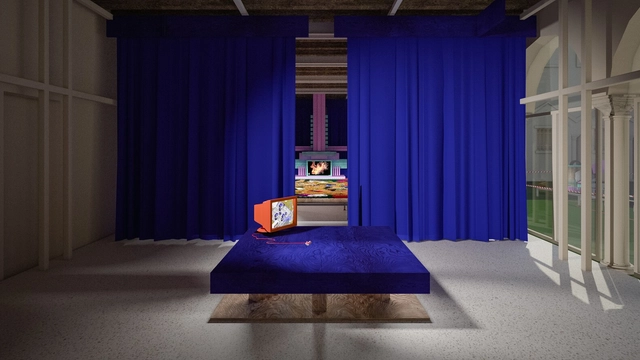
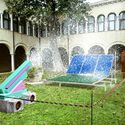
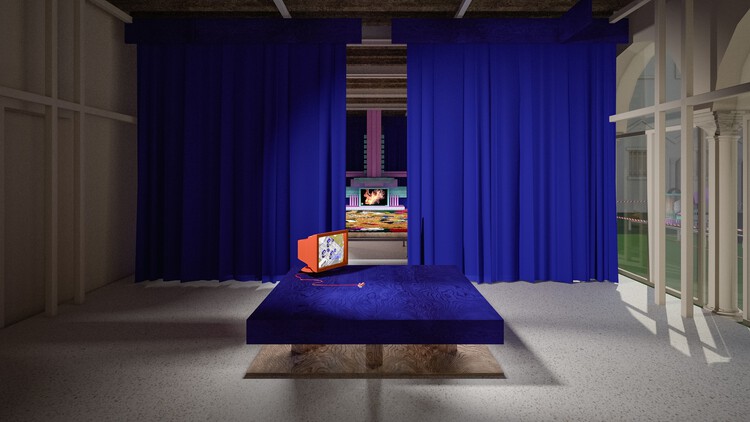
The Bulgarian contribution to the 2025 Venice Architecture Biennale is an experimental installation titled Pseudonature, situated at the intersection of nature and technology, reality and simulation. Curated by architect and designer Iassen Markov, the project explores the future of sustainability in a world where natural processes are increasingly mediated by artificial intelligence and human intervention. The exhibition features an outdoor installation that exposes technological and climate paradoxes and an interior space designed as a reimagined traditional Bulgarian room. Outside, physical interventions disrupt natural balances, highlighting the fragile interplay between technology and the environment. Inside, the space shifts to a setting for contemplation, where restoring equilibrium becomes a collective and introspective challenge.
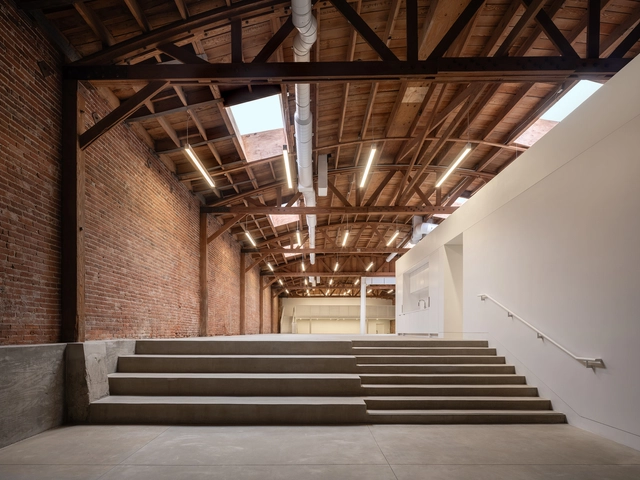
Many major cities in the United States are grappling with large industrial buildings that have fallen into disuse. These buildings hold historical and architectural significance and are often protected from demolition. Consequently, architects face the challenge and responsibility of adapting these buildings to contemporary functionalities. Opting against demolition reflects a sustainable construction approach and highlights the importance of honoring the built heritage.