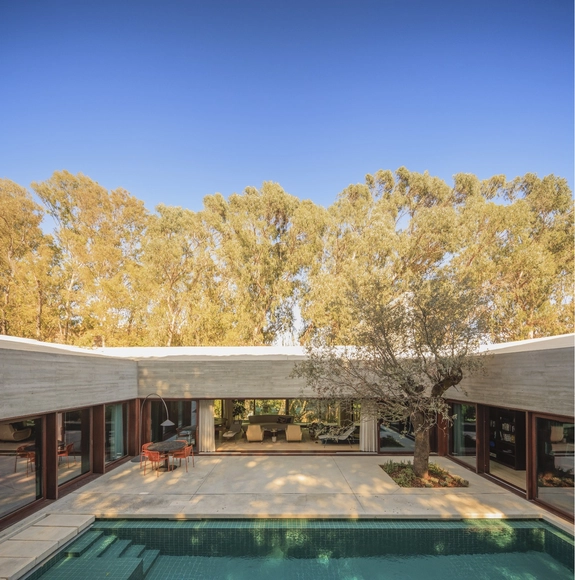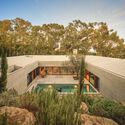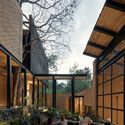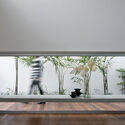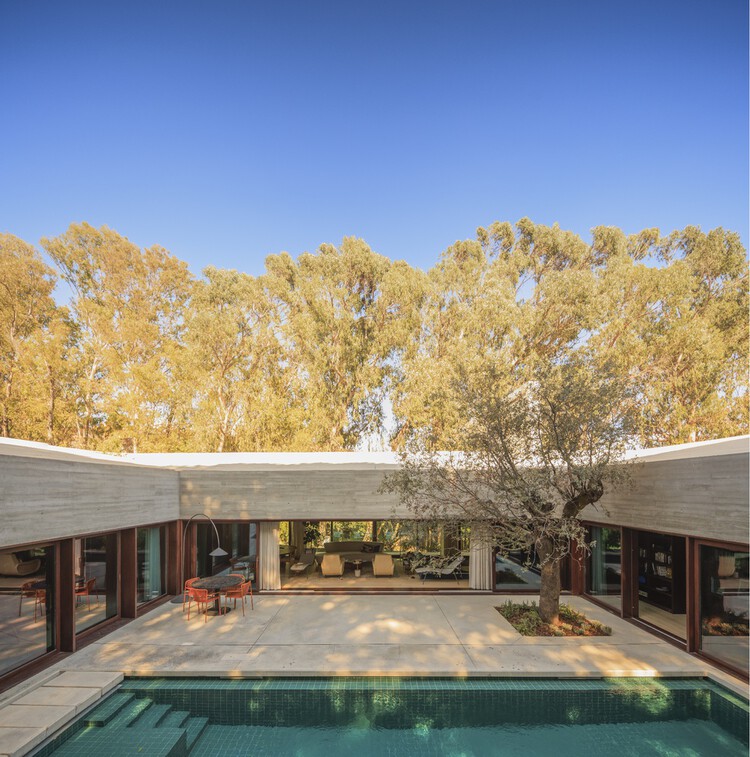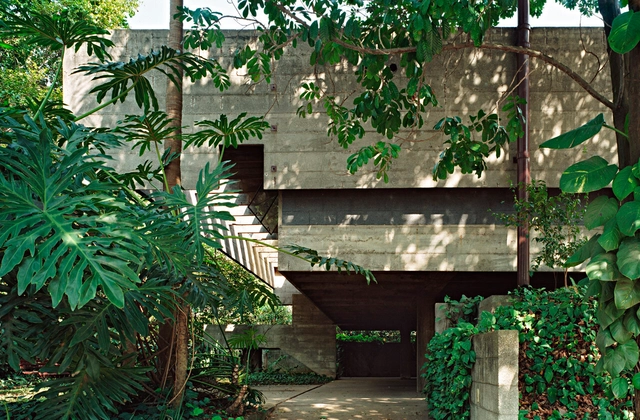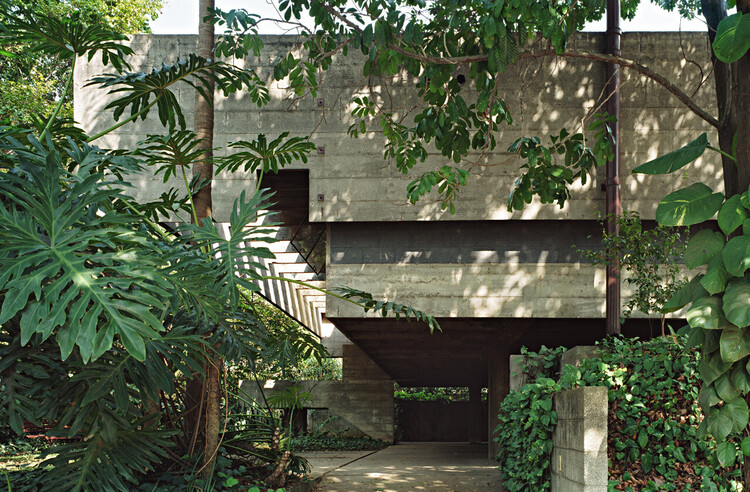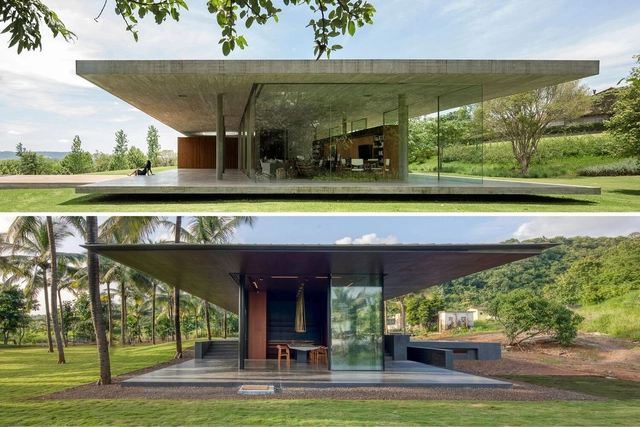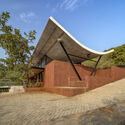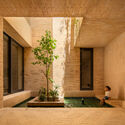
Patio houses embody one of the most enduring architectural typologies, encapsulating the duality of openness and seclusion while nurturing a profound connection with nature. While the term is also used in contemporary American real estate to describe low-maintenance, single-story dwellings on small lots, its classic architectural meaning refers to an introverted design organized around a private, central courtyard. It is this traditional form, the subject of this article, that traces its origins back thousands of years. Patio houses emerged independently in various regions, responding universally to fundamental human needs: privacy, climatic adaptability, and spatial coherence. Despite diverse geographic and cultural expressions, the core principles of introversion, controlled openness, and environmental sensitivity remain remarkably consistent throughout the evolution of this typology.
It shouldn't be too surprising that architectural concepts were traveling around the globe long before the online spread of information. While many regions share certain historical events and hence references (such as colonization and the mid-20th-century independence movement/ turn of political systems), others might have simply developed parallel solutions to similar climates and material availability. Additionally, it was only natural that with the dissemination of a more uniform architectural pedagogy acquired while studying abroad, followed by the internet boom, we would find almost twin projects from every corner of the world. While these might look nearly identical from some angles, they might bear different layers and stories. Then again, they might also display the same reasoning and prompts shared by counterparts from across the seas.
In modernist architecture, promenade architecturale emerged as a key design strategy, embodying the principles of functionality, aesthetics, and integration with the urban context. Le Corbusier’s iconic projects, such as Villa La Roche (1925) and Villa Savoye (1929), exemplify this idea by guiding visitors through an ascending journey that culminates in the rooftop garden—a space where the building and nature seamlessly interact. A century later, this concept remains influential, continuing to shape contemporary designs that explore the relationship between movement and space in various architectural typologies, including houses, museums, libraries, and parks.
Throughout the year, ArchDaily's team of curators works on expanding and populating our project library. Located all around the world, each curator carefully considers the best works emanating from their respective regions in an effort to have a diverse representation of the most inspiring and innovative built works. The team looks to new rising practices, new technologies, and the vernacular revival of traditional construction techniques. Seeking socially driven initiatives, as well as major works by renowned architects, the overall offers a holistic view of the built world today and is relayed through the yearly project review.
The first award winners of the 2023 World Architecture Festival have been announced, following Day One of live presentations at Marina Bay Sands in Singapore, in which hundreds of shortlisted projects were presented by practices from around the world. Amongst today’s category award winners of the world’s largest international live-judged architectural event are MAD Architects, Woods Bagot and Nextoffice, Studio of Architectural Research & Design, who won across three individual categories.
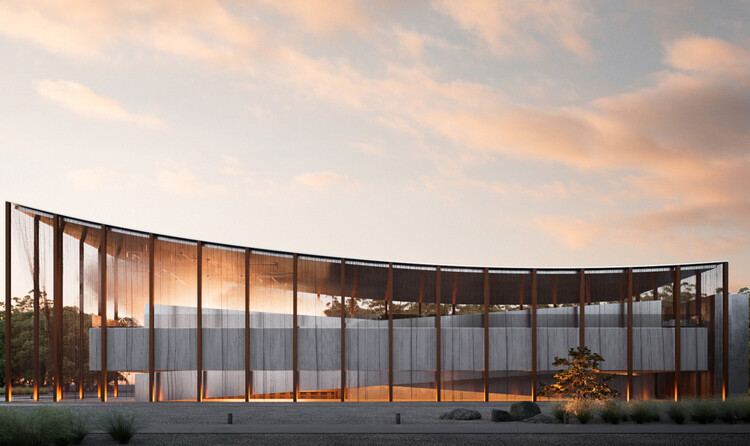
Proposta vencedora do Pavilhão do Brasil na Expo Osaka 2025. Autoria Studio MK27 e Magnetoscópio. Image Cortesia de Apex Brasil
The project led by architect Marcio Kogan was the winner of the competition for the Brazilian Pavilion at the next World Expo: Expo Osaka 2025, organized by the Brazilian Agency for the Promotion of Exports and Investments (ApexBrasil). The project is signed by professionals from MK27 and Magnetoscope. Besides Kogan, the architects Renata Furlanetto and Marcello Dantas are also authors.
https://www.archdaily.com/993672/studio-mk27-and-magnetoscope-win-competition-to-design-the-brazil-pavilion-at-expo-osaka-2025ArchDaily Team
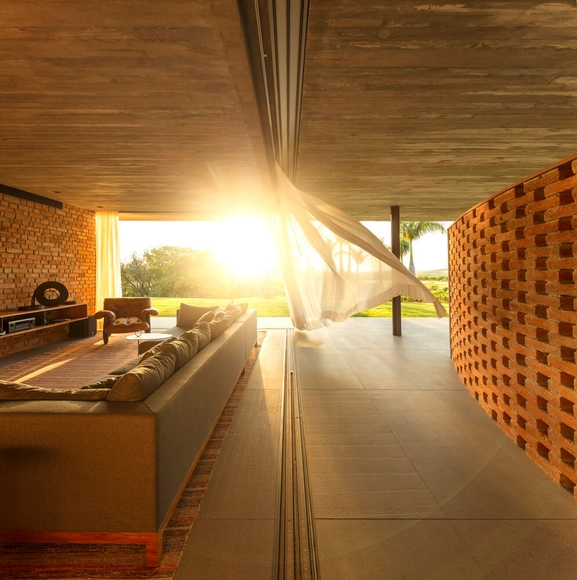
Valuing formal simplicity and delicate attention to details and finishing, Studio MK27 was founded in the late 1970s by Marcio Kogan and currently has more than 30 members based in São Paulo and other collaborators around the world. Its work, as described on its website, seeks to fulfill the task of rethinking and continuing Brazilian modernism.
Architectural photographer Marc Goodwin recently visited Brazil to continue on his journey documenting the world's architecture offices. Expanding on his current list, he's already visited Panama City, the Netherlands, Dubai, London, Paris, Beijing, Shanghai, Seoul, the Nordic countries, Barcelona, and Los Angeles. In Brazil, Marc photographed 20 offices across a range of scales and project types. Find out more about the individual offices and the city they are a part of through Marc's feature.
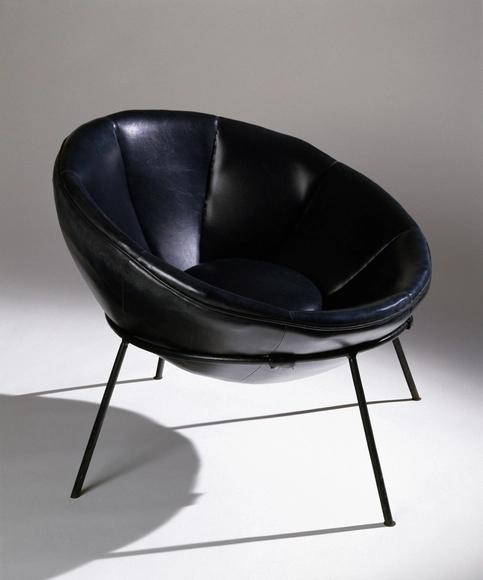
For some practitioners of architecture, the insatiable desire to draw everything, from the largest to the smallest to take full control of the project, echoes the famous phrase uttered by Mies Van Der Rohe: "God is in the details." Similarly, designing furniture provides another creative outlet for in-depth exploration of human-scale works of architecture.
Throughout the history of the Brazilian Architecture, and especially since the modernist movement, architects not only became known for their building designs, but also for their detailed chairs and tables. Several of these pieces of furniture were initially designed for a specific project and then went into mass production due to their popularity.
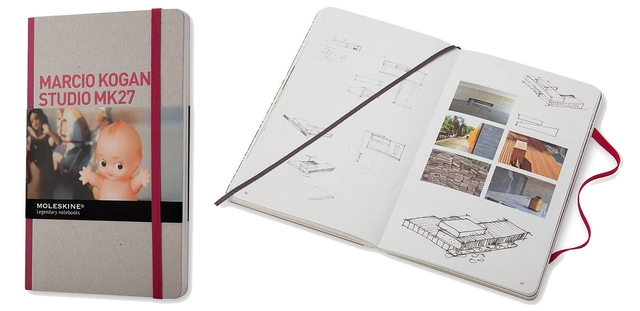
The series already features monographs dedicated to Studio Mumbai, Wiel Arets, Dominique Perrault, Zaha Hadid, and others. Studio MK27 joins this prestigious list along with Kengo Kuma, Grafton Architects, Frits Palmboom and Michael Graves, whose monographs were also recently announced by Moleskine.
After two weeks of nominations and voting, we are pleased to present the winners of the 2015 ArchDaily Building of the Year Awards. As a peer-based, crowdsourced architecture award, the results shown here represent the collective intelligence of 31,000 architects, filtering the best architecture from over 3,000 projects featured on ArchDaily during the past year.
The winning buildings represent a diverse group of architects, from Pritzker Prize winners such as Álvaro Siza, Herzog & de Meuron and Shigeru Ban, to up-and-coming practices such as EFFEKT and Building which have so far been less widely covered by the media. In many cases their designs may be the most visually striking, but each also approaches its context and program in a unique way to solve social, environmental or economic challenges in communities around the world. By publishing them on ArchDaily, these buildings have helped us to impart inspiration and knowledge to architects around the world, furthering our mission. So to everyone who participated by either nominating or voting for a shortlisted project, thank you for being a part of this amazing process, where the voices of architects from all over the world unite to form one strong, intelligent, forward-thinking message.
"What is the role of the architect as a visionary; can the architect (or should the architect) assume the position of social or urban orchestrator? Can architecture’s presence in a technocracy promote a vision outside of its intentions?" - Professor Paul Robinson
The thirty-second Piran Days of Architecture international conference will take place on November 22, organized around the central theme of Vision. The conference will explore a contemporary methodology for interpreting the myriad facets of an architect's vision in the context of "increasing technological, sociopolitical, sociocultural and environmental demands."
Winners have been announced for the 2014 LEAF Awards. Spanning 14 categories, including best refurbishment of the year (pictured above), all winning projects “demonstrate buildings that are setting the benchmark for the international architectural and design community.”
See which project landed Jean Nouvel top honors, after the break.
BEST of Retail: Cultura Bookstore; Sao Paulo, Brazil / studio mk27. Image Courtesy of INSIDE
This Brazilian bookstore in São Paulo was name the best Retail Interior of 2014 as part of the first round of awards announced at the INSIDE World Festival of Interiors at the Marina Bay Sands, Singapore. Winners have been revealed across five diverse categories, with an addition four category winners to be announced tomorrow evening.
See what INSIDE deemed to be the best Bar & Restaurant, Hotel, and Residence of 2014 after the break.