-
Interior Designers: FON STUDIO
- Area: 100 m²
- Year: 2025



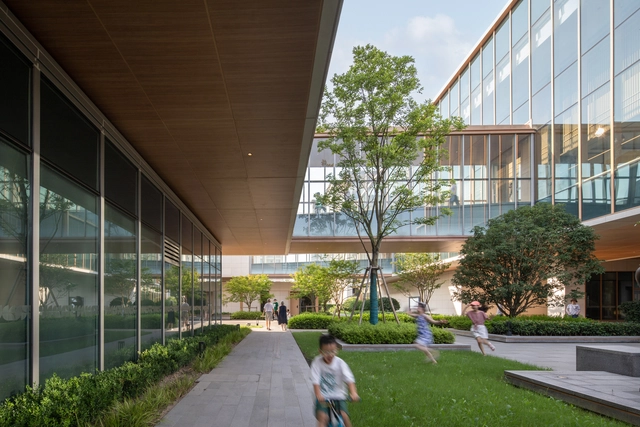
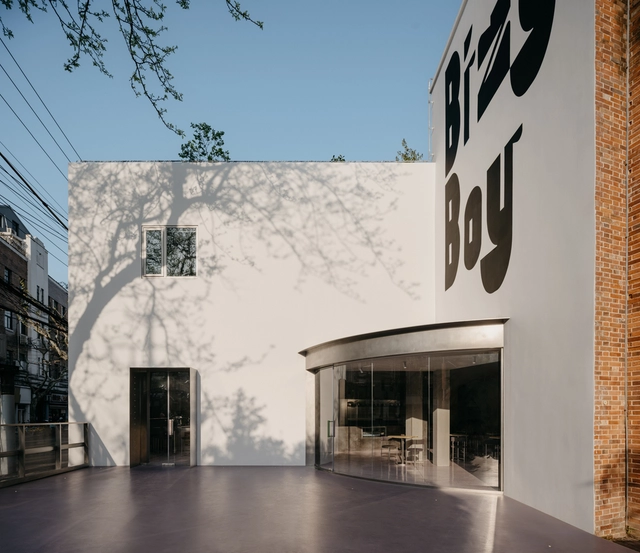
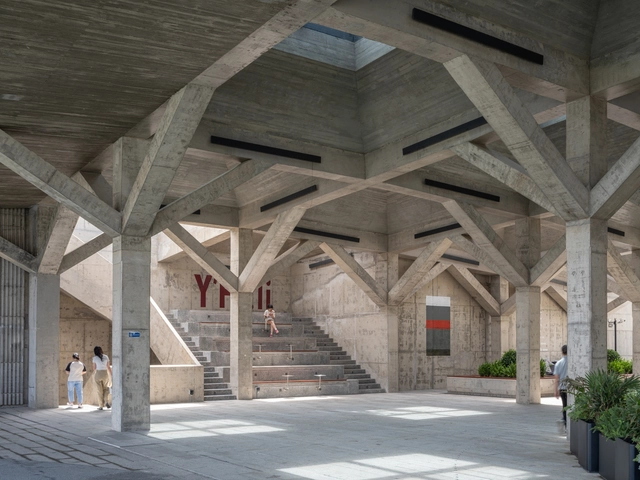
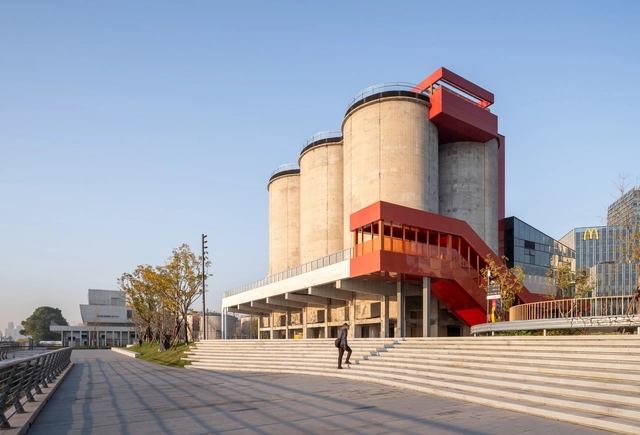
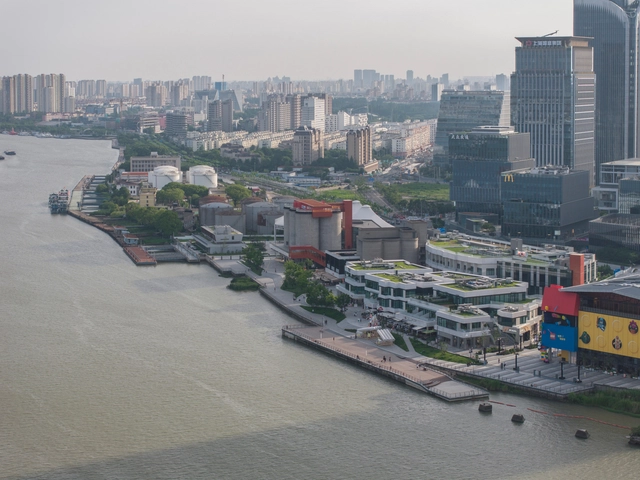
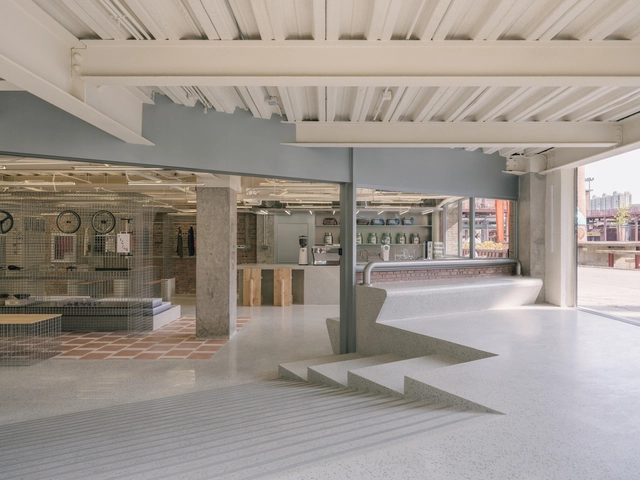
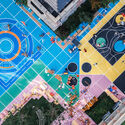
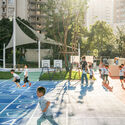
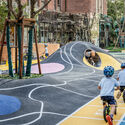
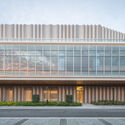
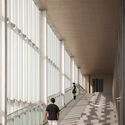
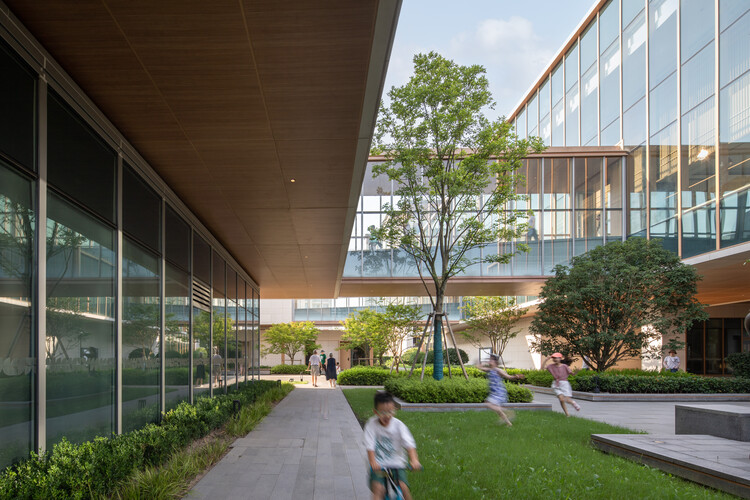
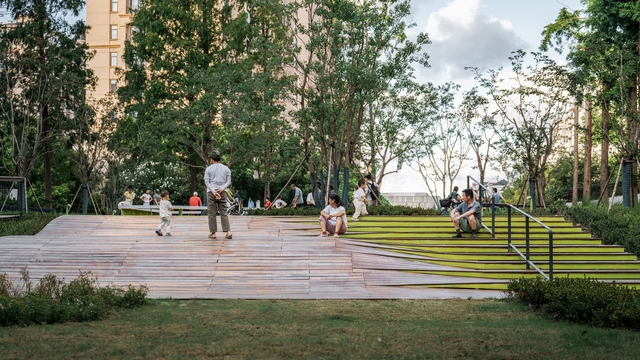
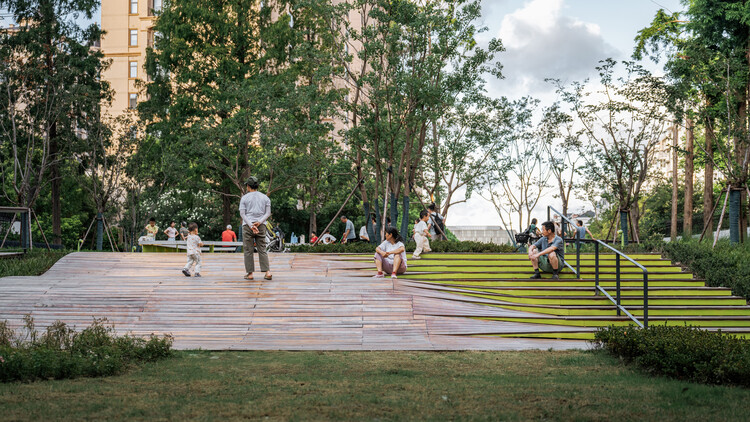
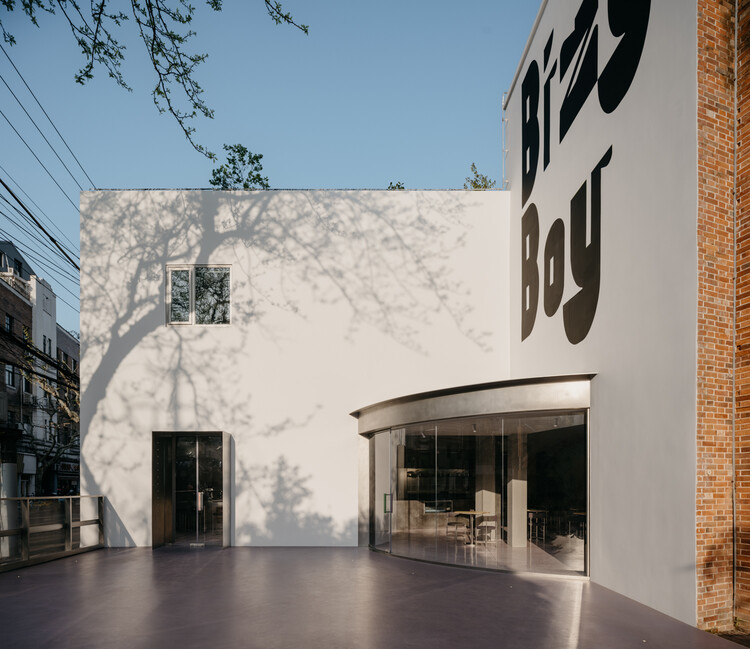
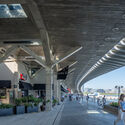
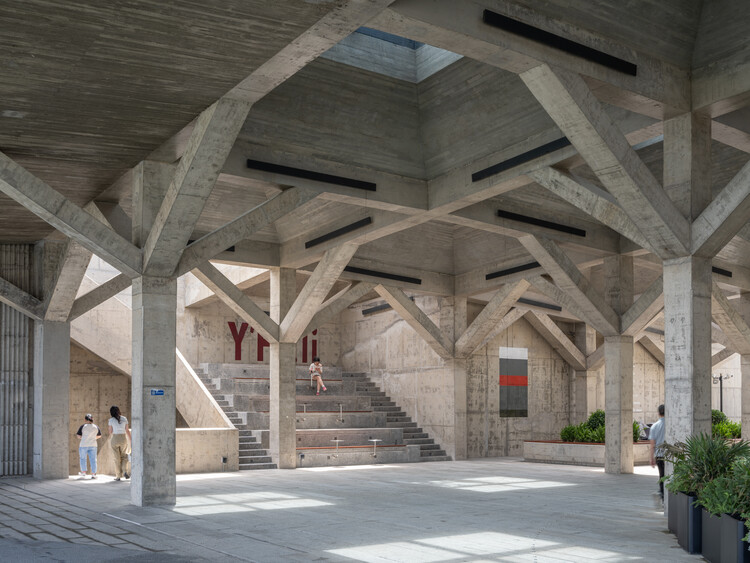
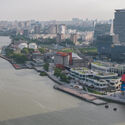
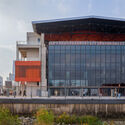
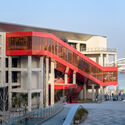
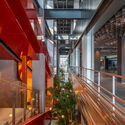
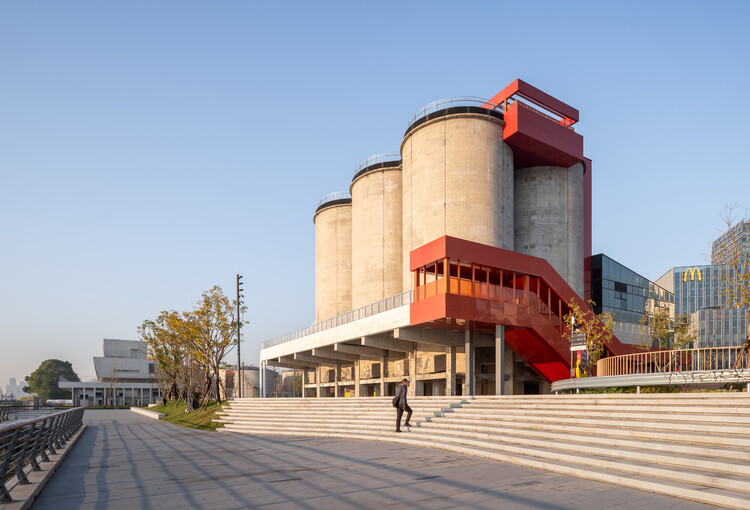
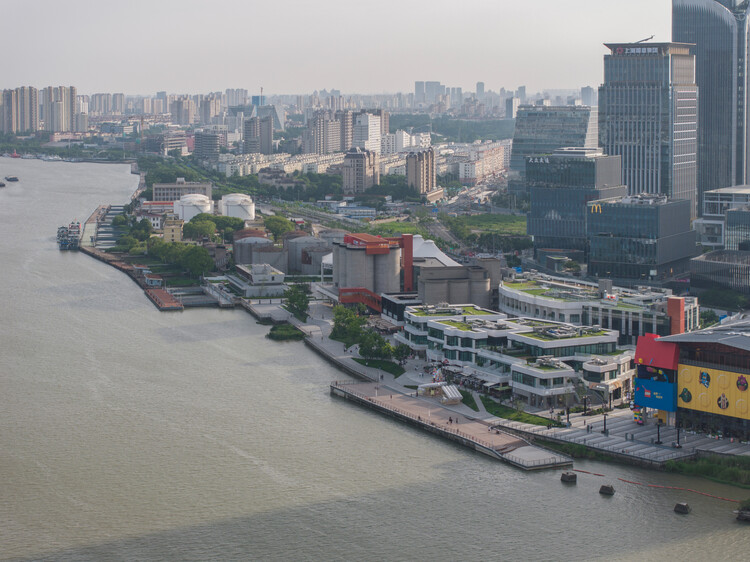
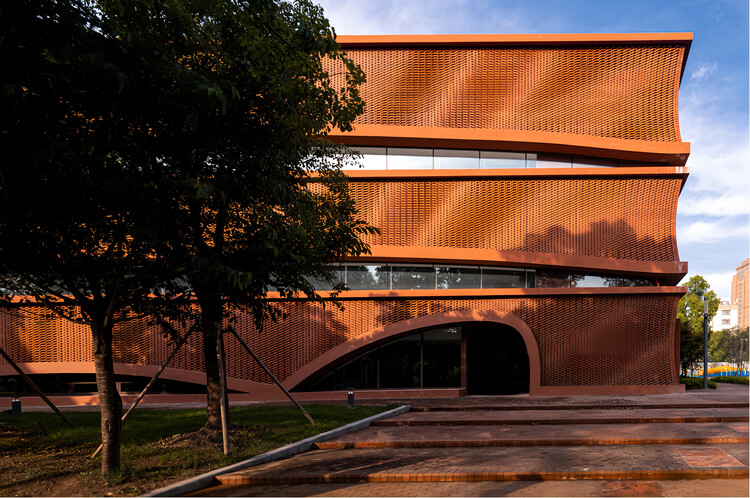
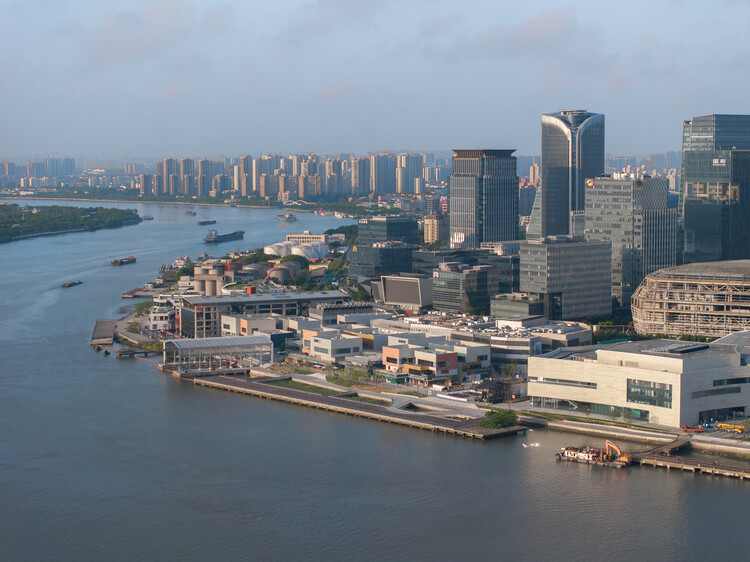
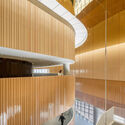
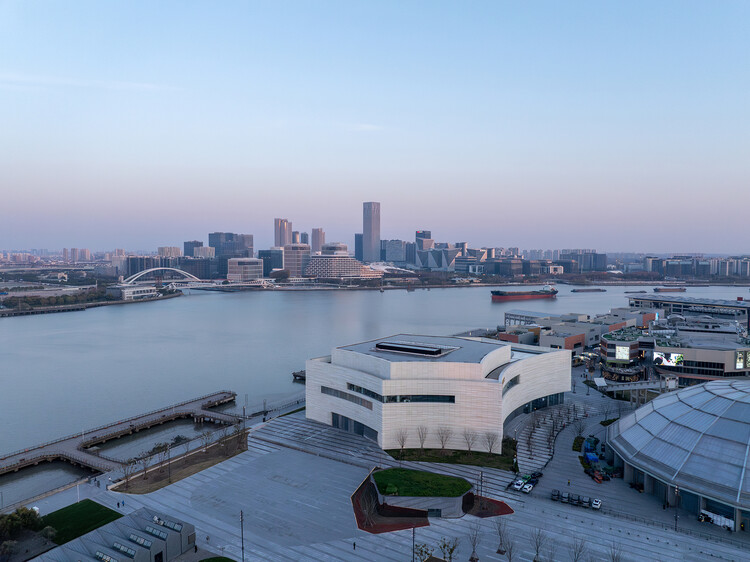
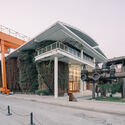
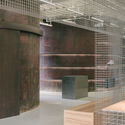
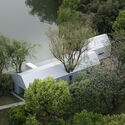
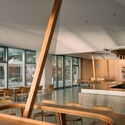
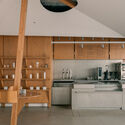
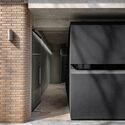
MVRDV has completed the GATE M West Bund Dream Center, a major adaptive reuse project that transforms a former cement factory into a dynamic cultural and leisure district in Shanghai. Located along the city's Huangpu River, the development contributes to the growing series of West Bund cultural initiatives and offers a wide array of public amenities, from food and retail spaces to climbing facilities, event venues, and riverside relaxation areas. Once the site of Asia's largest cement factory, the area underwent a significant shift following the 2010 Shanghai Expo, which prompted the relocation of industrial activities and the revitalization of the riverbanks.
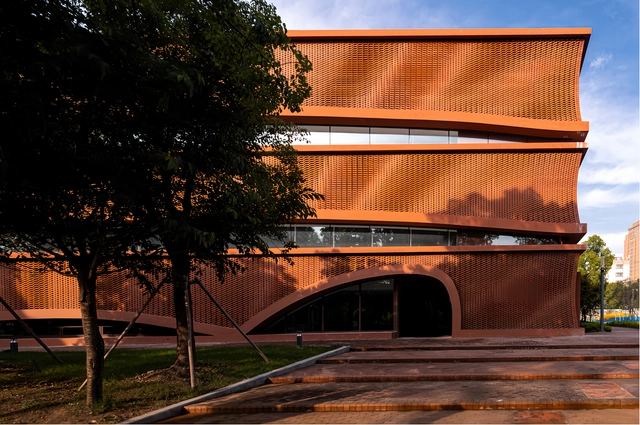

Amidst global economic adjustments and a domestic focus on high-quality development, Shanghai has implemented a strategic shift in its urban development approach—moving from 'incremental expansion' to 'connotative enhancement.' Guided by the concept of a "people-oriented city", Shanghai has elevated urban construction from mere physical space aggregation to a comprehensive endeavor aimed at optimizing functional quality, revitalizing spatial vitality, and boosting residential resilience through urban renewal initiatives. This transformation is framed not merely as a response to resource constraints but also as an intentional approach to urban development principles. Its core proposition lies in: under the policy framework of strictly controlling incremental land use, how to unleash development potential through the "reproduction" of existing spaces.
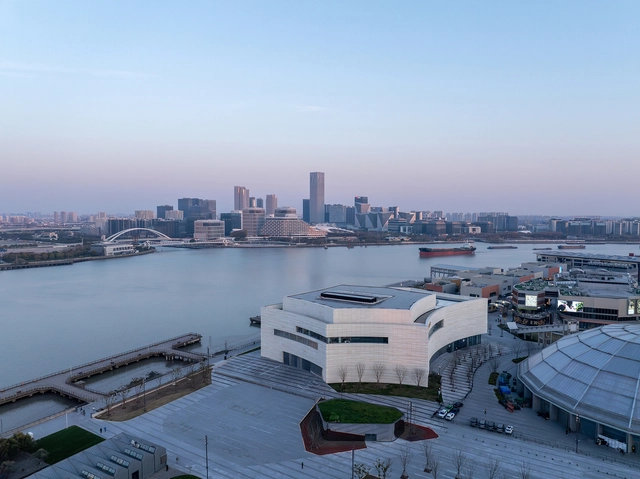
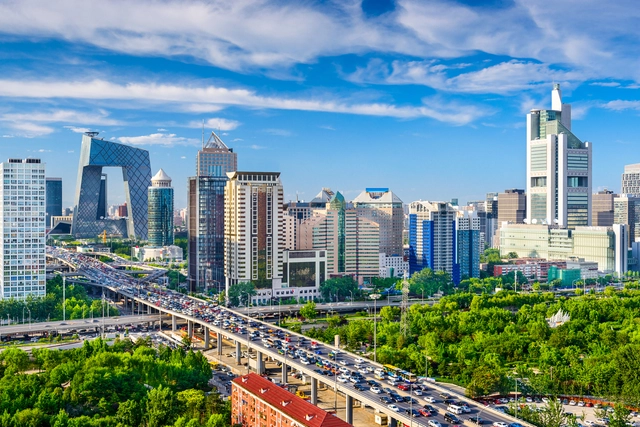
Every year, World Population Day is observed on July 11th, aiming to increase people's awareness of various population issues, such as the importance of urbanization, gender equality, poverty, health, and human rights. In 2025, under the theme "Empowering Youth to Build the Families They Want," the United Nations draws attention to the largest generation of young people in history, many of whom are coming of age in rapidly urbanizing contexts. Urban centers remain key to understanding these demographic patterns, as cities continue to attract populations seeking opportunity, stability, and access to essential services. Today, more than half of the global population resides in urban areas, a share projected to increase to 66% by 2050.
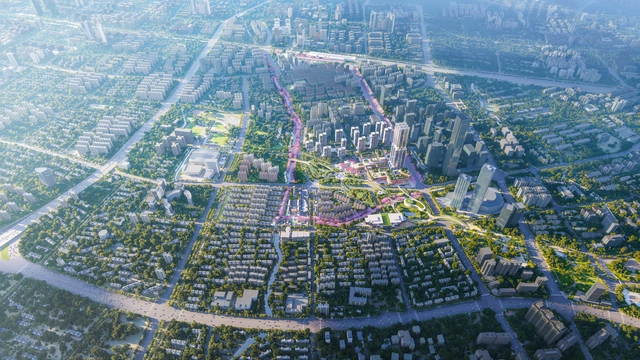
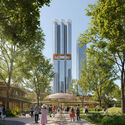
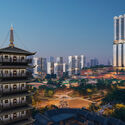
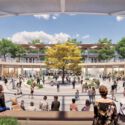
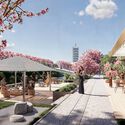
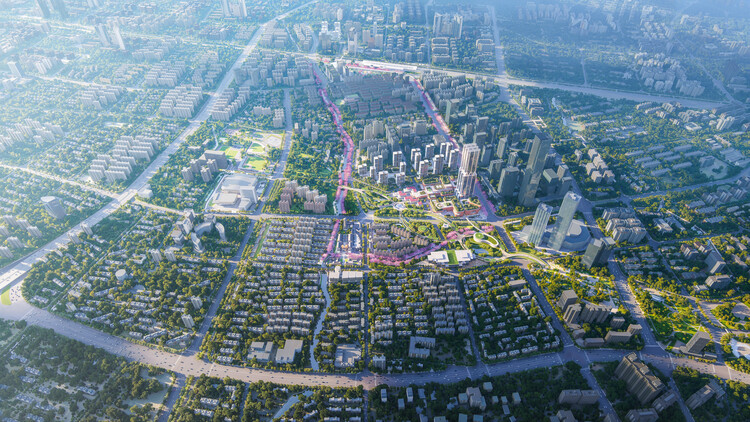
Foster + Partners has won a competition to transform Shanghai's Putuo District. The 3.2-square-kilometre masterplan focuses on the urban regeneration of the area surrounding Shanghai West Railway Station, creating a new gateway to China's most populous city. Structured around key transportation modes, the project includes two parallel pedestrian corridors that connect the station to Zhenru Temple and a new urban center planned on a currently undeveloped site. The masterplan follows the 2024 proposals for the Changfeng mixed-use development within Putuo District's Shanghai Science and Technology Finance cluster, part of the broader Shanghai 2035 Masterplan.