Architect Cino Zucchi (b. 1955) grew up and practices in Milan, Italy. He was trained at MIT in Cambridge and the Politecnico di Milano, but claims to be largely self-taught, although influenced by such of his countrymen as Aldo Rossi and Manfredo Tafuri. He is internationally known for diverse projects across Europe. Many are both abstracted and contextual residential complexes in Italy, particularly in Milan, Bologna, Parma, Ravenna, and, most notably, in Venice. Zucchi’s D residential building in Giudecca, attracted international attention and praise when it was completed in 2003. I met Cino Zucchi last year during the Venice Architecture Biennale; that meeting led to an extensive interview that we recently engaged in over Zoom between New York and the architect’s sunlight and books-filled Milan studio.
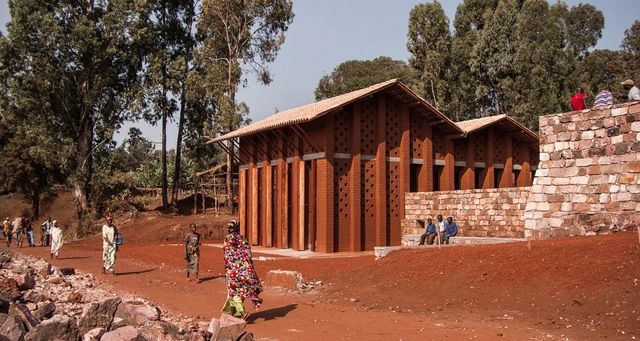
Library of Muyinga. Image Courtesy of BC Architects
In his 1983 now-classic essay Towards a Critical Regionalism, Six Points of an Architecture of Resistance, Kenneth Frampton discussed an alternative approach to architecture, one defined by climate, topography and tectonics, as a form of resistance to the placeness of Modern Architecture and the gratuitous ornamentation of Postmodernism. An architectural attitude, Critical Regionalism proposed an architecture that would embrace global influences while firmly rooted in its context. The following explores the value and contribution of Frampton’s ideas for contemporary architecture.
As the prefix already indicates, postmodernism is a turning point in history, thereby proving the willingness of scholars to define this new era based on the rejection of the previous movement. Postmodernism first emerged in the 1960s as a departure from modernism. As a reaction against the austerity, formality, and lack of variety of modern architecture, particularly in the international style advocated by Le Corbusier and Mies van der Rohe, postmodernism defends an architecture full of signs and symbols that can communicate cultural values. Postmodernism is a reaction to homogeneity and tediousness by praising difference and striving to produce buildings that are sensitive to the context within which they are built.
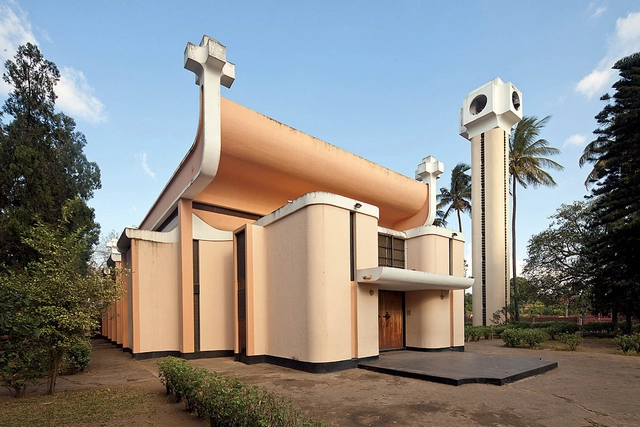
Amancio d'Alpoim Miranda Guedes, known as Pancho Guedes was an architect, painter, sculptor, and educator that is revered as one of the earliest post-modernist architects in Africa. Throughout his career, he has contributed to more than 500 building designs which were often characterized as eclectic, bringing together Lusophone African influence with his unique surrealist and experimental artistic style. It is said that having worked mainly in Mozambique, Angola, South Africa, and Portugal, Pancho Guedes was less well known than he ought to have been in the rest of the world, as he is a leading figure in modern African architecture.
The Berlinische Galerie's exhibition Anything Goes? recounts how a global, contradictory Postmodernism took root on both sides of the Berlin Wall in the 1980s. Florian Heilmeyer in his piece originally published on Metropolis discusses the ambitious exhibition that was able to look simultaneously at both sides of the German city at that time.
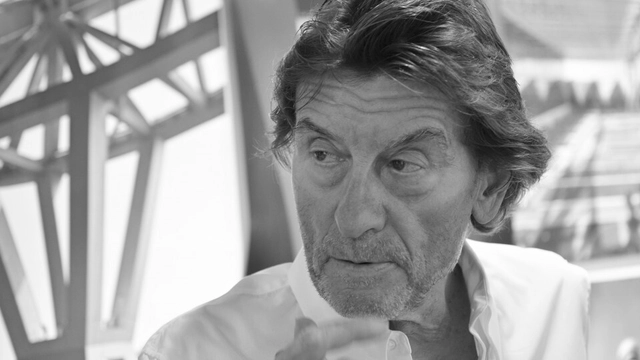
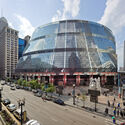
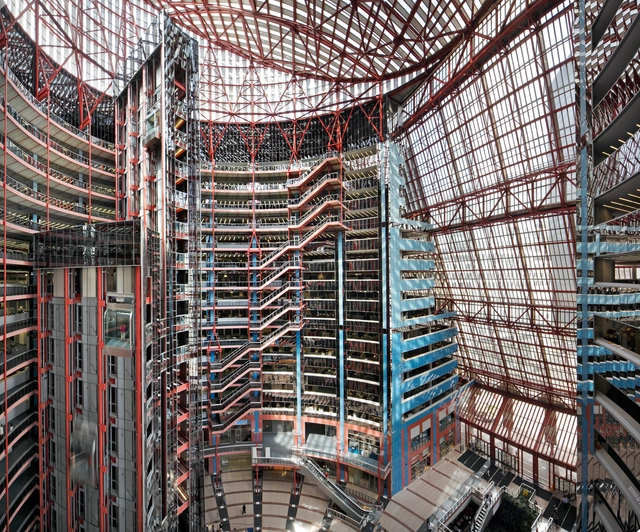
Chicago’s most prolific architect, Helmut Jahn has passed away on Saturday afternoon in a cycling accident. He was struck by two vehicles while riding his bicycle in Campton Hills, in the Chicago suburbs. The German-American designer is best known for his postmodern Thompson Center, currently under threat of demolition and United Airlines Terminal 1 at Chicago’s O’Hare International Airport.
It would seem that the ongoing saga of the James R. Thompson Center, Chicago’s beloved but neglected governmental office building-slash-postmodernist mecca, might be reaching its final act.
Yesterday, Brendan Reilly, alderman of the city’s 42nd ward, announced a proposed rezoning ordinance that could kick the sale of the prized 3-acre site (12,140 m2) at 100 West Randolph Street into high-gear. The cash-strapped State of Illinois has been considering/trying to offload the property as early as 2003.
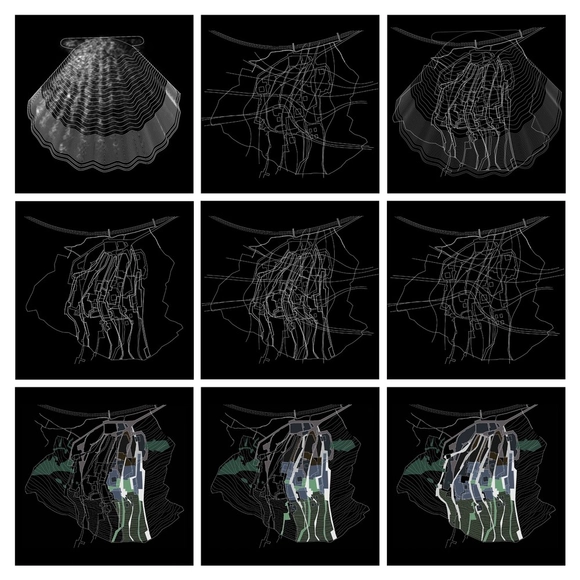
Design diagram for the City of Culture of Galicia, Spain. Image Courtesy of Eisenman Architects
If we define deconstructivism, it literally translates to the breaking down, or demolishing of a constructed structure, whether it being for structural reasons or just an act of rebellion. It is perhaps for this reason that many misunderstand the Deconstructivist movement.
Deconstructivism is, in fact, not a new architecture style, nor is it an avant-garde movement against architecture or society. It does not follow “rules” or acquire specific aesthetics, nor is it a rebellion against a social dilemma. It is the unleashing of infinite possibilities of playing around with forms and volumes.
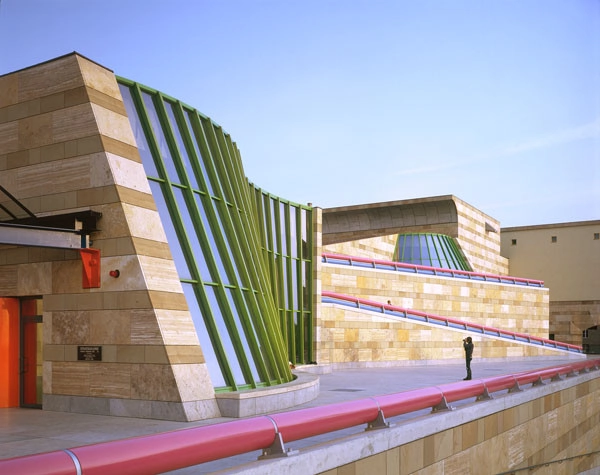
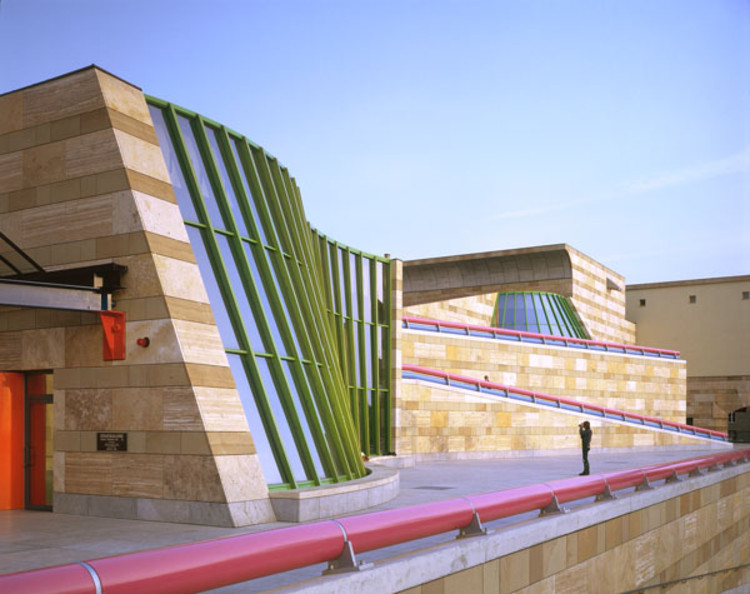
Staatsgalerie, Stuttgart, Germany (1977–1984), 1984. Alastair Hunter, photographer. Image Courtesy of Canadian Centre for Architecture
British architect and Pritzker LaureateSir James Stirling(22 April 1926 – 25 June 1992) grew up in Liverpool, one of the two industrial powerhouses of the British North West, and began his career subverting the compositional and theoretical ideas behind the Modern Movement. Citing a wide-range of influences—from Colin Rowe, a forefather of Contextualism, to Le Corbusier, and from architects of the Italian Renaissance to the Russian Constructivist movement—Stirling forged a unique set of architectural beliefs that manifest themselves in his works. Indeed his architecture, commonly described as "nonconformist," consistently caused annoyance in conventional circles.
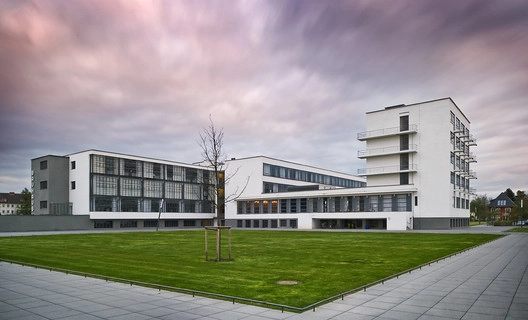
Modernism could be described as one of the most optimistic styles in architectural history, drawing from notions of utopia, innovation, and the reimagination of how humans would live, work, and interact. As we reflected in our AD Essentials Guide to Modernism, the philosophy of Modernism still dominates much of architectural discourse today, even if the world that gave rise to Modernism has changed utterly.
As we say goodbye to 2019, a year that saw the centenary of the Bauhaus, we have collated a list of key architectural styles that defined Modernism in architecture. This tool for understanding the development of 20th-century design is complete with examples of each style, showcasing the practice of Modernism that lay behind the theory.
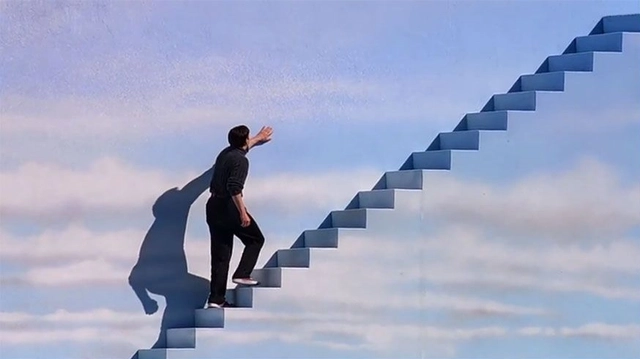
"Films have been studied by architects and other professionals who are interested in the field of architecture and urbanism because they offer a more subtle and responsive perspective of our discipline," Finnish Architect and Professor Juhani Pallasmaa tells us. Through its technical and aesthetical particularities, the cinema can go beyond simple representation to be a powerful instrument for conveying ideas and concepts related to architecture and urban space.
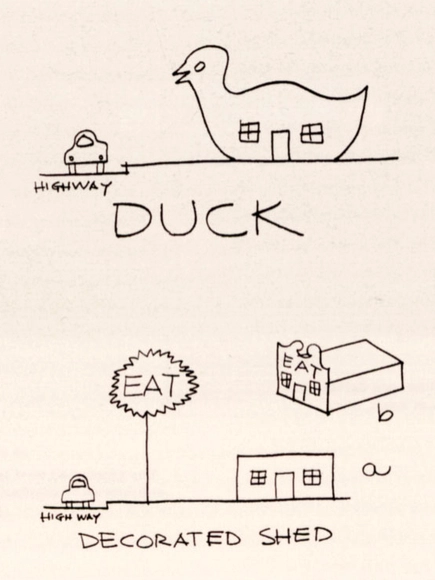
Through their pioneering theory and provocative built work, husband and wife duo Robert Venturi (born June 25, 1925) and Denise Scott Brown (born October 3, 1931) were at the forefront of the postmodern movement, leading the charge in one of the most significant shifts in architecture of the 20th century by publishing seminal books such as Complexity and Contradiction in Architecture (authored by Robert Venturi alone) and Learning from Las Vegas(co-authored by Venturi, Scott Brown and Steven Izenour).
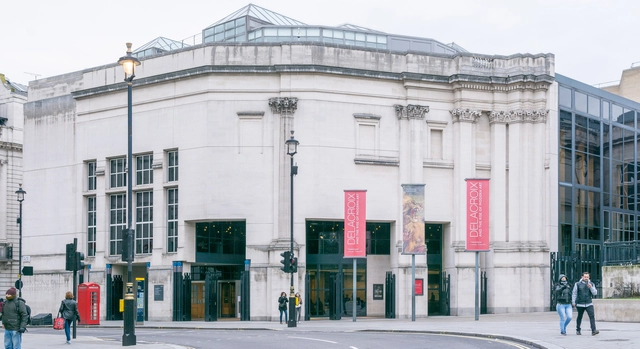
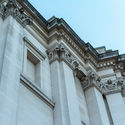
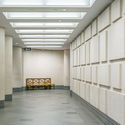
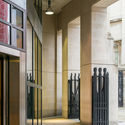
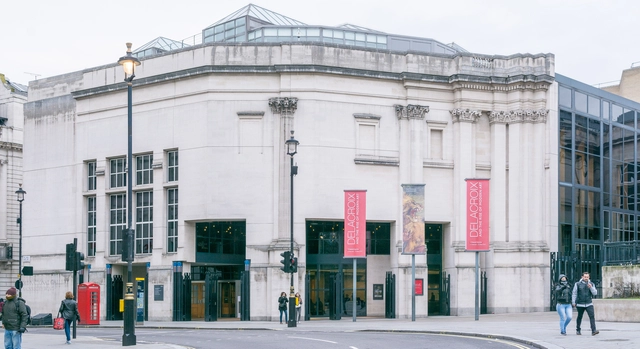
The American Institute of Architects (AIA) has selected Venturi Scott Brown's Sainsbury Wing at the National Gallery of London as the recipient of the 2019 AIA Twenty-five Year Award. Designed by Robert Venturi and Denise Scott Brown in an international competition, AIA commended the project for its ability to “...make its context better than it found it” - a citation borrowed from Venturi himself.
The award is presented annually to a project that has "stood the test of time by embodying architectural excellence for 25 to 35 years."
https://www.archdaily.com/909184/venturi-scott-browns-sainsbury-wing-national-gallery-london-receives-aia-25-year-awardKatherine Allen
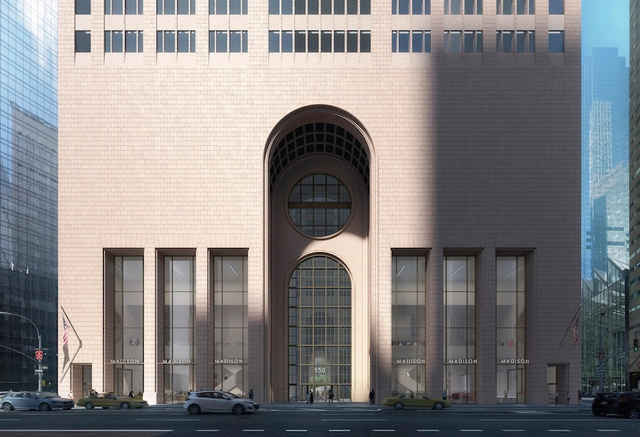
A rejection of the bland and cold functionality of Midtown's crystal skyscrapers, the AT&T building was intended to encourage a more playful approach architecture in the corporate world; the crazy socks beneath a three-piece suit. It was not without controversy. Upon its completion, the building was derided for its decorative and outsized pediment and occasionally dark interior spaces. Indeed, the building's arched entry spaces were among the only architectural elements to be met with praise from both critics and the public.
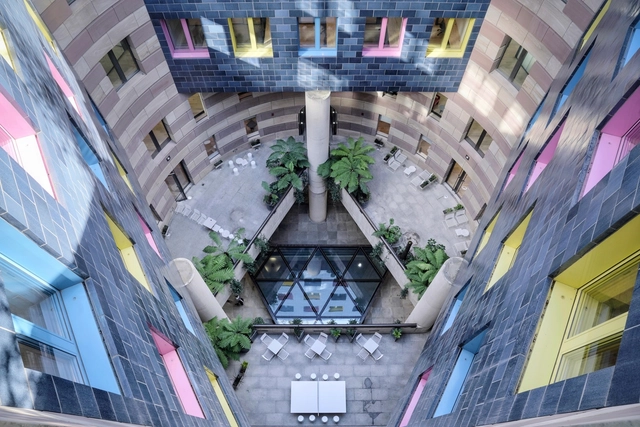
No 1 Poultry, the iconic Grade II* listed landmark in London designed by James Stirling, has opened its doors as WeWork’s 28th London location. The Postmodern masterpiece now serves as a WeWork space for 2300 members, as well as shops, a roof garden, and a restaurant.
This article was originally published on April 22, 2016. To read the stories behind other celebrated architecture projects, visit our AD Classics section.
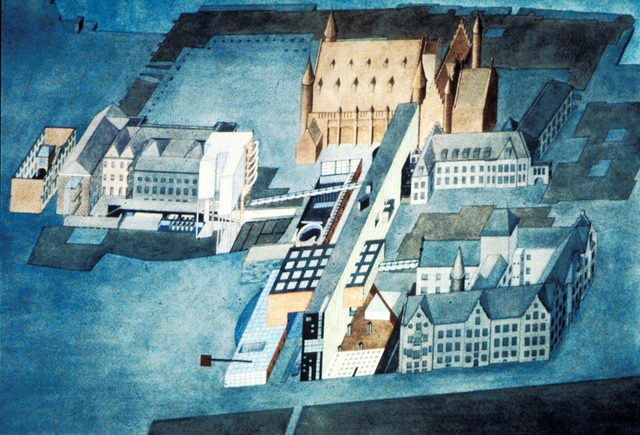
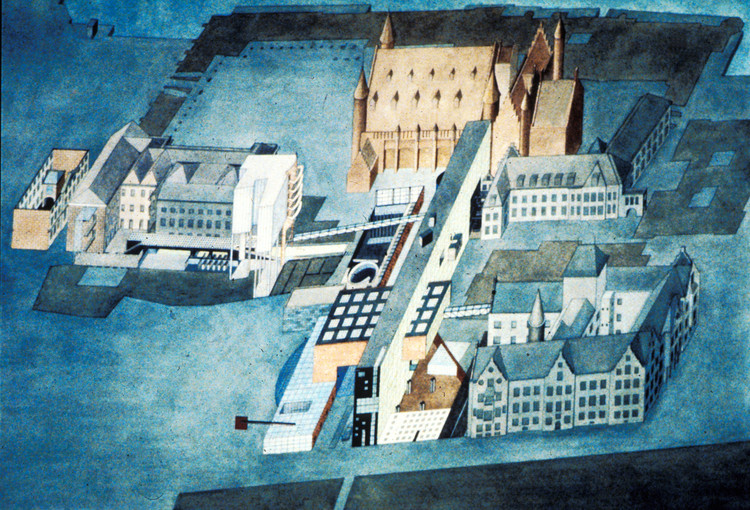
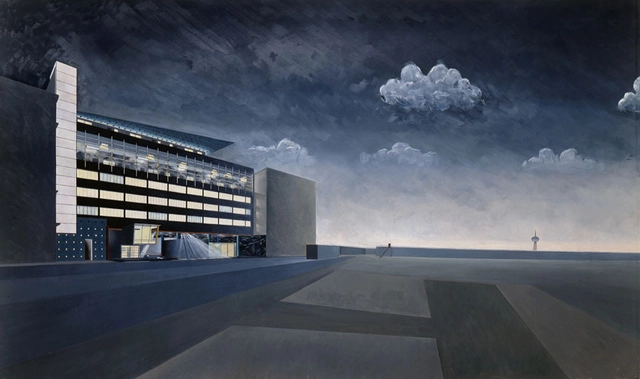
Designed shortly before Zaha Hadid left the Office of Metropolitan Architecture (OMA)—led by Rem Koolhaas—to found her practice, Zaha Hadid Architects, the proposed extension for the Dutch Parliament firmly rejects the notion that imitation is the sincerest form of flattery. Rather than mimic the style of the existing historic buildings, OMA elected to pay tribute to the complex’s accretive construction by inserting a collection of visibly postmodern, geometric elements. These new buildings, unapologetic products of the late 1970s, would have served as unmistakable indicators of the passage of time, creating a graphic reminder of the Parliament’s long history.
Robert Venturi (1925-2018) was the most influential American architect of the last century, though not primarily for his built work, or because of his stature as a designer. He will never stand beside Wright, or Kahn, or even Gehry in that regard. Between 1965 and 1985 he and his collaborator, Denise Scott Brown, changed the way all architects look at buildings, cities, and landscapes, much in the way that Marshall McLuhan, Bob Dylan and Andy Warhol changed our view of art, media, and popular culture during the same period.
I worked with Bob Venturi during my apprenticeship in the 1970s; I also grew up with his books, buildings and paternal influence. He and my father were one year apart; Denise is the same age as my mother.
https://www.archdaily.com/903226/robert-venturi-and-the-difficult-whole-how-architectures-enfant-terrible-changed-design-foreverMark Alan Hewitt
Venturi Scott-Brown’s National Gallery Sainsbury Wing extension (1991) was born into a precarious no-man’s land between the warring camps of neo-Modernists and traditionalists who had been tussling over the direction of Britain’s cities for much of the prior decade. The site of the extension had come to be one of the most symbolic battlefields in British architecture since a campaign to halt its redevelopment with a Hi-Tech scheme by Ahrends Burton Koralek had led to that project’s refusal at planning in 1984.







.jpg?1625088987&format=webp&width=640&height=580)



.jpg?1625088987)







.jpg?1597099445 "Parc de la Villette / Bernard Tschumi Architects. Image © Peeradontax | Shutterstock")





.jpg?1577789705 "Villa Savoye / Le Corbusier")
.jpg?1577789737 "Vitra Design Museum / Gehry Partners. Image © Liao Yusheng")

.jpg?1498408559&format=webp&width=640&height=580)
.jpg?1544343835 "Courtesy of LMNB & Snøhetta")
.jpg?1544343847 "Courtesy of LMNB & Snøhetta")