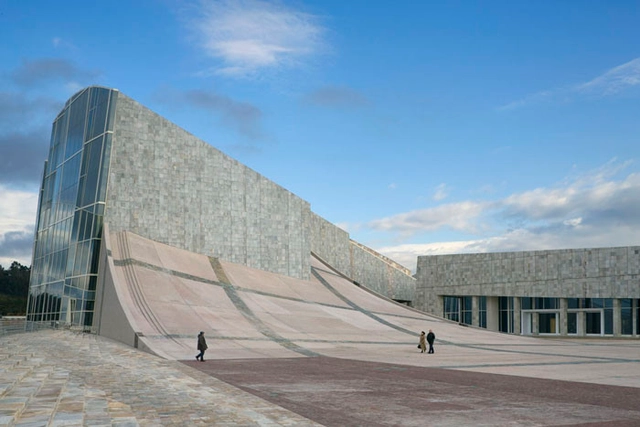
In this essay by the British architect and academic Dr. Timothy Brittain-Catlin, the very notion of British postmodernism—today often referred to as intimately tied to the work of James Stirling and the the thinking of Charles Jencks—is held to the light. Its true origins, he argues, are more historically rooted.
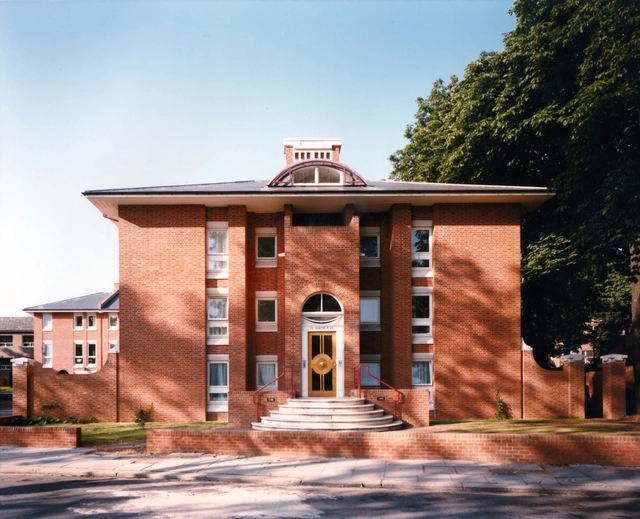
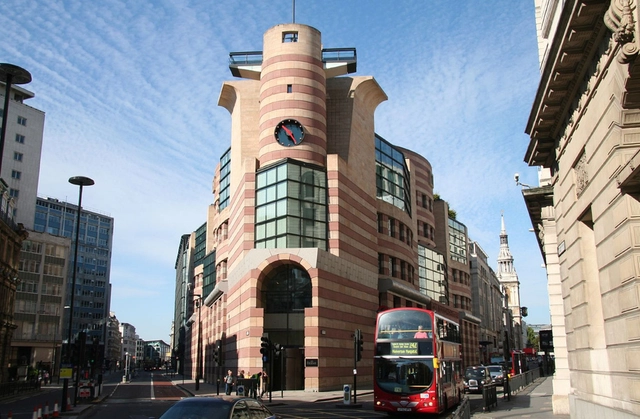
I grew up in a beautiful late Victorian terrace with ornamental brickwork, shaped ‘Dutch’ gables and pretty arts and crafts stained glass windows – and so I didn’t think then, and I don’t think now, that I had much to learn from Las Vegas. It turns out that I wasn’t the only one. Of British architects who made their names as postmodernists in the 1980s, not a single one would say now that they owed much to Robert Venturi, the American architect widely considered to be a grandfather of movement.
The "architectural pilgrimage" is much more than just everyday tourism. Studying and admiring a building through text and images often creates a hunger in architects, thanks to the space between the limitations of 2D representation and the true experience of the building. Seeing a building in person that one has long loved from a distance can become something of a spiritual experience, and architects often plan vacations around favorite or important spaces. But too often, architects become transfixed by a need to visit the same dozen European cities that have come to make up the traveling architect's bucket list.
The list here shares some sites that may not have made your list just yet. Although somewhat less well known than the canonical cities, the architecture of these six cities is sure to hold its ground against the world's best. The locations here make ideal long weekend trips (depending of course on where you are traveling from), although it never hurts to have more than a few days to really become immersed in a city. We have selected a few must-see buildings from each location, but each has even more to offer than what you see here—so don't be afraid to explore!
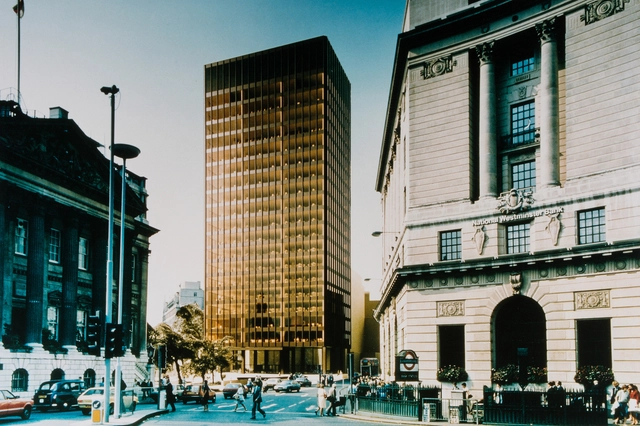
In the 1960s James Stirling asked Ludwig Mies van der Rohe why he didn’t design utopian visions for new societies, like those of Frank Lloyd Wright’s Broadacre City or Corbusier’s Cité Radieuse. Mies replied that he wasn’t interested in fantasies, but only in “making the existing city beautiful.” When Stirling recounted the conversation several decades later it was to the audience of a public enquiry convened in London – he was desperately trying to save Mies’ only UK design from being rejected in planning.
The Architectural Review has recently published an article celebrating the 50th anniversary of Robert Venturi’s book, Complexity and Contradiction in Architecture, which is regarded as one of the most important writings about architecture since Le Corbusier’s Vers une Architecture. In the article, Martino Stierli—Chief Curator of Architecture and Design at the Museum of Modern Art—delves into the significance of Venturi’s work, the motivation behind it, its continuing impact, and more. Read the full article at the Architectural Review, here.
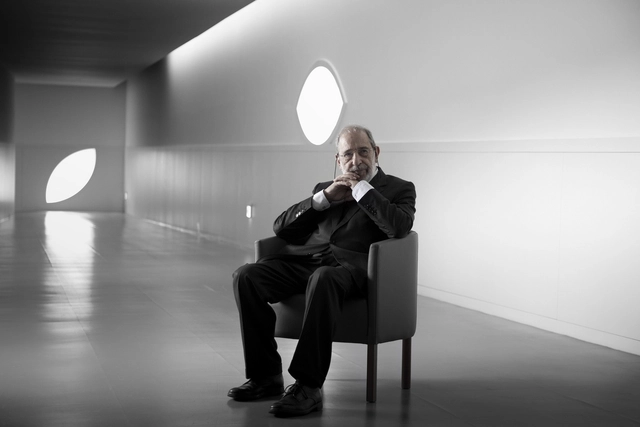
A new collection of five minute-long On Design stories—developed by the team behind Section D, Monocle 24's 24's weekly review of design, architecture and craft—profile a person, survey a place, or unpack an idea that’s changing or shaping design and architecture today. We've selected fourteen of our favorites from the ongoing series, examining issues as wide as Postmodernism and the architectural competition, to five-minute profiles of Alvaro Siza, Josef Hoffman, Kengo Kuma and Superstudio.
https://www.archdaily.com/802384/round-up-14-short-stories-architects-attitudes-odd-anecdotesAD Editorial Team
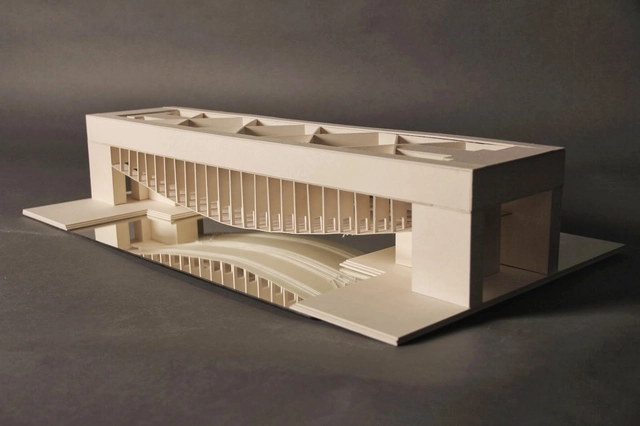
Model of the unrealised Palazzo dei Congressi, Venice. Image
The city of Venice has been caught in a tug of war between progress and traditionalism for many years, and particularly since the construction of a railroad viaduct in 1846 linked the island city to the Italian mainland for the first time in its history.[1] Over a century later, the Venetian government commissioned Louis Kahn to design a new Palazzo dei Congressi for the city; his proposal, while paying respect to the histories of both the Republic of Venice and a unified Italy, could not escape similar controversy.
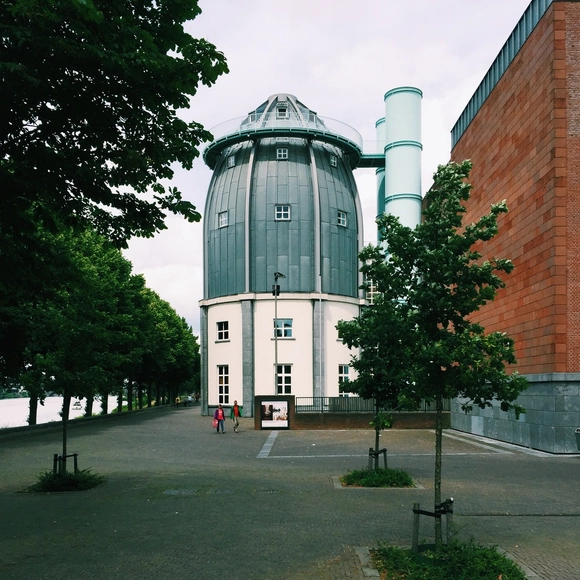
Situated in a former industrial district in the southern Dutch city of Maastricht, it’s perhaps fitting that the Bonnefantenmuseum has often been called a “viewing factory.” The museum, with its ‘E’-shaped plan and distinctive domed tower, is one of the most prominent landmarks along the River Meuse that flows around the city center. Europe’s rich cultural history was a key impetus for architect Aldo Rossi’s design, which employed a number of historical architectural gestures to place the Bonnefantenmuseum within a collapsed European canon.
The British Twentieth Century Society (C20) have announced a forthcoming conference in London on Postmodernism. Speakers including Sir Terry Farrell, Piers Gough and Charles Holland (Ordinary Architecture) will join Alan Powers, Emily Gee and Elain Harwood of Historic England to "raise the profile of Britain’s best Postmodernist buildings following concerns over proposed changes to leading examples of this much maligned style."
For nearly two millennia, European architecture was closely affiliated with and shaped by Christianity. Prior to the advent of Modernism, there was scarcely a style that was not promoted, or more likely defined, by the designs of churches. Such a hypothesis makes it difficult to imagine Medieval England outside the purview of GothicCathedrals, or Renaissance Italy as separate from its Basilicas. But with the Industrial Revolution and the economic and population growth that ensued, infrastructure and housing became the new symbols and necessities of cultural representation, finding their ultimate expression in the ease and simplicity of Modernism. The field of architecture, so long shaped and dominated by the church, had been subsumed by the changing concerns of a commercially driven society. Of course there were still churches being built, but the typology that once defined architecture in its ubiquity became novel and rare. Or so we’ve all been lead to believe.
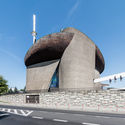
Surprising as it might be, in the wake of World War II and under Soviet control, Poland built more churches than any other country in Europe. The majority were built in the 1980s, at a time when church construction was neither authorized nor forbidden, and as a result played a pronounced role in Cold War politics. The construction of these churches was a calculated affront to the proletariat-minded Modernism of the Soviets. In their project Architecture of the VII Day, Kuba Snopek, Iza Cichońska and Karolina Popera have sought to comprehensively document these Polish churches and the circumstances of their construction. Unique not only in how they defied the prefabrication and regularity of the Eastern Bloc, the churches were community-led endeavors that relied on local funding and input, long before these practices became buzzwords in 21st century architectural circles.
The Colossus of Rhodes, a thirty-metre high sculpture depicting the Greek Titan God Helios that once stood guard at the entrance to the city's harbour, may be realised once again. Standing for only 54 years until it was destroyed by an earthquake in 226BC, its position in the ranks of Seven Wonders of the Ancient World has become almost mythological. Plans to construct a new, much larger inhabitable statue—that will stand almost four times taller at 122 metres—have now been put in motion by a small collective of architects, engineers, and tourism agents.
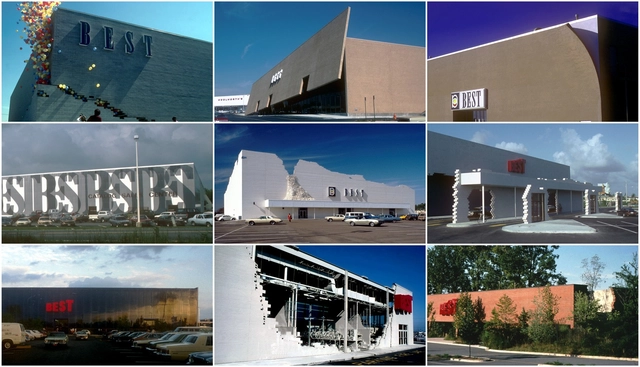
According to one survey, images of the BEST Products Showroom in Houston, Texas, designed by SITE (Sculpture in the Environment), appeared in more books on 20th-century architecture than any other building. The intentionally crumbling brick at that Houston store, known as “Indeterminate Façade,” and the eight other showrooms SITE designed, were simultaneously iconic and controversial, and most importantly for BEST, they brought in customers. Although SITE-founder James Wines never considered himself a Postmodernist architect, his designs for BEST, completed between 1972 and 1984, steeped in whimsical social commentary, came to symbolize the essence of Postmodernism. Today, all but one of the BEST showrooms have been demolished or altered beyond recognition, but they set a lasting precedent, and continue to influence the use of architecture in corporate branding today.
If there’s one thing that can get the architectural community up in arms, it’s the threat of demolition being placed over a much-loved building. Whether it’s a 44-year-old bus station, a 38-year-old hospital, or even a 12-year-old art museum, few other news stories can raise such a sustained outcry. And recently, some have started to turn their eyes toward the next wave of preservation battles: the upcoming crop of Postmodern buildings which are increasingly being placed under threat. But in all of these heated debates about preservation, do people really know what they’re arguing for?
East of Paris, in Seine-Saint-Denis, sits a "Babel-like" housing estate. Its otherworldly atmosphere—existing somewhere between a 'new world' utopian dream and a postmodern, neoclassical housing estate—has set the scene for two Hollywood films including Brazil (1984) and, more recently, the upcoming second instalment of The Hunger Games: Mockingjay (2015). Parisian photographer Laurent Kronental's photo series, Souvenir d'un Futur (Memory of a Future), is an homage to the senior citizens of the French capital's Grand Ensemble region — not only in Noisy-le-Grand but across the Parisian banlieue. His photographs capture a number of places and their people which, in spite of their often megalomaniacal architectural settings, have been comparatively overlooked.
See Laurent Kronental's photo series—the result of four years of visits—after the break.
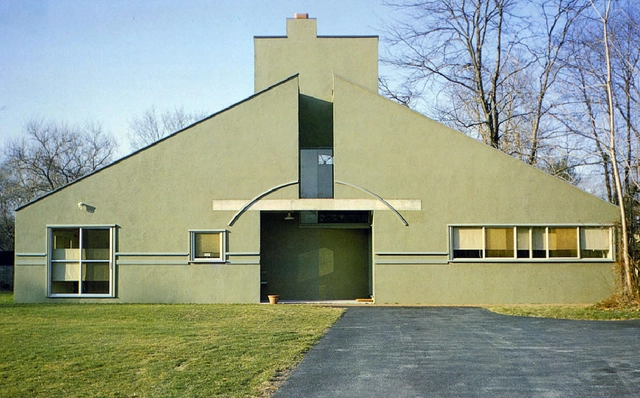
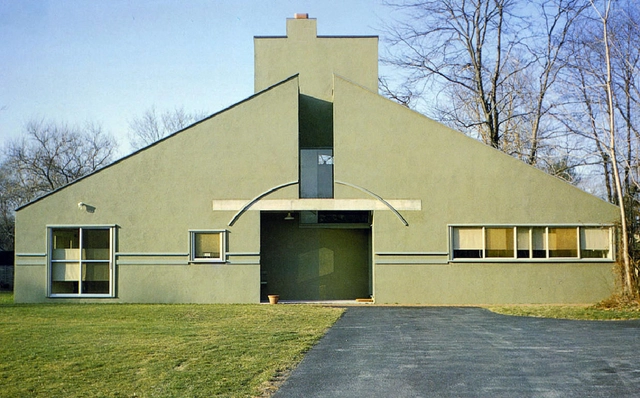
Robert Venturi's Vanna Venturi House is now for sale. According to reports on Curbed, the postmodern home could be yours for just $1.75 million! Said to be one of the top 10 buildings that "changed America," the house was originally designed and built by the Pritzker Prize laureate for his mother in 1964. The home's most recent owner, University of Pennsylvania professor Dr. Thomas P. Hughes passed away February, leaving the historic residence to his daughter who is now selling the home.
This article is part of ArchDaily Essentials, a series of articles which give you an overview of architecture's most important topics by connecting together some of our best articles from the past. To find out more about ArchDaily Essentials, click here; or discover all of our articles in the series here.
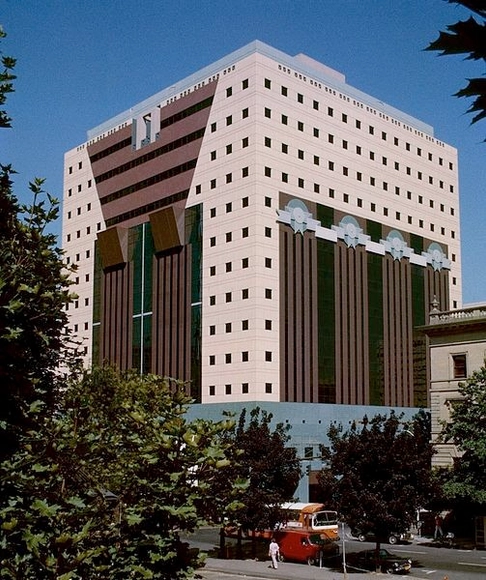
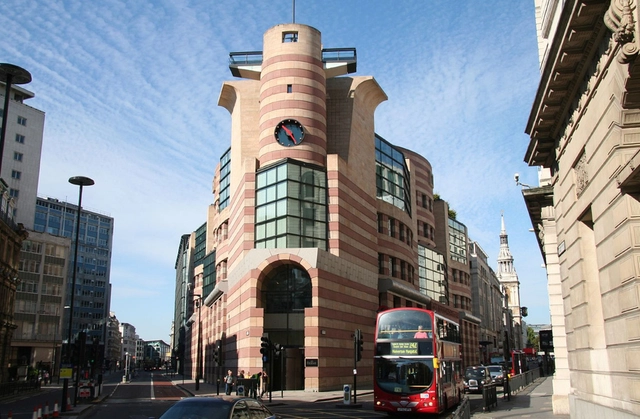
By the mid point of the twentieth century, the clean lines of the International Style and the stripped utilitarianism of functionalism were becoming increasingly common in American and European cities. Created out of a wholesale rethink of core modernist values, Postmodern architecture came as part of a philosophical shift that was just as all-encompassing as the Modernism it sought to replace; aiming to revive historical or traditional ideas and bring a more contextual approach to design. A critical elite who never really left modernism often condemned postmodernism as tacky, regressive or pandering to popular opinion; but after something of a resurgence of modernism in recent years, what’s the value of postmodernism to contemporary thinking?
https://www.archdaily.com/769368/ad-essentials-postmodernismAD Editorial Team
In March of this year, two of the world’s great architects died in the same week. The coincidence was unusual not because of the similarities between these two men - the advanced stage of their careers, their age and relative success - but because of the marked differences. In the few days between their mutual passing, one of the two was awarded architecture’s highest medal, the Pritzker Prize. This year’s winner, Frei Otto, had been notified of his triumph in the months prior to his death. Someone you might call his alter ego – stylistically that is – the late, great Michael Graves, died shortly after the prize was awarded to Otto.
Otto was a leading light of a particular strain of European modernism, whose most lauded works were mainly completed in his youth; on the other side of the pond, Michael Graves ran a busy commercial practice with more than 350 completed buildings, but was reviled by some for his revisionist, classical style.
We will be publishing Nikos Salingaros’ book, Unified Architectural Theory, in a series of installments, making it digitally, freely available for students and architects around the world. In Chapter 13, Salingaros begins to conclude his argument by discussing its counterpart, explaining how post-modern theorists such as Peter Eisenman came to eclipse the ideas of Christopher Alexander – and why Eisenman’s theoretical hegemony is not based upon sound architectural thinking. If you missed them, make sure to read the previous installments here.
Natural and Unnatural Form Languages
The concept of living structure, and the support for the theory offered by both direct experienceand science, offers a basis for designing and understanding architecture. This platform is a sensible way of approaching design and building, because it is beholden neither to ideology, nor to individual agendas. Moreover, it should be contrasted to the irrationality of other schemes that currently appear in and seem to drive architectural discourse.





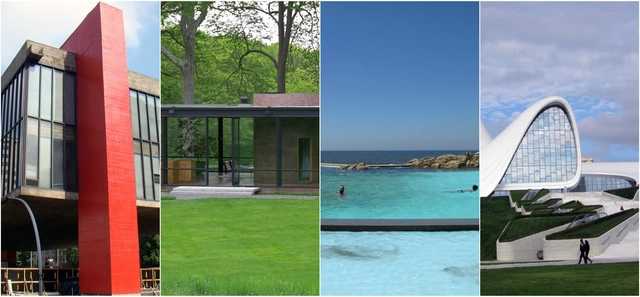











.jpg?1451379729&format=webp&width=640&height=580)


.jpg?1443600100&format=webp&width=640&height=580)
.jpg?1443599941 "Les Orgues de Flandre, 19e arrondissement Paris, 2014. Image © Laurent Kronental")
.jpg?1443599908 "Le Pavé Neuf, Noisy-le-Grand, 2015. Image © Laurent Kronental")
.jpg?1443599809 "Joseph, 88 ans, Les Espaces d'Abraxas, Noisy-le-Grand, 2014. Image © Laurent Kronental")
.jpg?1443599826 "Les Tours Aillaud, Cité Pablo Picasso, Nanterre, 2014. Image © Laurent Kronental")
.jpg?1443600100)

.jpg?1434891617&format=webp&width=640&height=580)
.jpg?1434891896 "Michael Graves' Denver Central Library. Image © Michael Graves")
.jpg?1434891627 "Michael Graves' St. Coletta School. Image © Michael Graves")

.jpg?1434891617)