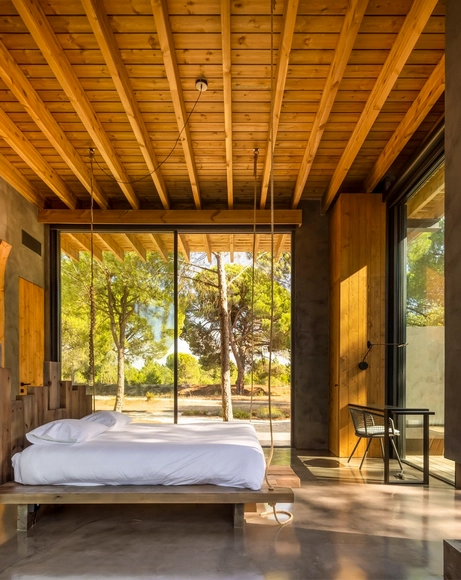
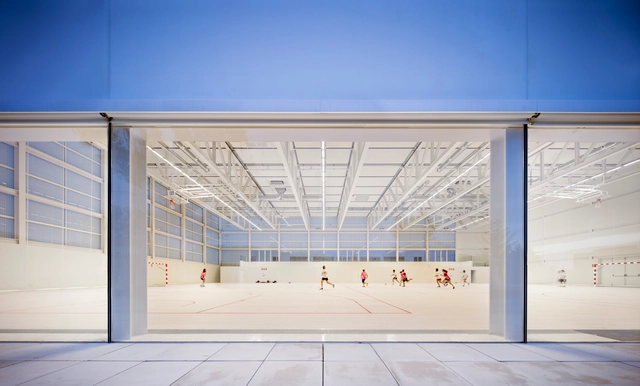
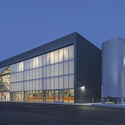
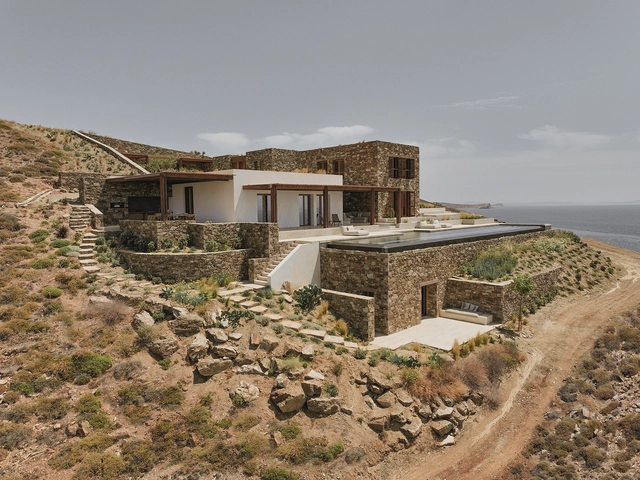
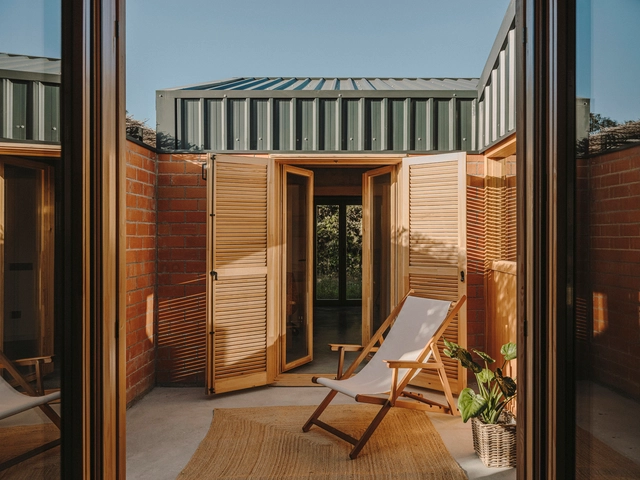
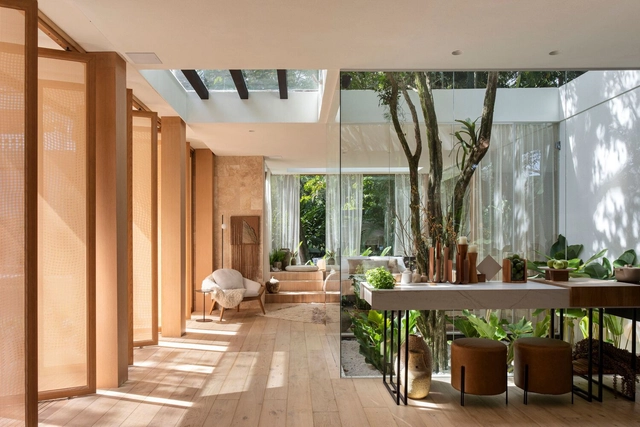
Windows are an essential architectural element whose basic function, though simple, remains vital. Primarily designed to let in natural light and facilitate air circulation, they play a constant role in everyday life, presenting an interesting duality. From an artistic perspective, painters such as Johannes Vermeer and Henri Matisse have used them as expressive tools, exploring their ability to frame views and tell stories. In contrast, windows have transcended traditional scales and designs within their contemporary and minimalist architectural dimension, creating fluid spatial connections between inside and outside. Beyond formal and stylistic innovation, this evolution finds resonance in the foundational concepts and treatises that have guided architecture since the past.
https://www.archdaily.com/1024391/how-to-frame-a-view-worth-framing-vitruvian-principles-and-the-ideal-windowEnrique Tovar
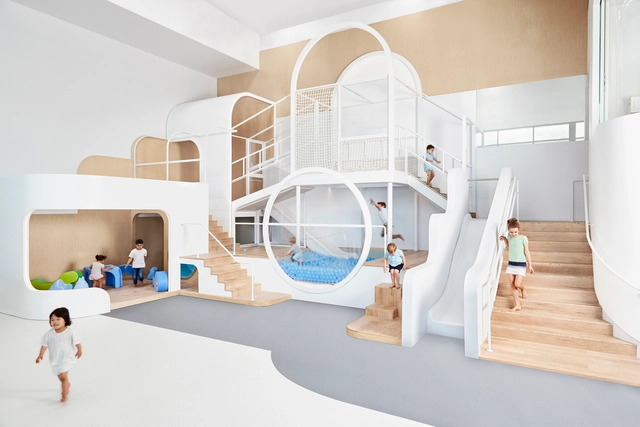
Designing for children is certainly not child's play. While adults lead the design process, the end-users are often children, as seen in kindergartens, schools, and parks. Architects have the responsibility to create built environments that provide children with opportunities to play, explore, and learn, even in today's digital age.
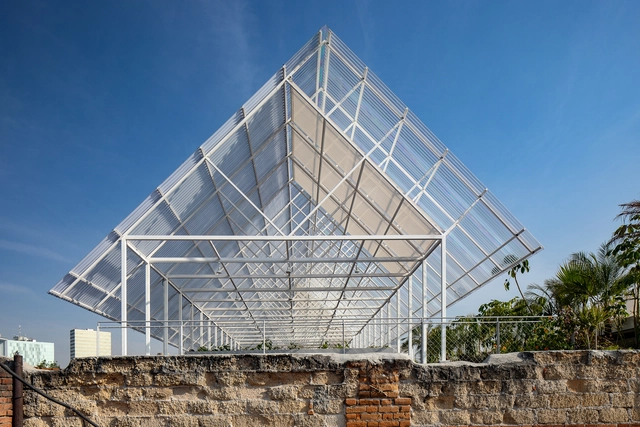
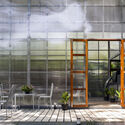
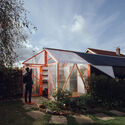
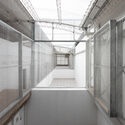
Polycarbonate, commonly used in roofing and industrial cladding, has gone beyond its initial applications to become a material widely used across various architectural typologies. Its combination of strength, lightness, easy installation, and ability to allow natural light to pass through has made it an attractive option for residential,educational, and even cultural architecture projects. In homes, polycarbonate not only helps create bright and comfortable environments but also allows for creative use of translucency to generate private spaces without sacrificing visual connection to the outdoors.
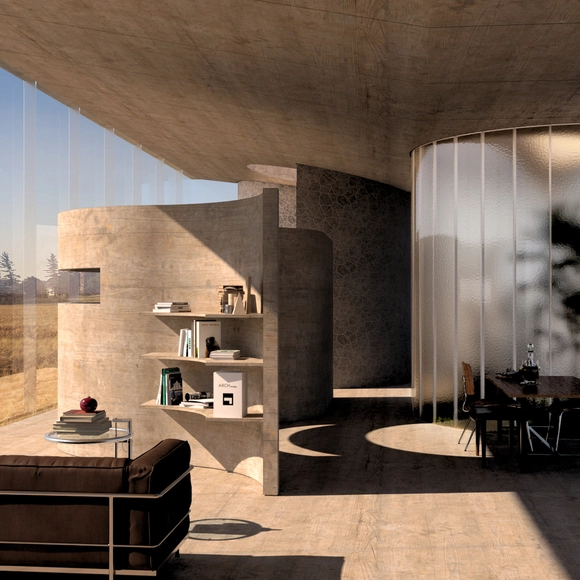
Buildner has announced the results of its second annual Home of Shadows international architecture ideas competition. This competition series is designed to focus on the vital interplay between light and shadow in creating functional and inviting living spaces, highlighting the importance of natural light in home design, which is essential for creating comfortable, welcoming, and practical environments.
Housing Salinas - For Everyday.Life. Image Courtesy of For Everyday.Life
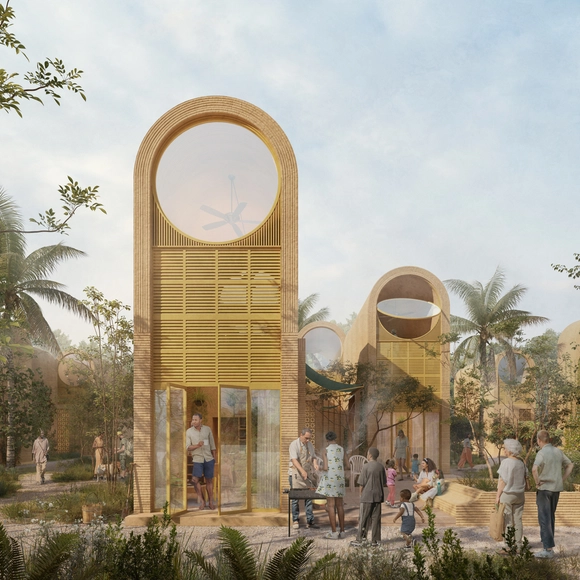
United Kingdom-based office For Everyday.Life (FEL) is one of the three selected winners for the Open Category of ICON’s Initiative 99, an open competition aiming to promote affordable home designs that can be built for under $99,000 employing ICON’s 3D printing technologies. FEL’s project, titled “Housing Salinas,” focuses on community living while applying principles of long-term sustainability, and social and environmental responsibility.
In Copenhagen, during the 2024 UNESCO International Day of Light, The Daylight Award has announced Spanish architect and professor Alberto Campo Baeza as the laureate for the architecture category and German professor of chronobiology Till Roenneberg for his scientific research regarding the impact of daylight. The two categories create an interdisciplinary bridge between fields, grounding architectural thinking with high-level research. The two winners have been commended for scientific investigations into issues like circadian rhythms and dependencies in the case of Professor Roenneberg, and the poetic qualities obtained through the use of daylight in Alberto Campo Baeza’s architectural works.
The question, "How can we control natural light in interior spaces?" is fundamental in architecture. Unregulated direct sunlight can cause discomfort such as visual strain and undesirable heat gains. Therefore, it is crucial to control its entry effectively. Some design solutions include installing shading devices, planning spatial orientation, and building forms for indirect natural light. Window treatments like films or heat-reflective glazing can also be used.
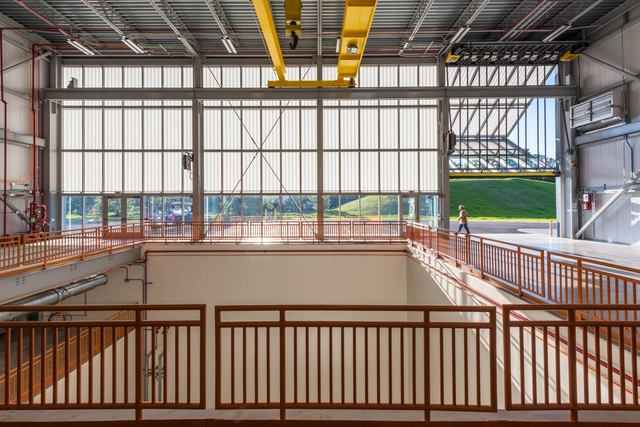
However, there are innovative strategies to control natural light more efficiently through advanced glazing panels like the Kalwall 175CW. This translucent insulated glazing unit is compatible with most third-party curtain wall systems. By manipulating the translucency of the glazed material, it's possible to influence the visual and thermal comfort of spaces. At the same time, this can enhance the architecture of modern spaces, adding substantial aesthetic and emotional value.
Sloped terrain offers a tantalizing prospect for developers. With breathtaking views over either natural or urban landscapes, often without the realistic possibility of being overlooked by future development, a parcel of land on a slope provides a high reward. However, whether it’s the extra excavation involved to cut and fill or cantilever out on a flat surface, the complications of water drainage, or the loss of light and difficulty of access at the front of the property, building on sloped terrains is not without its difficulties.
But it’s not necessarily the angle of the site that’s most at fault, it’s the shape of the building. By splitting up a multi-story structure and repositioning – possibly even disconnecting – each level, projects designed to comply with the existing topography by applying multiple ground levels can reduce the amount of excavation required. The split floor plan can also help to improve access and natural light and increase both interior and exterior space.
According to the climatic conditions of each region and its implantation environment, exterior enclosures play a fundamental role in providing the necessary climatization and ventilation conditions to make indoor spaces habitable and comfortable. While there are various bioclimatic strategies and designs that can be applied to achieve energy efficiency, the determination of materiality, the choice of hardware, and the definition of opening and closing technologies contribute to the performance of facades, providing functionality and a high degree of adaptability to contemporary uses, among other factors.
The early 20th century marked a pivotal era in Brazilian architecture with the advent of the modernist movement. Architects like Oscar Niemeyer or Lúcio Costa introduced avant-garde designs characterized by sleek lines, reinforced concrete, and a focus on functionality. What's more: residential projects of the era, in particular, blurred the lines between indoor and outdoor, flawlessly merging interior and exterior spaces to reflect a lifestyle that harmonizes with nature. Fast forward to the present day, and contemporary architects and designers in Brazil continue to embrace the challenge of creating indoor-outdoor homes that nod to the country's tropical climate. These residences often feature open floor plans, expansive glass walls, and strategic positioning of courtyards, gardens, or terraces with a design philosophy that emphasizes natural light, ventilation, and the incorporation of greenery for increased well-being. We take a detailed look at four recently completed residential projects in Brazil that fuse contemporary architecture, sustainable living, and a deep appreciation for their natural surroundings.
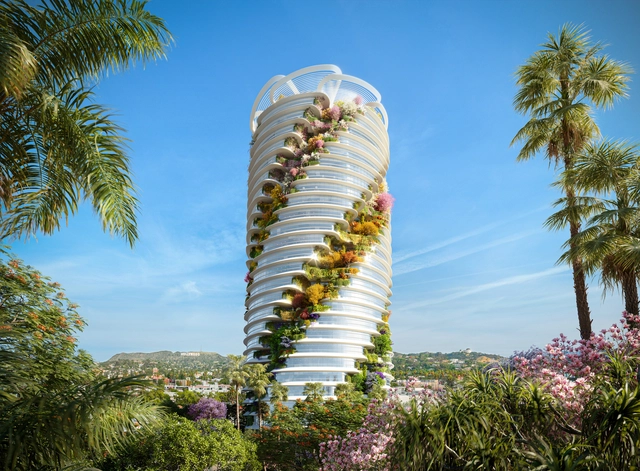
The Star, Hollywood. Image Courtesy of Foster + Partners
Foster + Partners, led by Norman Foster, has revealed designs for a new “vertical creative office” campus on Sunset Boulevard in Los Angeles, overlooking Hollywood. Developed by real estate firm The Star LLC, the tower is wrapped in spiraling gardens, giving the project its distinctive image and introducing generous outdoor areas throughout. Dubbed “The Star,” the project strives to use active and passive design strategies to bring a welcoming and comfortable space for all future users.
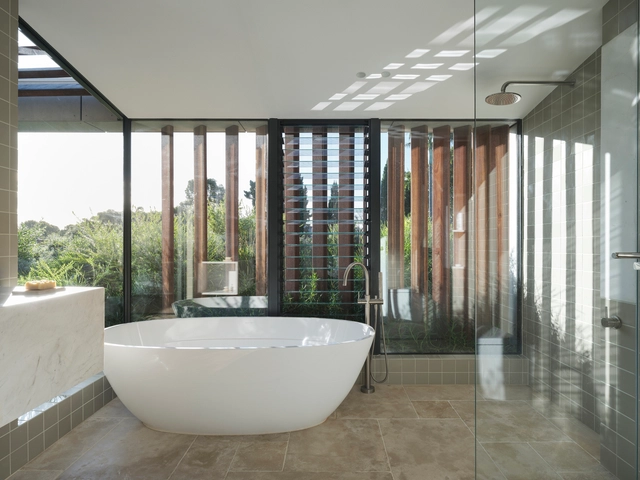
As one of the smallest spaces in the home, shower rooms often find it difficult to get enough light. While bedrooms are given priority to choose the most favored spots alongside exterior walls – giving them access to the fresh air, natural light, and better views provided by windows – sanitary spaces are often left to feed from the scraps in the aftermath, afforded only a sliver of external wall, if any.
Due to issues with privacy and water damage, meanwhile, when a shower room does have the opportunity to add a window, it’s rarely positioned in the shower itself. But with many using an energizing shower to gently wake themselves up in the morning, and with steam making the shower an environment with extra high humidity levels, a window in the shower can make a big difference, adding natural light to the space itself, while keeping the entire room well-ventilated.
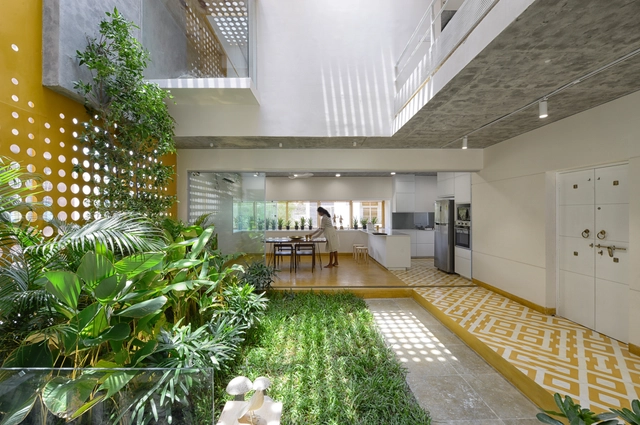
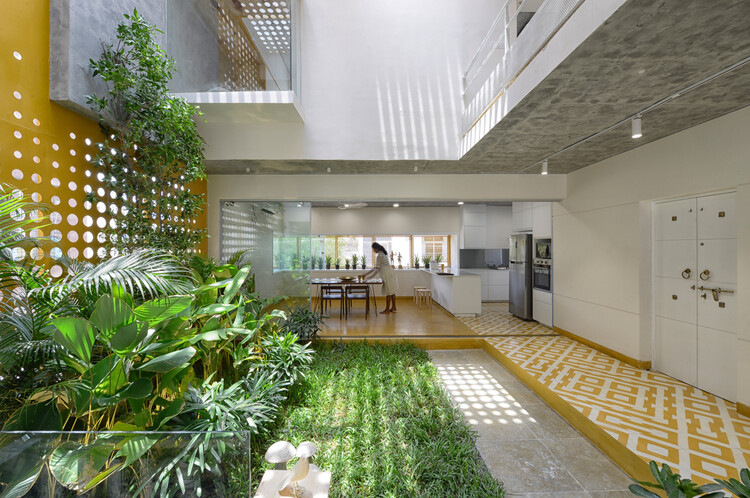
For most people, modern living requires spending most of the day in interior spaces - in fact, according to a report by the Environmental Protection Agency, the average person spends around 90% of their life indoors. As a result, this implies missing out on health benefits associated with sunlight exposure, such as vitamin D absorption, regulation of circadian rhythms, higher energy levels and even improved mood. Thus, one option is to increase the amount of time we spend outdoors. But because most daily functions are carried out inside buildings, it is crucial to incorporate and prioritize natural lighting in interiors.
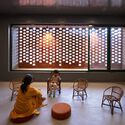
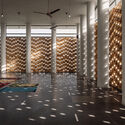
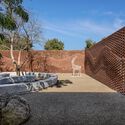
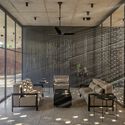
As the architecture industry shifts its focus towards greater sustainability and energy efficiency, many modern projects in the world’s hottest (and getting hotter) environments are unearthing more traditional ways to control temperature, light, and ventilation by learning from the past to save us from the future.
A historic symbol of the industrial age, the sawtooth roof is a lasting legacy of architectural history. Although a functional invention born from necessity nearly 200 years ago, the iconic shape is enjoying a renaissance in many contemporary projects.
Made up of many long, thin roofs with irregular pitches laid alongside each other, a sawtooth roof positions its steeper edges – filled with glass panels – away from the equator. This allows large buildings to control their solar gain by omitting direct sunlight, while still allowing uniform indirect natural light to fill an entire interior area.
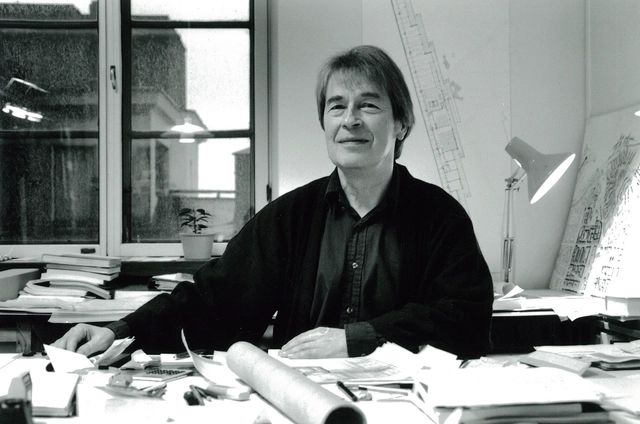
Portrait from 1999 (from the long-time office of Vilhelm Helander, Juha Leiviskä Architects). Image Courtesy of Juha Leiviskä Archive
Juha Ilmari Leiviskä, one of Finland´s foremost architects recognized for his design of light-filled poetic spaces, passed away on November 9, 2023, at the age of 87. Born in Helsinki and educated at Helsinki University of Technology, Leiviskä developed a personal style throughout his six decades-long career, working with his own family of forms to design buildings with unique identities, yet unified by their treatment of light and geometry. His architecture has been praised for its serene, hones, and timeless qualities, earning him numerous awards and international recognition.