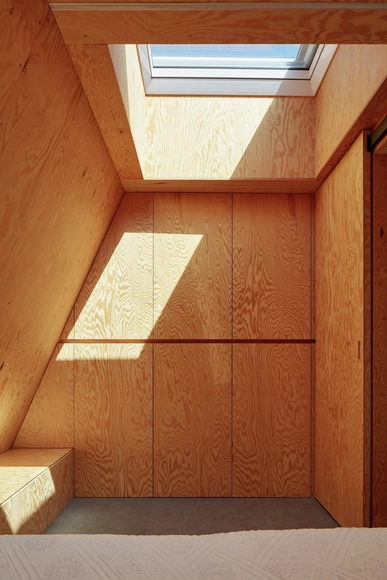
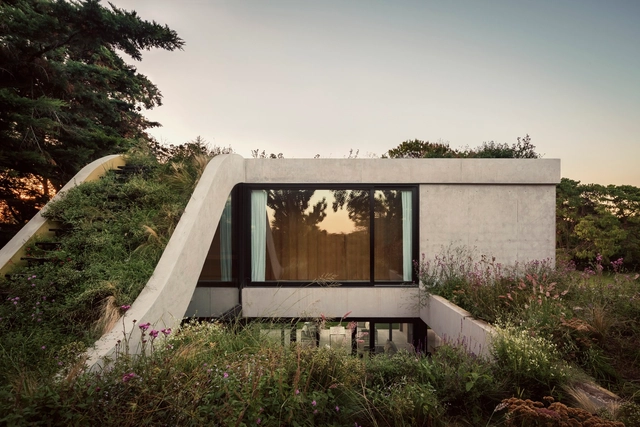
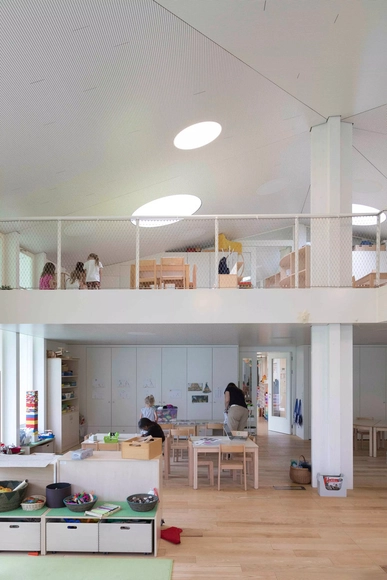
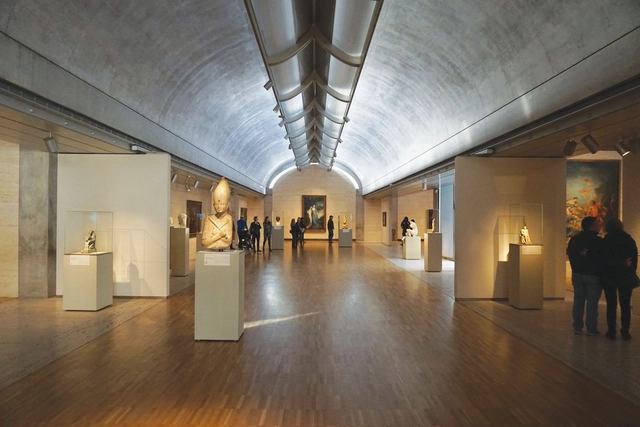
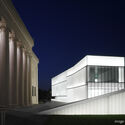
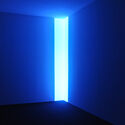
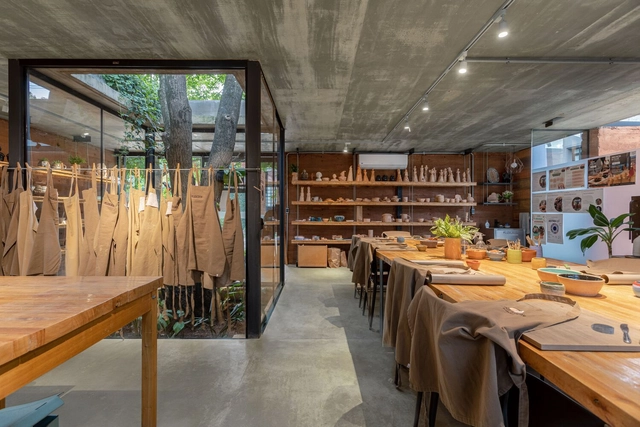
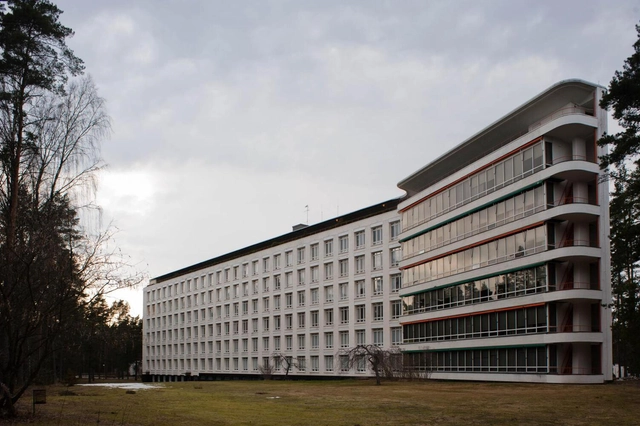
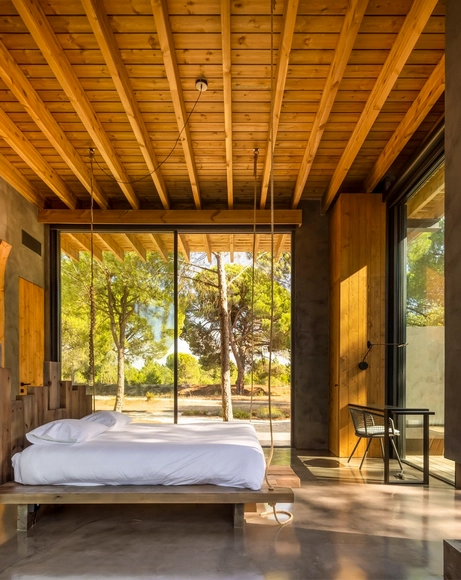
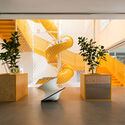
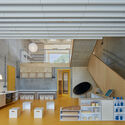
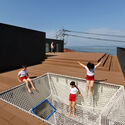
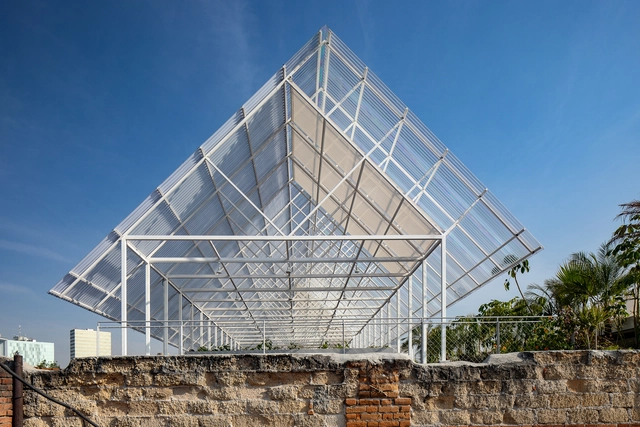
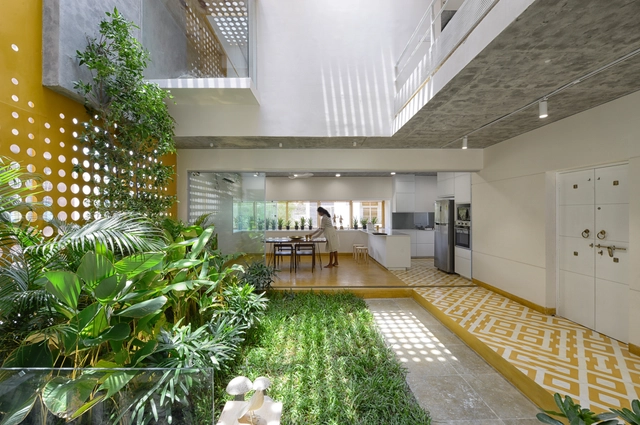
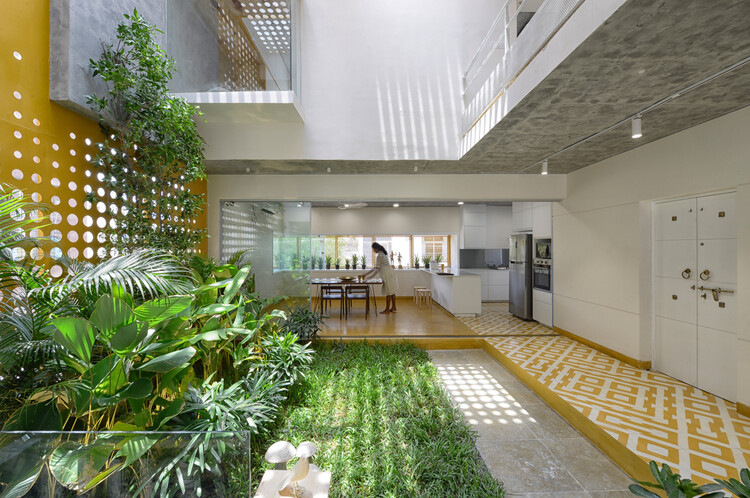
Architecture goes beyond its fundamental function of defining spaces and providing protection; it shapes the user experience, influencing sensations of comfort, spaciousness, and well-being. Among the many elements that make up a building, openings play a crucial role in connecting the interior and exterior, balancing privacy with transparency, and allowing the entry of natural light and ventilation. In particular, natural light transforms environments, defines atmospheres, and enhances architectural details, making spaces more dynamic and inviting.
In Plato's allegory of the cave, light symbolizes knowledge: it is what guides the human being out of the shadows of ignorance and toward truth. In many religions, light is also associated with divinity, as a manifestation of the sacred. Over time, light ceased to be merely a symbol of reason and became an instrument of sensitivity, a living material capable of shaping atmospheres, influencing perception, and revealing meaning.
Light is masterfully used in the quiet spaces of Tadao Ando, for example, where it seeps in like a sacred substance between concrete walls. In Alvar Aalto's buildings, it is delicately modulated to converse with the Nordic sky. In James Turrell's immersive installations, it becomes body, color, and experience. But light also manifests in the most ordinary gestures: in every precisely oriented window, or every shadow carefully drawn to reveal what is not immediately visible. Like a conductor before the score and the orchestra, the architect can compose with light accentuating volumes, softening boundaries, and giving rhythm and intensity to the spaces we inhabit.
Seeking to create a fluid dialogue between architecture and its surrounding landscape, the study of topography embodies an awareness and exploration of the use of materials, self-sufficient strategies, low-maintenance solutions, and landscape designs that integrate into the natural environment and minimize the environmental impact of projects. Beyond recording variations in elevation, sun orientation, prevailing winds, or drainage slopes of the terrain, several architects in Argentina demonstrate a strong interest in developing architectural solutions capable of adapting to natural geographies and restoring the bond between nature and the human being.
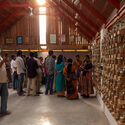
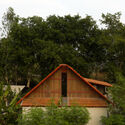
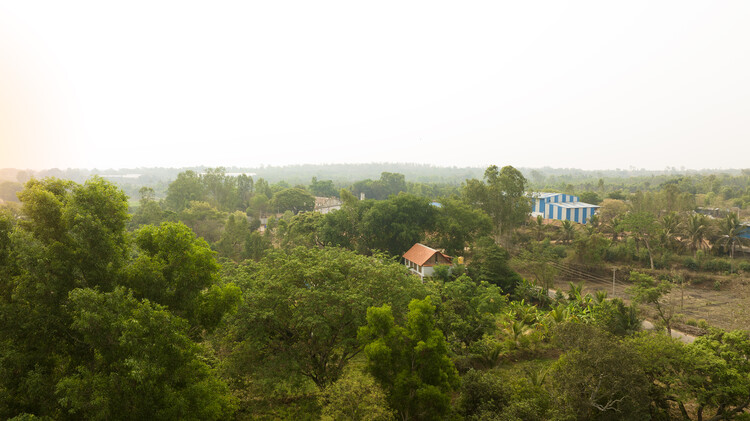
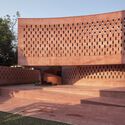
Located on a farm in southern India, the Rice Museum occupies the upper floor of Syed Ghani's home, nestled in the verdant agricultural landscape of Mandya — a region shaped by brick structures, expansive greenery, and ancestral farming knowledge. Syed Ghani, a farmer, historian, and museologist, has dedicated himself to preserving indigenous rice varieties through seed conservation, proliferation, and educational initiatives. With the support of local farmers, he has helped recover more than 1,000 native paddy (rice) varieties, safeguarding an essential part of India's agricultural heritage.
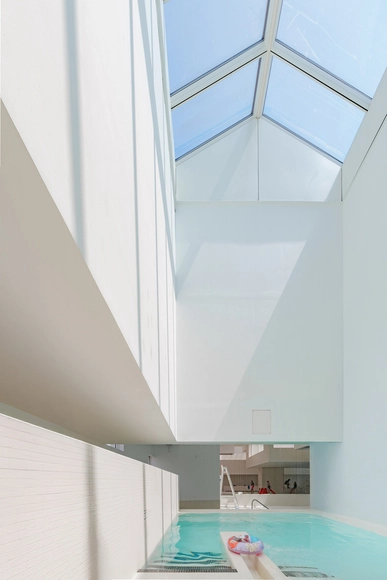
Les Bains des Docks Aquatic Centre. Image Courtesy of VELUX Commercial
Condensation, maintenance, and humidity are three familiar challenges that continue to test the buildings we design and construct. Whether stemming from climate conditions, limited airflow, or the specifics of construction detailing, these factors affect not only the durability of materials but also the everyday comfort and performance of inhabited spaces. When the setting is an aquatic center or an indoor swimming pool, the demands are even greater. The constant presence of steam, moisture accumulation, and the risk of mold can compromise both energy efficiency and the user experience. In such environments, ventilation and access to daylight, beyond their aesthetic value, become essential tools for maintaining equilibrium, enhancing indoor comfort, and ultimately improving how the space is perceived and utilized.
https://www.archdaily.com/1030573/letting-the-sky-in-4-case-studies-of-daylight-solutions-in-aquatic-architectureEnrique Tovar
The main role of architecture is to create structures that protect us from the environment and create spaces that are safe and comfortable for all types of needs and activities. By providing shelter, architecture also shapes the way people interact with their surroundings. Building technologies of the past rarely managed, however, to create a complete separation between us and the outside world.
While impermeability was a desired outcome, the porous building materials available always allowed some water, wind, or outside particles to leak into the interior spaces. In contrast, modern technologies now allow for almost completely impermeable building envelopes, allowing for complete separation between indoors and outdoors, thus relying on engineered systems to regulate temperature, airflow, or humidity. This article explores the differences between these two contrasting approaches, exploring how building facades are equipped to regulate indoor comfort and its environmental impact.
Architecture goes beyond its fundamental function of defining spaces and providing protection; it shapes the user experience, influencing sensations of comfort, spaciousness, and well-being. Among the many elements that make up a building, openings play a crucial role in connecting the interior and exterior, balancing privacy with transparency, and allowing the entry of natural light and ventilation. In particular, natural light transforms environments, defines atmospheres, and enhances architectural details, making spaces more dynamic and inviting.
Windows, once simple openings in walls, have evolved through advancements in materials and technology, maximizing efficiency and expanding their role in architectural design. If Gothic architecture showcased marvelous glazing through towering stained glass windows, modern architecture shifted toward horizontal forms and fully glazed facades, transforming how daylight is integrated into spaces. However, relying solely on facade glazing presents a limitation—natural light is often confined to the building's perimeter, leaving central areas in shadow. Overhead openings, such as skylights and flat roof windows, overcome this challenge by channeling daylight deep into interior spaces, reducing reliance on artificial lighting.
Architecture is often defined by its physical form, materials, and structural elements, but light and shadow truly shape the experience of space. These elements influence perception, guide movement, and evoke emotional responses, transforming static structures into dynamic environments. Throughout history, architects have harnessed the interplay of light and shadow, using it as a fundamental design tool to create atmosphere and meaning.
In recent years, working from home has become increasingly common, creating a need for domestic spaces that accommodate both professional and personal life. This is especially true for artists, where the integration of living and working spaces is essential. Often, these spaces must also serve as areas for exhibiting artistic production, such as paintings, sculptures, ceramics, and more.
This fusion of work and living environments has influenced architectural and interior design trends, prioritizing flexibility, multifunctionality, and aesthetics that foster both creativity and comfort. Open-plan layouts, modular furniture, and adaptable lighting solutions are now key elements in designs that support the seamless coexistence of work and personal life.
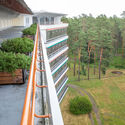
In the early 20th century, tuberculosis presented a significant public health challenge across Europe, prompting the construction of specialized facilities for patient recovery. The Paimio Sanatorium in Finland stands as a groundbreaking example of architecture's potential to promote healing. Designed by Alvar Aalto between 1929 and 1933, the sanatorium combined innovative design principles with a deep understanding of human needs, setting new benchmarks for healthcare architecture.
Alvar Aalto, a leading figure in modernist architecture, envisioned the Paimio Sanatorium as more than a functional response to a medical crisis. He crafted a space where architecture became an instrument of care, integrating natural light, ventilation, and harmonious forms to support physical and emotional well-being. This project marked a turning point in Aalto's career, showcasing his ability to blend modernist ideals with a profound sensitivity to context and human experience.
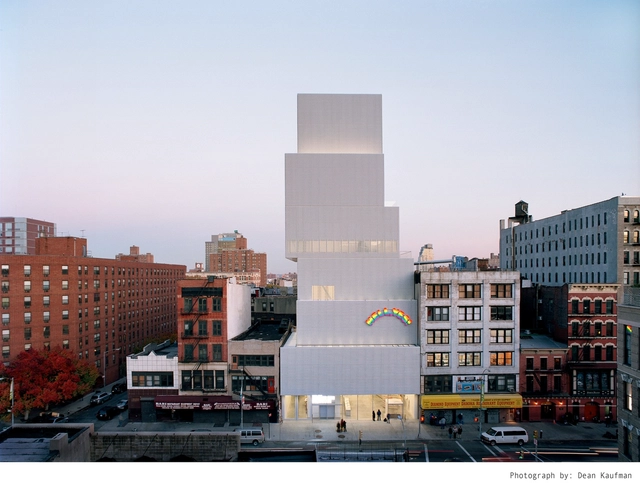
The Royal Institute of British Architects (RIBA) has announced that Japanese architects Kazuyo Sejima and Ryue Nishizawa, founders of the practice SANAA, will receive the 2025 Royal Gold Medal for architecture. Awarded on behalf of His Majesty the King, the medal is one of the highest honors in the field, recognizing what RIBA describes as SANAA's contribution to shaping contemporary architecture through simplicity, light, and refined design.
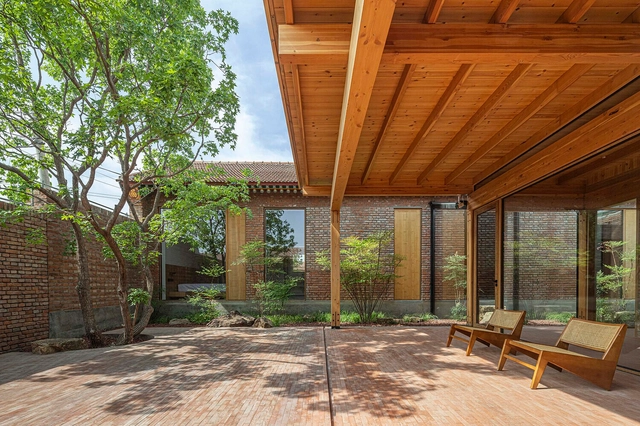
Courtyards have long been a fundamental aspect of traditional Chinese architecture, serving as central spaces around which domestic life is organized. These spaces play a vital role in creating a harmonious living environment, offering benefits that range from regulating indoor temperatures to enhancing social interactions and fostering a close connection with nature.
Windows are an essential architectural element whose basic function, though simple, remains vital. Primarily designed to let in natural light and facilitate air circulation, they play a constant role in everyday life, presenting an interesting duality. From an artistic perspective, painters such as Johannes Vermeer and Henri Matisse have used them as expressive tools, exploring their ability to frame views and tell stories. In contrast, windows have transcended traditional scales and designs within their contemporary and minimalist architectural dimension, creating fluid spatial connections between inside and outside. Beyond formal and stylistic innovation, this evolution finds resonance in the foundational concepts and treatises that have guided architecture since the past.
https://www.archdaily.com/1024391/how-to-frame-a-view-worth-framing-vitruvian-principles-and-the-ideal-windowEnrique Tovar
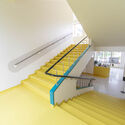
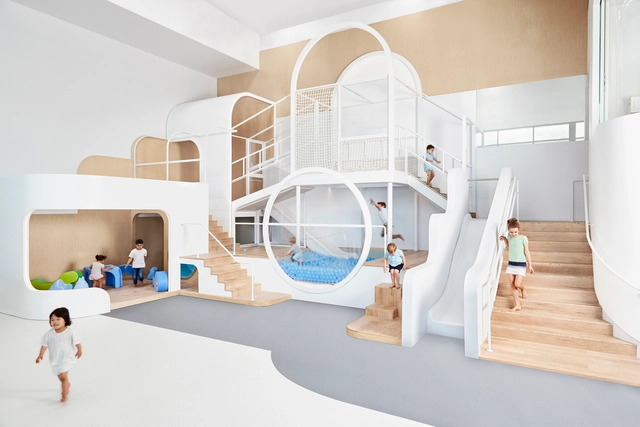
Designing for children is certainly not child's play. While adults lead the design process, the end-users are often children, as seen in kindergartens, schools, and parks. Architects have the responsibility to create built environments that provide children with opportunities to play, explore, and learn, even in today's digital age.
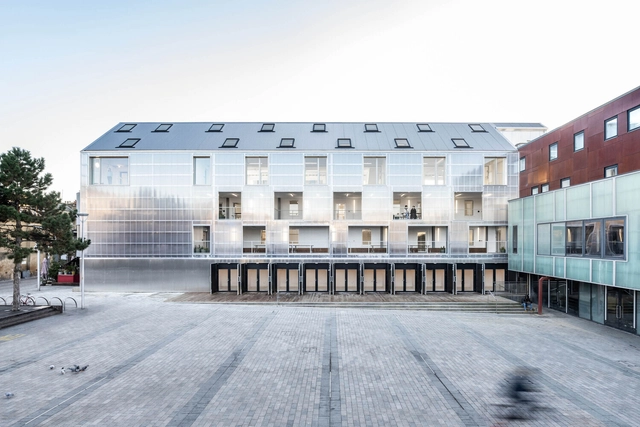
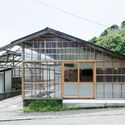
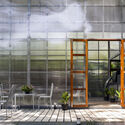
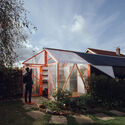
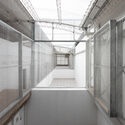
Polycarbonate, commonly used in roofing and industrial cladding, has gone beyond its initial applications to become a material widely used across various architectural typologies. Its combination of strength, lightness, easy installation, and ability to allow natural light to pass through has made it an attractive option for residential,educational, and even cultural architecture projects. In homes, polycarbonate not only helps create bright and comfortable environments but also allows for creative use of translucency to generate private spaces without sacrificing visual connection to the outdoors.
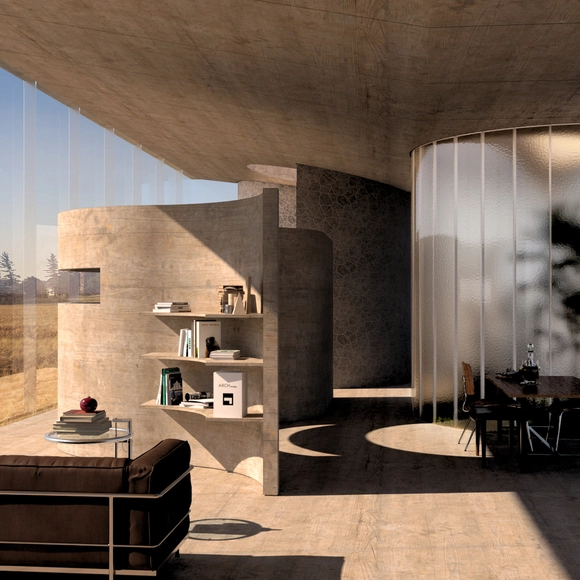
Buildner has announced the results of its second annual Home of Shadows international architecture ideas competition. This competition series is designed to focus on the vital interplay between light and shadow in creating functional and inviting living spaces, highlighting the importance of natural light in home design, which is essential for creating comfortable, welcoming, and practical environments.
Housing Salinas - For Everyday.Life. Image Courtesy of For Everyday.Life
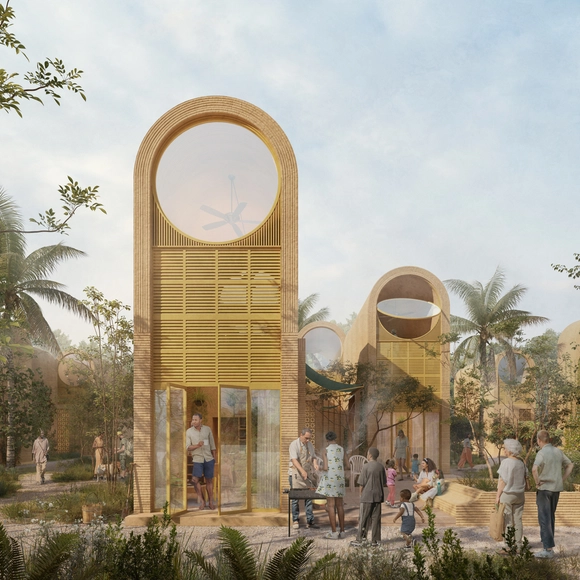
United Kingdom-based office For Everyday.Life (FEL) is one of the three selected winners for the Open Category of ICON’s Initiative 99, an open competition aiming to promote affordable home designs that can be built for under $99,000 employing ICON’s 3D printing technologies. FEL’s project, titled “Housing Salinas,” focuses on community living while applying principles of long-term sustainability, and social and environmental responsibility.