1. ArchDaily
  2. Los Angeles

Los Angeles: The Latest Architecture and News

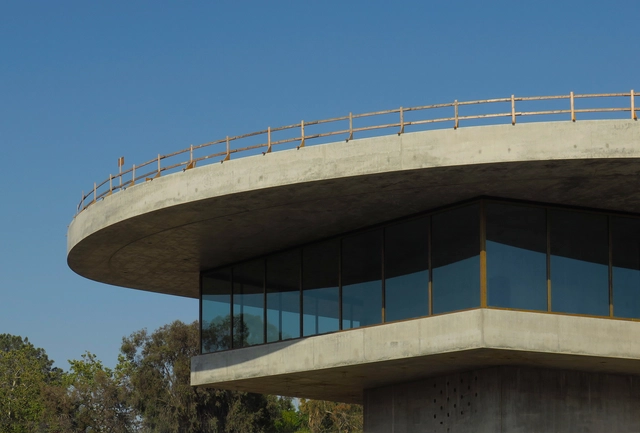
Peter Zumthor’s Vision Takes Shape: Paul Clemence Releases LACMA Progress Photos

Paul Clemence has released a new series of images showcasing the ongoing construction works in The Los Angeles County Museum of Art (LACMA). Undergoing massive transformations, including a new building by Swiss architect Peter Zumthor, the LACMA is the largest art museum in the western United States. Approved in 2019, Zumthor’s design, known as the David Geffen Galleries, aims to modernize the museum’s campus.

Peter Zumthor’s Vision Takes Shape: Paul Clemence Releases LACMA Progress Photos  - Image 1 of 4Peter Zumthor’s Vision Takes Shape: Paul Clemence Releases LACMA Progress Photos  - Image 2 of 4Peter Zumthor’s Vision Takes Shape: Paul Clemence Releases LACMA Progress Photos  - Image 3 of 4Peter Zumthor’s Vision Takes Shape: Paul Clemence Releases LACMA Progress Photos  - Image 4 of 4Peter Zumthor’s Vision Takes Shape: Paul Clemence Releases LACMA Progress Photos  - More Images+ 16

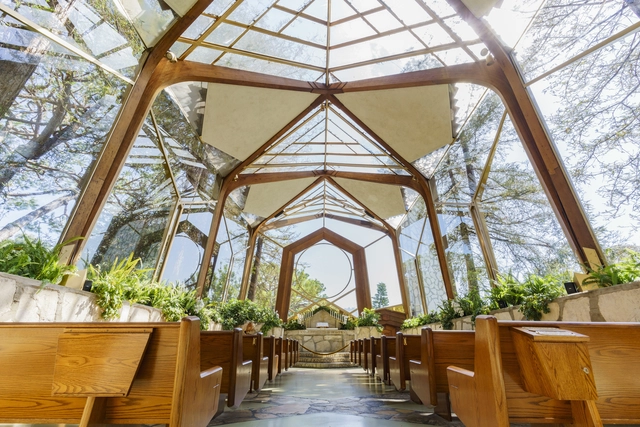
Lloyd Wright’s Historic Wayfarers Chapel Will Be Disassembled Due to Landslide Risk

The Wayfarers Chapel, known locally as "The Glass Church," was designed by Lloyd Wright, the eldest son of architect Frank Lloyd Wright, and completed in 1951. Located in the Palos Verdes peninsula in Los Angeles, its design aimed to blend the lines between architecture and nature, with large-span glass panels opening up to space toward the redwood canopies. Last year, the structure was designated a national historic landmark. Now, due to “accelerated land movement” in the area, the structure, which has been closed off to the public since February, was announced to be disassembled to protect it from further damage.

Chromasonic: An immersive Renaissance of California's Minimalist Light and Space Movement

Step into the realm where the minimalism of the 1960s Light and Space movement intertwines with contemporary high-tech algorithms and sensors. Back then, light artists like James Turrell, Dan Flavin, and Robert Irwin captivated audiences with the bare essentials, using precisely daylight or lamps to heighten visual perception. Fast forward to today, Chromasonic takes this synergy of light and color but augments it with sound and algorithms. Envisioned as a global network to experience the harmony of body and mind, Johannes Girardoni's team unveiled the first satellite of perception in the heart of Venice Beach, California. Through a collaboration with Google, Milan Design Week showcased how the interplay of light and color can go on tour as a walk-in installation on a larger scale.

Chromasonic: An immersive Renaissance of California's Minimalist Light and Space Movement - Image 1 of 4Chromasonic: An immersive Renaissance of California's Minimalist Light and Space Movement - Image 2 of 4Chromasonic: An immersive Renaissance of California's Minimalist Light and Space Movement - Image 3 of 4Chromasonic: An immersive Renaissance of California's Minimalist Light and Space Movement - Image 4 of 4Chromasonic: An immersive Renaissance of California's Minimalist Light and Space Movement - More Images+ 1

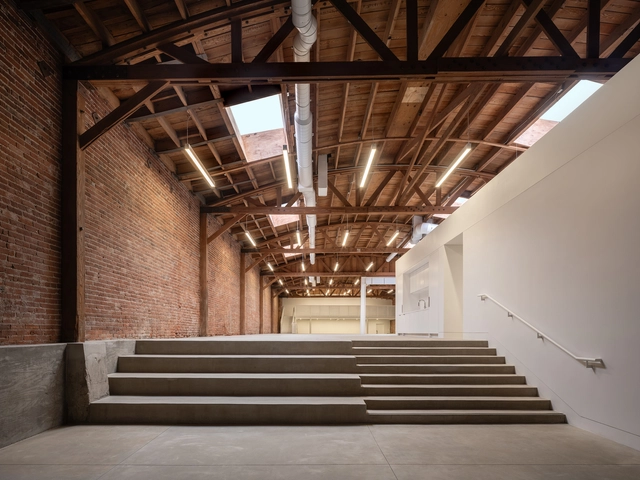
Arts District Warehouse / Sheft Farrace

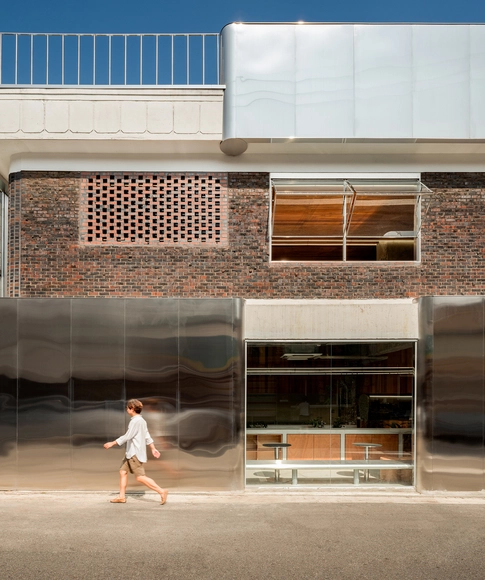
Arts District Warehouse / Sheft Farrace - RenovationArts District Warehouse / Sheft Farrace - RenovationArts District Warehouse / Sheft Farrace - Interior Photography, Renovation, Beam, FacadeArts District Warehouse / Sheft Farrace - Exterior Photography, Renovation, FacadeArts District Warehouse / Sheft Farrace - More Images+ 19

15 Landscaped Offices With Garden Space For Free-Range Employees to Roam

Subscriber Access | 

Representing 32% of the global population, Generation Z (those born between 1995 – 2010) accounts for a healthy chunk of the workforce (27% by 2025 and rising every year). These are the fresh young minds employers are fighting to attract. With prospective employers’ impact on society (93%) and a healthy work/life balance (77%) the two biggest motivators in deciding where Gen Z’ers want to work, a large part of any new office building’s design brief is green space.

While hybrid working and flexible hours represent the most obvious ways to improve work/life balance for many, because of the missed social interactions and the lack of space or functionality at unproductive home workspaces, the majority of 16-24-year-olds are the only age group who prefer to work from the office.

15 Landscaped Offices With Garden Space For Free-Range Employees to Roam - Image 1 of 415 Landscaped Offices With Garden Space For Free-Range Employees to Roam - Image 2 of 415 Landscaped Offices With Garden Space For Free-Range Employees to Roam - Image 3 of 415 Landscaped Offices With Garden Space For Free-Range Employees to Roam - Image 4 of 415 Landscaped Offices With Garden Space For Free-Range Employees to Roam - More Images+ 18

How Modular Construction Can Provide Architectural Aid: From Rapid-Response to Transitional and Affordable Housing

Ever since the Industrial Revolution and the introduction of mass production, the ownership and use of simple products and services like flush toilets with running water, electricity, heating, and cooling are seen as human rights in many areas of the world. With the majority of homes and residential projects being individually designed and built to order – therefore without the speed and cost advantages of mass production – an underperforming housing construction sector means many people – even in the world’s richest countries – are being denied one of the most basic human rights, having somewhere to call home.

The UNHCR (UN Refugee Agency) states that there were over 100 million forcibly displaced people worldwide in 2023 – a figure that has tripled over the last 10 years. For host countries, finding safe, sustainable housing solutions for those in need, both in the short- and the long-term, is an ongoing and dramatically worsening challenge.

How Modular Construction Can Provide Architectural Aid: From Rapid-Response to Transitional and Affordable Housing - Image 1 of 4How Modular Construction Can Provide Architectural Aid: From Rapid-Response to Transitional and Affordable Housing - Image 2 of 4How Modular Construction Can Provide Architectural Aid: From Rapid-Response to Transitional and Affordable Housing - Image 3 of 4How Modular Construction Can Provide Architectural Aid: From Rapid-Response to Transitional and Affordable Housing - Image 4 of 4How Modular Construction Can Provide Architectural Aid: From Rapid-Response to Transitional and Affordable Housing - More Images+ 5

Foster + Partners Reimagines William Pereora's Television City in California, United States

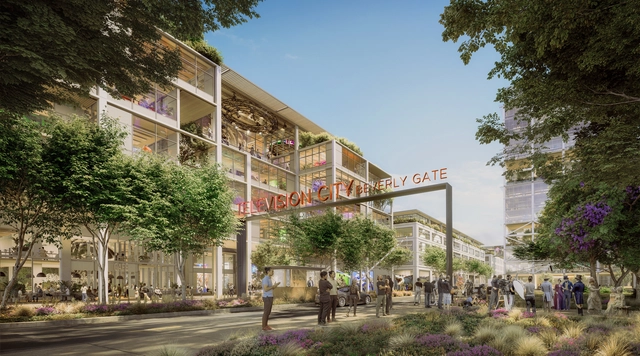
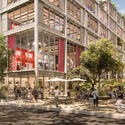
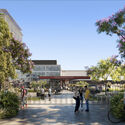
Foster + Partners, led by Normal Foster, has just been selected to reimagine the Television City studio complex in Los Angeles, following a global competition. The project involves the restoration of William Pereira’s iconic 1952 buildings and the transformation of the 25-acre site into a low-rise multi-modal campus and draws inspiration from the Los Angeles’ renowned Case Study Houses. The campus will feature new sound stages, production offices, creative workspace, and retail surrounding its perimeter.

Foster + Partners Reimagines William Pereora's Television City in California, United States - Image 1 of 4Foster + Partners Reimagines William Pereora's Television City in California, United States - Image 2 of 4Foster + Partners Reimagines William Pereora's Television City in California, United States - Image 3 of 4Foster + Partners Reimagines William Pereora's Television City in California, United States - Image 4 of 4Foster + Partners Reimagines William Pereora's Television City in California, United States - More Images+ 1

How to Build on a Sloped Terrain? 5 Modern Residential Projects Shaped For Their Environments With Split-Level Exteriors

Sloped terrain offers a tantalizing prospect for developers. With breathtaking views over either natural or urban landscapes, often without the realistic possibility of being overlooked by future development, a parcel of land on a slope provides a high reward. However, whether it’s the extra excavation involved to cut and fill or cantilever out on a flat surface, the complications of water drainage, or the loss of light and difficulty of access at the front of the property, building on sloped terrains is not without its difficulties.

But it’s not necessarily the angle of the site that’s most at fault, it’s the shape of the building. By splitting up a multi-story structure and repositioning – possibly even disconnecting – each level, projects designed to comply with the existing topography by applying multiple ground levels can reduce the amount of excavation required. The split floor plan can also help to improve access and natural light and increase both interior and exterior space.

How to Build on a Sloped Terrain? 5 Modern Residential Projects Shaped For Their Environments With Split-Level Exteriors - Image 1 of 4How to Build on a Sloped Terrain? 5 Modern Residential Projects Shaped For Their Environments With Split-Level Exteriors - Image 2 of 4How to Build on a Sloped Terrain? 5 Modern Residential Projects Shaped For Their Environments With Split-Level Exteriors - Image 3 of 4How to Build on a Sloped Terrain? 5 Modern Residential Projects Shaped For Their Environments With Split-Level Exteriors - Image 4 of 4How to Build on a Sloped Terrain? 5 Modern Residential Projects Shaped For Their Environments With Split-Level Exteriors - More Images+ 7

Diller Scofidio + Renfro Unveil Design for a ‘Companion’ to the Broad Museum in Los Angeles

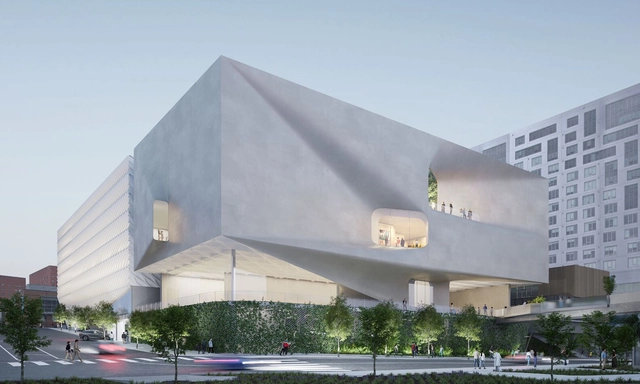
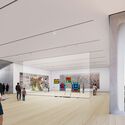
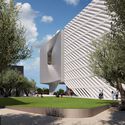
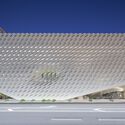
Diller Scofidio + Renfro (DS+R) has unveiled their proposal for the expansion of The Broad, a contemporary art museum founded in 2015 by philanthropists Eli and Edythe Broad on Grand Avenue in downtown Los Angeles. The project is set to adapt the existing museum, also designed by Diller Scofidio + Renfro, to the growing expectations of the public, as the institution has far exceeded its projections, now regularly attracting nearly four times more visitors than originally envisioned. The intervention aims to enhance public accessibility and offer the opportunity to host live performances and events, while also accommodating the institution’s growing collection. The expansion is expected to open before the 2028 Summer Olympics.

Diller Scofidio + Renfro Unveil Design for a ‘Companion’ to the Broad Museum in Los Angeles  - Image 1 of 4Diller Scofidio + Renfro Unveil Design for a ‘Companion’ to the Broad Museum in Los Angeles  - Image 2 of 4Diller Scofidio + Renfro Unveil Design for a ‘Companion’ to the Broad Museum in Los Angeles  - Image 3 of 4Diller Scofidio + Renfro Unveil Design for a ‘Companion’ to the Broad Museum in Los Angeles  - Image 4 of 4Diller Scofidio + Renfro Unveil Design for a ‘Companion’ to the Broad Museum in Los Angeles  - More Images

Foster + Partners Unveils Design for Office Tower with Spiraling Gardens in Los Angeles, US

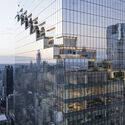
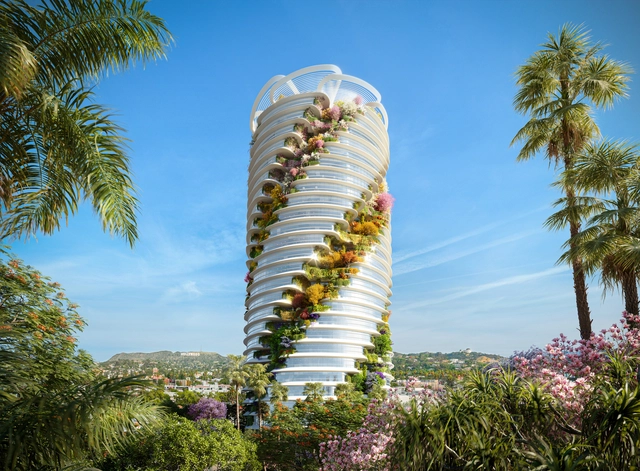
Foster + Partners, led by Norman Foster, has revealed designs for a new “vertical creative office” campus on Sunset Boulevard in Los Angeles, overlooking Hollywood. Developed by real estate firm The Star LLC, the tower is wrapped in spiraling gardens, giving the project its distinctive image and introducing generous outdoor areas throughout. Dubbed “The Star,” the project strives to use active and passive design strategies to bring a welcoming and comfortable space for all future users.

Foster + Partners Unveils Design for Office Tower with Spiraling Gardens in Los Angeles, US - Image 1 of 4Foster + Partners Unveils Design for Office Tower with Spiraling Gardens in Los Angeles, US - Image 2 of 4Foster + Partners Unveils Design for Office Tower with Spiraling Gardens in Los Angeles, US - Image 3 of 4Foster + Partners Unveils Design for Office Tower with Spiraling Gardens in Los Angeles, US - Image 4 of 4Foster + Partners Unveils Design for Office Tower with Spiraling Gardens in Los Angeles, US - More Images+ 1

Social Housing in America: Architects Must Answer the Call

This article was originally published on Common Edge.

If you follow housing policy in America, you may have noticed a particular term cropping up a lot recently: social housing. Maybe you’ve read a longform academic article, live in a city that is codifying a social-housing policy like Seattle or Atlanta, or seen one of the recent mentions in The New York Times, highlighting U.S. and Viennese success stories. On the design front, Dezeen is running a social-housing revival series.

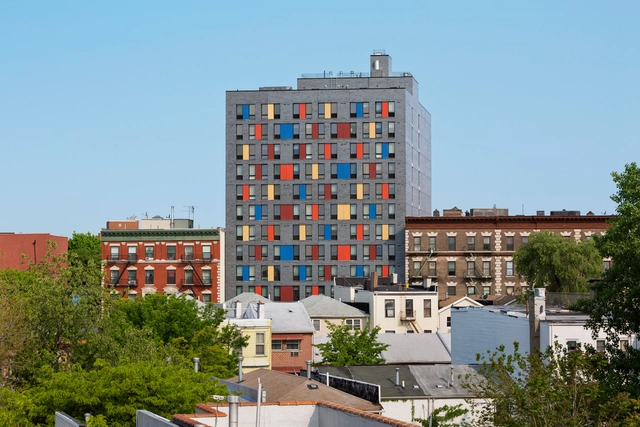
Social Housing in America: Architects Must Answer the Call - Image 1 of 4Social Housing in America: Architects Must Answer the Call - Image 2 of 4Social Housing in America: Architects Must Answer the Call - Image 3 of 4Social Housing in America: Architects Must Answer the Call - Image 4 of 4Social Housing in America: Architects Must Answer the Call - More Images+ 2

How Los Angeles is Addressing the Affordable Housing Crisis

Subscriber Access | 

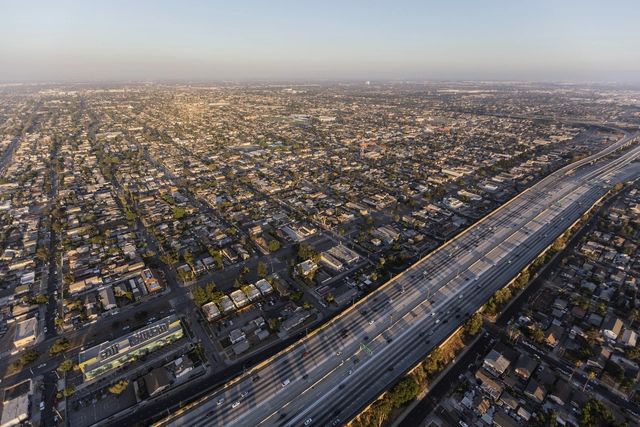
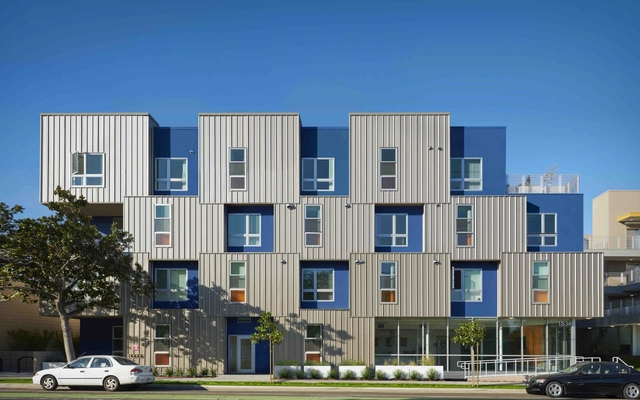
Cities in the United States are short of millions of housing units. Compounded by other factors, this shortage is radically increasing the cost of both renting and buying houses. Los Angeles is no exception; with 74% of its land zoned exclusively for single-family homes, multifamily housing construction is limited to an extremely small swath of the city, making the construction of new affordable housing difficult. Complex multi-year permit approval processes often make these projects even less feasible.

That's why, in December 2022, Mayor Karen Bass took a drastic approach by declaring a state of emergency to speed up approval for affordable housing projects, allowing developers to expedite rent-stabilized projects through fast permitting times and exemptions from zoning rules. Executive Direction (ED1) created a surge of affordable housing applications, surprisingly not just from developers using public money but from private ones.

How Los Angeles is Addressing the Affordable Housing Crisis - Image 1 of 4How Los Angeles is Addressing the Affordable Housing Crisis - Image 2 of 4How Los Angeles is Addressing the Affordable Housing Crisis - Image 3 of 4How Los Angeles is Addressing the Affordable Housing Crisis - Image 4 of 4How Los Angeles is Addressing the Affordable Housing Crisis - More Images

A Layered Architecture: Adaptive Reuse Projects That Reframe the Past Through Bold Material Contrasts

Subscriber Access | 

In recent decades, the term "adaptive reuse" has gained tremendous popularity as an eco-friendly construction approach. But what if there was something more poetic about reframing a space and its stories for new users? These architects show that once-deemed disposable facades, walls, and textures can obtain new meaning through bold and clever juxtapositions. These adaptations proudly display their conversions and layers of historical patina under them as a batch of honor and speak to the permanence of buildings and their impermanence in use and interpretation. Through subtle formal moves and daring material choices, they transformed structures that would have been otherwise demolished and reimagined them in new and intriguing ways.

A Layered Architecture: Adaptive Reuse Projects That Reframe the Past Through Bold Material Contrasts - Image 1 of 4A Layered Architecture: Adaptive Reuse Projects That Reframe the Past Through Bold Material Contrasts - Image 2 of 4A Layered Architecture: Adaptive Reuse Projects That Reframe the Past Through Bold Material Contrasts - Image 3 of 4A Layered Architecture: Adaptive Reuse Projects That Reframe the Past Through Bold Material Contrasts - Image 4 of 4A Layered Architecture: Adaptive Reuse Projects That Reframe the Past Through Bold Material Contrasts - More Images+ 5

One Beverly Hills by Foster + Partners Breaks Ground

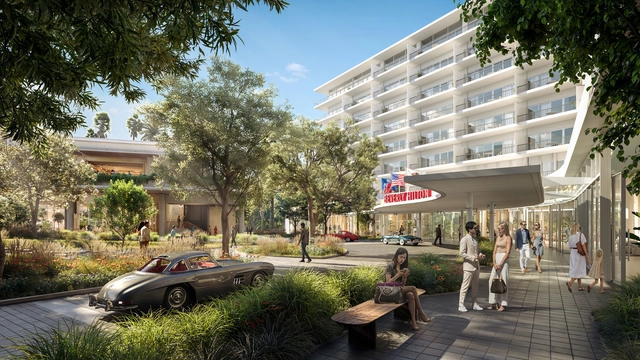
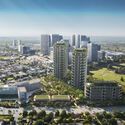
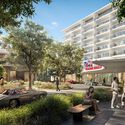
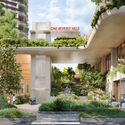
Foster + Partners has announced the start of construction on One Beverly Hills, revitalizing 17.5 acres of land in the city center. Proposing two residential buildings, a new hotel, a dining, and a retail pavilion, the development is expected to open in 2025. Designed in collaboration with design collective RIOS, who is leading the Landscape Architecture, the project features 10 acres of gardens and open space. The project’s masterplan, designed by Foster + Partners, also integrates existing landmarks like the Beverly Hilton and Waldorf Astoria Beverly Hills.

One Beverly Hills by Foster + Partners Breaks Ground - Image 1 of 4One Beverly Hills by Foster + Partners Breaks Ground - Image 2 of 4One Beverly Hills by Foster + Partners Breaks Ground - Image 3 of 4One Beverly Hills by Foster + Partners Breaks Ground - Image 4 of 4One Beverly Hills by Foster + Partners Breaks Ground - More Images+ 1

Awesome and Affordable: Making the Case for Great Housing

This article was originally published on Common Edge.

When Brenda Mendoza told an NPR reporter about her commute to work, she became the face of the housing crisis in Los Angeles today. Mendoza, a uniform attendant at a Marriott hotel, was living with her family in an apartment in Koreatown, where she had grown up, 10 minutes from her job. The landlord raised the rent, so she moved to a less costly place in Downey. When that rent also rose out of reach, she moved to Apple Valley, and now gets up at 3:30 a.m. to drive 100 miles to her job, dropping off her husband and son at their jobs on the way. She did not move to Apple Valley to invest in a house she could love. She simply found an equally unstable, but slightly more affordable, rental hours from her workplace.

Awesome and Affordable: Making the Case for Great Housing - Image 1 of 4Awesome and Affordable: Making the Case for Great Housing - Image 2 of 4Awesome and Affordable: Making the Case for Great Housing - Image 3 of 4Awesome and Affordable: Making the Case for Great Housing - Image 4 of 4Awesome and Affordable: Making the Case for Great Housing - More Images+ 1

Los Angeles Plans to Implement the Park Block Pilot, a Car-Free Grid Inspired by Barcelona's Superblock Model

Los Angeles officials have voted on a motion to implement the first Park Block, a pilot project that creates a car-free grid of city streets to open up public space for pedestrians and cyclists, as reported by NBC Los Angeles. The plan takes inspiration from Barcelona’s Superblock program, which creates groups of nine blocks in the district of Eixample and restricts the traffic to the outside streets, freeing up the rest of the streets for pedestrian and local transit only. Implemented in 2016, the plan has led to reduced levels of air pollution, urban noise, and traffic fatalities. A similar program is now planned for Los Angeles, United States.


Los Angeles Plans to Implement the Park Block Pilot, a Car-Free Grid Inspired by Barcelona's Superblock Model - Image 1 of 4Los Angeles Plans to Implement the Park Block Pilot, a Car-Free Grid Inspired by Barcelona's Superblock Model - Image 2 of 4Los Angeles Plans to Implement the Park Block Pilot, a Car-Free Grid Inspired by Barcelona's Superblock Model - Image 3 of 4Los Angeles Plans to Implement the Park Block Pilot, a Car-Free Grid Inspired by Barcelona's Superblock Model - Image 4 of 4Los Angeles Plans to Implement the Park Block Pilot, a Car-Free Grid Inspired by Barcelona's Superblock Model - More Images

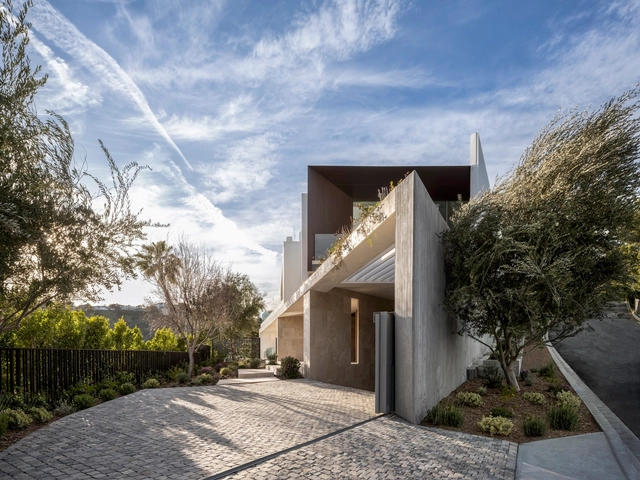
Stradella Ridge House / SAOTA

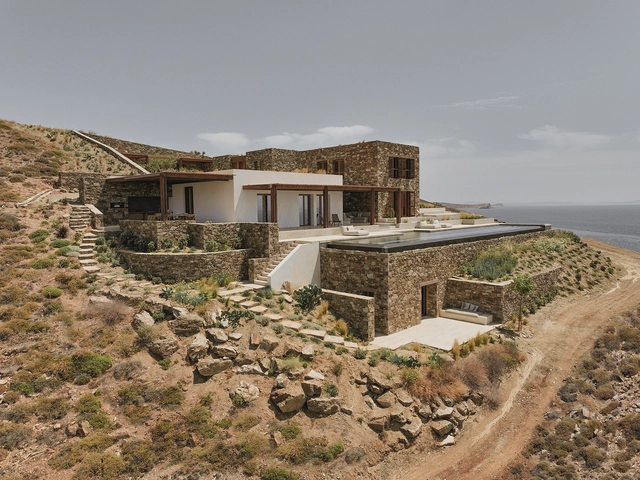
Stradella Ridge House / SAOTA - Interior Photography, Houses, Table, ChairStradella Ridge House / SAOTA - Interior Photography, Houses, Bedroom, Table, ChairStradella Ridge House / SAOTA - Interior Photography, Houses, Bedroom, Beam, Facade, Door, Column, TableStradella Ridge House / SAOTA - Exterior Photography, Houses, FacadeStradella Ridge House / SAOTA - More Images+ 23

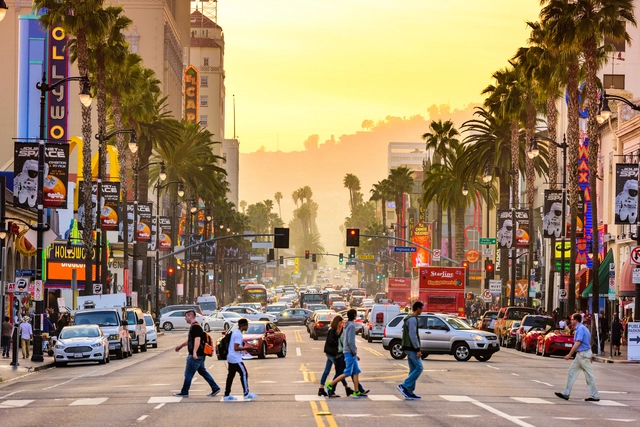
Los Angeles, United States

Reshaping U.S. Downtowns: Momentum Grows for Office-To-Housing Transformations

Subscriber Access | 

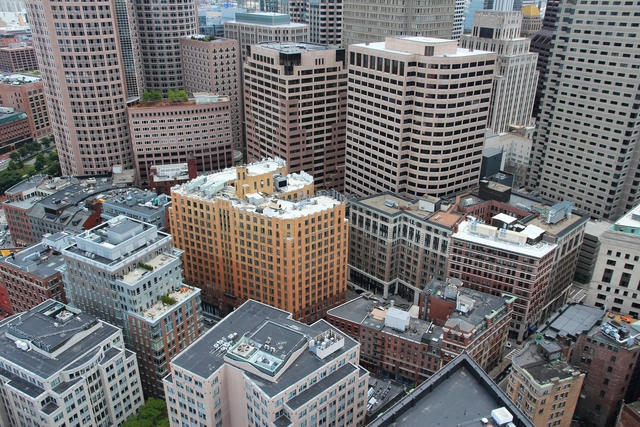
Cities across the US are struggling to fill their office spaces. Major cities like Washington DC, Boston, and San Francisco have increasingly vacant downtowns, while the urban centers of small Rust Belt cities struggle to survive altogether. This trend is consistent beyond the US, with over three-quarters of Europe’s office buildings at risk of obsolescence by the decade’s end. The cause of this, in most cases, is simple: an oversupply of offices and a shift towards remote work. These vacant buildings can trigger a negative domino effect of economic and social challenges for cities, and their surplus, coupled with a housing shortage, has sparked discussions among cities and architects about the impending necessity to transform offices into housing.
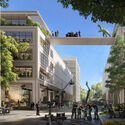
Reshaping U.S. Downtowns: Momentum Grows for Office-To-Housing Transformations - Image 1 of 4Reshaping U.S. Downtowns: Momentum Grows for Office-To-Housing Transformations - Image 2 of 4Reshaping U.S. Downtowns: Momentum Grows for Office-To-Housing Transformations - Image 3 of 4Reshaping U.S. Downtowns: Momentum Grows for Office-To-Housing Transformations - Image 4 of 4Reshaping U.S. Downtowns: Momentum Grows for Office-To-Housing Transformations - More Images+ 2