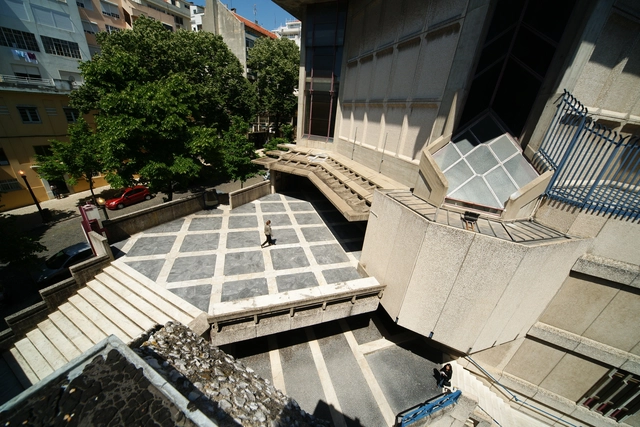
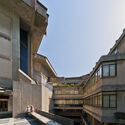
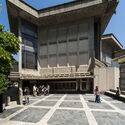
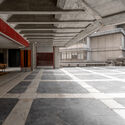
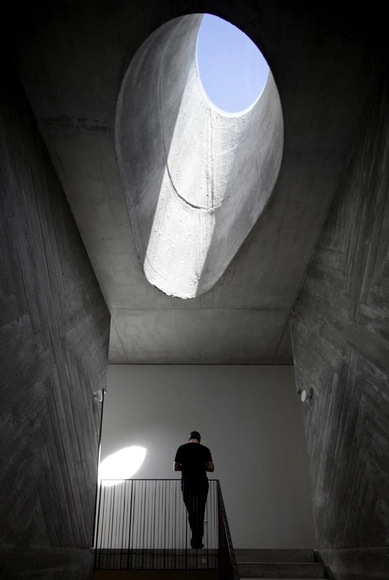
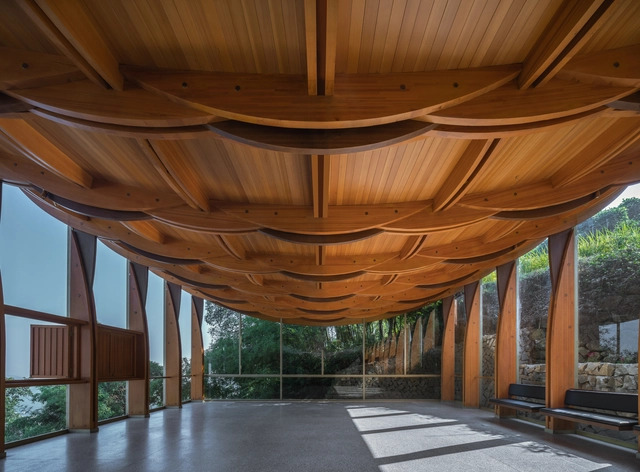
As a landmark of contemporary religious architecture in Portugal, the Church of the Sacred Heart of Jesus stands in contrast to traditional models, representing a work free from historicist stigmas. Resulting from a design competition organized in 1960, the church is notable for its civic dimension, urban role, and its anti-monumental and social significance. Integrated into the regular grid of the Avenidas Novas neighborhood, this example of the Movement for the Renewal of Sacred Art is part of a larger parish complex that often goes unnoticed by passersby. Its external street creates an unexpected public space, inviting people to enter and engage in a courtyard where architecture and the city merge. Finely crafted in terms of spatiality, detail, and light, the church holds many surprises for those who venture inside.
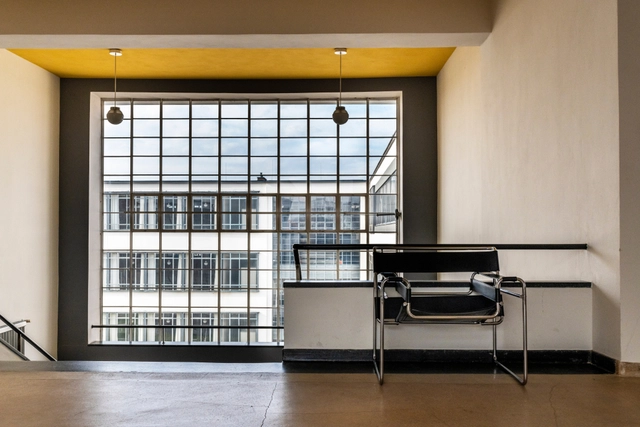
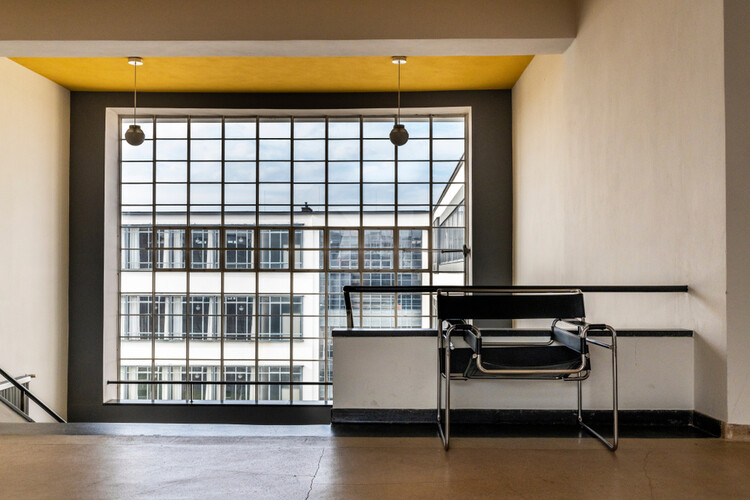
Bauhaus's designs have influenced our contemporary society in obvious and subtle ways. Iconic examples include Marcel Breuer’s Wassily Chair, the B55 Chair, the Bauhaus typeface, and the graphic design principles emphasizing clean lines, primary colors, and geometric shapes. However, the architectural construction details of the Bauhaus movement are much less discussed. While most can readily identify modern or Bauhaus buildings by their geometric forms, functionality, and industrial materials, their architectural details are often overlooked. They not only echo the design language of Breuer’s renowned furniture pieces but also have influenced the much-celebrated architectural glass details of Mies van der Rohe. How were Bauhaus's details executed, and how might they be translated into contemporary details today?
Although the sensory approach in the built environment is often based primarily on visual aspects, such as color and light, as we delve deeper into the relationship of architecture with the senses other essential elements emerge, such as aromas, textures, sounds, and even flavors. These components are fundamental to creating a profound experience between the user and the environment in which it takes place, demonstrating that design and sensory experience are intrinsically connected.
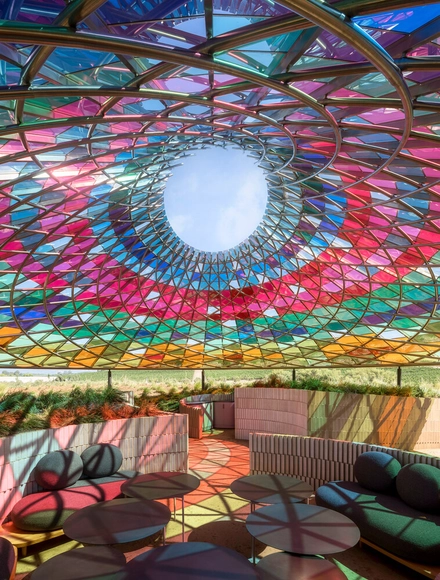
Thus, sensory design offers an immersive atmosphere for a full spectrum of senses where its perception extends beyond physical boundaries. An example of this is the Vertical Panorama Pavilion, located in a region of California (USA) with a strong identity linked to the wine tradition. This structure, with a glass canopy of Color PVB interlayers, serves as a shelter for hospitality. Inspired by nature, the pavilion’s canopy engages all the senses: from the texture of the gravel on the walking path to the wind currents in the area and the characteristic aromas of the region.
https://www.archdaily.com/1017382/a-multicolored-glass-canopy-for-senses-shelter-and-hospitality-the-vertical-panorama-pavilionEnrique Tovar
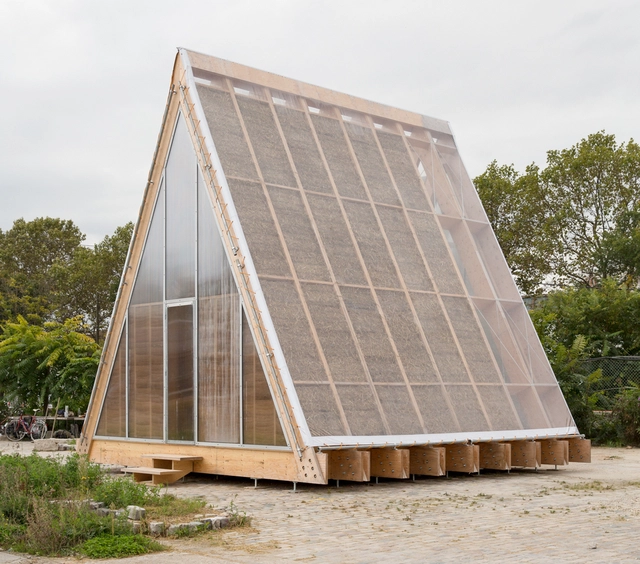
A Trombe wall is a passive solar building feature that enhances thermal efficiency. Positioned on the sun-facing side of a structure, it consists of a wall made from materials like brick, stone, or concrete, and a glass panel or polycarbonate sheet placed a few centimeters in front of it. Solar radiation penetrates the glass during daylight hours and heats the masonry wall. This wall then slowly releases the stored heat into the building during the cooler nighttime hours, maintaining a more consistent indoor temperature without the need for active heating systems.
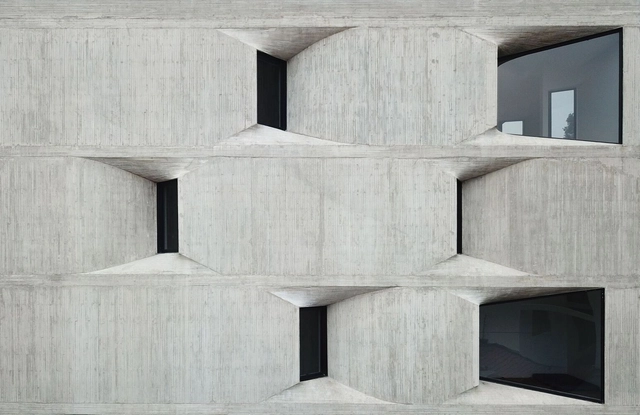
Formally, transparency usually takes the shape of a window, a door, a curtain wall, or a skylight. These are commonly created through rectangular punched openings or in the form of glass curtain wall systems or translucent screens. The following projects play with traditional notions of transparency and window-making in playful and unconventional ways. They create visually striking facades and dynamic relationships between their exterior and interior. They filter light and frame views through their glazing and opening articulation to craft memorable architectural experiences.
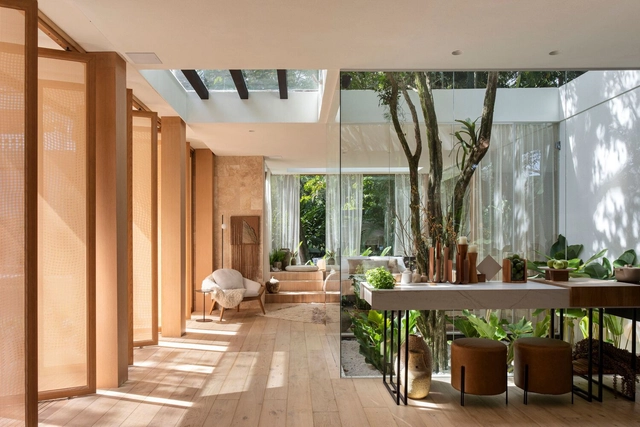
The early 20th century marked a pivotal era in Brazilian architecture with the advent of the modernist movement. Architects like Oscar Niemeyer or Lúcio Costa introduced avant-garde designs characterized by sleek lines, reinforced concrete, and a focus on functionality. What's more: residential projects of the era, in particular, blurred the lines between indoor and outdoor, flawlessly merging interior and exterior spaces to reflect a lifestyle that harmonizes with nature. Fast forward to the present day, and contemporary architects and designers in Brazil continue to embrace the challenge of creating indoor-outdoor homes that nod to the country's tropical climate. These residences often feature open floor plans, expansive glass walls, and strategic positioning of courtyards, gardens, or terraces with a design philosophy that emphasizes natural light, ventilation, and the incorporation of greenery for increased well-being. We take a detailed look at four recently completed residential projects in Brazil that fuse contemporary architecture, sustainable living, and a deep appreciation for their natural surroundings.
As a highly transparent material that stands up to all but the most extreme of weather conditions, is easily formed into any size or shape, and, once formed, will last for thousands of years, glass is still one of the most innovative and crucial materials used in architecture. Although contemporary building practices allow us to form huge, glittering skyscrapers of glass that rise hundreds of meters into the air, the ancient material’s original purpose – to welcome light into weathertight and secure interiors – remains its most important more than a thousand years on.
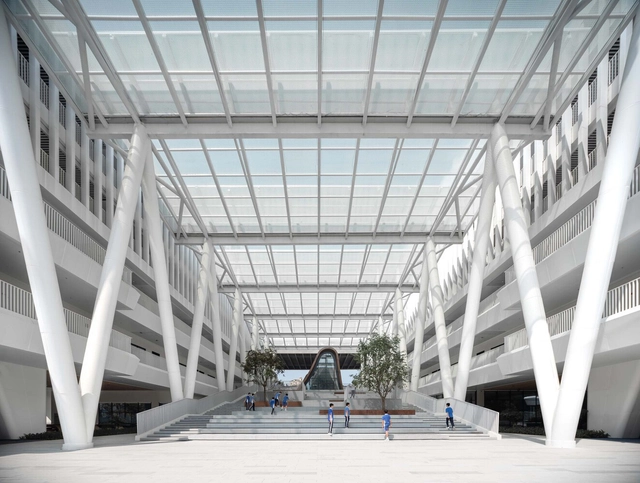
As important as glass is to almost every typology of architecture in the form of windows, when it comes to the roof of a building, the use of glass is not so simple. We’ve understood the power and danger of combining light and glass ever since we saw a magnifying glass used to concentrate the heat of sunlight into incredibly high temperatures in children’s cartoons. Under a glass roof, the solar gain can make for uncomfortable internal environments without the correct protective precautions.
When we talk about the building envelope, we often make the analogy of a skin that protects and wraps the structure, creating a transition in the physical environment. This concept is interesting as it identifies that, similar to its function in humans, the skin plays a role in protecting and regulating the interior setting, besides contributing to the aesthetics of the building. In this way, both the human skin and the building envelope act as elements that respond to the stimuli of the surroundings and the life that develops within them. More than just protective barriers, they are experienced as means of active interaction with the context.
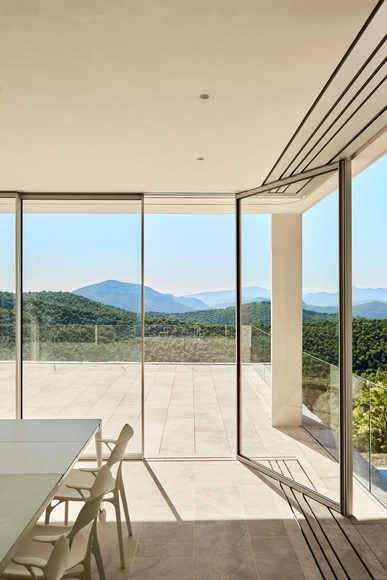
While envelopes evolve within diverse contexts, materials, and systems, minimalist windows distinguish themselves through their aesthetic qualities by being transparent and fluid skins. These windows excel with their functionality and visual lightness, standing out in the architectural landscape. In addition, they are noteworthy thanks to their versatility across different systems that connect life within the interior and exterior. Considering Swiss and Pritzker Prize-winning architect Peter Zumthor's statement that "architecture is exposed to life,” windows play a vital role in expressing that connection, becoming a significant part of the building's identity and essence.
https://www.archdaily.com/1013905/reframing-the-concept-of-building-envelope-through-minimalist-windowsEnrique Tovar
For most people, modern living requires spending most of the day in interior spaces - in fact, according to a report by the Environmental Protection Agency, the average person spends around 90% of their life indoors. As a result, this implies missing out on health benefits associated with sunlight exposure, such as vitamin D absorption, regulation of circadian rhythms, higher energy levels and even improved mood. Thus, one option is to increase the amount of time we spend outdoors. But because most daily functions are carried out inside buildings, it is crucial to incorporate and prioritize natural lighting in interiors.
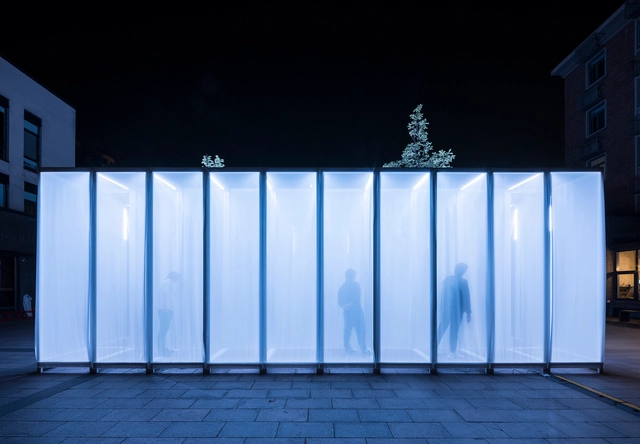
Translucency, at its essence, is an optical property that enables the total or partial passage of light through materials, without providing a clear view of the objects behind them. Despite its apparent simplicity, this property has fascinating applications in the architectural field, generating attractive and powerful proposals that play with light without obstructing views.
Traditionally, glass sheets have been the symbolic material associated with transparency, commonly used in the fabrication of doors and windows. However, technological advances in production and the exploration of innovative materials have significantly expanded the opportunities to take advantage of this property in both interior and exterior applications. These advances challenge preconceived limitations and encourage creativity in the development of novel architectural proposals.
https://www.archdaily.com/1013517/seeing-through-layers-translucent-materials-in-architectureEnrique Tovar
As the architecture industry shifts its focus towards greater sustainability and energy efficiency, many modern projects in the world’s hottest (and getting hotter) environments are unearthing more traditional ways to control temperature, light, and ventilation by learning from the past to save us from the future.
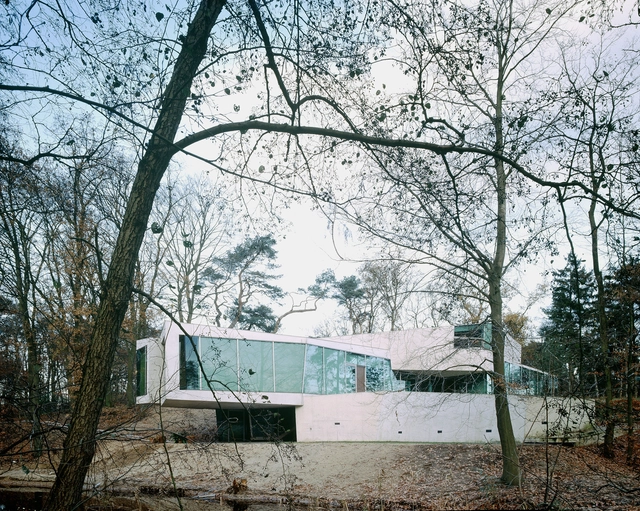
In 1993 a young professional couple from Amsterdam set out to build a private house unlike any other. They wanted to create something that “would be recognized as a reference in terms of renewal of the architectural language.” They reached out to several architects, including Rem Koolhaas, but finally decided to entrust the commission to Dutch architect Ben van Berkel after he studied the site and came up with a vision for the project, relating it to the couple’s lifestyle.
Located in Het Gooi, its design took over 5 years, going through several iterations, but always coming back to its core inspiration: the Möbius loop. The shape, defined as a single-sided surface with no boundaries, was the key to a new architectural language that aimed to weave together all the individual activities of each family member, allowing the functional program to be integrated within the dynamic structure. By 1998, when the house was completed, it became widely published and internationally recognized. It also became a sort of manifesto for its architect, as it uses an organizational principle to inform the final image.
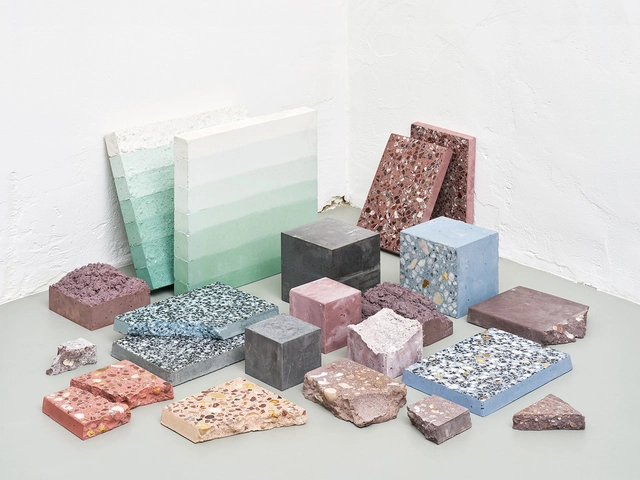
A building’s materiality is what our bodies make direct contact with; the cold metal handle, the warm wooden wall, and the hard glass window would all create an entirely different atmosphere if they were, say, a hard glass handle, a cold metal wall and a warm wooden window (which with KTH’s new translucent wood, is not as absurd as it might sound). Materiality is of just as much importance as form, function, and location—or rather, inseparable from all three.
Here we’ve compiled a selection of 16 materials that should be part of the design vocabulary of all architects, ranging from the very familiar (such as concrete and steel) to materials that may be unknown to some of our readers, as well as links to comprehensive resources to learn more about many of them.
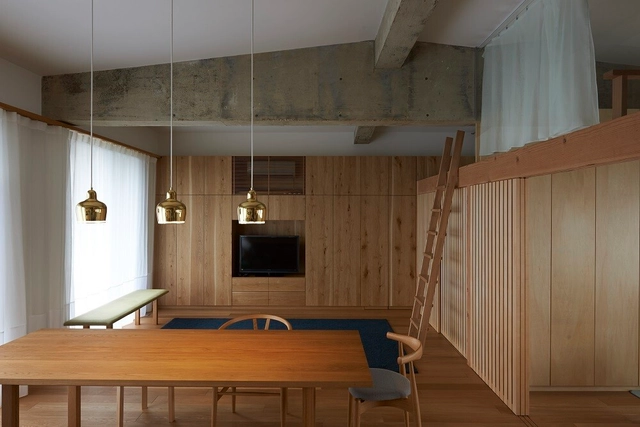
Contemporary Japanese interiors incorporate elements both of tradition and modernity to embody the country's innovative spirit while maintaining a profound respect for its history and cultural heritage. Though traditional materials like wood, paper, and bamboo continue to hold significance, modern Japanese interiors also often feature a fusion of glass, steel, concrete, and metals. The juxtaposition of smoother, sleeker textures and finishes with warmer and more organic ones reflects a dynamic synthesis of old and new, and results in visually striking and functional spaces that honor the essence of the country's design principles.
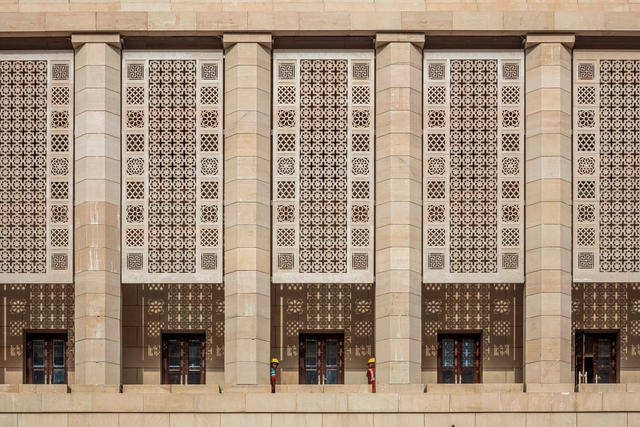
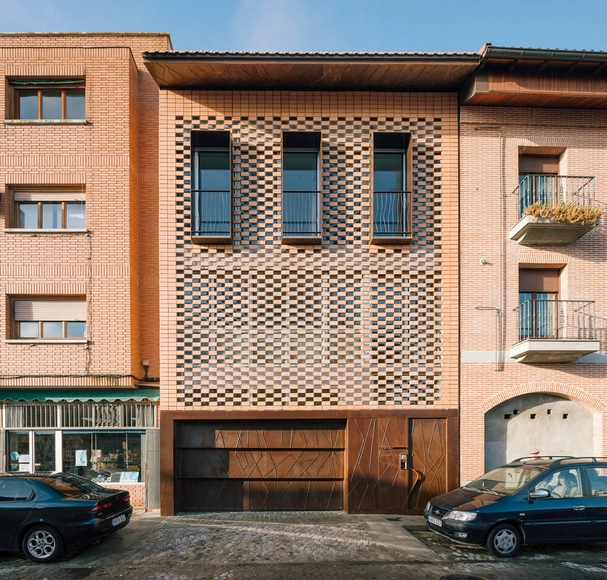
The duality of sunlight in the field of architectural design presents fascinating contrasts, especially when addressing the question of how to interact with it through the built environment and the materials that define architecture. The sun's influence in this discipline has become an essential part of the cultural heritage of some countries, as evidenced by Spanish architecture, where the interaction with sunlight manifests through elements such as lattices. These lattices are recognizable on the facades of buildings from the Middle Ages, exemplified by structures like the Alhambra, to 20th-century constructions such as Casa Gomis, considered historical monuments.
The facade, being the skin of the building, is the architectural component that is usually directly exposed to sunlight. Based on this premise, we seek to establish a dialogue between openness to the environment and the need for protection, thus creating a synergy between functionality and aesthetics. In this context, sunscreen facades have been developed through various approaches, standing out for their ability to address this design condition. For this reason, we have selected solar control solutions from Spanish brands, distinguished by their technical characteristics and materiality through various approaches.
https://www.archdaily.com/1010864/sunscreen-facades-from-ceramic-textile-systems-to-double-skin-glassEnrique Tovar
Some materials change the course of architecture from the moment they begin to be employed. The initial materials used in construction certainly did so: clay, stone, and wood. The ability to build is the origin of the discipline. With technological development, techniques were also refined, and in the 19th century, industrialization spread the use of other materials, transforming and expanding the realm of construction: iron and glass.
Some of the most memorable and moving exhibitions are the ones that simplify their staging, illuminating objects and narratives while pulling focus from everything else. A stark but meticulous –and above all modern– presentation is the goal of the museum curator. The process of installation shouldn’t be laborious. The fingerprint of the architect shouldn’t be visible. The eye of the visitor wants to see unbroken silhouettes of couture garments, archaeological treasures, and sculptures. Exhibitions tell stories, and the design of each show is the medium. The presentation must be crisp, clear, and light. A sense of perfection elevates the uniqueness of a collection of objects; barely apparent joins, lines and an overall feeling of transparency make that achievable.
https://www.archdaily.com/1009976/elevating-contemporary-exhibition-design-with-sliding-glass-panel-systemsMark C. O'Flaherty
Lithuania's architectural narrative is a mosaic of diverse influences and styles, representing its historical evolution, cultural heritage, and resilience through changing times. Despite a focus on traditional craftsmanship, functional minimalism, and sustainable materials, the country's design language has been profoundly influenced by its geopolitical position and historical events, resulting in a blend of styles from different periods. A key factor that cuts across all expressions, however, is Lithuanian architecture's seamless connection with its natural surroundings.