1. ArchDaily
  2. Digital Architecture

Digital Architecture: The Latest Architecture and News

Immersive Spaces: When Architecture Turns Into Experience

 | Sponsored Content

In the Water Lilies rooms at the Musée de l'Orangerie in Paris, Claude Monet conceived a 360-degree gallery where visitors are enveloped by continuous landscapes, dissolving the boundaries between painting and environment. There, he sought not merely to represent nature through his distinctive style, but to construct an atmosphere, a perceptual state that the visitor literally inhabits. Architecture, traditionally associated with materiality and permanence, thus gains a new dimension of time, movement, and sensory experience.

Similarly, when contemporary architecture transforms its planes into active surfaces, it extends this pursuit of immersion and presence, now amplified by technology. At the entrance of SOPREMA's new Mammut Tower in Oberroßbach, Germany, architecture and digital narrative converge. Designed and executed by ASB GlassFloor, the newly completed lobby is an immersive environment combining glass, light, and sound into a complete spatial and sensorial experience, demonstrating how interactive technologies can become architectural materials in their own right.

From Martian Hydrospheres to Forest-Like Cities: 6 Radical Urban Visions Unveiled at the Venice 2025 Architecture Biennale

Cities today are being reimagined as living, evolving organisms, combining digital intelligence, ecological systems, and new materials to shape radical futures. At Carlo Ratti's "Intelligens. Natural. Artificial. Collective." biennial, over 750 participants challenge established boundaries between architecture, landscape, and technology. Several conceptual projects showcased in the main exhibition challenge conventional boundaries between architecture, landscape, and technology. From bio-adaptive urban systems and Martian water-based settlements to immersive symphonies of satellite data, these works collectively envision new models for cohabitation, resilience, and planetary awareness.

This month's Unbuilt selection presents six speculative projects, presented as part of the 2025 Venice Architecture Biennale exhibition, as provocations for rethinking the future of cities and human settlement. While some proposals transform architecture into self-sustaining, living infrastructures, others explore how data and sensory interfaces can redefine our relationship with natural and urban environments. Together, they offer a cross-section of how architects and designers are using unbuilt work to imagine new possibilities for life on Earth and beyond.

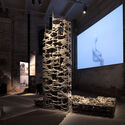
From Martian Hydrospheres to Forest-Like Cities: 6 Radical Urban Visions Unveiled at the Venice 2025 Architecture Biennale - Image 1 of 4From Martian Hydrospheres to Forest-Like Cities: 6 Radical Urban Visions Unveiled at the Venice 2025 Architecture Biennale - Image 2 of 4From Martian Hydrospheres to Forest-Like Cities: 6 Radical Urban Visions Unveiled at the Venice 2025 Architecture Biennale - Image 3 of 4From Martian Hydrospheres to Forest-Like Cities: 6 Radical Urban Visions Unveiled at the Venice 2025 Architecture Biennale - Featured ImageFrom Martian Hydrospheres to Forest-Like Cities: 6 Radical Urban Visions Unveiled at the Venice 2025 Architecture Biennale - More Images+ 21

25 Years Prototyping the Future: Inside IAAC’s Master in Advanced Architecture

 | Sponsored Content

The Master in Advanced Architecture at IAAC celebrates its 25th anniversary as one of the most forward-looking programs in architectural education. Founded in 2000 in Barcelona, the program was created as a space for experimentation—where design meets technology, ecology and critical thinking, far from the conventions of traditional architectural training.
Over the years, the program has welcomed more than 1,000 students from over 80 countries. This international mix is no accident; it reflects IAAC's understanding of innovation as something that grows through dialogue, diversity and shared ambition. The result is a network of professionals working at the intersection of design, research, and systemic change.

The Continued Relevance of Models in Architecture's Digital Era

Subscriber Access | 

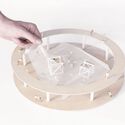
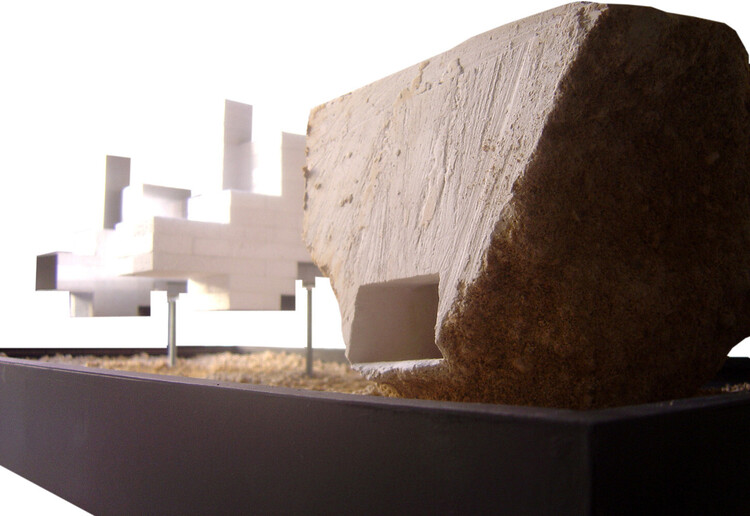
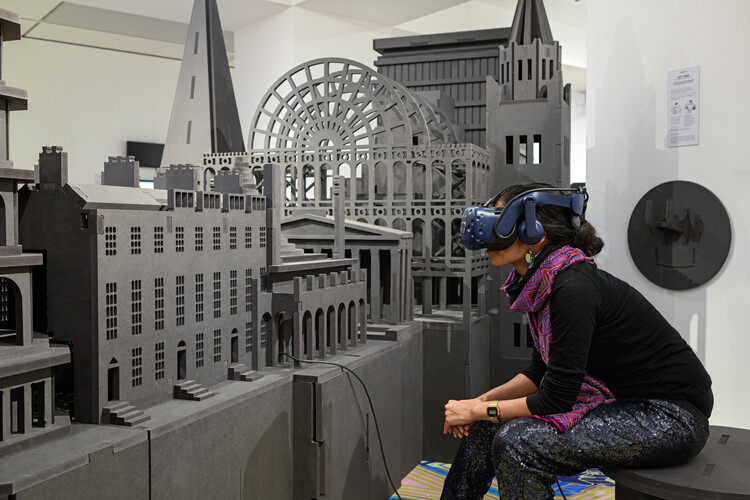
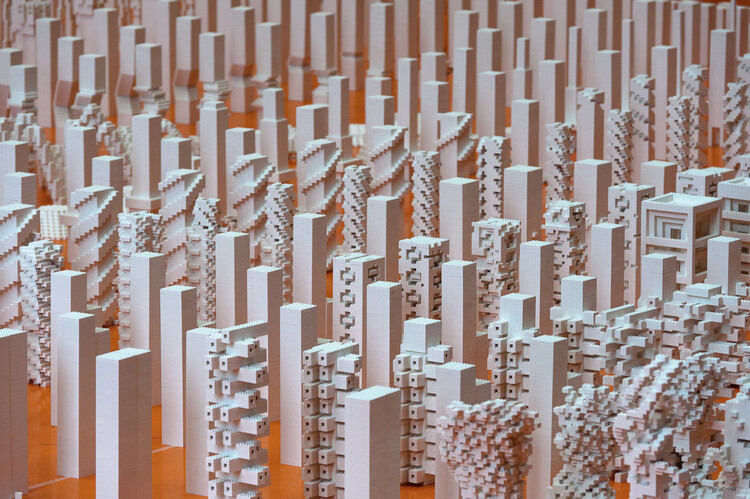
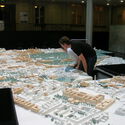
For centuries, models have been central to architectural design, providing architects with a tangible way to explore ideas, test concepts, and communicate their vision. From the Renaissance to Modernism, models have been instrumental in the construction and reflection processes, offering insights into form, proportion, and spatial relationships. However, in today's digital age, where 3D models and Virtual Reality (VR) have become powerful and efficient tools, the question arises: Are physical models still relevant in contemporary architecture?

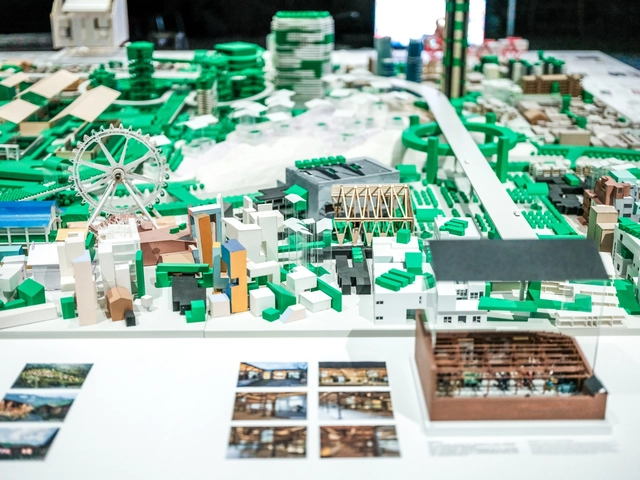
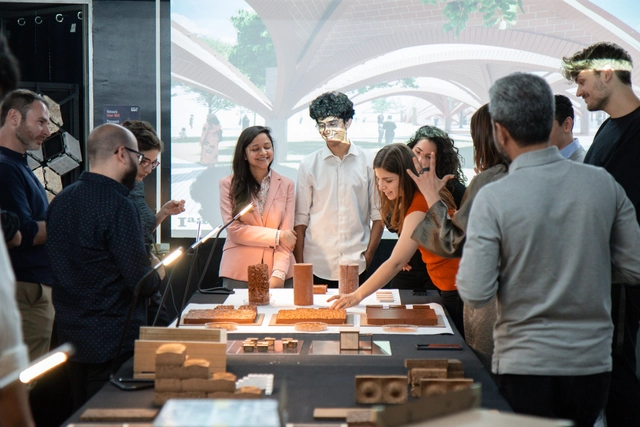
The Continued Relevance of Models in Architecture's Digital Era - Image 1 of 4The Continued Relevance of Models in Architecture's Digital Era - Image 2 of 4The Continued Relevance of Models in Architecture's Digital Era - Image 3 of 4The Continued Relevance of Models in Architecture's Digital Era - Image 4 of 4The Continued Relevance of Models in Architecture's Digital Era - More Images+ 24

The Metaverse Unleashed: The Rise of Human-Scale Digital Venues

This article is the eighth in a series focusing on the Architecture of the Metaverse. ArchDaily has collaborated with John Marx, AIA, the founding design principal and Chief Artistic Officer of Form4 Architecture, to bring you monthly articles that seek to define the Metaverse, convey the potential of this new realm as well as understand its constraints. In this feature, architect John Marx interviews Heather Gallagher, an international expert in transformative events and the experience economy and former Head of Technology at Burning Man.

The Metaverse Unleashed: The Rise of Human-Scale Digital Venues - Image 1 of 4The Metaverse Unleashed: The Rise of Human-Scale Digital Venues - Image 2 of 4The Metaverse Unleashed: The Rise of Human-Scale Digital Venues - Image 3 of 4The Metaverse Unleashed: The Rise of Human-Scale Digital Venues - Image 4 of 4The Metaverse Unleashed: The Rise of Human-Scale Digital Venues - More Images+ 6

Next Generation Goggles: Augmented Reality Meets Virtual Reality

This article is the fifth in a series focusing on the Architecture of the Metaverse. ArchDaily has collaborated with John Marx, AIA, the founding design principal and Chief Artistic Officer of Form4 Architecture, to bring you monthly articles that seek to define the Metaverse, convey the potential of this new realm as well as understand its constraints.

Science fiction writers inspire us with bold and provocative visions of the future. Huxley, Orwell, Assimov, and Bradbury easily come to mind.  They have imagined great advances in technology and oftentimes predicted shifts in social structure that were a result of the human need to open Pandora's Box. A large part of the charm and allure of science fiction is the bold audacity of some of these predictions. They seem to defy the laws of nature and science, and then, faster than you might have thought, the spectrum of human inventiveness makes it so.

Next Generation Goggles: Augmented Reality Meets Virtual Reality - Image 1 of 4Next Generation Goggles: Augmented Reality Meets Virtual Reality - Image 2 of 4Next Generation Goggles: Augmented Reality Meets Virtual Reality - Image 3 of 4Next Generation Goggles: Augmented Reality Meets Virtual Reality - Image 4 of 4Next Generation Goggles: Augmented Reality Meets Virtual Reality - More Images+ 7

7 Interviews with Architecture Professionals Discussing Digitization, the Metaverse and the Future of Architecture

Architecture as a profession is both deeply rooted in the past and driven by innovation. During the past few years, we have seen technology advancing at an unprecedented pace, developing tools and systems that change the way we understand the world. Digital spaces are becoming an accessible reality, as the metaverse is promising to enhance human interaction. Other digital tools such as robotic construction technologies, AI-generated images, and immersive virtual-reality equipment are likely to have a direct impact on the construction industry.

These topics are addressed by forward-looking architects, designers, and building industry professionals. Among others, contemporary artist Krista Kim talks about the economy of the metaverse, architect Alper Derinboğaz draws attention to the challenges facing the new generations of architects, and ICON founder Jason Ballard reveals the implications of technological innovations.

7 Interviews with Architecture Professionals Discussing Digitization, the Metaverse and the Future of Architecture - Image 1 of 47 Interviews with Architecture Professionals Discussing Digitization, the Metaverse and the Future of Architecture - Image 2 of 47 Interviews with Architecture Professionals Discussing Digitization, the Metaverse and the Future of Architecture - Image 3 of 47 Interviews with Architecture Professionals Discussing Digitization, the Metaverse and the Future of Architecture - Image 4 of 47 Interviews with Architecture Professionals Discussing Digitization, the Metaverse and the Future of Architecture - More Images+ 3

What is the Impact of Apple’s Vision Pro Augmented Reality Goggles on the Field of Architecture?

On June 5, Apple launched Apple Vision Pro, a new type of spatial computer that uses augmented reality goggles to allow users to experience a blend between the digital and physical worlds. The device promises to offer its users an infinite canvas for apps, larger and more immersive than traditional displays, while allowing them to stay present and connected to others. It features visionOS, the first spatial operating system to create this new way of interacting with digital content. Previous concepts like the metaverse have promised to transform the way we experience digital worlds, with architects taking the opportunity to delve into the design of restriction-free virtual spaces. Could this new device bring new ways of experiencing three-dimensional spaces, to better integrate architecture with digital environments?

What is the Impact of Apple’s Vision Pro Augmented Reality Goggles on the Field of Architecture? - Image 1 of 4What is the Impact of Apple’s Vision Pro Augmented Reality Goggles on the Field of Architecture? - Image 2 of 4What is the Impact of Apple’s Vision Pro Augmented Reality Goggles on the Field of Architecture? - Image 3 of 4What is the Impact of Apple’s Vision Pro Augmented Reality Goggles on the Field of Architecture? - Image 4 of 4What is the Impact of Apple’s Vision Pro Augmented Reality Goggles on the Field of Architecture? - More Images

The AI Image Generator: The Limits of the Algorithm and Human Biases

Subscriber Access | 

2022 has been the year of AI image generators. Over the past few years, these machine learning systems have been tweaked and refined, undergoing multiple iterations to find their present popularity with the everyday internet user. These image generators—DALL-E and Midjourney arguably the most prominent—generate imagery from a variety of text prompts, for instance allowing people to create conceptual renditions of architectures of the future, present, and past. But as we exist in a digital landscape filled with human biases—navigating these image generators requires careful reflection.

The AI Image Generator: The Limits of the Algorithm and Human Biases - Image 1 of 4The AI Image Generator: The Limits of the Algorithm and Human Biases - Image 2 of 4The AI Image Generator: The Limits of the Algorithm and Human Biases - Image 3 of 4The AI Image Generator: The Limits of the Algorithm and Human Biases - Image 4 of 4The AI Image Generator: The Limits of the Algorithm and Human Biases - More Images+ 8

Grimshaw, HWKN, Farshid Moussavi, and WHY Create Metaverse Social Hubs Inspired by the Silk Road

The new metaverse platform pax.world, set to launch in early 2023, has announced its collaboration with global architecture offices Grimshaw, HWKN, Farshid Moussavi, and WHY to create “Metaserai,” a vast social and cultural hub envisioned as the core of the new virtual community. The hubs are designed to host virtual cultural, social, and educational events such as concerts, theatre shows, digital art galleries, markets, lectures, parties, and festivals.

The pax.world platform aims to develop into a fully functioning society governed by a Decentralized Autonomous Organization, also known as a DAO. The virtual space will be divided into privately-owned plots of land punctuated by Metaserai communal hubs. These take inspiration from the Caravanserai of the ancient Silk Road, which became hubs for commerce and cultural exchange. Each of the architects is designing their own interpretation of Metaserai.

Grimshaw, HWKN, Farshid Moussavi, and WHY Create Metaverse Social Hubs Inspired by the Silk Road - Image 1 of 4Grimshaw, HWKN, Farshid Moussavi, and WHY Create Metaverse Social Hubs Inspired by the Silk Road - Image 2 of 4Grimshaw, HWKN, Farshid Moussavi, and WHY Create Metaverse Social Hubs Inspired by the Silk Road - Image 3 of 4Grimshaw, HWKN, Farshid Moussavi, and WHY Create Metaverse Social Hubs Inspired by the Silk Road - Image 4 of 4Grimshaw, HWKN, Farshid Moussavi, and WHY Create Metaverse Social Hubs Inspired by the Silk Road - More Images+ 8

Space Popular Adapts Aldo Rossi’s Concepts of Urbanism to the Virtual Realms of the Metaverse

Through the “Search History” exhibition at MAXXI Museum in Rome, Lara Lesmes and Fredrik Hellberg, directors of the architecture and art studio Space Popular, set out to explore the work of Also Rossi and to translate his notions of “urban fact” and “analogous city” to the virtual realm. The installation is a reflection on the proliferation of metaverse platforms and the concept of virtual urbanism. The exhibition is part of the fifth edition of Studio Visit, a partnership between Alcantara and the MAXXI Museo nazionale delle arti del XXI secolo, which challenges designers to put forward a personal reinterpretation of the works of the masters in the MAXXI Architecture Collections.

Space Popular Adapts Aldo Rossi’s Concepts of Urbanism to the Virtual Realms of the Metaverse - Image 1 of 4Space Popular Adapts Aldo Rossi’s Concepts of Urbanism to the Virtual Realms of the Metaverse - Image 2 of 4Space Popular Adapts Aldo Rossi’s Concepts of Urbanism to the Virtual Realms of the Metaverse - Image 3 of 4Space Popular Adapts Aldo Rossi’s Concepts of Urbanism to the Virtual Realms of the Metaverse - Image 4 of 4Space Popular Adapts Aldo Rossi’s Concepts of Urbanism to the Virtual Realms of the Metaverse - More Images+ 29