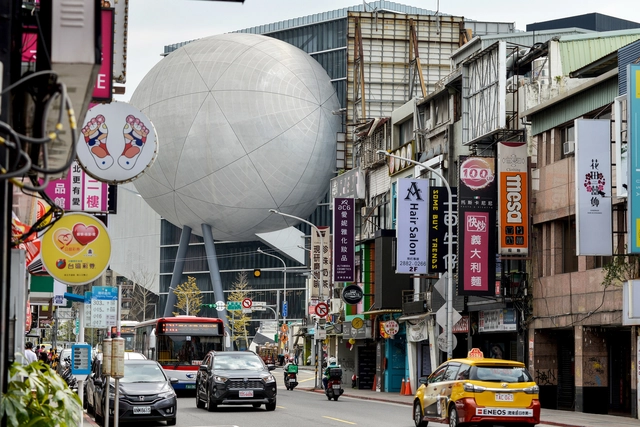
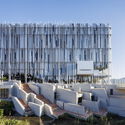
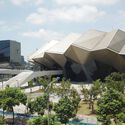
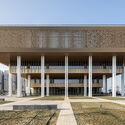
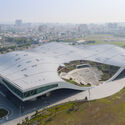
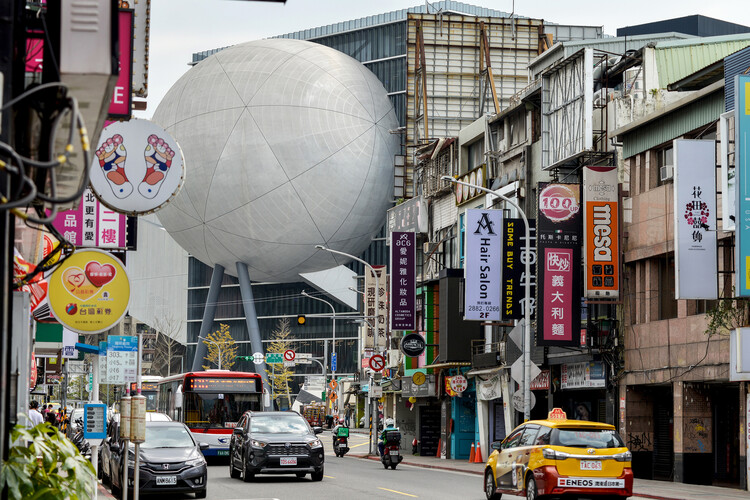
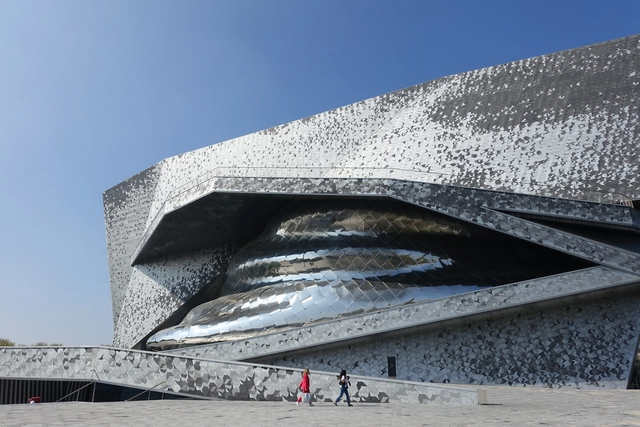
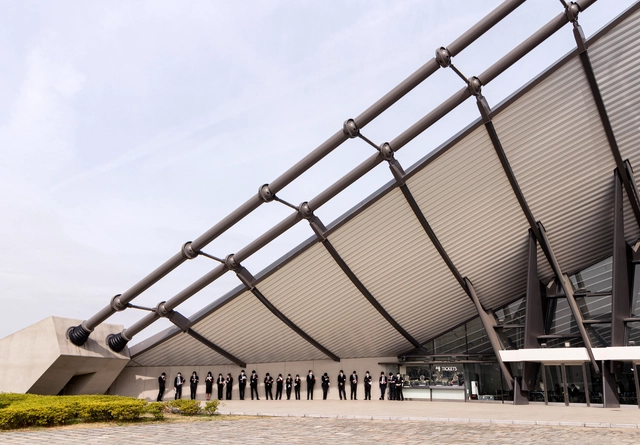
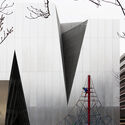
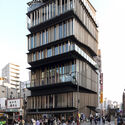
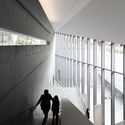
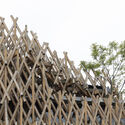
In most situations, architects navigate a complex web of construction codes, airspace regulations, and numerous other rules that dictate the form and execution of a project. However, cultural architecture often presents a unique opportunity for more daring and expressive designs. These projects frequently garner support from local governments, unlocking possibilities for formal explorations that might otherwise remain unrealized. In this regard, cultural architecture serves a dual purpose: enriching the community and establishing iconic landmarks that define the identity of their city or region. This ambition has certainly manifested in Taiwan. Situated in the heart of East Asia, this island nation boasts a remarkable array of formal explorations by both international and Taiwanese architects.
In recent weeks, cities around the world have introduced new policies, recovery efforts, and infrastructure projects that reflect growing pressure to adapt to climate realities. From Southern Europe to South America and the United States, these urban updates address both immediate challenges and long-term shifts in how the built environment is governed, designed, and inhabited. Some initiatives focus on regulation, tightening building codes in fire-prone areas or reforming aging safety systems, while others spotlight large-scale investments tied to global events such as COP30 and the Venice Architecture Biennale. This edition of Architecture Now gathers a selection of city-led actions and collaborative efforts that point toward a more resilient, responsive future for architecture and urban life.
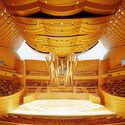
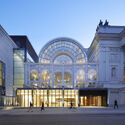
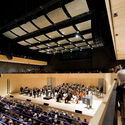
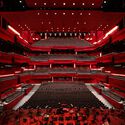
Theaters, concert halls, and opera houses are more than just venues — they are meticulously orchestrated environments where architecture, technology, and human emotion converge. Unlike conventional buildings, these spaces must accommodate a dynamic interplay between acoustics, sightlines, stage mechanics, and audience engagement, all while maintaining an architectural identity that resonates with performers and spectators alike. Whether it is the immersive embrace of a vineyard-style concert hall or the grandeur of a proscenium theater, every design decision shapes how performances are experienced and remembered.
The internal environment is the focus of this second article about designing for noise to improve well-being. According to several recent studies, noise in cities has become an increasing hazard to health. Environmental noise, that is, noise from traffic, industrial activities, or amplified music, which reaches internal spaces, is not merely an annoyance. It has been linked to cardiovascular disease, diabetes, dementia, and mental health issues. As the world urbanizes, more people are exposed to excessive levels of noise. In medium- and high-density housing, in office buildings, and in schools, noise pollution can emanate from internal as well as external sources.
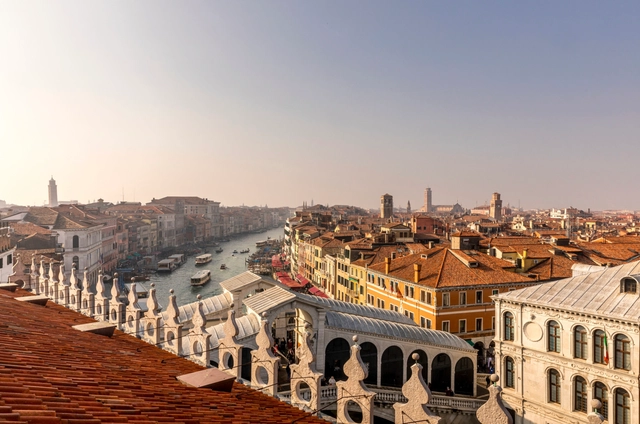
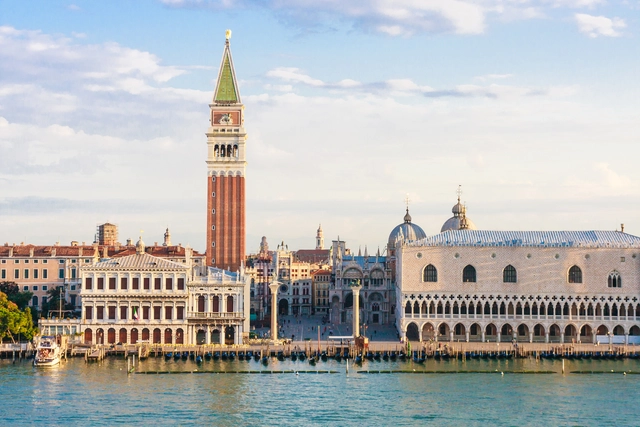
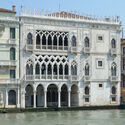
Built on a cluster of 118 small islands in the shallow Venetian Lagoon, the city of Venice, Italy, has captivated the imagination of architects and tourists alike. The area has been inhabited since ancient times, becoming a major financial and maritime power during the Middle Ages and Renaissance, as proven through the rich architecture that characterizes the city to this day. With influences from the Byzantine, Gothic, and Renaissance styles, the city represents a palimpsest of architectural narratives, overlapping and influencing each other. In recent years, Venice has become a major attraction for architects drawn to the La Biennale di Venezia, the most important Architectural Exhibition featuring national pavilions, exhibitions, and events to explore new concepts and architectural innovations.
Beyond the Biennale, Venice itself is an open-air museum for architecture lovers. While the city is best known for its historical buildings, Modernist and contemporary interventions add a new layer of interest, with many contemporary architects working with the historical fabric, like OMA's intervention and rehabilitation of Fondaco dei Tedeschi, or David Chipperfield's renovation of Procuratie Vecchie, one of the buildings that define Piazza San Marco. In addition to what the city has to offer, the site of the Venice Biennale is also marked by interventions by famous architects such as Carlo Scarpa, Sverre Fehn, and Alvar Aalto, made permanent due to their outstanding qualities.
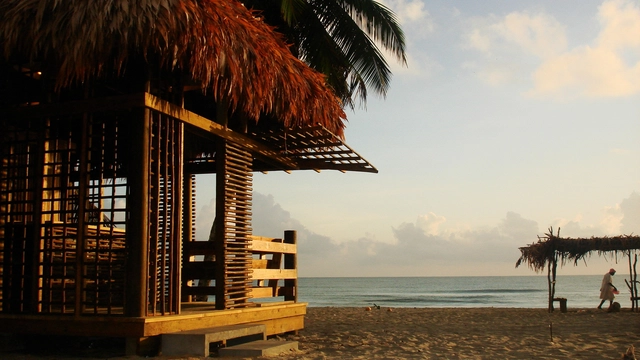
Detail of the Garifuna Kiosk Network. Image Courtesy of 24 Grados Arquitectura
How can architecture restore relevance to forgotten places? What dialogues can emerge when buildings and landscapes are treated not as blank slates, but as layers of memory, identity, and potential? For the Honduran architecture firm 24 Grados, these questions shape an approach rooted in adaptation, reuse, and contextual design. Their projects range from the restoration of old Spanish plazas and cultural centers to interventions in natural parks and coastal villages in Honduras. Each one is grounded in the belief that design can reweave relationships between people, place, and heritage.
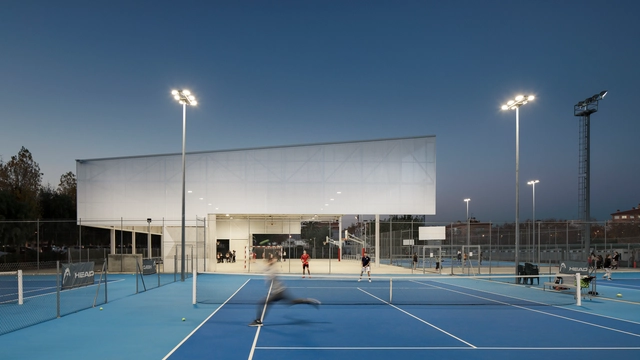
Community benefit is among the first terms mentioned when announcing a new public project. This is especially true in the case of sports halls, promising improvements in well-being and social cohesion. At a closer look, two typologies of sports halls emerge, with varying degrees of involvement with community life: on the one hand, there are large-scale venues dedicated to hosting international competitions, often boosting the capacities of thousands of people, taking on the role of modern landmarks alongside stadiums. On the other hand, there are small-scale multi-purpose sports halls, commonly annexed to schools, dispersed throughout neighborhoods, or present in rural areas with limited access to other public amenities. Despite the often-understated presence, these venues embrace and expand their multi-purpose role by offering opportunities to play, connect, organize events, and support diverse community activities.
A good conversation can make time feel like it's passing more quickly. But is this effect solely due to the verbal exchange, or could our perception of time be shaped by the spatial conditions surrounding us? There are environments that, due to their scale, distribution, and atmosphere, are conducive to meeting, listening, or pausing, thereby influencing the human experience. Perhaps it's not the words we share, but the space in which we speak that truly shapes our understanding of time. Some sociological theories about our society and the built environment go beyond considering it as a mere physical container and suggest that architecture, in its very duality, can act as both an inhibitor and a catalyst for our temporal experiences, impacting our wellbeing.
https://www.archdaily.com/1029304/wellbeing-and-slow-spaces-can-architecture-distort-the-way-we-experience-timeEnrique Tovar
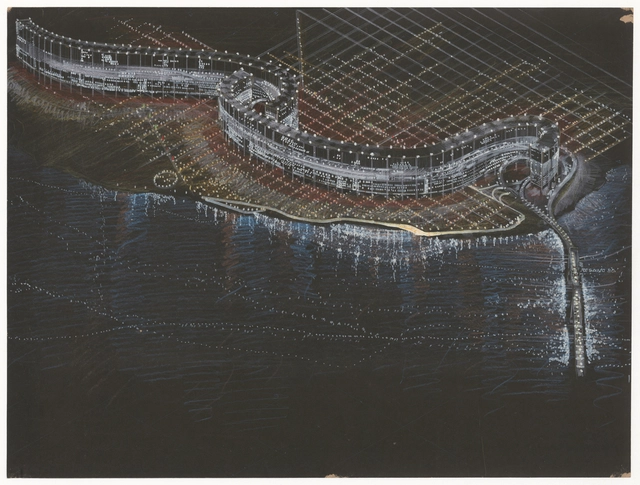
Through his unbuilt projects, built works, and research, Amancio Williams's ideas emerge as the result of a deep understanding of the most advanced trends of his time reflecting on architectural design, urbanism and city planning. By exploring various themes, concepts, and even materials, he aims to create a personal universe that interprets the present as something future-oriented, both international and distinctly Argentine. His proposal "La ciudad que necesita la humanidad" presents linear and layered buildings raised 30 meters above ground, incorporating everything from office spaces to roads and magnetic trains on different levels of a single structure. The Amancio Williams archive at the Canadian Centre for Architecture in Montreal documents Williams' career as an architect and designer from the 1940s to the late 1980s. The fonds documents his work for over 80 architectural, urban planning and design projects, as well as the administration of his architecture practice and his professional activities. Including drawings and sketches, presentation models, photographic materials, such as photographs of models, finished project (when realized), reference images, photographic reproduction of plans, and site photographs, the archive is available to consult offering more details.
Tokyo is never-ending. It is a city made up of many cities, where everything is superlative and encounters with overwhelming scale are constant. For those visiting for the first time, the cultural shock is striking. Everything is extremely clean despite the absence of public trash bins, there's a strong impression of zero violence, and society seems to follow strict disciplinary codes to the letter. There’s a sense that human relationships and individual feelings are set aside in favor of the collective, with all the benefits and drawbacks that this way of life may bring.
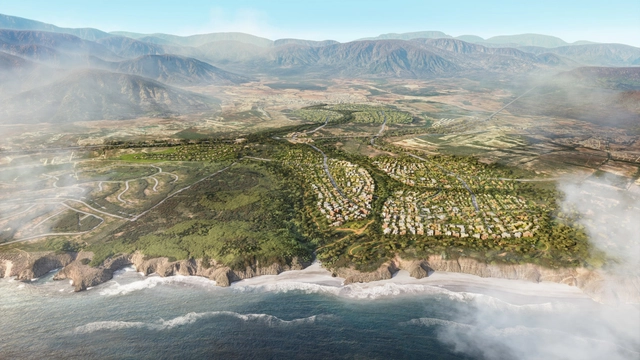
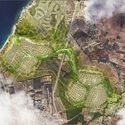
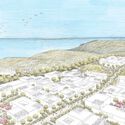
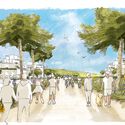
Foster + Partners is developing a comprehensive masterplan for Maratué, a 1,045-hectare site located along the Puchuncaví coast in Chile. Developed for Inmobiliaria Maratué, the project seeks to reconnect the existing town of Puchuncaví with its coastal edge, while conserving and enhancing the region's diverse natural landscapes. The masterplan aims to create a sustainable framework for long-term development, balancing residential growth with environmental protection.
Porto's architectural legacy has long been shaped by the weight of history and the clarity of form. From the work of Álvaro Siza to the dense network of studios emerging from the city's schools, Porto offers a unique blend of continuity and reinvention. Here, architecture is not only a matter of design but often one of endurance — of working within constraints, of drawing with precision, and of navigating a built environment marked by permanence and resistance to spectacle.
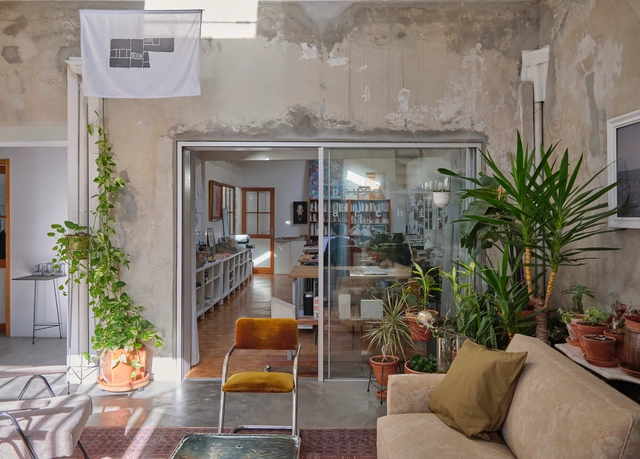
Yet within this persistent context, a new generation of architects has been reshaping the field with quiet determination. Often formed in shared spaces, these practices balance autonomy with collaboration and meticulous detailing with broader urban concerns. Their studios tend to reflect this ethos: modest in scale, defined by adaptive reuse, and rooted in the material reality of the city. In these workspaces, architecture unfolds as a process — sometimes speculative, sometimes grounded — but always reflective of a practice that is deeply local and increasingly global.
According to several recent studies, noise in cities has become an increasing hazard to health. Environmental noise, that is, noise from traffic, industrial activities, or amplified music, which reaches internal spaces, is not merely an annoyance. It has been linked to cardiovascular disease, diabetes, dementia, and mental health. As the world urbanizes, more people are exposed to excessive levels of noise. How can urban design and architectural strategies help to prevent this?
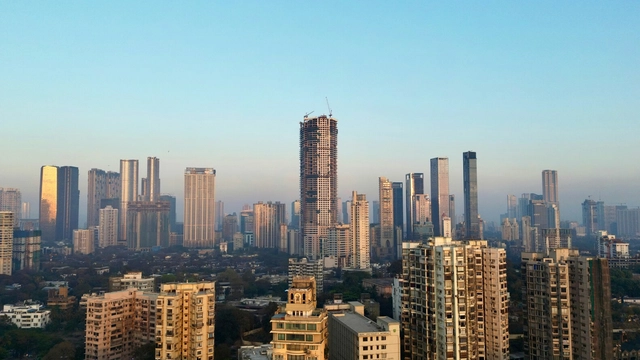
India finds itself a watershed moment with its urban evolution. With the United Nations projecting urbanization to reach 68% by 2050, the country's metropolitan regions needs to adapt to increasing populations while maintaining equity and quality of life. India's urban population is expected to exceed 600 million by 2030, drawing attention to both urban density and sprawl. As an emerging player in the domain of high-rise development, India is restructuring how it engages with urban growth by shifting from horizontal sprawl to vertical expansion.
Symbiosis, a Prototype for Living and Working. Image Courtesy of contexo
The future of urban life is increasingly being imagined as collective, layered, and adaptable. As cities grow denser and the boundaries between work, home, and leisure blur, architects are rethinking the traditional notion of residential living, shifting from isolated units to integrated, community-driven environments. This collection of unbuilt projects, submitted by the ArchDaily community, reflects this shift: a global exploration into how design can shape more resilient, inclusive, and connected ways of living.
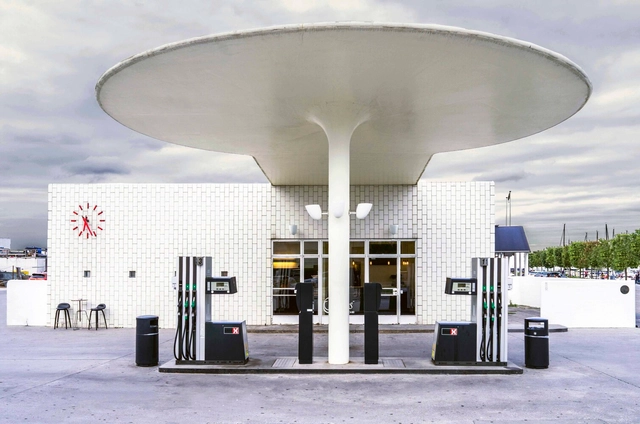
The gas station is an architectural typology that has undergone significant transformations since its inception. Initially, these structures were simple roadside refueling points designed for functionality rather than aesthetics. As automobile culture expanded, gas stations evolved to accommodate new technologies, shifting urban landscapes and changing consumer behaviors. Over time, they became more than just utilitarian stops — they developed into service hubs, integrating restaurants, motels, and leisure spaces, responding to contemporary transportation increasing demands.
By the late 20th century, however, the widespread standardization of gas stations led them to be perceived as "non-places", a concept defined by anthropologist Marc Augé to describe transient spaces that lack social or cultural significance. With uniform designs and a focus on efficiency, gas stations became interchangeable, reinforcing their role as purely functional infrastructure rather than meaningful architectural interventions. This standardization also departed from the era when fuel stations served as recognizable landmarks, contributing to a homogenized landscape devoid of local identity.
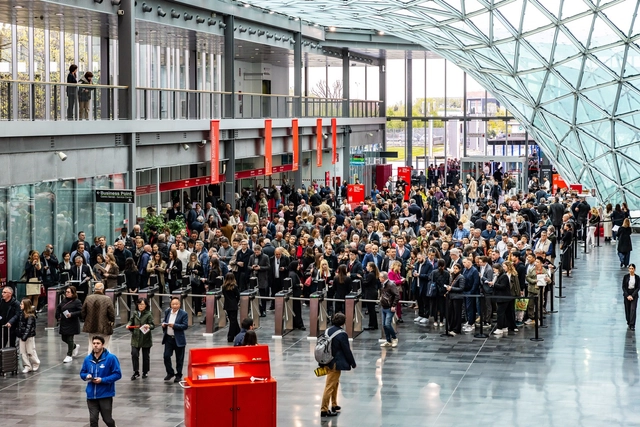
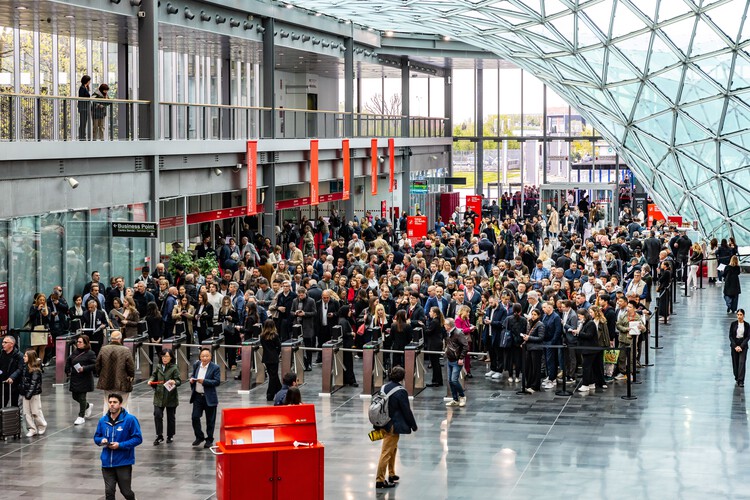
This week, Milan once again becomes the global center of the design industry as the 63rd edition of Salone del Mobile.Milano unfolds at Fiera Milano, Rho. Running from April 8 to 13, the event welcomes over 2,100 exhibitors from 37 countries across 169,000 square meters of sold-out exhibition space. With a focus on sustainability, global outreach, and cultural programming, Salone del Mobile.Milano 2025 continues to evolve as both a marketplace and a space for critical reflection on the future of design. Featuring a notable number of first-time participants, 168 new brands, and a return of 91 previous exhibitors, the Salone continues to act as a key platform for international dialogue, innovation, and industry exchange. The ArchDaily team is on site to follow this year's highlights and share updates throughout the week.
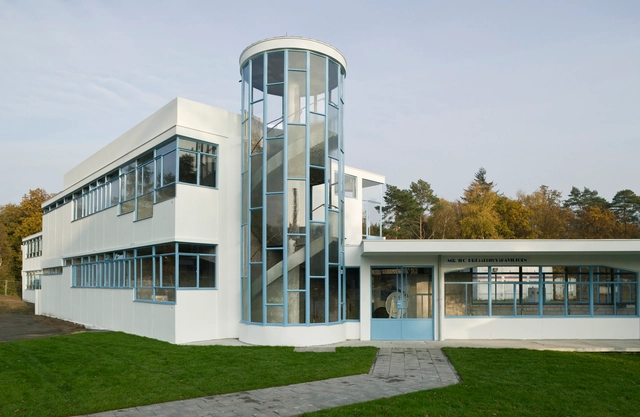
The intersection of architecture and medicine profoundly shaped modernist design, where transparency, light, and air became essential tools in the pursuit of health. Emerging from the tuberculosis crisis of the late 19th and early 20th centuries, the sanatorium evolved beyond a medical facility into a testing ground for architectural innovation. The necessity of fresh air, sunlight, and sterility transformed these spaces into prototypes for modernist principles, influencing spatial organization, material choices, and design philosophies that extended far beyond healthcare.
More than sites of treatment, sanatoriums embodied contemporary medical theories in built form. At a time when tuberculosis — often called the white plague — devastated populations worldwide, medical professionals prescribed environmental exposure as the primary therapy. Architecture adapted accordingly, producing buildings with expansive terraces, large windows, and streamlined interiors designed to optimize ventilation and maximize natural light.