In 1993 a young professional couple with two toddlers and a large suburban lot in Naarden, a town less than half an hour's drive southeast of Amsterdam, approached Ben van Berkel to design an unusual house. They envisioned it as progressive and innovative in every way possible. More than that, they wanted a kind of building that "would be recognized as a reference in terms of renewal of the architectural language." Before settling on the architect, they spoke to several candidates, including Rem Koolhaas. They chose van Berkel who five years earlier, together with his then-wife Caroline Bos co-founded their eponymous practice, because as he told me, "I went to the site and studied it carefully and already had ideas about what I called the four quadrants of the landscape. I knew what kind of house it would be. I could see clearly where different rooms would go, how they would be shaped, and how they would relate to each other." The couple couldn't resist. Yet, there would be no rush on the project which took five years to complete, most time was invested in its design, going through many iterations and refinements, all based on the Möbius loop.
Architecture: The Latest Architecture and News


Meet the 75 Finalists of the ArchDaily 2025 Building of the Year Awards

After two weeks of open voting in the 16th edition of the Building of the Year Awards, our readers have meticulously narrowed down a pool of almost 4,000 projects to a select group of 75 finalists spanning 15 categories. This year's awards honor the pinnacle of design, innovation, and sustainability on a global scale, showcasing an exceptional range of projects within the shortlist. As a crowdsourced award, we take pride in affirming that your selections authentically mirror the current state of architecture, and the caliber of this year's finalists further underscores the excellence and diversity prevalent in the field.
Hungarian Pavilion at Venice Biennale 2025 to Offer Alternative Scenarios for the Architecture Profession
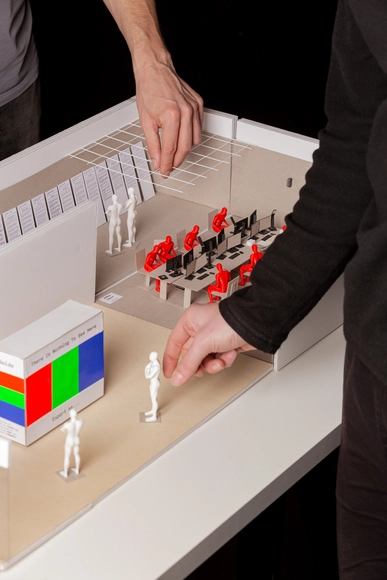
"There Is Nothing to See Here" is the title of the exhibition hosted in the Hungarian Pavilion at the Venice Architecture Biennale 2025. Since 2015, the Ludwig Museum of Contemporary Art has managed and organized both the temporary exhibition and the building. This year, it presents an alternative vision for the future of the profession. Curated by creative director and assistant professor Márton Pintér, in collaboration with Ingrid Manhertz, András Graf, and Júlia Böröndy, founder of the platform Women in Architecture (WIA), the exhibition will showcase the work of 12 architecture professionals who apply their expertise in fields beyond the profession.



Heatherwick Studio to Revitalize Louisville’s Belvedere in United States
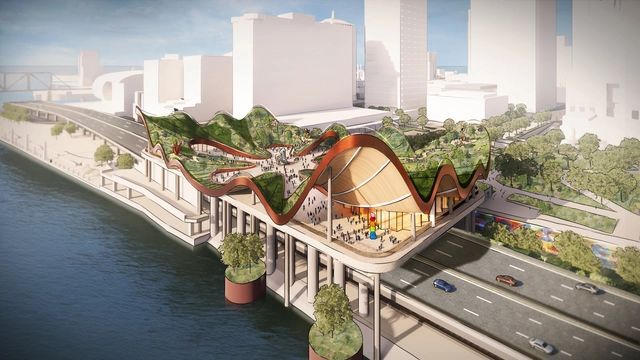
Heatherwick Studio has unveiled an ambitious vision to transform the Belvedere, a historic elevated riverfront space in downtown Louisville, Kentucky, into a reimagined public park in the United States. The project aims to breathe new life into the site, enhancing its connection to the Ohio River and creating a welcoming environment for both residents and visitors.



Global Architects, Local Contexts: Navigating Identity in the Gulf’s Cultural Landmarks
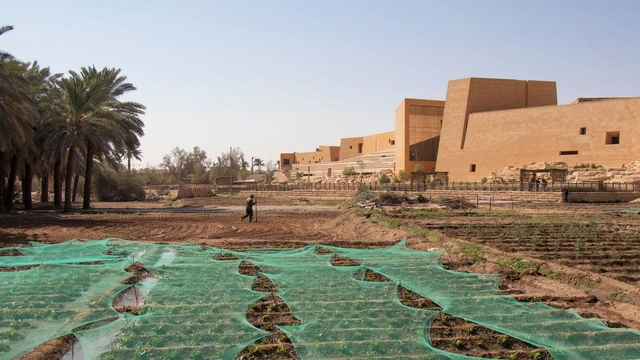
In recent years, the Gulf region has emerged as a global center for cultural and architectural development, commissioning internationally acclaimed architects to design its most high-profile museums and institutions. These projects, ranging from Louvre Abu Dhabi by Jean Nouvel to Museum of Islamic Art in Doha by I. M. Pei, are often designed by foreign architects, yet they aim to embed themselves within their context through strategies that reference the region's landscape, climate, and architectural traditions. This raises a fundamental question: What defines local architecture in the 21st century?


2025 Venice Architecture Biennale: Over 750 Participants Researching How Architecture Adapts to the Future
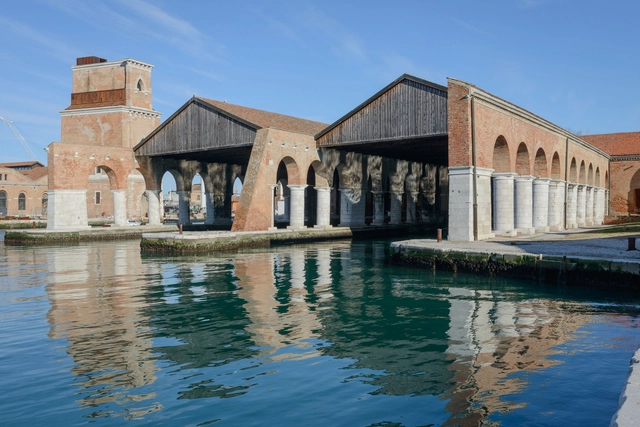
During a live presentation for the 19th International Architecture Exhibition, curator Carlo Ratti offered a glimpse into the programming of this year's edition. The 2025 Venice Architecture Biennale will include 66 National Pavilions, with 4 countries represented for the first time: the Republic of Azerbaijan, Sultanate of Oman, Qatar, and Togo. The exhibition, divided between the Giardini (26), at the Arsenale (22) and in the city center of Venice (15), explores the theme of "Intelligens. Natural. Artificial. Collective", gathering over 750 participants, including individuals and organizations forming interdisciplinary and multigenerational teams. According to the numbers released, this year's edition is shaping up to become the largest Architecture Biennale held in Venice.

"Build Something That Disappears": Gabriela Carrillo on Public Space Design in Louisiana Channel Interview
In this interview with Louisiana Channel, Mexican architect Gabriela Carrillo introduces us to the challenges that drive her work, particularly the projects carried out as a member of Colectivo C733, in which she currently participates alongside Carlos Facio, José Amozurrutia, Eric Valdez, and Israel Espin. Through an exploration of her definition of architecture, she offers reflections on the design of public spaces, the relationship between architecture and land art, and the role of the preexisting in the transformation of space. She defends architecture as a "powerful tool" for fostering connections between people and their environment, defining her practice as optimistic.


BIG Wins Competition for New Sankt Lukas Hospice in Denmark
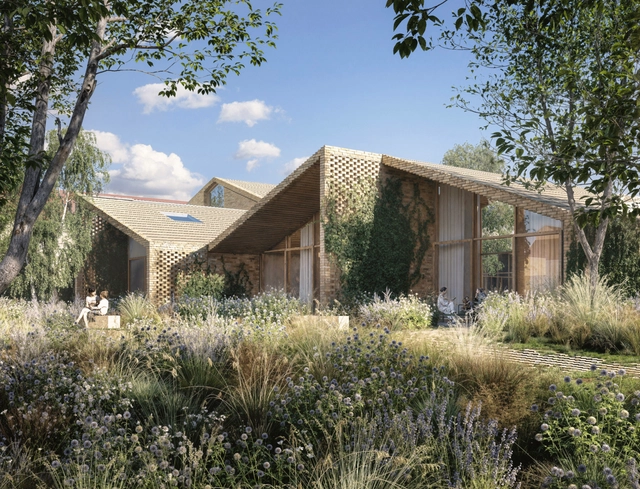
Bjarke Ingels Group has just won the competition to design the new Sankt Lukas Hospice and Lukashuset, an 8,500 m² palliative care center envisioned as a village surrounded by nature. Rooted in the history of the Sankt Lukas Foundation, which dates back to the 1930s, the project will expand Denmark's palliative care facilities, tripling current capacity to accommodate around 2,100 patients annually.




Luis Barragán's Cuadra San Cristóbal to Become a New Cultural Campus in Mexico
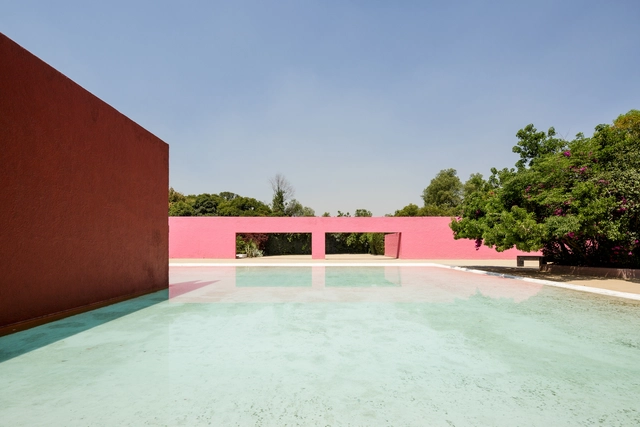
In October 2025, the Fernando Romero Foundation will officially open the doors of La Cuadra San Cristóbal, one of the late projects of Mexican architect and Pritzker Prize winner Luis Barragán. The goal is to transform the architectural complex into a cultural campus open to the public, with a curatorial program focused on exploring the dynamic interaction between architecture and art.
The project, known as Cuadra San Cristóbal, was built between 1966 and 1968 and includes a house, a stables building, and auxiliary facilities such as the Fuente de los Amantes (Fountain of the Lovers). The complex showcases characteristic elements of Barragán's Latin American modernism, including his use of color and the integration of shadows, textures, and sounds into the experience of space.


BIG Unveils Design for Kosovo’s First Opera House with Undulating Photovoltaic Roof
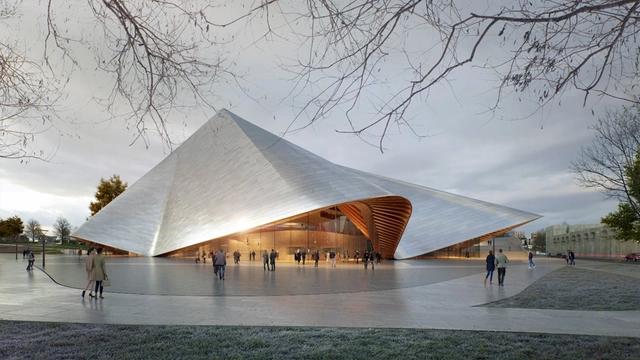
Bjarke Ingels Group (BIG), in collaboration with ALB-Architect, has unveiled the design for the Opera & Ballet Theatre of Kosovo, a new cultural venue set to reshape Prishtina's performing arts landscape. As the first opera house in the Republic of Kosovo, the theatre will serve as a home for the country's Philharmonic, Ballet, and Opera, marking a significant step in the development of Kosovo's artistic institutions. The project includes multiple performance halls and a public plaza, reinforcing its role as a cultural hub within the capital.


MCHAP Unveils the Five Finalists of the 2025 Americas Prize
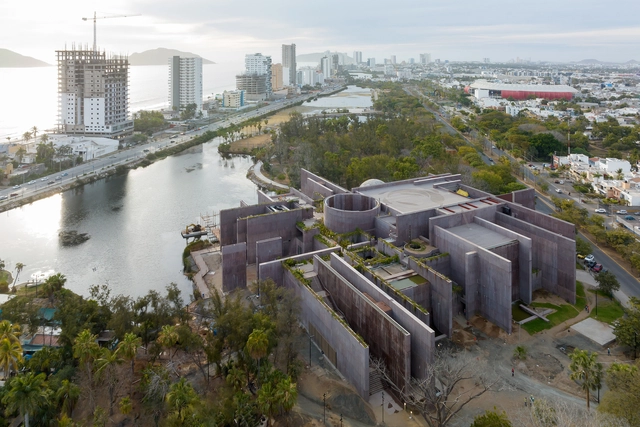
Mies Crown Hall Americas Prize (MCHAP) has announced the five finalist projects for the 2025 Americas Prize, highlighting projects from Argentina, Canada, Mexico, and the United States. The announcement was made by MCHAP Director Dirk Denison and this year's Jury Chair Maurice Cox. The biennial award established in 2013 by the Illinois Institute of Technology's College of Architecture, recognizes exceptional architectural achievements across North, Central, and South America. Considering projects completed between June 2022 and December 2023, it aims to highlight those projects that significantly contribute to their communities and elevate professional standards.
The winning project will be announced on May 5 during a symposium at the Illinois Institute of Technology. The winning authors will receive the MCHAP Award, a chair at IIT's College of Architecture, and a $50,000 research and publication grant.


Imported Modernism: The Untold Story of Bahrain’s 1976 Cultural Centre Competition
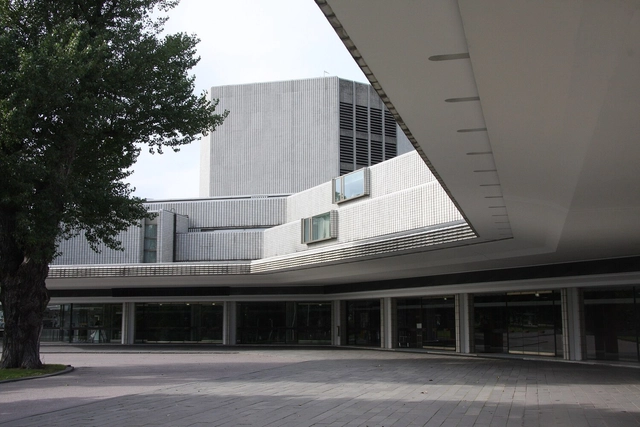
Architecture competitions have long been a means for nations to shape their identity, cultural landscapes, and built environment. They provide a platform for international architects to contribute to national projects, often reflecting broader ambitions of modernization and global recognition. In 1976, Bahrain launched potentially the first major architectural competition—a call for designs for a National Cultural Centre, bringing some of the world's leading architects into the Gulf's emerging architectural discourse. Though the winning design by Timo Penttilä was never built, the competition remains a key moment in Bahrain's history, illustrating the challenges of translating external visions into local realities.


Cabins in Latin America: 12 Floor Plan Projects Under 50 m2
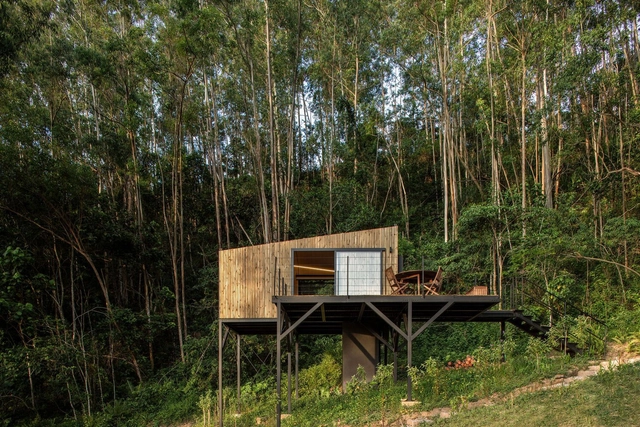
The Latin American territory encompasses a vast diversity of climates, atmospheres, and temperatures across its entire expanse. Amid forested landscapes, jungles, or coastal settings, many architects choose to design cabins immersed in natural surroundings, seeking to foster a deeper connection with nature by distancing themselves from the city. While experimenting with different materials and local techniques enhances a stronger bond with the site's traditions and creates a distinct architectural identity for each region, the integration of technological innovations and new construction materials can offer greater resilience to climate change, improve short- and long-term maintenance, optimize construction timelines, and address other key considerations.


Artist Studios and Creative Workspaces: 8 Latin American Projects that Blend Work, Living, and Exhibition Spaces
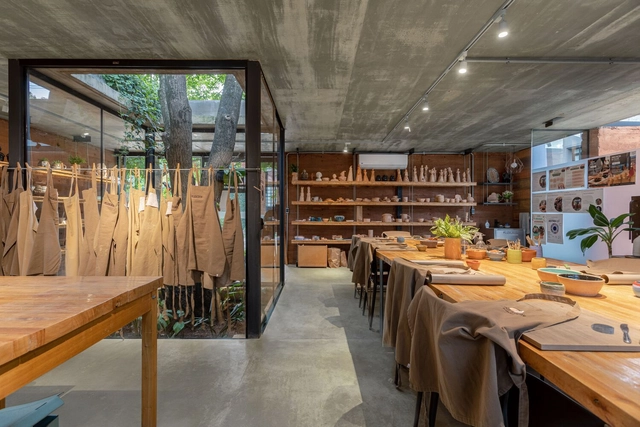
In recent years, working from home has become increasingly common, creating a need for domestic spaces that accommodate both professional and personal life. This is especially true for artists, where the integration of living and working spaces is essential. Often, these spaces must also serve as areas for exhibiting artistic production, such as paintings, sculptures, ceramics, and more.
This fusion of work and living environments has influenced architectural and interior design trends, prioritizing flexibility, multifunctionality, and aesthetics that foster both creativity and comfort. Open-plan layouts, modular furniture, and adaptable lighting solutions are now key elements in designs that support the seamless coexistence of work and personal life.


Populous Designs New Wrexham AFC Stadium Kop Stand with Signature Brickwork Pattern
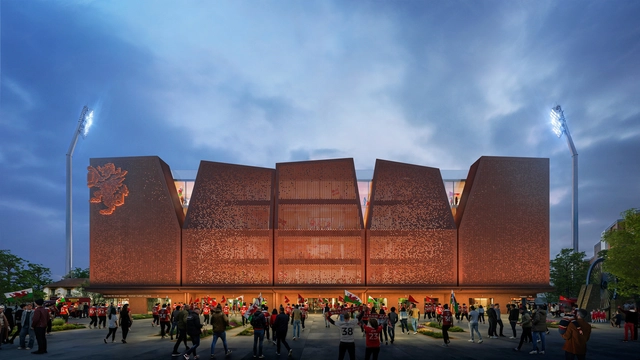
The term "Kop," traditionally referring to the summit of a hill or peak, reflects the origins of passionate fan gatherings in football stadiums. In the UK, a "Kop Stand" specifically designates a typically single-tiered stand situated at the goal end of a stadium, renowned for housing the loudest and most dedicated supporters of a football club. Sports and entertainment-focused architecture office Populous has just released the design of the new Kop Stand for Wrexham AFC's stadium. The proposal pays homage to Wrexham's architectural character by incorporating a brick façade pattern that mirrors the city's traditional building styles.


Salone del Mobile 2025 Announces Themes, Exhibitions, and Key Events
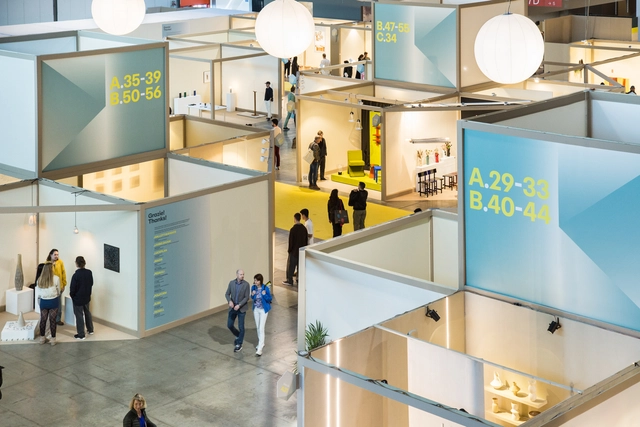
The 2025 edition of Salone del Mobile.Milano has just announced its opening dates and events program. The 63rd edition is set to take place from April 8 to 13 at Fiera Milano, Rho. This year's event will bring together over 2,000 exhibitors from 37 countries, reinforcing its role as a strategic platform for the design industry. The fair will highlight industrial manufacturing, sustainable innovation, and emotional intelligence as key themes, aiming to shape the future of design.


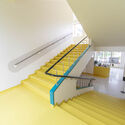
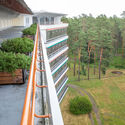
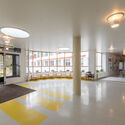
Healing Through Design: The Story Behind Alvar Aalto’s Paimio Sanatorium
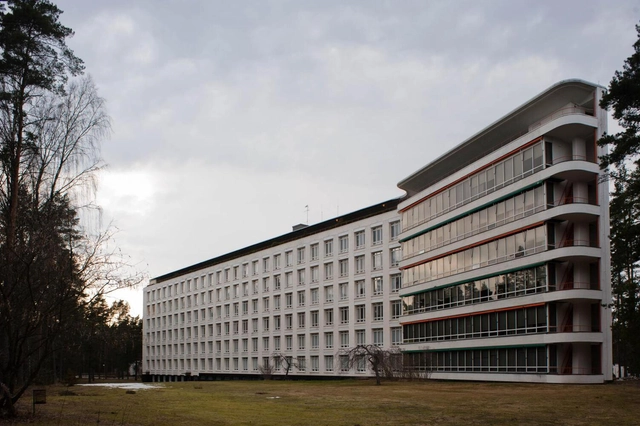
In the early 20th century, tuberculosis presented a significant public health challenge across Europe, prompting the construction of specialized facilities for patient recovery. The Paimio Sanatorium in Finland stands as a groundbreaking example of architecture's potential to promote healing. Designed by Alvar Aalto between 1929 and 1933, the sanatorium combined innovative design principles with a deep understanding of human needs, setting new benchmarks for healthcare architecture.
Alvar Aalto, a leading figure in modernist architecture, envisioned the Paimio Sanatorium as more than a functional response to a medical crisis. He crafted a space where architecture became an instrument of care, integrating natural light, ventilation, and harmonious forms to support physical and emotional well-being. This project marked a turning point in Aalto's career, showcasing his ability to blend modernist ideals with a profound sensitivity to context and human experience.


Designing Without a Client: 6 Houses Created by Celebrated Architects for Themselves
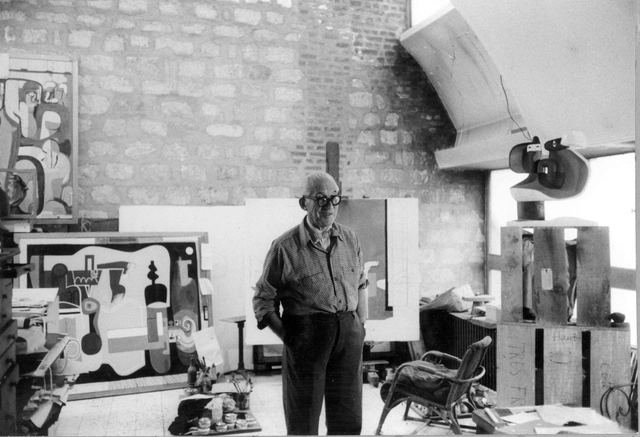
Examining the houses that architects designed for themselves can provide insight into their design process, priorities, and philosophy. While often reduced in scale, these personal residences offer a peek into the architects' mindsets and the way in which they translate their ideas into lived spaces without having client-imposed restrictions on the end result. The structures also reflect their creators' personal values, lifestyles, and aesthetic preferences.
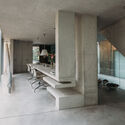
These projects are often experiments and testing grounds for their own design principles, pushing the boundaries of architectural expression. From Ray and Charles Eames, who ended up spending their lives in an experimental house created for prefabrication, to Frank Gehry, who used his Santa Monica Dutch colonial house to test out the ideas of deconstructivism that would later come to define his career, these projects represent showcase a different face of the design process of world-renowned architects.