

At the 18th International Architecture Exhibition – La Biennale di Venezia, Karin Sander, and Philip Ursprung curated the Swiss Pavilion “Neighbors”. In her interview with Louisiana Channel, Karin Sander talks about expanding the understanding of the pavilion, reimagining the connected role of architecture and art, and explaining her artistic process. “Neighbors” was focused on spatial proximity between the Swiss Pavilion and its Venezuelan neighbor. Sander highlights also the conversation between the two structures, that became possible after the removal of a separating wall.
Architecture: The Latest Architecture and News
"A Wall is A Political Statement": Karin Sander on Co-Curating the Swiss Pavilion at the 2023 Venice Biennale


https://www.archdaily.com/1005828/a-wall-is-a-political-statement-karin-sander-on-co-curating-the-swiss-pavilion-at-the-2023-venice-biennaleNour Fakharany
Taller General: "Our Definition of Architecture Takes Shape Collectively"
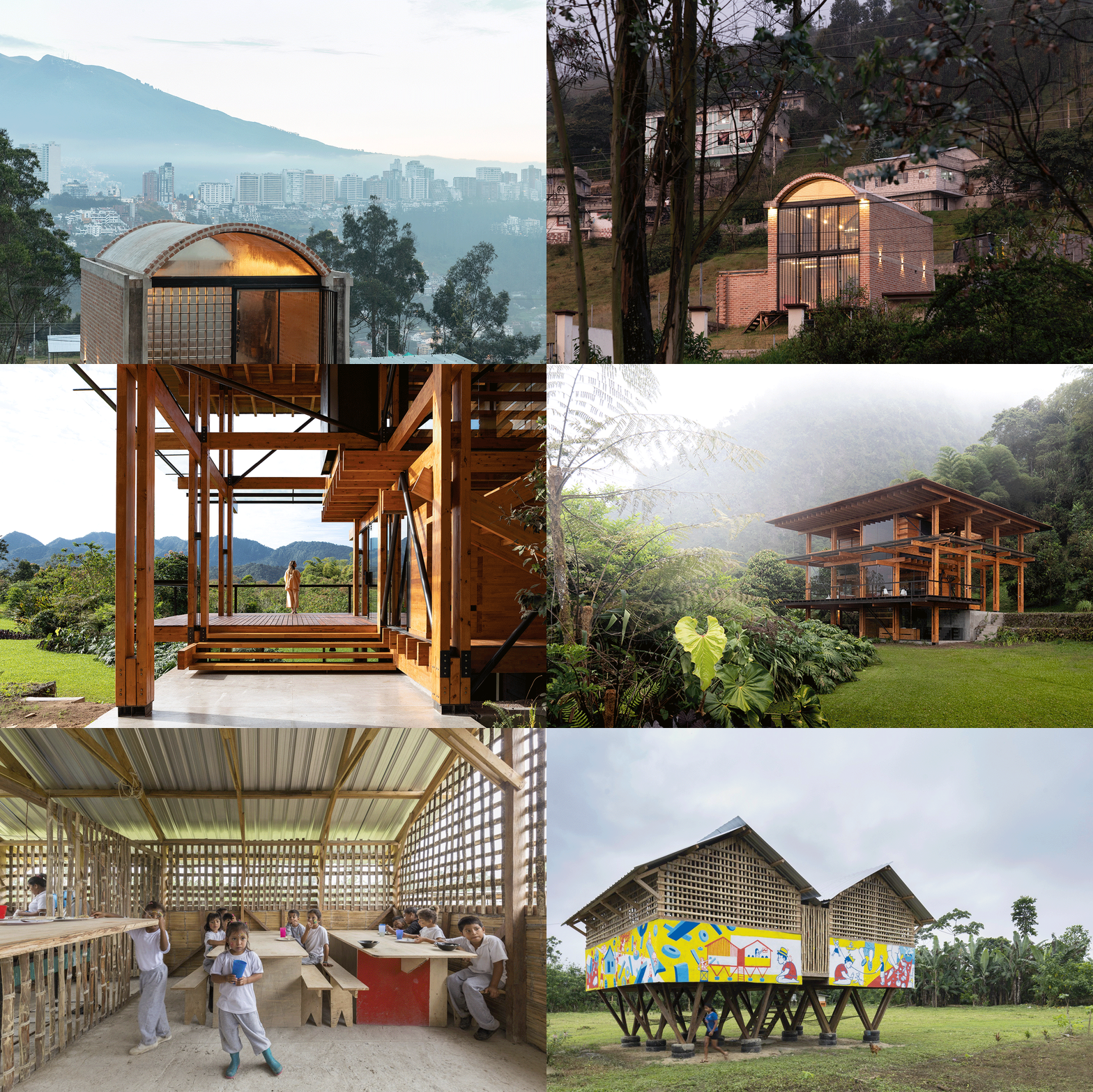
Taller General is a meeting point where Martín Real and Florencia Sobrero, among other members and collaborators, come together daily to pursue their passion: channeling their creativity through architecture while merging all the aspects that shape their lives, from activism to education.
From Ecuador, the team undergoes changes based on the project's needs, and for the most part, it expands through collaborative work that enables them to share diverse perspectives, opinions, and practices. This enriches the environment and produces outcomes that would be unimaginable from an individual standpoint.
For these reasons, Taller General was chosen by ArchDaily as one of the best new architectural practices of 2023. Next, we bring you an interview with Florencia and Martín to get a close look at their inspirations, work processes, and future projects.
https://www.archdaily.com/1005542/taller-general-our-definition-of-architecture-takes-shape-collectivelyFabian Dejtiar
Capturing the Essence of Delos: A Photographic Journey with Erieta Attali
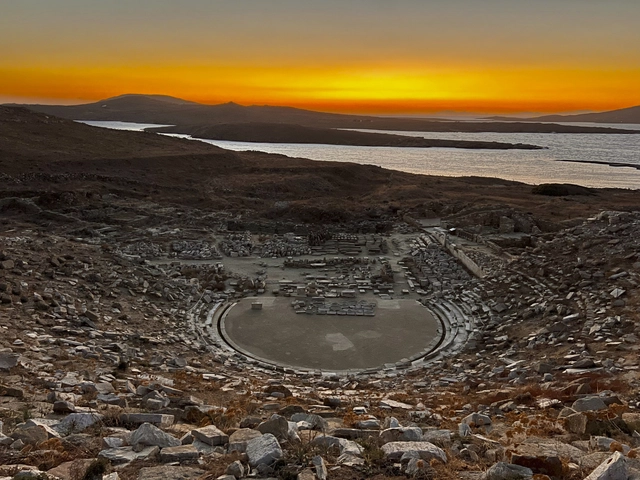
Nestled amidst the Aegean Sea, the ancient island of Delos emerges as a timeless testament to human ingenuity and the harmonious interplay between architecture and nature, in this captivating series of photographs shared with ArchDaily for the International Day of Photography by artist Erieta Attali, along with the insightful voice of Brazilian architect Angelo Bucci. Inspired by Attali's work, Bucci crafts a narrative that explores the profound connection between architecture and the environment, echoing the ethos of Delos itself.
https://www.archdaily.com/1005816/capturing-the-essence-of-delos-a-photographic-journey-with-erieta-attaliAngelo Bucci
Rewilding in Architecture: Concepts, Applications, and Examples
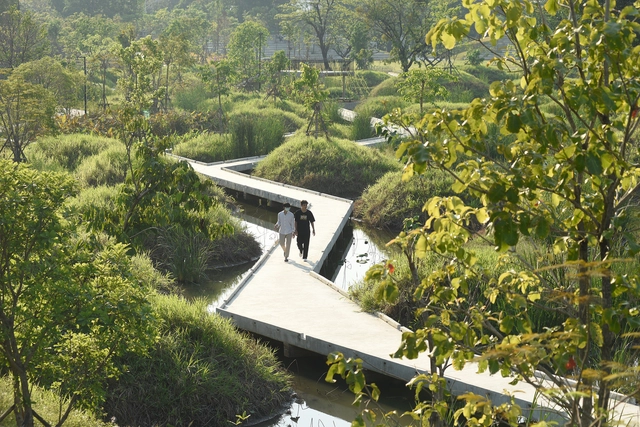
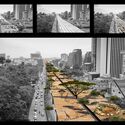
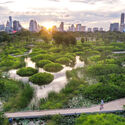
In an age where humanity's detrimental impact on the environment has become increasingly evident, the concept of rewilding is emerging as a powerful approach to conservation and ecological restoration. In line with growing attention on landscape architecture in recent years, the idea of removing human intervention from our natural surroundings in order to restore a stable equilibrium seems to offer a low-effort, ethereal way to right fundamental climate wrongs. But is a lack of meddling in nature really all there is to rewilding, and how does this relate to architecture and design? We look at key concepts, applications, and examples to find out.


https://www.archdaily.com/1005791/re-wilding-in-architecture-concepts-applications-and-examplesClaire Brodka
Defining The Impact of The Metaverse
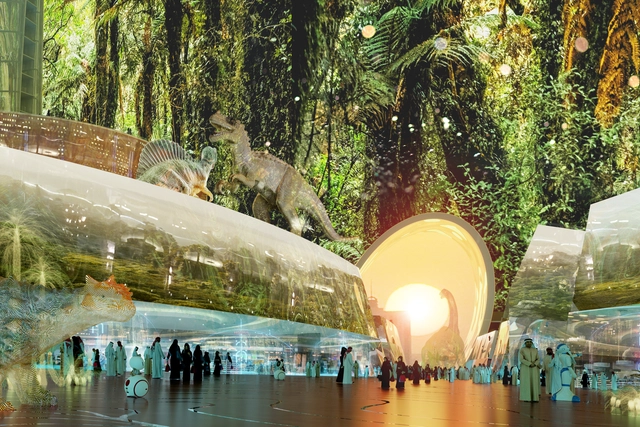
This article is the first in a series focusing on the Architecture of the Metaverse. ArchDaily has collaborated with John Marx, AIA, the founding design principal and Chief Artistic Officer of Form4 Architecture, to bring you monthly articles that seek to define the Metaverse, convey the potential of this new realm as well as understand its constraints.
The Metaverse is currently hard to define. Try to think of it as the bringing together of the abundance of virtual communities we have created over the years on Facebook with the enormous range of leisure opportunities akin to shopping on Amazon. Yet, the Metaverse goes far beyond this and makes a new type of landscape possible by playing on the very qualities of placemaking we know from the cities, towns, and villages we inhabit worldwide. The Metaverse is a transactional space, and perhaps above all an experiential space where unexpected events take place and, importantly, shared events are enjoyed on an individual and communal basis.


https://www.archdaily.com/995934/in-the-tidal-waves-shadow-navigating-the-metaverseJohn Marx, AIA
Materials That Define the Contemporary Mexican Architectural Aesthetic
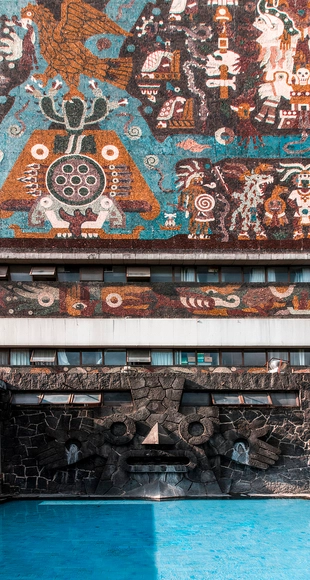
From the pre-Columbian period of the Americas –during which cultures such as the Olmec, Maya, Purepecha, and Mexica (Aztec) thrived– to the modern era where architecture has been influenced by social movements and even natural disasters, Mexican architecture showcases a valuable architectural expression, with its own unique voice and distinctive characteristics. Nobel Literature Laureate Octavio Paz argued that architecture is an incorruptible witness to history. Likewise, the materials used to shape it have acted as protagonists of that history, enduring in many cases over time and evolving thanks to the generations of architects who have contributed to it, from different perspectives.
To trace a timeline, it is possible to take as a starting point pre-Hispanic architecture, which exhibited a diversity of nuances due to Mexico's vast territorial extension. This allowed diverse cultures to find their niche and develop their characteristic architectural styles. Subsequently, the era of Spanish colonization, which itself drew influence from Islamic architecture, represented a noteworthy turning point in architectural development. This phase endured until the advent of Mexican Independence in the 19th century. In turn, this marked the initiation of social and cultural movements, both during and after the Mexican Revolution in the early 20th century.
https://www.archdaily.com/1005554/materials-that-define-the-contemporary-mexican-architectural-aestheticEnrique Tovar
U-RE-HERIT Aims to Redefine Contemporary Cultural Preservation and Restoration in the Context of Ukraine
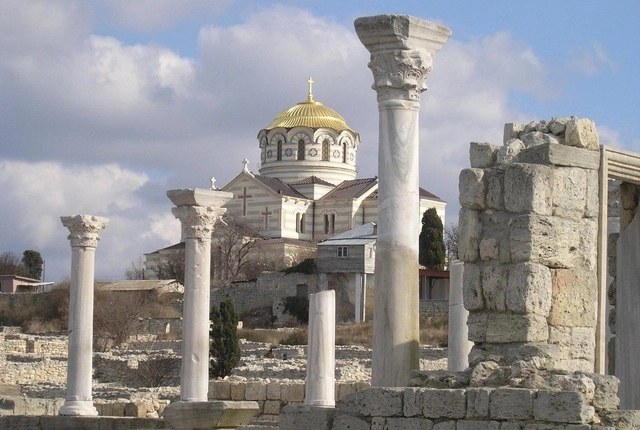
An International European cultural project, U-RE-HERIT, launched an initiative to protect Ukraine’s architecture, heritage, and memory. This wide consortium of architectural institutions came together to reach a common goal of preserving Ukrainian culture. With the ongoing crisis, the project aims to address heritage as a resource for cultural, social, environmental, and economic recovery. Moreover, the project hopes to redefine local cultural identity and rebuild the city with the sensitivity of collective memory.


https://www.archdaily.com/1005691/ureherit-redefines-contemporary-cultural-preservation-and-restoration-in-the-context-of-ukraineNour Fakharany
Fortyseven Thermal Wellness Spa: A Contemporary Sanctuary Designed by Mario Botta and Captured by Paul Clemence
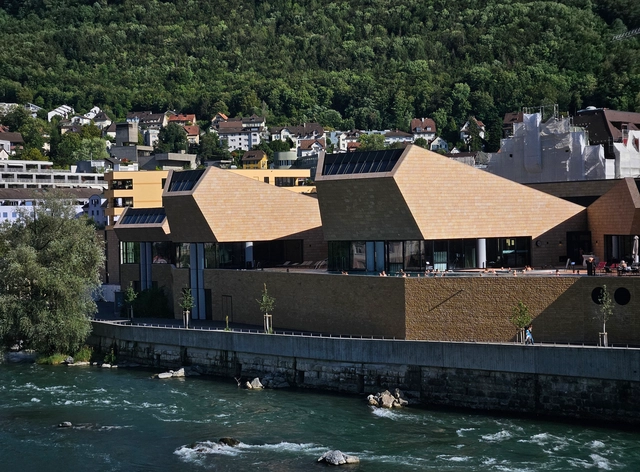
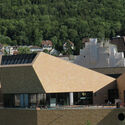
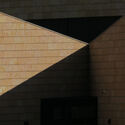
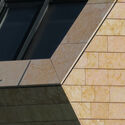
Fortyseven is a novel thermal wellness spa designed by the architect Mario Botta, nestled alongside the Limmat River in Baden, Switzerland. Baden, renowned for its rich cultural and wellness offerings, boasts a spa heritage that extends over thousands of years. The Fortyseven Thermal Wellness Spa has revitalized this historical legacy by presenting wellness culture through a modern lens. Designed by Mario Botta, this project offers an immersive encounter for the body, mind, and soul. The essence of the site and its design is captured by the lens of architectural photographer Paul Clemence, in his latest series.

https://www.archdaily.com/1005762/fortyseven-thermal-wellness-spa-a-contemporary-sanctuary-designed-by-mario-botta-and-captured-by-paul-clemenceNour Fakharany
Breaking the Standards: 10 Architects Who Are Daring in their Color Palettes
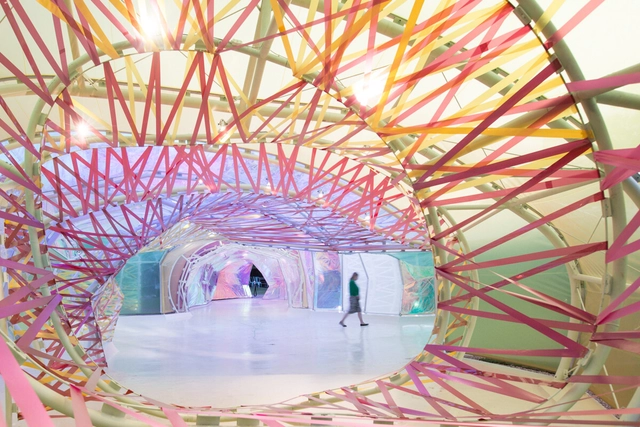
Colors are much more than just aesthetics. They can tamper with the sensations a space conveys, how we perceive the environment, and even comfort issues. With so many factors that they can influence, using them is not an easy task, and that is why many architects choose to stick with the classic white, grayscale, or even exposed materials to avoid any possible visual conflict. However, some architectural practices dare to use bold color palettes and create unique works that stand out precisely because of how colors help compose the project.


https://www.archdaily.com/1005481/breaking-the-standards-10-architects-who-are-daring-in-their-color-palettesArchDaily Team
Locality, Legality, and Limiting Landscapes: The Story Behind Switzerland’s Villa Vals
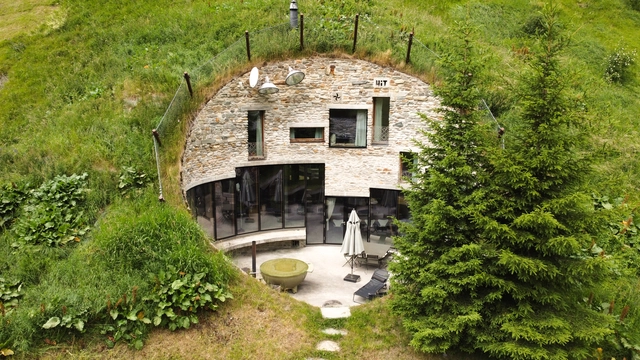
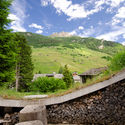
The rustic village of Vals in the Swiss Alps is one of the country’s most picturesque areas, located at an altitude of 1250 meters above sea level with numerous exceptional projects. The main square is surrounded by original Vals houses roofed with stone tiles made of Vals quartzite. Throughout the years, the village maintained its authentic residential and rural typology, making sure that its agriculture and rural fabric remained intact. Perhaps the most powerful natural resource of the Vals Valley, one that has nurtured its landscape and wilderness, is the water. For millions of years, ice and rain have forged the deeply-cut topography, and provided the village with a 30-degree thermal source, the only one in the Grisons Canton which springs straight from the ground.
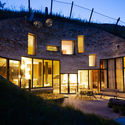
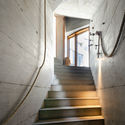
One of the most notable architectures in Vals is The Thermal Spa designed by 2009 Pritzker Laureate Peter Zumthor. The secluded structure is built with local quartzite, a stone that blends the elements of water and stone to create “the perfect wellness experience”. Another iconic architecture tucked within the mountains of Vals takes advantage of the local material, structural typology, and topography, a project that leaves the original landscape intact and subtly intervenes to create a one-of-a-kind award-winning vacation home; The Villa Vals.

https://www.archdaily.com/967393/locality-legality-and-limiting-landscapes-the-story-behind-switzerlands-villa-valsDima Stouhi
Top-Down and Bottom-Up Urban Planning: A Synergetic Approach
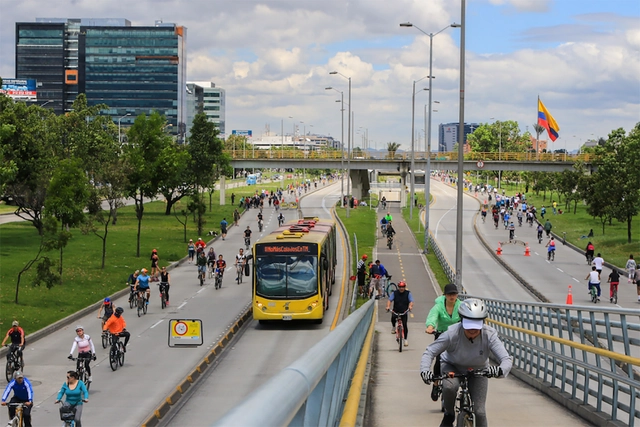
From the grid plans of ancient Greek cities to the Renaissance's idealized urban layouts, the history of urban planning is a reflection of evolving power structures and societal priorities. Across the world, many African and Asian cities simultaneously existed without clear visual manifestation. the organizational structure being deeply embedded in cultural needs and social relations. Urban development is marked by a dichotomy - the contrast between top-down planning strategies led by influential entities and governing bodies, and the bottom-up initiatives driven by local communities. This interplay shapes cities, influencing aspects from infrastructure and public spaces to housing models and urban character. Delving into the differences between these strategies is essential to crafting a harmonious urban landscape that caters to the needs of its residents.


https://www.archdaily.com/1005567/top-down-and-bottom-up-urban-planning-a-synergetic-approachAnkitha Gattupalli
Cities Embrace Climate Action Planning to Mitigate the Adverse Effects of Climate Change
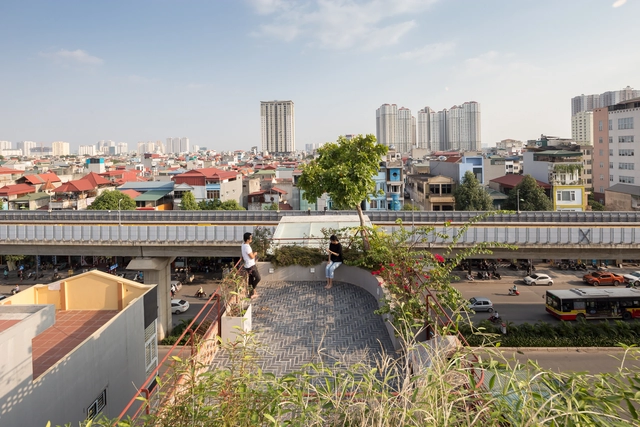
Cities across the globe are developing comprehensive action plans in order to create a coordinated response to the challenges of climate change. Targets and goals for consumption-based emissions are important for guiding strategic planning and decision-making, improving accountability, and communicating the direction of travel to businesses and the public. National and regional government officials are working with the private sector, international organizations, and civil society to create change at every level, from structural interventions in supply chains and industries to individual choices. This demonstrates a rising understanding of the role of cities in mitigating the adverse effects of rising temperatures.


https://www.archdaily.com/984801/cities-embrace-climate-action-planning-to-mitigate-the-adverse-effects-of-climate-changeMaria-Cristina Florian
Lina's Red: Explore the Use of the Color as Prominent Element in Lina Bo Bardi's Works
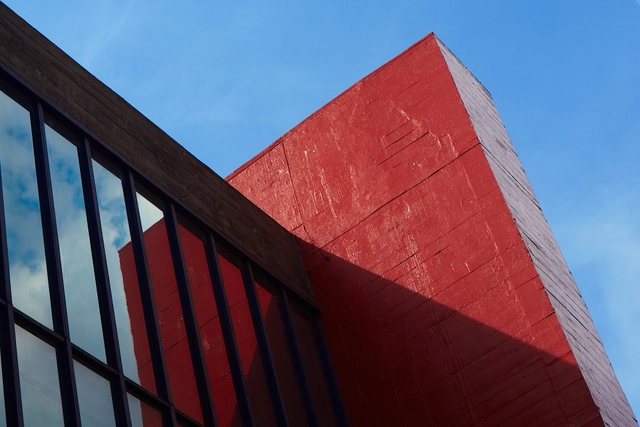
Among the many marks left by architect Lina Bo Bardi in Brazilian architecture is the use of red as a highlight in her works. Whether bringing lightness and vividness to the hardness of São Paulo's concrete at Sesc Pompeia or warming the whiteness of Solar do Unhão in Bahia, red transcended mere visual and aesthetic status to become a distinctive characteristic of the Italo-Brazilian architect, weaving connections between many of her works.



https://www.archdaily.com/1005415/linas-red-explore-the-use-of-the-color-as-prominent-element-in-lina-bo-bardis-worksAdele Belitardo
20 Brick Houses, 20 Years of Modern Architecture in Paraguay
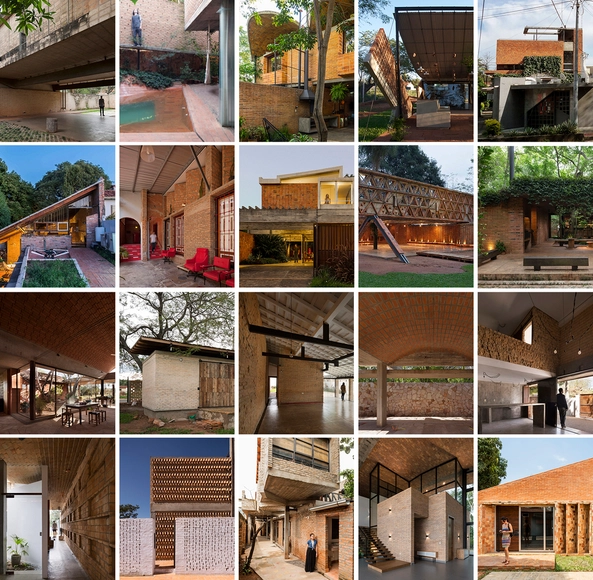
In Paraguay, brick can be many things. Walls, dividers, facades, sieves, vaults, floors, and pavement are just some of the many example that demonstrate, not only the variety of uses for brick, but the ingenuity of the architects who choose to utilize it in their projects.
https://www.archdaily.com/965290/20-brick-houses-20-years-of-modern-architecture-in-paraguayFabian Dejtiar
From Art Nouveau to the Bauhaus: How Home Interiors Looked in Popular Art Movements
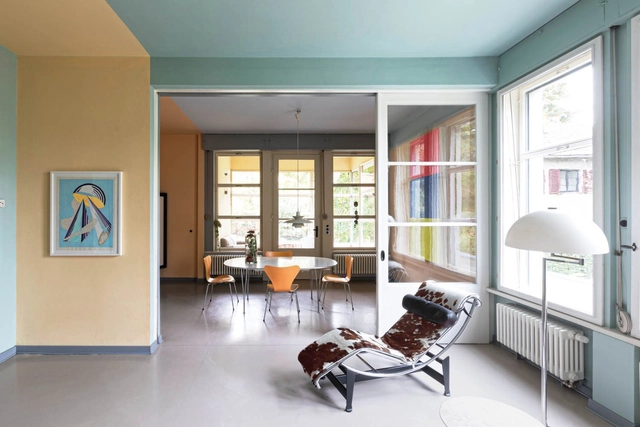
Art has always been a means for people to connect with space, and art movements have served as a platform for exploring new relationships with architecture. By incorporating art into buildings and interior spaces, they have been transformed, resulting in a fusion that creates beautiful, inspiring, and spiritually uplifting environments. Throughout history, various art movements, such as the Renaissance in the 17th century, Baroque in the 18th century, and Art Nouveau, Art Déco, and Bauhaus in the early 20th century, have had a significant impact on architecture. Architects drew inspiration from the ideals, concepts, stylistic approaches, and techniques of these movements, using them to create large-scale habitable structures. As the home is a fundamental expression of an architectural movement and the simplest canvas to exhibit the artistic ethos of any particular era, studying the interior spaces of houses provides a detailed picture of art's influence on spatial organization, furniture design, product patterns, and user interaction.


https://www.archdaily.com/1005570/from-art-nouveau-to-the-bauhaus-how-home-interiors-looked-in-popular-art-movementsPaul Yakubu
Milan’s San Siro Stadium Spared from Demolition Owning to its Historical Significance
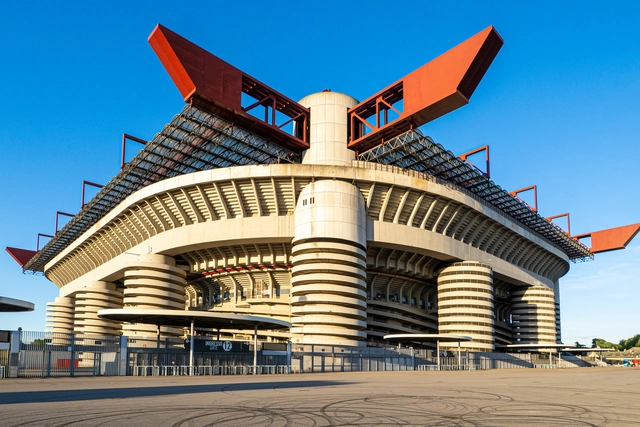
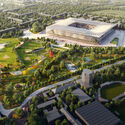
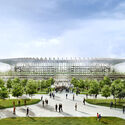
Milan’s iconic Giuseppe Meazza Stadium, also known as San Siro, has been saved from demolition after a decision of the Regional Commission for the Cultural Heritage of Lombardy has determined that the stadium holds cultural significance. The stadium, home ground to f AC Milan and Inter Milan football teams, was set to be replaced by a new stadium, named “The Cathedral”, designed by American architecture studio Populous. The office continues to work with Inter Milan football club to develop a new stadium proposal in the Rozzano neighborhood, according to reporting in the La Gazzetta dello Sport.


https://www.archdaily.com/1005621/milans-san-siro-stadium-spared-from-demolition-owning-to-its-historical-significanceMaria-Cristina Florian
On the Hottest Month on Record and How Cities Are Mitigating the Effects of Rising Temperatures
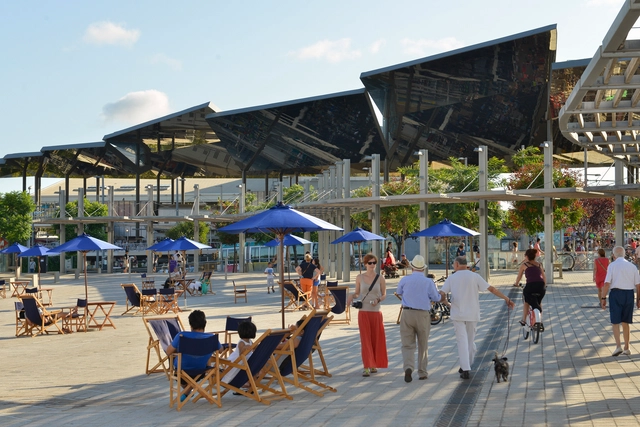
The NASA Goddard Institute for Space Studies (GISS) in New York has just announced that the month of July 2023 was hotter than any other month ever recorded in terms of global temperature. Spiking to 1.12 degrees Celsius above the 20th-century July average, this month was warmer than any month since 1850 when the NOAA database began. The climate crisis at large has made heat waves more prevalent, putting millions of people in danger. These growing effects of the climate crisis also severely affect cities worldwide, posing a threat to urban inhabitants globally.


https://www.archdaily.com/1005616/on-the-hottest-month-on-record-and-how-cities-are-mitigating-the-effects-of-rising-temperaturesNour Fakharany
If Money Does Not Grow on Trees, Trees Tend to Grow Closer to Money
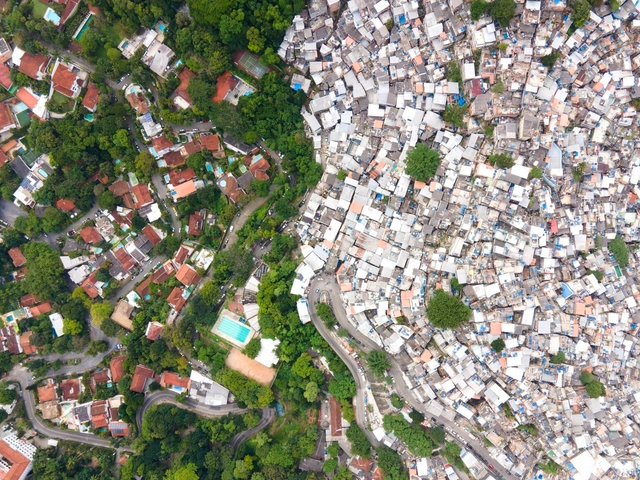
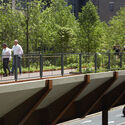
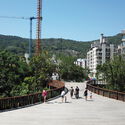
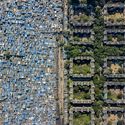
Cities frequently have an unequal presence and distribution of green spaces, and their residents do not use and enjoy them in the same way. Aerial views of various urban areas show that the color green appears to be more prominent and concentrated in economically valuable locations, illustrative of the complicated and multifaceted relationship between vegetation and wealth concentration in urban environments. This relationship, which has been the focus of discussion and contemplation on a global scale, is crucial to understanding how socioeconomic differences materialize geographically and impact urban residents' quality of life.


https://www.archdaily.com/1005329/if-money-does-not-grow-on-trees-trees-tend-to-grow-closer-to-moneyAdele Belitardo