As cities grow and evolve, the question of preserving, rehabilitating, or adapting historic sites arises. The intervention in such buildings requires a delicate balance between honoring their heritage and meeting contemporary demands. Often, the most innovative and radical solutions emerge when architects attempt to renew a building while maintaining its original footprint and as many features as possible. They then create modern extensions that either harmonize or contrast with the original structure. This approach not only revitalizes the building but also celebrates the synergy between the past and present, including materials, construction technology, architectural movements, stories, and overall building quality. The layering of both old and new elements through harmony or contrast requires an intelligent and sensitive approach that gives the building a unique aesthetic and a new meaning.
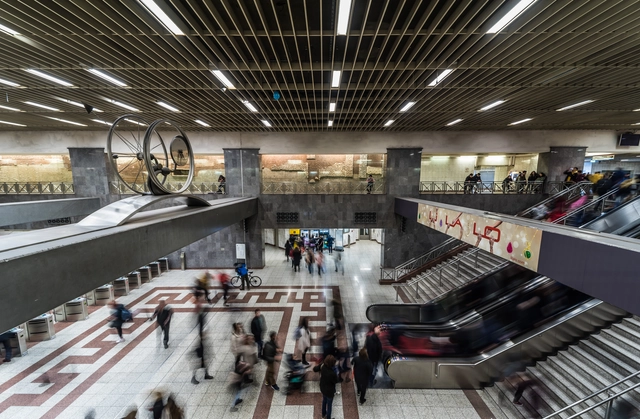
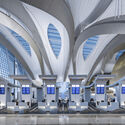
The project for implementing a fourth metro line in the Greek capital began in 2021, with the purpose of reducing the need for automobiles in the crowded city. As the 15-station new line is estimated to transport 340,000 passengers a day, up to 53,000 cars could be taken off the roads each day. While the opening of the line may be five years away, work has now begun to refurbish seven urban squares which will become stations. Despite public support for the initiative, the project has also led to some controversy, with residents fearing gentrification.
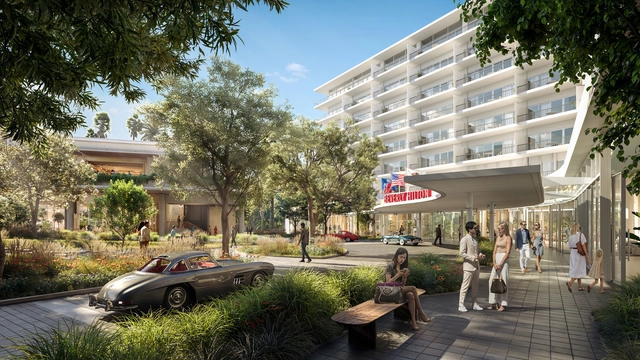
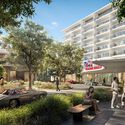
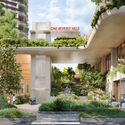
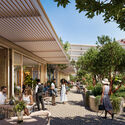
Foster + Partners has announced the start of construction on One Beverly Hills, revitalizing 17.5 acres of land in the city center. Proposing two residential buildings, a new hotel, a dining, and a retail pavilion, the development is expected to open in 2025. Designed in collaboration with design collective RIOS, who is leading the Landscape Architecture, the project features 10 acres of gardens and open space. The project’s masterplan, designed by Foster + Partners, also integrates existing landmarks like the Beverly Hilton and Waldorf Astoria Beverly Hills.
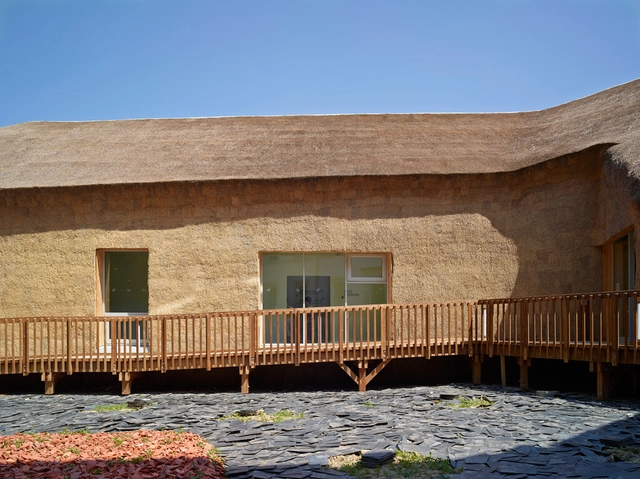
The use and demand for natural materials in architecture and interior design have facilitated the revival of updated traditional construction systems for the contemporary context. What was once considered rustic is now being explored in more modern settings; therefore, the application of the material is also subject to new forms of fixation, coloring, and orientation (horizontal or vertical). While wood is the dominant material in traditional systems and environmentally sustainable materials, another material that has been used for centuries, equally sustainable and biodegradable, and has received less attention is straw.
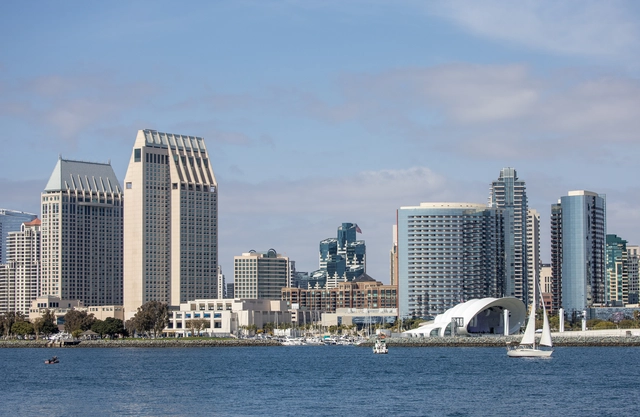
Throughout history, San Diego has been a canvas for visionary architects who have left enduring legacies on its built environment. From iconic landmarks like the Geisel Library and the Salk Institute to the dynamic spaces of the San Diego Central Library and the Rady Shell at Jacobs Park, each piece of architecture reveals hidden aspects of the layered history and the spirit of exploration of San Diego.
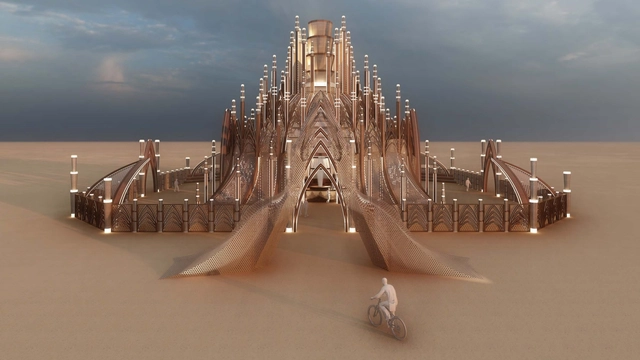
emple of Together by Caroline Ghosn, 2024. Design rendering by Maissa Sader. Image Courtesy of Burning Man
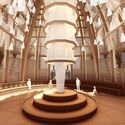
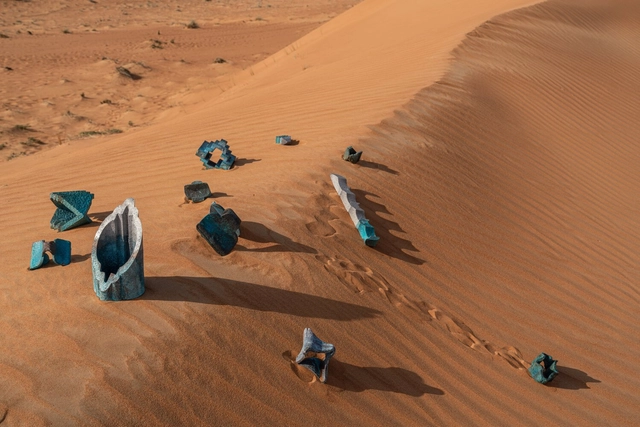
The annual festivalBurning Man has revealed the design of the 2024 Temple at Black Rock City, which will become the central installation during the festival happening between August 25th and September 2nd, 2024, in Black Rock Desert, Nevada. Titled “The Temple of Together,” the proposal is designed by Caroline Ghosn, the first BIPOC, female Temple lead artist. The proposal takes cues from neo-gothic religious architecture, combined with Art Deco styles and Lebanese Khaizaran weaving techniques to create a symbol of unity and respect. The design was selected following an international competition that seeks to find novel interventions that fit within the Burning Man tradition.
Qatar Museums has just revealed the roster of designers and exhibitions for the inaugural edition of Design Doha. Running from February 24 to August 5, 2024, Design Doha is a new Design Biennial showcasing over 100 Middle Eastern and North African designers. The announcement outlines six exhibitions launching during the first week, spotlighting innovation within Qatar and the region at large.
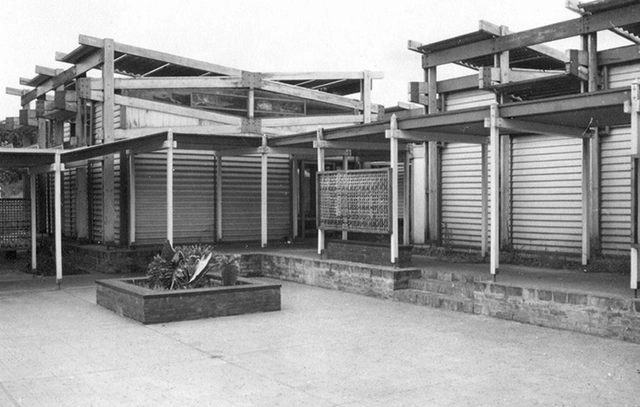
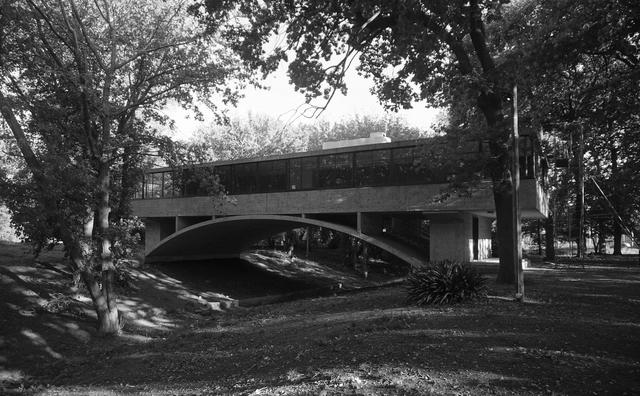
By December 1956, Mario Soto and Raúl Rivarola received the first prize to build four schools in the province of Misiones, Argentina. That was followed by the first prize for the construction of six hostels, the commissioning of the project for the Escuela Normal Superior N° 1 in Leandro N. Alem, and the first prize for the construction of the Instituto de Previsión Social y Hotel in the city of Posadas. Their works in Misiones, developed within the framework of the process of provincialization of the national territories that took place between 1951 and 1955, have provided the opportunity to study themes such as the link between the State and architecture, the connection between technique and politics, state architecture and avant-gardes, the dilemma of styles, among many others.
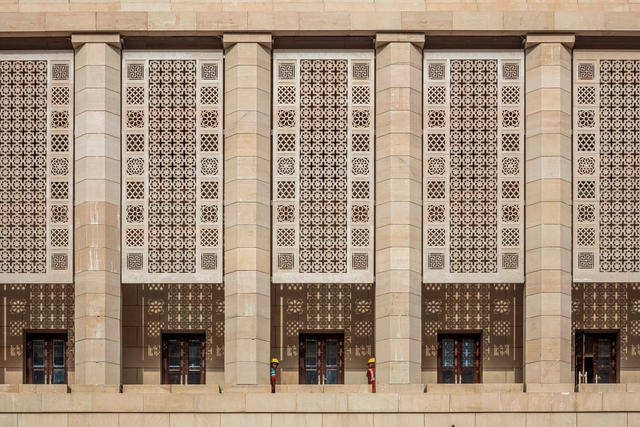
As the architecture industry shifts its focus towards greater sustainability and energy efficiency, many modern projects in the world’s hottest (and getting hotter) environments are unearthing more traditional ways to control temperature, light, and ventilation by learning from the past to save us from the future.
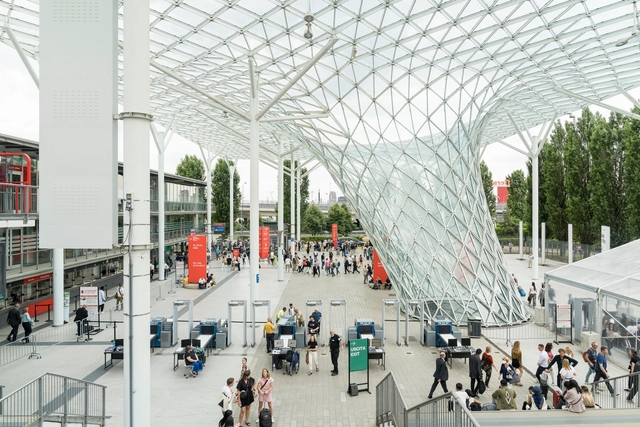
Salone del Mobile.Milano has announced the opening dates and events program, expanding the trade fair event to encompass more narratives and projects relevant to the design community. The 62nd edition will take place at Rho Fiera Ilano from April 16 to 21, 2024. It is expected to include over 1900 exhibitors from around the world, with contributions from emerging designers and several design schools under the recurring SaloneSatellite, now in its 25th-anniversary edition. The cultural program also includes immersive installations, like David Lynch’s “Thinking Rooms.”
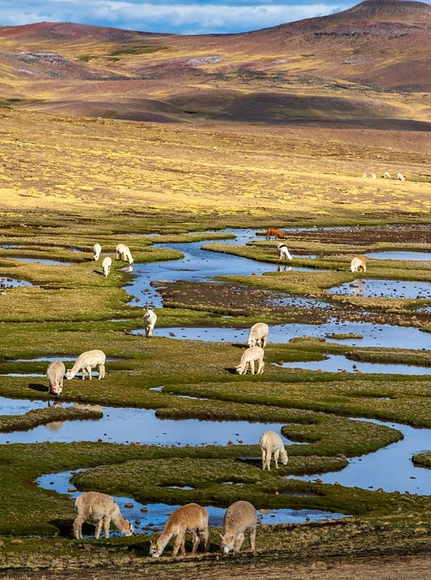
In the highlands of the Central Andes, one finds the "bofedales." Known by some as 'high Andean wetlands,' bofedales are ecosystems and landscapes crucial for water regulation and storage in the Andes. Moreover, they are natural infrastructures that constitute a material and immaterial heritage to address contemporary climate crises and to sustain local Andean communities, which have nurtured them for generations.
https://www.archdaily.com/1012952/bofedales-natural-infrastructures-and-andean-landscapesDiego Vivas
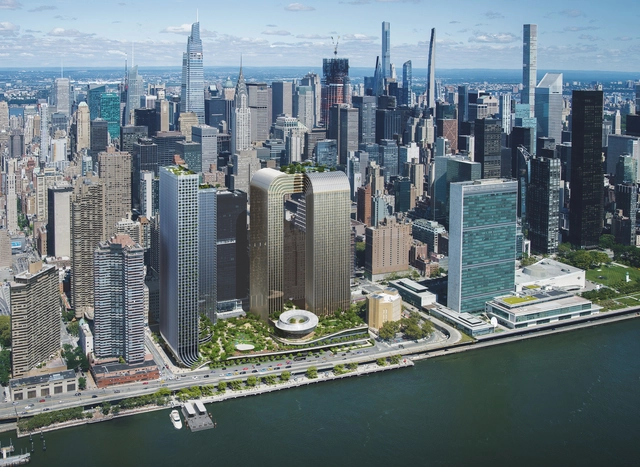
Located along Manhattan’s East River waterfront, the Freedom Plaza sets out to create a new civic and cultural hub, introducing a new open and green space in the crowded area, with plans to add an in-park Museum of Freedom and Democracy. Additionally, the scheme designed by BIG-Bjarke Ingels Group includes affordable housing units, two hotels, retail, and restaurants. Developed by Soloviev Group and Mohegan, the Freedom Plaza development reimagines one of the largest undeveloped plots in Manhattan, measuring 6.7 acres located south of the United Nations headquarters in the Midtown East neighborhood.
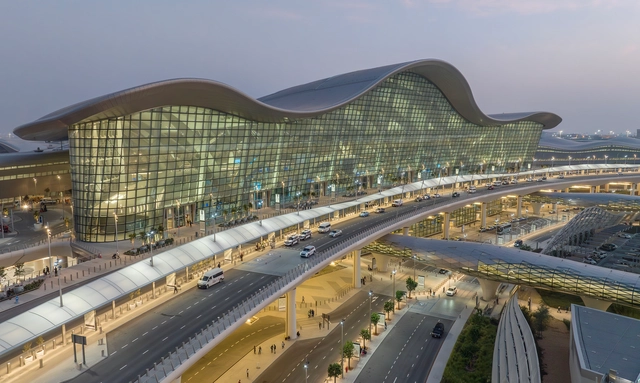
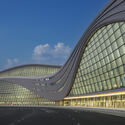
The Abu Dhabi International Airport has been officially renamed Zayed International Airport, Terminal A. Designed and executed by KPF, the revamped complex will accommodate up to 45 million passengers annually, doubling the airport’s capacity. Informed by the desert's natural landscape and Islamic culture's geometric motifs, the terminal was designed considering the Emirate’s surrounding context.
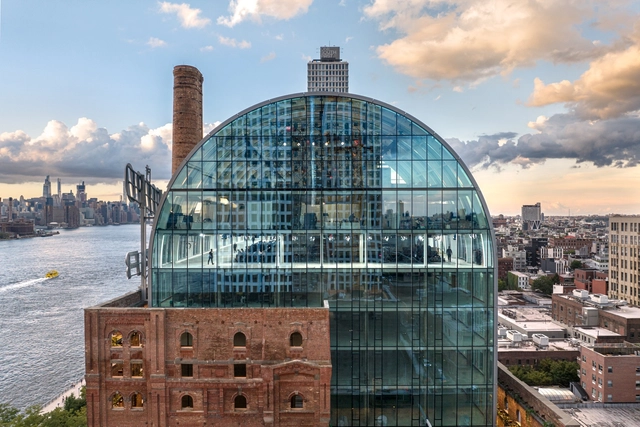
Domino Sugar Refinery / PAU - Practice for Architecture and Urbanism
In the same way that societies transform, times change, and cities evolve, industrial architecture modernizes and technifies, sometimes reaching a state of abandonment or ruin. Understanding its value as a built legacy and being vestiges of technological, social, and cultural changes, the renovation and/or conversion of numerous factories and industrial warehouses can lead to the revitalization, recovery, or growth of various areas in large cities, incorporating new uses and spaces for the enjoyment of their citizens.
Architecture is the design of spaces for human occupation. Despite architects’ skill in designing spaces to influence human behavior there often is a shortfall in anticipating and reacting to occupants’ behavior. To create environments that boost well-being, productivity, and social engagement, a symbiotic relationship between buildings and human behavior must be fostered. The intersection of architectural and anthropological studies forms an insightful framework for the design of physical spaces informed by human behavior and cultural context.
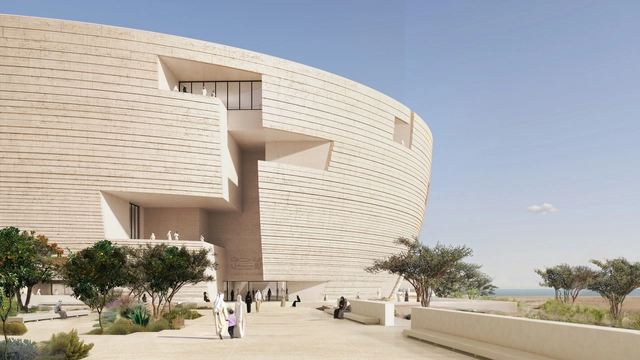
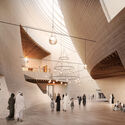
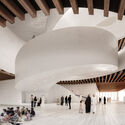
Qatar Museums has released renderings showcasing the future Lusail Museum, designed by Swiss architecture office Herzog & de Meuron. The museum will house one of the largest collections of Orientalist art, exploring the movement of people and ideas across the globe and over the centuries. The new institution also strives to provide opportunities for high-level study for scholars, academics, policymakers, and curators. Consequently, the building is conceived as “a vertically layered souk, or miniature city contained within a single building,” aiming to encourage conversations, debates, and meditation on global issues.
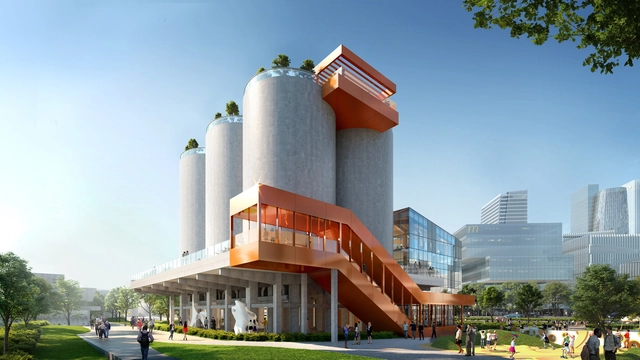
Courtesy of MVRDV | Ucharm | MVRDV Gate M West Bund Dream Cente
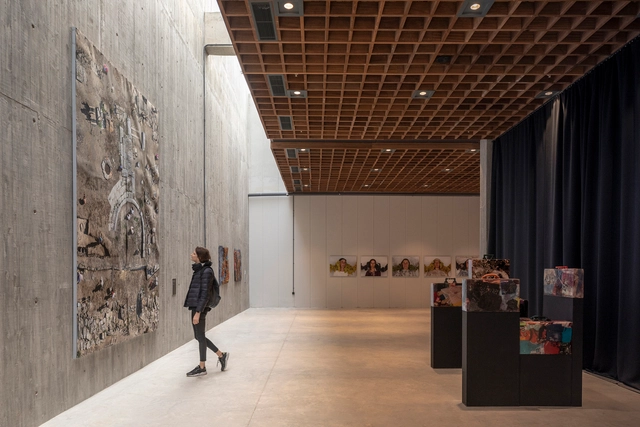
MVRDV has just introduced its comprehensive plan and architectural vision for the construction of the Gate M West Bund Dream Center in Shanghai. Formerly home to a cement plant factory, the design uses the existing structures for cultural programs and combines them with new structures to house new functions. The Dream Center aims to revitalize the riverbank area into a thriving cultural and recreational district.