Even within the world of design media, it was easy to miss the news: In late January, Notre Dame’s School of Architecture announced that Peter Pennoyer, a New York–based architect and author, had won the 2024 Richard H. Driehaus Prize. The Driehaus is architecture’s traditional/classical design version of the Pritzker Prize. Although it comes with a hefty $200,000 check—twice the size of the Pritzker’s honorarium—and previous winners include such luminaries as Robert A.M. Stern, Michael Graves, Leon Kier, and Andrés Duany and Elizabeth Plater-Zyberk, the award still exists in a sort of media vacuum.
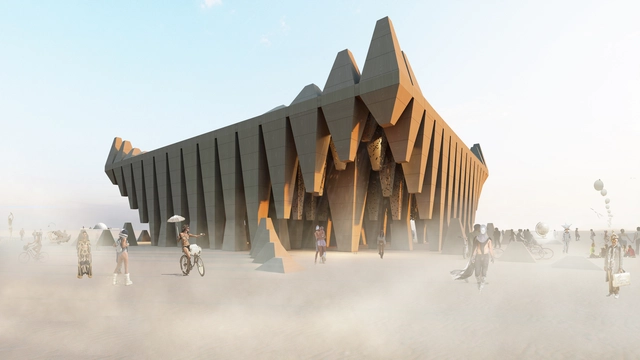
The Sacred Grove Burning Man Temple / DIALOG. Image Courtesy of DIALOG
In the world of architecture, competitions serve as catalysts for innovation and creativity. By promoting the architectural community to contemplate a given theme and intervene in well-defined spaces, they provide some of the best platforms for experimentation, allowing architects and designers to explore new concepts, challenge conventions, and address pressing societal needs, all while comparing the wide variety of emerging solutions. This week's curated roundup gathers examples of worldwide competition proposals submitted by the ArchDaily Community.
The selected projects vary in size and program, from world-renowned competitions such as those hosted for the national pavilions at the next World Expo in Osaka, or the Temple at the center of Black Rock City at Burning Man, to local interventions that highlight unique spaces such as the creative reimagining of a popular market space in the historic center of Sibiu, Romania, or the subtle presence of a villa in the Mediterranean wilderness.
BIG and HNTB have just won the competition to design an Athletics ballpark in Las Vegas. Situated along the iconic Las Vegas Strip, the ballpark for the Athletics Major League Baseball team promises to uphold the values of the “Entertainment Capital of the World.” Nestled between Tropicana Avenue and Reno Avenue on Las Vegas Boulevard, the ballpark boasts 33,000 seats in an open-air stadium sprawling across nine acres.
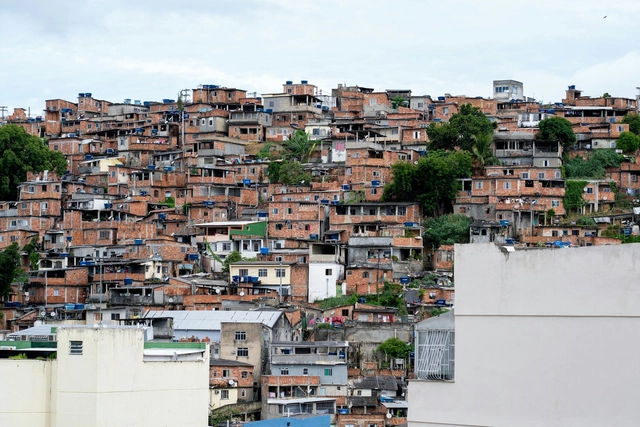
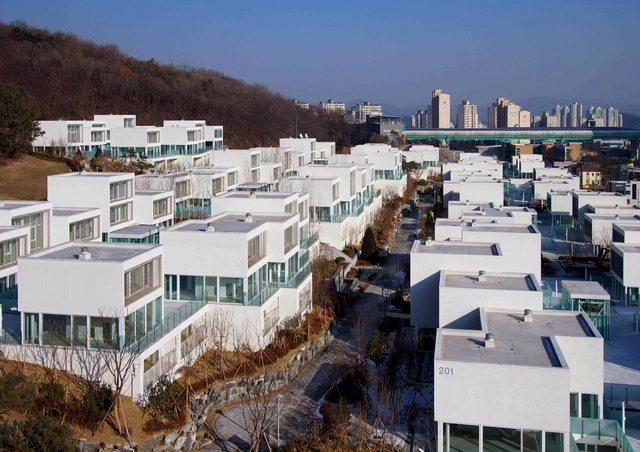
Throughout history, numerous cities worldwide have been settled and built on hillsides, where one can observe the myriad urban challenges they face due to their topographical conditions. However, beyond issues related to their urban infrastructure or transportation systems, which can become more complex due to the geography, hillside urban occupation typically involves various intersections of social, environmental, and economic issues.
These settlements are often inhabited by vulnerable and low-income communities, driven by a variety of motivations. Frequently, the lack of information about certain hazards, coupled with the scarcity of adequate housing policies, leads to decisions and actions that place these communities in high-risk situations, especially during the rainy season, resulting in a cycle that disproportionately affects the most marginalized residents.
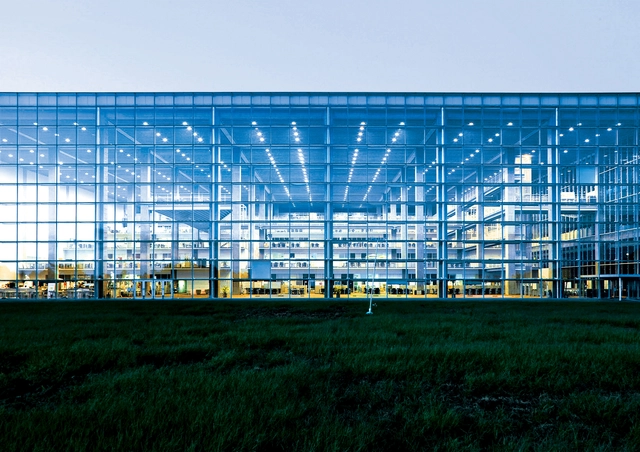
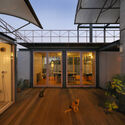
Future University of Hakodate (2005). Image Courtesy of Isao Aihara
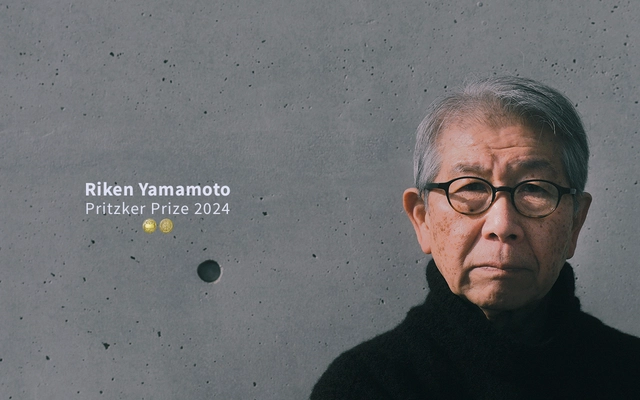
Transparency, integration and boundaries are key words for understanding the work of Riken Yamamoto. Winner of the Pritzker Prize in 2024, the Japanese architect's work can be recognized for its ability to establish and challenge conventional spatial concepts of materiality, creating spaces that promote interactions and connections between people and their surroundings. Transparency, whether in the physical configuration of the buildings, the choice of materials used or the underlying philosophy applied to all his works, emerges as a central element throughout his career.
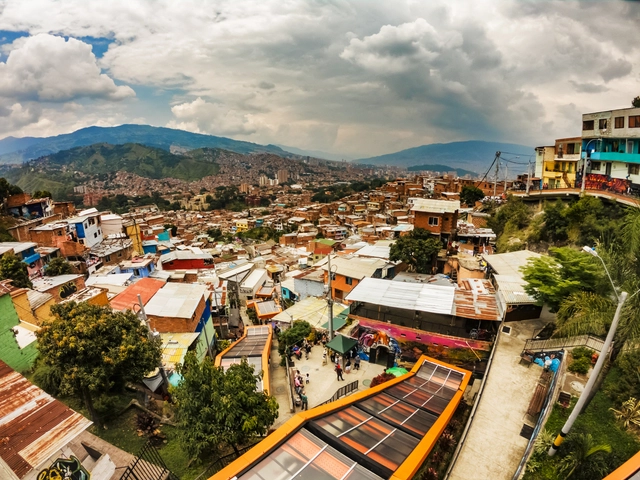
Comuna 13 of Medellín_via Shutterstock. Image Courtesy of CityMakers
CityMakers, The Global Community of Architects Learning from Model Cities and Their Makers is working with Archdaily to publish a series of articles about Barcelona, Medellin, and Rotterdam. The authors are the architects, urban planners, and/or strategists behind the projects that have transformed these three cities and are known in the "Schools of Cities" and "Documentary Courses" made by CityMakers.
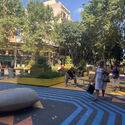
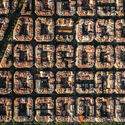
There is currently a broad consensus on the importance of public space in the city. Although it may seem quite logical, its significance is not as old as human settlements, which have existed for millennia. The Athens Charter, written just 91 years ago, did not speak so much about the city as a place to live but as a functional machine. Almost a century later, the paradigm has shifted: the city is, above all, its public space. But what happens when public space is threatened by car proliferation, insecurity, or even water?
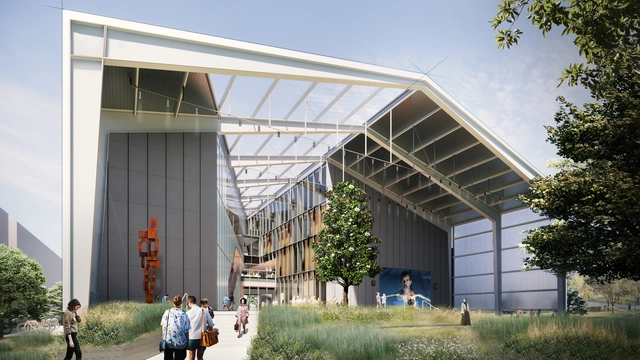
Diller Scofidio + Renfro (DS+R) with a team led by Charles Renfro has broken ground on Rice University's New Arts Building named the Susan and Fayez Sarofim Hall. The new building envisioned as a gateway to the university's campus will incorporate exhibition areas, labs, studios, shops, faculty offices, and other facilities. To create adaptability over time, the structure uses an expandable prefabricated system, thus incorporating interdisciplinarity and experimentation within the design. The building located in Houston, Texas, is expected to open in the fall of 2025.
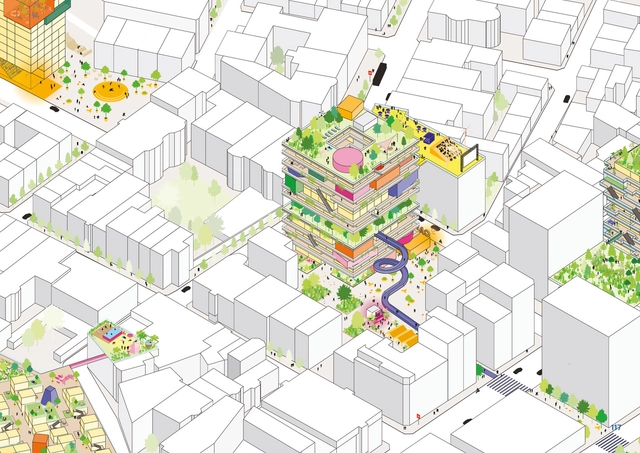
MVRDV has just released a new design study exploring how co-living can help shape the future of housing. Created in collaboration with developer HUB and sustainable investor Bridges Fund Management, the study introduces a comprehensive study exploring diverse typologies, aiming to revolutionize communal living and vibrant neighborhoods. It addresses modern housing needs, including flexibility, sustainability, and community, while tackling climate crisis and affordability issues. The endeavor offers tailored solutions for various co-living projects, catering to many demographics and lifestyles.
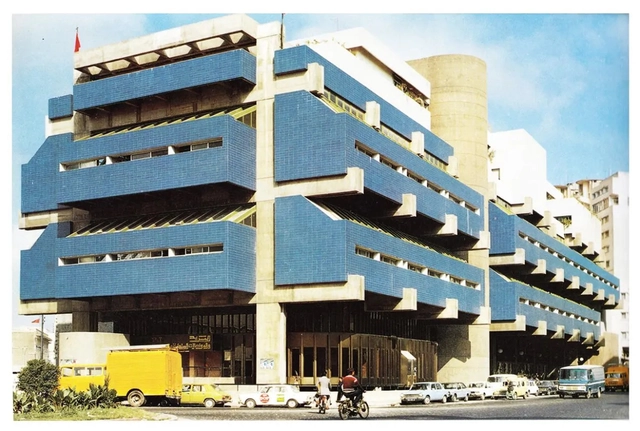
Several events have shaped Morocco since its independence. One of them is the Architects’ transition from serving the declining French empire to serving the newly independent Moroccan nation. Upon gaining independence in 1956, young Moroccan and foreign architects were tasked with constructing a self-sufficient Morocco. The demand for modern infrastructure, new administrative buildings, and improved education and health facilities led to a construction boom. This boom provided architects and planners the opportunity to express their vision.
Inspired by the popularity of modernism in Europe, architects experimented with buildings that embodied brutalism. This architectural style was not only a rebellion against the colonial vision of urban design in Morocco, but also a symbol of architectural unity in the urban landscape. Buildings were created in various typologies with the characteristic of exposed concrete, showcasing its inherent qualities of strength, durability, and functionality. These buildings, which can be seen in cities such as Agadir, Casablanca, Tangier, and parts of Marrakesh, represent a dialogue between brutalism and Moroccan culture, environment, and climate.
On April 4 – 6, the international conference FABRICATE 2024will be held at the Royal Danish Academy in Copenhagen. Since its inception in 2011, FABRICATE has established itself as a global forum for new radical possibilities for architecture and welcomed thousands of participants from practice, industry, and research.
In this second article, we meet architectIndy Johar who is the director of WikiHouse Foundation and CEO and founder of Dark Matters Lab working with institutions around the world, from UNDP, the European Commission on Net Zero Cities, the European Environmental Agency, and various national agencies and cities. The text is an excerpt from the upcoming FABRICATE 2024 book and is based on an interview conversation led by Co-chair Phil Ayres between Indy Joharand Professor Philippe Block, Head of the Institute of Technology in Architecture (ITA), ETH Zürich. The book will be published on the opening night of the FABRICATE 2024 conference.
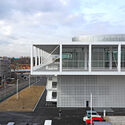
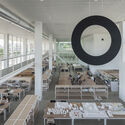
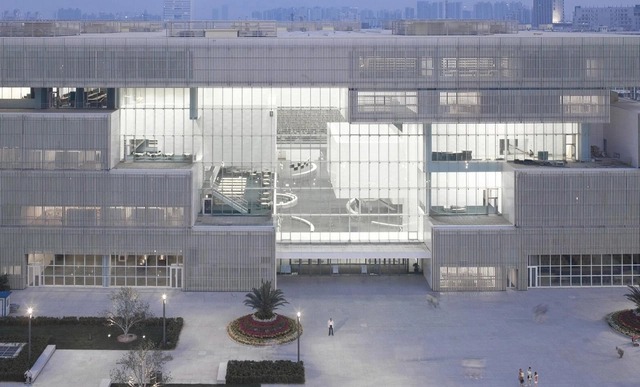
Tianjin Library (2012). Photo courtesy of Riken Yamamoto & Field Shop.
Riken Yamamoto's receipt of the prestigious Pritzker Architecture Prize in 2024 is met with pleasant surprise. Characterized by a profound commitment to community engagement and a keen awareness of local dynamics, the 9th Japanese architect to receive this accolade has an architectural portfolio that exemplifies the transformative power of architecture in society. From addressing the needs of the children to the needs of the elderly, Yamamoto's work underscores the profound impact architecture can have on the lives of individuals across all age groups. To provide insight into the architect's educational journey and career trajectory, here are 16 key facts to learn more about the 2024 laureate.
For most people, modern living requires spending most of the day in interior spaces - in fact, according to a report by the Environmental Protection Agency, the average person spends around 90% of their life indoors. As a result, this implies missing out on health benefits associated with sunlight exposure, such as vitamin D absorption, regulation of circadian rhythms, higher energy levels and even improved mood. Thus, one option is to increase the amount of time we spend outdoors. But because most daily functions are carried out inside buildings, it is crucial to incorporate and prioritize natural lighting in interiors.
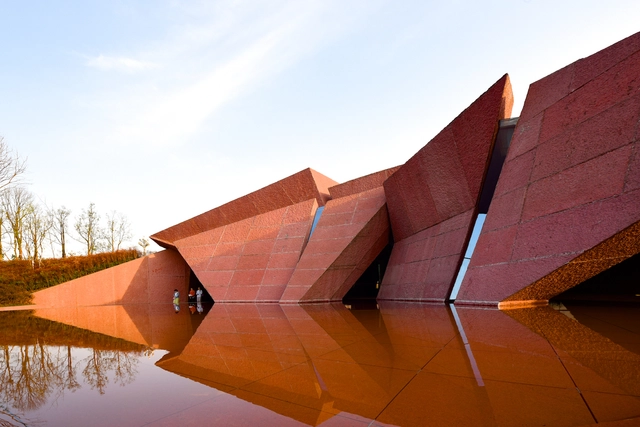
Luxe Lakes Arts Center, Chengdu, China. . Image Courtesy of Wide Horizons Development
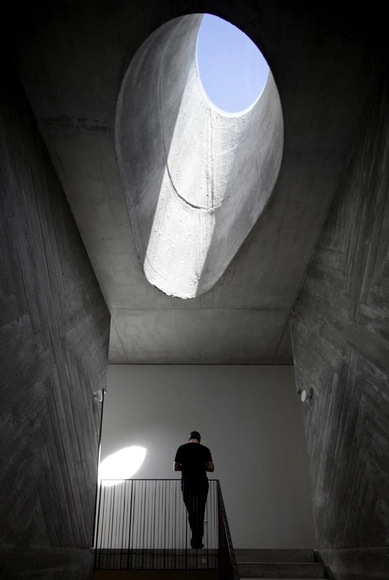
Internationally recognized architect, writer, and professor Antoine Predock passed away in Albuquerque, New Mexico, on March 2, 2024, at the age of 87. Throughout his career, Predock developed a unique style, working outside of urban centers and seeking to find a connection between the landscapes and the human experience of space. In addition to serving as a long-term faculty member at the University of New Mexico, he is also the architect behind some well-known projects, including the Nelson Fine Arts Center, the Tang Teaching Museum and Art Gallery at Skidmore College, and the Canadian Museum for Human Rights in Winnipeg, Manitoba.
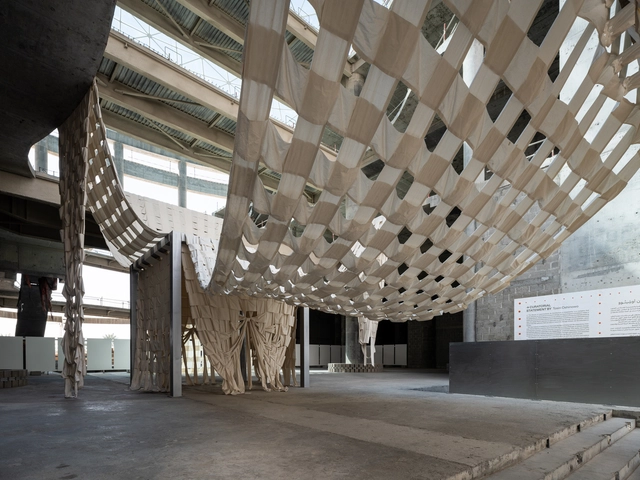
Running from November 11, 2023 until March 10, 2024, The Sharjah Architecture Triennial celebrates innovations in the built environment, particularly in the global south. The main goal of the display is to draw attention to sustainable, accessible, and equitable futures while highlighting the value of alternative responses to resource constraints. As the event draws to a close, ArchDaily explores 10 architectural installations that respond to the overarching theme through various mediums.
Curated by Tosin Oshinowo under the theme “The beauty of Impermanence: An Architecture of Adaptability,” the triennial has contributions from 29 architects and studios across 25 countries. From 51-1 Arquitectos transforming an unapproachable place into a dynamic play space featuring popular board games from various regions to Al Borde redefining a space with a custom-designed shading structure made with natural materials, the Sharjah Architecture Triennial presents a diverse array of architectural interventions. WaiWai's showcase spotlights three instances of modern architecture in Tashkent, Uzbekistan, highlighting their significant evolution. DAAR's "Concrete Tent" combines elements of a mobile tent and concrete house, exploring the concept of "permanent temporariness.” These installations offer innovative perspectives on adaptability, sustainability, and cultural significance within the architectural landscape.
Videos
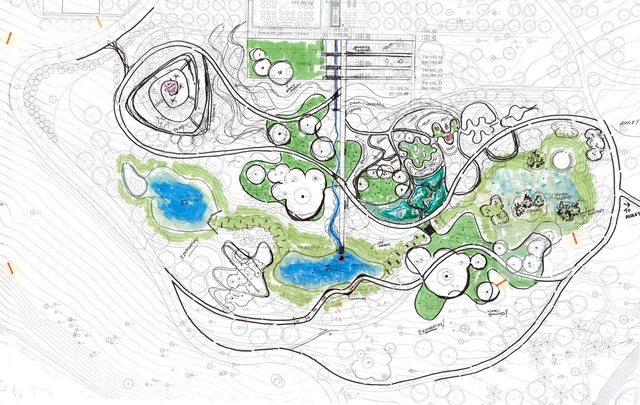
Sketch of Bonnet Springs Park / Sasaki. Image Courtesy of Sasaki
“Landscape architects have started conversations about embodied carbon. There is a realization that we can no longer ignore the grey parts,” said Stephanie Carlisle, Senior Researcher, Carbon Leadership Forum and the University of Washington, during the first in a series of webinars organized by the ASLA Biodiversity and Climate Action Committee.
The grey parts are concrete, steel, and other manufactured products in projects. And the conversations happening are laying the foundation for a shift away from using these materials. The landscape architect climate leaders driving these conversations are offering practical ways to decarbonize projects and specify low-carbon materials.
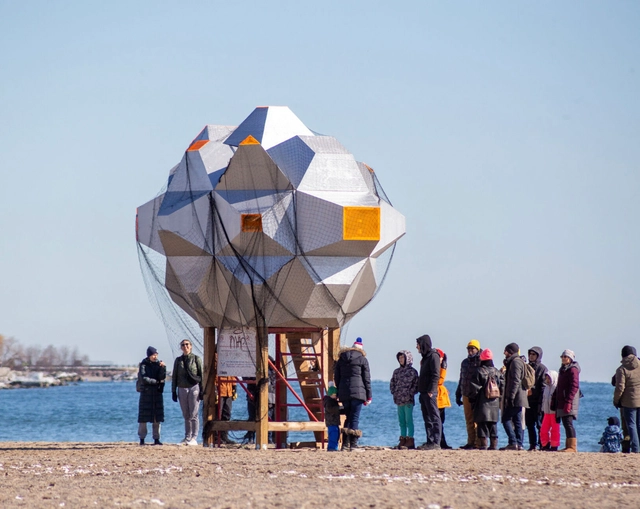
We Caught A UFO! by Xavier Madden and Katja Banovic, Croatia and Australia. Image Courtesy of Winter Stations
Winter Stations, now in its 10th year, has unveiled the winning designs selected from a pool of hundreds of submissions worldwide. Following an international design competition launched in November 2023, designers, artists, and architects contributed with bold proposals to reimagine the lifeguard stations along Toronto’s east-end beaches for the winter. Launched by RAW Design, Ferris + Associates, and Curio in 2014, the event aims to gather an international design and art community to join in this playful exercise of rethinking public spaces through bold temporary interventions. The winning designs were realized with the support of Anex Works, a Toronto-based fabrication group, and will be on display until the end of March.
For its 10th anniversary edition, the chosen theme for this year is “Resonance,” hoping to challenge designers to reflect on the artistic legacy and enduring impact of the Winter Stations and to embark on a journey of reinvention and reimagination. The projects were invited to recreate and reinvent installations from previous Winer Stations editions, offering moments of contemplation and remembrance. The event also continues the tradition of the Lifeguard Sands, inviting designers to incorporate them into their designs without structurally altering the stands in any manner.