-
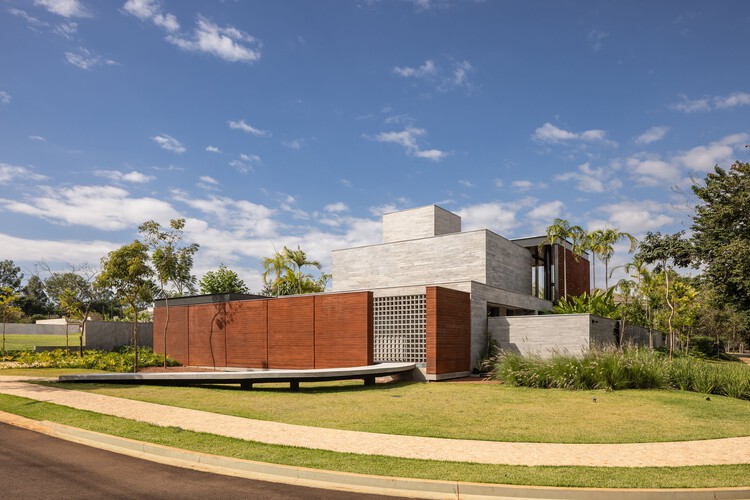
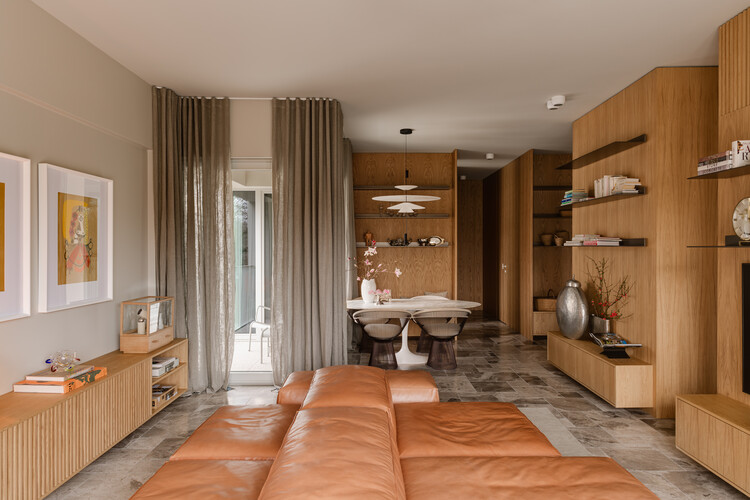
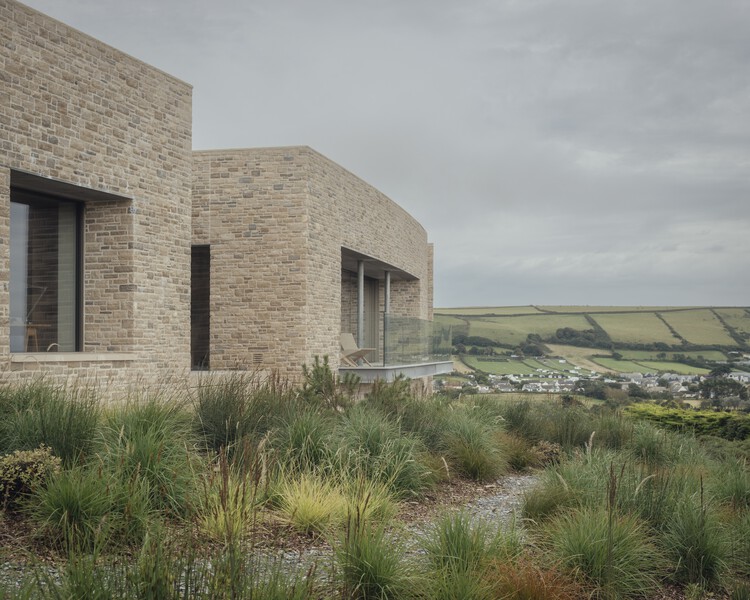
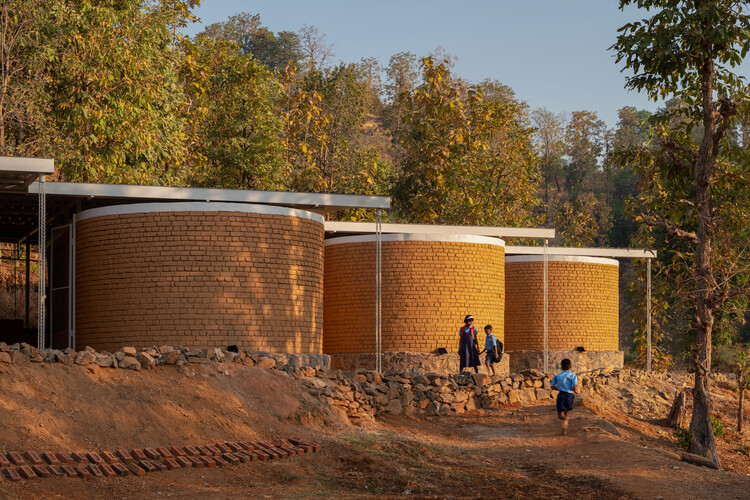
Architects: pk_iNCEPTiON
- Area: 355 m²
- Year: 2025



Utopian Hours returns to Turin as Europe's leading festival dedicated to city making and urban innovation. Three days packed with inspiration: masterclasses, talks, workshops, roundtables, and exhibitions. Recipes and case studies from around the world show how urban (and social) innovation happens — and how the very idea of city-making is being stretched in bold new directions. More than 40 international guests, the most influential media, leading urban gurus, and Europe's sharpest city officials are all gathering in Turin to exchange ideas, tools, experiences, solutions, desires, and passions.

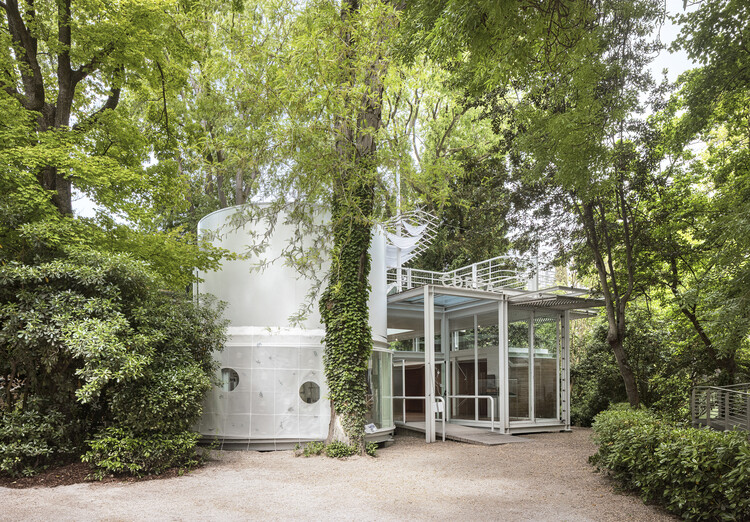
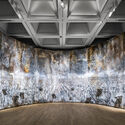
The Korean Pavilion at the 19th International Architecture Exhibition - La Biennale di Venezia marks its 30th anniversary with "Little Toad, Little Toad: Unbuilding Pavilion," an exhibition commissioned by Arts Council Korea (ARKO) and curated by Curating Architecture Collective (CAC), composed of Chung Dahyoung, Kim Heejung, and Jung Sungkyu. Bringing together architects and artists Kim Hyunjong, Heechan Park, Young Yena, and Lee Dammy, the exhibition critically revisits the pavilion as both a physical structure and a symbolic space, tracing its trajectory since its completion in 1995 while speculating on its possible futures.
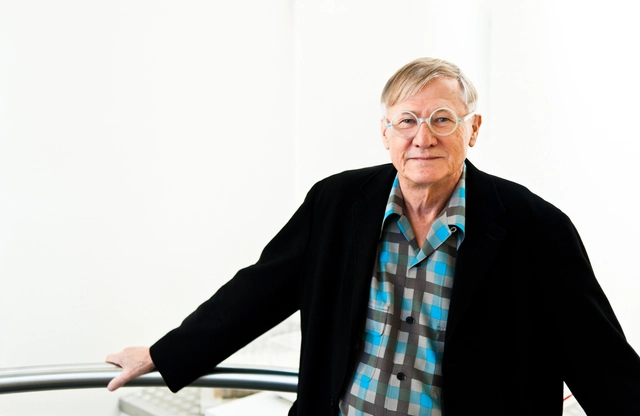
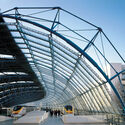
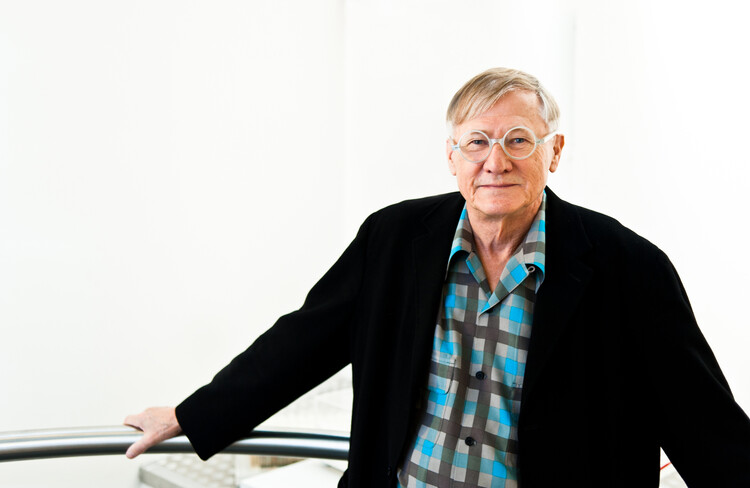
Sir Nicholas Grimshaw, the British architect known for advancing high-tech architecture and for founding the practice Grimshaw, has died at the age of 85. Over a career spanning more than five decades, he delivered public and infrastructure projects that emphasized structural clarity, advanced engineering, and utility. His major works include Waterloo International, the original Eurostar terminal in London; the Eden Project in Cornwall; the Financial Times Printworks; and major transport hubs around the world. Knighted in 2002 for his services to architecture, he helped define an era of British and international design. He served as President of the Royal Academy of Arts from 2004 to 2011 and was awarded the Royal Institute of British Architects' Royal Gold Medal in 2019.


In Plato's allegory of the cave, light symbolizes knowledge: it is what guides the human being out of the shadows of ignorance and toward truth. In many religions, light is also associated with divinity, as a manifestation of the sacred. Over time, light ceased to be merely a symbol of reason and became an instrument of sensitivity, a living material capable of shaping atmospheres, influencing perception, and revealing meaning.
Light is masterfully used in the quiet spaces of Tadao Ando, for example, where it seeps in like a sacred substance between concrete walls. In Alvar Aalto's buildings, it is delicately modulated to converse with the Nordic sky. In James Turrell's immersive installations, it becomes body, color, and experience. But light also manifests in the most ordinary gestures: in every precisely oriented window, or every shadow carefully drawn to reveal what is not immediately visible. Like a conductor before the score and the orchestra, the architect can compose with light accentuating volumes, softening boundaries, and giving rhythm and intensity to the spaces we inhabit.


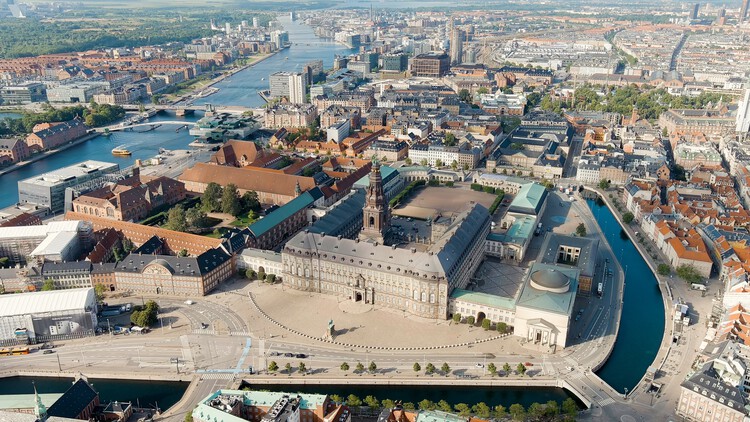
For most architecture enthusiasts, mentions of the city of Copenhagen will prompt images of pedestrian-friendly streets, suspended bike lanes, quaint water canals, and overall happy residents. The capital of Denmark has many accomplishments to boast: over 60 percent of its residents commute to work by bike, it was among the first cities to set up a strategic plan to achieve carbon neutrality, resulting in an 80% decrease since 2009, and it has become one of the most cited study cases for its urban planning and infrastructure. This reputation was officially cemented when UNESCO named Copenhagen the 2023 World Capital of Architecture, recognizing the city's enduring role as a laboratory for innovative contemporary design and people-centered urbanism. This September, the inaugural Copenhagen Architecture Biennial transforms the city into a global platform for dialogue under the theme "Slow Down," exploring how architecture can respond to global pressures by rethinking the pace of change. The occasion is also marked by the launch of ArchDaily's 5th edition of Next Practices Awards, solidifying the city's status as a nexus for contemporary architectural thought.


The earliest stages of ideation can be both the most exciting and the most challenging part of the design process. Ideas flow quickly, but they can be abstract and difficult to communicate. This can lead to frustration and waste precious time.
Now, architects, designers, and artists can shorten the distance between the first sketch and a meaningful design decision by pairing traditional ideation techniques with AI-powered visualization tools designed to enhance — not replace — human creativity. Chaos tools keep creators firmly in the center of the process, empowering them with speed and clarity without sacrificing ownership or control.

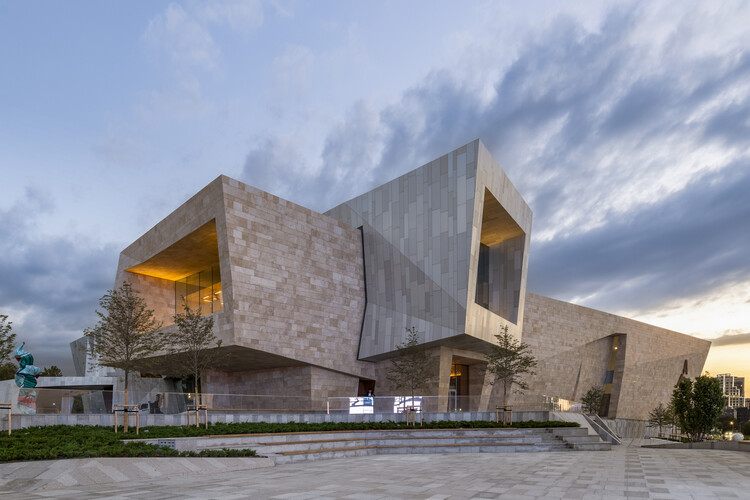
The Almaty Museum of Arts has opened in Kazakhstan, establishing a new cultural institution dedicated to contemporary art in Central Asia and internationally. Designed by Chapman Taylor, the museum is located at the foothills of the Tian Shan mountains and encompasses 10,060 square meters. The design draws inspiration from the contrast between the city of Almaty and its mountainous surroundings, a relationship expressed through two interconnecting limestone and aluminium-clad volumes. These are organized around a central, light-filled atrium referred to as the "Art Street," which serves as the primary circulation and gathering space.