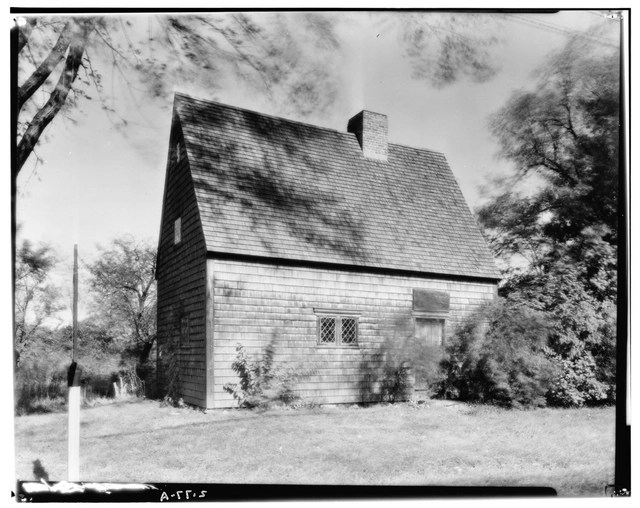
The Peak House, Main Street, Medfield, Norfolk County. Image Courtesy of Library of Congress HABS MASS
There is an architecture of the migrant. It is survivalist, built with what is available, made as quickly as possible, with safety as its core value. Americans romanticize that architecture as “Colonial”: simple timber buildings, with symmetric beginnings, infinite additions, and adaptations. But “Colonial” architecture is not what was built first by the immigrants to a fully foreign land 400 years ago. Like all migrant housing, time made it temporary and forgotten.
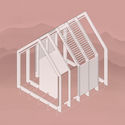
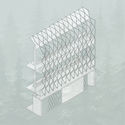
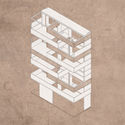
MVRDV's Traumhaus Funari project, a residential master plan that redevelops parts of a former US Military barracks, has started construction in Mannheim, Germany. The project aims to combine affordability, individuality, and diversity by allowing residents to make their own ecological and spatial choices regarding their homes. The master plan consists of a catalogue of residential typologies with a variety of materials, sizes, finishes, interior layouts, and connections to the outdoors which future residents can choose from.
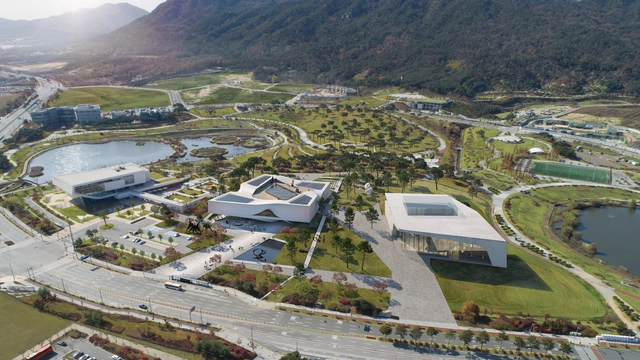
UNStudio and South Korean design firm DA Group have been selected to design the Chungnam Art Museum in Naepo, South Korea. The proposal will provide an immersive cultural experience, with a strong focus on the interaction between art and the public. In addition to creating an assemblage of technology and art, the project will serve as a social anchor for the local community, a space defined by notions of flexibility and “art for all”.
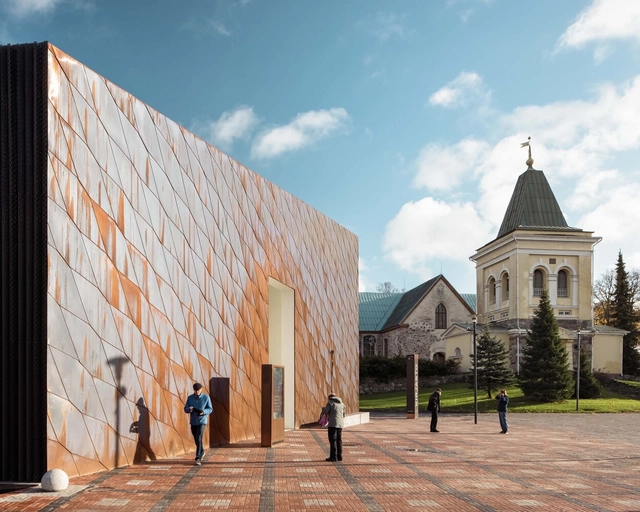
Whether applied as cladding to steel or timber frame structures or to structures built by traditional means, sheet metal offers an array of advantages as a building material, thanks to its low cost, ease of maintenance, and versatility.
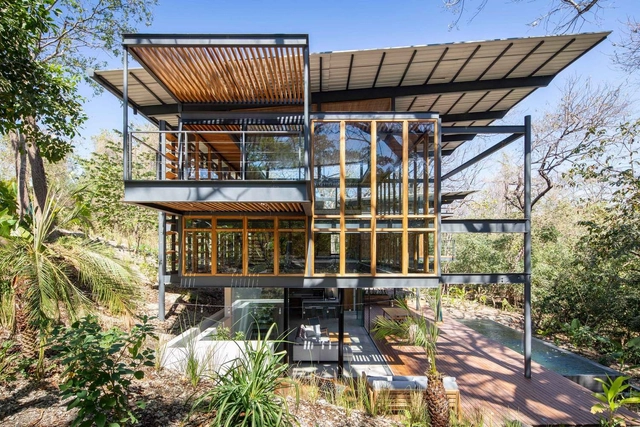
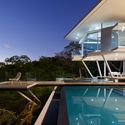
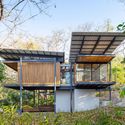
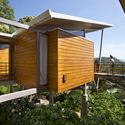
Costa Rica’s new modern homes are built to float above the landscape. This wave of elevated housing is designed to minimize environmental impact while working with varied terrain. Aiming to become a carbon-neutral country, Costa Rica is transforming its housing market as it experiences a growing demand for more residential buildings.
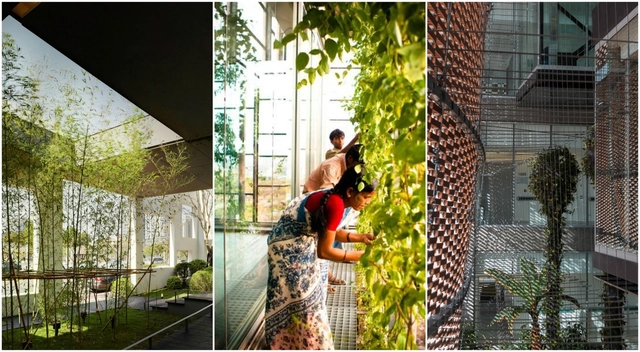
Bringing the weather inside is usually the opposite of what you want from a building envelope. However, new research from the University of Oregon, described in an article by The Washington Post, aims to show the physical and psychological benefits of letting nature inside. Signs of nature and change are both beneficial to our well-being, yet we don’t always have access to them when inside buildings—and humans are now spending 90% of our lives inside. But even in an urban setting, where nature may be hard to come by, there’s no escaping the weather. When researchers found ways to bring things like wind and dappled reflections of the sun inside, they found that exposure to these natural movements lowered heart rates, while being less distracting than similar artificially generated movements.
By now, green buildings are a familiar concept, but the article in The Washington Post proposes moving beyond green buildings as we know them today. While green building can be great in new construction, that excludes a lot of existing buildings that could and should also benefit from an intervention of nature. Ideally, buildings should actively demonstrate their relationship with nature, moving beyond simply “doing no harm.”
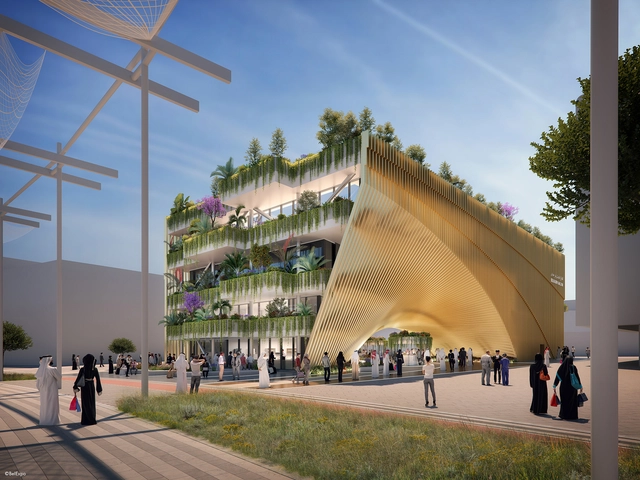
Titled "The Green Arch", the Belgian pavilion at the 2020 Dubai Expo highlights the emergence of connected green cities through its industrial, technological, and scientific knowledge. The pavilion, which is part of the Mobility district of the exhibition, consists of an arched, floral monolith that combines "Latin romanticism in the field of art and Anglo-Saxon technical precision in the industrial branches". The pavilion is designed by Belgian architects ASSAR ARCHITECTS and Vincent Callebaut Architectures, and will be represented by BelExpo, an autonomous department under the Belgian Ministry of Economy.
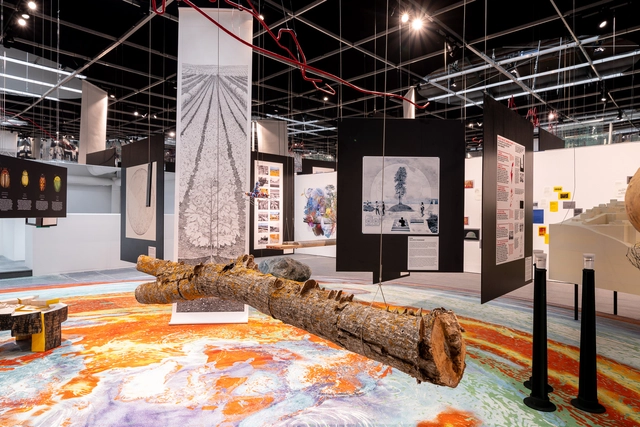
The 17th Venice Architecture Biennale invited architects to ponder the question “How will we live together”, eliciting various answers and interpretations. The International Exhibition unfolding in Giardini, the Arsenale and Forte Maghera presents 113 participants in the competition, coming from 46 countries, whose contributions are organized into five scales: Among Diverse Beings, As New Households, As Emerging Communities, Across Borders, and As One Planet. The following participants explore a variety of subjects, prompting a holistic re-evaluation of the collective in relationship with issues ranging from the urban and natural environment to climate action or the relationship with other species.
Videos
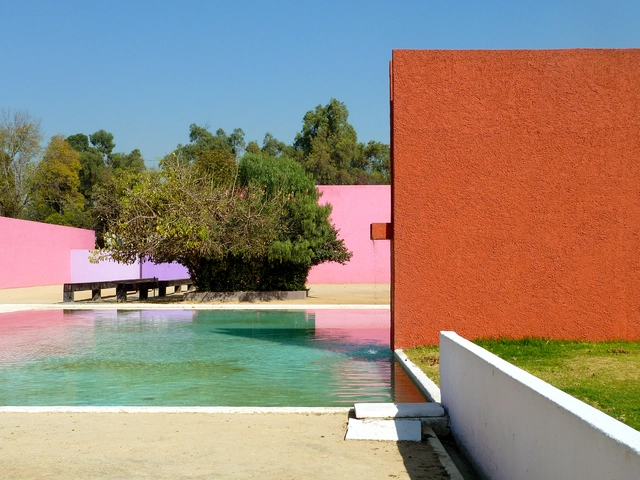
Los Clubes - Cuadra San Cristóbal and Fuente de los Amantes / Luis Barragán. Photo: pov_steve on VisualHunt
How many LGBTQIA+ architects do you know? Surely you went to school with someone but probably never heard a professor mention one of them. Bringing up these names is key to understanding the fundamental role this population plays in the field of architectural theory and practice. This reveals their experiences more clearly, how they incorporate their identities into design and debates about architecture and urban planning. This is key for any person who identifies as LGBTQIA+ to feel comfortable expressing their individuality and their abilities in the profession.
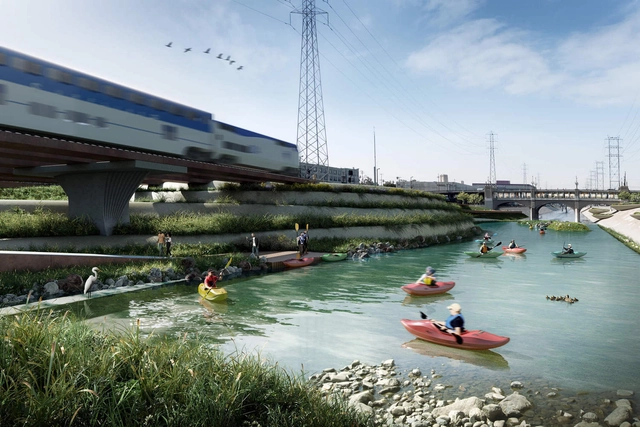
Studio-MLA is adopting lessons learned from their Los Angeles River design project design, shown here, to the River-Side Gateway master plan. Image Courtesy of Studio-MLA
Following a lengthy search, the California city of Riverside and its Parks, Recreation, and Community Services Department have selected Studio-MLA as the lead designer of the River-Side Gateway Project Suite, a string of nine sites along a seven-mile stretch of the Santa Ana River. Funded by the California Coastal Conservancy, the search committee sought a design team that could best revitalize the open spaces and trails along the northern edge of Riverside, the largest city in the Inland Empire region of California with a population of over 300,000.
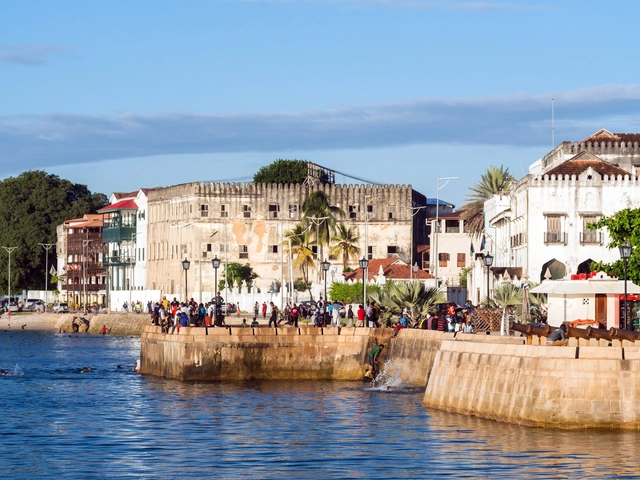
The African continent has been - throughout history – a key player in the ever-evolving story of human migration. Cultures and customs have been shared, adapted, and re-imagined as a result of this movement of populaces, and architectural styles are no exception. In a way, the varied architecture present in Africa is a lens one can look at to understand the intricacies of migration. Present on the continent are ancient indigenous and building typologies born out of the organic assimilation of cultures. Also present are remnants of colonial architecture, a legacy not of voluntary migration, but of forced colonial imposition.
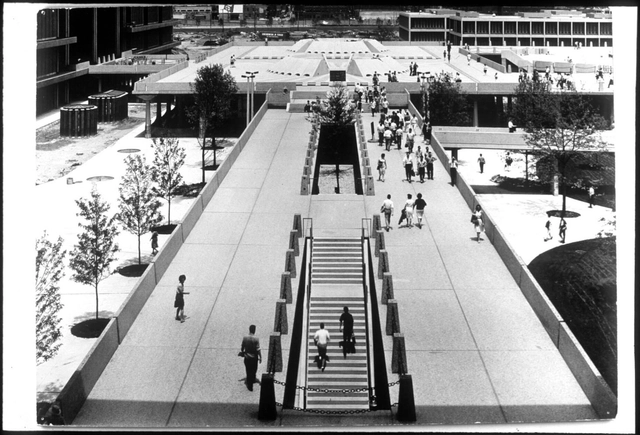
Chicago was home to a massive elevated walkway dubbed the “pedestrian highway.” It connected buildings on the East Campus of the University of Illinois at Chicago and created a multilevel network of human activity. It was designed by the architect Walter Netsch, the architect of the Air Force Academy Campus and famous chapel in Colorado Springs. The walkway was gigantic and monumental. It was even featured in the horror film Candyman from the early 1990s. But, over time, the walkway fell into disrepair and the decision was made to demolish this piece of iconic urban infrastructure.
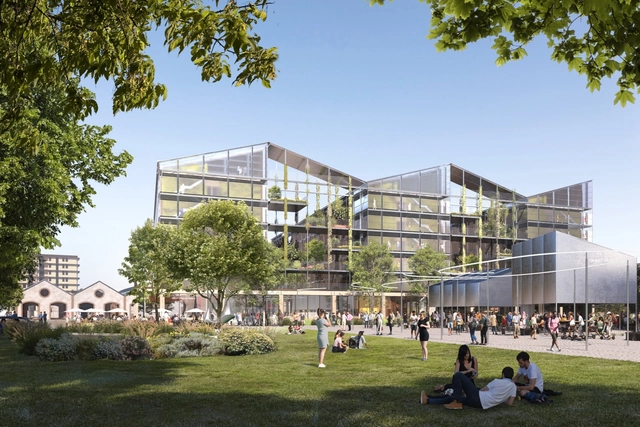
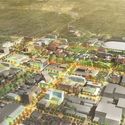
Skidmore, Owings & Merrill was selected to design the Olympic Village for the 2026 Milan-Cortina Olympics following an international competition of 71 architecture studios from nine different countries. The project is part of the updated Porta Romana Railway Yard Master Plan, and will create a new center of activity in Porta Romana with minimal environmental impact. The self-sufficient project will feature residential, commercial, and public spaces, that change configurations based on the Olympics event.
Migration across towns, cities, states, countries, and continents is part of everyday life. As we move to seek out new opportunities in our personal and professional lives, our individual choices actually have greater impacts on the large, highly-interconnected socio-economical systems around the globe. Moving from a small farm town into a major metropolis, or from one continent to another comes with more implications than you may think- and architecture, paired with the concept of “Brain Drain”, might be helping to pull the strings behind the scenes, influencing you to go from one place to the next.
The Royal Institute of British Architects has awarded Politecnico di Milano's architecture student Weronika Zdziarska the 2021 RIBA Norman Foster Travelling Scholarship, for her project ‘Don’t Stay Out Alone: addressing women’s perception of safety and freedom in cities by design’. The jury unanimously gave Zdziarska the award for her exploration of gender in the public spaces of Latin America, which "demonstrated a sophistication in her early research which differentiated her work from that of her worthy fellow applicants".
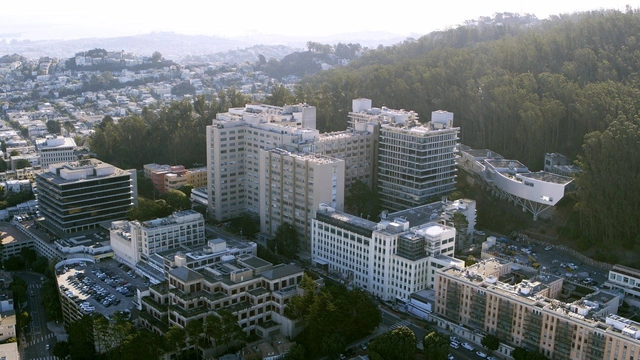
The world-renowned academic medical centre The University of California San Francisco has selected Snohetta and HGA to design the new Parnassus Research and Academic Building (PRAB). As part of a larger plan to renovate and expand the medical campus, the project will replace the 1917 UC Hall, creating a more collaborative research environment while also providing the city of San Francisco with an attractive public space.
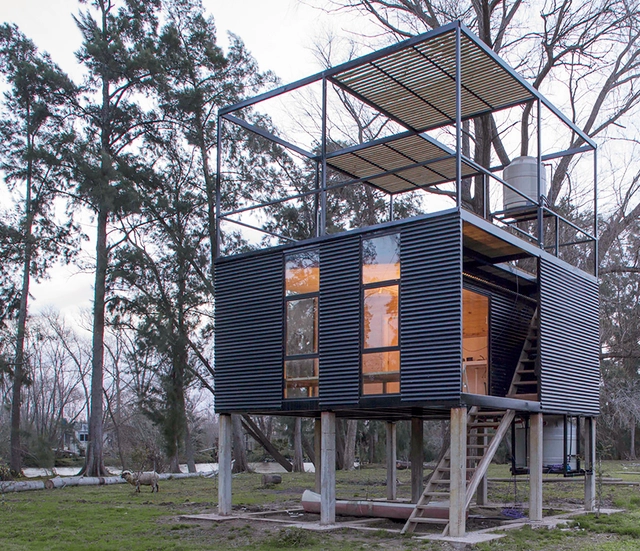
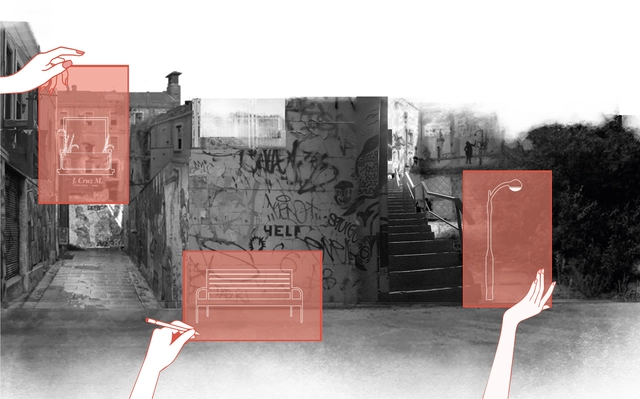
Can architecture foster better relationships between people, creating an equalized and respectful use of space? Can tools be designed that strengthen the bonds between humans and objects? BAAG (Buenos Aires Arquitectura Grupal) studio explores the architectural elements that mediate between people and objects, the natural and artificial, public and private, individual and collective, and humans and other living things.
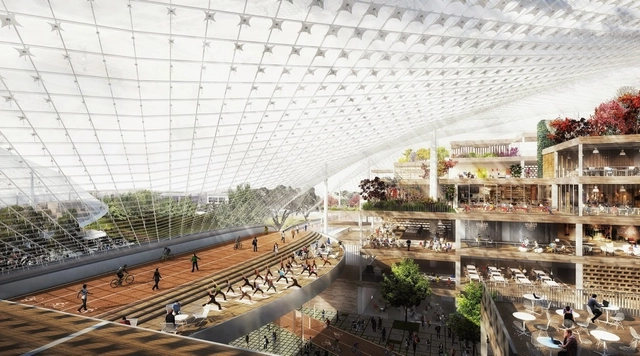
Practice for Architecture and Urbanism (PAU) has shared new details of its proposal to reimagine Niagara Falls in New York. Attracting millions of annual visitors, the region has become a global tourist destination, while the downtown area has yet to experience the same level of interest. Now PAU is leading an urban design and economic development strategy, in partnership with Forsyth Street Advisors and a community advisory group, to imagine a more lively future.
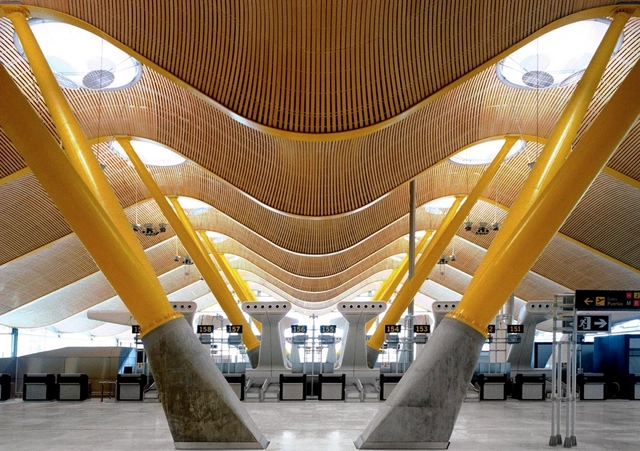
Courtesy of Estudio Lamela, Rogers Stirk Harbour + Partners
Modern airports have become larger and larger in scale. With increasingly bigger aprons, multiple programs, and countless travelers a year, this typology’s prevalence has grown exponentially. Known for a variety of unique spatial experiences, from massive waiting rooms and luxury lounges to compressed jet ways, airport architecture has really only emerged within the last century. Today, architects and designers are starting to creatively dissolve the daunting scale of airports to explore their role in contemporary urban life.
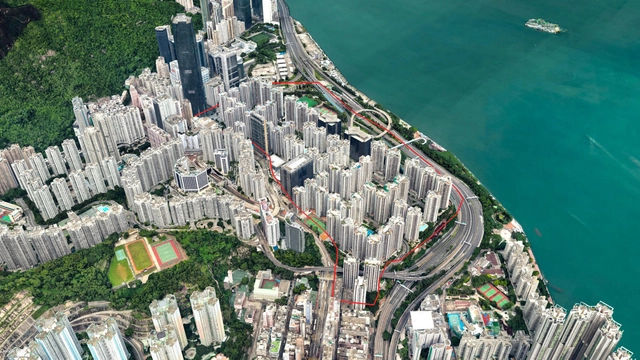
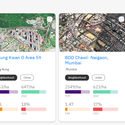
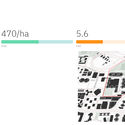
Global design firm Sasaki has announced the launch of Density Atlas, a new online platform for planners, urban designers, developers, and students immersed in the public realm, to have a better understanding about density. The platform explores the limitations of density and defines a more standardized set of metrics for understanding and comparing density across different global contexts, such as in urban centers, college campuses, or community under development.
It is believed that copper was the first metal to be found by men and used in the manufacture of tools and weapons. This occurred in the last period of prehistory, more than 10,000 years ago, in the so-called Metal Age, when groups, until then nomadic, started to become sedentary, developing agriculture and starting the first urban settlements. Copper has since been used in diverse ways. Used for decorative objects, jewelry, automotive parts, electrical systems, and even for dental amalgams, the material has had huge demand. In architecture, copper coatings are greatly appreciated for their aesthetics and durability. But a factor worth mentioning is that copper can be recycled infinitely, practically without losing its properties.
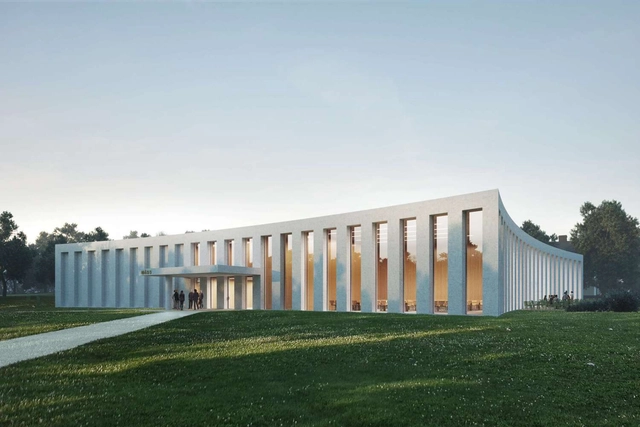
Swedish practice Tham & Videgård Arkitekter has won a competition to design a new cadet mess building for the Karlberg Military Academy in Stockholm. Establishing a dialogue with the historical context and the 17th-century park, the project is conceived as a clean square volume with concave facades that embrace the surroundings. Through its rhythm and proportion, the design echoes the classical architecture of the nearby palace, showcasing a rigorous aesthetic that establishes a timeless image.
How does systemic thinking and generative design contribute to new forms of convivence? Can they become tools to connect tradition and identity in a modern way? Can they help to design customizable architectural strategies that offer locally accessible solutions? Can they contribute to the creation of dignified spatial experiences that can be replicated on a mass scale?


.jpg?1626762371&format=webp&width=640&height=580)
.jpg?1626762472 "© MVRDV")
.jpg?1626762365 "© MVRDV")
.jpg?1626762420 "© MVRDV")
.jpg?1626762410 "© MVRDV")
.jpg?1626762371)






.jpg?1503108285 "© Alejandro Arango")

.jpg?1626687665 "Courtesy of BelExpo")







.jpg?1626424112 "© SOM | Pixelflakes")
.jpg?1626424111 "© SOM | Pixelflakes")
.jpg?1626424138 "© SOM | Pixelflakes")
.jpg?1626424121 "© SOM")










.jpg?1624390734&format=webp&width=640&height=580)