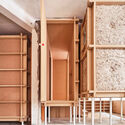
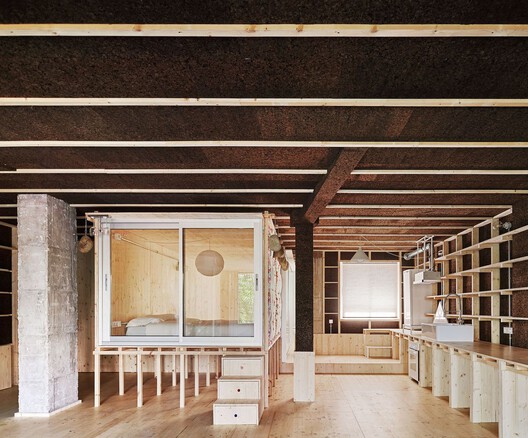
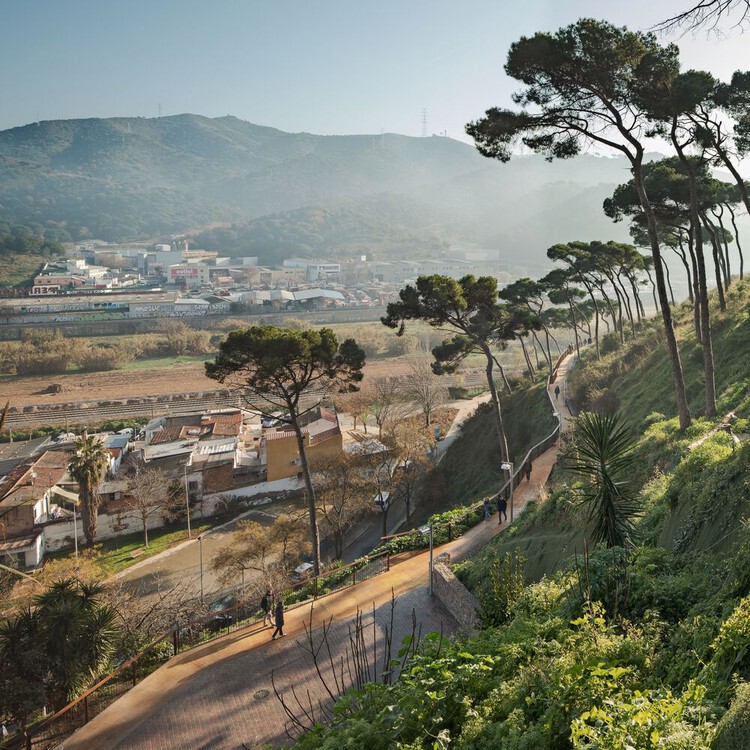
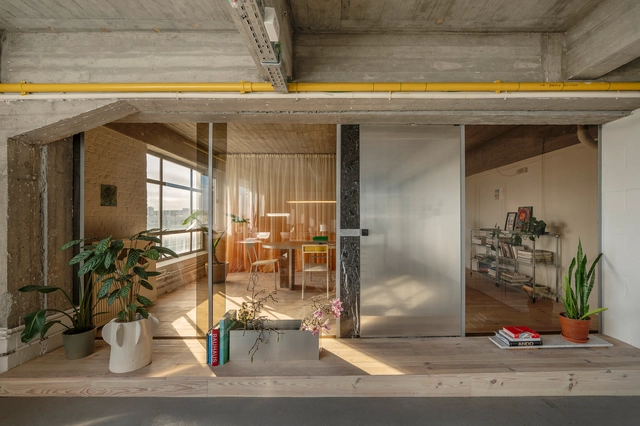
How can we transport ourselves to natural environments when we find ourselves in entirely urban contexts? The materiality of spaces is one of the factors that determines the atmosphere we inhabit. In this regard, the incorporation of natural materials in interior architecture can help introduce textures, colors, and qualities inherent to nature into our daily spaces. In this article, we explore the specific use of cork as a resource in interior design and the different ways it can transform the experience of a space. Cork is the bark of the cork oak, a tree species that, when harvested without harming the tree, can be transformed into a material suitable for multiple applications in architecture and design.
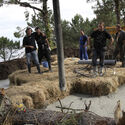
Over the last two years, the city of Madrid has hosted, and continues to host, the traveling exhibition of the Metropolitan Forest. It has three main objectives: first, to present Madrid's residents with the winning and finalist ideas from the competition held to redefine the future of their city; second, to communicate the processes the city will undertake regarding sustainability, urban resilience, and environmental education; and finally, to foster concrete strategic alliances between the Forest and the citizens of Madrid.
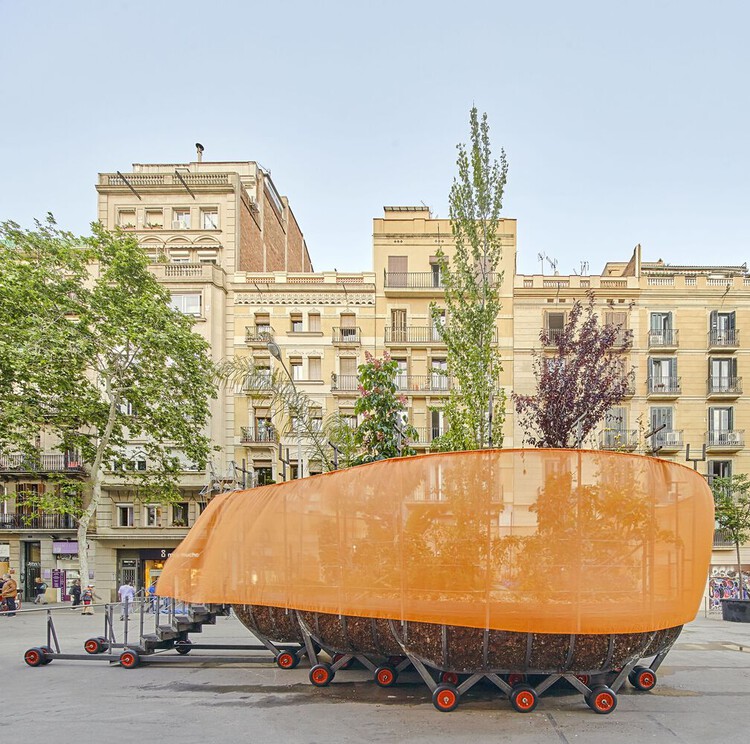
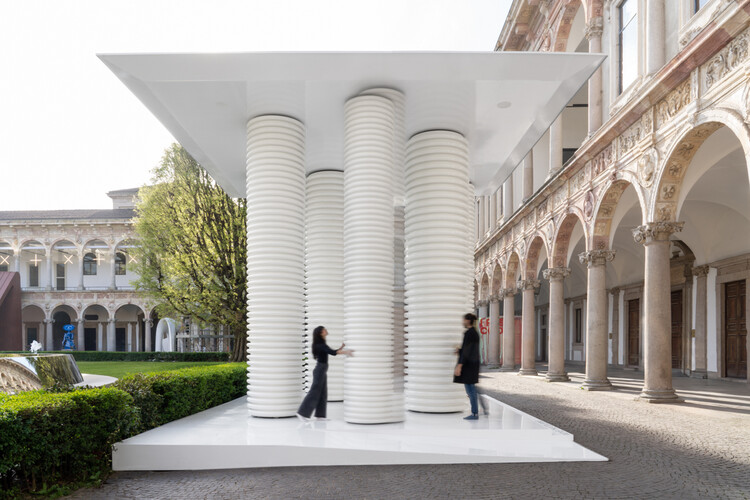
Architecture is a broad field offering diverse opportunities for practice. Increasingly, young architects are striving to carve out new paths and explore alternative professional domains. Ephemeral architecture, with its experimental and artistic nature, plays a significant role in this pursuit, prompting practitioners to observe and discuss urban, social, landscape, and environmental issues. Here, we present examples of temporary installations that highlight these concerns and transform their surroundings.
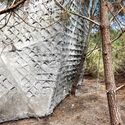
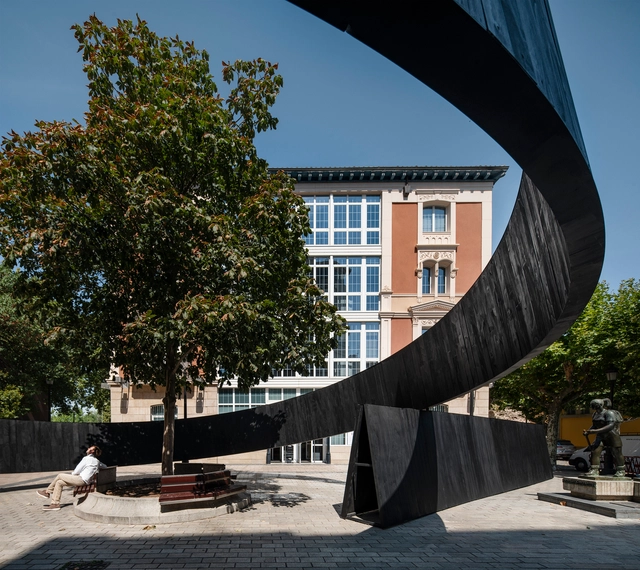
There is no need to worry about getting lost. Over its eight editions, the team behind the Concéntrico Festival has curated an extensive series of locations: new squares, interior courtyards, and hidden public spaces that speak volumes about the role of the urban fabric when discussing architecture in Logroño.
Edificio damero / Francisco Cadau Oficina de Arquitectura. Image Cortesía de Francisco Cadau Oficina de Arquitectura
During the fourth day of the 18th Buenos Aires International Biennial of Architecture, the Biennial Awards were announced, highlighting architectural projects and works developed over the last four years both nationally and internationally. Awarded by the Biennial's Steering Committee, the categories spanned from single-family housing, multi-family housing, and interior design to landscape, urban space, and public and private facilities.
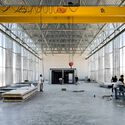
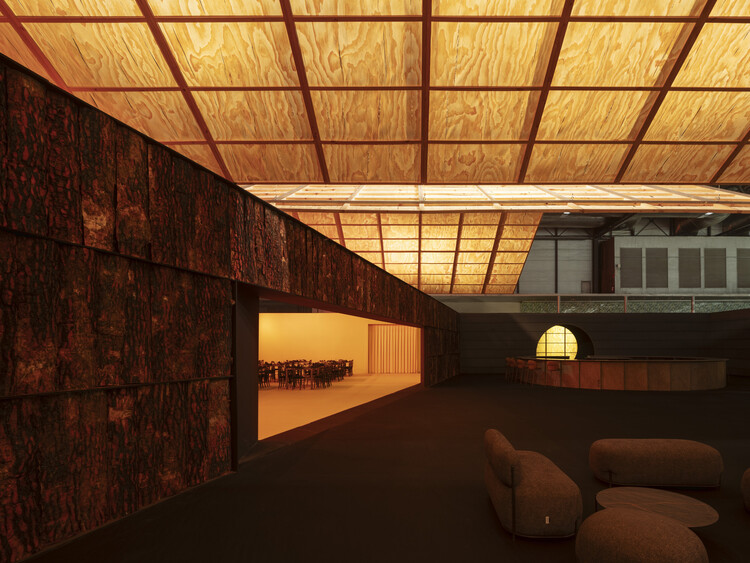
From February 22 to 26, 2023, the International Contemporary Art Fair ARCOmadrid will take place at IFEMA Madrid. HANGHAR and estudio DIIR, both Madrid-based architecture firms, have been selected to design the fair's VIP Lounge. Its central theme, "The Mediterranean: A Round Sea," serves as the starting point and inspiration for this proposal, titled VERBENA.
As another year comes to a close, the ArchDaily team looks back at the year's architectural highlights, compiling a selection of projects to review the content featured in 2022. As part of this retrospective, our curation team presents one of our readers' favorite categories—residential architecture—bringing together the projects that represent the very best of a vast year of architectural production, as chosen by our audience.
At a time marked by anticipation for the future of architecture, yet also by reflection on what has been accomplished over the past year, we present the 50 most-visited houses on ArchDaily in Spanish in 2022. In doing so, we continue our ongoing mission to provide tools, inspiration, and knowledge to everyone working toward a better built environment.
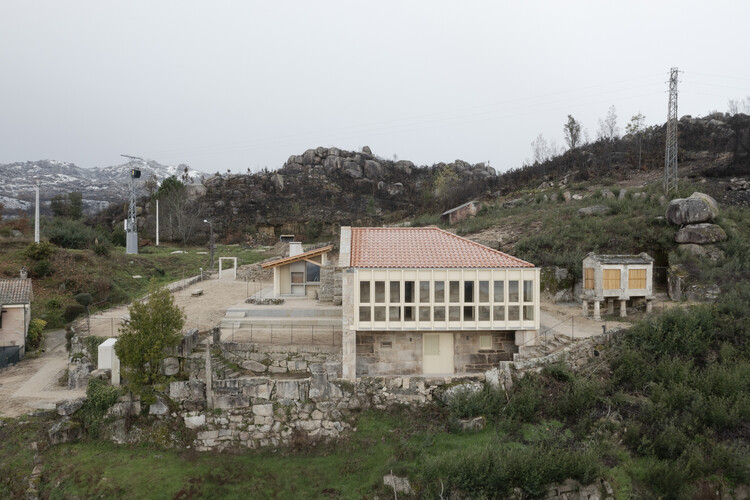
The XVI Spanish Biennial of Architecture and Urbanism (BEAU) has presented the 50 finalist proposals from its ‘Works’ call. Organized by the MITMA through the Directorate-General for Urban Agenda and Architecture, in collaboration with CSCAE and Fundación Arquia, the upcoming event seeks to reflect on how architecture can transform the future under the theme ‘Me–dio Pla–zo’ (Medium Term).
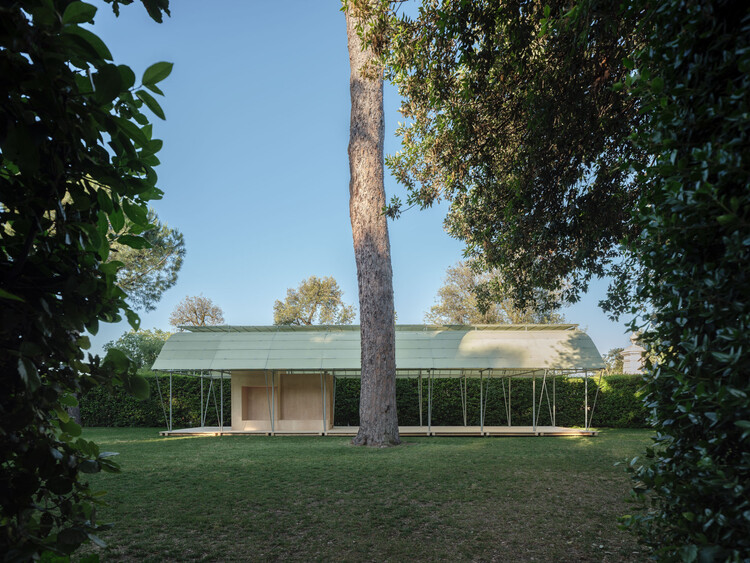
Vigo and San Fernando have been selected as host cities for the third edition of the TAC! Urban Architecture Festival by Spain's Ministry of Transport, Mobility, and Urban Agenda (MITMA), where temporary pavilions will be built to accommodate an extensive cultural program. Widely considered a benchmark for emerging ephemeral architecture, this edition of the festival seeks to showcase projects that highlight the potential of architecture, innovation, experimentation, and young talent.
From October 10 to December 12, the second edition of the MUGAK International Architecture Biennale of the Basque Country is taking place. This event not only explores the link between art and architecture, but also aims to engage the public and foster reflection and connections with other disciplines, serving as a forum for dialogue and debate to achieve better, more balanced, and fairer cities.
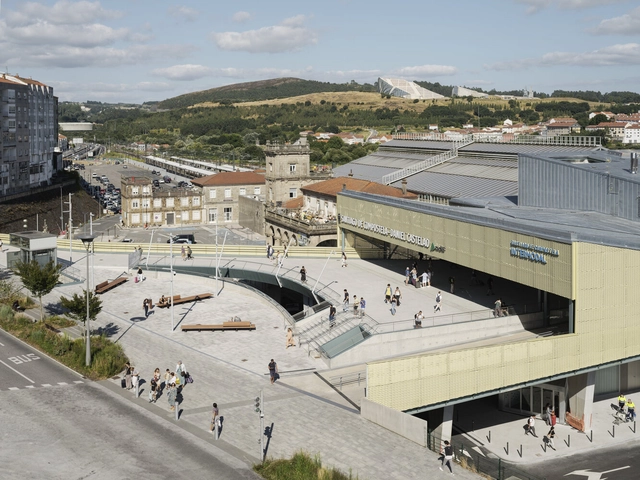
After two weeks of nominations in the 16th edition of the 2025 Building of the Year Awards, our community evaluated over one thousand projects to select the 15 finalists. This year's awards celebrate excellence in design, innovation, and sustainability across Latin America and Spain, highlighting an exceptional selection of projects on the shortlist. As a public-choice award, we are proud to say that their choices authentically reflect the current state of architecture, while the quality of this year's finalists further underscores the excellence and diversity present in the field.
https://www.archdaily.com/1140929/meet-the-15-finalist-projects-for-the-archdaily-en-espanol-2025-building-of-the-year-awardArchDaily Team
Mauro Gil-Fournier is a PhD architect, researcher, and professor who, after a 15-year career, decided to found Arquitecturas Afectivas: "a community that creates architecture with pleasure, cultivating the affects of people, other beings, and living things."
What is the process for creating affective architectures? Why are they important for the future of architecture? In the following conversation with Mauro, we delve deeper into this concept, which is fundamentally based on "enabling others to design from their truest expression."