This guide covers a workflow that moves from project parameters to generated floor plans, 3D perspective views, exterior design exploration, and site context visualization, using AI tools in place of preliminary CAD and rendering work.
This guide covers a workflow that moves from project parameters to generated floor plans, 3D perspective views, exterior design exploration, and site context visualization, using AI tools in place of preliminary CAD and rendering work.

Following three cycles held in 2020, we begin this new year by presenting the fourth cycle of Viernes de Fábrica. We remain convinced that now more than ever, the academic must be linked to the social, creating School+Community projects. Today, with the participation of over 1,500 students, architects, and professors from 20 countries across the 28 sessions held so far, we invite you to continue contributing to this initiative.

Dear readers,
I am thrilled to share a very important milestone with all of you. Today, August 3, 2021, ArchDaily Mexico celebrates its 9th anniversary! Indeed, nine years ago, with great excitement and high expectations, we launched the Mexican edition of ArchDaily—already the most visited architecture website in the world. Our mission remained to deliver inspiration, knowledge, and tools, but with a dedicated focus on this country's architects, who over these years have enabled us to continue serving as their primary tool for international and Mexican architectural inspiration and knowledge.
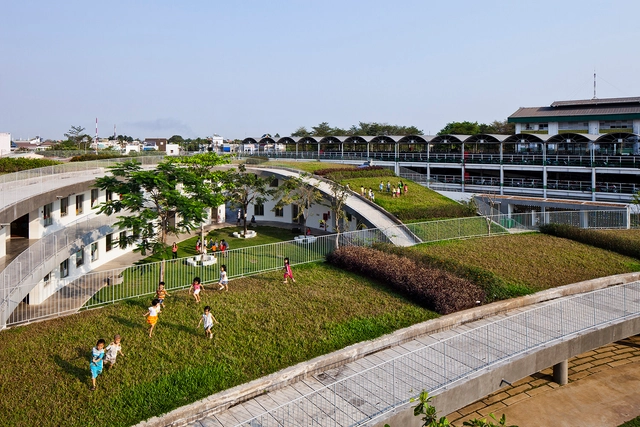
In the face of an unprecedented climate crisis, green roofs are increasingly establishing themselves as a global architectural trend, providing multiple social, economic, and environmental benefits in urban areas. Following the example of pioneering models like Copenhagen's, cities around the world are replacing gray roofs with green ones in an effort to move toward a more sustainable and healthy future. As a result, integrating green roofs has become a recurring practice in projects aiming to address the inherent challenges of the contemporary city.
.jpg?1620226413&format=webp&width=640&height=580)
The School of Architecture at the Universidad Intercontinental (UIC) has announced the winners of the 20th Academic Competition of Architecture Schools. This edition saw record-breaking participation in the number of students and projects compared to previous years, and for the first time in two decades, achieved international reach with the participation of a university from Ecuador.
_2.jpg?1629819988&format=webp&width=640&height=580)
.jpg?1629390332 "© Carla Luisa Escoffié Duarte")

_2.jpg?1629819988)
One of the greatest challenges facing our cities today is reconciling two priority objectives that, at times, seem irreconcilable: reducing inequality and addressing the effects of climate change. On one hand, our planet is at a critical juncture where no action should be underestimated. Urban growth always comes at the expense of green spaces, which is why we must control our settlements. Yet, it is also a fact that certain environmental regulations, besides being ineffective at achieving their intended goals, have discriminatory effects on the most marginalized sectors. It is often these very groups that face the most rigorous enforcement of environmental administrative requirements, as well as penalties for non-compliance. Is there a way out of this apparent dichotomy?

Mexican architect José Luis Cortés has been appointed President of the International Union of Architects (UIA) for the 2021-2023 term. José Luis Cortés graduated from the Monterrey Institute of Technology in Mexico and completed studies in Urban Planning in Copenhagen, Denmark, and at the Massachusetts Institute of Technology (MIT) in the United States. He previously served as president of the Federation of Colleges of Architects of the Mexican Republic (FCARM) (2017-2018) and is currently a member of the UIA Council for Region III.
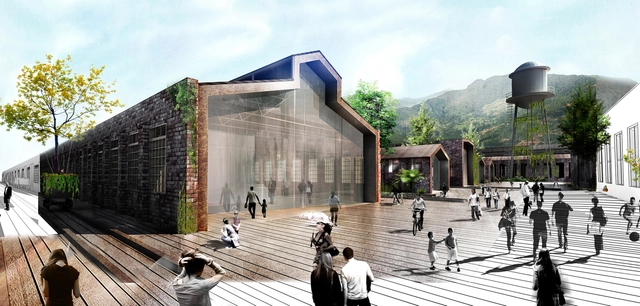
In Colombia, numerous competitions have drawn countless proposals from national and international practices, yet not all of them end up being built. The case of the Arts and Crafts Park competition is unique. More than a decade after the winning proposals were announced, the current administration decided to revive the winning project by the firms Taller Síntesis + Cauce arquitectura del paisaje + Architect Juan David Hoyos + Matiz arquitectura to bring it to life.
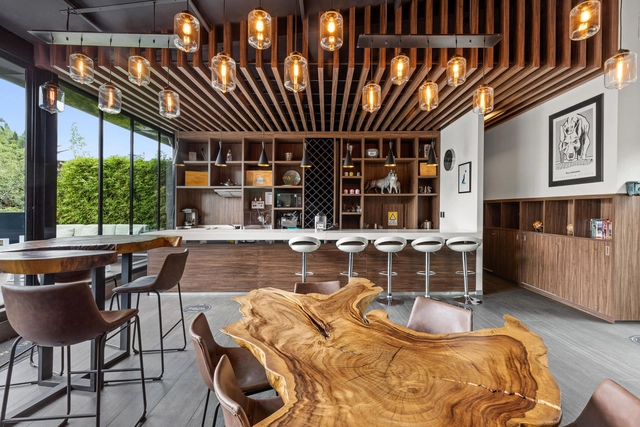
The pandemic has undoubtedly redefined every aspect of daily life, from how we interact to how we live and work. Consequently, architecture has had to adapt to new paradigms and lifestyles. With travel and tourism coming to a standstill for over a year, the hospitality sector was one of the hardest hit, forcing hotels to quickly reinvent themselves in the face of changing needs. Today, the focus is on offering restful spaces that allow guests to disconnect and relax, creating unique, comfortable environments distinct from the home—where most people now spend the majority of their time.
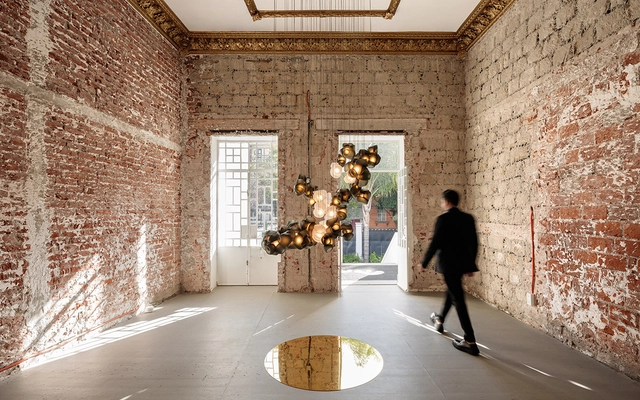
Throughout November, Diez Company will present the third edition of Maison Diez Company to both Mexican and international audiences. Dedicated to lighting design, the space serves as a gathering point for designers, creatives, architects, interior designers, commercial partners, lighting experts, and international brand representatives to celebrate light. Following the success of its 2018 and 2019 editions, Maison Diez Company showcases its latest designs within a historic mansion in the Escandón neighborhood, open to the public from November 6 through May 20, 2022.

On December 17, 2020, the 8th edition of the Furniture Design Award (PREDIM) was held virtually. The accolade is organized by the Mexican Association of Wood and Furniture Industry Suppliers (AMPIMM, A.C.) and the MEM Industrial expo, with the support of the Mexican Association of Industrial Design Institutions and Schools (di-integra, A.C.). Granted by industry experts to industrial design, interior design, and architecture students nationwide, this award aims to drive innovation and foster closer ties between students and furniture manufacturers, contributing to both industry growth and the improvement of furniture quality across the country.
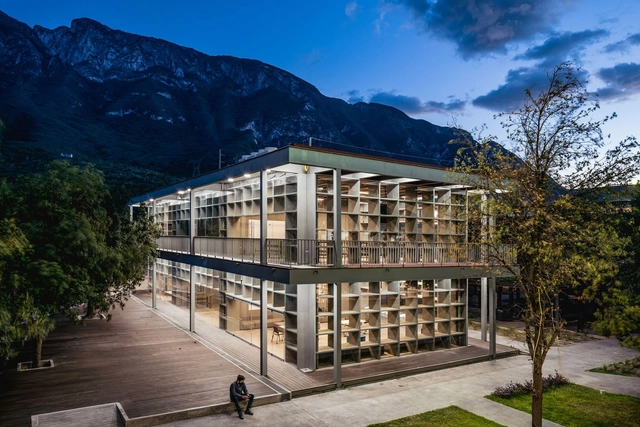
On Thursday, October 28, as part of the Nuevo Léon Architecture Biennale, the XXI Professional Calli Awards ceremony took place. Honorable mentions, Crystal Calli awards, and silver and gold medals were presented, representing the most prestigious recognitions awarded by the Association of Architects to the best academic and professional projects developed over the last two years.
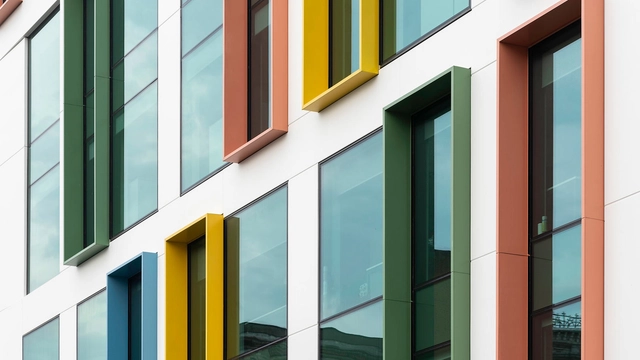
Sustainability and the efficient use of natural resources have become fundamental requirements for every architectural project. In this new context, ongoing research and studies have led to the emergence of new materials and construction systems aimed at sustainable development. A recurring example is the ventilated facade, which ensures a building's envelope is safe, efficient, sustainable, and durable by subtly and effectively integrating air renewal. Its ease of installation, contribution to the building's overall structure, and sustainable composition make it a compelling alternative for all types of projects.

With Tlaquepaque and Tonalá, two highly important pottery centers, as neighbors, Guadalajara naturally became an epicenter for the promotion and commercialization of crafts. Consequently, in 1963, the government of Jalisco decided to develop a space to promote the work of artisans from all regions of the state.

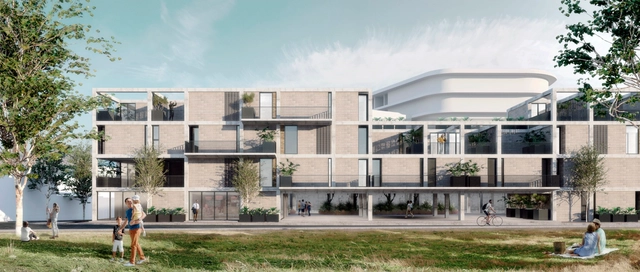
In August of this year, the Municipal Housing Institute of León (IMUVI), in collaboration with the León Association of Architects (Colegio de Arquitectos de León AC), invited students and professionals to participate in the Third Ideas Competition for the development of conceptual proposals for a social housing complex in the Las Américas neighborhood in León, Guanajuato. The competition aimed to develop an intra-urban social housing project integrated with the immediate public spaces and green areas, maximizing land use through feasible and sustainable proposals.
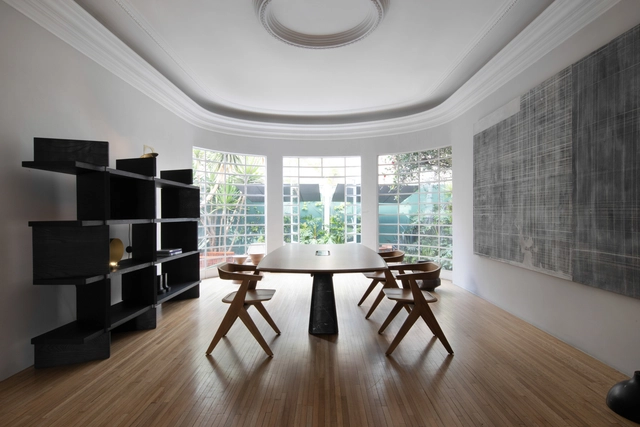
As part of a new initiative, ESRAWE is transforming its Mexico City showroom into a platform that promotes collaboration among the designers and creatives it works with. This inaugural exhibition seeks to capture the essence of the synergy that defines their working method, featuring iconic pieces from VISSIO, EWE, and Héctor Esrawe's own work, alongside high-design furniture from ESRAWE Studio and young designers like Manu Bañó. Additionally, they are presenting their partnership with Galería Arróniz, showcasing a selection of national and international artists. Read on to discover the full collections.
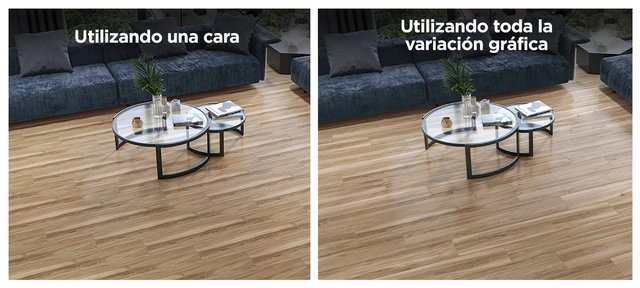
Representation is the medium through which architects express their ideas; the better a project is represented, the easier it is to convey its intent to the viewer. In most cases, a simple and concise representation helps to manifest a project's core ideas. However, new technologies provide us with tools that, beyond helping us express and highlight an intent, allow us to convey the quality of the designed environment more realistically.

With the onset of COVID-19, we have had to adapt to a different way of living, a shift that has been reflected in our work styles. Where and how do we work today? Many people have begun working from home, provided their circumstances allow it. While this has been convenient for many, for others it has meant a radical change, implying new needs for space and resources. For architects, engineers, builders, and contractors, this challenge has been quite complex, as much of their work involves handling large, high-cost devices.
In this article, we present 3 innovative solutions that replace the traditional, bulky plotter, allowing us to print in large formats from our own homes.
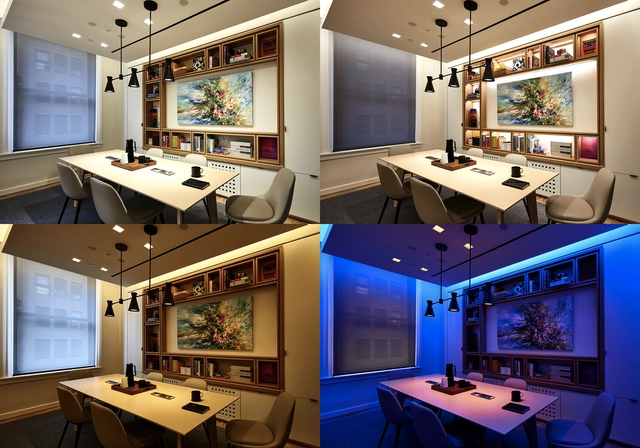
As we have discussed previously, home automation is a comprehensive system of automated technologies that allows for the optimization and increased flexibility of the spaces we inhabit. Its primary benefits—such as security, accessibility, comfort, and energy savings—significantly improve people's daily lives. While it might be perceived as an exclusive, high-tech system, it is important to understand that its primary objective is to facilitate daily activities and needs by automating routine tasks.
A key area of home automation is comprised of lighting control systems, which can be connected to all devices within a building. By avoiding unnecessary waste, these systems use only the amount of light required, increasing the lifespan of bulbs and providing significant energy savings. Furthermore, they allow for the creation of environments tailored to each activity, adding flexibility to a space's function. In the current context of the pandemic, the ability to transform a space through lighting has become extremely useful. Our dining room can simultaneously serve as an office and a place to eat, with the appropriate environment for both situations.
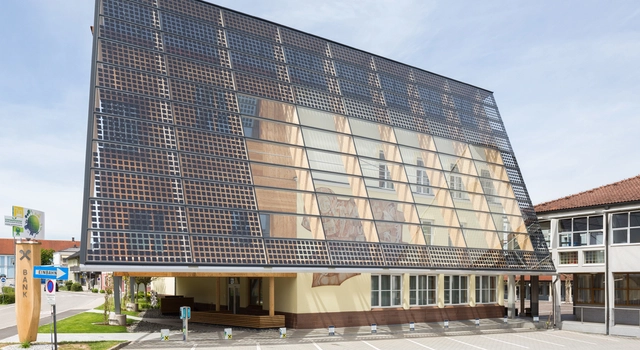
The climate crisis is driving architects to integrate solar energy as an essential component of architecture right from the start of the design process. Consequently, companies have been prompted to develop new products that go beyond conventional photovoltaic panels installed on roofs or additional support structures.
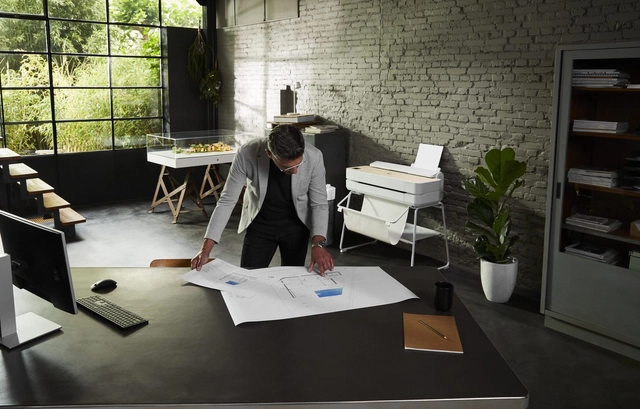
With the onset of COVID-19, we have had to adapt to a different way of living, which has been reflected in our work style. Where and how do we work today? Many people have begun working from home, provided their circumstances allow it. While this has been comfortable for some, for others it has meant a radical change, involving new space and resource requirements. For architects, engineers, builders, and contractors, this challenge has been quite complex, as a large part of their work involves handling large, high-cost devices.
In this article, we present three innovative solutions that replace the traditional, bulky plotter, allowing us to print in large formats from our own homes.
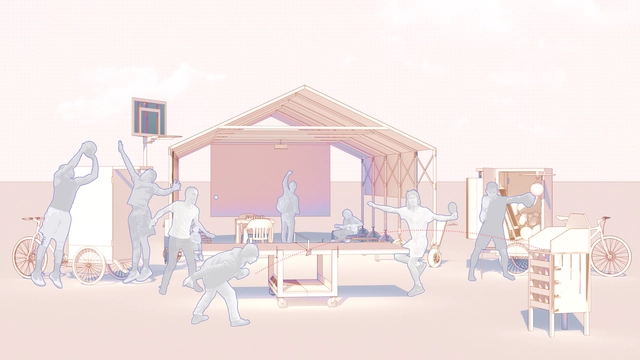
Today, there is a clear need for those who practice and think about architecture to focus on latent, realistic, and immediate issues that directly impact people's quality of life—rather than focusing on egocentric architectural landmarks spanning thousands of square meters.
This is the case with the project by architect PhD Juan Pablo Aschner Rosselli: a series of activation artifacts for coexistence including the *Jugarmario*, the *Ciclaportivas*, and the *Carpamóvil*. These were designed for the Corpovisionarios Center for Thought and Action, which managed the project.
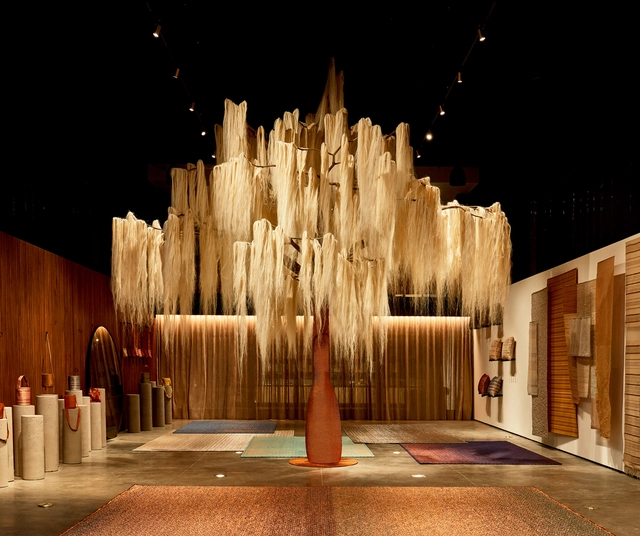
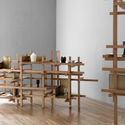
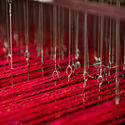
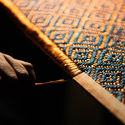
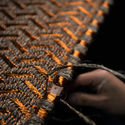
Built in collaboration with the architecture firm Colette Studio, the showroom for Verdi, a textile studio from Colombia, Bogotá, invites visitors to immerse themselves in a phenomenological experience that bridges textile tradition and contemporary industry. The exhibition space is not only designed with the studio's moving family and cultural legacy in mind, but also reflects the company's belief that exceptional, sustainable craftsmanship is one of today's ultimate luxuries.

As part of the annual celebrations hosted by the CEMEX Awards, the recipient of the Arq. Marcelo Zambrano Scholarship has been announced, reaffirming the commitment to fostering the continued development of architecture in Mexico. CEMEX awards the Arq. Marcelo Zambrano Scholarship in honor of the exemplary career, professional dedication, and leadership of architect Marcelo Zambrano, aiming to support young Mexicans in pursuing postgraduate studies at prestigious international universities.
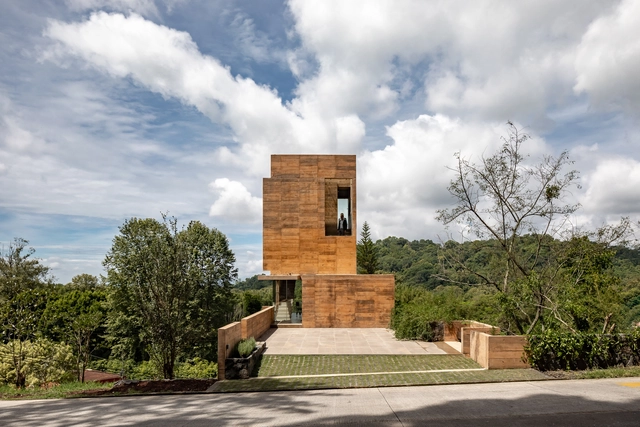
As part of the 10th anniversary celebration of the award, Interceramic announced the winners of the Tenth Edition across its various categories and the "2021 Architecture Lifetime Achievement Award." The initiative aims to recognize and promote projects that best reflect contemporary design and express the current state of architecture and interior design, as well as reward creativity in the use of Interceramic ceramic materials.

.jpg?1636481927 "© Dane Alonso")