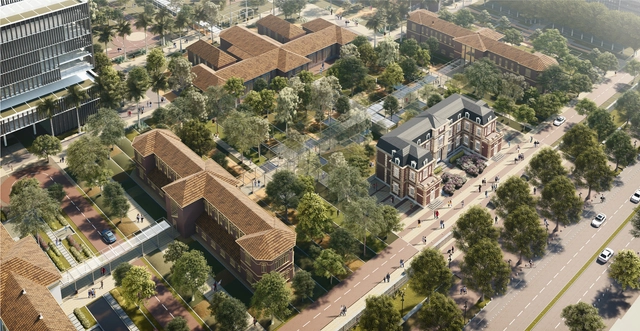
https://www.archdaily.com/1128008/utopias-iztapalapa-winning-project-in-the-action-for-housing-and-settlements-facing-covid-19-competitionArchDaily Team
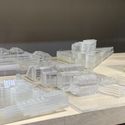
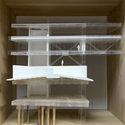
To create, express architectural language, and be universally understood, scale models translate design ideas and projects into proportions that are more accessible and easier to comprehend.
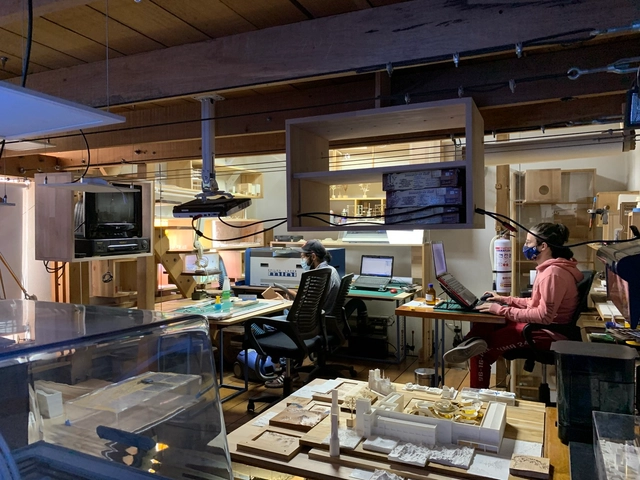
This article focuses on scale models as acts of material thought, highlighting the practice of the model-making laboratory of Miguel Forero Barbosa. Explore their work below.
The 8th edition of the Arquiteturas Film Festival explored the theme Bodies Out of Space through an exploration of the social construction of space, connected by a thread running through its own narratives of domination. These are also narratives of identity, which is often stripped away or forced to represent our bodies.
Videos
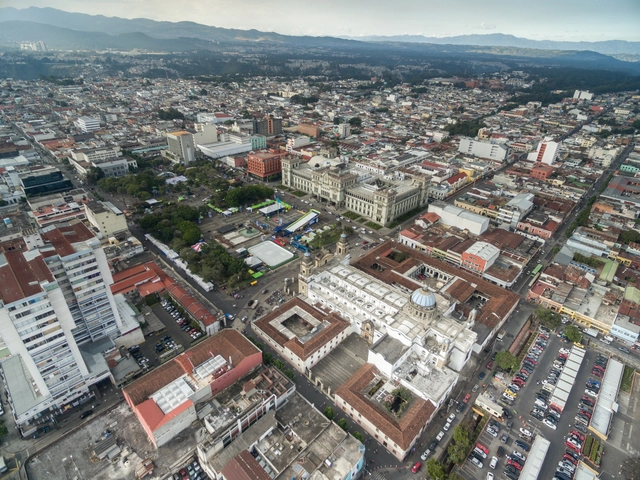
Guatemala City. Photograph by photosounds. Image via Shutterstock
The Guatemala Architecture Biennale 2021 begins today, serving as a platform that will bring together the region's most prominent professionals from November 16 to 18 at the Miguel Ángel Asturias Cultural Center through symposiums, lectures, and exhibitions.
Mexican architect Fernanda Canales presents her new book "Shared Structures – Private Spaces: Housing in Mexico," which explores the relationship between rooms, people, and cities. Centered on the modern culture of dwelling in Mexico, the research is developed in two parts: a series of texts addressing housing, and an analysis of 70 collective housing projects built over the last hundred years, interwoven with a compendium of quotes from architects involved in the field during this same period, such as Luis Barragán, Juan O’Gorman, Mario Pani, Alberto Kalach, Frida Escobedo, and Mauricio Rocha.
The architectural competition for the San Juan de Dios Hospital Complex in Bogotá was organized by the Urban Renovation and Development Agency (ERU) with advisory support from the Colombian Society of Architects. The goal was to reconnect and integrate the complex with its surrounding neighborhoods and the city center. This involves upgrading both the interior green areas and the peripheral public space, designing the plazas, pedestrian pathways, and interior gardens, as well as proposing options for pedestrian corridors and internal enclosures. In turn, the intervention will integrate the southern edge of the complex with the Policarpa and Sevilla neighborhoods, the north with the San Bernardo neighborhood, and the east with Las Cruces.
Ciudad Juárez is an industrial city located on the northern border with the United States, directly across from El Paso, Texas. Over the years, Juárez's economy has been dominated by the ‘maquiladora’ industry, and it was once considered one of the most violent cities in the world due to a wave of crime that took hold from 2008 to 2012. In 2020, the National Workers' Housing Fund Institute (Infonavit) reported that there are 17,871 abandoned homes in Ciudad Juárez, leading the country's municipal rankings and contributing to a total of 650,000 abandoned houses nationwide.
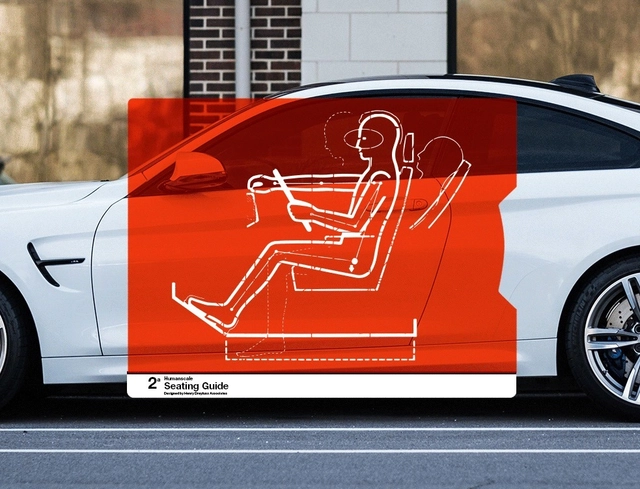
The term ergonomics was first coined in 1857 by the Polish scholar Wojciech Jastrzębowski, deriving from the combination of the Greek words ergon (work) and nomos (laws or rules). Although initially associated with the physical comfort of workers, today the term applies to a wide range of activities, from sports to leisure. It represents a set of guidelines and procedures designed to ensure both physical and mental well-being during any given task.
Public and private sector leaders and civil society representatives from around the world gathered at COP26, held in Glasgow from October 31 to November 12, to debate and deliberate on one of the most pressing issues of the 21st century: climate change. The summit centered on four key goals:
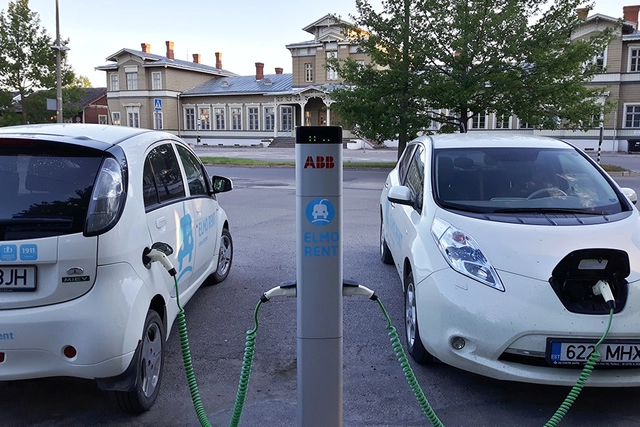
https://www.archdaily.com/1128014/electric-traffic-jams-are-not-the-solutionAndrey Barbosa e Gabriel Varella
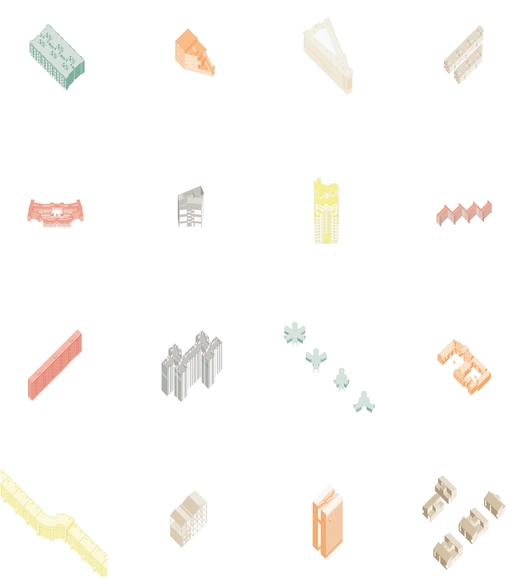
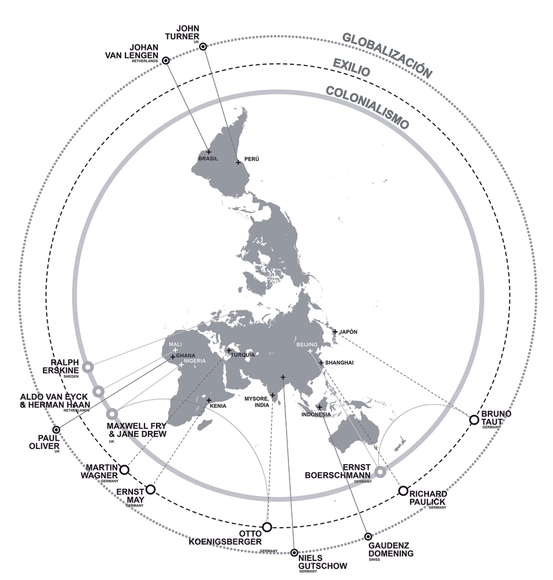
Figure 1. Overview of architecture and fieldwork during the 20th century. Source: Author's own elaboration (José Abásolo Llaría, 2020). Image via Revista rita_
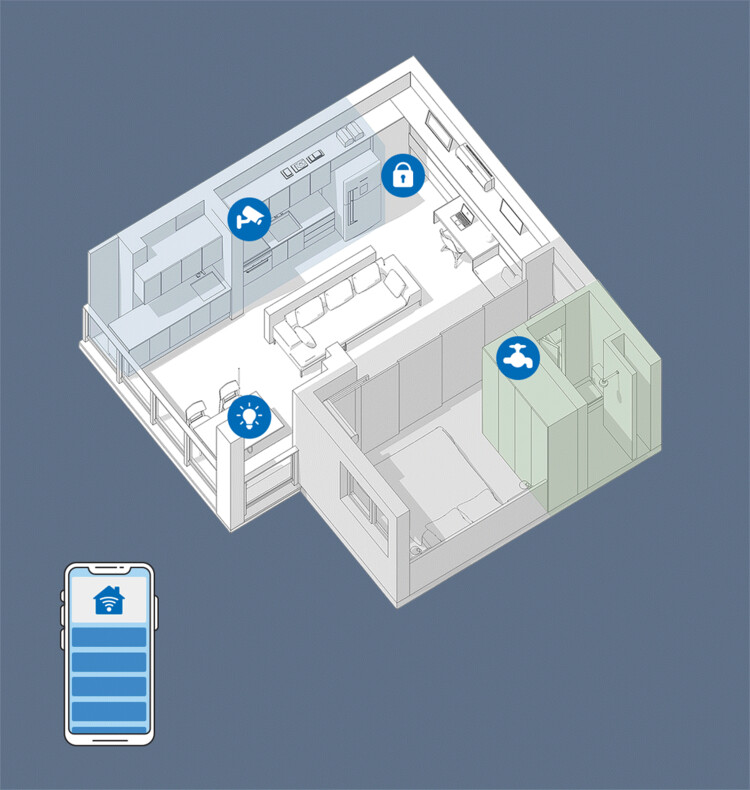
In the future, the Internet of Things (IoT) will play an increasingly profound role in our lives, with devices communicating independently and integrating into our daily routines as smart assistants. As a result, demand for smart home technology is growing in tandem with the range of products on offer. In a recent report, market research firm Statista predicted that this year, approximately 12% of households worldwide will own smart home devices, a figure projected to rise to over 21% by 2025—translating to more than 478.2 million users globally. But which of these devices are actually useful? A selection of outstanding technologies and designs has recently been honored with the 2021 iF Design Award, and here we take a closer look at nine of them.
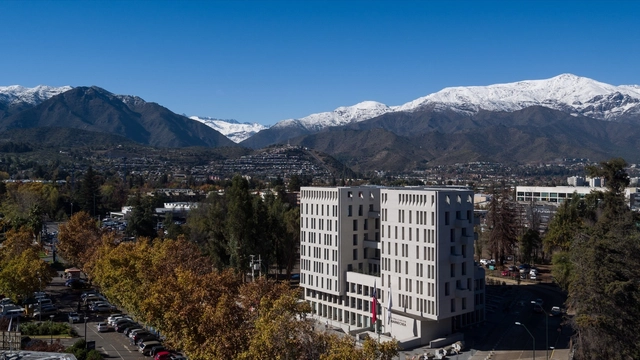
This is not a book about architecture; rather, it is a book about a territory—a territory in Chile, within the Metropolitan Region, shaped by a mountain range, a river, and a valley.
https://www.archdaily.com/1128024/territory-in-a-narrative-lo-barnechea-chronicles-of-its-history-by-miguel-labordeJuan Miguel de la Fuente
Chilean architect Miguel Eyquem, co-founder of the Institute of Architecture of the Pontifical Catholic University of Valparaíso and founding member of the Open City of Ritoque, passed away early this morning, according to social media updates from the Amereida Cultural Corporation - Open City.
On Friday, November 19, 2021, the Official Association of Architects of Tarragona and the Alejandro de la Sota Foundation recognized the team at GCA Architects for their Alzheimer's Day Care Center project, as part of the 12th Tarragona Architecture Exhibition.
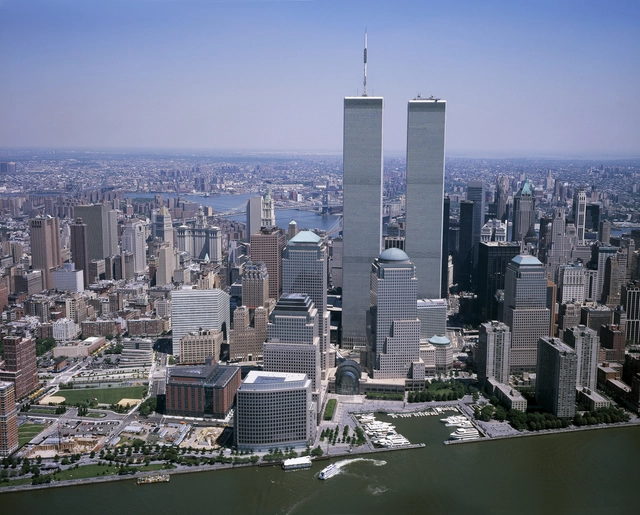
The latest episode of Arquicast addresses one of the most defining and tragic events in recent history—an event that triggered radical political, social, and cultural shifts globally, and centered on an American architectural icon whose symbolism transcended the physical buildings themselves, giving rise to one of the world's most renowned design competitions. We are referring to September 11, 2001, the day a terrorist attack killed nearly three thousand people, injured over six thousand, and brought down the World Trade Center commercial complex, which included New York's world-famous Twin Towers.
"Domingos Libro" is hosted by Carmelo from Enorme Studio. Every two weeks, the series delves deep into forgotten architectural publications, books, and magazines from the '60s, '70s, and '80s, uncovering the fascinating stories behind them.
In this eleventh episode, titled "El Huevo" (The Egg), Carmelo discusses the 1978 book *L'Oeuf* by André Bruyère. An obsession with eggs led the French architect to propose an egg-shaped skyscraper for New York and write this book, which champions the ovoid as a fundamental form.
CAU/RJ has extended the registration deadline for the CAU+Mulheres Awards. Female architects and urban planners now have until November 26 to submit their projects.
Now in its second edition, the CAU+Mulheres Award is one of the Council's initiatives to promote dialogue and increase the visibility of female architects and urban planners across their various fields of work. The award features five categories: Architectural Design; Interior Design; Urban Design; Architectural Design for Emergency Situations; and Theoretical Studies (theses, dissertations, books, and publications).
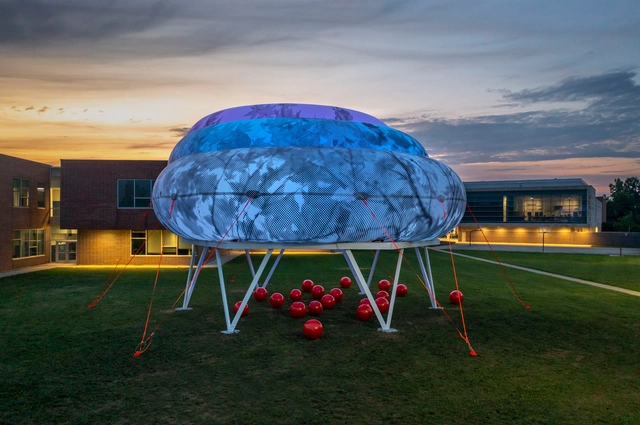
Ecosistema Urbano, one of the winners of the J. Irwin and Xenia S. Miller Prize, has proposed Cloudroom as part of the 2021 edition of Exhibit Columbus in Columbus, Indiana. The installation seeks to rethink public spaces for education by raising awareness about today's environmental challenges. Floating above a wooden structure on Central Middle School's lawn, this inflatable cloud creates a community space with a shaded microclimate for learning, playing, and sharing. By fostering new learning methodologies through direct experience, it offers a welcoming environment suitable for various activities bridging the school and public space.
An ecological approach and a social focus are the two pillars of Cloudroom, an installation designed in collaboration with the students and staff of Central Middle School. The project responds to the theme “NewMiddles: From Main Street To Megalopolis, What Is The Future of The Middle City?", proposed by curators Iker Gil and Mimi Zeiger.
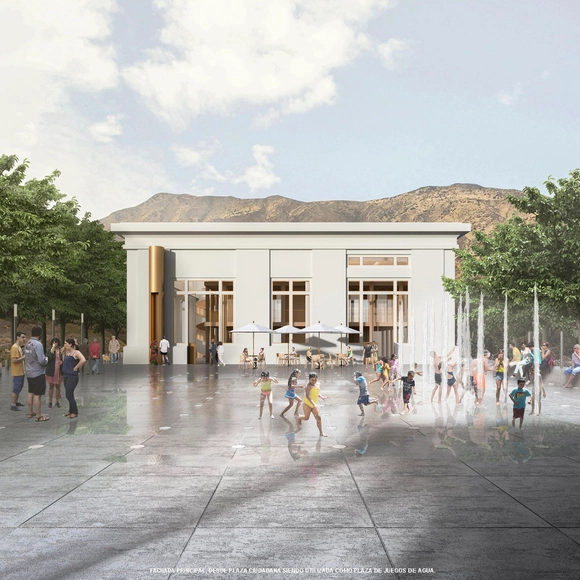
Primer Lugar Rungue. Image Cortesía de Red Trenzando
Trenzando is a territorial cooperation platform based on the reuse of the railway system. It seeks to create greater development opportunities in non-metropolitan areas, strengthening local identities and decentralizing access to knowledge and technologies. To this end, they invited architects, students, and interdisciplinary teams to participate in the architectural ideas competition "Rehabilitation of Railway Stations / Trenzando Network," which aimed to promote the recovery of the architectural heritage of railways in four Chilean localities: Rungue (Metropolitan Region), Ocoa (Valparaíso Region), Yumbel, and San Rosendo (Biobío Region).
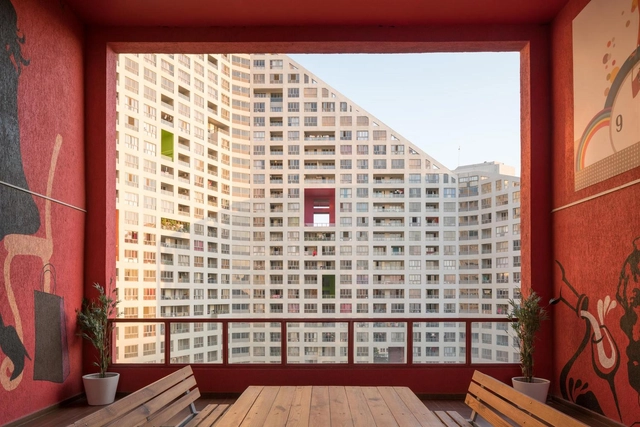
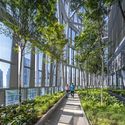
The pandemic highlighted the importance of open spaces with good natural ventilation. Despite their controversial name, elevated plazas and hanging gardens offer spatial solutions that improve thermal comfort and provide social spaces for residents—and, in some cases, the general public—alongside spectacular views.
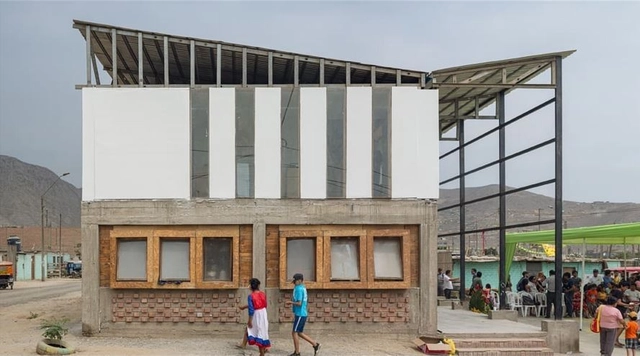
Nuevo Amanecer House of Living Memory. Image via BIALIMA 2021
During the opening of the Lima International Architecture Biennial (BIALIMA 2021), the winners of the "CAP-RL 2021 Architecture for Development Award" were announced. This competition aims to showcase architectural and urban planning practices carried out by collectives and architecture firms on the outskirts of Lima, as well as in its degraded areas, delivering infrastructure and interventions through participatory and community processes that help improve the population's quality of life.