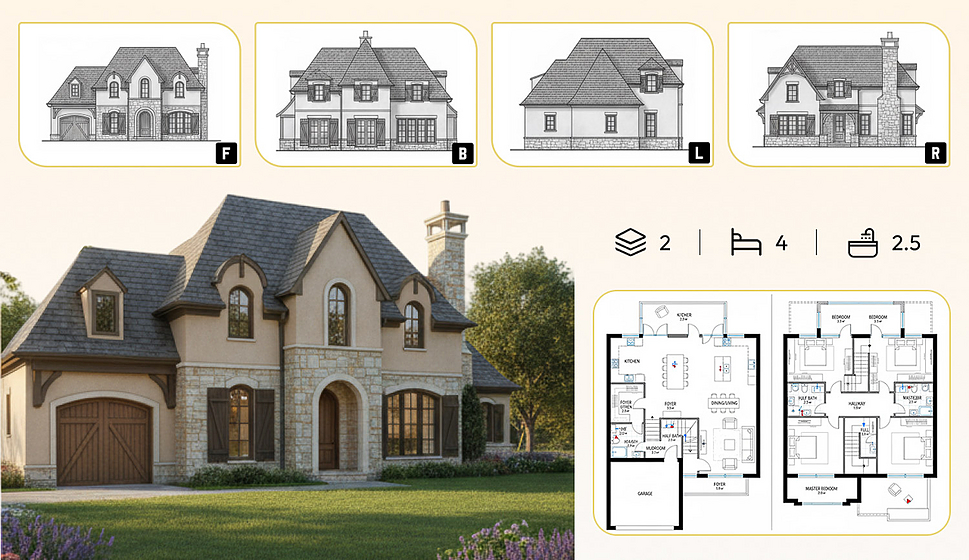
This guide covers a workflow that moves from project parameters to generated floor plans, 3D perspective views, exterior design exploration, and site context visualization, using AI tools in place of preliminary CAD and rendering work.
This guide covers a workflow that moves from project parameters to generated floor plans, 3D perspective views, exterior design exploration, and site context visualization, using AI tools in place of preliminary CAD and rendering work.
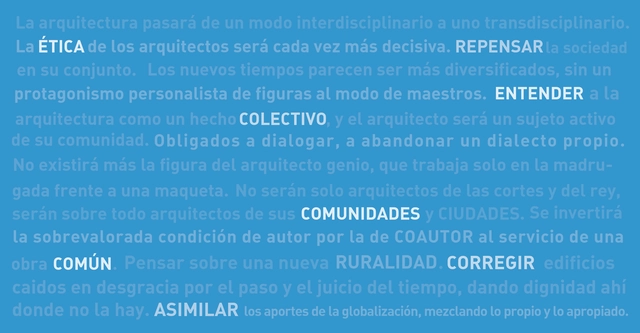
Every now and then, it is inevitable to pause, set everything aside, and simply think about the future. This necessary imaginative exercise—performed countless times throughout the history of fiction—allows us, among other things, to recognize where we stand and understand where we are going. As such, it becomes a relevant and compelling practice to apply to our own transformative and visionary discipline. We proposed this challenge to several Chilean architects, inviting them to speculate not just on the near future—already difficult to navigate in today's liquid modernity—but on a more distant horizon, framed by the question: what will be the role of architects in Chile over the next 25 years?
Their opinions and commentary, emphasizing different facets of architectural practice, share several common threads by connecting current issues and questions relevant to the 21st-century city: the human dimension—the ethical, the collective, the common—and the urban realm, in their relationships and forms of organization.

The Federal District office of Iphan did not approve the project submitted by the Federal District Department of Roads (DER-DF) for the reconstruction of the section of the Eixão Sul that collapsed in February of this year, burying two cars and the tables of a restaurant.
The agency responsible for Brazil's artistic and cultural heritage blocked the proposal, claiming that the DER-DF/Novacap project "significantly alters the original architecture and compromises the architectural and urban integrity and, by extension, that of the Plataforma Rodoviária complex and complementary road system."
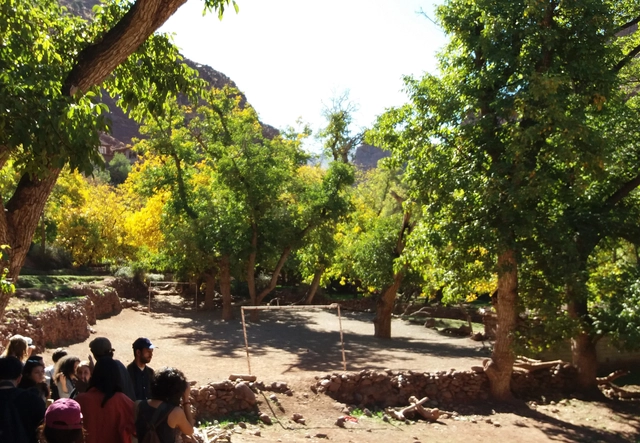

Architects Rafael Pina and Nicolás Maruri, from the ARKRIT Collective, reflect on the soccer fields nestled within the adobe and rammed earth settlements of Morocco's High Atlas. Having barely altered the territory, these spaces integrate and merge into the topography through minimal modifications and actions for a single, simple purpose: to play.
Construction requires mobilizing material resources and human labor, inevitably transforming the territory. Building with what is readily available is a stance that can be driven by ethics, but also by necessity. In either case, the outcome is usually economical and fitting. Resource consumption is kept to a minimum, and adaptation to the environment becomes a natural consequence.

Featuring references to his career, projects, and travels, the Ocupação Paulo Mendes da Rocha celebrates the 90th birthday, on October 25, of Brazil's most important living architect. Through sketches, technical drawings, models, and other materials selected from Mendes da Rocha’s personal archive, curator Guilherme Wisnik reveals some of the architect’s most radical ideas, which use ideology and technique to challenge and subvert colonial mindsets that still echo in Brazilian architectural design.
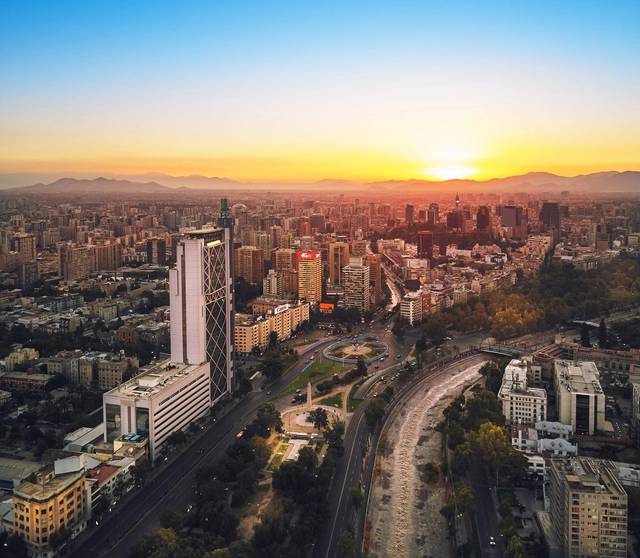
After two editions at the Parque Cultural de Valparaíso, the Chilean Biennial of Architecture and Urbanism will return to Santiago in 2019. On Wednesday, June 6, the Mayor of Santiago, Felipe Alessandri, and the President of the Chilean Association of Architects, Humberto Eliash, signed the official agreement during a ceremony at the Mercado Matadero Franklin, which was attended by city council members, Minister of Housing and Urban Development Cristián Monckeberg, undersecretaries, regional authorities, and other officials.
During the ceremony, organizers confirmed that the 21st Biennial will take place in October 2019, with both the Mercado Matadero Franklin and the Teatro Huemul serving as the main venues for the country's premier architectural event.

The IABsp Awards, one of the most anticipated and competitive honors in Brazilian architecture, revealed yesterday, December 7, the 2018 winners across 14 categories. Over the years, since its first edition in 1968, the IABsp awards have established themselves as an important platform for critique, recognition, and dissemination of national architecture and urbanism, promoting the exchange of ideas and new solutions among Brazilian architects.
In addition to the category awards, the Rino Levi Prize was awarded for lifetime achievement. This year, the honor went to Rosa Kliass for her lifetime body of work in landscape architecture.
Discover the winners in each category below:
James Wright retraces the steps of Walter Gropius in the new documentary Konstruktion Argentina. The film explores various Argentine architectural works, revealing their German influence.
Mar del Plata, Buenos Aires, and Berlin are some of the settings where the journey takes place.
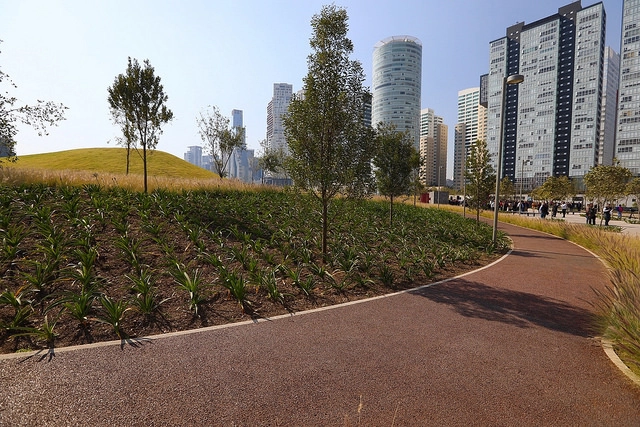
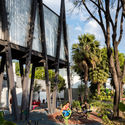
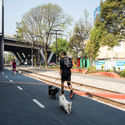
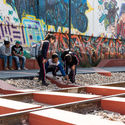
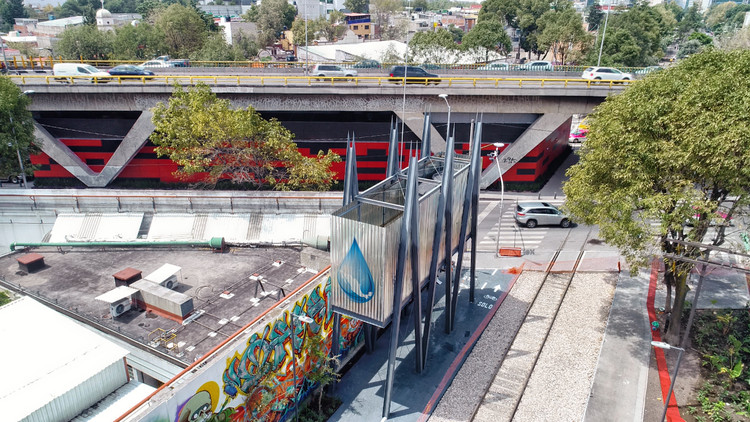
During the Real Estate Show 2018—an event bringing together leading national and international industry figures, and a premier showcase for iconic, cutting-edge architectural projects—La Mexicana park, in Santa Fe, Mexico City, was awarded first place by the Association of Real Estate Developers (ADI) during the sixth edition of the event.

Today, it is estimated that in Brazil alone, 30 million tons of waste are deposited annually in landfills, with São Paulo alone sending 14,000 tons of solid waste to these sites every day. [1] Unsurprisingly, landfills occupy vast tracts of land that continue to expand, posing a critical challenge for nearly every city. But what can be done once landfills reach capacity and close? Is it possible to breathe new life into these mountains of waste? What are the possibilities and necessary precautions?

Since its inaugural edition, the European Landscape Biennial has sought to deepen the discussion on landscape intervention, from both landscape architecture and other disciplines related to its study and evolution. As part of its tenth edition, the awards ceremony for the 10th International Landscape Biennial and the Rosa Barba Prizes was held in Barcelona on Friday, September 28. Over 300 projects were submitted to this edition, resulting in nine outstanding finalists from around the world.

Our team is proud to introduce a new editorial partner for ArchDaily en Español: Paisaje Transversal, a Spanish urban innovation firm. Operating with its own proprietary methodologies, the firm specializes in urban regeneration through initiatives like Sustainable Urban Development (DUS) and currently serves as the National URBACT Point in Spain.
Through this partnership, ArchDaily's Spanish-language network will publish articles authored by the Spanish firm, bringing the ongoing dialogue around urban challenges directly to our readers. Citizen participation, turistification, smart cities, public space, mobility, urban negotiation, and urban planning tools are among the topics we will cover weekly across our Spanish-language sites.

On January 24, 2018, Schmidt Hammer Lassen (SHL), one of the world’s leading architecture practices, formally joined the global design firm Perkins+Will in Shanghai. The strategic partnership will expand SHL’s presence in China and reinforce Perkins+Will's commitment to sustainability and design excellence, combining the strengths of both firms to jointly develop the Chinese architecture market.
Harrison noted: “This partnership is founded on shared values between Perkins+Will and Schmidt Hammer Lassen: design excellence, sustainability, innovation, and the highest standards of client service. We also share a design philosophy, firmly believing that extraordinary architecture is always democratic and serves the greater good. We are aligned at every level.”
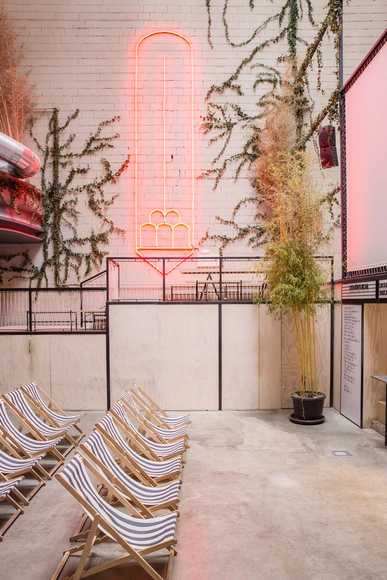
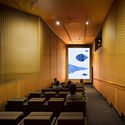
The Official Association of Architects of Madrid has awarded the 2018 COAM First Prize ‘ex aequo’ to the renovation of Sala Equis, designed by architects Lorenzo and Luis Gil (Plantea Estudio), to Espacio SOLO by Juan Herreros and Jens Richter, and to the book Oiza by Javier Vellés.
Regarding Sala Equis, the jury highlighted that the renovation of the former Duque de Alba cinema “equips the available space with contemporary uses, materials, and furniture, balanced with the memory of the existing structure,” and emphasized that it “encompasses the traditional movie theater alongside other activities surrounding this main function.”
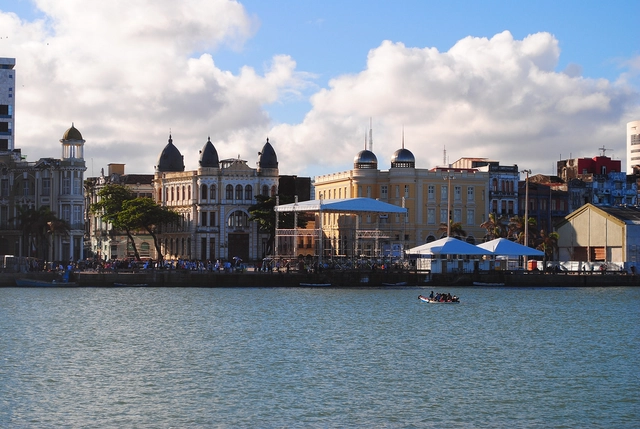
Navigating streets and avenues to get from one place to another is part of the daily routine for anyone living in a major city. Most of the time, it is something done almost automatically, without realizing that behind every street, square, and corner, there is a story.
Recife, the capital of Pernambuco, is one of these places, rich in historic buildings and locations celebrated by great poets and writers.
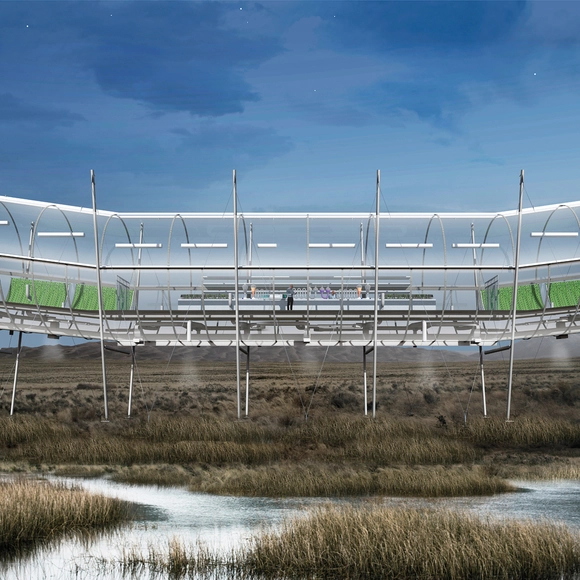
The team comprising Francesca Fuentes, Juan Andrés Hoffmann, and Kevin Gómez has been awarded an honorable mention in the XXXII CAP Chile Competition. Designed for the Tres Puentes Wetland in Punta Arenas, the project, known as "Flores del Humedal" (Wetland Flowers), seeks to generate "a physical link between the isolated territory and society, in order to facilitate interaction, knowledge, research, and conservation," according to the authors.
The competition jury explained that it is a "project that took steel structure to a highly creative level and challenged the program, proposing a new way of observing nature. At the same time, it generates a profound relationship with the territory for wetland observation."


Writing for the Fundación Arquia Blog, architect Enrique Parra outlines the main questions asked by first-year architecture students in Spain, where, despite the ongoing crisis in the profession, it remains one of the most sought-after degrees. This article offers a chance to compare these expectations with the realities and aspirations of students in different countries.
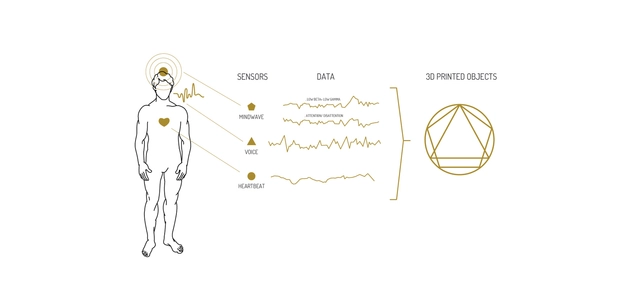
The First Industrial Revolution took place in the United Kingdom in the late 18th century with the mechanization of the textile industry. Over the following decades, instead of making things solely by hand, the use of machines spread across the globe.
The Second Industrial Revolution began in the United States in the early 20th century with the assembly line, ushering in the so-called Era of Mass Production.
Today, we are living through a new industrial revolution, driven by digital culture and technology, with 3D printers serving as one of its key catalysts. And believe it or not, you will eventually own one. As they become increasingly affordable, these machines are capable of printing three-dimensional objects. The most common technique involves depositing and bonding, layer by layer, minute particles of materials such as plastic, ceramic, glass, or metal.
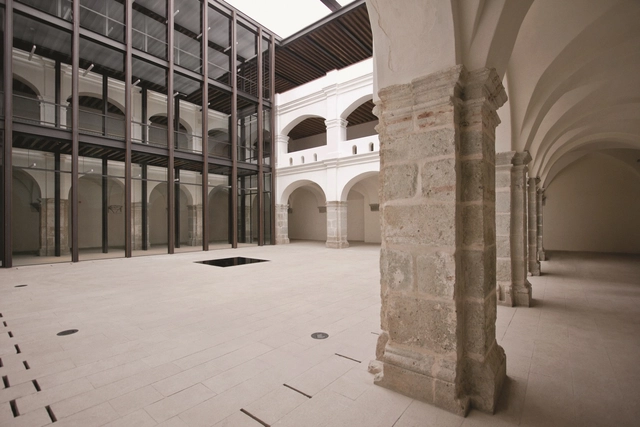
The 16th-century Monastery of Santo Domingo “San Pablo”—located in downtown Oaxaca between Independencia and Hidalgo streets—was recently transformed into the San Pablo Academic and Cultural Center (2012) through a series of interventions by the architecture firm led by Mauricio Rocha + Gabriela Carrillo.
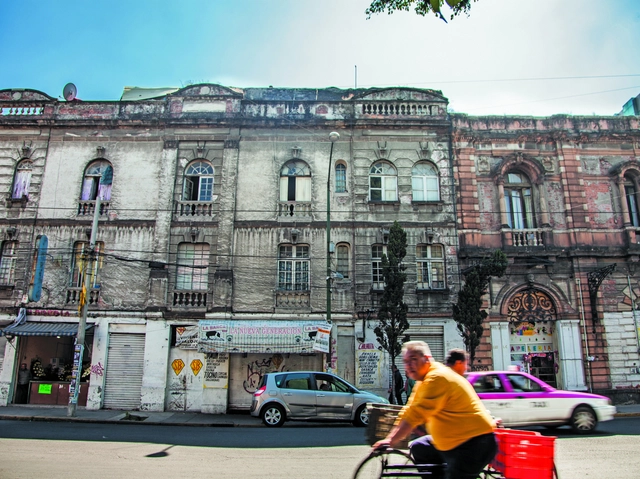
In 2011, an improvement plan for the Historic Center of Mexico City for the years 2011–2016 was presented to UNESCO. Conceived as a joint initiative between civil society, private investment, and the government, the project led to the revitalization of a large part of the historic center and the social and physical recovery of many of the neighborhood's properties.
Mexico City's architectural legacy extends far beyond its Historic Center, and while the initial plan greatly benefited this area, many buildings both inside and outside Colonia Centro remain untouched. Following the 2017 earthquake, damaged buildings joined the growing list of properties already abandoned, vacant, or severely deteriorated throughout the city.
Among these, we highlight those whose rehabilitation and subsequent adaptive reuse would have the greatest impact on their surroundings, given their symbolic, architectural, and physical value.
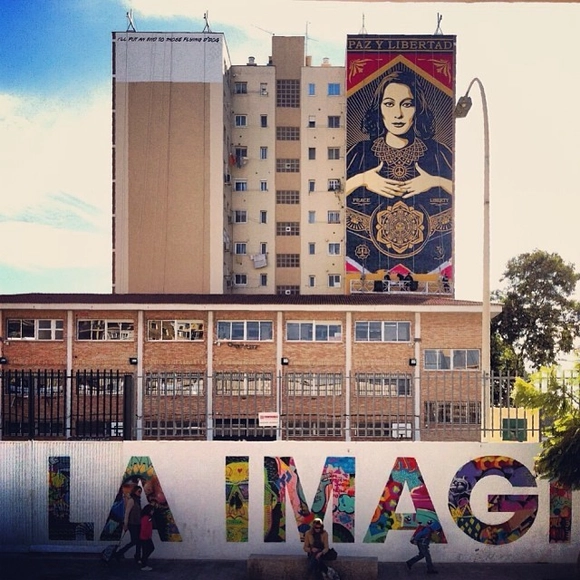
Spain is the European country with the most "Good Practices" recognized by the URBACT program. In total, 17 good practices have been recognized across 15 cities and municipalities throughout Spain. The themes addressed by these municipalities are highly diverse, ranging from the issues chosen for intervention to the methods of implementation and the solutions proposed.
The European URBACT program was established to foster sustainable urban development and urban innovation in municipalities across Europe. As such, any city or municipality, regardless of its size, can participate in the program. Currently, 550 cities from 29 different countries and 7,000 active local stakeholders are participating.
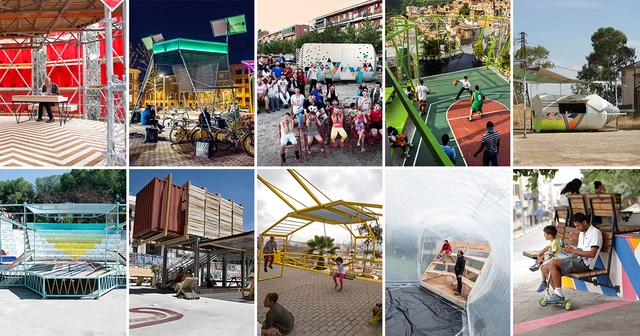
Since the installation of Speculator in 2008 —the year the Spanish real estate bubble burst— the Spanish multidisciplinary collective has been characterized by its collaborative practices, co-production processes, and civic management models. Over ten years, the numbers speak for themselves: 15 countries, 18 agreements, 29 institutions, 43 grassroots organizations, and 96 projects, including Campo de Cebada in Madrid and the La Y Cultural Hub in Caracas (Venezuela), as part of the government project Espacios de Paz.
TXP explains their methodology: "We start with a preliminary diagnosis that allows us to understand the keys, codes, and particularities of each process. We then define a context for collaborative design where the proposal is prototyped based on collective interests."
"In our practice, we propose a dynamic combination of scopes that tailors the project based on available parameters, allowing us to define a consensus-driven model that responds resiliently. We establish frameworks for collective construction that foster learning environments, serving as tools for civic appropriation and empowerment. Finally, we design management models that address the specific needs of each case, establishing protocols for use and maintenance," they add.
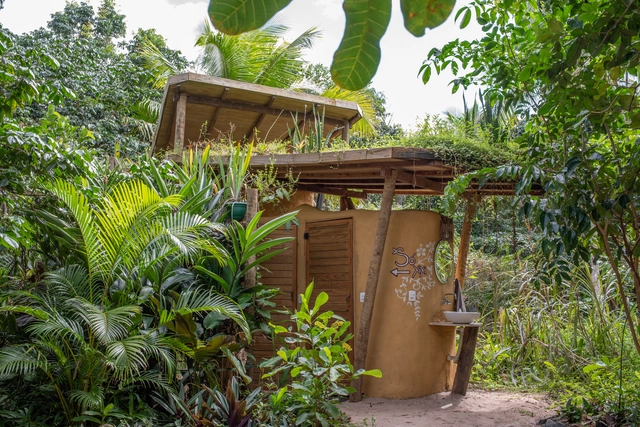
The dry toilet performs all the functions of a conventional toilet without using water, while also producing resources that can be used to fertilize crops and agroforestry projects. With various construction models available, this social technology is far more than just an alternative sanitation system. When approached as a solution within our closed-loop reality, it offers an answer to various public sanitation issues, as this single technology prevents both soil and water contamination.
Operating on the basic principle of using solar heat to raise the temperature inside the waste receptacle—thereby eliminating pathogens and producing fertilizer—ecological sanitation models are highly adaptable. They improve the environmental performance of homes and public spaces, successfully meet demands based on usage, and are easy to construct and maintain.
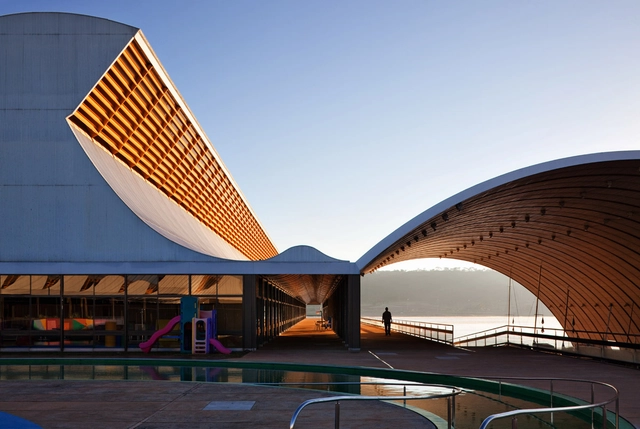
Today, we launch a series of publications showcasing open-access theses and dissertations that address issues relevant to Architecture and Urbanism. We recognized the need to share the remarkable academic output of our universities—which often goes unrecognized—with the widest possible audience.
In this first edition, we present the work of architect Jorge Isaac Perén Montero and his master's thesis entitled "Natural Ventilation and Lighting in the Work of João Filgueiras Lima, Lelé: Studies of the Sarah Kubitschek Network Hospitals in Fortaleza and Rio de Janeiro," advised by Professor Rosana Maria Caram at the São Carlos School of Engineering - EESC/USP.
As is tradition, digital travel platform TripAdvisor has released the results of the 2018 Travelers' Choice awards. These accolades are determined by millions of reviews posted on the website, measuring "the year-over-year increase in positive traveler review ratings," the company explains. Additionally, these cities "have also experienced an increase in search traffic and booking interest" for accommodations.
According to Brooke Ferencsik, communications director at TripAdvisor, the selected cities share the fact that "they all have excellent accommodations, wonderful restaurants, and exceptional attractions for every travel budget."
In South America, six countries are represented on this year's list. Below, discover the ten cities chosen by TripAdvisor users: