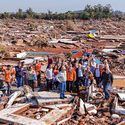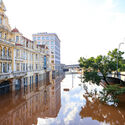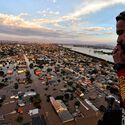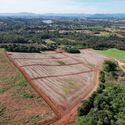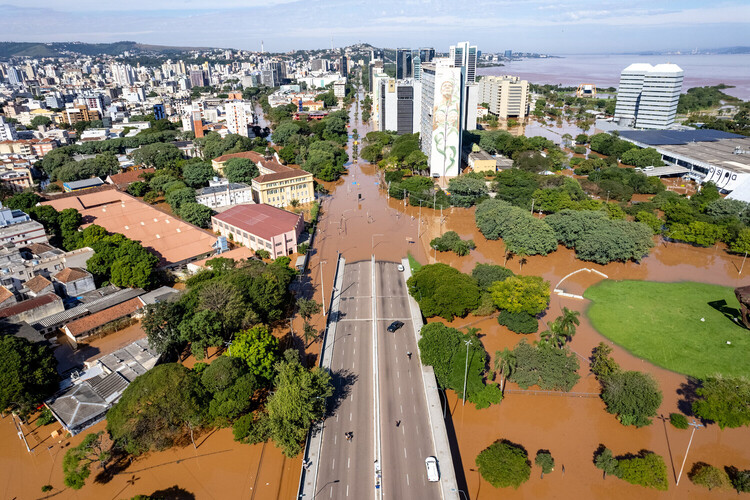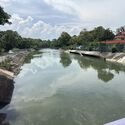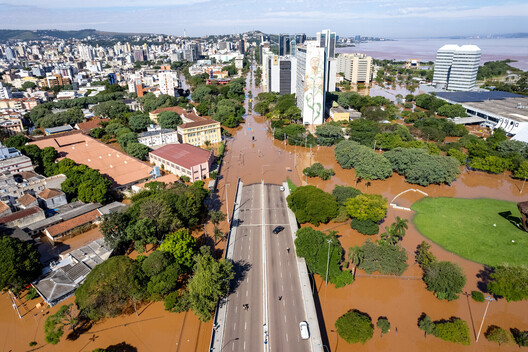
In May 2024, the floods that hit Rio Grande do Sul exposed a contradiction common to contemporary cities. Many were built alongside rivers and shaped by their presence, yet spent decades trying to control water without incorporating its dynamics into urban planning. Extreme weather events will intensify that vulnerability. More than two years later, reconstruction in the Brazilian state has progressed, infrastructure has been restored, and new protection strategies are taking shape. But are these cities rebuilding their relationship with water, or only restoring the systems that failed?
The occupation of flood-prone areas, soil sealing, ecosystem degradation, and reliance on aging drainage systems have increased municipalities' vulnerability. The disaster was not merely hydrological; it also resulted from decades of urban planning decisions that urgently need reconsideration.