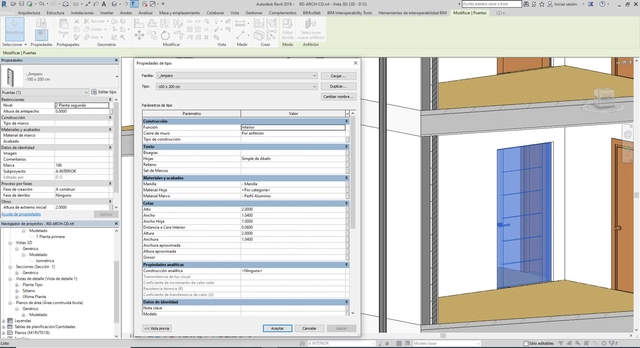
The letter “I” in the acronym BIM (Building Information Modeling) stands for Information, which is manifested through parameters and the customization they enable within Autodesk Revit, thereby building intelligent BIM Objects. This article outlines the different parameters within this modeling tool, focusing specifically on family parameters. Parametric families arise from customizing these parameters, offering a wide range of possibilities for the BIM Model.
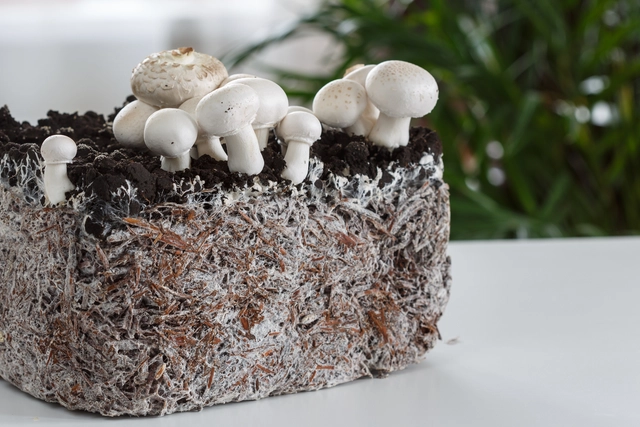
Fungi are everywhere—in the air, in water, on our bodies, on trees, on bathroom ceilings, and underground. They can manifest as mushrooms (including edible, medicinal, psychedelic, or highly toxic ones) or in other simple forms like mold. They can trigger illnesses, but they also produce life-saving antibiotics like penicillin and help ferment excellent cheeses and breads. Could they, then, also become the packaging and construction materials of the future?
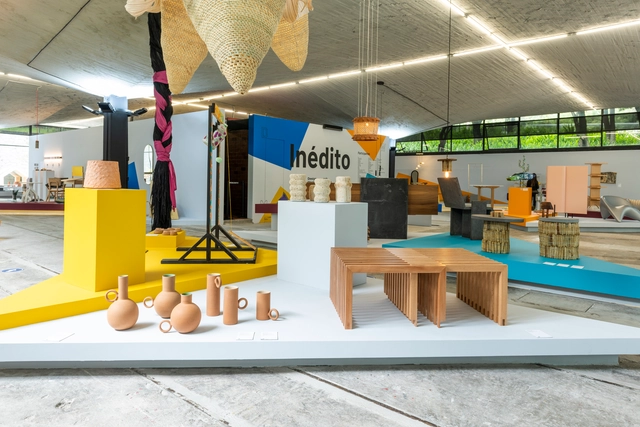
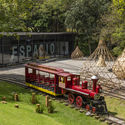
As part of the annual collaborative efforts of the Design Week team in Mexico City, the "Inédito" exhibition opened on October 9 at the Espacio CDMX Arquitectura y Diseño gallery. It marks the sixth consecutive edition of this open call, which aims to support, promote, and showcase utilitarian design projects across several categories: social impact, environmental impact, innovation, function, aesthetics, concept, user experience, materials, and processes. The exhibition is divided into three categories—professional, student, and digital—where, far from competing, participants gain exposure to opportunities in both national and international markets for outstanding design with commercial and production viability.
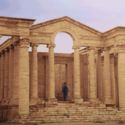
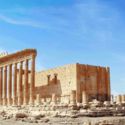
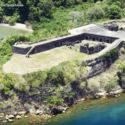
Despite UNESCO's recognition of specific World Heritage sites, many of them remain in constant danger of disappearing due to natural phenomena like earthquakes and human factors such as urbanization. By definition, these landmarks are vital to human history, possessing characteristics that reflect the deepest values of diverse civilizations. Nevertheless, much of the global population has never experienced them in person.
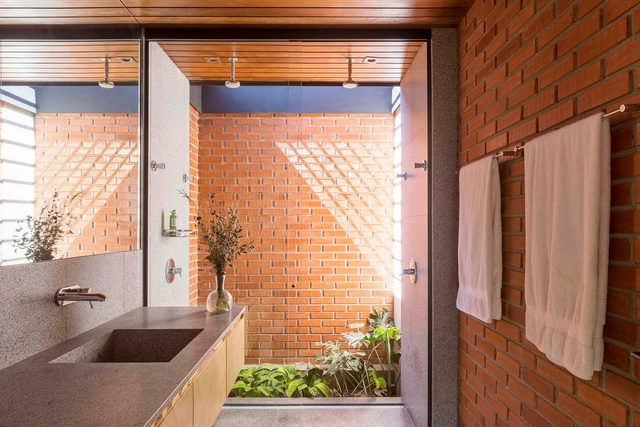
To ensure privacy, windows in bathrooms are typically characterized by their small size and high sills. Yet, natural light, alongside ventilation, plays a crucial role in the health and comfort of these spaces. As a result, seeking a greater incidence of daylight in these interiors expands the design possibilities for their openings.
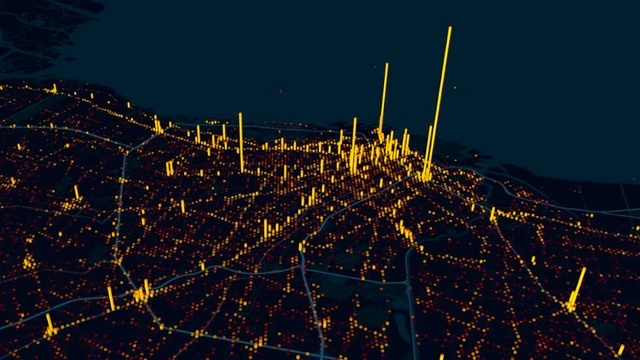
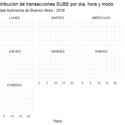
Today, the availability of information and data has vastly expanded our ability to analyze, interpret, and understand life in our cities. In urban planning, some of the most valuable and highly sought-after data for analyzing urban mobility dynamics comes from the use of the SUBE system (the Unified Electronic Ticket System, used in Argentina to pay for public transit). By gathering this information, millions of digital footprints can be aggregated and visualized, allowing us to interpret and anticipate citizen transit behavior. This, in turn, helps us understand urban trends based on the time of day and the day of the week.
Have you ever had to alter an original design due to construction difficulties or budget overruns, yet never because it negatively impacted the environment?
That is why we want to give our readers the opportunity to openly express their views on this matter. If we were fully aware of the environmental costs of materials today, or their potential future consequences, or the real, global challenges that arise during construction, would it change the way we select and create our designs? Would it be easier for us to advocate for our projects to others and fellow professionals?
This medieval city in Croatia was one of the inventors of quarantine and emerged victorious from every major plague humanity has ever faced. Photo: Bigstock, courtesy of Haus
The medieval city of Dubrovnik, in Croatia, boasts many distinctions. Surrounded by ancient walls and a sea of azure waters that enchant visitors, during the Middle Ages it was the only city-state with enough prominence to rival Venice.
Another lesser-known aspect is that the Pearl of the Adriatic, as this Croatian city is known, was the first known European municipality to implement a smart quarantine and to build isolation spaces to combat the major diseases that plagued humanity. This is what archaeologist Ante Milošević and physician Ana Bakija-Konsuo assert in their book "Lazaretto in Dubrovnik: Beginning of Quarantine Regulation in Europe."
Closed playground in Vancouver, Canada. Photo: Rod Raglin / Creative Commons / Flickr
At the time of writing, it is still difficult to envision the post-pandemic world of COVID-19, which spread across the globe in just three months after the first cases were detected in Wuhan, China, in December 2019. Dystopian scenarios of human and economic devastation managed by totalitarian regimes still run parallel to visions of societies successfully returning to the streets with more sustainable and secure patterns for their habits, modes of production, consumption, and social organization. Regardless, there is a lingering sense that the world will never be the same and that we will have to reorganize a significant portion of our collective and individual lives. The global suspension of activities triggered by COVID-19 could point to solutions—not only for the pandemic but also for other pressing crises that have been knocking on our door for some time, notably climate change and persistent, brutal social inequality.
https://www.archdaily.com/1124181/mobility-and-the-pandemic-what-can-we-expect-for-the-future-of-life-in-citiesITDP Brasil
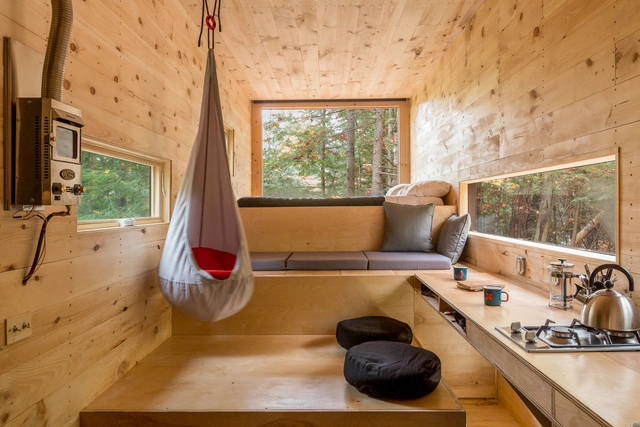
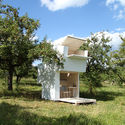
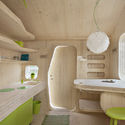
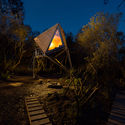
Housing is a fundamental architectural inquiry. How we interact with the spaces we inhabit daily, and the lifestyles we cultivate within them, are constant subjects of debate in the discipline—discussions aimed at achieving a higher quality of life and discovering new ways of living. Beyond this, other contemporary factors—such as real estate speculation, high density in urban centers, the desire for a nomadic lifestyle, or even simply following current trends—have made the discourse around small-scale living increasingly relevant and urgent. Consequently, we must ask ourselves: what is the absolute minimum space we actually need to live?
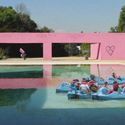
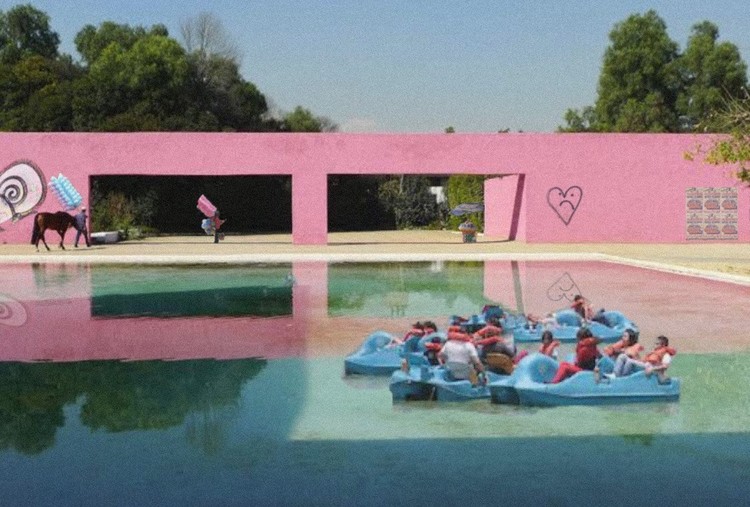
For a long time in Mexico and around the world, the architecture of pioneering Modernist architects like Luis Barragán and Juan O'Gorman, among many others, has been presented as sacred and untouchable to ensure its preservation over time.
The world is changing; it always does, only faster and faster. With it, our profession as architects is also changing, and new market horizons are opening up before us. A new definition of what it means to “be an architect”—one that is both necessary and long-awaited by many—is beginning to take shape, and in this article, I want to help open your eyes so you can join this exciting movement of independent architects.
https://www.archdaily.com/1124194/the-physical-and-digital-future-of-architectsCaterina De La Portilla
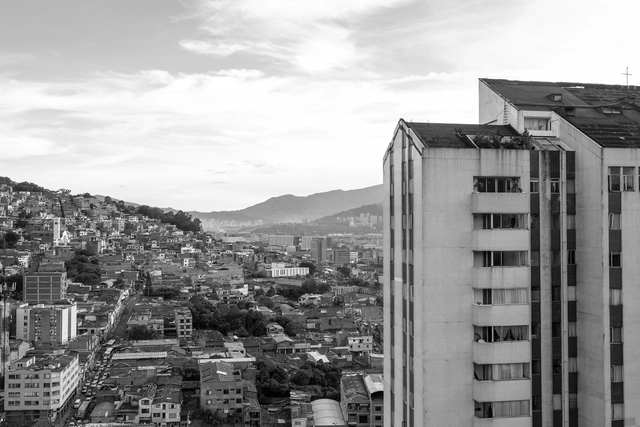
As in most cities, modern architecture left behind landmarks that endure today as exemplary icons shaping the urban landscape and defining each city's identity. One such case is the Torres de Marco Fidel Suárez, designed by architect Eduardo Arango and located in the city of Medellín. Architects and researchers Diego Andrés Agámez Berrio and Daniel Muñetón Muñetón have published a study through the Universidad de San Buenaventura and Editorial Bonaventuriana, investigating the architectural and design compositions of this landmark *paisa* project.
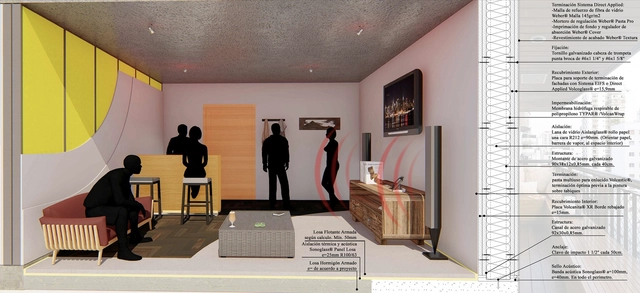
The concern with creating acoustically comfortable environments is not exclusive to concert halls and recording studios. Noise levels generated by various activities can be disruptive, particularly when they occur in our places of rest, potentially even becoming harmful to health.
The latest episode of Arquicast discusses the award-winning and groundbreaking South Korean film Parasite (2019). Director Bong Joon-ho invites us to reflect on the realities and stigmas of a social climate that, despite focusing on a specific culture, is representative of diverse urban contexts, such as those found in South America. Class struggle, after all, is a defining characteristic of modern societies, directly reflected in the spaces they inhabit. In this sense, *Parasite* offers a masterclass on how structural inequalities shape the quality of our built environment.
In 2014, a group of friends from Ciudad Juárez, Chihuahua, driven to contribute to their city's resilience and recovery, came together to dialogue and share ideas for reclaiming streets, plazas, and parks through sociocultural projects and urban interventions in public space. This gave rise to Nómada Laboratorio Urbano. Ciudad Juárez is an industrial city located on the northern border with the United States, directly adjacent to El Paso, Texas. Over the years, Juárez's economy has been dominated by the maquiladora industry; the city was also once considered one of the most violent in the world due to a wave of crime between 2008 and 2012.
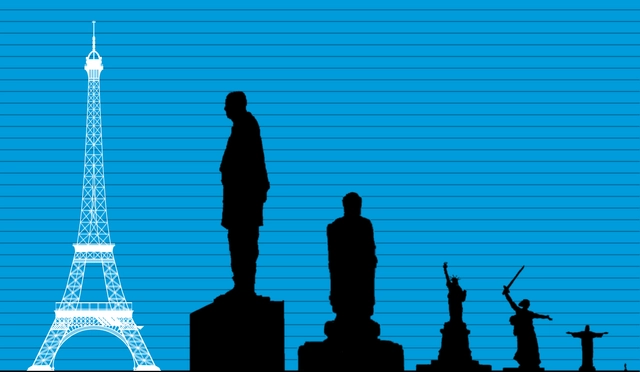
Montage. Sculpture profiles via Wikipedia user: Anna Frodesiak. Licensed under Public Domain CC0 1.0
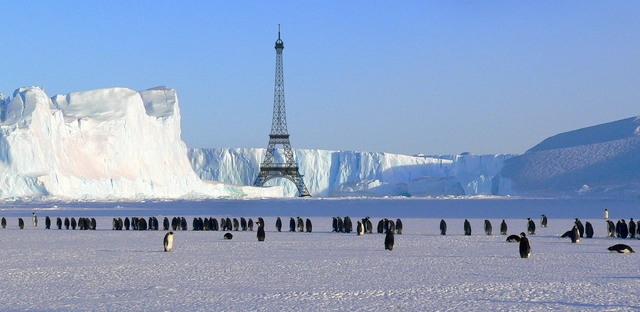
Scattered throughout cities and standing as landmarks in the landscape, what do these statues represent, having driven humanity around the world to pay such singular attention to their size?
In the introduction to the book La casa es una idea, architects Llosa and Cortegana present their professional credo, drawing on several quotes from notable architectural and cultural writers. The tone of this introductory essay persists throughout the brief texts that complement the graphic presentation of 40 houses designed by the firm between 2002 and 2017. All of these were drawn specifically for this publication by José Luis Villanueva, the book's third author, who first explains his analytical work through graphic and three-dimensional representation.
Women gaining a more prominent role in the labor market is an ongoing process, reflecting major historical efforts linked to the struggle for equal rights. While this is a subject of constant discussion and revision—especially considering that the gender spectrum should not be reduced to a simple male-female binary if we are to achieve a coherent and complex understanding of disparity—the relationship between occupation types, earnings, and gender generally continues to point to unfavorable conditions for women.
One of the most critical factors in architectural design is the site's specific climate. While this can present challenges in extreme conditions—requiring insulating materials to adapt to shifting environments—Mexico's privileged climate works in the architects' favor. It allows them to create microclimates and spaces that blur the boundary between indoors and outdoors.
While governments around the world call for “social distancing” and some of them militarize public space through violence and the shattering of collectivity, the Zapatista Army of National Liberation calls to “raise high the banner of the struggle for humanity,” to not lose human contact, and to keep social struggles alive.
COVID-19 arrived in Latin America just over a month ago. Beyond the immense challenges it presents for healthcare and hospital infrastructure, the regional context of poverty, inequality, extractivism, gender-based violence, and racism is deeply alarming, turning this economic and health crisis into a battle for human rights. If there is one thing on which all countries dealing with the virus for months have agreed, it is that the only way to curb the pandemic is by staying home and washing hands constantly. Yet, under the hashtag #ToStayHomeYouNeedToHaveOne, how can one follow these recommendations without a home for shelter? How can more than 34 million people in the continent who lack access to water wash their hands?
https://www.archdaily.com/1124192/the-pandemic-makes-visible-what-has-always-been-there-inequality-and-individualismMariana Ordoñez y Jesica Amescua
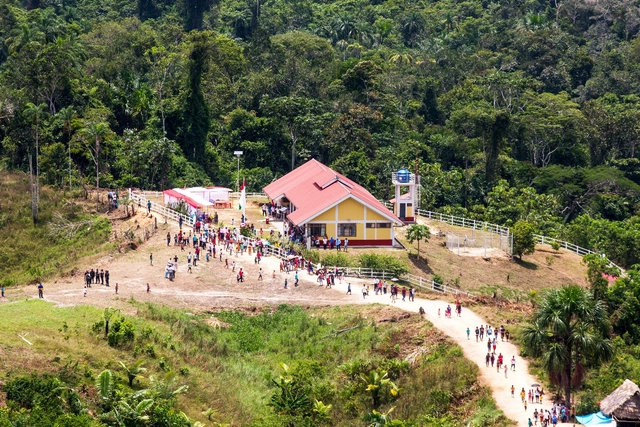
This article by Cristian Yarasca Aybar was originally published in the 11th issue of revista rita_ under the title "El problema de la distancia: las plataformas multisectoriales “tambos” como una oportunidad proyectual sistemática para el territorio rural peruano" [The Problem of Distance: "Tambo" Multisectoral Platforms as a Systematic Project-Design Opportunity for the Peruvian Rural Territory]. The research aims to identify the design potential of the "National Tambo Program" in Peru from a systematic vision of the national territory.
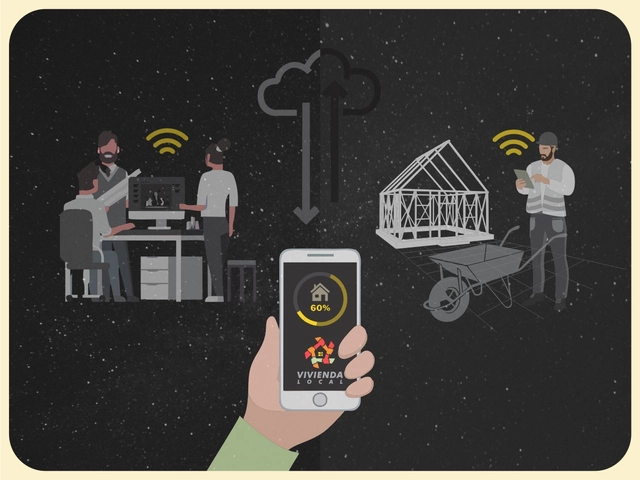
The NGO Vivienda Local, which works through collaborative self-construction in Chile, has launched a website to monitor the progress and stages of its active projects. The platform is designed to streamline operations and enhance communication between the architects using this methodology and the self-building families.
https://www.archdaily.com/1124131/local-housing-a-web-platform-for-assisted-collaborative-self-construction-projectsArchDaily Team

_11.44.10.jpg?1595954667&format=webp&width=640&height=580)

_11.44.10.jpg?1595954667)




.jpg?1583109973 "Cortesía de Martin Alalu")
.jpg?1583109981 "Cortesía de Martin Alalu")
.jpg?1583109965 "Cortesía de Martin Alalu")











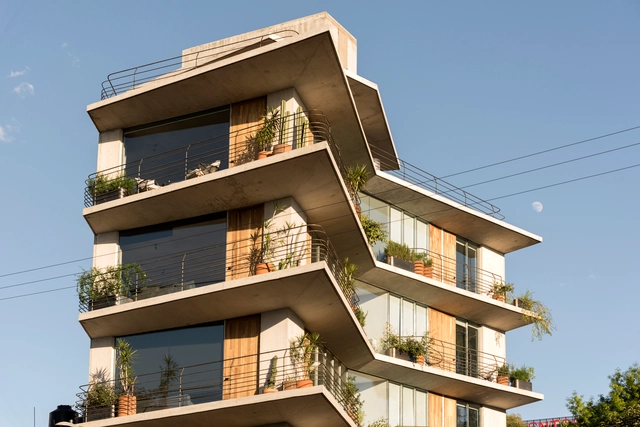
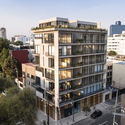
.jpg?1594917129 "MO47 Building / ZD+A. Image © Jaime Navarro")