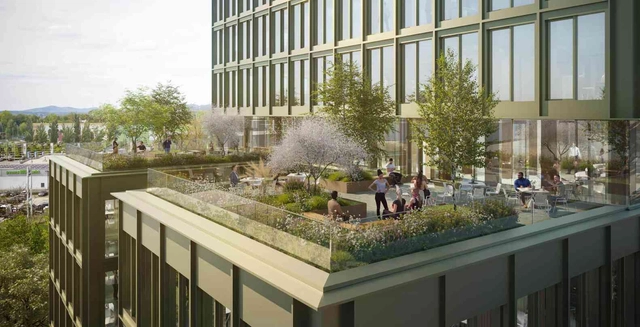
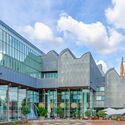
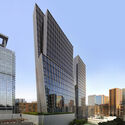
grabowski.spork architektur is designing "The Change," Eschborn, Germany's first timber-hybrid high-rise office building, on behalf of PE Merhenthaler GmbH—a joint venture between Bauwens and Ampure, two of Germany's largest property development companies. The project's BIM process exemplifies how these smart digital workflows contribute to exceptional design outcomes.
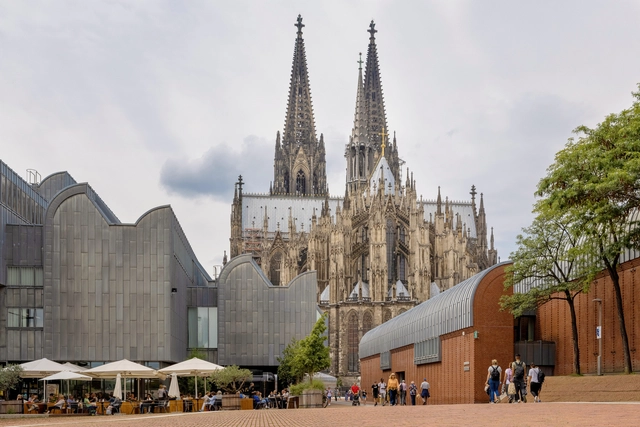
With its culturally and historically rich context, the city of Cologne, also called Köln by its locals, is considered one of the most important centers in West Germany. Nestled on the banks of the Rhine River, the city unfolds its architectural narrative through the interplay between historical landmarks, and contemporary interventions. In the old town, the medieval Cologne Cathedral, a UNESCO World Heritage Site and the tallest cathedral in the world, dominates the skyline. The cityscape is also shaped by the Twelve Romanesque churches of Cologne.
Beyond its historical core, Cologne embraces modernity with structures such as the Kranhaus buildings or Renzo Piano’s Weltstadthaus. The tapestry of architectural styles is further underlined by interventions such as Peter Zumthor’s Kolumba Museum, integrating the ruins of a late-Gothic church destroyed during World War II into a tranquil space dedicated to the contemplation of art and history.
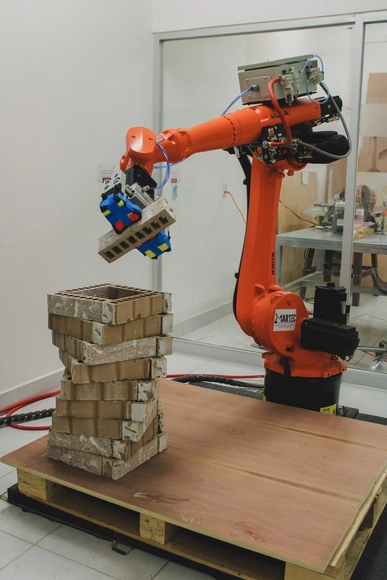
The relationship between man and machine has long been a complex and nuanced one, especially for modern artisans. While machines are often seen as tools that can enhance productivity, the comparison between human hands and mechanical efficiency can be misleading. Machines, with their ability to perform tasks with precision and without fatigue, can overshadow the unique qualities that define human craftsmanship.
Unlike machines, humans are inherently imperfect, and it is this very imperfection that fosters creativity and self-expression. When a person repeats a task with their hands, they do so with a rhythm, guided by an awareness and an understanding that transcends mere mechanical repetition. This rhythm is not just a physical pattern, but a reflection of the unity between the mind, hand, and eye—a connection that machines cannot replicate. The act of making, with all its subtle variations and imperfections, is what imbues human work with meaning and value.
https://www.archdaily.com/1022074/roboceramic-humans-vs-machines-or-humans-with-machinesDinorah M. Schulte
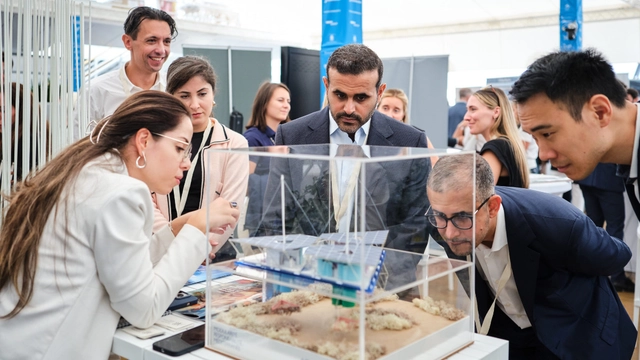
Organized by Monaco Marina Management (M3), the 4th edition hosted on September 22nd & 23rd at the Yacht Club de Monaco, has brought together 250 maritime industry professionals alongside worldwide investors and innovators to encourage the development of virtuous marinas. With the common goal to modernize and make maritime infrastructures more responsible, this annual networking gathering demonstrates how sustainability is becoming a true driver of change by connecting the whole marina ecosystem and promote the development of efficient & attractive marinas.
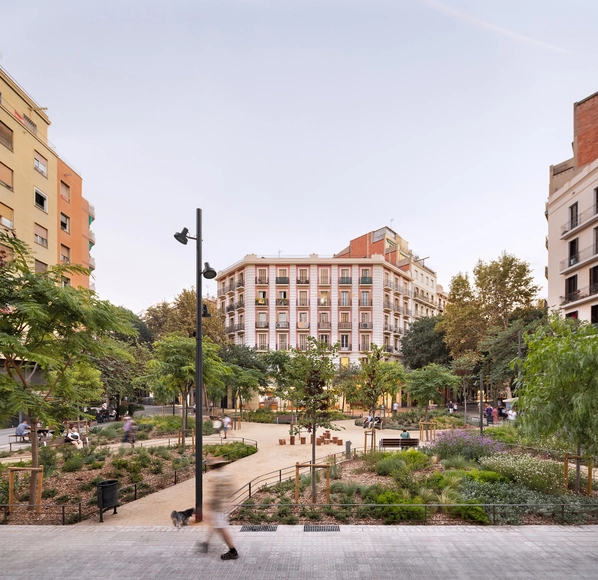
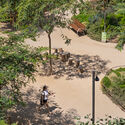
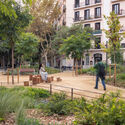
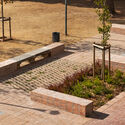
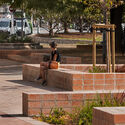
What is urban renaturalization? How is it possible to reintegrate nature into the urban environment? With increasingly limited access to nature for the population and growing exposure to environmental hazards such as noise or air pollution, resource scarcity, climate change, and more, the development of "renaturalized" spaces in cities is seen as a tool capable of improving the quality of life for citizens and designing spaces for gathering, resting, and leisure areas for the common good, while also balancing urban development with biodiversity and the benefits of ecosystems. One of the many architecture firms involved with this concept is 08014 arquitectura, based in Barcelona, which, through its Plaza-jardín Rocafort and Paseo Comte D'Ègara projects, aims to revitalize certain urban areas, paying particular attention to improving the quality of life for citizens and their connection to the natural environment.
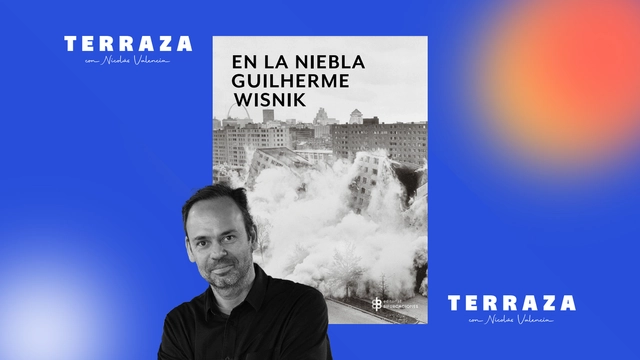
This week on the TERRAZA podcast, Nicolás Valencia talks with Brazilian architect and critic Guilherme Wisnik about his book En la niebla (Editorial Bifurcaciones), a series of essays where fog serves as a metaphor for the state of uncertainty in today's world, weaving together contemporary debates on space, art, and politics.
https://www.archdaily.com/1078849/guilherme-wisnik-in-an-ephemeral-world-architecture-has-to-become-an-imageArchDaily Team
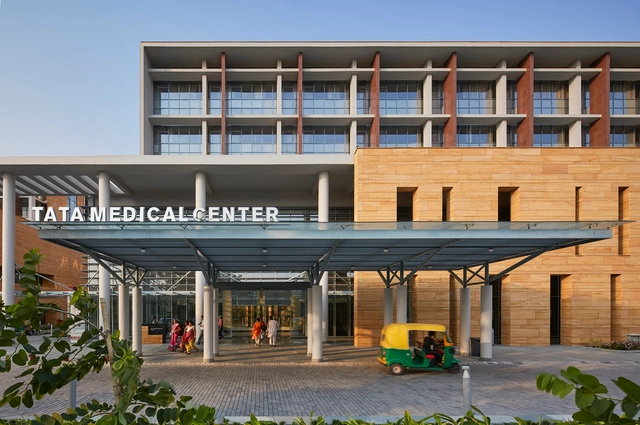
In a nation as diverse as India, the healthcare landscape presents wicked problems and plentiful opportunities. The country's hospital infrastructure has been increasingly strained in the areas of accessibility, quality, and equity, especially with a snowballing population growth. While urban development expands amidst these constraints, architects have been able to position innovative design solutions as mediators, also sealing the gap between urban and rural healthcare quality and accessibility in India.
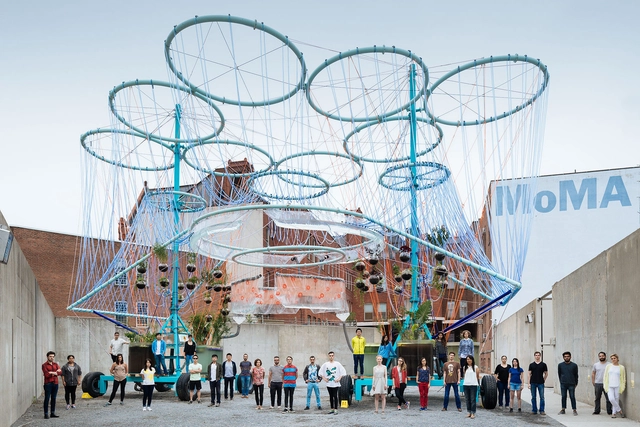
How do societies support and nurture emerging architects? Young architects are heavily influenced by their formal education and initial exposure to the industry. Various organizational systems across regions, whether passive through environmental factors or active via tangible benefits, are in place to assist them in entering the field. However, it's worth questioning how often we reflect on these established support systems. Are they effective in fostering well-rounded professionals, or do they unintentionally reinforce certain biases in how architecture is practiced?
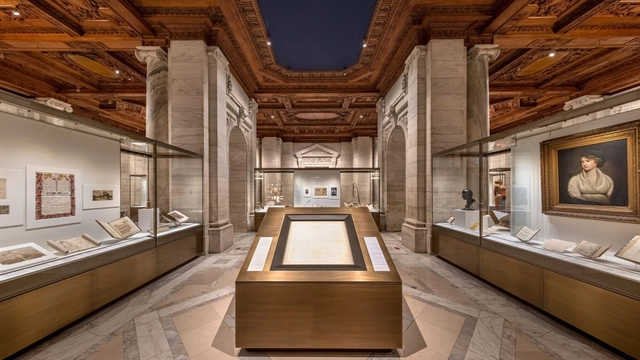
Before the emergence of AI, the internet, and TV— books and manuscripts were the primary vessels of knowledge. These artifacts, now echoing voices from the past, have played a fundamental role in shaping our shared legacy. A pivotal moment in this evolution came in the 15th century with Gutenberg's invention of the printing press, which revolutionized access to information and laid the groundwork for the democratization of knowledge. As a result of their historical and cultural significance, many early manuscripts and incunabula (books printed during the earliest period of typography) have been preserved in libraries and often remained in the shadows.
Worldwide, libraries have started unveiling these collections to the public, driven by a growing openness to showcase their 'treasures'. This allows a broader audience to appreciate the richness of these historical materials. While this effort fosters a deeper understanding of cultural heritage, it also introduces several challenges. One of the most critical is preservation, which must be carefully balanced with functional considerations. Key decisions include selecting and designing display case solutions, such as those from Goppion, that harmonize with the interior design and layout while providing effective protection.
https://www.archdaily.com/1021983/from-vault-to-exhibition-the-role-of-display-cases-in-the-worlds-librariesEnrique Tovar
Rural environments are often difficult to define in administrative and professional contexts and carry notable biases and complexities. Population and density thresholds are the most common determinants for drawing administrative boundaries, yet other factors, such as infrastructure, employment, and services, contribute to the characterization of rural environments. In the United States, the Census Bureau defines rurality, not by its characteristics or resources, but by absences, as "any population, housing, or territory not in an urban area." For the design and planning community, it is important to define the future of rural environments, not through the metrics of urban resources or infrastructure, but to design a new framework for flexibility, adaptation, and health.
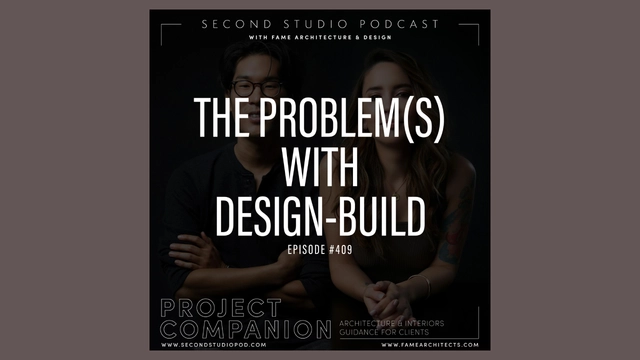
The Second Studio (formerly The Midnight Charette) is an explicit podcast about design, architecture, and the everyday. Hosted by Architects David Lee and Marina Bourderonnet, it features different creative professionals in unscripted conversations that allow for thoughtful takes and personal discussions.
A variety of subjects are covered with honesty and humor: some episodes are interviews, while others are tips for fellow designers, reviews of buildings and other projects, or casual explorations of everyday life and design. The Second Studio is also available on iTunes, Spotify, and YouTube.
This week David and Marina of FAME Architecture & Design discuss the Design-Build model of home construction. They cover the definition of the Design-Build model; lack of licensed architects in Design-Build companies; efficiency and economy; quality of construction; how costs are lowered; lack of transparency; who should / shouldn't engage with Design-Build companies; and more.
https://www.archdaily.com/1022287/the-second-studio-podcast-the-problem-s-with-design-buildThe Second Studio Podcast
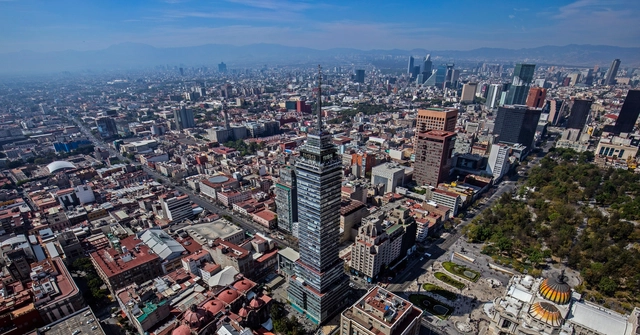
Thousands of years ago, a chain of volcanoes and hills formed a valley that became home to five lakes. According to indigenous mythology, this area served as a key reference point for the founding of the ancient Tenochtitlan, marked by the signal of an eagle perched on a cactus, devouring a snake. At the height of its splendor, the city was organized within an intricate system of causeways, many of which still serve as main thoroughfares, along with canals connecting the five water bodies. Over time, events such as colonization, independence, revolution, and modernization transformed its structure and name, leading to what is known today as Mexico City.
https://www.archdaily.com/1022469/mexico-city-a-bustling-evolving-metropolis-built-above-five-lakesEnrique Tovar
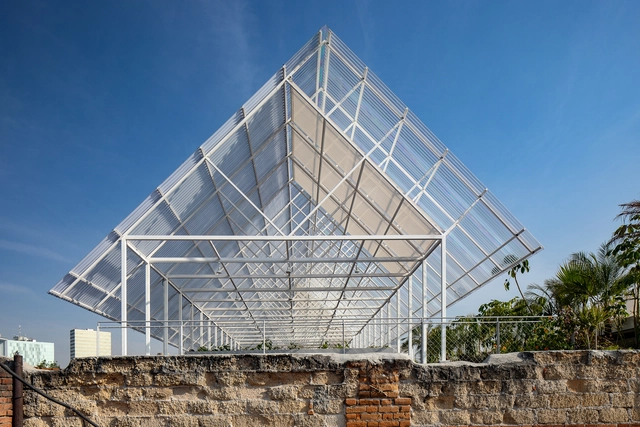
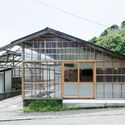
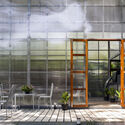
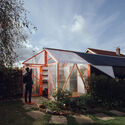
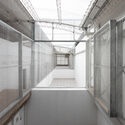
Polycarbonate, commonly used in roofing and industrial cladding, has gone beyond its initial applications to become a material widely used across various architectural typologies. Its combination of strength, lightness, easy installation, and ability to allow natural light to pass through has made it an attractive option for residential,educational, and even cultural architecture projects. In homes, polycarbonate not only helps create bright and comfortable environments but also allows for creative use of translucency to generate private spaces without sacrificing visual connection to the outdoors.
'You are the company you keep' goes the old expression. Meaning those who you choose to associate with say a lot about your own character.
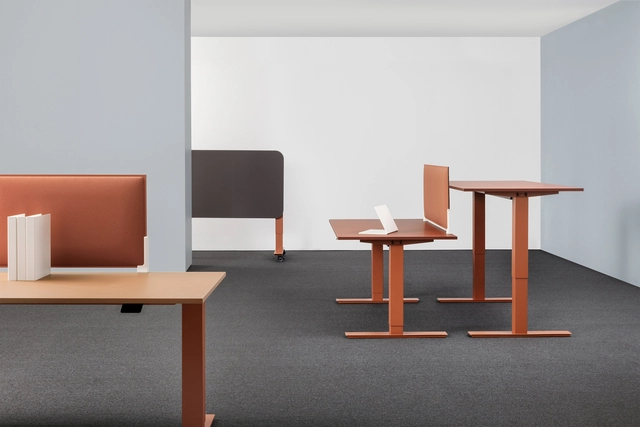
Measured against this adage, Brescia-based company Mara's stock would appear to be up. The Made-in-Italy brand, which has long specialized in producing systems and furnishing elements that feature strong technical components, is enjoying a renewed identity, as it pivots from a dyed-in-the-wool office manufacturer to one that responds to both work and residential. And the external design collaborators it has engaged of late speak volumes about the level of its ambition. AMDL CIRCLE and Michele De Lucchi, Christophe Pillet, Ferruccio Laviani and Marcello Ziliani each bring with them an indisputable wealth of design expertise and award-winning output.
Marie Combette and Daniel Moreno Flores founded La Cabina de la Curiosidad in 2019, a studio focused on architecture and territory based in Quito, Ecuador. Their architectural approach is based on extensive fieldwork, with an urban and territorial perspective that prioritizes the use of available resources, water management, and recycling. They use drawing and mapping as essential tools to materialize their ideas and transform them into spaces. The name of the studio evokes a "trunk" turned into a cabin full of curiosities that invite exploration of various possibilities. This trunk is nourished by everyday experiences, derived from simple interactions with the city or the environment, which triggers a creative process continually fed by experimentation and daily discovery, unafraid of the unknown.
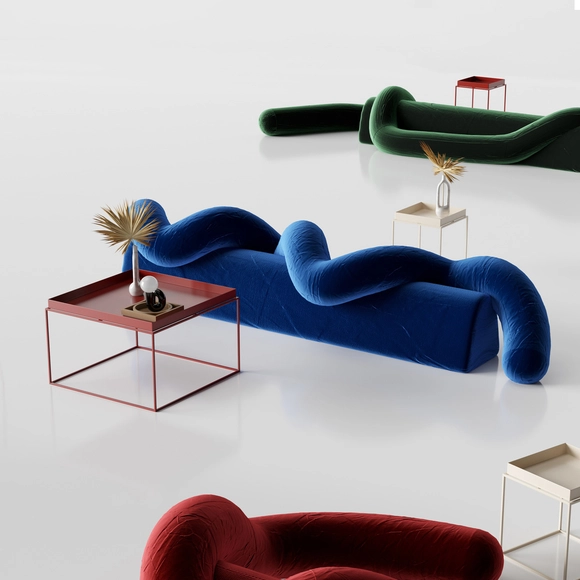
Hot Hot Sofa by Jun Wang. Image via A' Design Award & Competition
The word on the street is that the latest winners of A'Design Award have thrown convention out of the window. True to form, we're here to spill the tea on some of the most daring that made the cut.
Picture this: a stage set for creativity, where the world's sharpest minds in design gather to present their finest work. The A'Design Award is just that–a grand international showcase that celebrates the brilliance of designers, architects, and innovators from every corner of the globe. It's not just another award; it's an opportunity to have your work showcased on a truly global scale.
In the post-pandemic era, an oversupply of underutilized churches is a growing reality. Besides offering explorations in adaptive reuse, what does this trend say about modern spirituality? Have humans lost interest in the sacred? In a recent article on Common Edge, Duo Dickinson addressed this concern by claiming that "the cultural change that is causing the abandonment of churches does not end the human search for the sacred."
While correctly stating that no formula can turn architecture into "the holy," he seemed to indicate that a new spirituality might still be found in architectural form. As we consider what changing forms of sacred space mean for the modern era, looking for a revitalization of spirituality through architecture alone risks a repeat of an error made in the last century: expecting too much of aesthetics.
The Pantheon in Rome is a true architectural masterpiece and holds the title of the largest unreinforced concrete dome in the world. Among its most remarkable elements is the central oculus — an 8.2-meter-wide opening at the top of the dome that allows natural light to enter. This creates a dynamic play of light and shadow that shifts throughout the day, enhancing the grandeur of the structure. Beyond its practical function, the oculus establishes a symbolic connection between the earthly and the divine, reflecting the Pantheon's original purpose as a temple dedicated to all gods. In fact, toplighting, which introduces natural light from above through skylights, domes, or other upper openings, contrasts with traditional windows, which capture light horizontally. By capturing direct sunlight, toplighting provides soft, diffuse illumination, creating more welcoming environments with better energy efficiency and a positive impact on mood and productivity.
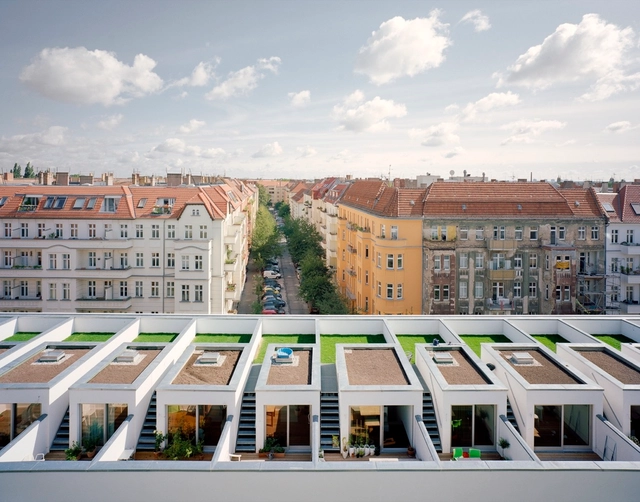
Designing a typical residential building rarely involves its future residents. Often created by property developers in response to predefined market demands, the projects are rarely optimized for livability. An emerging development system that began in Germany aims to change this dynamic and reposition the residents at the core of the new housing developments. The Baugruppe system, German for "building group," proposes an alternative approach to housing that allows groups of individuals to come together to design and construct their residential spaces, bypassing traditional developers to create personalized and sustainable living environments.
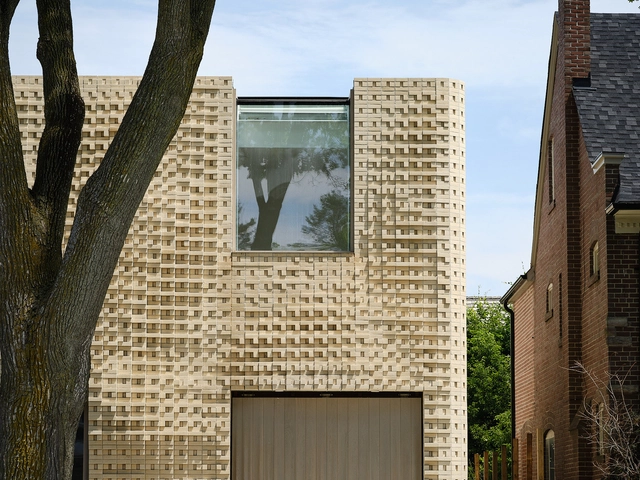
Canada's climate is known for its dramatic contrasts, ranging from frigid winters to hot summers. Large metropolitan areas such as Toronto, Montreal, and Vancouver experience a variety of extreme weather conditions: heavy snowfall, ice storms, and freezing temperatures are common. In some cases, temperatures can plummet to below -30 degrees Celsius, especially in cities like Montreal or Quebec. In turn, this weather creates certain challenges for architects and engineers when designing with certain materials. In this context, brick remains a popular construction material not only because of its relatively low thermal conductivity, making it a good insulator during the winter but also because of its connection to the country's architectural heritage.
While brick was once a primary load-bearing material, its role has shifted in modern architecture to being used predominantly for non-bearing walls and exterior cladding. This allows architects to experiment with brick as a texture and design feature, rather than focusing on its structural capabilities. Even though the climate does influence material choices, brick's historical significance and its ability to create intricate textures and patterns in facades make it a compelling choice for contemporary projects across Canada. Modern architects are constantly finding new ways to reinterpret this classic material, exploring various bond layouts and surface textures that add aesthetic richness while ensuring the buildings remain resilient to extreme weather conditions.
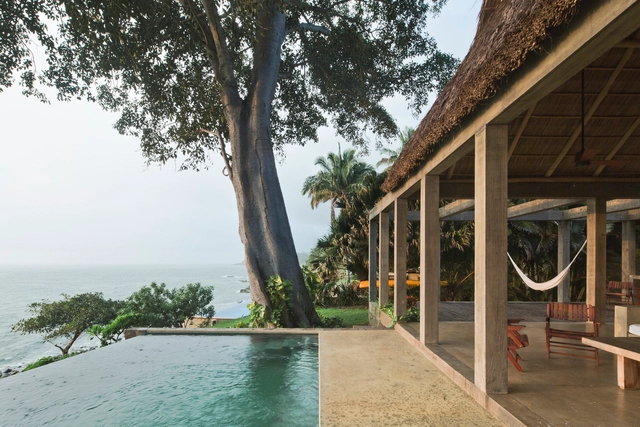
Harmonizing with nature is a fundamental premise in architecture, aiming for buildings to be an extension of their environment rather than invasive elements. Frank Lloyd Wright, for instance, maintained that a house should not be placed on a hill, but rather merge with it. Today, this integration has gained greater relevance, driven by the growing need to manage resources and a deep desire to reconnect with the environment. Moreover, this contextual relationship manifests on a sensory level, where visual and tactile elements fuse with the landscape, creating an immersive experience through architectural features that blend with nature.
These spaces include bathrooms, courtyards (both indoor and outdoor), and even swimming pools, all characterized by their inherent connection with water, where finishes—depending on texture and color—can achieve a visual and compositional harmony with the surroundings. A prime example of this is the variety of stones offered by Sukabumi: materials featuring low water absorption, high durability, ease of cleaning, and slip resistance. Through combinations of different tones, sizes, and textures, these stones become a powerful resource for creating organic and welcoming atmospheres through materiality.
https://www.archdaily.com/1078797/stone-cladding-that-blends-with-nature-the-rise-of-quartz-and-basaltEnrique Tovar
Barragán, Bofill, Graves, and Le Corbusier are architects renowned for their exceptional and sensitive use of color. In their approaches, color takes on an importance comparable almost to functionality, achieved through a nuanced and comprehensive perception of their context. But what is color? From a technical standpoint, it is a visual perception that arises from the interaction of light with our eyes and brain. However, when we explore its meaning on a more emotional and poetic level, it takes on a deeper significance. For Ricardo Bofill, color infuses life into architecture, while for Charles-Édouard Jeanneret, —better known as Le Corbusier—, it serves as a powerful tool to evoke emotions and create spatial illusions.
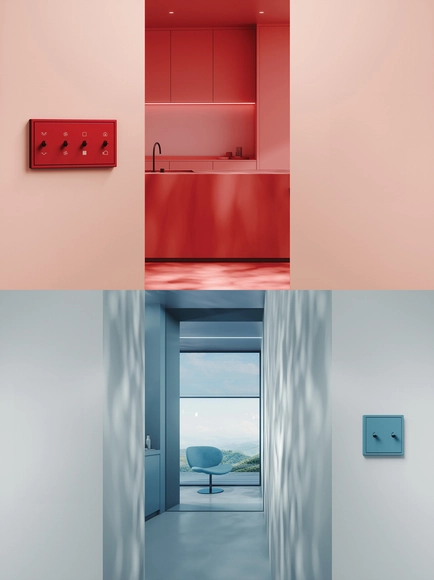
In 'Polychromie Architecturale' Le Corbusier argues that color is not only a decorative element but also a fundamental tool for creating environments and enhancing the functionality of architectural spaces. This idea, developed between 1931 and 1959, is articulated around a system composed of a range of colors, where each tone has its relevance and contributes to creating atmospheres that transcend mere architectural design. An example is JUNG's LS 1912 toggle switch range, which combines classic design with advanced control options and showcases the diverse hue variants of the 63 colors in Le Corbusier's color system.
https://www.archdaily.com/1021935/smart-and-retro-advanced-toggle-switches-harmonized-with-le-corbusiers-color-systemEnrique Tovar
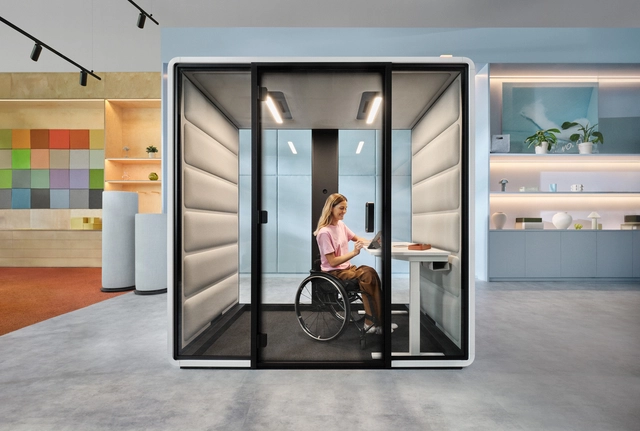
Ergonomics is a layered focus that promises happier, and more efficient employees. It is material, acoustic, and cerebral, necessitating highly creative solutions that improve many dimensions at once. The Hushoffice team is pleased to highlight a few considerations toward the aim of better ergonomics, offering their hushFree booths as strong supports, now equipped with the intuitive hushAssistant system.