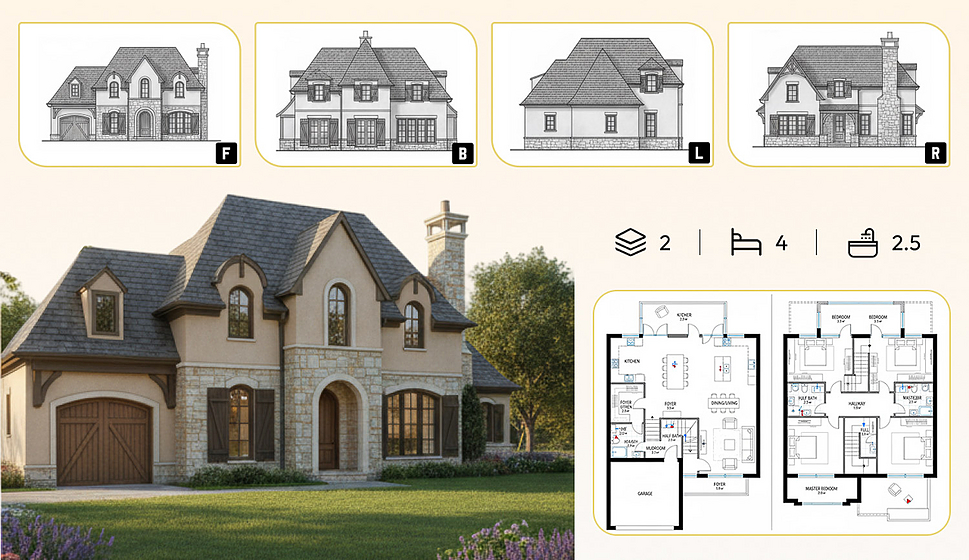
This guide covers a workflow that moves from project parameters to generated floor plans, 3D perspective views, exterior design exploration, and site context visualization, using AI tools in place of preliminary CAD and rendering work.
This guide covers a workflow that moves from project parameters to generated floor plans, 3D perspective views, exterior design exploration, and site context visualization, using AI tools in place of preliminary CAD and rendering work.
To showcase the valuable output of Argentine universities, for the third consecutive year we launched an open call inviting our Argentine readers to submit their final thesis projects, sharing the work that launched their careers as newly minted architects.
After receiving more than 60 submissions from various Argentine architecture schools and cities, our editorial team selected nine projects, focusing on those that demonstrated critical thinking toward contemporary issues, formal resolution, and representation. The selection not only recognizes those projects that delivered the best possible architecture through simple design suited to their context, program, and users, but also highlights those showing a strong commitment to human scale, mediation, transition, and new ways of approaching urban architecture. This edition's jury was composed of Fabian Dejtiar, Managing Editor of ArchDaily en Español; Mónica Arellano, Editor of ArchDaily México; and Delia Bayona, Editor of ArchDaily Perú.
Read on to explore the selected projects in detail.
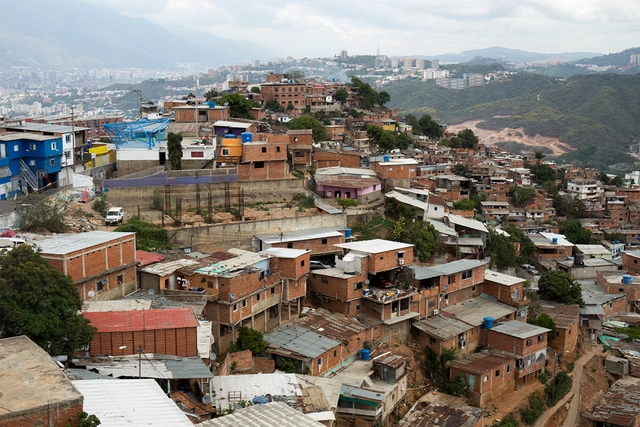
In this installment, as part of the series of articles by Nikos A. Salingaros, David Brain, Andrés M. Duany, Michael W. Mehaffy, and Ernesto Philibert-Petit, we examine the importance of design sequences and generative codes in social housing in Latin America. Explore all previous publications and the new article below.

Mexico City’s vecindades (traditional tenement housing) are urban settlements located primarily in the downtown area. According to the National Institute of Anthropology and History (INAH), these buildings first emerged in the late 18th century, though their peak occurred during the 19th century as a result of rapid population growth, serving to provide affordable housing for the city's most marginalized sectors.
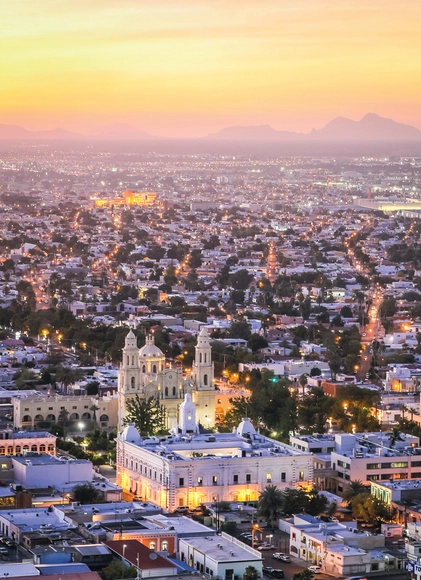
Few may have heard of Hermosillo, a Mexican city of 850,000 inhabitants located in the middle of the desert, just 280 kilometers south of the United States border. It is a city of great strengths, but also immense challenges. In an increasingly urbanized world, cities have become platforms for innovation and change, particularly in developing countries. While megacities like Bogotá, Lima, and Mexico City struggle to distribute goods and services to their sprawling populations, intermediate cities like Hermosillo have the potential to offer a more sustainable alternative.
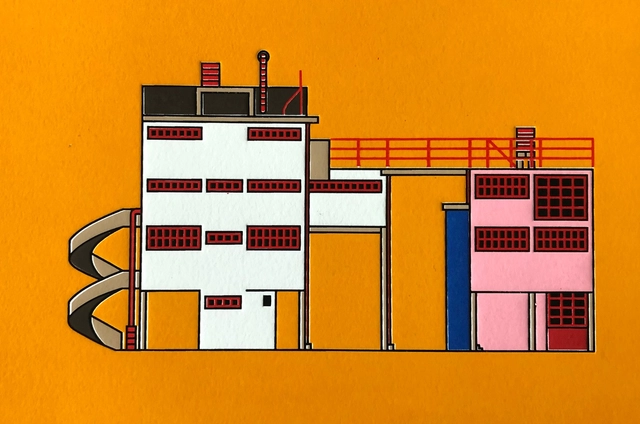
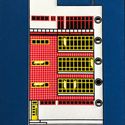
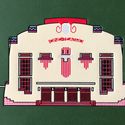
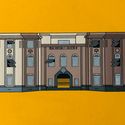
Construcciones Modernas, S.A. is a series comprising an album of popular, remembered, and forgotten buildings in Mexico City—a record and the beginning of an atlas. It is a subway line featuring all the architectural icons missing from the train cars, a tribute to the city, its modernity, and its decay.
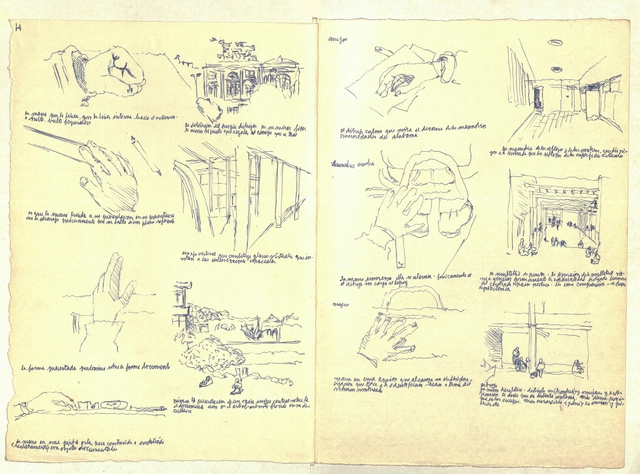
Alberto Cruz, one of the Chilean architects who re-founded the School of Architecture of the Pontificia Universidad Católica de Valparaíso and founder of Amereida and the subsequent Open City, left behind more than 2,200 notebooks and folders, 200 drawings in various techniques, formats, and mediums, and around a thousand documents when he passed away in 2013.
Five years earlier, his granddaughter, historian Sara Browne, began working with Cruz to catalog his private output. Today, this entire archive is part of the Alberto Cruz Covarrubias Foundation, a space dedicated to honoring the memory of the 1975 National Architecture Award recipient.
In this email conversation with Browne, the historian examines the challenges of conserving and digitizing this historic archive, while also reflecting on Cruz Covarrubias's legacy.
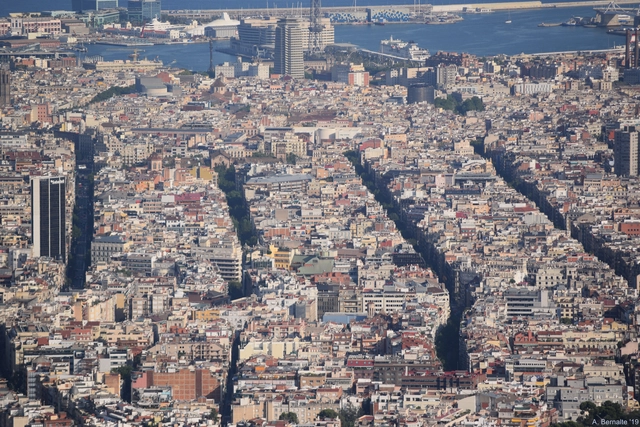
CityMakers is working with ArchDaily to publish a series of articles, conversations, and interviews with various actors in city co-production, who are behind the Barcelona CityMakers Lab 2019, an event taking place from October 14 to 20.
On this occasion, we feature Oriol Estela Barnet, general coordinator of the Barcelona Metropolitan Strategic Plan, who will give a MasterClass at the Barcelona CityMakers Lab 2019 addressing the concept of “a third generation of strategic urban plans: the case of Barcelona.”

According to the executive branch's plans, more than 500 schools will be built in Peru this year to close the infrastructure gap affecting the sector. This represents an investment of 30 billion soles, which also serves as an incentive for the construction industry across the country's various regions.
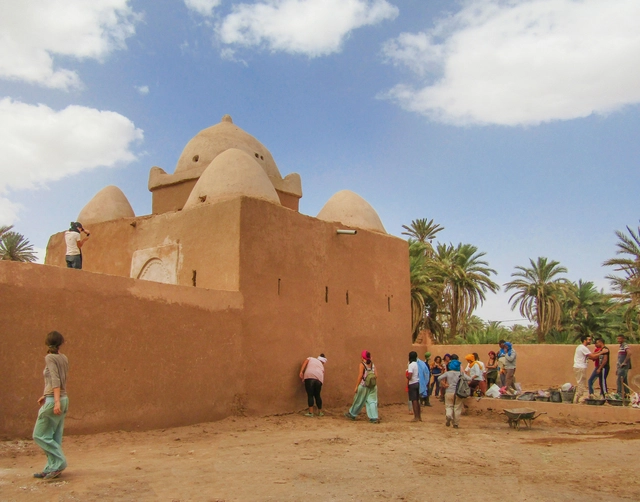
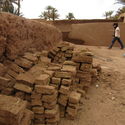
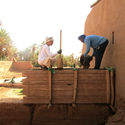
Earthen construction remains highly relevant today, spanning the preservation of architectural heritage, new projects seeking sustainable horizons, and numerous training programs offered by institutes and universities. Yet we cannot overlook one of the major driving forces behind this building material: self-construction. Thanks to its technical advantages and accessibility, communities worldwide have chosen to build their settlements with earth. Consequently, construction becomes a collective exercise where every individual can contribute to shaping a shared future.
In this article, we look at how the NGO Terrachidia works with the community of Mhamid in Morocco to rehabilitate public spaces chosen by local residents. Supported by volunteers, they rescue regional building traditions, successfully preserving and highlighting the local knowledge embedded in places where the pursuit of modernity has led to abandonment, but which remain deeply valued by those who inhabit them.

Alexandra Cohen presents her master's thesis on the systematic cartographic analysis of the morphological intersection between the Cerdà urban plan and pre-existing urban structures in Barcelona, Spain. Through her cartographic work, she aims to demonstrate how two highly distinct urban forms can integrate to bring immense value to the city, preserving history within a modern plan.
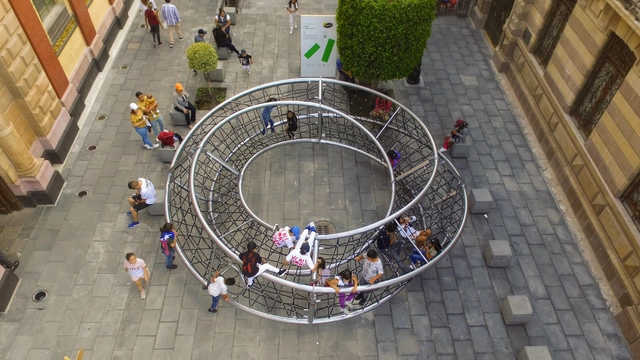
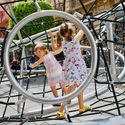
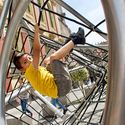
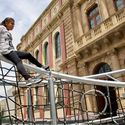
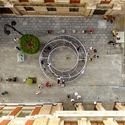
As part of the Abierto Mexicano de Diseño 2019 (AMD2019), Jumbo, an international company focused on the development of urban spaces and furniture, presented the play sculpture “Infinito,” designed by Ariel Rojo. The project stems from the desire to design a line of urban elements that stimulate a sense of adventure and play through a range of play sculptures. These address not only an aesthetic responsibility to users, the city, its parks, and playgrounds, but also introduce an original approach to how children play and learn.
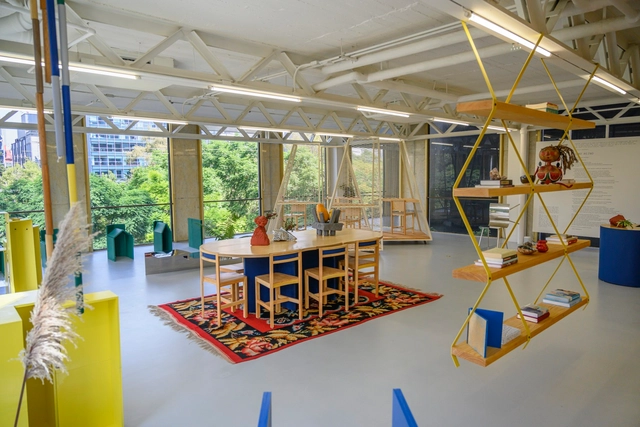
As part of the design program at AGO Projects—a multidisciplinary space focused on promoting design, photography, and architecture, based in New York, which opened its doors in Mexico City just a few weeks ago—the exhibition "Otro Reino" has opened. The showcase features previously unseen and well-known pieces by Isabel Abascal and Alessandro Arienzo's architecture studio, LANZA Atelier, and is complemented by "Neo-neo," a collection of ceramics based on urban concrete accidents by MT Objects.

Originally published in ArquitecturaAhora, architect Ana Sugranyes explores the origin and evolution of the concept of the right to the city, from 1960s Paris to its global expansion.
In the name of social integration or sustainability, the United Nations New Urban Agenda (2016) also incorporated a reference to the right to the city. “Words, then, are of no use: they are just words,” says Alberti. Meanwhile, Chile maintains its high level of income inequality, which has a direct, correlative effect on the deep socio-spatial segregation of its territories and cities; this, in turn, corresponds to worrying levels of social, cultural, and structural violence.
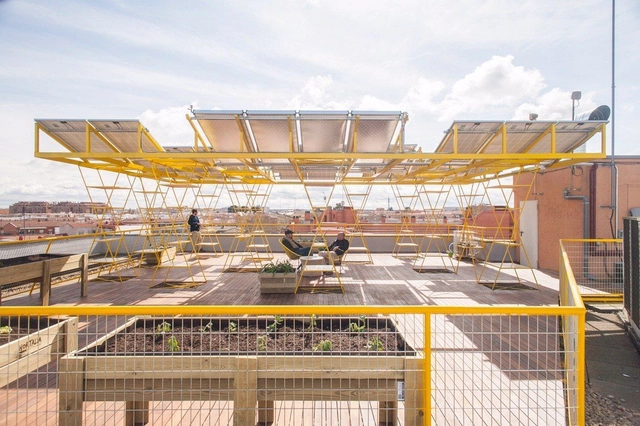
Mares is an urban transformation and social economy project developed by estudio SIC, VIC (Vivero de iniciativas ciudadanas) and TXP (Todo por praxis) in Madrid, Spain. The project reclaims four former buildings across four different districts of the city, converting them into innovation hubs. Each hub is linked to key urban challenges: Mobility, Food, Recycling, Energy, and Care.
What Will Happen Here? (O que vai acontecer aqui?) is a new documentary by Left Hand Rotation, in collaboration with Stop Despejos and Habita, on the housing struggles in Lisbon—a city where rents have increased by 50% over the last three years and that has become the leading European city for real estate fund investment.

Promoted by the Uruguay River Administrative Commission, organized by the Society of Architects of Uruguay (SAU) and the College of Architects of the Province of Entre Ríos (CAPER) —and sponsored by the Argentine Federation of Architect Associations (FADEA)— the call for entries is now open for the binational preliminary design competition to develop a Control Laboratory for the environmental analysis of the Uruguay River.
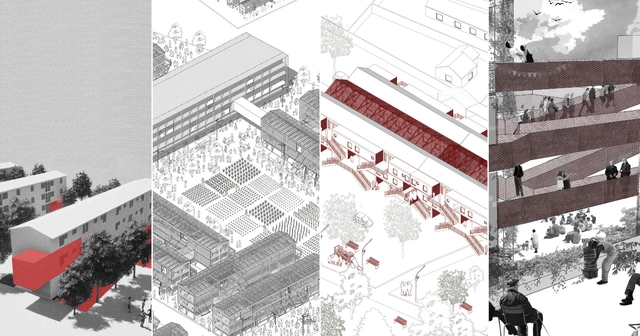
As part of Semana UTEM 2019—"The Project Within the Project"—21 teams from the Faculty of Architecture at the Metropolitan Technological University of Chile (UTEM) participated in the Domestic Pre-Existences workshop. The students proposed interventions for the historic "C Blocks" in Santiago's pericenter—residential complexes designed by the state Housing and Urban Development Service (SERVIU) between 1986 and 1996.
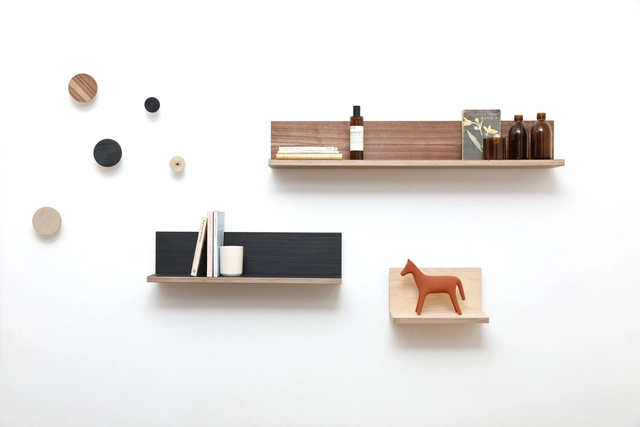
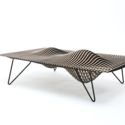
Pirwi, the leading national design editor, recently presented new collections featuring collaborations with Mexican artists and designers, including Daniel Pouzet, Joel Escalona, Moisés Hernández, Pablo Herrera, Sebastián Ángeles, Sergio Morales, and Mario García Torres. These collaborations range from small objects such as shelves and furniture to design pieces that offer a critique and reflection on the era we inhabit. Some of the pieces shown below come together as a complete range of daily-life objects designed by Pirwi, reflecting the brand's aspiration to reach a more inclusive audience and refresh its image with materials and finishes not previously explored.
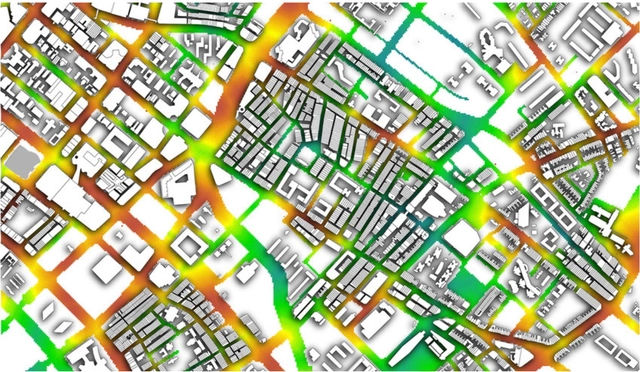
Data is a controversial topic in the twenty-first century. Policy-making regarding data collection and use lags behind, while its value continues to rise—turning any initiative in the sector into big business.

Together with a group of researchers, over the last five years we have been studying working-class housing developments in southern Chile: the coal basin in Lota, Schwager, and Pilpilco; the textile towns of Bellavista and Carlos Mahns in Tomé; and the working-class settlements in Valdivia and Magallanes.
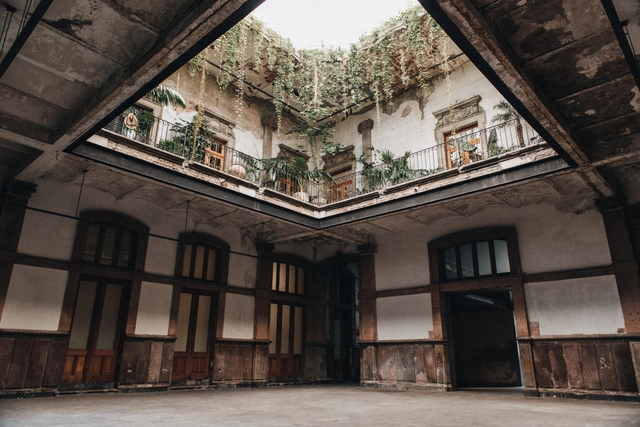
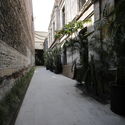
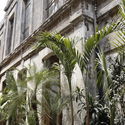
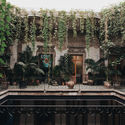
In 1900, Dr. José Ignacio Capetillo and his wife, María de la Luz Servín, purchased the land located at General Prim 32 from Archbishop Eulogio Gregorio Gillow. On this site, the Capetillo-Servín family began construction on an apartment building commissioned to architect Manuel Gorozpe, who designed it in the eclectic style characteristic of the period and completed construction in 1906.
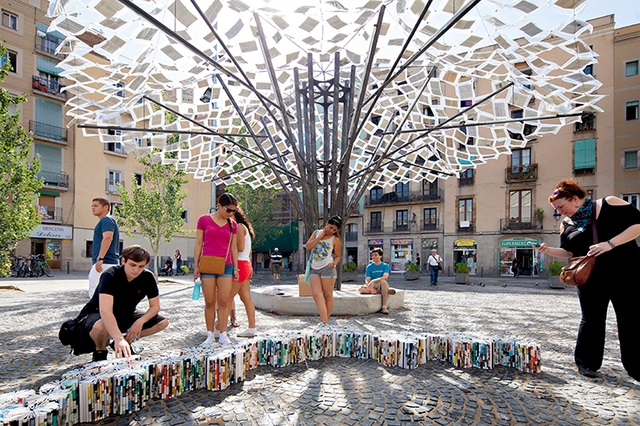
The concept of the margin implies the existence of a center. Consequently, anything that is not part of this central focus is deemed external or peripheral. This division between center and margin, or center and periphery, extends beyond the architectural sphere into political, social, and regional realms. Therefore, when we speak of practices on the margins of architecture, we are also discussing multidisciplinary approaches—efforts focused more on understanding the context of the work and less on merely answering pre-established questions. In cultures or contexts shaped by historical discontinuities and interruptions, there is a distinct effort to define identity through self-knowledge and discovery, ultimately designing projects to address specific needs. As a result, research, the dissemination of knowledge, and alternative methods of architectural production become essential steps in this process.
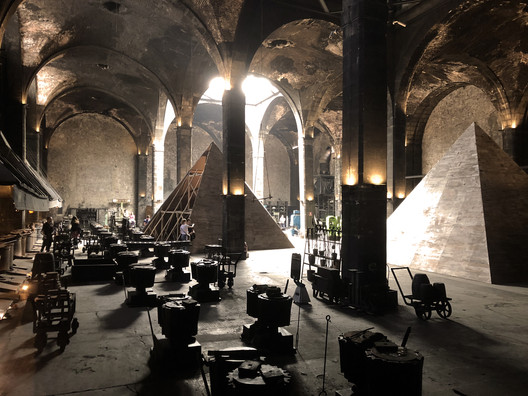
As part of the exhibitions featured in the 2019 Abierto Mexicano de Diseño, the firm Dellekamp / Schleich presented the installation Dicotomías del Poder at the Museo Numismático Nacional in Mexico City. The exhibition runs from October 9 to November 17, Tuesday through Sunday, from 10:00 AM to 4:00 PM.
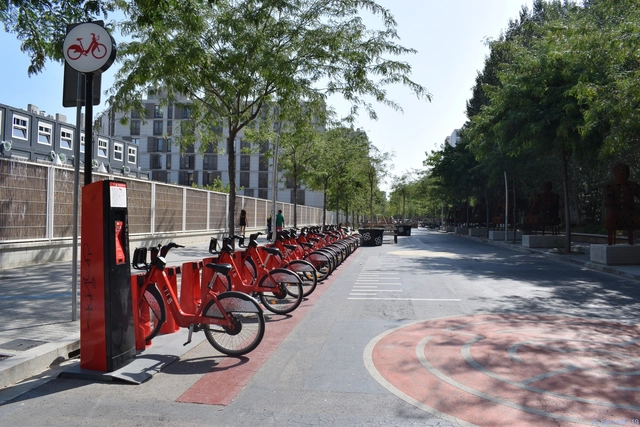
CityMakers is working with ArchDaily to publish a series of articles, conversations, and interviews with the different actors in the co-production of cities behind the Barcelona CityMakers Lab 2019, an event taking place from October 14 to 20.
On this occasion, we feature Salvador Rueda, director of the Urban Ecology Agency of Barcelona, who will give a Masterclass at the Barcelona CityMakers Lab 2019, addressing the challenges of implementing Barcelona's Sustainable Urban Mobility Plan based on "Superblocks".