Architect, researcher, assistant lecturer at the Faculty of Architecture and Urban Planning UTCN, Master’s Degree in Architecture and Urban Planning from the Technical University of Cluj-Napoca and KU Leuven. Based in Cluj-Napoca, Romania.
Saint Laurent Men’s Summer 24 at Mies van der Rohe’s Neue Nationalgalerie. Image Courtesy of Saint Laurent
Architecture and fashion share an interesting interplay in the formation of cultural expressions and identities. Both disciplines can become vehicles for creativity at different levels. Architecture is often described as the “third skin” of humans, while clothes represent the second skin, highlighting somewhat similar functionality of protecting the body while also allowing for self-expression and individuality.
The relationship between architecture and fashion can also be seen in the shared design principles, such as form, proportion, human scale, and materiality. More than a simple background for runway shows, architecture can contribute to setting the atmosphere, becoming a source of inspiration, and orienting the movement through space. Collaborations between architects and fashion houses, such as the renowned partnership between OMA/AMO and Prada, further blur the boundaries between the two disciplines, demonstrating the myriad of interconnections between the two creative fields.
Jingru (Cyan) Cheng . Image Courtesy of Wheelwright Prize
Harvard University Graduate School of Design (GSD) has announced Jingru (Cyan) Cheng as the recipient of the 2023 Wheelwright Prize, a study grant created to support globally-minded research and investigative approaches to contemporary architecture. The winning research project, titled “Tracing Sand: Phantom Territories, Bodies Adrift,” delves into the multifaceted impacts of sand mining and reclamation, understood from cultural, economic, and ecological perspectives. The unassuming material has become an indispensable element for our built environment and human communities, serving as a vital component in the production of glass, concrete, asphalt roads, and artificial land. Yet the process of dredging underwater systems and sand mining leads to the disruption of habitats in a process that simultaneously shapes one habitat while devastating another.
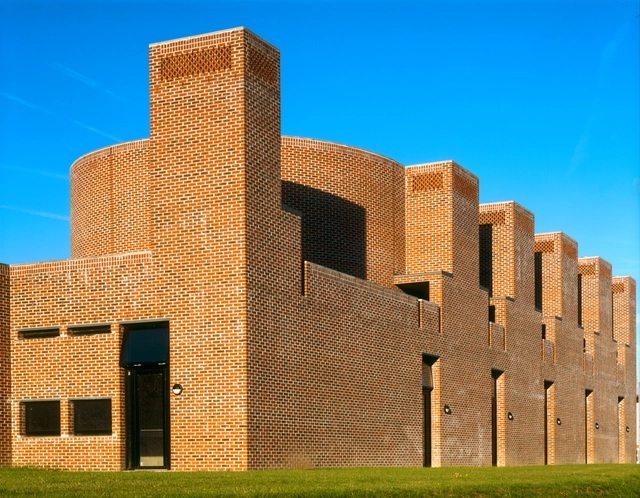
Irish architect Shane de Blacam has been awarded the 2023 Royal Academy Architecture Award in recognition of his commitment to creating communal spaces and the craftsmanship and detail of his projects. In 1976, De Blacam co-founded the architectural firm de Blacam and Meagher alongside John Meagher, establishing a collective practice focused on the careful integration of local materials and the creation of comfortable spaces for people. Each year, London’s Royal Academy awards individuals or collective practices whose body of work has made a meaningful and positive impact on society.
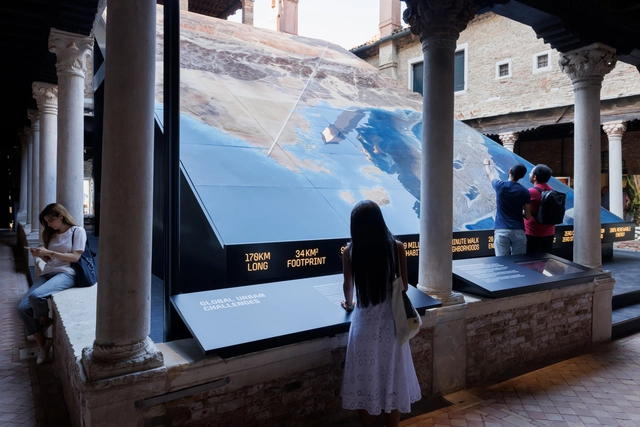
At the 18th International Architecture Exhibition of La Biennale di Venezia, NEOM has unveiled the “Zero Gravity Urbanism- Principles for a New Livability” exhibition to present the concept and standards guiding the design of the Line, their proposed 170-kilometer-long linear city in north-west Saudi Arabia. The event aims to introduce to the public an alternative vision for urban planning whose compact configuration strives to become a model for the development of more efficient and sustainable cities. Prior to the opening of the exhibition, more than 20 internationally recognized architects and designers joined the design team, including Sir Peter Cook, Massimiliano Fuksas, Jean Nouvel, and Ben van Berkel. The exhibition is open from 20 May to 24 September 2023 at Abbazia di San Gregorio, Venice.
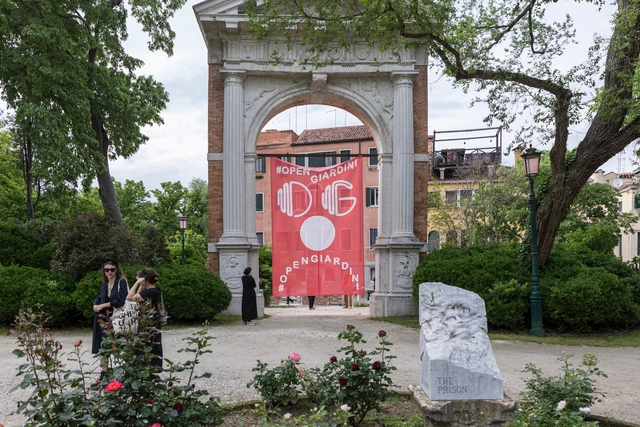
The Unfolding Pavilion is a recurring exhibition and editorial project by Daniel Tudor Munteanu and Davide Tommaso Ferrando that aims to highlight previously inaccessible but architecturally significant spaces. Now in its fourth edition, the exhibition is dedicated to the Giardini della Biennale, the Venetian garden that became the main location for one of the most important architecture exhibitions worldwide, the Venice Biennale. Through a series of site-specific interventions and photographs by Laurian Ghinițoiu, the Unfolding Pavilion #OPENGIARDINI set out to explore the paradoxical state of this public space that is not publicly accessible.
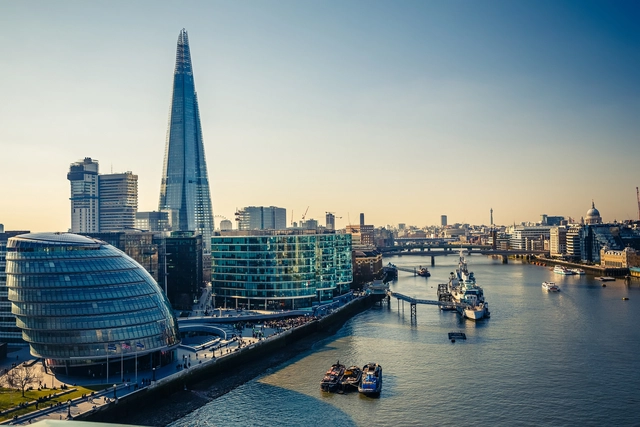
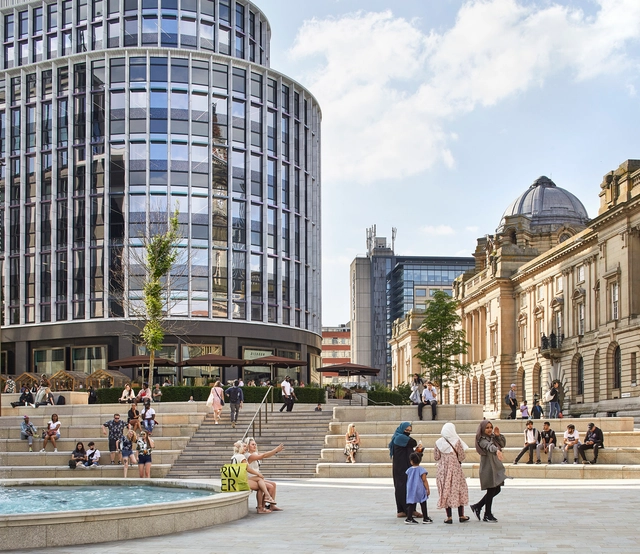
London’s architectural history is a rich tapestry that weaves together styles of various periods and influences. In the post-war era, the city experienced a surge in modern architecture, becoming a canvas for experimentation. New stylistic movements saw their expression crystalized through buildings such as Richard Rogers’ Lloyd’s Building, one of the most representative examples of High-Tech architecture, or the Barbican Estate, a large-scale housing estate that became the iconic structure for Brutalist architecture.
London’s contemporary architectural landscape continues to evolve, in part through the works of internationally-recognized architects such as Norman Foster, Zaha Hadid, and Thomas Heatherwick. This varied blend of styles, and ways of expression reflects the city’s ability to embrace architectural movements of global significance. As a center for innovation, London continues to attract established and emerging architects who shape its skyline and contribute to its international architectural discourse, with each new building offering a glimpse into the ever-changing nature of London’s urban fabric.
Courtesy of Aranya Theater Festival, MAD Architects Qi Ziying
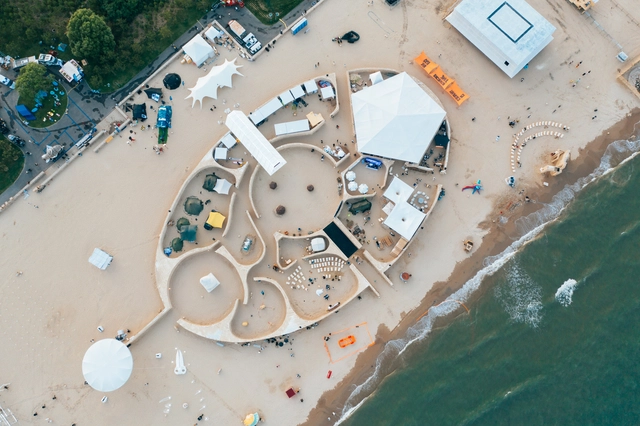
Ma Yansong revealed The City of Time, a performance space and the location of a 300-hour artist residency created for the Aranya Theater Festival in China. Following the metaphor of avian migration, the Migratory Birds 300 is an artist residency program that brings together 300 creators from diverse fields and backgrounds. From June 12 to June 25, Ma Yansong’s architectural intervention will host a wide array of artistic expressions, including shows, installations, sculptures, performance art, paintings, and videos, including 131 group works and 194 individual projects.
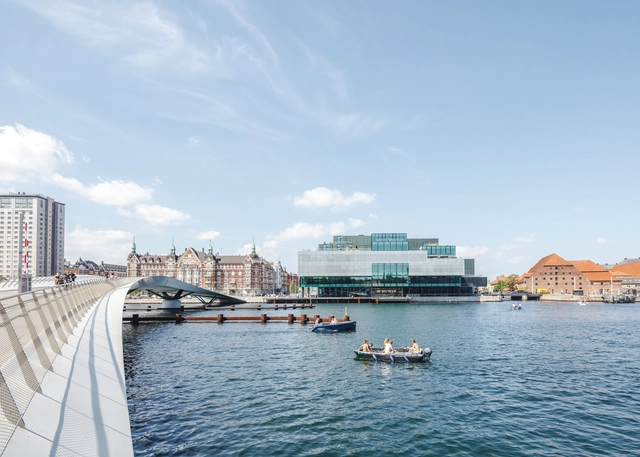
This year, the UIA World Congress of Architects gathers professionals from the construction industry to the Danish Capital to discuss and promote more sustainable ways of practicing architecture. This edition of the congress, happening between July 2nd and 6th, is centered around the UN 17 Sustainable Development Goals, highlighted by the overarching theme “Sustainable Futures – Leave no one Behind.” The world’s largest architecture congress offers a vast program of keynote dialogues, new findings presented on the science track, Next Gen sessions, workshops, exhibitions of new materials, and political talks. The packed schedule also includes the Obel Award Talks on the theme “Wellbeing Through Architecture”, Velux Daylight Talks, and Realdania Talks.
Chapel of Notre Dame du Haut in Ronchamp. Image via Maxpixel
One hundred years ago, in 1923, Le Corbusier’s “Vers une Architecture” was published in the magazine “L’Esprit Nouveau.” The controversial collection of essays authored by the Modernist master served as a manifesto for the development of modern architecture, influencing generations of architects and sparking polemics on the proposed principles of architectural design. The book advocates for the beauty of streamlined industrial designs, like those of airplanes, automobiles or ocean liners; it proposes a completely different way of building cities, favoring tall and slender towers surrounded by abundant greenery, and introduces Le Corbusier’s 5 principles for modern design.
Now, a century later, these theories have become part of every architect’s education, but they are also highly contested. Some critics argue that the rigid approach, especially in relation to urban planning principles, fails to engage the cultural and contextual nuances of different communities, leading to alienating urban environments. Still, the legacy of Le Corbusier is significant, serving as a constant point of reference for architects when exploring the balance between functionality, aesthetics, symbolism and the social impact of their designs.
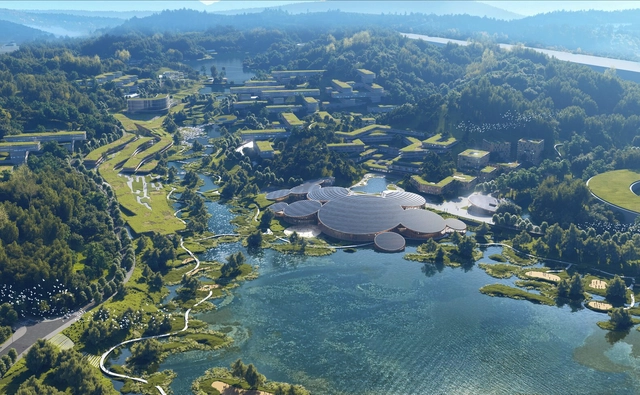
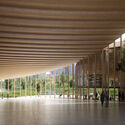
Mecanoo, in collaboration with Meng Architects and LOLA Landscape Architects, has been selected as the winner of the international design competition for the design of the Shenzhen Guangming Scientist Valley. The aim of the project is to create a facility for research and innovation that is also engaging for a larger public while also being integrated and coexisting with the surrounding natural environment. The project includes an area of approximately 1.2 square kilometers located in a strategic place to serve the larger scientific community, from Guangdong, to Hong Kong, and Macao.
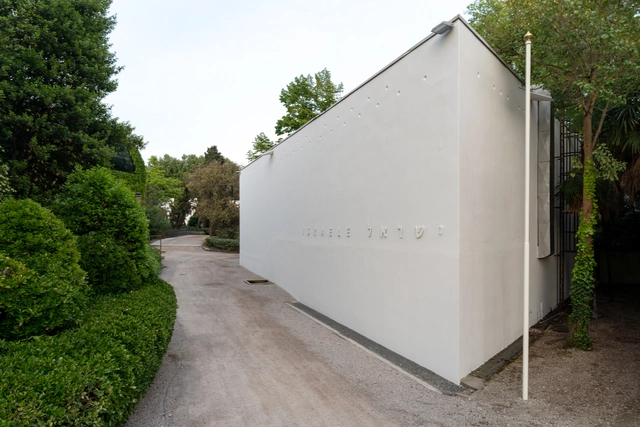
The National Pavilion of Israel presents “Cloud-to-ground,” an immersive installation exploring the nature of modern communication networks at the 18th International Architecture Exhibition of La Biennale di Venezia. The exhibition, curated by Arch. Oren Eldar, Arch. Edith Kofsky, and Hadas Maor, aims to initiate a multifaceted discussion regarding the physical aspects of virtual networks: the data centers and telephone exchanges commonly referred to as “black boxes.” The chosen theme is relevant for Israel due to its strategic location set at the intersection of continents and cultures. The pavilion in the Giardini will remain open for visitors until November 26, 2023.
In his latest TED Talk, Thomas Heatherwick decries a condition affecting areas of the city defined by monotonous buildings, or what he calls “an epidemic of boringness.” While recognizing the functionality which drove these designs, he states that functionality alone cannot ensure that the structures become active parts of urban life, as they often fail to provoke an emotional response from passers-by. Heatherwick explains that, in his view, this emotional function, or the ability of buildings to mean something to their users and visitors, is essential. When it succeeds, architecture can positively contribute to the quality of life and well-being of its residents, promote social cohesion and contribute to a sense of identity. So how can architecture provoke a positive emotional connection and provide an enjoyable backdrop to the communities it serves?
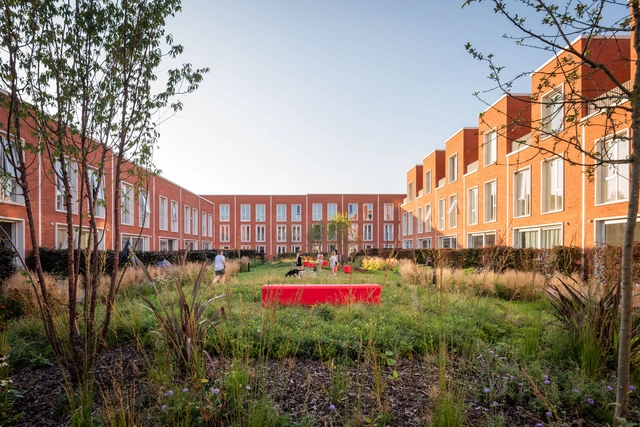
The Royal Institute of British Architects (RIBA) has announced the 30 winners of the 2023 RIBA National Awards for Architecture, providing an insight into the country’s architecture, design, and social trends. Among the key themes observed this year, the need to rebuild communities and to find sustainable ways of practicing stand out as the main concerns of the participant architects. The response to these themes is varied, ranging from buildings that aim to offer opportunities for collaboration for students to creating stimulating social spaces for the elderly or providing creative programs at a neighborhood scale. All the projects selected have been in use for at least one year and have provided data regarding their environmental performance. Examples of sustainable design include both new buildings, following the Passivhaus certification, and renovation of existing structures.
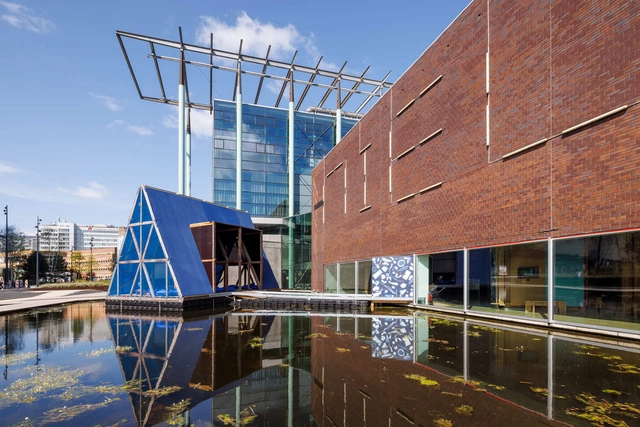
Nieuwe Instituut in Rotterdam has inaugurated the ‘Water Cities Rotterdam. By Kunlé Adeyemi,’ a cultural project comprising of exhibitions along with several floating pontoons and artist installations that present the Nigerian-Dutch architect Kunlé Adeyemi’s waterfront designs in the Netherlands. The exhibition brings a seven-meter-high floating wooden pavilion on the institute’s outdoor ponds. Inside the pavilion, landscape architect and artist Thijs de Zeeuw has created an artwork to allow visitors to experience the pavilion from the perspective of nature while contemplating the consequences of building and living on the water for the surrounding ecology and biodiversity. The entire exhibition is on display at the Nieuwe Instituut until 22 October 2023.
As the challenges posed by climate change increase in number and intensity, it also heightens the need to find sustainable building practices that connect to ecosystems and livelihoods rather than harm them. While often overlooked in the search for innovation, vernacular architecture can offer answers to contemporary issues. This type of architecture not only relies on readily available locally sourced materials but also on indigenous knowledge of local conditions like sun orientation, wind patterns, ventilation needs, and the behavior of materials in time. Dr. Sandra Piesik, director and architect of 3 ideas, and founder of HABITAT Coalition, explores this potential in her newest book, 'Habitat: Vernacular Architecture for a Changing Climate.'
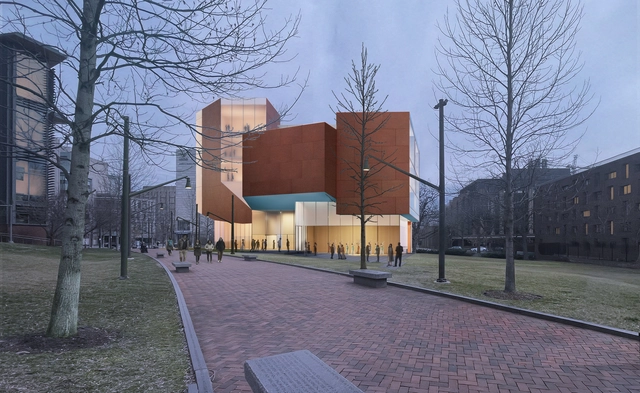
The University of Pennsylvania has unveiled Steven Holl Architects’ design for its new Student Performing Arts Center. The 37,300-square-foot building is set to offer dedicated and flexible spaces for over 70 student performing arts groups on campus, including dance, theater arts, a cappella groups, and musical ensembles. The proposal was informed by a study completed in 2019 by Penn’s University Life, which concluded that additional performance and rehearsal space was needed to meet current and future demand. The project is set to begin construction in 2024, with anticipated occupancy starting in winter 2027.
While exploring the 18th International Architecture Exhibition onsite in Venice, ArchDaily had the chance to speak with Jayden Ali and Joseph Henry, two of the co-curators of the British National Pavilion. The exhibition titled “Dancing Before the Moon” was created together with Meneesha Kellay and Sumitra Upham, and features creations from six designers and artists. As the curators explain, the aim of the installations is to expand the general understanding of what architecture is and to integrate it into a wider conversation with fashion, music, art, dance, and performance, rather than separating it as its own class of creativity. On June 20th, a few days after the conversation, the British National Pavilion was awarded a special mention at this year's award ceremony.
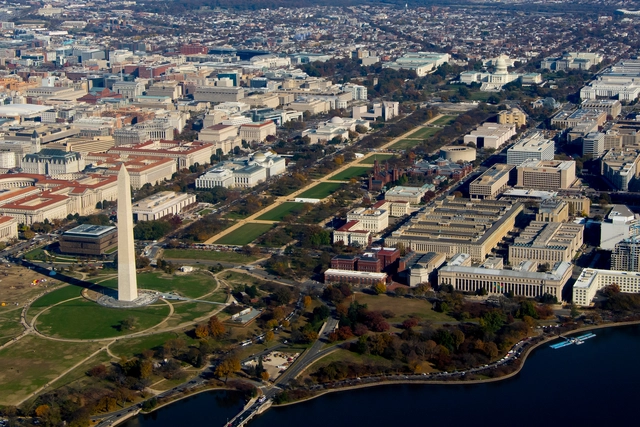
The Smithsonian Institution selected Perkins&Will to design the Bezos Learning Center at the National Air and Space Museum in located on the prominent National Mall in Washington D.C. Perkins&Will was one of the five shortlisted finalists for the competition. According to the Smithsonian, the selection was based on the architects’ ample experience in designing cultural and educational spaces, the reliability of their management team and the team’s aesthetic approach.