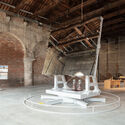
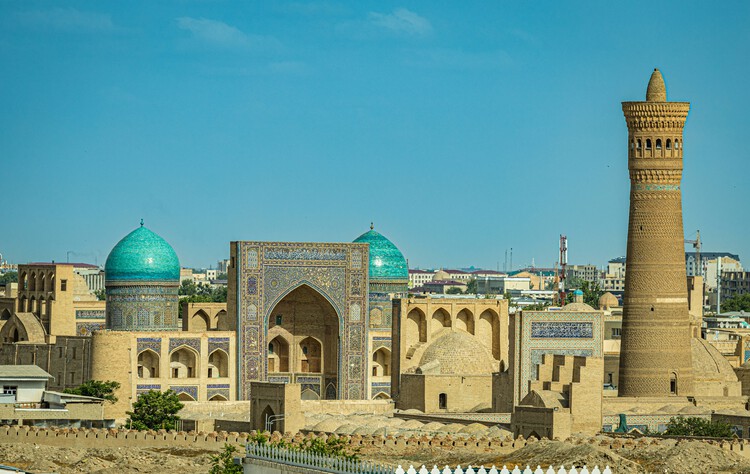
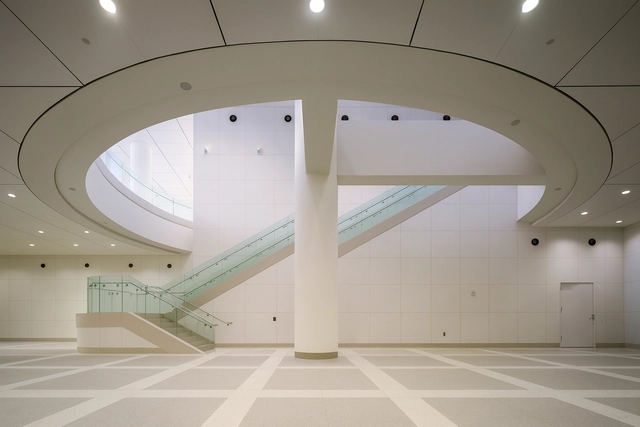
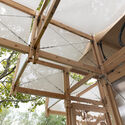
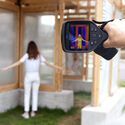
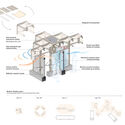
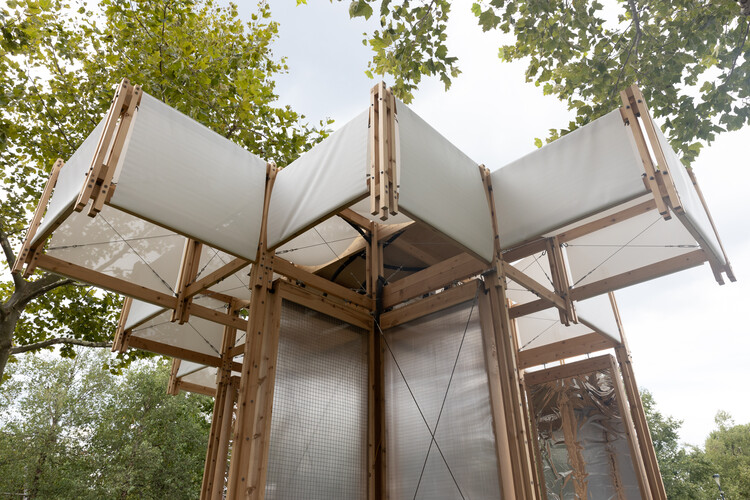
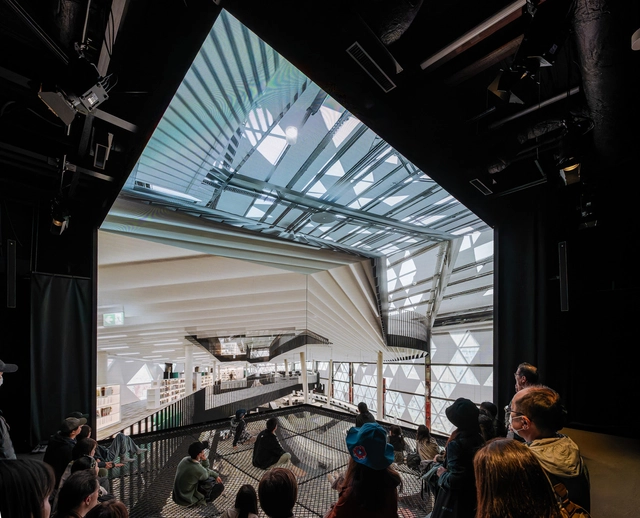
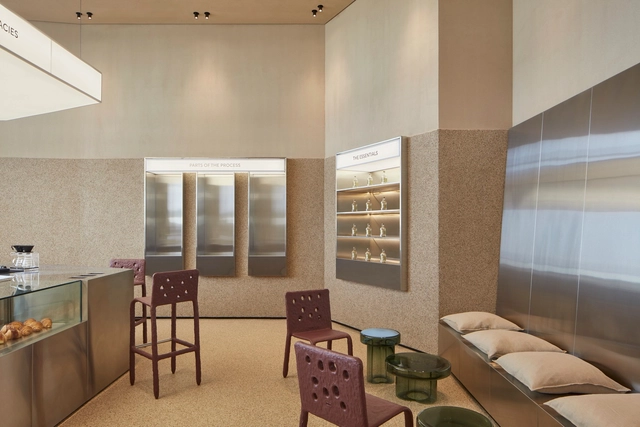
There are places in the world where temperatures already exceed fifty degrees, and others where water levels rise meters above expected levels. Meanwhile, in the heart of São Paulo, architects, researchers, artists, and communities come together to ask: how can we inhabit the Earth in times of extremes? This question drives the 14th International Architecture Biennial of São Paulo, held at the Oca in Ibirapuera Park, focusing on the theme Extremes: Architectures for a Hot World. More than an exhibition, it is a call to confront the climate crisis, social inequality, and the urgent need to reinvent ways of living.
Unlike previous editions, which were spread across multiple locations in the city, curators Clevio Rabelo, Jera Guarani, Karina de Souza, Marcella Arruda, Marcos Certo, and Renato Anelli chose to concentrate this year’s edition under a single roof, allowing the curatorial narrative to unfold clearly and directly. The entire journey is there, organized into sections that weave together ancestral practices and emerging technologies, material experiments and critical perspectives, local projects and global debates. The Oca thus becomes a crossroads: a space where diverse architectural visions overlap, offering a platform for collective reflection on society and the environment.
Communicating an idea using only the essentials is a far greater challenge than it often appears. From Japanese haikus to the refined sculptures of Constantin Brâncuși, many artistic expressions have sought to condense the maximum meaning with the minimum of elements. This economy of form is not a sign of scarcity, but of intensity: every stroke, every word, every silence gains weight. There is something intrinsically appealing in what presents itself as simple and well-resolved, whether it is a text that wastes no words, a tennis player who moves with purposeful gestures, or a melody that is both direct yet unexpectedly profound.
That same principle, which transcends various artistic languages, resonates deeply in contemporary design. When reduced to the essential, furniture or everyday objects reveal a form of beauty that arises from precision and transcends their function. This is exemplified by HUM, the new collection of taps developed by designer Philippe Malouin for QuadroDesign, in which a simple gesture is transformed into a complete language.
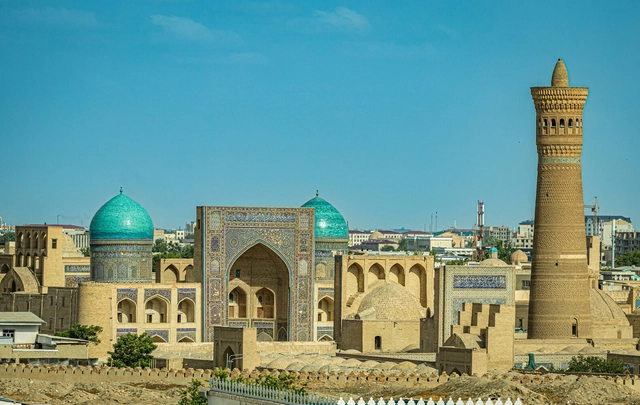
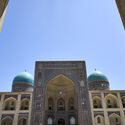
Uzbekistan's architectural and artistic heritage reflects a layered history shaped by centuries of cultural exchange along the Silk Road. From the monumental ensembles of Samarkand and Bukhara to the scientific and educational institutions of the Timurid era, architecture has long been a vessel of identity and knowledge across the region. In the twentieth century, Tashkent emerged as a new urban laboratory, where modernist ideals met local craft traditions and environmental pragmatism. The city's reconstruction following the 1966 earthquake became a defining moment, fusing Soviet urbanism with regional aesthetics to produce a distinctly Central Asian expression of modernity, one that translated cultural continuity into concrete, glass, and light.
Every act of building begins with the transformation of raw materials, energy, and land, and this inevitably entails environmental impact. This encompasses all the changes a process triggers in the natural world: from resource extraction to pollutant emissions, from energy consumption to biodiversity loss. Measuring this is complex, as it spans multiple dimensions. Carbon has emerged as the common metric, translating these effects into greenhouse gas emissions (CO₂ equivalent) directly linked to global warming. This standardization has made it omnipresent and comparable across materials, systems, and sectors. Reducing carbon emissions, therefore, means addressing the root of global warming, which is a particularly urgent task in the construction industry, responsible for about 39% of global emissions. In response to this challenge, MVRDV NEXT, the innovation and digital tools division of the Dutch architectural firm, launched CarbonSpace, a free, open platform that brings carbon accounting to the architect's desk, right at the napkin sketch stage.
Architecture goes beyond its fundamental function of defining spaces and providing protection; it shapes the user experience, influencing sensations of comfort, spaciousness, and well-being. Among the many elements that make up a building, openings play a crucial role in connecting the interior and exterior, balancing privacy with transparency, and allowing the entry of natural light and ventilation. In particular, natural light transforms environments, defines atmospheres, and enhances architectural details, making spaces more dynamic and inviting.
India carries an ancient lineage of tradition that has long shaped the very conception and crafting of its cities. Vastu Shastra is one such tradition, more a science than a belief, intimately woven into the principles of architectural design. The practice remains widespread and highly regarded, with 93% of homes designed to align with Vastu principles. As India urbanizes at an unprecedented pace, projected to add 416 million city dwellers by 2050, Vastu Shastra continues to influence billions of real estate decisions amid the trials of modern city living. How might an 8,000-year-old spatial science evolve to guide the design of cities housing millions?
Buildner, in partnership with the Government of Dubai, has announced the results of the 2024/25 House of the Future competition. Following the success of its inaugural edition in 2023, this second edition invited architects and designers worldwide to develop an affordable, expandable, and forward-thinking prototype home tailored to the evolving needs of Emirati families.
Organized in collaboration with the Mohammed bin Rashid Centre for Government Innovation and the Sheikh Zayed Housing Programme, the competition offered a total prize fund of €250,000 (1 million AED). Winning entries are now being reviewed for potential inclusion in the UAE's national catalogue of housing designs, which provides citizens with a selection of pre-approved, innovative home models.
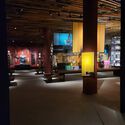
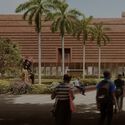
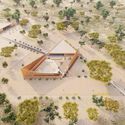
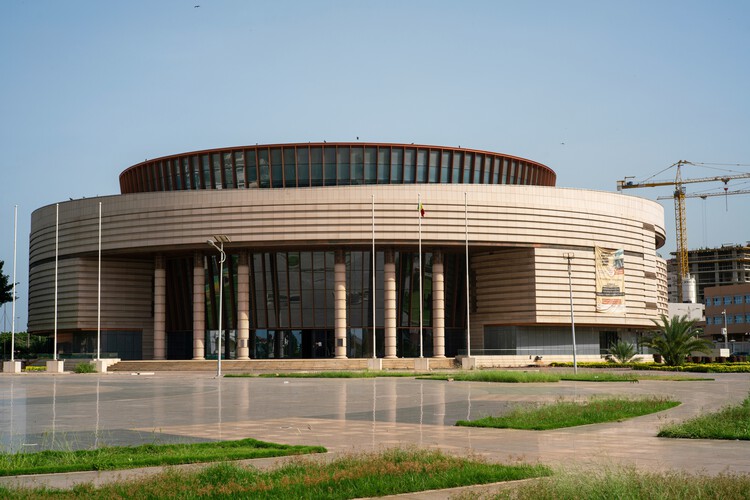
As countries in Africa emerged from colonialism in the mid-twentieth century, many expressed their independent identities through architecture. This process continues several decades later, exemplified by several new museums in West Africa, recently completed or in planning. Although varying in purpose and form, they have some common goals: addressing the need for restitution of many artifacts taken during colonialism and mostly kept in European museums; and defining a museum with local identity as opposed to a non-contextual import.
The museum and gallery visit has long been a highly curated experience. Visitors are guided through a carefully orchestrated sequence of rooms, with hand-picked works arranged to tell a specific narrative, supported by signage, graphics, scenography, and calibrated lighting. Even the rarely changed exhibitions - the permanent collections, also typically rely on a strong curatorial voice— led by noted artists or curators—to set institutional stance and shape interpretation.
At the same time, storage areas for museums and galleries are typically kept separately—often within the same building but under tightly controlled access, and not infrequently off-site in dedicated facilities, such as the Louvre Conservation Centre. These zones have long been understood as highly controlled spaces not only in terms of access, but also in relation to climate, humidity, archival order, handling protocols, maintenance, and repair. For fear of thefts and that the spatial, environmental, and sequencing requirements of the archive could be disturbed, storage has traditionally been somewhat secretive and primarily serves academic researchers and art practitioners by request. Rarely does the general public gain a comprehensive picture of the works safeguarded by any given institution.
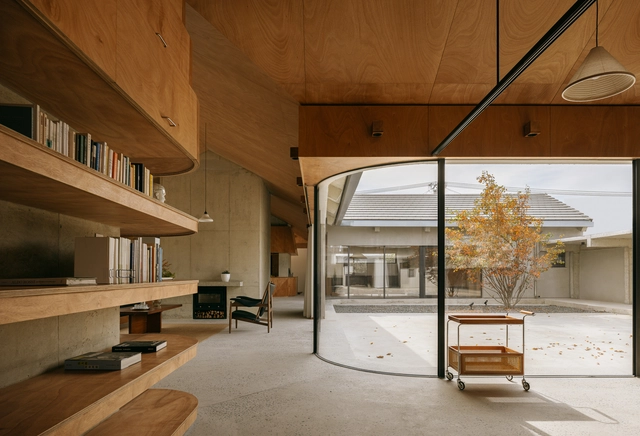
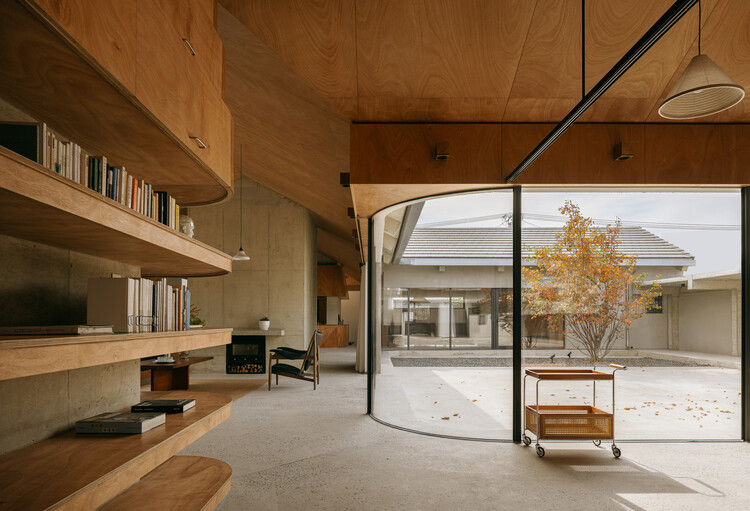
Interior design has been characterized by infinite alternatives in coatings, finishes, and furniture to achieve unique and unrepeatable spaces. Designers are constantly coming up with innovative solutions and materials specifically created for a distinctive spatial perception. However, there is also a trend that seeks the warmth of the interior spaces by exposing the raw building materials as they are. The richness of materials such as wood and concrete gives that feeling of durability and low maintenance that, combined with an attention-to-detail design, makes spaces look warm yet stay true in essence. See below for 35 examples of interior spaces where concrete and wood appear in their almost purest state.
Materials can carry memory. They do more than finish a space; they can anchor it, shape atmosphere, and connect interiors to broader cultural and material narratives. Some architects and designers explore local techniques, natural resources, and craft traditions to balance cultural preservation with modern functionality, introducing context and depth. This is not necessarily a return to the past, but a reinterpretation of inherited knowledge to create architecture that resonates with contemporary needs.
When approaching the design of cultural spaces such as museums, performance venues, or places of research and study, architecture and design professionals often have to assemble pieces of a uniquely challenging puzzle in order to make the structure resonate with a variety of visitors and occupants. Hitting the right chord can be difficult, especially when trying to combine forms into a whole that pays respect to a building's intended use while being timeless in its universality.
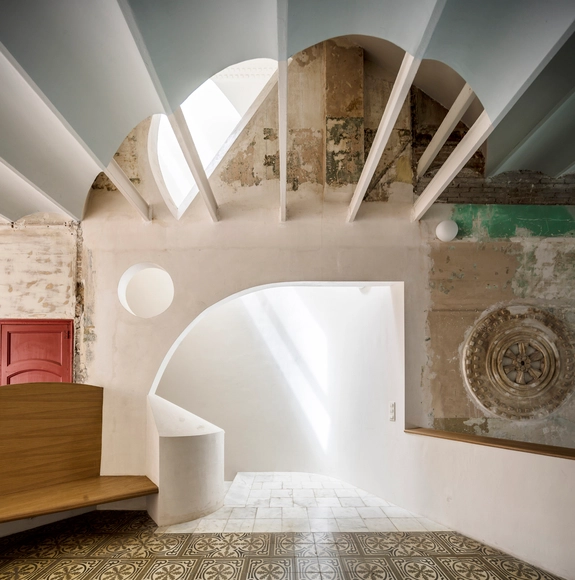
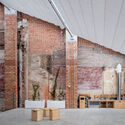
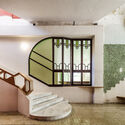
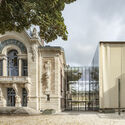
One way of making sure a sense of culture is omnipresent: adaptive reuse. The practice of breathing life into historic structures has been on the rise in recent years and is particularly well-suited to creating spaces that address and embody contemporary issues while connecting their inhabitants to the past. But it's not just a sense of updated heritage that makes them stand out; adaptive reuse buildings can fight urban sprawl and unsustainable building practices simply by way of existing.
The shortlist for the prestigious BRICK AWARD 26 has been announced, revealing 50 exceptional brick buildings from across the globe. Organized by wienerberger, the biennial award celebrates architectural innovation and craftsmanship in brick and ceramic design, recognizing projects that push the boundaries of material, form and context. This year's selection spans five continents and 21 countries, highlighting the enduring relevance of brick in contemporary architecture; from intimate homes and cultural institutions to industrial facilities and public spaces. Winners will be announced in Vienna in June 2026, with all shortlisted entries featured in the BRICK 26 Book.
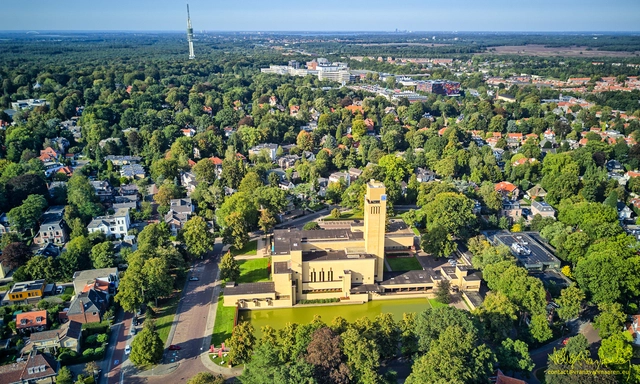
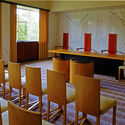
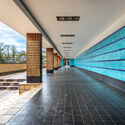
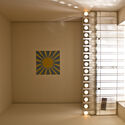
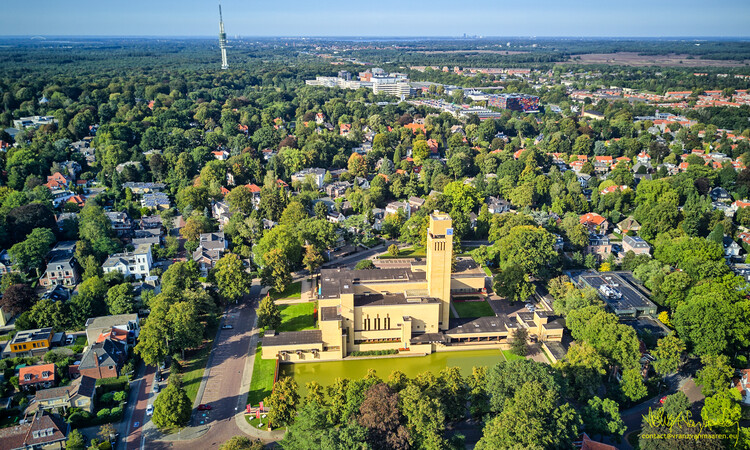
In the Dutch city of Hilversum, a municipal building completed in 1931 redefined the very idea of what a town hall could be. More than a house for local administration, the Hilversum Town Hall became the architectural expression of a community in transformation. With its tower rising above reflective ponds, its brick masses composed around courtyards, and its carefully detailed interiors, the building asserted that civic architecture could unite function with symbolism, efficiency with ceremony.
The architect behind this vision, Willem Marinus Dudok, was not only responsible for individual buildings but for the broader shaping of Hilversum itself. As a city architect and planner, he designed schools, housing districts, and parks, developing a language that fused Dutch craftsmanship with Modernist clarity. The town hall represented the culmination of this trajectory: a civic centerpiece where urban ambition, material refinement, and human scale converged in a single, coherent form.
We Design Beirut returns for its second edition from October 22–26, 2025, reaffirming the city's role as a vital node in the global design conversation. Set against a backdrop of some of Lebanon's most historically significant sites the five-day design event weaves together architecture, craft, and culture to reflect on themes of legacy, revival, and continuity.
Anchored in empowerment, preservation, and sustainability, We Design Beirut fosters collaboration among designers, artisans, students, and architects — creating a vibrant platform for exchange, connection, and creative expression. It's a space for healing, innovation, and showcasing the region's growing design talent on an international stage.
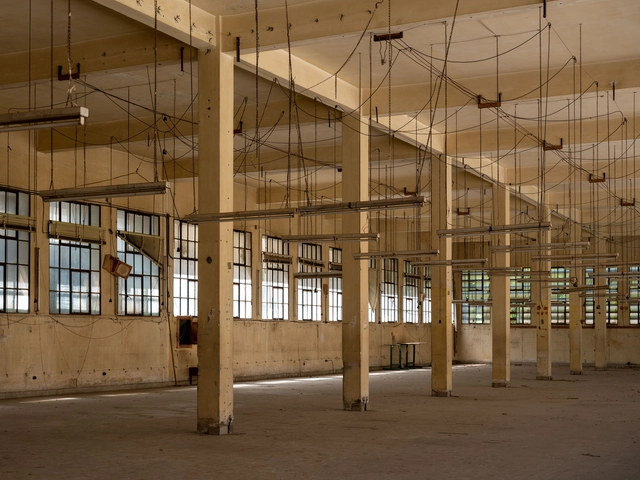
Across China, a legacy of vast industrial structures stands decommissioned, as a direct result of the nation's economic shift to different forms of industry. These buildings are defined by their colossal height and deep structural capacity. Today, they present an architectural challenge for contemporary urban renewal and a new topic for heritage preservation. As they become absorbed by growing urban developments, architects are tasked with translating them into functional, public-facing assets. Thus, recent interventions are capitalizing on defining elements such as furnaces and chimneys to help reposition these massive complexes as critical urban landmarks.
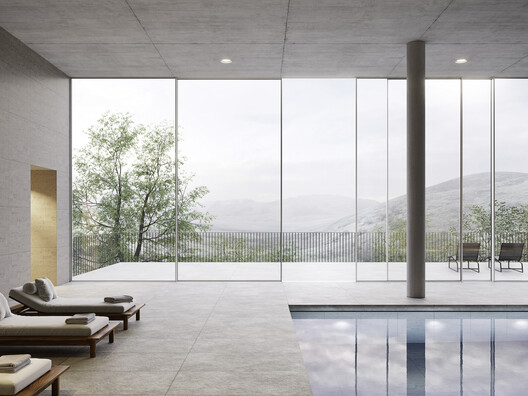
For centuries, architecture has been shaped by the aspiration to create a smooth transition between the indoors and the outdoors. Today, technologically sophisticated window and facade systems allow architects to design open, light-flooded room concepts without losing heat. The Solarlux cero maximum sliding window can eliminate the boundaries between spaces, demonstrated most impressively when large-format elements replace building corners. This is a technical achievement accomplished entirely without supports that disrupt the view. cero creates a direct, immediate connection to nature that goes far beyond what standard solutions can offer.
Culture is the set of knowledge and practices people use to express themselves and make sense of the world collectively. As Brazilian philosopher Marilena Chauí reminds us, the word derives from the Latin colere, which means "to take care of." In that sense, agriculture means taking care of the soil, while religious cults are the care of the gods. At its core, culture is the creation of symbolic universes, expressed through different languages, including architecture, that weave connections across time. It safeguards the memories of the past while opening new possibilities for the future.
This month, ArchDaily explores The Architecture of Culture Today, asking a central question: How does architecture shape the way culture is produced, consumed, and experienced? This theme examines how architecture both shapes and responds to cultural life — from the permanence of museums, theaters, and libraries to the ephemerality of pavilions, installations, and virtual platforms. It considers the architect's role in curation, scenography, and exhibition design, as well as the portrayal of cultural spaces in film and digital representations.
The Nile Delta, in blue the rise of mean sea level with a 2°C increase above pre-industrial levels, Sentinel data. Territorial Agency: Oceans in Transformation, 2020
How heavy is a city, and what does that weight mean for our collective future? This provocative question guides the 7th edition of the Lisbon Architecture Triennale, which proposes an inquiry into the transformations of urban life and the material, social, and environmental consequences of inhabiting the planet today. From October 2 to December 8, Lisbon will once again host one of Europe's most significant architectural events.
Curated by Ann-Sofi Rönnskog and John Palmesino, founders of the practice Territorial Agency, the Triennale investigates the magnitude of contemporary cities and their planetary impact. Composed of nearly 30 trillion tons of materials, global cities form a dense and intricate web of continuously evolving structures. To unpack these complexities, the Triennale opens itself as a space of learning, curiosity, imagination, and debate — a meeting ground for architects, researchers, artists, and the wider public.
https://www.archdaily.com/1034626/how-heavy-is-a-city-exploring-the-lisbon-architecture-triennale-2025ArchDaily Team
The famous actress Mae West once described a curve as "the loveliest distance between two points." While she may have been discussing the human form, this observation goes beyond physical appearance and gets to the heart of that which comforts and soothes the human psyche in the design of nature.
Rolling hills, the arc of an ocean wave, the fiery glow of dawn on the horizon—these natural forms evoke peace and serenity when observed. As work environments and common spaces are created, it is important that those in design remember that there are very few straight lines found in nature. When soft edges, arched ceilings and radius walls are applied to the interior of a building, the design of nature is brought indoors.
When exposed to heat, the body activates several physiological mechanisms to maintain thermal homeostasis. However, these natural defenses are often overwhelmed in our modern cities.In an urban environment defined by heat-absorbing asphalt, concrete, and a lack of green spaces, these mechanisms become inefficient. If the surroundings are excessively hot, humid, or poorly ventilated—conditions amplified by the Urban Heat Island effect—the core body temperature begins to rise, and the risk of serious complications increases, ranging from cramps and exhaustion to potentially fatal heat strokes.
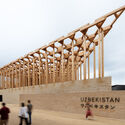
Since its inauguration this spring, Expo 2025 Osaka has captured global attention from multiple perspectives, demonstrating how architecture can function as a laboratory for exploring solutions to pressing challenges. After 55 years, Osaka is once again hosting the World Expo, with each installation organized around the sub-themes Saving Lives, Empowering Lives, and Connecting Lives. These pavilions take forms that express the identity and values of their region through distinctive architectural languages, forming the central axis of their design. Building on this foundation, some installations serve as laboratories for the future society, utilizing technology to enhance experiences both inside and outside the spaces, transforming the visit through light, sound, visuals, and movement as part of the technological innovation showcased at the event.
What is the link between architecture and pastry? What design strategies are applied in the contemporary interiors of bakeries and pastry shops? While architecture can serve as inspiration for the design of forms and configurations of edible elements, it also contributes the techniques of descriptive drawing, architectural composition, and staged planning to the culinary language. Focusing their thinking on people and their needs, both disciplines strive for precision, with interior design being a broad field where the use of figures, colors, materials, and various equipment can be explored to enhance user experiences.