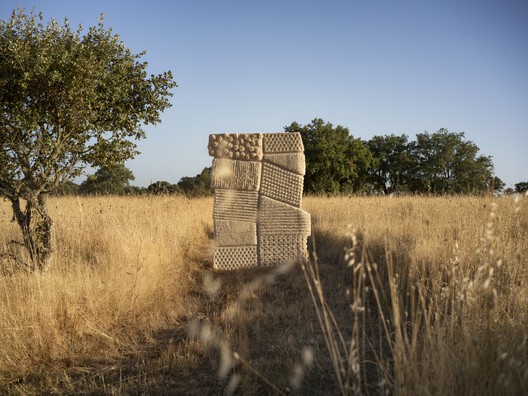
Materials can carry memory. They do more than finish a space; they can anchor it, shape atmosphere, and connect interiors to broader cultural and material narratives. Some architects and designers explore local techniques, natural resources, and craft traditions to balance cultural preservation with modern functionality, introducing context and depth. This is not necessarily a return to the past, but a reinterpretation of inherited knowledge to create architecture that resonates with contemporary needs.
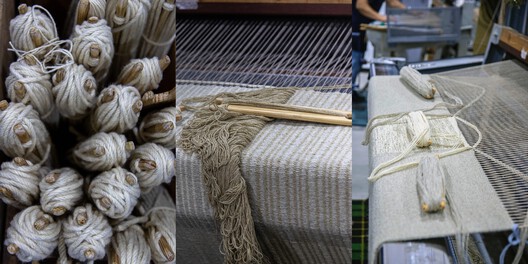
Natural materials play a central role in this process. Stone, linen, jute, wool, and wood are tactile, durable, and carry cultural associations. They age visibly, reminding occupants of time passing and the landscapes from which they originate. Objects made from these materials, from furniture to rugs, can shape interiors by defining zones, softening acoustics, and adding layers of texture. When crafted using traditional techniques, they also preserve skills and knowledge that might otherwise fade. How can these everyday objects carry memory and connect interior spaces to the culture and landscape that produced them?
The Alentejo region in Portugal, renowned for its strong sense of community and tradition, provides a compelling perspective for this conversation. Beyond the Tagus River, its golden plains, cork oak forests, and whitewashed villages reveal a way of building shaped by climate and geography. Architecture here is often pragmatic: lime-plastered walls protect from the summer heat, interiors are designed to stay cool, and objects are made to last. This approach suggests a slower, more deliberate rhythm, one that prioritizes durability and continuity, much like the ethos behind Portuguese rug producer Ferreira de Sá.
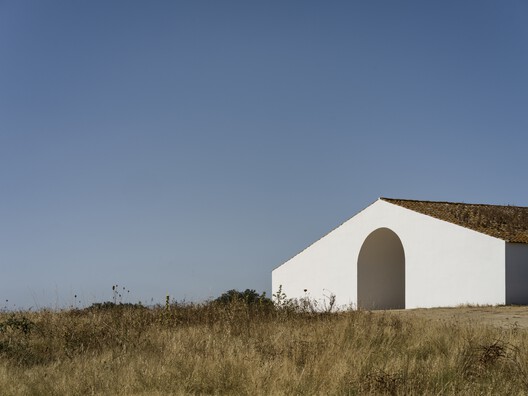
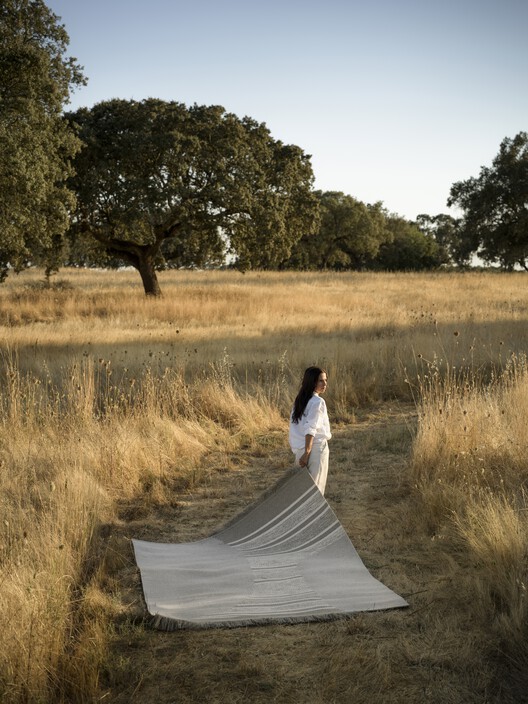
Regional Textures: Translating Alentejo's Landscape into Interior Surfaces
It is within this material and cultural context that ALÉM TEJO, the latest collection by Ferreira de Sá, takes shape, woven in the shades of the inspired region and a concept born from "place". Founded in 1946 in Espinho, the company has worked for nearly eight decades at the intersection of innovation and Portuguese heritage. The new collection turns to the Alentejo as inspiration, translating its memory, rhythms, textures, and patterns into woven form. Each of the thirteen rugs reflects a fragment of the region — a shadow, a plowed field, a limewashed facade — interpreted through tufting, hand-knotting, hand-weaving, and flatweave.
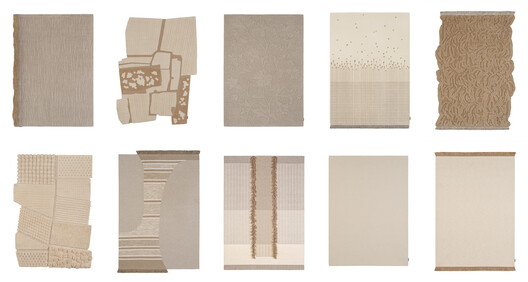
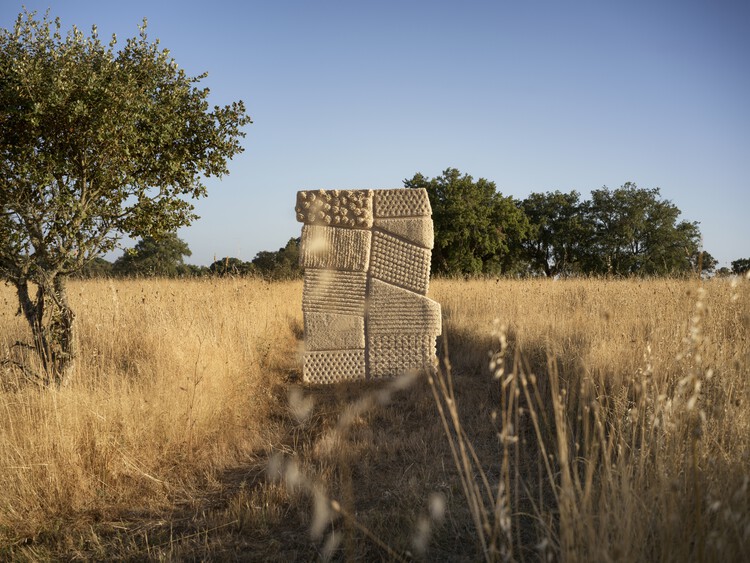
Different traditional techniques give each rug a distinct voice. Tufted pieces, such as Sul, Alvorada, and Nisa, create sculptural reliefs where light plays across the pile heights, while Brisa and Sobreo use vertical patterns to suggest the texture of cork and the rhythm of rural architecture. Solo, made knot by knot, combines wool and jute into irregular surfaces shaped by time and labor. Hand-woven Talha and Planura develop quiet, measured compositions, while flatweave rugs, such as Cal and Bolotas, reduce the process to its essentials, recalling the tactile surfaces of limewashed walls, acorns, and cork oak bark. Together, these approaches allow the rugs to become more than objects, acting as tactile translations of the Alentejo.




Rugs Designed to Shape Atmosphere and Connect Interiors to Nature
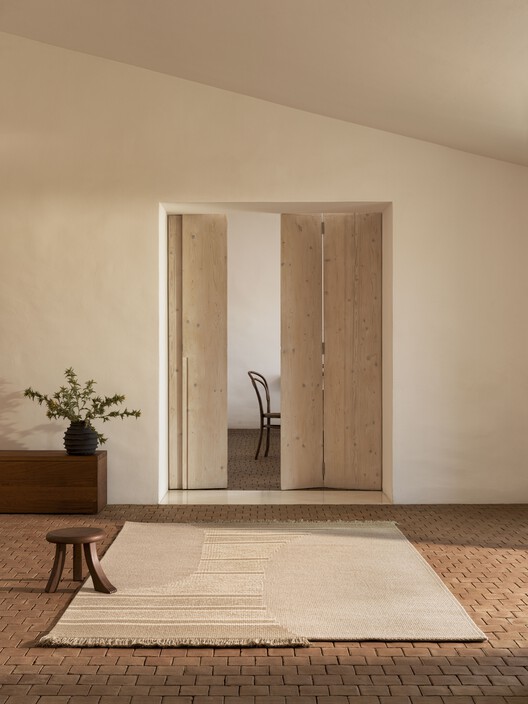
The resulting pieces move between contemporary rug design and regional memory. Some act as anchors for a space, while others recede, encouraging closer attention. Technique, density, and color palette convey specific atmospheres. Whether adding warmth to a living room, defining a seating area, or creating a welcoming pathway, the collection reflects the natural origin of its materials: undyed wool, jute, and linen.
These choices allow earthy tones to emerge organically while ensuring a minimally processed, renewable, and biodegradable product. The hues can gently warm minimalist interiors, enrich contemporary spaces, and lend a renewed calm to more traditional settings. Earth tones align with biophilic design principles, bringing the calm and energy of nature indoors, blurring the boundary between inside and outside, and reflecting a broader desire to slow down and reconnect with the natural world.
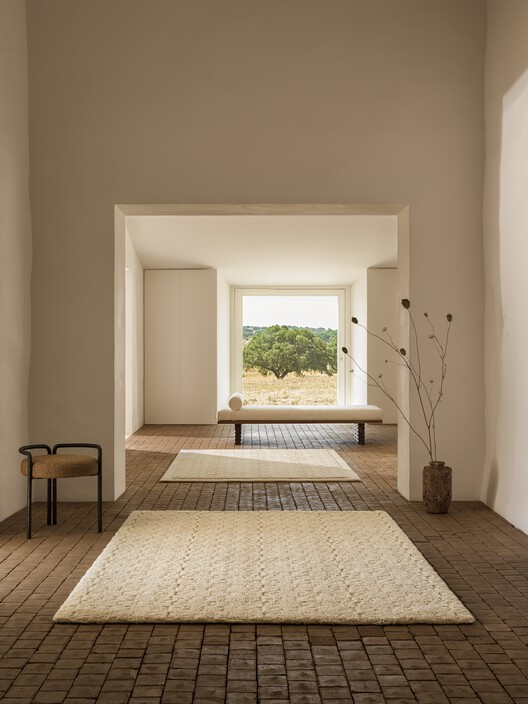
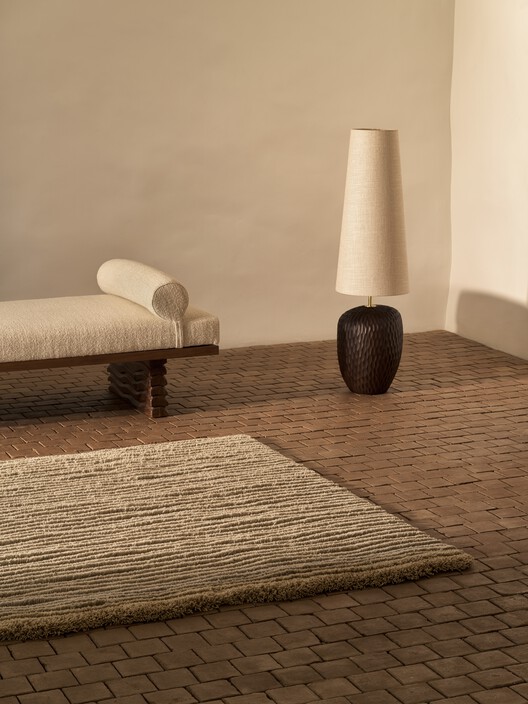
For architects and designers, this approach invites reflection on how interiors can engage with memory and place. Rugs, like other architectural elements, can influence movement, absorb sound, and create moments of intimacy. When rooted in tradition and material honesty, they carry narratives that link the space to something larger. Rather than presenting tradition as fixed, collections like ALÉM TEJO suggest heritage can be dynamic — a strategy that maintains connection to what came before while leaving space for new ideas, creating designs that link past, present, and what is still to come.
Head designer: Carlota Verde from Ferreira de Sá
Art direction: Belgian designer Jessy Van Durme
Photographer: Piet-Albert Goethals



