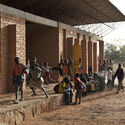
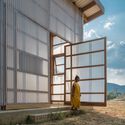
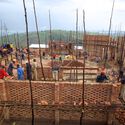
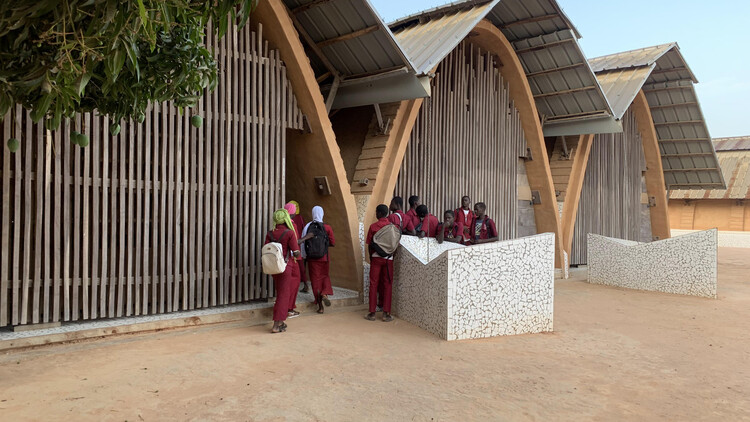
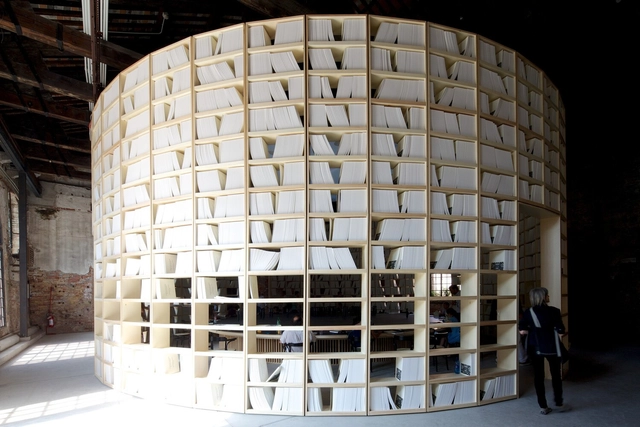
Aristotle is credited with the proverb "One swallow does not make a summer." In nature, the arrival of these migratory birds often announces the change of seasons, a universal symbol of renewal and hope. Yet it is only when many take flight that the true warmth of summer begins. The same can happen in architecture: an isolated project, however exemplary, rarely changes a reality on its own. When, however, a work teaches, inspires, and can be replicated, it becomes the harbinger of something greater.
Initiatives that combine simple technologies, local materials, and participatory processes show how building can also be an act of learning. Structures and bricks shape places of mutual teaching, where architects and residents share knowledge and build together, multiplying skills and strengthening bonds. These projects point to the possibility of a collective summer, a future in which knowledge spreads as widely as the walls that shelter it.
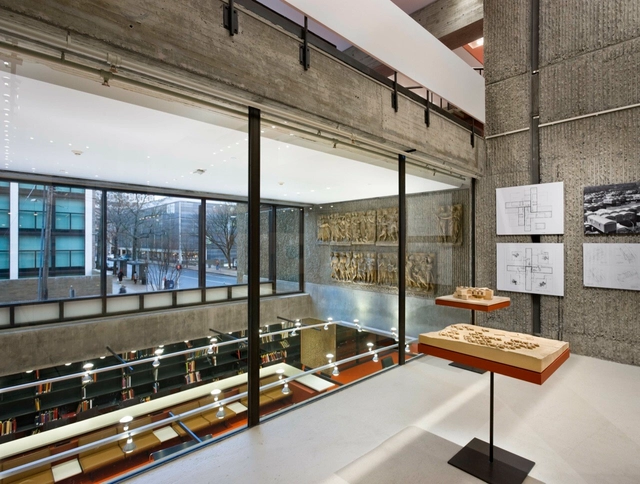
Yale Art + Architecture Building. Image Courtesy of gwathmey siegel & associates architects
By the mid-nineteenth century, American universities began to distinguish architecture from civil engineering and the applied sciences formally. Architecture was emerging as a discipline defined by both technical competence and conceptual inquiry, spatial imagination, and cultural agency. As this disciplinary identity evolved in the postwar decades, its built expression coalesced into the emerging architectural language of Brutalism.
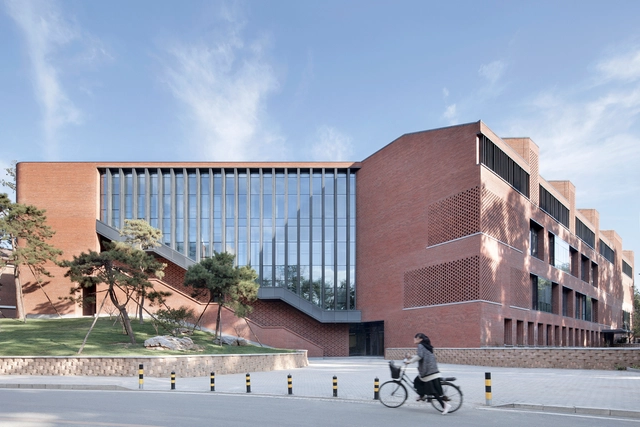
Every year, the QS World University Rankings by Quacquarelli Symonds (QS) releases an updated list of best university programs worldwide. In the field of Architecture and the Built Environment, the list includes 250 institutions. The ranking evaluates institutions across all continents. This year, The Bartlett School of Architecture (part of UCL) maintains its position in first place, as the top 10 list sees a reorganization of the selected universities, with no new entrants. Tsinghua University is the only one among them to improve its position since last year, rising from eighth to joint seventh.
Blurring the boundaries between surface and underground, The In-between Scape and Transitorre boldly reimagine the Petralia Soprana Salt Mine as a meeting point of contrasts—where education blends with leisure, nature with architecture, and visitors become part of the story. These visionary projects, born from YACademy's Architecture for Landscape program, use bold forms and innovative materials to spark a dialogue between people and place, transforming the mine into an immersive and deeply connected experience. Drawing on a decade of expertise in designing within extraordinary natural sites, the program offers a unique educational journey into meaningful, context-driven architecture.
Throughout the course, Yacademy aims to train professional designers capable of intervening in astonishing and monumental natural contexts. Through an extensive program of lectures by master architects, exclusive site visits, hands-on workshops, and design reviews, designers will become more and more able to reconnect human design to the natural environment and be inspired by landscape to design outstanding, sustainable and impressive architectures. Moreover, the program guarantees an internship in a well-renowned architectural firm.
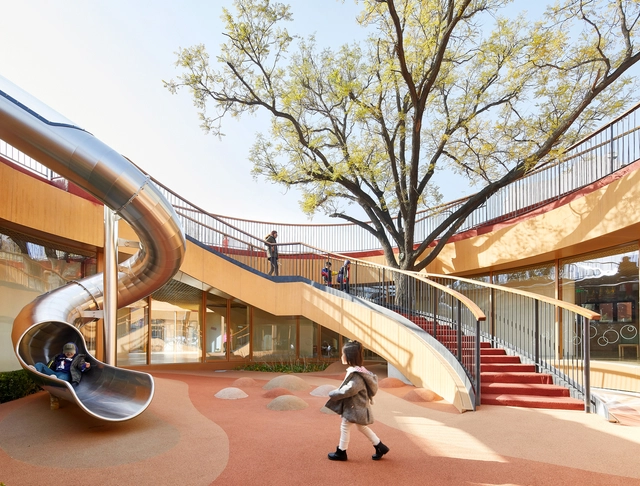
Today, the International Day of Education serves as a reminder of the significant impact that architectural design has on learning environments. From flexible classrooms that adapt to diverse teaching methods to outdoor learning areas that integrate natural elements, the architecture of learning spaces embodies the principles of pedagogy, offering opportunities for exploration, collaboration and creativity, all while maintaining a focus on the safety and comfort of all users. This selection of articles explores the potential of design to enhance learning outcomes through spatial exploration, be it inside the classroom, in outdoor spaces or by encouraging larger communities to part-take in the learning process.
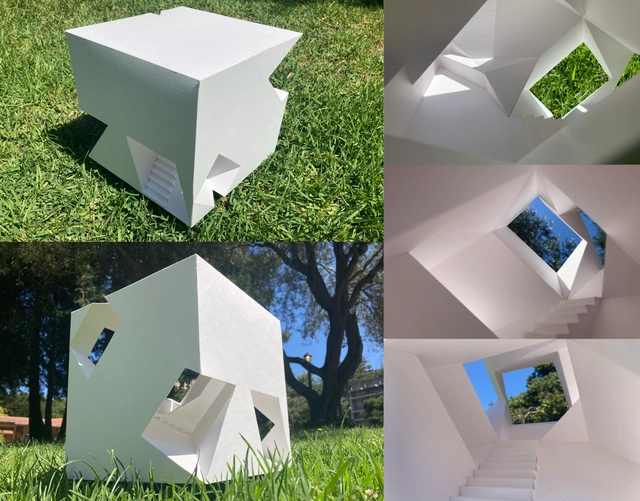
Project developed by student Jonah Ring, during InArch 2024. Image Courtesy of UC Berkeley
Are you considering a career in architecture or environmental design? The College of Environmental Design at UC Berkeley offers immersive summer programs that could help you decide if these creative fields are right for you. Whether you're a professional, undergraduate, or high school student, CED's Summer Programs offer you an invaluable opportunity to explore architecture, urban design, sustainable city planning, and landscape architecture.
Over the last eight years, I have interviewed Beijing-based architect and educator Zhu Pei several times. His persistent quest to combine traditional planning and construction principles with innovative formal and spatial sensibilities intrigues me. His latest projects, including Zijing International Conference Camp (2022) and Jingdezhen Imperial Kiln Museum (2020), are widely published and represent his most mature works. Yet, he is convinced that his best building is in the making. "This is going to be amazing! I feel so excited!" the architect told me, referring to his now under-construction Majiayao Ruins Museum and Observatory in Gansu province in Northwestern China. "I hate column-beam solutions. I want column-free spaces for the public building," he continued. Our conversation took place earlier this year on a video call, complete with dozens of relevant illustrations.
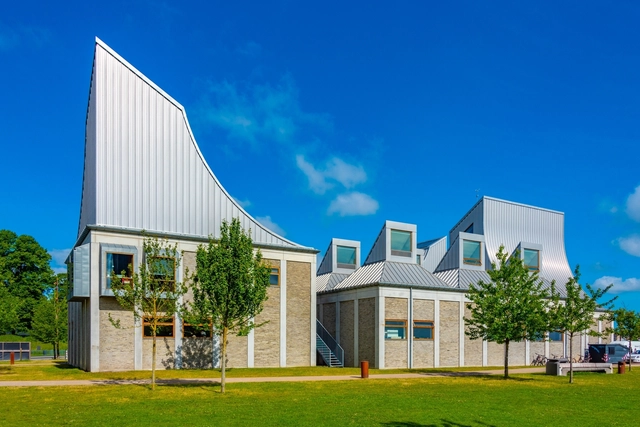
Architect Jørn Utzon, globally recognized for projects like the Sydney Opera House, introduced an innovative design featuring its iconic shell-shaped roofs. Though he achieved great fame in Oceania, Utzon was born in Denmark, and it was in his childhood city that his final project was realized. Inaugurated in 2008, the Utzon Center, which hosted the 2024 Obel Award ceremony, not only honors the culmination of his distinguished career but also marks the beginning of his enduring legacy.
Lydia Kallipoliti is a recognized architect, author, and educator whose pioneering research has transformed the way architecture engages with the pressing challenges of sustainability, technology, and environmental politics. As an Associate Professor at Columbia University's Graduate School of Architecture, Planning, and Preservation (GSAPP), Kallipoliti's approach to architectural education encourages students to confront critical issues such as waste, reuse, and closed-loop systems. Her pedagogical philosophy empowers students to see design not only as an aesthetic or functional pursuit but as a powerful tool for addressing global ecological crises, urging them to think systemically and creatively about the future of the built environment.
In addition to her role in academia, Kallipoliti has authored influential works such as The Architecture of Closed Worlds and Histories of Ecological Design: an Unfinished Cyclopedia, which delve deeply into the relationship between architecture and environmental politics. Her research and writings have sparked discourse on methods for architects to reconsider traditional design paradigms and embrace sustainability as a core tenet of architectural practice.
In an era marked by rapid urbanization, climate emergencies, and evolving societal needs, architecture has a complex role to play and a responsibility to engage actively yet sensibly with cultural, political, and economic considerations. In this context, Níall McLaughlin stands out for his balanced approach rooted in historical contexts, yet aware and responsive to contemporary challenges. His studio, Niall McLaughlin Architects, embraces a dialogue-centric approach, fostering a collaborative environment. ArchDaily's senior editor Maria-Cristina Florian had the chance to sit down with Níall McLaughlin and discuss his perspective on the role of architecture in today's society and the emerging challenges of architectural education.
The Tamayouz Excellence Award has announced George Arbid, Lebanese architect and educator, and the founding director of Beirut's Arab Center for Architecture, as the recipient of the prestigious Mohamed Makiya Prize for Architecture 2024. Also known as the Middle Eastern Architectural Personality of the Year Award, this accolade honors Arbid's efforts in documenting, researching, and advocating for the modern architectural heritage of the Arab region. The Mohamed Makiya Prize, established in 2014 to honor the eminent Iraqi architect Dr. Mohamed Saleh Makiya, celebrates those who have profoundly influenced architecture and the built environment across the region.
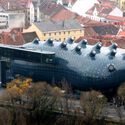
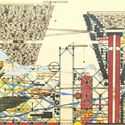
British architect and planner Colin Fournier, co-founder of conceptual architecture studio Archigram and Professor of Architecture and Urbanism at the Bartlett School of Architecture, has passed away at the age of 79. Fournier was best known for his co-design of the Kunsthaus Graz in Austria, also known as the "Friendly Alien." This project, completed together with Sir Peter Cook, is celebrated as one of the most distinctive cultural landmarks of its time. For his contributions to this work, Fournier was awarded Austria's Goldener Ehrenzeichen medal in 2005, a recognition of his impact on the architectural landscape.
The Second Studio (formerly The Midnight Charette) is an explicit podcast about design, architecture, and the everyday. Hosted by Architects David Lee and Marina Bourderonnet, it features different creative professionals in unscripted conversations that allow for thoughtful takes and personal discussions.
A variety of subjects are covered with honesty and humor: some episodes are interviews, while others are tips for fellow designers, reviews of buildings and other projects, or casual explorations of everyday life and design. The Second Studio is also available on iTunes, Spotify, and YouTube.
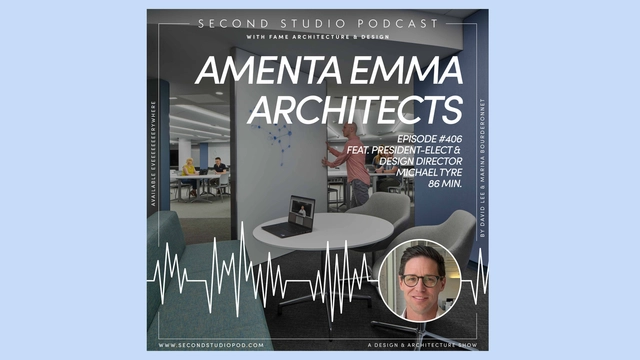
This week David and Marina of FAME Architecture & Design are joined by Michael Tyre, President-Elect and Design Director of Amenta Emma Architects to discuss his childhood interests; education and early career; neurodiversity in design; the Smith College Young Classroom project; fixed variation vs segregation design model; the shift from ego-driven design to co-creation; reframing social discourse to create inclusive spaces; and more.
https://www.archdaily.com/1021219/the-second-studio-podcast-an-interview-with-michael-tyre-of-amenta-emma-architectsThe Second Studio Podcast
The vast majority of practitioners I've known over the years seek well-trained graduates who are ready on Day One to be productive employees. But that's not all an architectural education needs to deliver. Michael Monti—who for the past 20 years has served as executive director of the Association of Collegiate Schools of Architecture (ACSA), which represents 5,000 architecture faculty teaching more than 30,000 students—stresses that architectural education needs to rest on strong foundation of shared values and ethics in order for graduates to make meaningful contributions to what he describes as a "civilized life," promoting the dignity, freedom, health, and well-being of the people who interact with architecture every day.
https://www.archdaily.com/1021154/architecture-schools-are-responsible-for-educating-the-whole-studentMichael J. Crosbie
QS, Quacquarelli Symonds World University Rankings, has announced the annual list of the top universities to study Architecture and the Built Environment in the year 2024. The ranking evaluates over 1,500 institutions from over 100 locations. The evaluation system has been updated this year to include new metrics such as sustainability, employment outcomes, and international research networks.
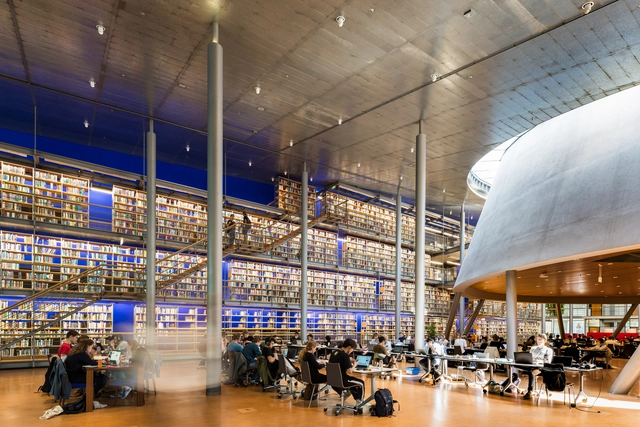
The top three contenders, the Bartlett School of Architecture, MIT, and Delft UT, have maintained their ranking from 2023, with ETH Zurich showing a slight decrease from an equal third position to the fourth. In the sixth position, Harvard University stands out as the top university for employer reputation in this subject. Among the top 10 universities, Politecnico di Milano had the greatest advancement in rankings, moving from the 10th position last year to the 7th.
The discipline of architecture has undergone considerable change, primarily driven by advancements in the application of technology. Architects, long viewed as the futurists of the constructed world, are now utilizing progressive techniques and resources and expanding the use cases of technologies such as Augmented Reality (AR) and Virtual Reality (VR). This transition extends beyond professional practices into architectural education, bringing opportunities to redefine the approach of architects toward their craft.